-
Koralle, Yawuh
- Root Genre: Hip-Hop / Rap
- Primary Branch: Jazz Rap / Instrumental Hip-Hop / Jazz Beats
- Secondary Influences: Soul Jazz, Lo-fi Hip-Hop, Neo-Soul, Downtempo, Contemporary Jazz
- Textural Identity: Warm, nocturnal, dusty and organic — sample-based beats blended with live guitar, bass, trumpet/flugelhorn and soft synth textures
- Energy Axis: Low → Medium (head-nodding grooves, restrained momentum, occasional MC-led lift)
I would place Primo Quarto firmly under Hip-Hop rather than Jazz. Koralle & Yawuh are beatmakers first: loops, drums and groove provide the structural DNA, while jazz supplies much of the harmonic language, instrumentation and atmosphere. That distinction is especially clear because the album alternates instrumental beat pieces with actual rap performances from Anti Lilly, Physical Graffiti and Tiff The Gift. Koralle’s own Bandcamp tags it “hip-hop/rap,” “instrumental hip-hop” and “jazz beats,” while Melting Pot describes the pair as Italian “jazz beat” producers. :chatgpt-content-reference{index=“0”}
What makes it more interesting than a straightforward lo-fi beat tape is the amount of live musicianship woven into the production. Matteo Magnaterra contributes bass, Piergiorgio Perrella and Gianluca Arcesilai guitar, and Giovanni Tamburini trumpet and flugelhorn; producer-musicians including Phlocalyst, Saib and Lorenzo Morresi also appear. Shangri-La is probably the clearest expression of the album’s hybrid character: Melting Pot itself describes it as an earthy soul-jazz piece built around guitar, bass, synth, flugelhorn and trumpet. :chatgpt-content-reference{index=“1″}
Small review
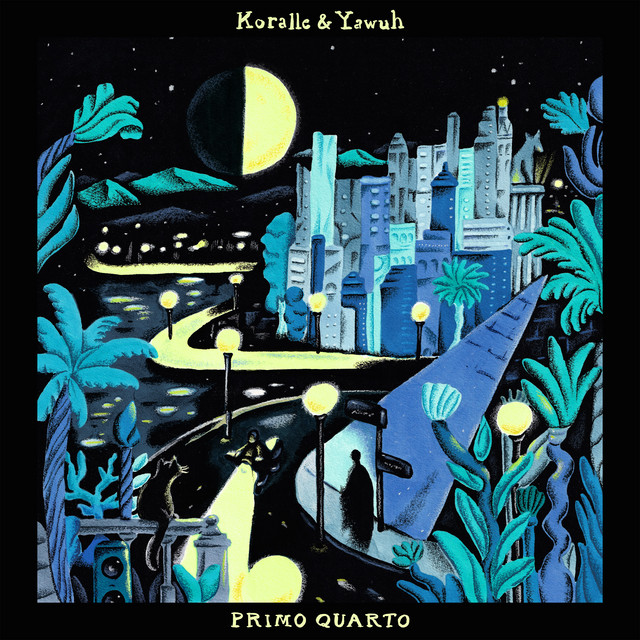
Primo Quarto feels like exactly the sort of record Melting Pot Music is particularly good at releasing: hip-hop whose relationship with jazz goes deeper than simply putting an old Blue Note sample over drums. Koralle and Yawuh keep the beats compact and understated, allowing live instrumentation to drift in and out until the boundary between beatmaking and small-ensemble jazz becomes pleasantly fuzzy. The record’s title refers to the first-quarter moon—half illuminated, half shadow—and that image fits: the music has a distinctly after-dark Bologna atmosphere, simultaneously warm and slightly mysterious. :chatgpt-content-reference{index=“3”}
If Endtroducing..... represented the cinematic/sample-collage side of instrumental hip-hop and Shades of Blue the Blue Note/jazz-reconstruction side, Primo Quarto sits further toward the modern jazz-beats / organic beat-scene end of the spectrum. Given the albums you’ve been exploring recently, this is very much in the connecting territory between your jazz and hip-hop listening.
-
- Root Genre: Hip-Hop / Rap
- Primary Branch: Instrumental Hip-Hop / Jazz Rap
- Secondary Influences: Jazz-Funk, Soul Jazz, Hard Bop, Post-Bop, Fusion
- Textural Identity: Dusty, warm, sample-heavy and groove-driven; chopped Blue Note recordings intermixed with loose live-jazz reinterpretations
- Energy Axis: Low → Medium (laid-back head-nod grooves with occasional bursts of rhythmic intensity)
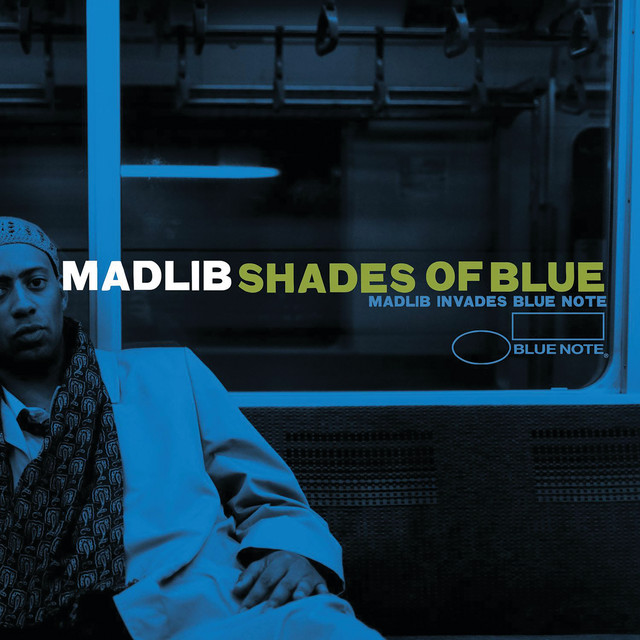
Shades of Blue sits almost exactly on the border between instrumental hip-hop and jazz, but I would put it on the hip-hop side. The decisive factor is Madlib’s underlying musical logic: loops, breaks, sampling, repetition and beat construction shape the record even when the source material is unmistakably jazz. Blue Note gave him access to its archives, and he reworked material by Donald Byrd, Bobby Hutcherson, Bobbi Humphrey, Wayne Shorter, Horace Silver and others; some tracks are sample-based remixes while others are newly played interpretations performed through his Yesterday’s New Quintet personas. ([Pitchfork][1])
What makes the album special is that Madlib doesn’t try to make jazz behave politely inside hip-hop. “Stepping Into Tomorrow” takes Donald Byrd’s already-funky source and turns the drums into the gravitational centre; “Montara” becomes dreamy and almost weightless; and by the time he reaches “Footprints,” “Peace” and “Dolphin Dance,” the boundary between beat tape, remix record and imaginary jazz session has almost disappeared. There’s plenty of vinyl haze, slightly crooked timing and deliberately murky production, but that’s precisely where its personality lives. Blue Note itself describes it as a mixture of “remixes & reimaginations” of its catalogue.
And given that you just discovered Endtroducing....., this is an excellent next step in your instrumental-hip-hop exploration: DJ Shadow approaches sampling almost cinematically, whereas Madlib approaches it like an obsessive jazz collector pulling records apart and putting them back together. Shades of Blue feels less dramatic and more relaxed, funky and improvisational — almost like hearing a great Blue Note session through the ears of a hip-hop producer.
[1]: https://pitchfork.com/reviews/albums/5541-shades-of-blue-madlib-invades-blue-note/?utm_source=chatgpt.com “Madlib: Shades of Blue: Madlib Invades Blue Note Album Review | Pitchfork”
-
 DJ Shadow
- Root Genre: Hip-Hop / Rap
- Primary Branch: Instrumental Hip-Hop / Sampledelia
- Secondary Influences: Trip-Hop, Jazz, Funk/Soul, Ambient, Psychedelic Rock, Downtempo Electronic
- Textural Identity: Dusty, cinematic, nocturnal and collage-like — chopped drums, obscure samples, vinyl crackle, deep bass and atmospheric loops
- Energy Axis: Low → Medium-High (mostly brooding and hypnotic, punctuated by hard breakbeats and dramatic crescendos)
Endtroducing..... (1996) is one of those records where hip-hop production becomes the entire composition rather than simply the foundation for an MC. DJ Shadow builds tracks almost entirely from sampled records, but the result feels remarkably organic: fragments of jazz, soul, prog rock, spoken word and ambient music are reorganized into something with its own narrative logic. The drums remain unmistakably hip-hop—especially on tracks like “Building Steam With a Grain of Salt” and “The Number Song”—yet the album often has the mood and scale of a film soundtrack.
What makes it special is its balance between crate-digger obscurity and emotional immediacy. “Midnight in a Perfect World” is melancholic and almost dreamlike, while “Stem/Long Stem” stretches toward darker, more abstract territory. Despite the density of the sampling, it rarely feels showy; Shadow uses technique in service of atmosphere. If Placebo Years appealed to you through its groove, texture and slightly nocturnal jazz-funk character, Endtroducing..... reaches some related territory from the opposite direction: hip-hop first, but constantly absorbing jazz, funk and ambient music into its world.
-
 Donald Byrd
- Root Genre: Jazz
- Primary Branch: Hard Bop / Gospel Jazz
- Secondary Influences: Spirituals, Soul Jazz, Blues, Sacred Choral Music
- Textural Identity: Acoustic, spacious and devotional — brass and rhythm-section hard bop framed by an eight-voice gospel choir, giving the music a striking sacred/ceremonial quality
- Energy Axis: Medium → High (alternates between solemn, almost meditative passages and forceful hard-bop propulsion)
A New Perspective is one of the more unusual records in Donald Byrd’s early catalogue. Recorded in 1963 with arrangements by Duke Pearson, it places Byrd alongside a formidable group — Hank Mobley, Herbie Hancock, Kenny Burrell, Butch Warren and Lex Humphries — while adding a choir directed by Coleridge-Taylor Perkinson. Byrd’s stated musical idea was essentially to bring the spiritual tradition explicitly into modern jazz, rather than merely borrow gospel inflections. ([Blue Note Records][1])
The result is still fundamentally hard bop, but the choir completely changes its emotional scale. On “Elijah” the band swings and pushes in recognizably Blue Note fashion, while the voices hover behind it almost like another orchestral section. “Cristo Redentor” is the centerpiece: slow, stately and almost hymn-like, with Byrd’s trumpet emerging from the choral backdrop rather than dominating it. Duke Pearson’s arrangements are crucial—the choir never feels pasted onto a jazz session; it becomes part of the architecture of the music. AllMusic similarly classifies the album as hard bop while highlighting its unusually successful integration of gospel choir and jazz. ([AllMusic][2])
For your genre system, I would not move it into Gospel / Spiritual as the root: the improvisational language, rhythm section, solo structure and harmonic vocabulary remain unmistakably Jazz. Gospel is instead the defining secondary DNA—the element that makes A New Perspective such a distinctive record within Byrd’s hard-bop period.
[1]: https://store.bluenote.com/products/donald-byrd-a-new-perspective-uhq-cd?utm_source=chatgpt.com “DONALD BYRD - Donald Byrd - A New Perspective (UHQ CD) - Blue Note Records”
[2]: https://www.allmusic.com/album/a-new-perspective-mw0000668084?utm_source=chatgpt.com “Donald Byrd: A New Perspective Tracks & Reviews | AllMusic” -
 Nucleus
- Root Genre: Jazz
- Primary Branch: Jazz-Rock Fusion / Jazz-Funk
- Secondary Influences: Progressive Rock, Funk, Soul-Jazz, Psychedelic Rock, Electric Miles-era Fusion
- Textural Identity: Electric, muscular and groove-heavy; wah/fuzz guitar, electric keyboards, bass-driven riffs and Ian Carr’s bright trumpet cutting through a dense ensemble sound
- Energy Axis: Medium → High (long simmering grooves punctuated by tightly wound, explosive passages)
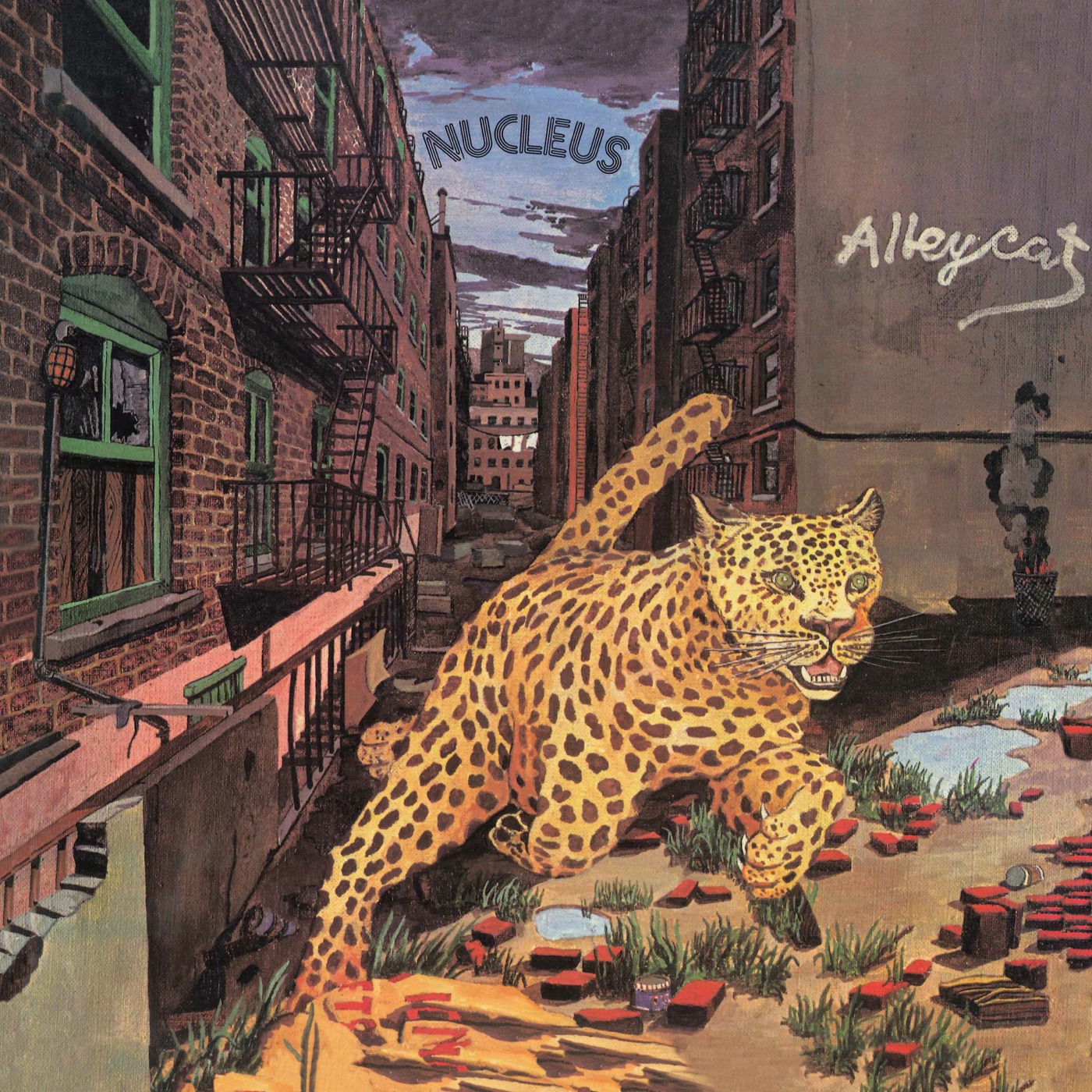
Released in 1975, Alleycat catches Ian Carr’s Nucleus at a point where their early experimental jazz-rock had become noticeably funkier and more physical. AllMusic classifies it as jazz-rock, while retrospective accounts emphasize just how heavily this late-period Nucleus lineup leaned on funk; compared with their earlier records, the emphasis is less on abstraction and more on sustained riffs, rhythm and ensemble momentum. ([AllMusic][1])
There is still plenty of compositional sophistication underneath. The 14-minute title track and nearly 12-minute “Splat” unfold more like fusion pieces than conventional funk tunes, giving the musicians space to stretch ideas gradually rather than merely cycle grooves. “Phaideaux Corner” also introduces some electronic experimentation, while “Nosegay” pushes into quicker, more intricate jazz territory. ([AllMusic][1])
Small review: Alleycat is perhaps best understood as Nucleus turning jazz fusion into streetwise groove music. It doesn’t have quite the strange, exploratory atmosphere of Elastic Rock, but what it sacrifices in mystery it gains in sheer propulsion. Bass and drums lock into remarkably greasy patterns while Carr’s trumpet gives the music its unmistakably British-jazz identity. There’s something almost cinematic about it—dirty city streets, chase sequences, dim clubs—but the playing is far too sophisticated to become mere “cop-show funk.” If you like Miles Davis circa On the Corner, early Soft Machine, Herbie Hancock’s Mwandishi/Headhunters continuum, or Placebo’s The Placebo Years, this sits beautifully in the same collection. ([Soundohm][2])
My shorthand: Jazz → Jazz-Funk / Jazz-Rock Fusion, with the balance tilted slightly more toward Jazz-Funk than Nucleus’ earliest records.
[1]: https://www.allmusic.com/album/alleycat-mw0000843048?utm_source=chatgpt.com “Nucleus: Alleycat Tracks & Reviews | AllMusic”
[2]: https://www.soundohm.com/product/alleycat-lp-1?utm_source=chatgpt.com “Nucleus – Alleycat (LP) – Soundohm” -
Marc Moulin
- Root Genre: Jazz
- Primary Branch: Jazz-Funk / Jazz-Rock Fusion
- Secondary Influences: Psychedelic Rock, Soul/Funk, Early Electronic Music, Progressive Jazz
- Textural Identity: Warm, analogue, groove-heavy and slightly psychedelic — electric piano, brass, flute, guitar and early Moog textures
- Energy Axis: Medium → High (deep head-nod grooves punctuated by sharper fusion workouts)
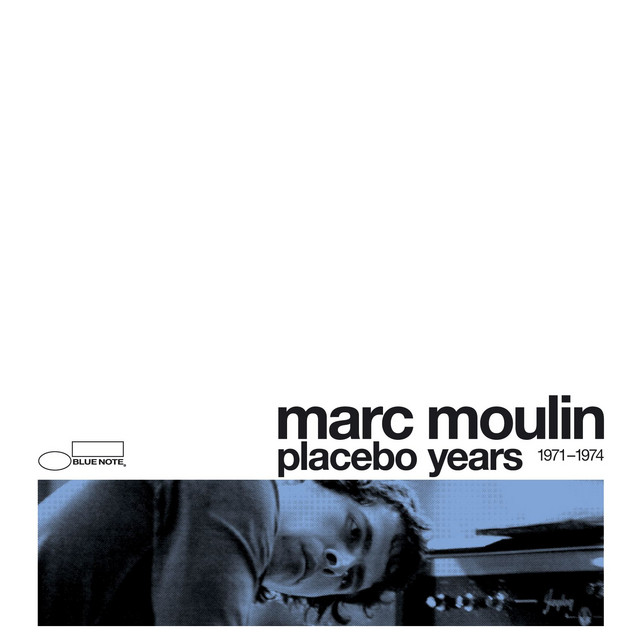
Placebo Years 1971–1974 is actually a 2006 compilation of Marc Moulin’s work with the Belgian group Placebo, drawing from their early-1970s recordings rather than a standalone period album. Contemporary cataloguing places it squarely in jazz/fusion/jazz-rock, while Moulin himself described Placebo as working in a fusion lineage connected to Weather Report and Soft Machine. ([Muziekweb][1])
What makes it much more interesting than the generic jazz-rock label suggests is the rhythm section. Tracks like “Balek,” “Humpty Dumpty,” “Showbizz Suite,” “S.U.S.” and “Stomp” have compact, repetitive grooves that sound remarkably compatible with hip-hop despite predating it by years. That quality is one reason Moulin’s Placebo material subsequently became prized by beat-makers and sample culture; sources specifically note its appeal to artists such as J Dilla, Madlib and DJ Shadow. ([marcmoulin.com][2])
Small review
This is European fusion without much of fusion’s later virtuoso excess. Moulin seems far more interested in groove, atmosphere and sonic curiosity than proving how difficult the music is. Rhodes-like keyboards hover around clipped horns, funky basslines and dry drums while the Moog introduces an almost futuristic instability. At moments it resembles Herbie Hancock’s early electric period; elsewhere there is something distinctly European and slightly strange about it — colder, more abstract and less overtly celebratory than American jazz-funk.
“Balek” is probably the perfect entry point: an irresistible break-driven groove surrounded by brass and keyboards, economical enough to feel almost like a lost producer’s loop. Across the compilation, that economy is the secret weapon. Placebo repeatedly finds a riff, lets it breathe, introduces one unusual texture and moves on before indulgence takes over. The result sounds simultaneously 1972 and weirdly post-1990s.
For your framework, I would not put this under Electronic despite the synthesizers, and I wouldn’t make Rock the root either. Its fundamental language remains jazz — improvisation, jazz instrumentation and fusion harmony — transformed by funk rhythm and electric technology. ([jazzmessengers.com][3])
My shorthand: Jazz → Jazz-Funk / Fusion → psychedelic, proto-electronic edge.
[1]: https://www.muziekweb.nl/Link/JE26469/Placebo-years-1971-1974?utm_source=chatgpt.com “Placebo years : 1971-1974 - Marc Moulin - Muziekweb”
[2]: https://www.marcmoulin.com/bio.html?utm_source=chatgpt.com “Marc Moulin - Biography”
[3]: https://www.jazzmessengers.com/nl/87636/placebo-years-1971-1974-limited-colored-lp?utm_source=chatgpt.com “Placebo Years: 1971-1974 (Limited Colored LP)” -
DJ Plead
- Root Genre: Electronic
- Primary Branch: Hard Drum / Deconstructed Club
- Secondary Influences: Arabic Maqam, Dabke and Levantine Rhythms, Dub, Ambient, Bass Music
- Textural Identity: Percussive, microtonal, bass-heavy and tactile; dry drums offset by hovering synths, strings and traditional melodic timbres
- Energy Axis: Low → High (slow-burning, introspective passages repeatedly tightening into forceful rhythmic pressure)
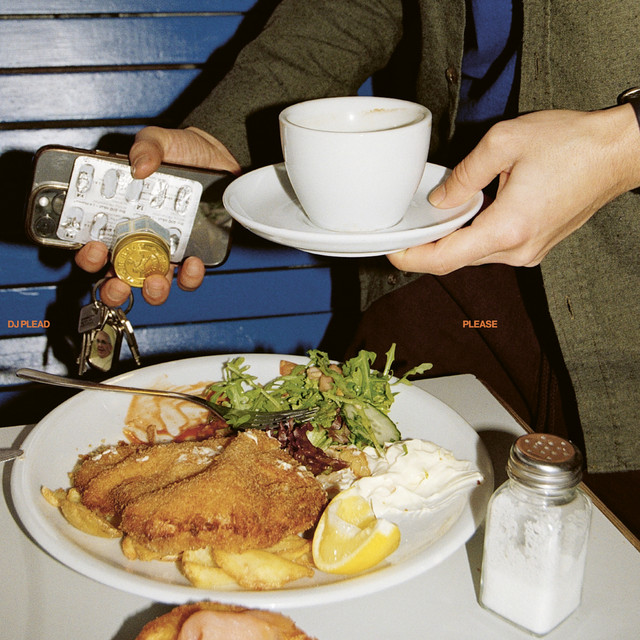
On Please, DJ Plead stretches his club vocabulary into something unusually personal and emotionally exposed. His signature combination of asymmetrical percussion and Arabic maqam-inflected melody remains central, but this is less straightforwardly dancefloor-driven than the hard drum label might suggest. The album frequently moves at restrained tempos, leaving open space around the bass, hand-drum patterns and microtonal phrases. Dub weight, ambient suspension and occasional almost chamber-like string textures make it feel closer to an exploratory electronic album than a conventional collection of club tracks. ([Pitchfork][1])
Please sounds as though DJ Plead has dismantled his own rhythmic language and rebuilt it from unfinished memories. Tracks such as “Stucco” retain a strong physical pulse, while the more spacious pieces allow melodies to drift, bend and briefly disappear. The record can feel raw and fragmentary, but that incompleteness becomes part of its appeal: rhythms arrive without obvious resolution, and moments of tenderness sit beside deep, threatening low end. It is a subtle but gripping album—rooted in the club, yet ultimately more reflective, vulnerable and strange than functional.
[1]: https://pitchfork.com/reviews/albums/dj-plead-please/?utm_source=chatgpt.com “DJ Plead: Please Album Review | Pitchfork”
-
Brion Gysin
- Root Genre: Electronic
- Primary Branch: Experimental Electronic / Spoken-Word Sound Art
- Secondary Influences: Avant-Garde Jazz, Dub, Post-Punk, Industrial, Beat Poetry
- Textural Identity: Hypnotic, nocturnal and hallucinatory; Gysin’s incantatory voice floats over skeletal basslines, electronic pulses, saxophone fragments and slowly mutating grooves
- Energy Axis: Low → Medium (ritualistic repetition with intermittent rhythmic tension rather than conventional peaks)
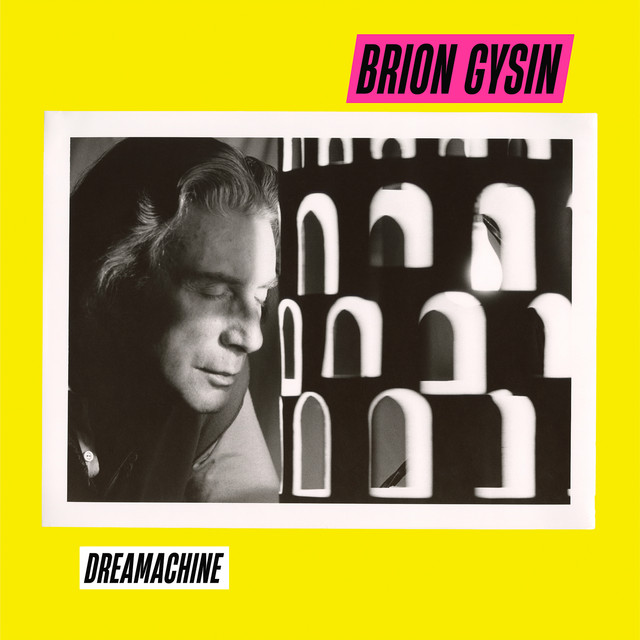
Created with French musician and sound artist Ramuntcho Matta, Dreamachine is less a conventional album than an extended audiovisual ritual translated into sound. Gysin recites fragmented phrases in a dry, intimate voice while Matta surrounds him with looping bass, restrained percussion, hazy synthesizers and dislocated jazz instrumentation. The music’s repetition evokes the flickering mechanism of Gysin’s actual Dreamachine: patterns remain stable long enough to become hypnotic, then subtly shift beneath the listener. Although some catalogues place it under avant-garde jazz, its fundamental construction—sequencing, loops, electronic atmosphere and studio manipulation—makes Electronic the more convincing root genre. ([Discogs][1])
Small review
Dreamachine feels like entering a dim room where a bass loop has already been playing for hours. Gysin does not exactly sing or perform poetry; he murmurs, chants and repeats language until words begin to function like percussion. Matta’s arrangements are remarkably economical, balancing dub-like spaciousness with post-punk unease and flashes of smoky saxophone. The result can initially seem static, but its purpose is cumulative rather than narrative. Given enough attention, the smallest changes—a new rhythmic accent, a vocal echo, an instrumental intrusion—become strangely dramatic. It is austere, seductive and genuinely uncanny: a bridge between Beat sound poetry, downtown avant-garde music and the hypnotic electronics that followed. ([thelineofbestfit.com][2])
[1]: https://www.discogs.com/release/36748993-Brion-Gysin-Dreamachine?srsltid=AfmBOopeEBfyJ2vdh6rR63wkGFKiOzR-qd9-hwebRuOgZdziUkQT3EGB&utm_source=chatgpt.com “Brion Gysin – Dreamachine”
[2]: https://www.thelineofbestfit.com/news/brion-gysin-dreamachine-definitive-vinyl-edition-ahead-of-major-paris-exhibition?utm_source=chatgpt.com “Brion Gysin’s Dreamachine recordings set for definitive ...” -
 Boards of Canada
- Root Genre: Electronic
- Primary Branch: Ambient / Downtempo / IDM
- Secondary Influences: Hip-Hop Beatmaking, Psychedelia, Library Music, Educational Film Soundtracks, Lo-Fi Tape Collage
- Textural Identity: Analog-warm, hazy, nostalgic, degraded-tape atmosphere; childlike melodies under eerie archival textures
- Energy Axis: Low → Medium (mostly meditative and head-nodding, with occasional darker rhythmic drive)
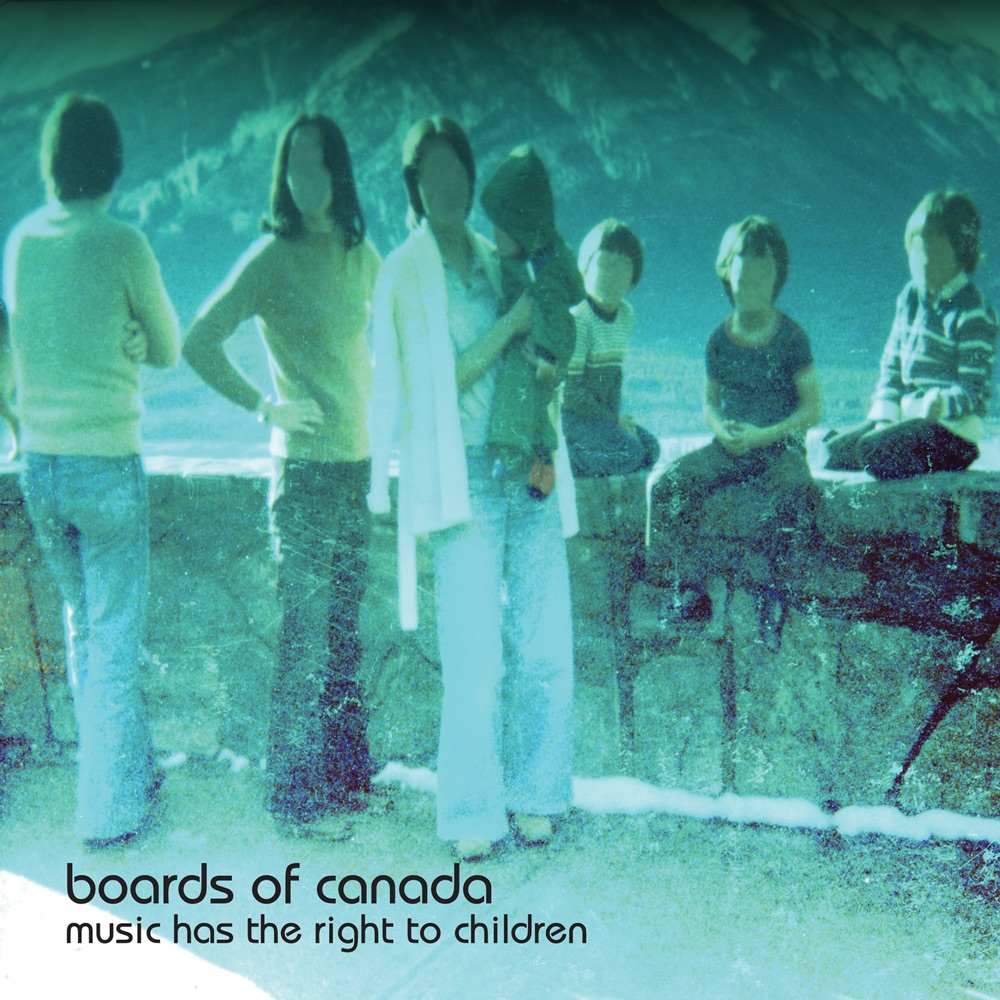
Boards of Canada’s Music Has the Right to Children sits at the point where electronic music becomes memory architecture. Structurally it is electronic first: built from drum machines, samplers, synth loops, sequencing, and studio manipulation. But its emotional DNA is not club-oriented; it is closer to half-remembered childhood television, school documentaries, public-information films, and sun-bleached VHS tapes. That is why I would not file it simply as “ambient” or “trip-hop.” It has beats, but the beats are softened, dusty, and hypnotic rather than dancefloor-functional.
Small review:
_ Music Has the Right to Children_ feels like finding an old educational cassette in an attic and realizing it has been dreaming for twenty years. Tracks like “Roygbiv” glow with naïve melodic innocence, almost like a children’s TV theme melted into a synthesizer lullaby, while “An Eagle in Your Mind” and “Telephasic Workshop” introduce something more uncanny: hip-hop-derived rhythms, warped voices, and loops that seem to decay as you listen. The genius of the album is its balance between comfort and unease. It is warm, but never fully safe; nostalgic, but not sentimental; electronic, but strangely organic. A landmark of late-1990s IDM because it made electronic music feel less like the future and more like a corrupted memory of the past. -
#spotify
- Root Genre: Rock
- Primary Branch: Krautrock / Experimental Rock
- Secondary Influences: Psychedelic Rock, Proto-Ambient, Funk, Jazz-Rock, Film Music
- Textural Identity: Hypnotic, raw, collage-like, rhythm-forward, studio-experimental
- Energy Axis: Low → High, with drifting atmospheres interrupted by sharp motorik/funk-rock intensity
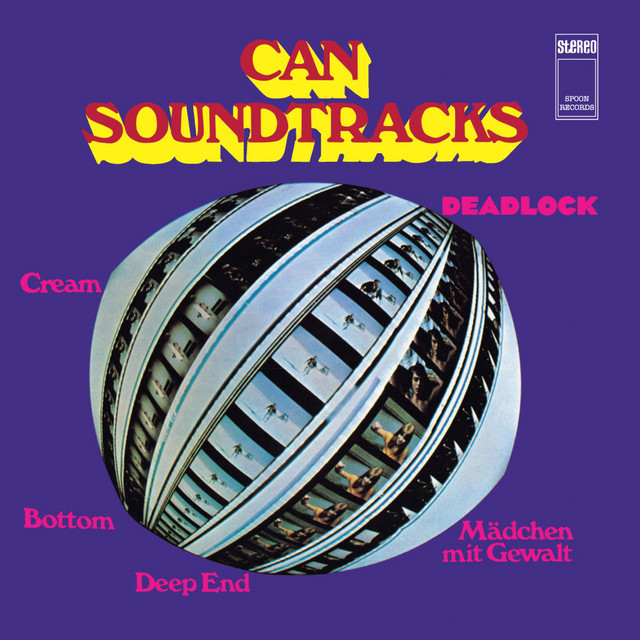
Can – Soundtracks (1970) sits in a transitional but fascinating place in Can’s discography. It is not a “soundtrack album” in the conventional orchestral or cinematic-score sense; rather, it gathers pieces written for several films, functioning almost like a laboratory between Monster Movie and Tago Mago. You can hear the band moving away from late-60s psychedelic rock toward the more radical, groove-based, trance-like language that would define Krautrock.
The album’s identity is split between two vocal eras: Malcolm Mooney appears on the volcanic “Soul Desert” and “She Brings the Rain,” while Damo Suzuki enters on tracks like “Deadlock” and the monumental “Mother Sky.” That last piece is the album’s gravitational center: a long, propulsive, proto-motorik rock-funk ritual where Jaki Liebezeit’s drumming becomes almost mechanical but still deeply human. Elsewhere, the record drifts into hazier, more atmospheric territory, showing Can’s ability to make music that feels both improvised and architecturally controlled.
Small review: Soundtracks is less cohesive than Tago Mago or Ege Bamyasi, but that looseness is part of its charm. It feels like a set of portals: some brief, strange, and cinematic; others opening into the full Can universe. “Mother Sky” alone makes it essential, but the quieter pieces reveal another side of the band: shadowy, suspended, almost ghostly. It is a bridge album, but one where the bridge itself is already alive, vibrating, and dangerous.
-
Electric Sandwich
Discovered on instagram. #spotify
- Root Genre: Rock
- Primary Branch: Krautrock / Progressive Psychedelic Rock
- Secondary Influences: Blues Rock, Jazz-Rock, Hard Rock, Space Rock, Proto-Fusion
- Textural Identity: Fuzzy, sax-laced, organ-tinted, jam-oriented, raw early-’70s German underground sound
- Energy Axis: Medium → High, with hypnotic grooves, bluesy surges, and instrumental freak-out passages
Electric Sandwich’s Electric Sandwich is best understood as Rock at the root, not Jazz, even though the saxophone and jazz-rock phrasing are central to its flavor. Discogs tags the 1972 German release as Jazz, Rock with styles including Krautrock, Jazz-Rock, Prog Rock, while contemporary collector/review sources describe its mixture of blues rock, jazz, hard rock, and psychedelic elements. (Discogs) (progarchives.com)
Small review:
This is one of those early-’70s German records where the music sounds like it was grown in a basement with amplifiers, smoke, and a saxophone plugged into the wall. The opening track “China” sets the tone: repetitive, percussive, slightly ritualistic, with fuzz guitar and sax pushing it beyond ordinary blues rock into something stranger. The vocals are not the main attraction; the album works best when it stretches into instrumental passages, where guitar, sax, organ, and rhythm section create a loose but gripping psychedelic-jazz-rock fog. It is less cosmic than Can, less formal than prog, and less polished than British jazz-rock — but that roughness is exactly its charm. -

Discovered by @bobalola_vinyl #spotify
- Root Genre: Rock
- Primary Branch: Krautrock / Experimental Rock
- Secondary Influences: Psychedelic Rock, Avant-Garde, Minimalism, Funk, Early Electronic / Tape Music
- Textural Identity: Hypnotic, ritualistic, abrasive, spacious, groove-driven, with collage-like studio experimentation
- Energy Axis: Medium → Very High / Unstable (motorik trance, sudden eruptions, and long avant-garde breakdowns)
Tago Mago by Can is fundamentally a rock album, but rock stretched almost beyond recognition. Its core DNA is still a band setup — drums, bass, guitar, vocals — yet the music behaves less like conventional rock songwriting and more like a living organism: repetitive grooves, improvisational structures, tape edits, strange vocal incantations, and long-form psychedelic drift. Jaki Liebezeit’s drumming gives it its physical center, while Damo Suzuki’s vocals push it toward something ecstatic, unstable, and ritual-like.
Small review:
Oh, this is not “psychedelic rock” in the colorful, flower-power sense. Tago Mago feels darker, stranger, more subterranean. The first half can still pass as a radical rock record — “Mushroom” and “Halleluwah” ride hypnotic grooves that sound impossibly ahead of their time, almost predicting post-punk, industrial funk, and electronic dance music. But then the album slips into the abyss: “Aumgn” and “Peking O” dissolve into tape manipulation, vocal possession, and studio ritual. It is difficult, yes, but also thrilling — a record where the band seems less interested in songs than in opening a portal. -
Henrik Schwarz, Bugge Wesseltoft
Discovered via HHV. #spotify
- Root Genre: Jazz
- Primary Branch: Nu Jazz / Electro-Acoustic Jazz
- Secondary Influences: Ambient Techno, Deep House, Minimal Electronic, Nordic Jazz, Improvised Chamber-Jazz
- Textural Identity: Spacious, elegant, piano-led, digitally treated, intimate but subtly club-aware
- Energy Axis: Low → Medium (mostly restrained, meditative, with gentle rhythmic propulsion rather than full dancefloor drive)
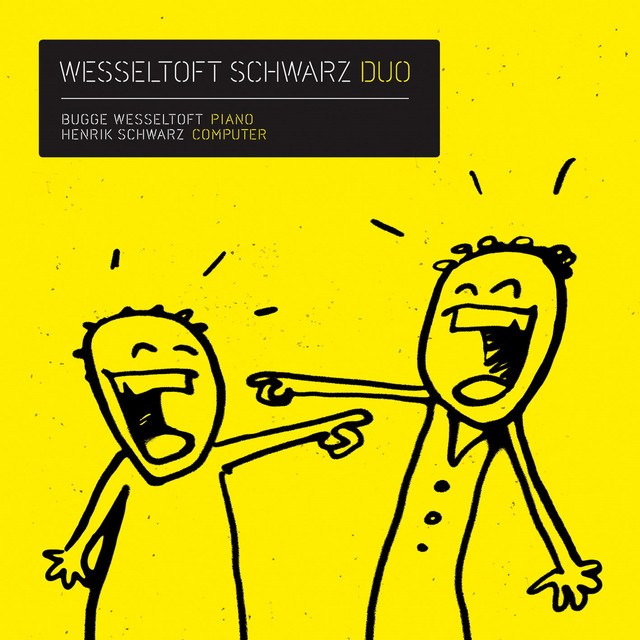
Duo by Bugge Wesseltoft and Henrik Schwarz sits in that rare space where “jazz + electronics” feels like a real conversation rather than a pasted-together fusion. Wesseltoft brings the Nordic jazz vocabulary: lyrical piano, open space, harmonic patience, and improvisational sensitivity. Schwarz brings a producer’s ear for pulse, texture, loops, and subtle electronic architecture. Reviews at the time also framed it exactly this way: not a loud house-jazz crossover, but a restrained dialogue between piano jazz and electronic production, with ambient-jazz, drum-programming, and danceable improvisational elements. ([Resident Advisor][1])
Small review:
This is not a “jazz pianist plays over beats” record, nor is it really a club album. It is more like a dimly lit room where piano phrases, clicks, pulses, and synthetic shadows slowly learn each other’s language. The beauty of Duo is its restraint: Schwarz rarely overwhelms Wesseltoft, and Wesseltoft never treats the electronics as decoration. The result is elegant, patient, and quietly futuristic — a strong example of nu jazz at its most mature. -
Agustin Pereyra Lucena
Discovered via HHV. #spotify
- Root Genre: Latin / Afro-Caribbean
- Primary Branch: Bossa Nova / MPB (Argentinian interpretation of Brazilian tradition)
- Secondary Influences: Jazz (Cool Jazz / Samba-Jazz phrasing), Folk / Traditional (South American melodic sensibility)
- Textural Identity: Acoustic, soft nylon-string guitar, airy arrangements, intimate and understated
- Energy Axis: Low → Medium (gentle, flowing, relaxed with subtle rhythmic movement)
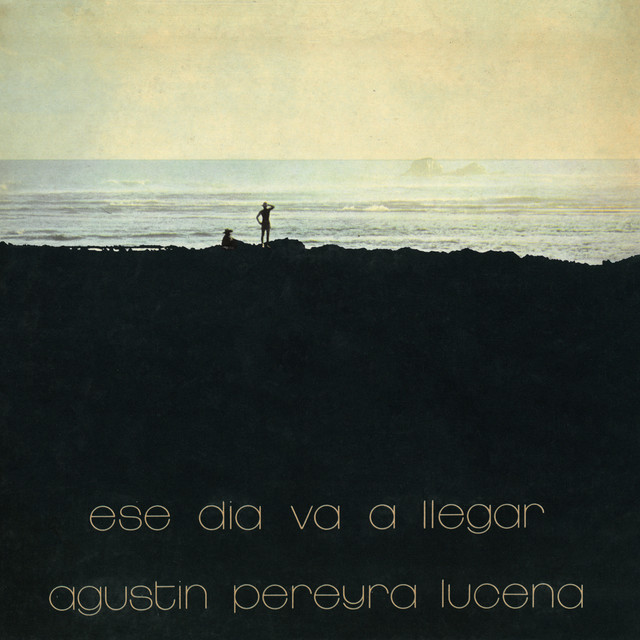
Agustín Pereyra Lucena’s Ese Día Va a Llegar sits in a fascinating cultural pocket: it’s not Brazilian, yet it deeply inhabits the language of bossa nova. What makes it distinct is how it filters that tradition through an Argentinian lens—less sun-drenched and rhythmic-forward than classic João Gilberto, and more introspective, almost chamber-like in its restraint.
The guitar work is delicate and respectful—Lucena avoids virtuoso display in favor of melodic clarity and emotional subtlety. The presence of saxophone and light ensemble arrangements nods toward Stan Getz-era bossa collaborations, but the overall feel is more intimate, less glossy. It’s music that leans inward rather than outward—perfect for close listening rather than background ambiance.
Mini review:
This album feels like a quiet conversation rather than a performance. It doesn’t try to reinvent bossa nova—it gently inhabits it, with humility and taste. The restraint is its strength: every note feels considered, every pause meaningful. If you approach it expecting energy, you might miss it—but if you lean into its softness, it reveals a deeply refined and personal take on a well-known language. -
Tame Impala
Discovered via HHV. #vinyl
- Root Genre: Rock
- Primary Branch: Psychedelic Rock (Neo-Psychedelia)
- Secondary Influences: Electronic (Synth-Pop, Acid House textures), Pop (melodic songwriting), Funk (groove-driven basslines)
- Textural Identity: Lush, swirling, reverb-heavy, analog warmth blended with modern synth layers
- Energy Axis: Low → Medium (hypnotic, groove-oriented, more immersive than explosive)
Deadbeat by Tame Impala sits in that signature space where rock instrumentation dissolves into a hazy, almost liquid sonic environment. Kevin Parker’s production leans heavily on looping, phasing, and saturated textures, creating a sense of drifting consciousness rather than forward-driving rock momentum. Compared to more guitar-centric psych rock, this leans closer to a beat-conscious, subtly electronic feel—almost like a late-night, introspective comedown record where rhythm and atmosphere matter more than riffs.
-
The White Stripes, Jack White
#vinyl
- Root Genre: Rock
- Primary Branch: Garage Rock Revival / Blues Rock
- Secondary Influences: Blues (Delta & Electric), Punk (raw minimalism), Proto-Rock (60s garage)
- Textural Identity: Lo-fi, analog, gritty, stripped-down (guitar + drums), saturated distortion with vintage warmth
- Energy Axis: Medium → High (tight grooves with explosive, riff-driven peaks)
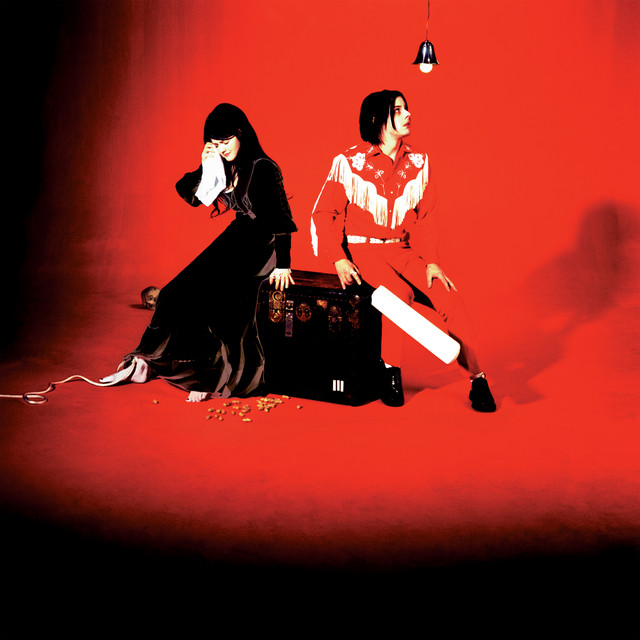
Elephant by The White Stripes is a defining statement of early-2000s rock revivalism. At its core, it reactivates the Blues DNA inside rock—particularly through Jack White’s riff-centric songwriting and raw vocal delivery—while embracing a deliberately primitive, almost anti-modern production aesthetic (recorded entirely on analog equipment). Tracks like “Seven Nation Army” showcase how minimal ingredients can produce massive sonic impact, while deeper cuts lean heavily into Delta blues phrasing, slide guitar textures, and rhythmic urgency. The album’s identity sits right at the intersection of revival and reinvention: it doesn’t modernize rock through polish, but by stripping it back to its elemental force.
-
🇯🇵 Japan Imports 🇯🇵
Discovered via HHV. #vinyl
- Root Genre: Jazz
- Primary Branch: Spiritual / Modal Jazz (Post-Bop lineage)
- Secondary Influences: Hard Bop, Avant-Garde Jazz, Japanese Jazz (TBM-era aesthetic), Latin undertones
- Textural Identity: Acoustic, open, slightly raw yet spacious; prominent trombone-led front line with expressive ensemble interplay
- Energy Axis: Medium → High (expansive modal passages with bursts of intense, exploratory improvisation)
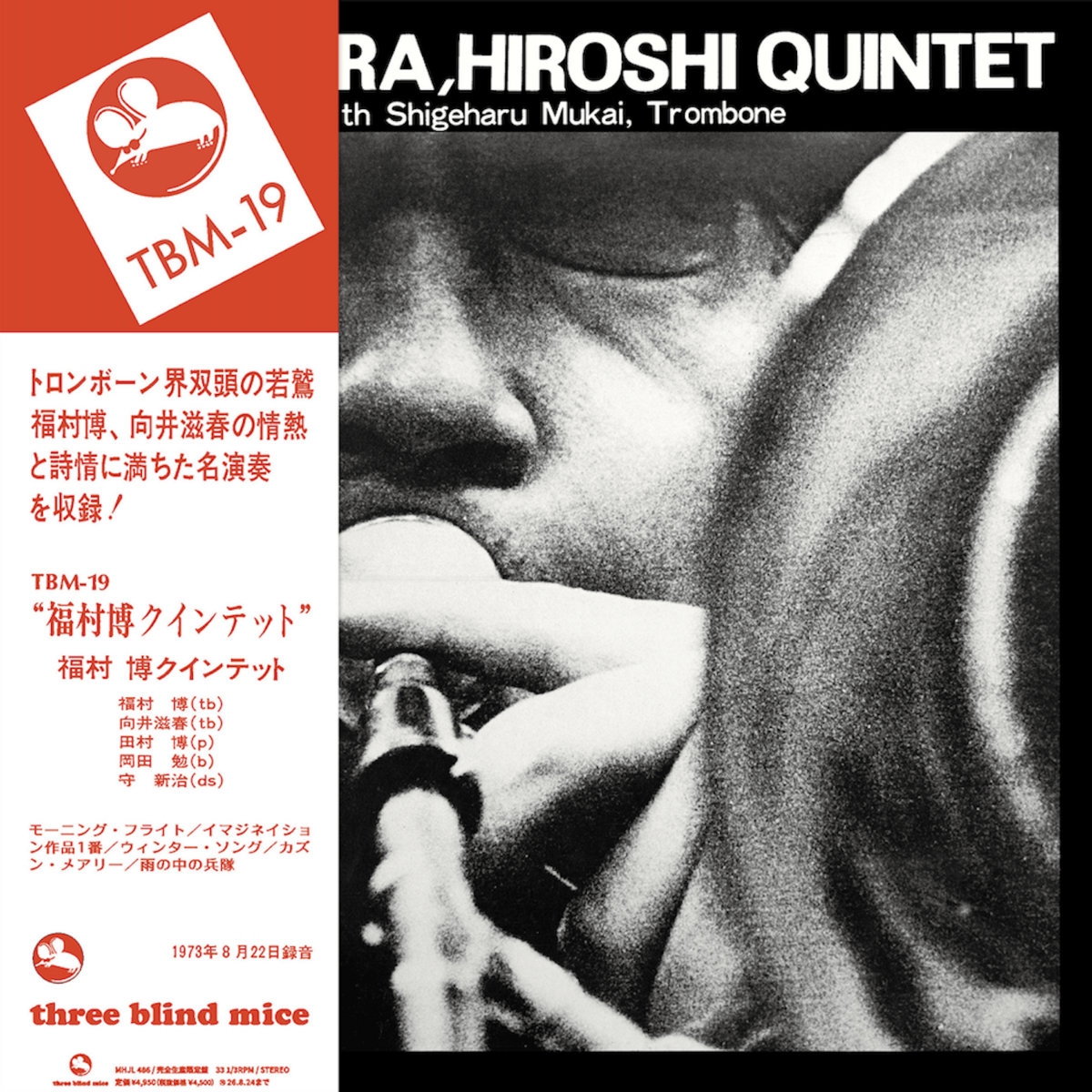
This album by Hiroshi Fukumura Quintet sits firmly in the lineage of 1970s spiritual/modal jazz, where structure loosens in favor of expressive freedom and atmosphere. What makes it stand out is the trombone as a leading voice, giving the record a darker, more burnished tone compared to typical trumpet/sax-led quintets. The playing balances meditative modal sections with moments of urgency, reflecting both the influence of American post-Coltrane jazz and the distinctive clarity and depth of the Japanese jazz scene of the era. It’s less about tight compositions and more about collective exploration, mood, and tonal depth—a record that rewards attentive, immersive listening.
-
🇯🇵 Japan Imports 🇯🇵
Discovered via HHV. #vinyl
- Root Genre: Jazz
- Primary Branch: Post-Bop / Piano Trio Tradition (TBM School)
- Secondary Influences: Standards Tradition, Blues, Modal Jazz (light touches)
- Textural Identity: Acoustic, intimate, highly dynamic, audiophile-grade clarity (Three Blind Mice signature sound)
- Energy Axis: Low → Medium (primarily restrained, late-night introspection with occasional dynamic lifts)
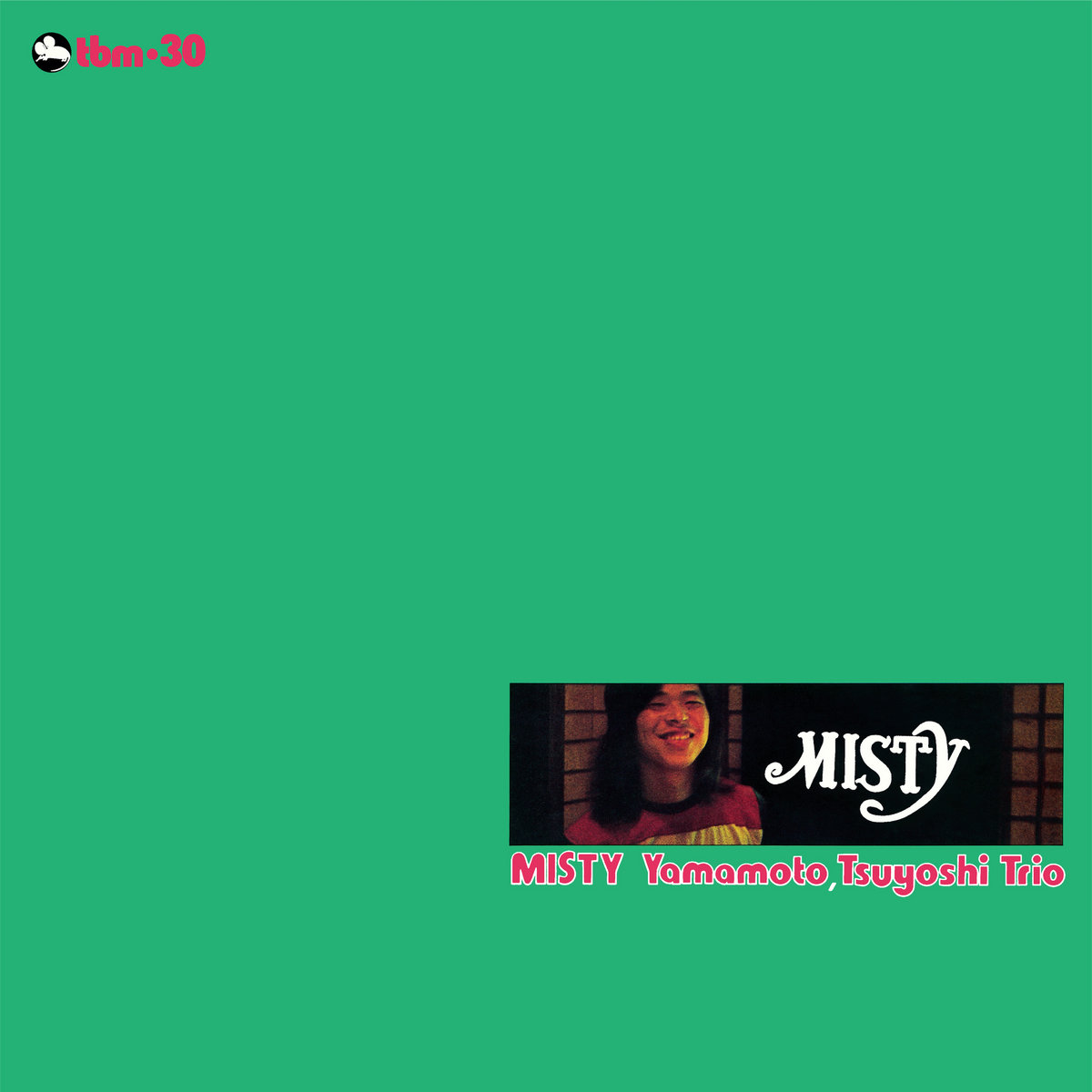
Misty by Tsuyoshi Yamamoto Trio is one of the defining records of the Japanese Three Blind Mice catalog—arguably even more intimate and mood-driven than Midnight Sugar. The album leans heavily on jazz standards (including the iconic “Misty”), but what elevates it is the trio’s sensitivity: Yamamoto’s touch is lyrical and spacious, the interplay is subtle rather than virtuosic for its own sake, and the recording captures every microdynamic with stunning realism. This sits firmly in the “late-night jazz / audiophile listening” lane—music that prioritizes tone, atmosphere, and emotional nuance over complexity or experimentation.
-
🇯🇵 Japan Imports 🇯🇵
Discovered via HHV. #vinyl
- Root Genre: Jazz
- Primary Branch: Post-Bop / Hard Bop (Piano Trio Tradition)
- Secondary Influences: Modal Jazz, Soul Jazz, Latin (via “Black Orpheus”)
- Textural Identity: Acoustic, warm, intimate, audiophile-grade clarity (TBM signature)
- Energy Axis: Medium → High (dynamic swings between laid-back groove and explosive interplay)
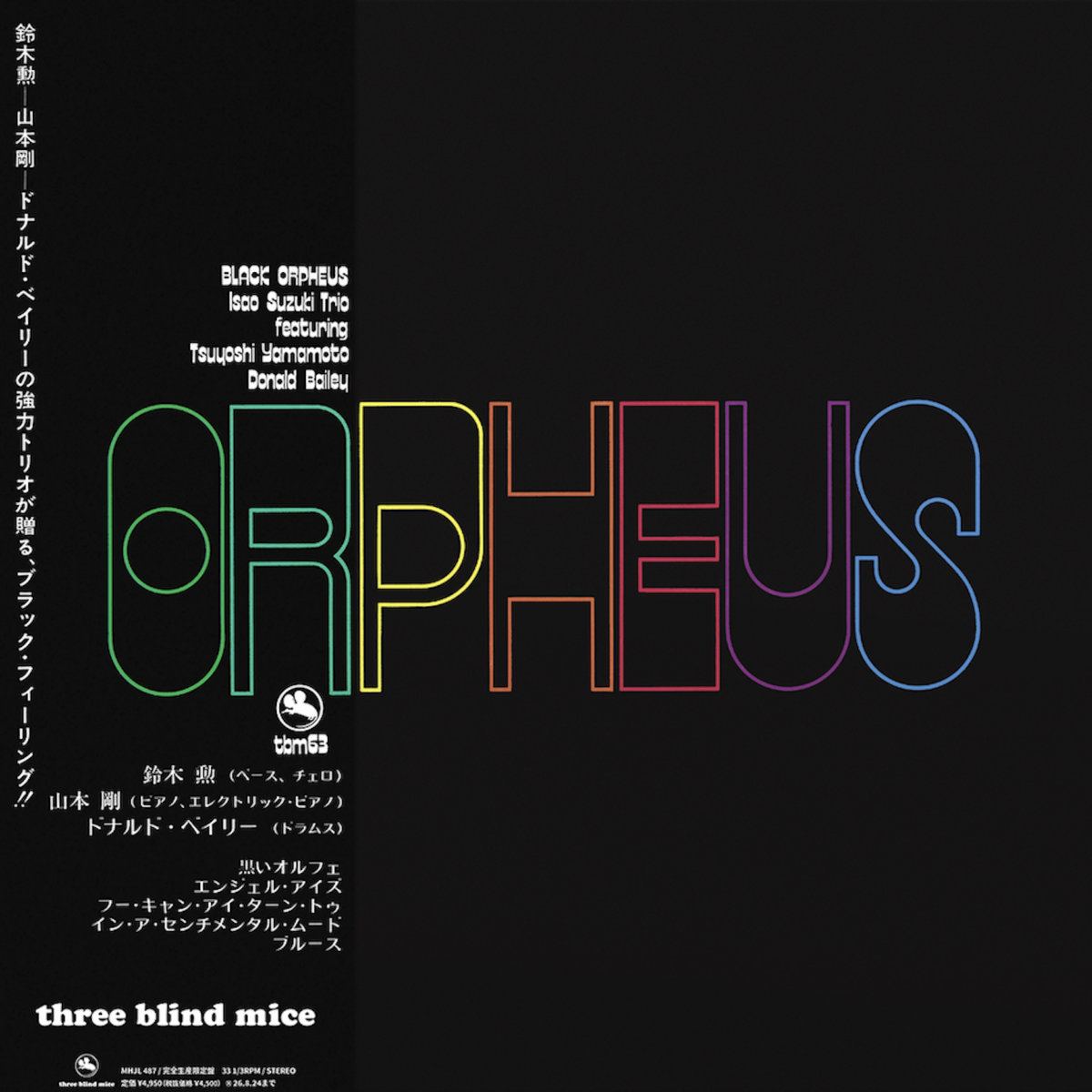
This is a quintessential release from the Japanese Three Blind Mice label, and one of the finest examples of the piano trio jazz tradition outside the US. Isao Suzuki leads with a deeply expressive, woody bass tone, while Tsuyoshi Yamamoto delivers lyrical yet powerful phrasing.
-
 Gaudi
GaudiDiscovered via HHV. #spotify
- Root Genre: Electronic
- Primary Branch: Dub / Dub Electronica
- Secondary Influences: Jazz, Reggae / Dub, Downtempo
- Textural Identity: Deep basslines, echo-soaked spatial mixing, jazz instrumentation fragments (horns, piano) processed through dub effects
- Energy Axis: Low → Mid (meditative groove rather than dancefloor intensity)
Jazz Gone Dub by Gaudi sits fundamentally within the Electronic root genre because the album’s sonic architecture is defined by studio production techniques, bass-heavy mixing, and dub effects processing rather than traditional band performance.
-
Geese
Discovered on social. #spotify
- Root Genre: Rock
- Primary Branch: Indie Rock (Art-Punk leaning)
- Secondary Influences: Post-Punk, Noise Rock, Experimental Rock
- Textural Identity: Gritty, angular guitars; loose-tight rhythm interplay; slightly chaotic but controlled dynamics; wiry, theatrical vocal delivery
- Energy Axis: Medium-High → High (restless, nervy propulsion rather than stadium bombast)
Getting Killed sits firmly in Rock’s amplified band tradition, but it avoids polished indie gloss. Instead, Geese lean into tension: jagged riffs, rhythmic friction, and a sense of barely-contained unraveling. The album channels post-punk’s skeletal urgency and art-rock’s unpredictability rather than classic alt-rock melodicism.
-
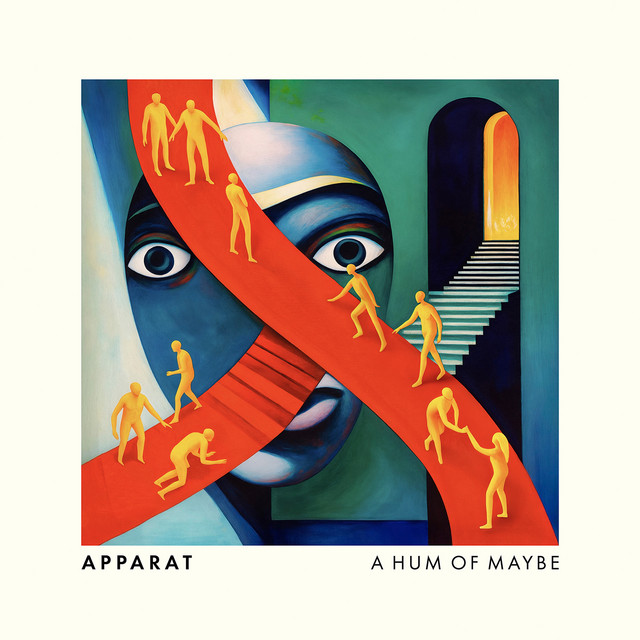
Apparat
Discovered via HHV. #spotify
- Root Genre: Electronic
- Primary Branch: Ambient Techno / IDM
- Secondary Influences: Modern Classical, Post-Rock atmosphere, Experimental Electronica
- Textural Identity: Expansive, melancholic, textural, spatially layered, cinematic
- Energy Axis: Low → Mid (mostly introspective, occasionally rhythm-driven but never club-forward)
A Hum of Maybe feels like walking through a quiet city at dusk, when everything is still but emotionally charged. Sascha Ring strips electronic music down to breath, space, and fragile texture — soft synth swells, distant pulses, and understated vocals that seem to dissolve into the atmosphere. There’s a gentle tension throughout the record: rhythms emerge but never fully dominate, melodies hint at resolution without delivering catharsis. It’s introspective, slightly melancholic, and deeply cinematic — electronic music not designed for the club, but for reflection, solitude, and slow thinking.
-
 Robert Leiner
Discovered via HHV. #spotify
- Root Genre: Electronic
- Primary Branch: Ambient Techno
- Secondary Influences: Detroit Techno, IDM (early Warp aesthetic), Space Ambient
- Textural Identity: Lush pads, cosmic atmospheres, deep 4/4 pulses, dubby spatial depth
- Energy Axis: Low → Medium (meditative propulsion rather than peak-time drive)
Visions of the Past (released under Leiner’s Source Experience alias on Apollo/R&S in the mid-90s) is quintessential European ambient techno. Structurally, it belongs firmly to the Electronic root: sequencer-based composition, drum machines, analog synth pads, and studio-constructed spatial design define its DNA.
What makes it distinctive is its cosmic introspection — it’s not club-forward techno, but rather a floating, transportive form aligned with early-90s Belgian and UK ambient movements. There’s a subtle Detroit lineage (à la deep, emotive futurism), yet the album leans more toward expansive, astral immersion than groove-centric functionality.
-
 Whodamanny
Discovered via HHV.
#spotify- Root Genre: Electronic
- Primary Branch: House (Italo / Balearic-leaning)
- Secondary Influences: Disco; Funk; Afro-Latin
- Textural Identity: Lo-fi; Raw; Analog
- Energy Axis: Mid-tempo groove-driven
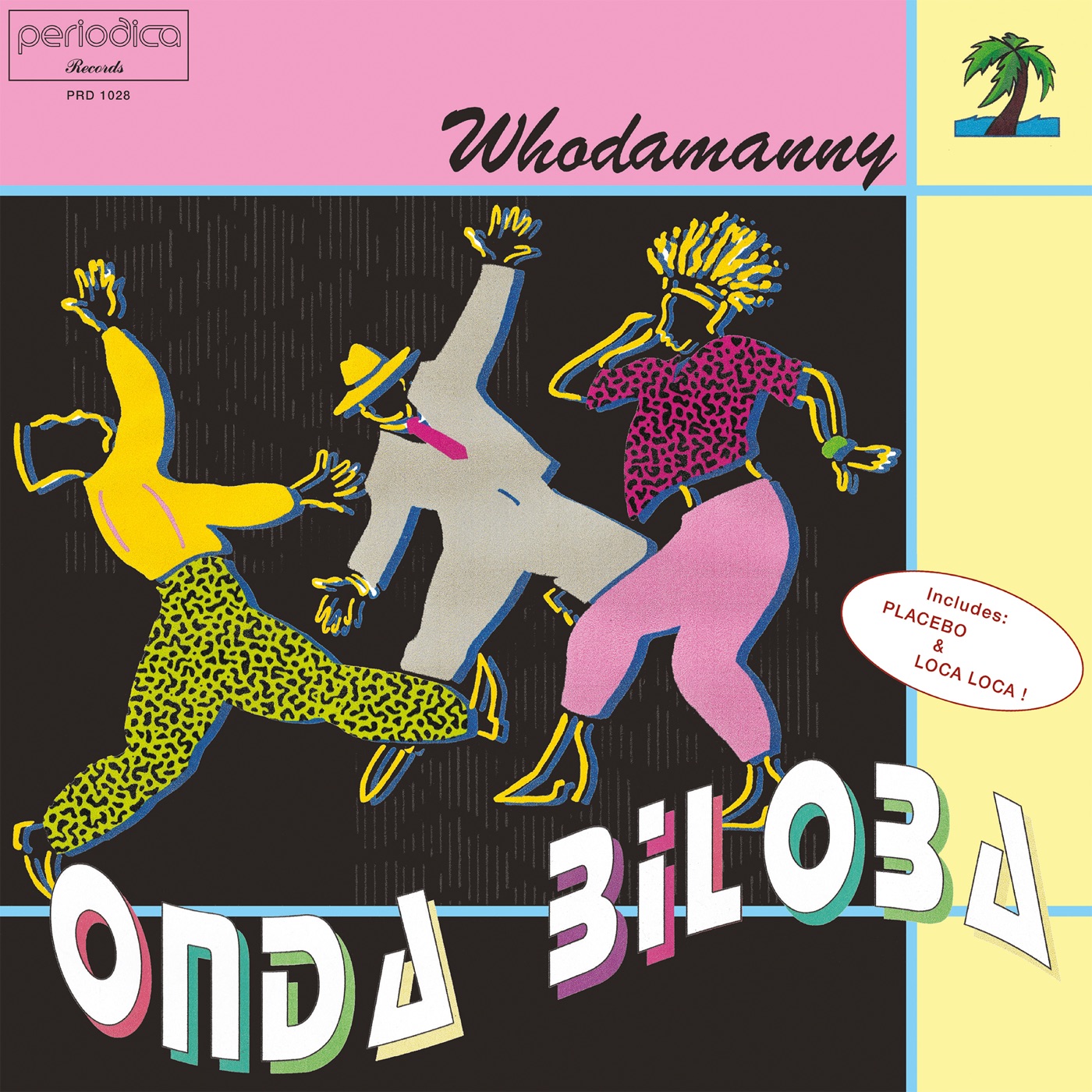
Whodamanny, a key figure of Naples’ underground scene and founder of Biloba, delivers Onda Biloba — a vibrant blend of Latin Italo-Disco flair, dancefloor gems, and laid-back cuts, showcasing his bold studio experimentation and signature groove.
-
 Momoko Gill
Discovered via Album Whale.
#spotify- Root Genre: Electronic
- Primary Branch: Ambient; Downtempo
- Secondary Influences: Leftfield Pop
- Textural Identity: Dreamlike; Nocturnal; Introspective
Strut proudly presents the debut album from producer, songwriter and multiinstrumentalist, Momoko Gill.Fresh from her critically acclaimed collaboration Clay recorded with cult electronic artist Matthew Herbert, Momoko steps forward in her own right for the first time with her remarkable debut solo album. Momoko has long been one of the UK electronic and jazz scene"s best-kept secrets. A self-taught drummer, producer, songwriter, and vocalist, she has brought her unique touch to collaborations with Alabaster DePlume, Matthew Herbert, Coby Sey, Tirzah, and Nadeem Din-Gabisi (her musical foil in An Alien Called Harmony). Extensive touring behind the drum kit, at the keys and in front of the mic have honed her compositional and production instincts.With Momoko, Gill emerges into the spotlight with an album that is entirely her own. Throughout, you can hear the stylistic flavours of jazz musicians as much as singer-songwriters, experimental artists and electronic producers.Though Gill rejects imitation, sculpting her sound through feel and expression rather than tradition. Based in London and having grown up in Japan and the US, Gill channels her breadth of perspective through her musical ideas and storytelling, with a unique voice developed through instinct, collaboration and solitary study.
-
Dry Cleaning
Discovered via Album Whale. #spotify
- Root Genre: Rock
- Primary Branch: Post-Punk; Art Rock
- Secondary Influences: Indie rock minimalism, spoken-word performance art, 80s UK post-punk**
- Textural Identity: Dry, wiry, skeletal; clean but tense guitar lines; detached vocal delivery; negative space as structure
- Energy Axis: Medium-low physical intensity, high cerebral tension; restrained but rhythmically driving
Dry Cleaning’s core move is still that deadpan, hyper-observational vocal presence over tightly controlled, rhythmic band playing—but Secret Love is often described as a step more expansive and emotionally integrated than the earlier “pure” post-punk framing: more color in the arrangements, more shape in the hooks/choruses in places, and a producer fingerprint that nudges them further into art-rock weird-pop without sanding off the band’s bite.
-
 Yin Yin
Discovered via HHV.
#spotify- Root Genre: Electronic
- Primary Branch: Psychedelic electronic; synth-driven funk
- Secondary Influences: Thai-inspired psych rock; Disco; Krautrock motorik; Global groove
- Textural Identity: Analog synth leads; Repetitive hypnotic basslines; Tight disco-influenced drum grooves; Bright, kaleidoscopic tonal palette; Minimal vocals, instrumental focus
- Energy Axis: Medium → High energy
Limited to 200 copies on red vinyl that are only available to HHV customers On their fourth album Yatta!, the celebrated Dutch quartet YĪN YĪN extends, bends, and ignites a joyous mix of disco, funk, surf, psychedelia, and Southeast Asian motifs. UNCUT magazine previously dubbed their highly addictive sound “cosmic disco”— a fitting starting point — but as Yatta! proves, the band's sonic footprint is an ever-evolving kaleidoscope of sounds, textures and beats.
As with their breakthrough album Mount Matsu (2024), their devotion to getting the dance floor moving remains front and center. That impulse, already strong, has intensified — Yatta! lifting it to an ecstatic next level.
The result? An album that reveals a band whose groove just keeps getting deeper.The opening track on YĪN YĪN’s new album, Yatta!, begins with a sample of the philosopher Alan Watts expounding: “There is no Yang without Yin and no Yin without Yang.”
Appropriately enough, the track – a jubilantly upbeat slice of disco action – is called “In Search of Yang,” and begs a question about the meaning of the group’s name. The group’s drummer and co-founder, Kees Berkers, explains: “Yin Yang is about balance between two different forces and Yin Yin would essentially mean two negative forces that cannot reach a common ground. So, YĪN YĪN is about finding a balance in the unbalanced.”
Certainly, over the last six years, the quartet from Maastricht in the south of the Netherlands has built a reputation for balancing an eclectic range of influences and using them to forge something that is affectionately retro and, at the same time, fresh and forward-facing.
The group’s origins lie in an experimental jam session in a remote village ballet school in 2017, leading to the release of the single, “Dion Ysiusk,” the following year. The debut album, The Rabbit That Hunts Tigers was released in 2019, followed by The Age of Aquarius in 2022. After a few personnel changes, the quartet’s line-up had, by 2023, arrived at its current form of Kees Berkers (drums), Remy Scheren (bass), Jerôme Scheren (keyboards) and Erik Bandt (guitar). 2024 saw the release of Mount Matsu, now followed by the group’s most complete statement to date, Yatta!
Across the album, YĪN YĪN specialise in creating the soundtracks to dream journeys, opportunities for the listener to visit places that exist in realms of the imagination.
-
 Chez de Milo
Discovered by sy_c_m. #spotify
- Root Genre: Electronic
- Primary Branch: Downtempo / Leftfield House
- Secondary Influences: Jazz harmony, Balearic, Ambient, Indie-dance
- Textural Identity:
Warm, groove-led electronics with organic instrumentation layered over steady 4/4 pulses. Soft synth pads, melodic basslines, subtle percussive detail, and a slightly sun-faded, cosmopolitan atmosphere. There’s a tactile quality—less club-maximal, more boutique hi-fi lounge energy. - Energy Axis: Mid-energy → laid-back propulsion. Rhythmic enough for movement, restrained enough for home listening.
Et Al sits comfortably in that contemporary European electronic space where house rhythms meet tasteful musicianship. Chez de Milo lean into groove without chasing peak-time intensity. The album feels curated rather than explosive—something you’d expect to find via HHV or Bastard Vinyl while browsing modern leftfield dance records. It’s music for stylish interiors, late-evening DJ sets, and careful listening through a good system rather than festival main stages.
-
 Moodymann
Discovered via HHV. #spotify
- Root Genre: Electronic
- Primary Branch: Deep House (Detroit House tradition)
- Secondary Influences: Soul / R&B, Jazz, Funk, Gospel
- Textural Identity: Warm, dusty, analog; vinyl hiss; looping grooves; intimate vocal fragments; late-night atmosphere
- Energy Axis: Low–Mid energy (hypnotic, groove-locked rather than peak-time driven)
Black Mahogani is a defining statement of Detroit deep house — not the polished, festival-facing version, but the inward, sensual, crate-digger lineage. Moodymann (Kenny Dixon Jr.) builds tracks around repetition and feel rather than obvious drops. The grooves breathe; samples feel lived-in; vocals appear like memories rather than hooks.
The album blurs club functionality with personal expression — part DJ tool, part soul meditation. Compared to more mechanical Detroit techno, this record leans human: imperfect drum programming, emotional sampling, and a heavy Black American musical lineage running through it.



Do you like albums?
Want to make a list?
It’s free & easy &
the Whale is nice!
Learn more