On Vinyl
My Vinyl Collection
excluding 7″
could not add:
Makaya McCraven — Off the Record → physical compilation only
Bellson / Brown / Smith — Intensive Care → effectively physical-only / unavailable on current streaming
Various — Το νέο Νέο κύμα → physical compilation; digital equivalent is a playlist
-
Radiohead
- Root Genre: Rock
- Primary Branch: Art Rock / Alternative Rock
- Secondary Influences: Electronic, Post-Rock, Soul / R&B, Ambient, Chamber Pop
- Textural Identity: Warm, intimate and highly detailed — interlocking guitars, elastic bass, subtle electronics, strings and soft rhythmic programming, with unusually organic production for late-period Radiohead
- Energy Axis: Low → Medium-High (mostly restrained and sensual, but with sudden rhythmic and emotional surges)
In Rainbows is still best rooted in Rock, but Art Rock / Alternative Rock is the clearest branch because the band integrates electronics, orchestration and unconventional rhythm without giving up guitar-band foundations. It is also one of Radiohead’s warmest records sonically: less icy than Kid A, less overtly political than Hail to the Thief, and more focused on texture, intimacy and groove.
The Soul / R&B influence is subtler but important. “Nude,” “All I Need” and “House of Cards” depend on spacious basslines, sensual pacing and vocal phrasing as much as on rock convention. “15 Step” introduces a clipped electronic rhythm, “Reckoner” is built around percussion and falsetto, while “Weird Fishes/Arpeggi” turns layered guitars into something almost post-rock in its gradual accumulation.
Small review: In Rainbows may be Radiohead’s most balanced album. “15 Step” opens with nervous rhythm, “Bodysnatchers” provides one of the record’s few outright rock eruptions, and then “Nude” suddenly clears the space completely. “Weird Fishes/Arpeggi” is the centerpiece for me: guitars cycle around one another until the track seems to lift off without ever resorting to a huge climax. “Reckoner” might be even more beautiful, with its feather-light percussion and falsetto floating above an almost soul-like groove.
What makes the album endure is that nothing feels overdesigned. Radiohead are still extremely sophisticated, but the sophistication has become fluid rather than cerebral. It is experimental music that rarely advertises its experimentation.
Collection shorthand: Rock → Art Rock / Alternative Rock.
That’s 78/78 — the full vinyl collection categorized.
-
Fontaines D.C.
- Root Genre: Rock
- Primary Branch: Alternative Rock / Art Rock
- Secondary Influences: Post-Punk, Britpop, Shoegaze, Dream Pop, Hip-Hop / Breakbeat, Gothic Rock
- Textural Identity: Dense, widescreen and emotionally charged — distorted guitars, Mellotron, synth bass, strings, breakbeats and Grian Chatten’s increasingly melodic vocal delivery
- Energy Axis: Medium → High (often tense and atmospheric, but repeatedly opening into large, arena-sized crescendos)
Romance is still unmistakably Rock, but it marks a clear move away from the tighter post-punk identity of Fontaines D.C.’s first records. Pitchfork describes the shift as one from “steely post-punk” toward stadium-sized alternative rock, with traces of Britpop, gothic Americana and ’90s alt-rock. :chatgpt-content-reference{index=“0”}
That makes Alternative Rock / Art Rock a better primary branch than Post-Punk. “Starburster” is especially revealing: the track combines crunchy boom-bap-like rhythm with Mellotron and panic-breath vocal effects, while “In the Modern World” and “Horseness Is the Whatness” bring in lush strings and a much more cinematic scale. “Favourite,” meanwhile, leans toward jangly indie and dream-pop territory. :chatgpt-content-reference{index=“1”}
Small review: Romance feels like Fontaines D.C. deliberately breaking open their own sound. The darkness is still there, but the palette is much broader: “Starburster” is anxious and rhythmically strange, “In the Modern World” is almost sweeping dream-pop, “Death Kink” brings back abrasive guitar energy, and “Favourite” closes the album with surprising warmth. The key achievement is that the band becomes more melodic and expansive without losing the unease that made their earlier work distinctive. It sounds like post-punk growing into ambitious alternative rock rather than simply abandoning its roots. :chatgpt-content-reference{index=“2”}
Collection shorthand: Rock → Alternative Rock / Art Rock.
-
鈴木 弘
- Root Genre: Jazz
- Primary Branch: Jazz-Funk / Soul Jazz
- Secondary Influences: Hard Bop, Modal Jazz, Fusion, Funk
- Textural Identity: Warm, punchy and groove-heavy — trombone-led melodies over electric piano, bass, drums and percussion, with a deep, rounded 1970s Japanese jazz sound
- Energy Axis: Medium → High (consistently groovy and propulsive, but with enough harmonic space to keep it from feeling purely funk-driven)
Cat is one of the most immediately groove-oriented Japanese jazz records in your collection. Hiroshi Suzuki’s trombone is the defining voice, but the rhythm section and electric piano give the album a distinctly jazz-funk / soul-jazz character rather than straight hard bop. Tracks such as “Cat,” “Romance” and “Shrimp Dance” lean heavily on repetitive bass patterns and crisp rhythmic figures, while the soloing stays firmly within jazz language.
I’d place it under Jazz → Jazz-Funk / Soul Jazz, with modal and hard-bop elements underneath. It is less harmonically exploratory than Morning Flight and less piano-trio centered than Scenery or Misty; the emphasis here is much more on groove, tone and ensemble feel.
Small review: Cat is almost ridiculously easy to enjoy. The title track locks into a thick bass-and-electric-piano groove immediately, and Suzuki’s trombone gives the music a darker, more muscular lead voice than the saxophone-heavy jazz-funk of the era. “Romance” opens things up melodically, while “Shrimp Dance” is probably the purest expression of the album’s funky side. What makes the record special is that it never feels like jazz players merely “doing funk”: the groove is integral to the composition, and the improvisation grows naturally out of it.
Your 2021 WRJ010LTD pressing is the We Release Jazz reissue, which fits nicely alongside your Ryo Fukui Scenery copy from the same label.
Collection shorthand: Jazz → Jazz-Funk / Soul Jazz.
-
 Ryo Fukui
- Root Genre: Jazz
- Primary Branch: Hard Bop / Modal Jazz (Piano Trio)
- Secondary Influences: Cool Jazz, Post-Bop, Blues
- Textural Identity: Warm, lyrical and highly tactile — acoustic piano, upright bass and drums with a strong sense of swing, spacious trio interplay and an audiophile-friendly natural sound
- Energy Axis: Low → High (moves from restrained ballad playing to vigorous modal and hard-bop passages, especially on “Early Summer”)
Scenery is firmly Jazz, and I’d place it primarily under Hard Bop / Modal Jazz. AllMusic lists bop, cool and modal jazz, while We Release Jazz itself describes the album as a fusion of modal, bop and cool-jazz influences. :chatgpt-content-reference{index=“0”}
The trio is Ryo Fukui on piano, Satoshi Denpo on bass and Yoshinori Fukui on drums. The album mixes standards such as “It Could Happen to You,” “I Want to Talk About You,” “Willow Weep for Me” and “Autumn Leaves” with Fukui’s own title track and Hideo Ichikawa’s “Early Summer.” :chatgpt-content-reference{index=“1”}
The modal side is clearest on “Early Summer.” The tune starts from a funky modal vamp before opening into faster swing, giving Fukui room for more McCoy Tyner-like quartal playing and greater harmonic force. Elsewhere, his touch can feel closer to Bill Evans: lyrical, elegant and comparatively restrained. :chatgpt-content-reference{index=“2”}
Small review: Scenery is easy to love because it combines accessibility with real drive. “It Could Happen to You” begins almost delicately before the trio locks into buoyant swing, while “Early Summer” is the obvious centerpiece — much more muscular, modal and propulsive. “Autumn Leaves” is familiar material, but Fukui gives it enough rhythmic bite to prevent it from feeling routine. The album’s later cult status sometimes leads to exaggerated claims, but the appeal is genuine: it is beautifully played, melodic piano-trio jazz with just enough modal intensity to keep it from becoming polite background music.
Your WRJ001 2018 edition is the official We Release Jazz reissue, sourced from the original masters and half-speed mastered. :chatgpt-content-reference{index=“3”}
Collection shorthand: Jazz → Hard Bop / Modal Jazz (Piano Trio).
-
Nala Sinephro
- Root Genre: Jazz
- Primary Branch: Ambient Jazz / Spiritual Jazz
- Secondary Influences: Electronic, Minimalism, Contemporary Classical, New Age, Experimental
- Textural Identity: Weightless, luminous and continuously evolving — pedal harp, modular synths, piano, strings, saxophone, flugelhorn and elastic live drums orbiting around recurring arpeggiated figures
- Energy Axis: Low → Medium-High (mostly serene and suspended, but periodically disrupted by turbulent drums, harmonic friction and stronger ensemble surges)
Endlessness belongs under Jazz, even though it is almost deliberately designed to dissolve the boundary between jazz and ambient music. Pitchfork classifies it as Jazz / Experimental and describes the album as occupying a midpoint where ambient and jazz cease to feel like separate categories. Sinephro herself plays harp, piano and modular synths, while the ensemble includes musicians such as Nubya Garcia, Morgan Simpson, James Mollison and Sheila Maurice-Grey. :chatgpt-content-reference{index=“0”}
The strongest branch for me is Ambient Jazz / Spiritual Jazz. The ten interconnected “Continuum” pieces revolve around a recurring arpeggio that passes between synth, piano and harp, but there is still real-time improvisational interplay underneath the production. The Guardian also hears a clear spiritual-jazz lineage, particularly through Sinephro’s combination of harp, electronics and improvisation. :chatgpt-content-reference{index=“1”}
What makes Endlessness different from straightforward ambient music is the amount of internal motion. Morgan Simpson’s drumming can suddenly destabilize the pulse, saxophones appear and vanish, strings expand the harmonic space, and Sinephro continually alters the central pattern rather than simply letting it loop. That is why Jazz remains the better root than Electronic. :chatgpt-content-reference{index=“2″}
Small review: Endlessness sounds serene from a distance, but close listening reveals an extraordinary amount of activity. “Continuum 1” establishes the record’s central arpeggiated current, then lets live drums pull against it; later pieces introduce strings, brass and saxophone almost imperceptibly, as though instruments are surfacing and disappearing beneath water. The album’s great achievement is that it can function as meditative background music and as something far more intricate if you focus on it. It feels less like ten tracks than one 45-minute living system, constantly regenerating itself.
Collection shorthand: Jazz → Ambient Jazz / Spiritual Jazz.
-
Cindy Lee
- Root Genre: Rock
- Primary Branch: Psychedelic Pop / Indie Rock
- Secondary Influences: Girl-Group Pop, Garage Rock, Glam Rock, Synth-Pop, Disco, Lo-Fi
- Textural Identity: Hazy, ghostly and deeply retro-futurist — jangly guitars, fuzzy solos, cheap-sounding synths, falsetto vocals and home-recorded textures that make the whole album feel like distant radio transmissions from another era
- Energy Axis: Low → Medium-High (mostly dreamy and melodic, but with periodic bursts of glam swagger, garage-rock grit and psychedelic lift)
Diamond Jubilee is difficult to reduce to one genre because it deliberately raids several decades of pop and rock history. Pitchfork describes it as moving through girl-group music, warped classic rock, disco, psychedelia and synth-pop, all unified by Cindy Lee’s hazy home-recorded aesthetic. :chatgpt-content-reference{index=“0”}
I’d still root it in Rock, with Psychedelic Pop / Indie Rock as the best primary branch. The songwriting is classic-pop at heart, but guitars remain central, and Patrick Flegel’s background in Women is still audible in the skewed melodies and occasional noise. The 2025 physical release on W.25TH finally gave this originally self-released 32-track album a proper 3LP edition. :chatgpt-content-reference{index=“1″}
What really defines the record is its strange relationship with the past. The songs can resemble half-remembered ’60s girl-group singles, ’70s glam, old soul ballads or forgotten AM-radio hits, but none of them quite sound historically authentic. Everything is blurred through distortion, odd stereo placement and lo-fi recording until nostalgia becomes something almost supernatural. :chatgpt-content-reference{index=“2”}
Small review: Diamond Jubilee feels like finding a radio that somehow tunes into pop songs from a parallel universe. “Kingdom Come” has an almost impossibly strong classic-pop hook, “If You Hear Me Crying” turns heartbreak into soaring melodic rock, “Stone Faces” is funkier and stranger, while the title track drifts into sun-faded psychedelia. Across two hours, the quality is remarkably consistent. The lo-fi surface might initially suggest casualness, but underneath it is extremely sophisticated songwriting: melodies that sound instantly familiar despite never having existed before. That tension between pop perfection and ghostly imperfection is the album’s great achievement. :chatgpt-content-reference{index=“3”}
Collection shorthand: Rock → Psychedelic Pop / Indie Rock.
-
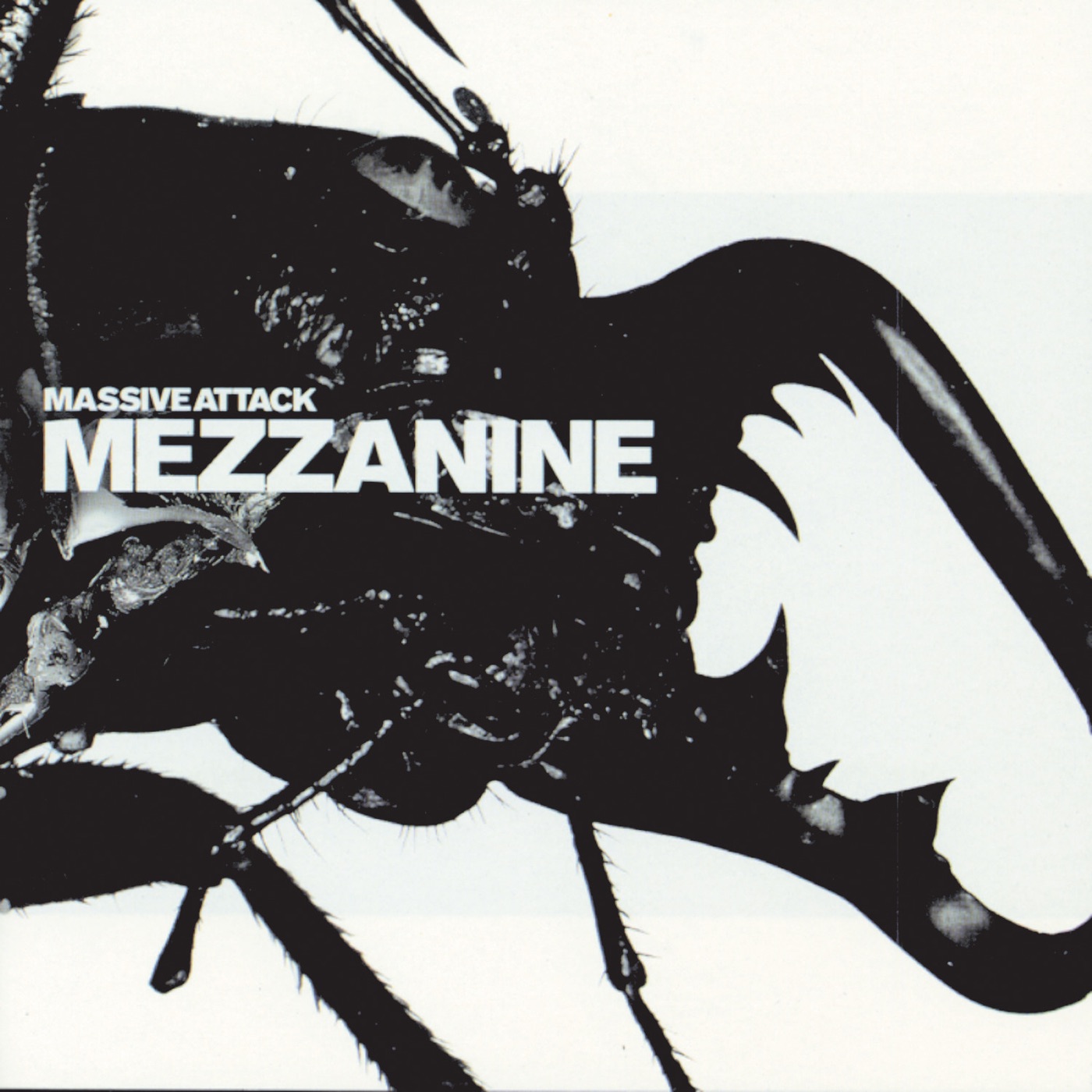 Massive Attack
- Root Genre: Electronic
- Primary Branch: Trip-Hop / Downtempo
- Secondary Influences: Dub, Post-Punk, Alternative Rock, Hip-Hop, Industrial
- Textural Identity: Dark, cavernous and bass-heavy — sub-bass, fractured beats, dub space, distorted guitars, eerie samples and hushed vocals layered into an oppressive nocturnal sound
- Energy Axis: Low → Medium-High (mostly slow and brooding, but with enormous tension and weight rather than outright speed)
Mezzanine is one of the defining Electronic → Trip-Hop records, but it is much darker and more rock-inflected than Dummy. Where Portishead often lean toward noir jazz and soul, Massive Attack push trip-hop toward dub, post-punk and industrial texture. The basslines are deeper, the guitars more abrasive, and the whole record feels physically heavier.
The post-punk influence is especially important. “Angel” grows from a simple bass pulse into a wall of distorted guitar, while “Dissolved Girl” and “Group Four” bring a cold, almost gothic intensity. At the same time, tracks like “Teardrop” preserve the hypnotic, beat-driven core of trip-hop, with Elizabeth Fraser’s vocal providing one of the album’s few moments of luminous beauty.
Small review: Mezzanine feels like trip-hop after midnight with all the warmth removed. “Angel” is monumental, slowly accumulating pressure until the track becomes almost frightening; “Teardrop” offers the album’s most delicate contrast; “Inertia Creeps” is pure rhythmic menace, with dub bass and percussion doing nearly all the work. The sequencing is remarkably coherent, and even the quieter tracks feel charged with unease. It is one of those albums where production itself becomes the main instrument: space, bass and distortion create the emotional narrative as much as melody or lyrics do.
Collection shorthand: Electronic → Trip-Hop / Downtempo.
-
Stan Getz, João Gilberto
- Root Genre: Latin / Afro-Caribbean
- Primary Branch: Bossa Nova / Brazilian Jazz
- Secondary Influences: Cool Jazz, Samba, Vocal Jazz, MPB
- Textural Identity: Soft, intimate and feather-light — nylon-string guitar, restrained piano, brushed drums, sparse bass and Stan Getz’s warm tenor saxophone floating over João and Astrud Gilberto’s understated vocals
- Energy Axis: Low → Medium (gentle, swaying and relaxed, with sophistication coming from phrasing and rhythmic subtlety rather than intensity)
Getz / Gilberto is one of the defining bossa nova albums, and in this framework I’d root it in Latin / Afro-Caribbean rather than Jazz because the rhythmic and songwriting DNA is fundamentally Brazilian. The jazz contribution is crucial, especially through Stan Getz’s tenor and the harmonic language around Jobim, but the album’s core pulse is bossa nova: samba reduced to an intimate, almost whispered scale.
The genius of the record is how little anyone seems to do. João Gilberto’s guitar is rhythmically exact but barely forceful, Jobim’s piano is sparse, and Getz avoids turning the session into a saxophone showcase. Even the famous vocal on “The Girl from Ipanema” works because Astrud Gilberto sounds almost conversational.
Small review: This is one of those albums whose influence can make it seem familiar before you really listen to it. “The Girl from Ipanema” is iconic, but “Corcovado,” “Desafinado” and “Só Danço Samba” are just as important to the album’s character. Getz plays with extraordinary restraint, letting long, breathy lines sit inside the rhythm rather than on top of it. The whole record feels effortlessly elegant, but that ease is deceptive — the rhythmic control is exquisite. It is Brazilian songcraft meeting cool-jazz lyricism at exactly the right temperature.
Collection shorthand: Latin / Afro-Caribbean → Bossa Nova / Brazilian Jazz.
-
Δεσποινίς Τρίχρωμη
- Root Genre: Electronic
- Primary Branch: Ambient Pop / Electronic Film Score
- Secondary Influences: Dream Pop, Minimal Synth, Greek Art Pop, Sound Design
- Textural Identity: Airy, intimate and softly dreamlike — gentle synths, hushed melodic fragments, ambient beds and small recurring motifs that blur into the film’s sound world
- Energy Axis: Low (delicate, suspended and soothing, with almost no interest in rhythmic force or dramatic climax)
Πολύδροσο is best rooted in Electronic, specifically Ambient Pop / Electronic Film Score. Avopolis describes it explicitly as a synth score, built from silences, atmospheres and inward-looking textures, while EfSyn characterizes it as synth/dream/ambient pop — probably the clearest summary of its sound. :chatgpt-content-reference{index=“0”}
The soundtrack was written by Δεσποινίς Τρίχρωμη for The Boy / Αλέξανδρος Βούλγαρης’ film Πολύδροσο. Veego notes that she also writes for cinema and theatre, and that this score followed her earlier award-winning collaboration on Winona. :chatgpt-content-reference{index=“1″}
What makes this album interesting is how little it behaves like a conventional “soundtrack album.” The main theme, “Τα Πάντα Υπάρχουν Εδώ,” recurs and mutates through the score, while pieces like “Σοφίες” and “Σκιά” favor atmosphere over development. Avopolis points to a subtle wave influence alongside ambient textures, and that feels right: there is a faint post-punk/minimal-synth melancholy underneath the gentleness. :chatgpt-content-reference{index=“2”}
Small review: Πολύδροσο is a record of very small gestures. Synth tones appear, linger for a moment and recede; melodies often feel less composed than remembered. That suits the film’s preoccupation with memory, childhood, place and the bond between mother and daughter. Heard alone, the soundtrack can feel almost weightless, but that is also its strength: it creates an unusually tender emotional space without demanding attention. There is something almost domestic about its ambient music — less cosmic drift, more the sound of rooms, memories and people quietly disappearing from them. Athens Voice similarly singles out the score’s dreamlike quality as central to the film’s melancholy. :chatgpt-content-reference{index=“3″}
Collection shorthand: Electronic → Ambient Pop / Electronic Film Score.
-
Εγγονόπουλος, Socos, Dimitris Poulikakos
- Root Genre: Rock
- Primary Branch: Experimental Rock / Art Rock
- Secondary Influences: Spoken Word, Industrial, Electronic, Contemporary Classical, Flamenco, Greek Art Song
- Textural Identity: Dark, theatrical and surreal — recited/sung poetry over electric guitar, piano, strings, electronic noise, techno-like pulses and cinematic arrangements
- Energy Axis: Low → High (often ominous and mid-tempo, but capable of erupting into abrasive, almost metal-like or industrial intensity)
This is one of the hardest records in the collection to reduce to a single genre. The music was composed and arranged by Socos around six poems by surrealist poet Νίκος Εγγονόπουλος, with Δημήτρης Πουλικάκος delivering them through a mixture of singing, recitation and theatrical performance. Contemporary reviews stressed that calling it simply “rock” is inadequate: the arrangements move from industrial noise and techno rhythms to flamenco, balladry, classical ideas and heavy electric guitar. :chatgpt-content-reference{index=“0”}
I’d still choose Rock as the root because Socos’s guitar-centered, band-oriented language supplies much of the physical backbone, but Experimental Rock / Art Rock is essential. The album functions almost like an imaginary film score behind Engonopoulos’s poetry: one review explicitly describes the music as a soundtrack to a film you hear rather than see. :chatgpt-content-reference{index=“1″}
The Spoken Word influence is unusually important here. Poulikakos often privileges recitation over conventional singing, turning the poems into dramatic scenes rather than songs in the ordinary sense. That theatrical delivery, combined with Engonopoulos’s surreal imagery, makes the whole record feel closer to musical theatre, sound art and experimental rock than to standard Greek poetry-setting. :chatgpt-content-reference{index=“2”}
Small review: Η Ύδρα των Πουλιών sounds genuinely singular. Poulikakos can move from old-rocker growl to almost deadpan recitation, while Socos responds to Engonopoulos’s surrealism with arrangements that constantly mutate underneath him. Strings and piano can suddenly give way to rhythmic noise, distorted guitar or electronic pulse; at other moments the music withdraws almost completely and lets the language dominate. The result is not really a collection of “μελοποιημένα ποιήματα” in the conventional Greek sense. It is closer to surrealist audio theatre, with rock, electronics and contemporary composition functioning as dramatic scenery. MiC’s contemporary review even invoked Frank Zappa as a reference point, which makes considerable sense. :chatgpt-content-reference{index=“3”}
Collection shorthand: Rock → Experimental Rock / Art Rock.
-
Melentini
- Root Genre: Rock
- Primary Branch: Art Rock / Alternative Singer-Songwriter
- Secondary Influences: Art Pop, Neo-Soul, Atmospheric Electronic, Avant-Garde, Psychedelic Folk
- Textural Identity: Nocturnal, theatrical and fluid — piano/keys, electric guitar, bass, drums and expressive vocals moving between intimate singer-songwriter passages and denser, more atmospheric ensemble sections
- Energy Axis: Low → Medium-High (often slow-burning and cinematic, but the live setting allows the band to swell into much more forceful peaks)
Melentini is a difficult artist to place neatly, which is exactly why I’d use Rock → Art Rock / Alternative Singer-Songwriter as the center of gravity. Veego describes her style as combining avant-garde, neo-soul and atmospheric electronic pop, while Apple categorizes this particular live album broadly as Alternative. :chatgpt-content-reference{index=“0”}
The album collects eight performances with the Running Blue Orchestra, including “Nightkisser,” “Almond Tree,” “Yellow Roses,” “Satellites” and the almost ten-minute “Asana / Metamorphosis.” :chatgpt-content-reference{index=“1”} In this setting the “orchestra” aspect matters: the songs are given much more room than conventional studio pop, sometimes expanding into long atmospheric passages where the band’s dynamic interplay becomes as important as the vocal melody.
Small review: This feels like the right format for Melentini’s music. The songs have recognizable singer-songwriter cores, but they become stranger and more immersive when stretched out live. “Satellites” and especially “Asana / Metamorphosis” move furthest from ordinary song form, allowing repetition and atmosphere to accumulate until the music starts to resemble psychedelic art rock or experimental chamber pop. Meanwhile, “Yellow Roses” shows the softer, more soulful side of her writing. The record’s appeal is precisely that it never settles comfortably into indie rock, electronic pop or neo-soul; it inhabits the blurred territory between them. :chatgpt-content-reference{index=“2”}
Collection shorthand: Rock → Art Rock / Alternative Singer-Songwriter.
-
Stavros Lantsias
- Root Genre: Jazz
- Primary Branch: Contemporary Jazz / Third Stream
- Secondary Influences: Classical / Art Music, Chamber Jazz, Film Score, Cretan Folk
- Textural Identity: Cinematic, lyrical and orchestral — piano, double bass and drums expanded with strings, oboe, flute, soprano saxophone, cello, violin and Cretan lyra
- Energy Axis: Low → Medium-High (mostly flowing and evocative, with occasional stronger rhythmic and orchestral surges)
Diary of Dreams is one of the clearest examples in your collection of Jazz meeting Classical / Art Music. Lantsias is joined by Lars Danielsson on bass and Peter Erskine on drums, while the Athens Camerata and additional soloists expand the palette with strings, winds and Cretan lyra. The album itself is tagged acoustic jazz, neoclassical, piano and soundtrack by Lantsias, while contemporary reviews describe it explicitly as moving between modern jazz and romantic classicism. :chatgpt-content-reference{index=“0”}
That is why Third Stream fits better here than straight contemporary jazz. Pieces such as “An Other Life,” dedicated to Ennio Morricone, and “The River of Time” use orchestration and long-form melodic development almost like film music, while “Topkapi” brings in a more pronounced rhythmic pulse. The inclusion of Cretan lyra also gives the album a subtle regional color without turning it into folk-jazz. :chatgpt-content-reference{index=“1”}
Small review: Diary of Dreams is one of Lantsias’s most overtly cinematic records. “An Other Life” immediately establishes the scale: delicate winds and strings surround his piano before the rhythm section gradually enters, while Peter Erskine gives the music a remarkable sense of lift without ever overpowering it. “The River of Time” is more intimate, and “Dance With the Wind” opens the album toward brighter, more flowing motion. What makes the record work is that the orchestration rarely feels decorative; it is integrated into the compositional logic. It really does sound like the soundtrack to an imaginary film. :chatgpt-content-reference{index=“2”}
Collection shorthand: Jazz → Contemporary Jazz / Third Stream.
-
Fivos Delivorias
- Root Genre: Rock
- Primary Branch: Singer-Songwriter / Art Pop
- Secondary Influences: Greek Art Song, Indie Rock, Folk Rock, Blues, Pop
- Textural Identity: Urban, literate and melodically varied — guitar-led arrangements, brisk drums, atmospheric ballads and occasional stylistic detours that frame Delivorias’s narrative songwriting
- Energy Axis: Low → Medium-High (alternates intimate, melancholic songs with brighter, more driving rock material)
Έξω is still rooted in the Singer-Songwriter side of Delivorias, but it feels more outward-facing and stylistically open than Ο Καθρέφτης. Contemporary reviews stressed exactly that breadth: strong guitars and fast drums on “Πέρα Χώρα,” airy melancholy on “Προορισμός,” blues-derived thinking on “Τσιτσάνης 1983,” plus lighter and more theatrical material elsewhere. :chatgpt-content-reference{index=“0”}
So I’d keep it in Rock → Singer-Songwriter / Art Pop, but with a stronger Indie Rock / Pop component than Χάλια or Ο Καθρέφτης. In retrospect, it also reads as a bridge toward Ο Αόρατος Άνθρωπος: Delivorias later described Έξω as containing signs of the evolution in his writing that would become more fully realized on that next album. :chatgpt-content-reference{index=“1″}
Small review: Έξω feels like Delivorias opening the windows a little wider. The autobiographical and observational writing is still central, but the arrangements are more mobile and varied, moving from quick, guitar-driven songs to very bare, intimate ballads. “Πέρα Χώρα” has genuine rock momentum, while “Το Καλοκαίρι Θα ’ρθει” strips everything back into something much more vulnerable. The album’s strength is the contrast between extroversion and inwardness—a record about being “outside” that repeatedly turns back toward private memory and self-examination. Contemporary Greek critics praised precisely that mix of melodic craft, intricate lyrics and emotional range. :chatgpt-content-reference{index=“2”}
Collection shorthand: Rock → Singer-Songwriter / Art Pop.
-
Fivos Delivorias
- Root Genre: Rock
- Primary Branch: Singer-Songwriter / Art Pop
- Secondary Influences: Greek Art Song, Folk Rock, Pop, Cabaret / Theatrical Song
- Textural Identity: Literate, theatrical and introspective — guitar- and piano-led songwriting, carefully arranged ensemble backing and a strong emphasis on narrative voice and character
- Energy Axis: Low → Medium (mostly reflective and text-driven, with occasional sharper, more animated passages)
Ο Καθρέφτης feels like the point where Delivorias’s early wit and character-writing become noticeably more mature and inward-looking. In a retrospective of his own discography, he described it as a record of “realization and first maturity”, associated with a period of fewer illusions and more solitude. :chatgpt-content-reference{index=“0”}
Contemporary criticism also emphasized that the album’s real strength is the writing itself: sharply observed lyrics, theatricality and songs that function like compact stories with beginning, middle and end. Η Καθημερινή singled out “Η Επίσκεψη του Καίσαρα” as a particularly strong example of that narrative approach. :chatgpt-content-reference{index=“1”}
Your copy is the 2026 Sony first vinyl edition, one of the three albums issued on vinyl that year alongside Χάλια and Έξω. :chatgpt-content-reference{index=“2″}
Small review: Ο Καθρέφτης is less concerned with sonic experimentation than Ο Αόρατος Άνθρωπος or Καλλιθέα, but the songwriting is more self-assured than on Χάλια. The album’s best moments come from Delivorias’s ability to turn personal unease, social observation and irony into miniature dramatic scenes. The title track is especially representative: introspective, slightly theatrical and built around questions of identity rather than straightforward confession. It feels like the record where Delivorias became not just a clever songwriter, but a genuinely mature narrative voice.
Collection shorthand: Rock → Singer-Songwriter / Art Pop.
-
Fivos Delivorias
- Root Genre: Rock
- Primary Branch: Singer-Songwriter / Art Pop
- Secondary Influences: Greek Art Song, Folk Rock, Pop, Blues, Cabaret / Theatrical Song
- Textural Identity: Literate, witty and character-driven — acoustic/electric guitars, piano and band arrangements supporting sharply observed urban storytelling and theatrical vocal phrasing
- Energy Axis: Low → Medium (mostly narrative and melodic, with occasional sharper rock/pop lift)
Χάλια belongs to Delivorias’s earlier period and is more directly rooted in Greek singer-songwriter / έντεχνο tradition than albums like Ο Αόρατος Άνθρωπος or Καλλιθέα. The original album includes songs such as “Εκείνη,” “Ένας Σκύλος στο Κολωνάκι,” “Κάθε Σεπτέμβρη” and “Φώτης,” plus his Greek adaptation of Tom Waits’ “Invitation to the Blues.” Contemporary catalogues describe it broadly as έντεχνο / pop / contemporary Greek music. :chatgpt-content-reference{index=“0”}
I’d still keep the root as Rock, mainly for consistency with the rest of your Delivorias shelf, but the branch here is less art-rock and more Singer-Songwriter / Art Pop. The songs are built around narrative voice, character sketches and melody rather than sonic experimentation.
Your copy is notable because Sony finally issued Χάλια on vinyl in 2026, together with Καθρέφτης and Έξω; Public described those three albums as central to the early-2000s development of Delivorias’s now-established sound. :chatgpt-content-reference{index=“1″}
Small review: Χάλια already contains most of the qualities that would define Delivorias later: affection for slightly ridiculous characters, autobiographical fragments, urban observation and a very Greek mixture of tenderness and irony. “Ένας Σκύλος στο Κολωνάκι” shows his talent for turning everyday city life into miniature fiction, while “Φώτης” is much more personal and vulnerable. The Tom Waits adaptation also makes sense: both writers have an instinct for outsiders, damaged romance and songs that feel like overheard stories.
Compared with Καλλιθέα or Ο Αόρατος Άνθρωπος, this is less sonically adventurous but more straightforwardly song-driven — a strong snapshot of Delivorias before production and experimentation became a larger part of his artistic identity.
Collection shorthand: Rock → Singer-Songwriter / Art Pop.
-
 Talking Heads
- Root Genre: Rock
- Primary Branch: New Wave / Art Rock
- Secondary Influences: Funk, Afrobeat, Post-Punk, Dance-Rock, Soul / R&B
- Textural Identity: Tight, kinetic and increasingly expansive — angular guitar, elastic bass, crisp percussion, synths and layered backing vocals growing from skeletal minimalism into a huge polyrhythmic live ensemble
- Energy Axis: Medium → Very High (the set deliberately builds in intensity, from the bare opening of “Psycho Killer” to an ecstatic funk-driven finale)
Stop Making Sense is best categorized under Rock → New Wave / Art Rock, but the extraordinary thing about it is how thoroughly Talking Heads had absorbed funk and Afrobeat by this stage. Pitchfork notes that the band folded disco, Afrobeat and funk into their new-wave base, while contemporary discussion of Speaking in Tongues emphasizes the Afrobeat-derived polyrhythms and funk that feed directly into this live set. :chatgpt-content-reference{index=“0”}
The structure of the concert is part of the music. It begins almost absurdly bare—with Byrne alone playing “Psycho Killer”—and musicians are gradually added until the stage becomes a large, heavily rhythmic ensemble. By “Slippery People,” “Burning Down the House,” “Girlfriend Is Better” and especially “Crosseyed and Painless,” the sound is closer to an art-school funk orchestra than a conventional rock band. The 2024 edition in your collection restores the full 18-song program across 2LP. :chatgpt-content-reference{index=“1”}
Small review: Stop Making Sense is one of those rare live records where the performances feel more definitive than many of the studio versions. “Psycho Killer” gains tension from its extreme minimalism, “This Must Be the Place” becomes warmer and more communal, and “Life During Wartime” is transformed into pure physical momentum. The second half is almost relentless: rhythm guitar, bass and percussion interlock so tightly that the music starts to feel engineered for movement. Jonathan Demme’s film rightly gets much of the attention, but the soundtrack alone makes the case for Talking Heads as one of the great rhythmically inventive rock bands of their era. The Guardian aptly describes Byrne here as operating within “new wave art-rock,” but by the finale the funk component is every bit as important. :chatgpt-content-reference{index=“2”}
Collection shorthand: Rock → New Wave / Art Rock.
-
The Smiths
- Root Genre: Rock
- Primary Branch: Alternative Rock / Indie Pop
- Secondary Influences: Jangle Pop, Post-Punk, Folk Rock, Rockabilly
- Textural Identity: Bright, intricate and bittersweet — chiming guitars, melodic bass, crisp drums and Morrissey’s theatrical baritone balancing elegance with abrasion
- Energy Axis: Low → High (moves from hushed balladry to urgent, propulsive guitar rock)
The Queen Is Dead is firmly Rock, with Alternative Rock / Indie Pop as the most useful branch. AllMusic classifies it across alternative/indie rock and indie pop, while emphasizing Johnny Marr’s dense but melodic guitar writing, from the rush of “Bigmouth Strikes Again” to the acoustic lightness of “Cemetry Gates.” :chatgpt-content-reference{index=“0”}
The album’s range is a big part of why that branch works better than a narrower label like post-punk. The title track is aggressive and rhythmically forceful; “Vicar in a Tutu” flirts with rockabilly; “The Boy with the Thorn in His Side” is almost pure jangly pop; and “I Know It’s Over” and “There Is a Light That Never Goes Out” move into much more expansive, melancholic territory. Pitchfork highlights the balance between Marr’s melodic intricacy and Morrissey’s wit, alienation and romantic excess. :chatgpt-content-reference{index=“1”}
Small review: The Queen Is Dead is one of those records where the tension between music and lyrics is almost the whole point. Marr’s guitars are often radiant and weightless, while Morrissey sings about loneliness, self-dramatization, social irritation and romantic failure. “There Is a Light That Never Goes Out” is the emotional peak, but “Bigmouth Strikes Again” may be the clearest summary of the band: sharp, funny, melodic and just abrasive enough. The album feels elegant without ever becoming polite.
Collection shorthand: Rock → Alternative Rock / Indie Pop.
-
The Sahib Shihab Quintet
- Root Genre: Jazz
- Primary Branch: Hard Bop / European Modern Jazz
- Secondary Influences: Modal Jazz, Latin Jazz, Bossa Nova / Samba, Soul Jazz
- Textural Identity: Elegant, warm and rhythmically supple — baritone sax and flute over piano, vibraphone, bass, drums and light percussion, with a distinctly refined late-’60s European jazz feel
- Energy Axis: Medium (lively and swinging, but generally polished and relaxed rather than hard-driving)
Seeds sits comfortably under Jazz, with Hard Bop / European Modern Jazz as the best primary branch. Sahib Shihab had strong bop and hard-bop roots, but by this point his European work had become more cosmopolitan and rhythmically varied. The quintet features Francy Boland, Kenny Clarke, Fats Sadi, Jimmy Woode/Jean Warland and Shihab, essentially drawing from the core personnel around the Clarke-Boland orbit. :chatgpt-content-reference{index=“0”}
The album is unusually broad within that framework. P-Vine specifically highlights the title track’s Latin-jazz character and “Mauve” as modal, while the record also moves through waltz, samba and Brazilian-inflected material. Bandcamp Daily similarly describes its mix of romantic ballads, Brazilian arrangements and polyrhythms. :chatgpt-content-reference{index=“1”}
Shihab’s switching between baritone saxophone and flute is a big part of the album’s identity. The first half often has more weight and punch from the baritone, while later pieces become lighter and more airborne through the flute, especially over vibes and percussion. :chatgpt-content-reference{index=“2″}
Small review: Seeds has that wonderful late-’60s European-jazz quality where sophistication never turns into stiffness. The title track is immediately inviting, with layered percussion and Shihab’s horn floating above it; “Another Samba” is lighter and faster, while “Mauve” brings a more inward, bluesy modal mood. Fats Sadi’s vibraphone is especially important because it gives the whole record a soft, shimmering surface.
What makes Seeds so collectible is that it sits between several worlds without sounding fragmented: hard bop discipline, modal spaciousness, Latin rhythm and European elegance. It is polished, melodic and deceptively deep.
Collection shorthand: Jazz → Hard Bop / European Modern Jazz.
-
 The Black Keys
- Root Genre: Rock
- Primary Branch: Garage Rock / Blues Rock
- Secondary Influences: Soul / R&B, Glam Rock, Punk Blues, Indie Rock
- Textural Identity: Raw but polished — distorted guitar riffs, punchy drums, fuzzed bass, handclaps and retro-soul production sharpened into concise, radio-ready hooks
- Energy Axis: Medium → High (fast, riff-heavy and consistently propulsive, with very little downtime)
El Camino is firmly Rock, with Garage Rock / Blues Rock as the clearest branch. AllMusic places it around garage punk, punk blues and alternative rock, while Pitchfork describes the band’s core sound as garage-blues and emphasizes how this album adds a stronger glam-rock swagger and pop immediacy. :chatgpt-content-reference{index=“0”}
Compared with earlier Black Keys albums, this one is less raw blues revival and more highly compressed rock songwriting. Danger Mouse’s production tightens everything: riffs arrive quickly, choruses hit hard, and the soul influence from Brothers remains present without slowing the record down. AllMusic specifically notes that the album pushes further into retro-soul, while tracks like “Gold on the Ceiling” add an almost glam-rock stomp. :chatgpt-content-reference{index=“1”}
Small review: El Camino is probably the Black Keys at their most efficient. “Lonely Boy” is almost ridiculously immediate, “Gold on the Ceiling” turns a blues riff into arena-sized glam rock, and “Little Black Submarines” is the standout because it starts as an acoustic lament before exploding into one of the album’s heaviest guitar moments. There is very little subtlety here, but that is part of the appeal: it is garage-blues stripped down, polished up and engineered for maximum momentum.
Collection shorthand: Rock → Garage Rock / Blues Rock.
-
Lena Platonos
- Root Genre: Electronic
- Primary Branch: Experimental Synth-Pop / Minimal Synth
- Secondary Influences: Art Pop, Spoken Word, Minimalism, Greek Art Song
- Textural Identity: Sparse, surreal and distinctly analogue — drum-machine patterns, synthesizer bass, brittle keyboard textures and Platonos’ cool, almost recited vocal delivery
- Energy Axis: Low → Medium (mostly restrained and cerebral, with occasional sharper rhythmic pulses)
Μάσκες Ηλίου is a key early statement in Greek electronic music. MusicBrainz tags it as electronic, experimental and synth-pop, while contemporary retrospectives identify it as the first of the trio of albums that firmly established Platonos’ electronic language before Γκάλοπ and Λεπιδόπτερα. :chatgpt-content-reference{index=“0”}
The instrumentation is crucial to the classification: Platonos was experimenting with machines such as the Roland TR-808 and Yamaha synthesizers, using them not just for decoration but as the basic architecture of the songs. Her lyrics are delivered in an unusually detached, almost spoken style, dealing with alienation, relationships and the social atmosphere of 1980s urban life. :chatgpt-content-reference{index=“1″}
Small review: Μάσκες Ηλίου feels strikingly modern because it avoids the glossy optimism usually associated with early-’80s synth-pop. The electronics are dry, strange and sometimes deliberately awkward, while Platonos’ voice creates emotional distance rather than melodrama. There is pop structure underneath, but the record constantly destabilizes it with odd textures, surreal imagery and minimalist repetition. Compared with the even more radical Γκάλοπ, this feels like the point where she first fully stepped into her own electronic universe. Platonos herself later described the album as a deliberate step into deeper, colder waters, influenced partly by Julio Cortázar and the surreal imagery of The Wall. :chatgpt-content-reference{index=“2”}
Collection shorthand: Electronic → Experimental Synth-Pop / Minimal Synth.
-
Xilina Spathia
- Root Genre: Rock
- Primary Branch: Alternative Rock / Greek Rock
- Secondary Influences: Post-Punk, New Wave, Indie Rock, Electronica
- Textural Identity: Urgent, atmospheric and urban — jangling/distorted guitars, driving bass and drums, Greek vocals and prominent synth textures that give the record a distinctly early-’90s alternative edge
- Energy Axis: Medium → High (propulsive and youthful, with bursts of punk-like intensity balanced by more atmospheric passages)
Ξεσσαλονίκη is best categorized as Rock → Alternative Rock / Greek Rock. Contemporary and retrospective Greek sources repeatedly describe it as a pivotal record for Greek-language rock, while also noting that the band’s sound mixed rock guitars with synthesizers/electronic textures in a way that was relatively unusual in the domestic scene at the time. :chatgpt-content-reference{index=“0”}
That electronic component matters. Τα Ξύλινα Σπαθιά were not simply another guitar band: Βασίλης Γκουνταρούλης’ synthesizers interact with Παύλος Παυλίδης’ and Σταύρος Ρωσσόπουλος’ guitars, while Χρήστος Τσαπράζης’ bass and Πάνος Τόλιος’ drums give songs like “Αδρεναλίνη,” “Ρόδες” and “Ο Βασιλιάς της Σκόνης” a strong rhythmic drive. One retrospective even characterizes the band’s early sound as sitting between pop, rock and electronica. :chatgpt-content-reference{index=“1”}
Small review: Ξεσσαλονίκη still feels fresh because it captures the moment when Greek rock stopped sounding quite so tied to older rock traditions and absorbed more of the post-punk/new-wave vocabulary of the period. “Ο Βασιλιάς της Σκόνης” is the obvious centerpiece, but “Αδρεναλίνη,” “Τραίνο Φάντασμα” and “Σιωπή” show the range particularly well: nervous energy, melancholy and atmospheric synth color all coexist without feeling forced. Παυλίδης’ writing is direct enough to be immediately memorable, but strange enough to give the record its own internal mythology. It is both very specifically Thessaloniki/Greek and unmistakably connected to the wider alternative-rock language of the early ’90s. :chatgpt-content-reference{index=“2”}
Collection shorthand: Rock → Alternative Rock / Greek Rock.
-
Ratso
- Root Genre: Rock
- Primary Branch: Art Rock / Singer-Songwriter
- Secondary Influences: Electronic, Spoken Word, Americana, Folk Rock, Leonard Cohen-style Noir Pop
- Textural Identity: World-weary, literary and nocturnal — gravelly half-spoken vocals, synth-heavy production, electronic backbeats, organ, pedal steel and sparse acoustic instrumentation
- Energy Axis: Low → Medium (mostly slow, conversational and brooding, with rhythm serving atmosphere rather than momentum)
Stubborn Heart is the debut album Larry “Ratso” Sloman released at age 70 after decades working primarily as a writer and journalist. Lucky Number notes his long associations with Bob Dylan, Lou Reed, John Cale and Leonard Cohen, and those connections are audible throughout the record. :chatgpt-content-reference{index=“0”}
I’d put it under Rock → Art Rock / Singer-Songwriter, although it is a slightly awkward fit—which is part of its character. Much of the album uses synthesized and electronic accompaniment, while Sloman alternates between rough singing and a spoken delivery that strongly recalls late-period Leonard Cohen. “Matching Scars” is the conspicuous exception, leaning toward Dylan-esque Americana through brushed drums, guitar, organ and pedal steel. :chatgpt-content-reference{index=“1”}
The guest list reinforces that art-rock lineage. Nick Cave appears on “Our Lady of Light,” while the record also features Yasmine Hamdan and Warren Ellis among its collaborators. Sloman’s background as a lyricist is central: he had written songs with John Cale and spent decades embedded in the Dylan/Cohen orbit before finally making a record under his own name. :chatgpt-content-reference{index=“2”}
Small review: Stubborn Heart feels less like the debut of a new musician than like a lifetime of stories finally finding musical form. Sloman’s weathered voice is not conventionally beautiful, but that becomes an advantage on material such as “Our Lady of Light,” where Nick Cave’s presence makes the Cohen connection especially strong. The electronic arrangements are unexpectedly modern and prevent the record from becoming straightforward roots rock. At its best, it occupies that appealing territory where spoken memoir, nocturnal art rock and old-songwriter melancholy overlap.
Collection shorthand: Rock → Art Rock / Singer-Songwriter.
-
Pharoah Sanders
- Root Genre: Jazz
- Primary Branch: Spiritual Jazz
- Secondary Influences: Free Jazz, Gospel / Spiritual, Modal Jazz, Soul Jazz, Ambient / Drone
- Textural Identity: Warm, meditative and ritualistic — tenor saxophone floating over electric bass, guitar, harmonium, bells and sparse percussion, with an unusually intimate, homemade recording character
- Energy Axis: Low → Medium-High (the studio album is largely hypnotic and contemplative, while the live “Harvest Time” performances become much more ecstatic and forceful)
This is one of the clearest Spiritual Jazz records in your collection. The centerpiece, “Harvest Time,” is built on an extraordinarily simple two-chord vamp from guitarist Tisziji Muñoz and bassist Steve Neil, over which Sanders plays with remarkable restraint. Harmonium, bells and percussion gradually enter, making the piece feel closer to a ritual or meditation than to a conventional jazz performance. Pitchfork aptly describes its mood as simultaneously peaceful, uneasy, ancient and strangely modern. :chatgpt-content-reference{index=“0”}
That restraint is especially interesting in the context of Sanders. Earlier records such as Karma could reach enormous free-jazz intensity, whereas Pharoah often lets repetition, tone and atmosphere carry the music. “Love Will Find a Way” shifts noticeably toward gospel and soul, while “Memories of Edith Johnson” returns to a more reflective language. The album was originally recorded for India Navigation in rather makeshift conditions, and its rough recording quality eventually became part of its cult appeal. :chatgpt-content-reference{index=“1”}
Your Luaka Bop edition is particularly worthwhile: it remasters the original 1977 album and adds two previously unreleased live versions of “Harvest Time” from Sanders’ 1977 European tour. Those performances transform the piece considerably, revealing how open the composition really was. :chatgpt-content-reference{index=“2”}
Small review: Pharoah contains one of the great examples of music doing almost nothing and somehow feeling enormous. “Harvest Time” establishes its bass-and-guitar cycle and simply inhabits it for more than twenty minutes. Sanders does not attack the material; he seems to breathe through it. As bells, harmonium and percussion slowly accumulate, the track becomes hypnotic without ever turning static. Then “Love Will Find a Way” reveals the other Sanders—warm, direct, almost devotional. The rough recording actually helps: instead of the pristine grandeur associated with some spiritual jazz, Pharoah feels private, handmade and deeply human. The 2023 live material makes your edition almost a miniature study of how one composition can move from meditation to transcendence. :chatgpt-content-reference{index=“3”}
Collection shorthand: Jazz → Spiritual Jazz.
-
Pink Floyd
- Root Genre: Rock
- Primary Branch: Progressive Rock / Art Rock
- Secondary Influences: Psychedelic Rock, Space Rock, Jazz Fusion, Blues Rock, Electronic
- Textural Identity: Immersive, polished and cinematic — analogue synths, tape loops, clocks, cash-register effects, spacious guitar, organ, saxophone and layered vocals integrated into a continuous studio-built sound world
- Energy Axis: Low → Medium-High (moves from ambient suspension to blues-rock drive and dramatic climaxes, but rarely becomes outright aggressive)
The Dark Side of the Moon is firmly Rock → Progressive Rock / Art Rock. AllMusic classifies it as prog-rock and art rock while also noting how its music moves through neo-psychedelia, jazz fusion and blues-rock. :chatgpt-content-reference{index=“0”}
The electronic element is more significant here than on many classic prog records. “On the Run” is essentially an early synthesizer-driven electronic piece, and throughout the album Pink Floyd use tape loops, musique-concrète-like sound effects and studio manipulation as part of the composition itself. Yet the album’s core remains rock: Gilmour’s guitar, Waters’s songwriting, Wright’s keyboards and Mason’s drums still provide the fundamental language.
It is also unusually coherent conceptually. Pink Floyd describe the record as addressing universal pressures including life, work, money, travel and death, and the continuous transitions make those subjects feel like parts of one large cycle rather than ten independent songs. :chatgpt-content-reference{index=“1”}
Small review: What remains striking about Dark Side is not simply how good the individual songs are, but how flawlessly the album flows. “Breathe” seems to emerge out of the opening heartbeat; “On the Run” turns that calm into anxiety; “Time” provides the first enormous emotional release; and “The Great Gig in the Sky” resolves it without needing conventional lyrics. Side two is even stronger structurally: the lopsided 7/4 groove of “Money,” the enormous atmospheric space of “Us and Them,” the psychedelic instrumental release of “Any Colour You Like,” then the seamless descent through “Brain Damage” into “Eclipse.”
And compared with Wish You Were Here, which we classified earlier, Dark Side feels more rhythmically varied and more studio-experimental, whereas Wish You Were Here is more spacious, melancholic and overtly atmospheric. Both belong comfortably in the same root/branch, but they occupy different corners of progressive rock.
Collection shorthand: Rock → Progressive Rock / Art Rock.
-
Kangding Ray
- Root Genre: Electronic
- Primary Branch: Experimental Techno / Electronic Film Score
- Secondary Influences: Ambient, Minimalism, Industrial, North African Sonic Textures, Drone
- Textural Identity: Arid, grainy and immersive — low-frequency pulses, distorted electronics, sparse rhythmic cells, drones and rough-edged textural detail designed to feel both physical and cinematic
- Energy Axis: Low → High (moves from ominous ambient suspension into punishing rave-oriented propulsion)
This is very clearly Electronic at the root. Kangding Ray himself tags it around experimental techno / electronic, while Invada describes the score as a fusion of electronic minimalism and North African sonic textures. The film’s nomadic-rave setting matters enormously: the soundtrack does not merely accompany the landscape, but uses techno pulse as part of the narrative world itself. :chatgpt-content-reference{index=“0”}
I’d use Experimental Techno / Electronic Film Score as the primary branch because neither half alone is enough. Tracks such as “Katharsis,” “Ritual” and the long “Les Marches” have the physical repetition and low-end pressure of techno, while “Horizon,” “Desierto” and “The Fall” behave more like austere cinematic sound design. Your edition is the Invada opaque-white LP + black 7” version, catalogued as a 2026 pressing. :chatgpt-content-reference{index=“1″}
Small review: SIRĀT is one of those soundtracks that works unusually well away from the film because its dramatic arc is already embedded in the music. It begins with a sense of enormous open space, but the electronic pulse gradually feels less liberating and more threatening. “Katharsis” is the obvious physical centerpiece, while “Les Marches” stretches tension into something almost ritualistic. Kangding Ray is especially good at making techno sound elemental rather than urban: bass feels like pressure in the landscape, distortion like heat or dust. The result sits somewhere between rave music, ambient dread and contemporary sound art.
Collection shorthand: Electronic → Experimental Techno / Electronic Film Score.
-
Fivos Delivorias
- Root Genre: Rock
- Primary Branch: Art Pop / Singer-Songwriter
- Secondary Influences: Electronica, Indie Rock, Jazz, Greek Songwriting Tradition, Hip-Hop
- Textural Identity: Urban, restless and experimental — acoustic songwriting disrupted by analogue synths, programmed beats, theremin-like colors and unconventional arrangements
- Energy Axis: Low → Medium (mostly introspective, but with sharper rhythmic and electronic passages that create tension)
Ο Αόρατος Άνθρωπος is probably the point where Delivorias most clearly broke away from a conventional Greek singer-songwriter framework. Contemporary reviews specifically note that earlier work had already drawn from rock, jazz and Greek tradition, but this record pushed much harder into electronic production and independent/alternative aesthetics. :chatgpt-content-reference{index=“0”}
That makes Art Pop / Singer-Songwriter the best primary branch. Tracks such as “Αμφιβολία” use analogue synthesizers and electronic textures, while “Μηδέν Εισερχόμενα” even experiments with hip-hop-derived ideas. Importantly, these sounds are not just decoration: critics at the time highlighted how the arrangements deliberately challenged the usual electric singer-songwriter format. :chatgpt-content-reference{index=“1”}
Small review: Ο Αόρατος Άνθρωπος feels like Delivorias deliberately destabilizing his own songwriting language. The melodies and sharp observational lyrics are still recognizably his, but the surrounding sound is stranger, more fragmented and less comfortable. “Άλλη Καρδιά” is a strong example of how he can preserve a direct emotional melody while surrounding it with a more alternative, almost post-Velvet atmosphere, while “Αμφιβολία” pushes much further into synthetic territory. The result is not always as seamless as Καλλιθέα, but it is arguably the more important transition record: the moment his traditional singer-songwriter identity became genuinely art-pop. :chatgpt-content-reference{index=“2”}
Collection shorthand: Rock → Art Pop / Singer-Songwriter.
-
Fivos Delivorias
- Root Genre: Rock
- Primary Branch: Art Pop / Singer-Songwriter
- Secondary Influences: Indie Pop, Dream Pop, Neo-Psychedelia, Greek Songwriting Tradition
- Textural Identity: Urban, nostalgic-but-unsentimental and richly detailed — guitars, keyboards, atmospheric production and carefully arranged pop textures supporting highly narrative songwriting
- Energy Axis: Low → Medium (mostly reflective and story-driven, with occasional brighter pop momentum)
Καλλιθέα is one of Delivorias’s most overtly memory-driven and autobiographical records, built around the Athens suburb where he grew up. Delivorias himself has stressed that it is not really a nostalgia album: it looks directly at the past as something that produced the present, rather than simply idealising it. :chatgpt-content-reference{index=“0”}
Musically, I’d classify it a little differently from ΑΝΙΜΕ. Art Pop / Singer-Songwriter is the stronger branch here because the production plays a much larger role in constructing the album’s world. Contemporary genre listings identify dream pop, indie pop, neo-psychedelia and art pop, while reviews describe it as continuing the more exploratory sonic direction of 2010’s Αόρατος Άνθρωπος. :chatgpt-content-reference{index=“1″}
Small review: Καλλιθέα works almost like a collection of interconnected short stories. Streets, kiosks, tutoring schools, neighbourhood characters and fragments of adolescence accumulate until the suburb itself becomes a character. What keeps the record from becoming sentimental is Delivorias’s distance from those memories: there is affection, but also irony, embarrassment and recognition of how unreliable nostalgia can be. The richer, slightly psychedelic production suits that idea beautifully—it often sounds as though familiar places are being reconstructed from imperfect memory rather than photographed literally.
Compared with ΑΝΙΜΕ, I find Καλλιθέα more sonically adventurous and conceptually unified: less simply “singer-songwriter with tasteful additions,” and more genuinely art-pop in the way production, memory and storytelling are fused together. :chatgpt-content-reference{index=“2”}
Collection shorthand: Rock → Art Pop / Singer-Songwriter.
-
Fivos Delivorias
- Root Genre: Rock
- Primary Branch: Singer-Songwriter / Art Pop-Rock
- Secondary Influences: Folk, Jazz, Electronica, Greek Songwriting Tradition, Indie Pop
- Textural Identity: Literate, urban and melodically rich — guitar-led songwriting expanded with understated electronics, jazz-colored harmony and carefully detailed ensemble arrangements
- Energy Axis: Low → Medium (mostly reflective and narrative-driven, with occasional rhythmic or emotionally heightened peaks)
ΑΝΙΜΕ is best treated as Rock at the root, but really in the broad singer-songwriter/art-pop sense rather than guitar-driven rock. Delivorias describes the songs as being written between 2018 and 2022 with the guitar as an extension of the emotional process, while reviews repeatedly point to the album’s mixture of folk, jazz and electronica around his characteristic melodic songwriting. :chatgpt-content-reference{index=“0”}
The important thing is that the hybrid production never overwhelms the songs. The core remains very much Greek urban singer-songwriter music: narrative lyrics, sharply observed social detail, romantic memory and a conversational vocal presence. The album deals with love, violence, contemporary society, childhood trauma, war and Athens itself, but without turning into a concept record. :chatgpt-content-reference{index=“1″}
Small review: ΑΝΙΜΕ feels like one of Delivorias’s most complete records because the songwriting and production pull in the same direction. The arrangements are modern enough to avoid nostalgia, yet the songs still feel rooted in the long Greek tradition of the observant, literary songwriter. There is tenderness here, but also anger and social unease, and the record moves naturally between intimate confession and wider commentary. Its strength is not radical experimentation but how gracefully it absorbs folk, jazz and electronic colors into very direct, memorable songs. Contemporary Greek critics similarly singled it out for its emotional sensitivity and its ability to engage with both private and social themes. :chatgpt-content-reference{index=“2”}
Collection shorthand: Rock → Singer-Songwriter / Art Pop-Rock.
-
Stavros Lantsias Quartet
- Root Genre: Jazz
- Primary Branch: Contemporary Jazz / Chamber Jazz
- Secondary Influences: Film Score, Classical / Art Music, Tango, Reggae, Balkan Folk
- Textural Identity: Lyrical, cinematic and acoustic — piano, trumpet/flugelhorn, double bass and drums, with melodica, vibraphone and glockenspiel adding color
- Energy Axis: Low → Medium (mostly elegant and reflective, but with rhythmic reinterpretations that occasionally push into more animated territory)
This is a jazz reinterpretation of Ennio Morricone, rather than a soundtrack album in the conventional sense. Lantsias arranged 16 Morricone themes for a quartet featuring Andreas Polyzogopoulos on trumpet/flugelhorn, Mihalis Kalkanis on double bass and Michael Kapilidis on drums. The project was completed with permission from Morricone’s family, and the album itself is tagged as acoustic/contemporary jazz and soundtrack music. :chatgpt-content-reference{index=“0”}
What makes it particularly interesting is how freely the quartet reshapes the source material. A contemporary review notes “Cockeye’s Song” taking on a Miles Davis-like nocturnal jazz quality, “Addio a Cheyenne” becoming reggae-inflected, “Il Clan dei Siciliani” moving toward Piazzolla-style tango, and “The Good, the Bad and the Ugly” picking up Balkan coloring. :chatgpt-content-reference{index=“1”} That is why I would use Chamber Jazz rather than simply soundtrack jazz: the arrangements feel intimate, improvisatory and ensemble-centered.
Small review: The strength of My Ennio Morricone is that Lantsias clearly reveres the melodies without treating them as museum pieces. “Chi Mai” retains its aching lyricism, while “The Man with the Harmonica” becomes much more open and conversational in the quartet setting. Polyzogopoulos is especially effective because trumpet naturally carries some of the lonely, widescreen quality associated with Morricone, yet the band keeps pulling the music back toward jazz interplay. The best moments are the ones where the originals become almost unrecognizable stylistically but remain instantly recognizable melodically.
Collection shorthand: Jazz → Contemporary Jazz / Chamber Jazz.
-
Human Touch
- Root Genre: Jazz
- Primary Branch: Contemporary Jazz / Jazz Fusion
- Secondary Influences: World / Regional Modern, Free Jazz, Folk, Chamber Jazz
- Textural Identity: Organic, spacious and highly conversational — saxophones, flutes, fretless/fretted electric bass, piano, keyboards, percussion and drums, with constant switching of instrumental roles
- Energy Axis: Medium (fluid and dynamic, moving between meditative passages, open improvisation and more rhythmically driven ensemble playing)
Colorblind is very clearly Jazz at the root. Human Touch are the long-running Greek trio of David Lynch, Yiotis Kiourtsoglou and Stavros Lantsias, and the Hellenic Jazz Society credits underline how unusually broad their palette is: Lynch on saxophones, flutes, whistles, voice and percussion; Kiourtsoglou on fretted and fretless electric bass and cajón; Lantsias on piano, keyboards, drums, classical guitar and melodica. :chatgpt-content-reference{index=“0”}
I’d use Contemporary Jazz / Jazz Fusion as the primary branch rather than free jazz alone. Some retailers classify the album as contemporary jazz and free jazz, while other descriptions emphasize a blend of jazz, fusion and world-music elements. That feels closer to what Human Touch actually do: the music is open and improvisatory, but still melodic, composed and rhythmically grounded. :chatgpt-content-reference{index=“1″}
The album is also notable as the trio’s return after roughly 20 years since Movin’. The 12-track set includes compositions by all three members, plus the traditional “Kalanta Thrakis,” which reinforces the folk/regional influence in the record’s vocabulary. :chatgpt-content-reference{index=“2”}
Small review: Colorblind sounds like a trio with decades of shared language behind it. The playing is virtuosic, but rarely showy; what stands out is how naturally the three musicians shift roles and leave room for one another. “Human Wonder” is especially strong, balancing Lantsias’s lyrical writing with the trio’s fluid interaction, while the title track and “Still Something” open the music into looser, more atmospheric territory. The result is contemporary jazz that feels distinctly Mediterranean without leaning on obvious regional signifiers.
Collection shorthand: Jazz → Contemporary Jazz / Jazz Fusion.
-
Stavros Lantsias
- Root Genre: Jazz
- Primary Branch: Contemporary Jazz / Third Stream
- Secondary Influences: Classical / Art Music, Film Score, Chamber Jazz, Jazz-Funk
- Textural Identity: Cinematic, melodic and richly arranged — acoustic piano at the center, expanded with vibraphone, Hammond organ, brass, flute, cello, violin and a warm acoustic rhythm section
- Energy Axis: Low → Medium-High (moves between reflective, cinematic passages and brighter, groovier ensemble pieces)
Waving Hands belongs most naturally under Jazz, but with a strong Third Stream identity: Lantsias combines jazz improvisation and ensemble writing with classical training and a pronounced cinematic sensibility. Greek public broadcaster ERT explicitly describes this classical-jazz synthesis as central to his work, while the Hellenic Jazz Society credits show an unusually broad palette around his piano: double bass and drums alongside trumpet, flugelhorn, saxophone, flute, trombone, cello and violin. :chatgpt-content-reference{index=“0”}
The album was inspired by the birth of Lantsias’s twin daughters, and that gives it a noticeably brighter character than some contemporary chamber jazz. Lantsias himself describes the music as both cinematic and “feel-good,” ranging from the atmospheric “Anticipation” to the more danceable “The Little One.” Critics have likewise noted how freely it moves between jazz, classical references and cinematic composition without settling completely into any one idiom. :chatgpt-content-reference{index=“1”}
Small review: Waving Hands is an unusually generous-sounding jazz record. Lantsias does not treat the expanded ensemble as a vehicle for complexity; instead, strings and brass are used to color very direct melodic ideas. The piano remains central, but rarely dominates the arrangements, and that gives the album more of an ensemble-composer feel than a conventional pianist-led session. At times it brushes against soundtrack music, at others against lightly funky contemporary jazz, but the melodic warmth holds everything together. It is polished and accessible without losing the sophistication of the writing. :chatgpt-content-reference{index=“2″}
Collection shorthand: Jazz → Contemporary Jazz / Third Stream.
-
Baxter Dury
- Root Genre: Rock
- Primary Branch: Indie Rock / Art Pop
- Secondary Influences: Post-Punk, Synth-Pop, Disco, Funk, Spoken Word
- Textural Identity: Sardonic, nocturnal and stylishly louche — dry basslines, clipped guitars, synths, strings and half-spoken vocals arranged with a sleazy late-night elegance
- Energy Axis: Low → Medium (mostly strutting and groove-led rather than forceful, with occasional disco lift)
Mr. Maserati is a compilation, so it naturally covers several phases of Baxter Dury’s sound, but the most useful root remains Rock, specifically Indie Rock / Art Pop. The Irish Times classified the set broadly as alternative, while Muziekweb places it across indie/alternative, pop and funk. :chatgpt-content-reference{index=“0”}
The unifying feature is less instrumentation than Dury’s delivery: that clipped, observational, half-spoken vocal style sits over music that repeatedly borrows from disco, post-punk and synth-pop. “Miami” is almost decadent spoken-word disco, “I’m Not Your Dog” is darker and more electronic, while older material such as “Oscar Brown” retains a scruffier indie-rock character. One contemporary review neatly described the collection as a set of “deranged synth-pop” vignettes spanning his career. :chatgpt-content-reference{index=“1”}
Small review: As a retrospective, Mr. Maserati makes Baxter Dury’s consistency surprisingly obvious. The production changes over two decades, but the worldview barely does: slightly seedy rooms, bruised egos, bad decisions, status games and romantic humiliation delivered with impeccable deadpan timing. “Miami” is probably the definitive Baxter Dury track—funny, sinister and absurdly cool—while “Palm Trees,” “Other Men’s Girls” and “Prince of Tears” show how effectively he can turn melancholy into something almost danceable. The collection works because his music sits in a peculiar space between indie rock, disco and spoken character study. :chatgpt-content-reference{index=“2”}
Collection shorthand: Rock → Indie Rock / Art Pop.
-
Hania Rani
- Root Genre: Classical / Art Music
- Primary Branch: Contemporary Classical / Modern Classical
- Secondary Influences: Ambient, Electronic, Minimalism, Art Pop, Jazz
- Textural Identity: Expansive, luminous and cinematic — piano, synthesizers, voice, strings and double bass captured live with a strong sense of space and resonance
- Energy Axis: Low → Medium-High (often contemplative, but with much larger dynamic and emotional swells than Esja)
Nostalgia is Rani’s first full live album, recorded primarily at Studio 1 of Polish Radio in Warsaw, with the closing title track recorded at London’s Roundhouse. Gondwana presents it as a live reimagining of material around Ghosts, and the performances add strings and a broader ensemble palette to Rani’s piano, synths and vocals. :chatgpt-content-reference{index=“0”}
Compared with Esja, I would keep the same Classical / Art Music root but broaden the branch. Esja was essentially minimalist solo-piano music; Nostalgia sits much closer to Contemporary / Modern Classical because piano is now integrated with electronics, voice and string arrangements. The electronic influence is substantial—“24.03” has even been compared to early Tangerine Dream—but it still feels secondary to Rani’s compositional and ensemble language. :chatgpt-content-reference{index=“1”}
The interesting thing is that these are not merely live reproductions of Ghosts. The strings in particular give pieces such as “Thin Line” and “Komeda” a different emotional scale, and contemporary reviews noted how dramatically the live arrangements reshape the originals. :chatgpt-content-reference{index=“2”}
Small review: Nostalgia makes Hania Rani sound much larger than the intimate pianist you hear on Esja. The piano is still the emotional anchor, but now it sits inside an environment of synth drones, voice and strings that can expand from near-silence into genuinely overwhelming crescendos. “Thin Line” and “Komeda” particularly benefit from the live ensemble, while “24.03” shows how naturally her minimalism can drift toward ambient electronics. Yet the closing “Nostalgia” brings everything back to the intimacy of the piano. It is a very good snapshot of Rani’s evolution: the minimalist pianist of Esja transformed into a composer-performer working across classical and electronic space. :chatgpt-content-reference{index=“3”}
Collection shorthand: Classical / Art Music → Contemporary Classical / Modern Classical.
-
Hania Rani
- Root Genre: Classical / Art Music
- Primary Branch: Contemporary Classical / Minimalist Piano
- Secondary Influences: Ambient, Minimalism, Impressionism, Modern Classical
- Textural Identity: Intimate, resonant and tactile — solo piano recorded with audible mechanical detail, natural room ambience, repeating figures and subtle dynamic shading
- Energy Axis: Low → Medium (mostly meditative and flowing, with occasional more propulsive, arpeggiated passages)
Esja is best filed under Classical / Art Music, rather than Electronic. Gondwana describes it specifically as a collection of solo piano pieces, and the album is built almost entirely around Rani’s writing and physical relationship with the instrument. :chatgpt-content-reference{index=“0”}
The strongest branch is Contemporary Classical / Minimalist Piano. Repetition is central, but Rani is more fluid and harmonically romantic than strict minimalism might imply. Reviews consistently point to repeated melodic cells, classical structures and the tactile sounds of pedals, hammers and strings becoming part of the recording itself. :chatgpt-content-reference{index=“1″}
Small review: Esja is deceptively simple. “Eden” establishes its language immediately: rolling piano figures repeat and mutate while dynamics provide the real sense of movement. “Glass” feels more crystalline and percussive, while “Now, Run” pushes that vocabulary toward something considerably more urgent. What I like most about the album is that Rani does not try to hide the piano’s machinery—the clicks, pedals and resonance make the instrument feel physically present in the room. It shares territory with Nils Frahm and Ólafur Arnalds, but Esja is more purely piano-centered and less dependent on electronic atmosphere. :chatgpt-content-reference{index=“2”}
Collection shorthand: Classical / Art Music → Contemporary Classical / Minimalist Piano.
-
 Portishead
- Root Genre: Electronic
- Primary Branch: Trip-Hop
- Secondary Influences: Hip-Hop, Soul / R&B, Dub, Film Noir / Soundtrack, Jazz
- Textural Identity: Dusky, cinematic and claustrophobic — sampled drums, vinyl crackle, sub-bass, turntablism, sparse guitar, organ and Beth Gibbons’ haunted vocals
- Energy Axis: Low → Medium (slow and heavy, driven by tension, groove and atmosphere rather than speed)
Dummy is one of the clearest cases where Electronic → Trip-Hop is the right classification. The beats come from hip-hop and breakbeat culture, but the mood is much darker and more cinematic, with dub-style space, noirish harmony and soul-inflected vocals.
What makes the album special is how physical and intimate it sounds despite being heavily constructed. Geoff Barrow’s production uses samples and turntable textures in a way that feels deliberately worn and tactile, while Beth Gibbons gives the music an emotional vulnerability that separates it from more beat-driven electronic records.
Small review: Dummy is remarkably consistent in atmosphere without ever becoming monotonous. “Mysterons” immediately establishes the paranoid, nocturnal mood; “Sour Times” gives the album its most recognizable noir groove; “Roads” strips the sound down into something almost devastatingly bare. The production is dark, but never cluttered. Every drum hit, scratch and sustained note seems carefully placed around Gibbons’ voice. It remains one of the defining records of trip-hop because it turns beat-based production into something that feels closer to psychological cinema than club music.
Collection shorthand: Electronic → Trip-Hop.
-
Flo Morrissey, Matthew E. White
- Root Genre: Soul / R&B
- Primary Branch: Neo-Soul / Retro-Soul
- Secondary Influences: Folk Rock, Psychedelic Pop, Chamber Pop, Soft Rock
- Textural Identity: Lush, warm and orchestral — silky rhythm section, 12-string guitar, strings, horns, synths and layered male/female vocals shaped by the distinctive Spacebomb studio sound
- Energy Axis: Low → Medium (mostly relaxed and elegant, with gentle groove rather than strong rhythmic drive)
This one is a fascinating covers album because its identity comes less from the original songs than from the Spacebomb sound applied to them. Pitchfork describes that sound as drawing heavily from the ornate 1970s R&B production of Isaac Hayes and Curtis Mayfield, while The Guardian notes elements of Southern soul, psychedelic pop and Lee Hazlewood-style orchestration. :chatgpt-content-reference{index=“0”}
That is why I would put it under Soul / R&B, even though Flo Morrissey comes from a folk singer-songwriter background and the source material ranges wildly—from Leonard Cohen and the Velvet Underground to Frank Ocean, James Blake, Roy Ayers and Barry Gibb. The arrangements pull almost everything toward the same warm, soulful center. :chatgpt-content-reference{index=“1″}
Small review: The pleasure of Gentlewoman, Ruby Man is hearing familiar songs subtly displaced into another universe. “Thinking Bout You” loses Frank Ocean’s electronic haze and becomes an elegant duet built around 12-string guitar; “The Colour in Anything” turns James Blake’s stark piano ballad into something closer to warm Southern soul; and “Grease” is almost completely reinvented, with its disco identity stripped away to reveal a darker, stranger song underneath. The album works because White and Morrissey are not trying to outperform the originals—they are reframing them through orchestration, groove and vocal chemistry. :chatgpt-content-reference{index=“2”}
Collection shorthand: Soul / R&B → Neo-Soul / Retro-Soul.
-
Pete Jolly
- Root Genre: Jazz
- Primary Branch: Electric Jazz / West Coast Jazz
- Secondary Influences: Modal Jazz, Soul Jazz, Psychedelia, Easy Listening, Early Jazz-Funk
- Textural Identity: Dreamy, warm and exploratory — Wurlitzer electric piano, Hammond organ, accordion, musette, bass, guitar and richly colored percussion creating a hazy, almost sample-ready studio atmosphere
- Energy Axis: Low → Medium (mostly relaxed and impressionistic, with rhythmic movement emerging through percussion and groove rather than hard swing)
Seasons is an unusual entry in Pete Jolly’s catalogue because it moves far beyond his more traditional piano-jazz work. The 1970 album was produced by Herb Alpert and built from a largely improvised four-hour session, with Jolly using Wurlitzer, Hammond B-3, accordion, musette and Sanovox alongside Chuck Berghofer, Paul Humphrey, John Pisano, Milt Holland and Emil Richards. :chatgpt-content-reference{index=“0”}
I’d place it under Jazz → Electric Jazz / West Coast Jazz, rather than fusion proper. The music is too loose, pastoral and impressionistic for the harder jazz-rock fusion that would dominate the early ’70s, but the electric keyboards, studio experimentation and groove-oriented rhythm section clearly push it beyond straight-ahead jazz. Contemporary reissue descriptions also place it around contemporary jazz, modal jazz and funk/soul, which fits its hybrid character well. :chatgpt-content-reference{index=“1″}
An interesting part of its later reputation is how naturally it fed into hip-hop crate-digging culture: material from the album was later sampled by artists including Cypress Hill, Busta Rhymes, De La Soul and others. That makes sense when you hear how compact and atmospheric many of the tracks are — “Leaves,” “Bees” and “Seasons” often feel like beautifully formed loops decades before sampling became a compositional language. :chatgpt-content-reference{index=“2”}
Small review: Seasons feels less like a conventional jazz session than a sequence of miniature landscapes. “Leaves” opens with that wonderfully woozy electric-keyboard atmosphere, while “Bees,” “Rainbows” and “Springs” turn very small melodic ideas into vivid little scenes. The record’s brevity is part of its charm: most pieces appear, establish a color or groove, and disappear before becoming overworked. There is something almost library-music-like about it, yet the playing remains loose and spontaneous. It is West Coast jazz filtered through electric keyboards, psychedelic studio color and a proto-beatmaker’s sense of texture.
Collection shorthand: Jazz → Electric Jazz / West Coast Jazz.
-
 SAULT
SAULT- Root Genre: Soul / R&B
- Primary Branch: Neo-Soul / Alternative R&B
- Secondary Influences: Funk, Afrobeat, Gospel, Psychedelic Soul, Dub
- Textural Identity: Warm, earthy and rhythm-led — deep bass, hand percussion, clipped guitars, soft keyboards, layered vocals and a looser, more organic feel than SAULT’s earlier records
- Energy Axis: Medium (groove-heavy and fluid, with a relaxed pulse rather than aggressive peaks)
11 stays firmly in Soul / R&B, but compared with 5 it feels broader, warmer and more organic. The post-punk austerity of the early SAULT records is less dominant here; instead, the album leans further into Afrobeat, funk and spiritual soul, with richer percussion and more communal vocal textures.
The record’s rhythm section remains central, but the grooves feel less skeletal and more elastic. There is still plenty of negative space, yet the arrangements have a more rounded, almost live-band character. Tracks such as “Glory,” “Fear No One,” “Higher” and “Together” move between devotional soul, funk and Afro-diasporic rhythmic ideas without sounding like stylistic exercises.
Small review: 11 feels like SAULT loosening their shoulders. Where 5 often sounded taut and minimalist, this record is more fluid and celebratory, with percussion and bass carrying much of the emotional weight. “Glory” opens with a restrained spiritual glow, “Higher” brings a stronger funk pulse, and “Together” has the kind of communal warmth that became increasingly important in SAULT’s later work. The album is not as stark or mysterious as their earliest material, but it gains something in return: generosity, movement and a more openly soulful atmosphere.
Collection shorthand: Soul / R&B → Neo-Soul / Alternative R&B.
-
 Cleo Sol
- Root Genre: Soul / R&B
- Primary Branch: Neo-Soul / Contemporary Soul
- Secondary Influences: Gospel, Jazz-Soul, Quiet Storm, Singer-Songwriter
- Textural Identity: Warm, intimate and piano-led — spacious arrangements, soft drums, harp, choir, gentle bass and Cleo Sol’s close, expressive vocal presence
- Energy Axis: Low → Medium (mostly reflective and unhurried, with emotional intensity building through vocals and harmony rather than rhythmic force)
Mother is very clearly rooted in Soul / R&B, but it is more introspective and piano-centered than Rose in the Dark. Pitchfork describes the album as leaving considerable room for Sol’s storytelling, while “23” combines her falsetto with choir, piano and harp in a way that brings a strong gospel dimension into the record. :chatgpt-content-reference{index=“0”}
The album was released on August 19, 2021 and stretches across 12 tracks, several of them unusually long for modern R&B. :chatgpt-content-reference{index=“1″} That extra space matters: songs such as “Build Me Up,” “We Need You” and “One Day” unfold patiently, often feeling closer to spiritual soul or singer-songwriter music than tightly structured contemporary R&B.
Small review: Mother feels deeper and more exposed than Rose in the Dark. The production is still beautifully restrained, but here the restraint serves longer, more reflective compositions. “Promises” and “Heart Full of Love” are immediately inviting, while “23” is one of the emotional centers of the album, balancing tenderness with difficult family memory. “We Need You” and “Spirit” push furthest toward gospel and spiritual soul. The whole record has a quiet confidence: it never forces catharsis, allowing Sol’s voice, piano and harmonies to accumulate emotional weight gradually. :chatgpt-content-reference{index=“2”}
Collection shorthand: Soul / R&B → Neo-Soul / Contemporary Soul.
-
 Cleo Sol
- Root Genre: Soul / R&B
- Primary Branch: Neo-Soul / Contemporary Soul
- Secondary Influences: Jazz-Soul, Gospel, Reggae, Quiet Storm
- Textural Identity: Warm, intimate and understated — soft Rhodes, rounded bass, restrained drums, gentle guitar and close-miked vocals with a distinctly analogue feel
- Energy Axis: Low → Medium (mostly calm and unhurried, with groove and emotional lift rather than big dynamic peaks)
Rose in the Dark is very clearly rooted in Soul / R&B, with Neo-Soul / Contemporary Soul as the most useful branch. Cleo Sol’s voice is the center of gravity, but the production is deliberately economical: warm keys, dry drums, bass-led grooves and a lot of negative space. That same aesthetic connects naturally to SAULT, with Inflo’s production giving the album a similarly restrained, groove-conscious character.
There is also a gentle jazz-soul sensibility in the chord language and instrumentation, while some tracks bring in traces of reggae and gospel without ever leaving the album’s core soul identity.
Small review: Rose in the Dark is a beautifully unforced record. “Why Don’t You” is probably the clearest example of its appeal: an extremely simple groove, a gorgeous bass line and Cleo Sol singing with almost no need to oversell the emotion. “When I’m in Your Arms” is warmer and more romantic, while “Her Light” leans toward a slightly more spiritual register. The production is so restrained that the album can initially seem modest, but repeated listens reveal how carefully every part has been placed. It is modern soul built around warmth, space and vocal presence rather than spectacle.
Collection shorthand: Soul / R&B → Neo-Soul / Contemporary Soul.
-
 Sault
Sault- Root Genre: Soul / R&B
- Primary Branch: Neo-Soul / Alternative R&B
- Secondary Influences: Post-Punk Funk, Boogie, Funk, Dub, Afrobeat
- Textural Identity: Sparse, dry and groove-led — clipped bass, tight drums, electric piano, fuzzed guitar, synth accents and understated vocals with deliberately roomy production
- Energy Axis: Medium (mostly locked into hypnotic mid-tempo grooves, with occasional sharper rhythmic or funk-driven peaks)
5 is best rooted in Soul / R&B, even though it constantly pushes outward. AllMusic classifies it as R&B with Alternative R&B and Retro-Soul styling, while The Guardian describes the album’s language as moving between ESG-like post-punk funk, early-’80s boogie and neo-soul. :chatgpt-content-reference{index=“0”}
What makes early SAULT so distinctive is how little they need to establish a groove. The arrangements are often basically drums + bass + one or two carefully chosen colors. That sparseness leaves huge amounts of space around the rhythm section. There is also a clear dub sensibility in the production and a motorik quality to some of the drumming, with The Guardian specifically drawing a connection to Can’s Jaki Liebezeit. :chatgpt-content-reference{index=“1″}
Compared with the richer gospel, orchestral and Afrobeat directions SAULT would explore later, 5 feels almost skeletal. Tracks such as “Up All Night,” “Why Why Why Why Why,” “Masterpiece” and “We Are the Sun” revolve around compact rhythmic ideas and strong hooks rather than elaborate arrangements. The group’s official release lists 14 tracks and dates the album to May 5, 2019. :chatgpt-content-reference{index=“2”}
Small review: 5 has the wonderful feeling of musicians discovering that taking things away can make a groove hit harder. “Up All Night” immediately establishes the formula: bass and drums dominate, while everything else enters only when necessary. “Masterpiece” stretches that restraint into something warmer and almost hypnotic, while “We Are the Sun” has a lighter, communal soul character. What keeps the album from becoming straightforward retro-soul is its post-punk economy—SAULT frequently treat funk almost like ESG did, reducing it to rhythm, repetition and negative space. The result feels both vintage and strangely modern.
Collection shorthand: Soul / R&B → Neo-Soul / Alternative R&B.
-
Joy Division
- Root Genre: Rock
- Primary Branch: Post-Punk
- Secondary Influences: Punk, Gothic Rock / Darkwave, Krautrock, Ambient, Industrial
- Textural Identity: Cold, claustrophobic and spacious — prominent melodic bass, skeletal guitar, tom-heavy drums, stark vocals and Martin Hannett’s cavernous production turning a raw rock band into something almost architectural
- Energy Axis: Medium → High (rhythmically urgent and physically tense, but emotionally controlled rather than conventionally explosive)
Unknown Pleasures is one of the defining Post-Punk albums. AllMusic classifies it squarely in post-punk and alternative/indie rock, while Pitchfork emphasizes how Joy Division took punk’s energy and stripped away much of its directness, replacing it with space, ambience and austerity. :chatgpt-content-reference{index=“0”}
The most important ingredient is Martin Hannett’s production. Live, Joy Division were much more abrasive and aggressive; on record, Hannett separated the instruments, exaggerated room sound and created an almost unnatural sense of empty space around them. Peter Hook’s bass often functions melodically, Bernard Sumner’s guitar becomes angular and fragmentary, and Stephen Morris’s drumming has a mechanical precision that foreshadows later electronic music. Pitchfork describes the record as establishing a new template for post-punk through that combination of taut rhythm and atmospheric production. :chatgpt-content-reference{index=“1″}
Small review: Unknown Pleasures still feels astonishingly modern because it doesn’t sound like a normal rock record captured in a room. “Disorder” is almost euphoric in momentum, “Day of the Lords” slows everything into menace, “She’s Lost Control” turns bass and drums into something nearly machine-like, and “New Dawn Fades” gradually expands into one of the album’s most powerful emotional peaks. The remarkable thing is the tension between the band’s physical punk energy and Hannett’s icy, detached sound world. That contradiction is essentially the album’s identity—and a huge part of why post-punk developed the way it did afterward.
Collection shorthand: Rock → Post-Punk.
-
 Nils Frahm
- Root Genre: Electronic
- Primary Branch: Ambient / Modern Classical Electronic
- Secondary Influences: Contemporary Classical, Minimalism, Techno, Jazz, Choral Music
- Textural Identity: Spacious, tactile and immersive — piano, pipe organ, synthesizers, trumpet, strings, percussion, choir and natural room reverberation fused into a highly detailed acoustic-electronic environment
- Energy Axis: Low → Medium-High (moves from hushed piano and choral passages into pulsing, almost techno-like rhythmic sequences)
All Melody is one of those records that really sits on the border between Electronic and Classical / Art Music, but I would file it under Electronic. Pitchfork does the same, and the reason is structural: although Frahm’s vocabulary comes heavily from minimalism and contemporary classical music, large parts of the album are organized through synthesizers, sequencing, electronic pulse and studio transformation rather than through conventional classical composition alone. :chatgpt-content-reference{index=“0”}
The album was recorded in Frahm’s custom-built studio inside Berlin’s Funkhaus, and that space is almost another instrument. Piano, pipe organ, synths, trumpet, tympani, gongs, bass marimba and the Shards choir are blended through natural reverberation so thoroughly that acoustic and electronic sources often become difficult to distinguish. Frahm’s own concept was essentially to let instruments morph into one another sonically. :chatgpt-content-reference{index=“1″}
The most useful secondary influence is Minimalism. Tracks such as “Sunson,” “All Melody” and “#2” rely on repetition, gradual transformation and persistent pulse; at their most rhythmic they approach a restrained form of techno. Elsewhere, “Forever Changeless” and “My Friend the Forest” return to much more intimate piano language. :chatgpt-content-reference{index=“2”}
Small review: All Melody feels less like a collection of compositions than a tour through an enormous resonant building. “The Whole Universe Wants to Be Touched” opens with almost sacred choral stillness, “Sunson” slowly introduces motion, and by the time the title track arrives, Frahm has turned classical minimalism into something bordering on electronic dance music without ever losing the album’s contemplative mood. The quieter piano pieces prevent the 74-minute running time from becoming overwhelming. Its greatest achievement is the seamlessness between acoustic and electronic sound: after a while, you stop thinking about which instrument is producing what and simply inhabit the texture. :chatgpt-content-reference{index=“3”}
Collection shorthand: Electronic → Ambient / Modern Classical Electronic.
-
Meredith Monk
- Root Genre: Classical / Art Music
- Primary Branch: Contemporary Classical / Avant-Garde Vocal Music
- Secondary Influences: Minimalism, Experimental Music, Folk / Ritual Music, Early Music
- Textural Identity: Primal, spacious and highly physical — extended vocal techniques, chant-like repetition, cello, percussion and ensemble voices used more as pure sound than conventional song
- Energy Axis: Low → Medium (often meditative and ritualistic, but capable of sudden bursts of intensity and theatrical tension)
Dolmen Music is best understood as Contemporary Classical / Art Music, even though Meredith Monk sits unusually far outside conventional concert-music language. The album is centered on the human voice, but not on traditional singing: Monk and her ensemble use syllables, breaths, cries, drones and repeated vocal cells as compositional material. That makes minimalism and experimental vocal music much more useful descriptors than jazz or folk, despite clear ritualistic and archaic qualities.
The title work is especially distinctive because it feels almost pre-linguistic. Voices overlap in patterns that suggest chant, communal ritual and imagined folk traditions, while cello and percussion provide only a sparse framework. Monk’s music often sounds ancient and modern at the same time: the structures are highly composed, but the vocal behavior can feel instinctive, bodily and communal.
Small review: Dolmen Music is one of those records that can completely reset your sense of what “vocal music” means. There is little here resembling a conventional melody-and-accompaniment relationship. Instead, the voices become texture, rhythm and architecture. The long title piece is the centerpiece: eerie, beautiful and strangely intimate, like hearing a ceremony from a culture that never existed. It can initially feel austere, but once its repetitions and vocal gestures start to register, the album becomes remarkably absorbing.
Collection shorthand: Classical / Art Music → Contemporary Classical / Avant-Garde Vocal Music.
-
 Hermanos Gutiérrez
- Root Genre: Latin / Afro-Caribbean
- Primary Branch: Instrumental Latin / Psychedelic Cumbia
- Secondary Influences: Surf Rock, Spaghetti-Western Soundtrack, Psychedelic Rock, Ambient, Soul / Funk
- Textural Identity: Dusty, cinematic and spacious — intertwined electric guitars, reverb, lap steel, organ, synths and restrained percussion creating a desert-to-cosmos atmosphere
- Energy Axis: Low → Medium (mostly hypnotic and unhurried, with gentle rhythmic propulsion rather than dramatic peaks)
This is one of those albums where Rock is a plausible alternative root, but I think Latin / Afro-Caribbean better captures its DNA. AllMusic classifies it under Latin and highlights cumbia, alternative Latin and instrumental rock, while Easy Eye Sound explicitly notes that the brothers broadened their rhythmic palette through cumbia and salsa. :chatgpt-content-reference{index=“0”}
The key thing is that Sonido Cósmico moves beyond the spaghetti-western atmosphere of El Bueno y El Malo. The Morricone/desert-guitar influence is still there, but the rhythms are more overtly Latin and the arrangements are more psychedelic and textural. Tracks like “Cumbia Lunar” and “Barrio Hustle” make the cumbia connection especially obvious, while organs, synths and heavily reverberated guitars push the album toward a more cosmic, almost ambient form of instrumental music. :chatgpt-content-reference{index=“1”}
Small review: Sonido Cósmico feels like Hermanos Gutiérrez taking their familiar desert landscape and launching it into orbit. The guitars are still beautifully economical—little bends, repeated figures and long decays—but the rhythmic vocabulary is richer and the production more atmospheric. “Cumbia Lunar” is probably the clearest expression of the new direction, combining Latin pulse with psychedelic haze, while “Los Navegantes” and the title track lean further into meditative, cinematic space. It is minimalist music, but never empty; every small guitar phrase seems to hang in the air for a long time.
Collection shorthand: Latin / Afro-Caribbean → Instrumental Latin / Psychedelic Cumbia.
-
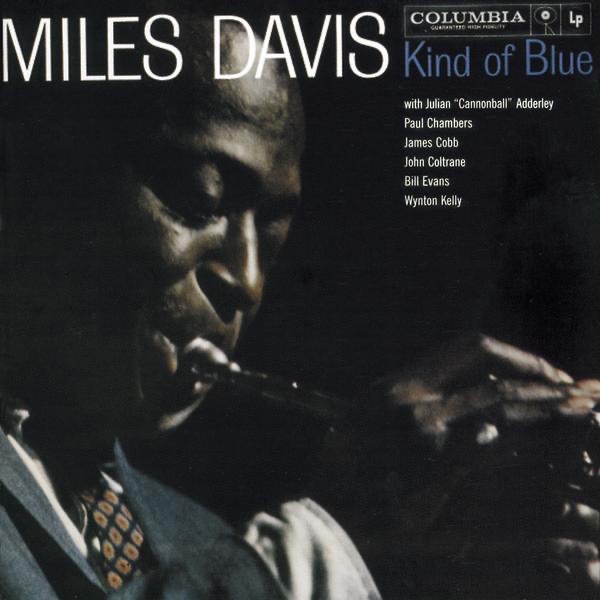 Miles Davis
- Root Genre: Jazz
- Primary Branch: Modal Jazz
- Secondary Influences: Cool Jazz, Hard Bop, Blues
- Textural Identity: Spacious, lyrical and understated — trumpet, alto/tenor saxophones, piano, upright bass and drums using open harmonic frameworks that give the soloists unusual freedom
- Energy Axis: Low → Medium (calm, poised and reflective, with intensity coming from phrasing and interaction rather than speed or volume)
Kind of Blue is one of the clearest examples of Modal Jazz as a primary branch. Instead of relying mainly on rapid chord changes, Miles Davis built much of the album around modes and comparatively static harmonic fields, giving the musicians more room to develop melodic ideas.
The lineup is exceptional: Miles Davis, John Coltrane, Cannonball Adderley, Bill Evans/Wynton Kelly, Paul Chambers and Jimmy Cobb. What is remarkable is how restrained everyone sounds. Coltrane can be fiery, Adderley bluesy and extroverted, Evans impressionistic, yet the record holds them all inside the same cool, spacious atmosphere.
Small review: Kind of Blue is famous enough that it is easy to forget how radical its simplicity is. “So What” creates an enormous amount of space from very little harmonic material; “Freddie Freeloader” brings the album closer to blues and hard bop; “Blue in Green” is almost weightless; and “All Blues” turns a repeating 6/8 structure into something hypnotic and endlessly fluid. The album’s greatness is not just in the solos but in the amount of air around them. Every note seems to have room to resonate.
Collection shorthand: Jazz → Modal Jazz.
-
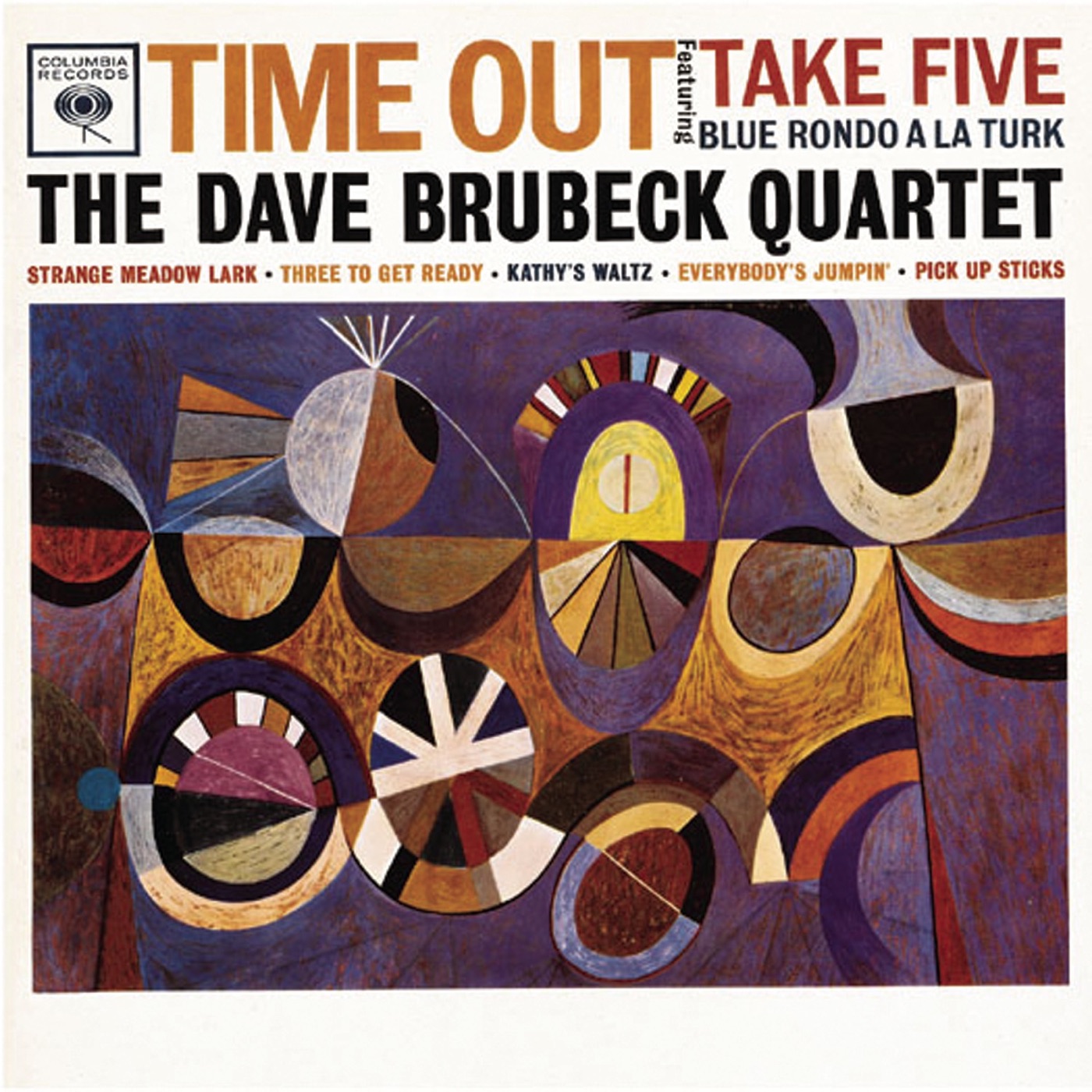 The Dave Brubeck Quartet
- Root Genre: Jazz
- Primary Branch: Cool Jazz / West Coast Jazz
- Secondary Influences: Modern Classical, Turkish / Balkan Rhythmic Music, Swing, Modal Jazz
- Textural Identity: Clean, spacious and cerebral — piano, alto saxophone, upright bass and drums arranged around unusual meters while retaining an elegant, highly melodic quartet sound
- Energy Axis: Low → Medium (mostly poised and controlled, with rhythmic tension supplying the excitement rather than sheer intensity)
Time Out is fundamentally Jazz, and the cleanest primary branch is Cool Jazz / West Coast Jazz. AllMusic places it in cool jazz, West Coast jazz and piano jazz, while the album’s defining feature is Brubeck’s systematic use of unusual time signatures rather than a break with the jazz quartet tradition itself. :chatgpt-content-reference{index=“0”}
The crucial secondary influence is non-Western rhythmic structure. “Blue Rondo à la Turk” famously builds its main theme around a 9/8 pattern Brubeck encountered in Turkey, while “Take Five” is organized in 5/4. Elsewhere the group experiments with shifting accents and polyrhythmic relationships, but the remarkable thing is how natural the music still sounds. :chatgpt-content-reference{index=“1”}
Small review: Time Out succeeds because its rhythmic experiments never feel academic. “Blue Rondo à la Turk” could have been a technical exercise, yet Paul Desmond’s lyrical alto and the quartet’s swing make the asymmetry feel effortless. “Take Five” is even more remarkable: the 5/4 meter is so completely internalized that the track became one of jazz’s most accessible standards. Joe Morello’s drumming deserves special attention throughout; he makes irregular meters feel physical rather than mathematical. The album is polished, cool and immediately enjoyable, but underneath that elegance is a genuinely radical rhythmic conception. :chatgpt-content-reference{index=“2”}
Collection shorthand: Jazz → Cool Jazz / West Coast Jazz.
-
 Pink Floyd
- Root Genre: Rock
- Primary Branch: Progressive Rock / Art Rock
- Secondary Influences: Space Rock, Psychedelic Rock, Blues Rock, Ambient / Electronic
- Textural Identity: Expansive, atmospheric and meticulously layered — sustained synths, blues-inflected guitar, spacious keyboards, saxophone and studio effects creating a floating, cinematic soundstage
- Energy Axis: Low → Medium (patient and spacious for long stretches, with controlled surges rather than hard-rock peaks)
Wish You Were Here sits very naturally under Rock → Progressive Rock / Art Rock. AllMusic classifies it specifically as Prog-Rock, Art Rock and Album Rock, while Pink Floyd’s own history of the album emphasizes the themes of absence, alienation from the music industry and the continuing presence of Syd Barrett in the band’s imagination. :chatgpt-content-reference{index=“0”}
What makes it especially interesting for categorization is how much electronic and ambient language is embedded inside what is still fundamentally a rock record. “Welcome to the Machine” is driven by VCS3 synthesizer and repeating electronic textures, while the long “Shine On You Crazy Diamond” sections rely on atmosphere, gradual development and timbral change almost as much as conventional song structure. :chatgpt-content-reference{index=“1”} That makes Space Rock an important secondary influence, even though I would not make it the primary branch.
Small review: Wish You Were Here is one of Pink Floyd’s most perfectly balanced records because its grand scale never feels bloated. “Shine On You Crazy Diamond” gives the album enormous breathing room, letting Richard Wright’s keyboards and David Gilmour’s guitar emerge almost imperceptibly from silence. “Welcome to the Machine” turns that space cold and mechanical; “Have a Cigar” adds bite and swagger; then the title track suddenly strips everything down to something intimate and almost folk-like. The sequencing makes the entire album feel less like five separate tracks than a single meditation on absence, memory and disillusionment. The production is monumental, but the emotional center is surprisingly fragile. :chatgpt-content-reference{index=“2”}
Collection shorthand: Rock → Progressive Rock / Art Rock.
-
 Okonski
- Root Genre: Jazz
- Primary Branch: Contemporary Jazz / Meditative Piano Trio
- Secondary Influences: Spiritual Jazz, Boom Bap / Hip-Hop, Soul, Impressionistic Jazz, Ambient
- Textural Identity: Warm, spacious and organic — acoustic piano, upright bass and drums recorded with tape-rich intimacy, emphasizing repetition, resonance and breathing room
- Energy Axis: Low → Medium (mostly calm and contemplative, with gentle rhythmic lift rather than dramatic peaks)
Entrance Music is fundamentally Jazz, and more specifically a modern piano-trio record, but it has a distinctly contemporary sensibility. Colemine describes the music as balancing jazz improvisation with boom-bap beats, while All About Jazz characterizes Okonski’s sound as “meditative jazz”: uncluttered, gently grooving and restrained. :chatgpt-content-reference{index=“0”}
The trio is Steve Okonski on piano, Michael Isvara Montgomery on acoustic bass and Aaron Frazer on drums. Rather than using the trio format for virtuosic fireworks, they focus on atmosphere and collective interplay. Okonski himself contrasts this album with the nocturnal mood of Magnolia: Entrance Music is more nature-oriented, brighter and ethereal, with compositions built around anticipation, contemplation and calm. :chatgpt-content-reference{index=“1″}
The hip-hop influence is important but subtle. You do not hear sampling or production in the conventional sense; instead it emerges through drum feel, repetition and loop-like structures. That places the album somewhere between ECM-style acoustic jazz and the beat-conscious world of labels like Stones Throw—a comparison Colemine itself makes. :chatgpt-content-reference{index=“2”}
Small review: Entrance Music is the kind of jazz record that gets better the less you demand from it. “October” establishes the mood beautifully: rippling piano, understated bass and drums that suggest a beat without locking into anything rigid. “Passing Through” is particularly lovely, beginning with Montgomery’s lyrical bass before the trio gradually settles around him. Throughout, Okonski avoids showing off; melodic fragments repeat, shift slightly and disappear. The result feels almost impressionistic—morning light translated into a piano trio. It is mellow without becoming anonymous, and the hip-hop-informed rhythmic sense keeps the music subtly grounded.
Collection shorthand: Jazz → Contemporary Jazz / Meditative Piano Trio.
-
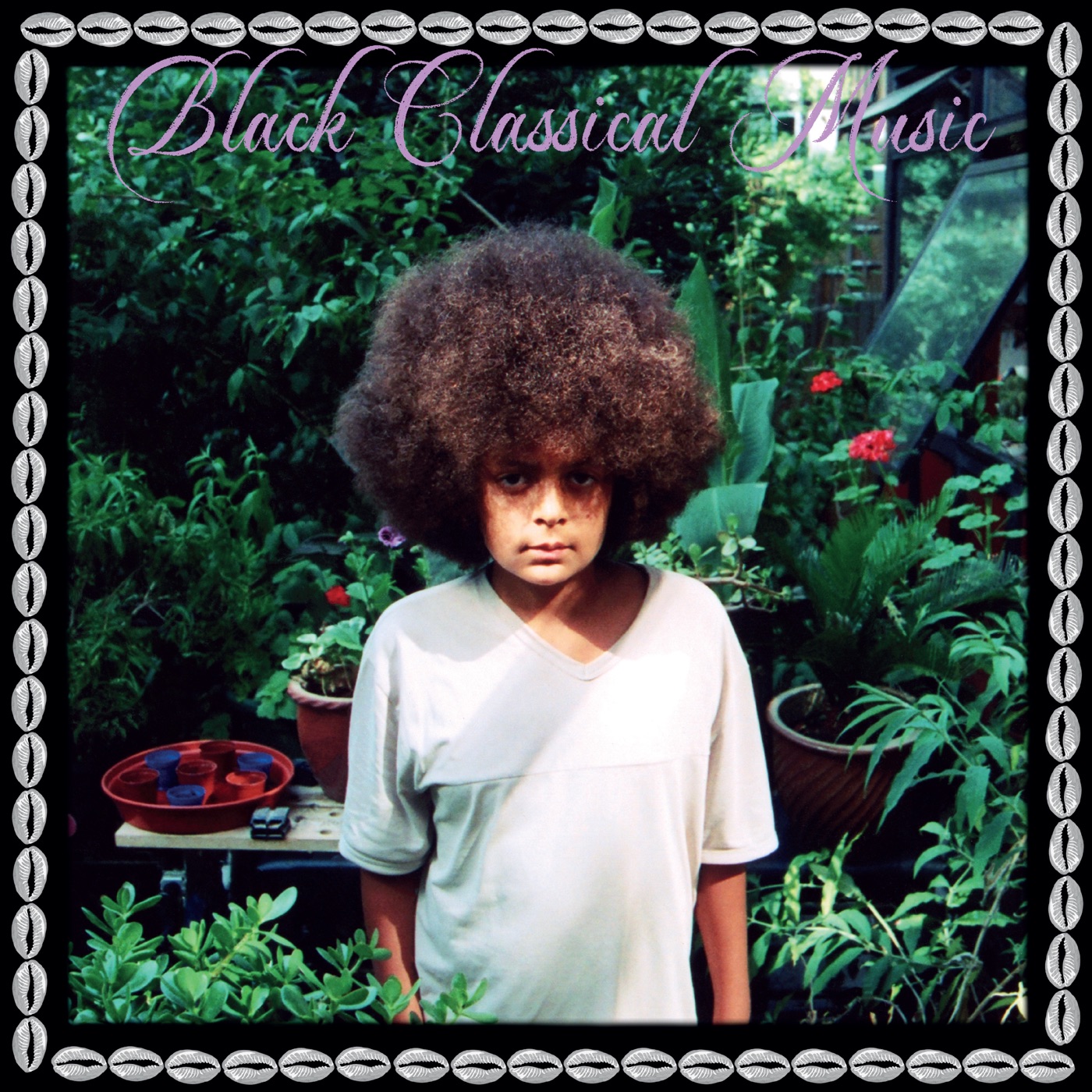 Yussef Dayes
- Root Genre: Jazz
- Primary Branch: Contemporary Jazz / Jazz-Funk
- Secondary Influences: Spiritual Jazz, Soul / R&B, Afrobeat, Reggae / Dub, Fusion, Orchestral / Classical
- Textural Identity: Lush, rhythmic and fluid — virtuosic drums, warm electric bass, electric piano, saxophone, percussion, strings and occasional vocals woven into a highly polished modern-jazz sound
- Energy Axis: Medium → High (frequently propulsive and groove-heavy, but with spacious, meditative interludes)
Black Classical Music is best rooted in Jazz, but it is deliberately broader than a conventional jazz record. AllMusic classifies it across contemporary jazz, electric jazz, jazz-funk and spiritual jazz, while noting how Dayes folds in electronica, funk, soul, Afrobeat and reggae. :chatgpt-content-reference{index=“0”}
That breadth is central to the album’s identity. Dayes has explicitly spoken about the title as a way of challenging narrow definitions of jazz, drawing on the lineage of artists such as Miles Davis, Rahsaan Roland Kirk and Nina Simone while also acknowledging African rhythmic traditions and classical training. :chatgpt-content-reference{index=“1″} The music reflects that idea: “Afro Cubanism” foregrounds percussion, “Gelato” folds dub bass into contemporary jazz, “Pon Di Plaza” introduces reggae, while “Magnolia Symphony” brings in the Chineke! Orchestra. :chatgpt-content-reference{index=“2”}
Small review: Black Classical Music is less about genre fusion as novelty than about showing how naturally all these traditions can coexist. Dayes’s drumming is astonishing throughout, but the record never becomes a percussion showcase; Rocco Palladino’s bass and the keyboards provide just as much of its personality. “The Light” is beautifully weightless, “Jukebox” is almost pure jazz-funk pleasure, and the title track is one of the strongest summaries of the London jazz generation’s language: rhythmically intricate, spiritually minded, technically serious and completely accessible. At 19 tracks it is expansive, but the variety keeps it from feeling monotonous.
Collection shorthand: Jazz → Contemporary Jazz / Jazz-Funk.
-
 Theodor
- Root Genre: Soul / R&B
- Primary Branch: Psychedelic Soul / Sweet Soul
- Secondary Influences: 70s Funk, 60s Jazz, Psychedelic Pop, Soft Rock, Rare Groove
- Textural Identity: Warm, hazy and sun-drenched — falsetto vocals, elastic bass, acoustic drums, dreamy synths, drum machines and softly psychedelic keyboard textures
- Energy Axis: Low → Medium (mostly relaxed and languid, with gentle funk propulsion rather than hard rhythmic attack)
Holocene is best understood as Soul / R&B at the root, specifically the modern revivalist strain often called psychedelic soul or sweet soul. Broc Recordz describes Theodor explicitly as a psychedelic sweet-soul band and says this album combines admiration for 1960s jazz and 1970s soul/funk, pairing acoustic drums and melodic bass with warm synths, static drum machines and conventional pop-song structures. :chatgpt-content-reference{index=“0”}
The important thing is that this is not retro soul cosplay. The production is much more diffuse and contemporary: there is something of Air’s silky synth language, some of early Mac DeMarco’s woozy looseness, and a strong crate-digger/rare-groove sensibility running underneath it. The vocals remain soft and soulful, but the arrangements often drift into instrumental passages where bass, keys and atmosphere become as important as the song itself. :chatgpt-content-reference{index=“1″}
Small review: Holocene feels like a lost soul record remembered through a slightly psychedelic dream. “Tropical Bird” immediately establishes the palette: buoyant bass, dry drums and a hazy melodic atmosphere. “Thankful” leans most directly into sweet soul, while “9371” and “Serpentines” stretch the music outward into more spacious, cinematic territory. The album’s strongest quality is its effortlessness; nothing sounds pushed or over-arranged. It sits comfortably between vintage soul, soft-focus psychedelia and contemporary groove music, which makes it especially easy to return to.
Collection shorthand: Soul / R&B → Psychedelic Soul / Sweet Soul.
-
Duke Pearson
- Root Genre: Jazz
- Primary Branch: Hard Bop / Soul Jazz
- Secondary Influences: Post-Bop, Blues, Latin Jazz, Gospel-inflected Jazz
- Textural Identity: Warm, lyrical and polished — piano-led sextet writing, rich horn voicings, flute color, supple swing and the spacious Blue Note/Van Gelder sound
- Energy Axis: Medium (mostly relaxed and elegant, with stronger hard-bop drive on pieces like “Big Bertha”)
Sweet Honey Bee is a very characteristic mid-’60s Blue Note hard-bop record, but Duke Pearson’s compositional personality makes it softer and more lyrical than some of the label’s tougher sessions. AllMusic places it in Hard Bop, Soul Jazz and Piano Jazz, while the session itself is unusually strong: Freddie Hubbard on trumpet, Joe Henderson on tenor, James Spaulding on alto/flute, Ron Carter on bass and Mickey Roker on drums. :chatgpt-content-reference{index=“0”}
Pearson is especially important here as a composer and arranger, not merely as the pianist. Blue Note notes how central he was to the label during the 1960s, both as a recording artist and behind the scenes, and Sweet Honey Bee shows why: the themes are economical, memorable and beautifully voiced rather than designed simply as vehicles for blowing. :chatgpt-content-reference{index=“1″}
Small review: This is hard bop with its elbows tucked in. “Sweet Honey Bee” has an immediately singable theme, “Sudel” and “Gaslight” show Pearson’s gift for lush melodic writing, while “Big Bertha” brings more muscle and swing. Hubbard and Henderson could easily overpower music this graceful, yet Pearson’s arrangements keep everything balanced. The flute colors from Spaulding are particularly effective, adding a lightness that distinguishes the session from more standard trumpet-tenor Blue Note dates. It is not revolutionary jazz; its appeal is craft, warmth and compositional elegance.
Collection shorthand: Jazz → Hard Bop / Soul Jazz.
-
Big Hare
- Root Genre: Electronic
- Primary Branch: Experimental Electronic / Minimal Wave
- Secondary Influences: Electropop, Cold Wave, New Wave, Industrial, House, Gabber/Punk
- Textural Identity: Synthetic, angular and playful — bright synths, dark machine beats, catchy melodic fragments and deliberately rough, DIY production
- Energy Axis: Medium → High (frequently danceable and buoyant, but with nervous, abrasive and sometimes dystopian turns)
Lucky Dip is best rooted in Electronic, though it deliberately keeps slipping between styles. Blowpipe tags the album with cold wave, electronic, minimal wave and new wave, which is probably the most useful starting point. :chatgpt-content-reference{index=“0”} Gonzo describes its mix even more vividly: electropop, catchy melodies, fragments of ’90s house, bright synthesizers and darker beats, sometimes all within the same track. :chatgpt-content-reference{index=“1″}
That stylistic instability is really the point. “What Has Been Seen” moves from sunny electropop into something more alien and ominous, while “Influenzer, Influenzer” pushes toward a much harsher, almost gabber-punk character. “Plastic Haydn” opens the palette further into atmospheric and experimental electronic territory. :chatgpt-content-reference{index=“2″} So I would resist filing it simply as synth-pop: its DIY abrasiveness and odd structural shifts make Experimental Electronic / Minimal Wave a better branch.
Small review: Lucky Dip has the charm of a record that refuses to behave consistently. One moment it sounds like an obscure early-’80s minimal-wave 7″, the next like warped electro-pop, and then suddenly a house pulse or abrasive industrial texture appears. Big Hare are not chasing polish; the appeal is in the collisions. The album feels simultaneously cheerful and uneasy, warm and synthetic, danceable and awkward. That tension gives it personality — it sounds like electronic pop made by people much more interested in strangeness and play than perfection. :chatgpt-content-reference{index=“3”}
Collection shorthand: Electronic → Experimental Electronic / Minimal Wave.
-
The National
- Root Genre: Rock
- Primary Branch: Indie Rock / Alternative Rock
- Secondary Influences: Chamber Pop, Post-Punk, Alternative Country, Singer-Songwriter
- Textural Identity: Muted, nocturnal and elegant — interlocking guitars, intricate drums, piano, restrained brass and strings beneath Matt Berninger’s dry baritone
- Energy Axis: Low → Medium (tightly controlled and brooding, with occasional anthemic lift rather than outright release)
Boxer is very clearly Rock at the root, with Indie Rock as the best primary branch. AllMusic classifies it within alternative/indie rock while also noting chamber-pop and alt-country elements, and Pitchfork emphasizes how restrained and controlled the arrangements are compared with Alligator. :chatgpt-content-reference{index=“0”}
What distinguishes the album is the sophistication of the arrangements. Bryan Devendorf’s drumming is often the real engine: “Brainy,” “Squalor Victoria” and “Mistaken for Strangers” move through clipped, nervous rhythmic patterns rather than straightforward rock beats. Around that, Aaron and Bryce Dessner build understated guitar layers while Padma Newsome’s strings and horns add a chamber-like quality, especially on “Ada” and “Fake Empire.” :chatgpt-content-reference{index=“1”}
Small review: Boxer is one of those records that seems almost too restrained at first and then gradually reveals how carefully everything is placed. “Fake Empire” opens with that woozy piano figure and slowly widens into brass, while “Mistaken for Strangers” feels like post-punk stripped of aggression and replaced with anxiety. “Slow Show” and “Apartment Story” are warmer, but even there the band keeps the emotional temperature controlled. The brilliance of Boxer is that it rarely shouts; it lets rhythm, repetition and small orchestral details create the drama. It feels urban, adult and deeply nocturnal.
Collection shorthand: Rock → Indie Rock / Alternative Rock.
-
Nick Cave & The Bad Seeds
- Root Genre: Rock
- Primary Branch: Art Rock / Gospel Rock
- Secondary Influences: Chamber Pop, Psychedelic Rock, Ambient, Gospel / Spiritual, Symphonic Rock
- Textural Identity: Expansive, luminous and saturated — massed backing vocals, strings, piano, vibraphone, synth haze and full-band crescendos layered into a huge, almost orchestral sound
- Energy Axis: Medium → High (often contemplative at the outset, but repeatedly surges into ecstatic, communal climaxes)
Where Skeleton Tree seemed to dissolve the Bad Seeds into atmosphere, Wild God brings the band back into the foreground without abandoning the impressionistic language Cave and Warren Ellis developed over the previous decade. Cave’s own description emphasized the record’s sense of movement and reconnection, while Pitchfork characterized its sound as a form of symphonic space rock, with gospel and orchestral elements playing a major role. :chatgpt-content-reference{index=“0”}
The important secondary influence here is Gospel / Spiritual. The Double R Collective choir is not merely decorative: tracks such as “Conversion,” “Wild God” and “Joy” use collective voices and enormous crescendos in ways that evoke church music and communal release. That gospel impulse sits alongside strings, electronics and the Bad Seeds’ traditional rock instrumentation, which is why I would not classify it primarily as alternative rock in the straightforward sense. :chatgpt-content-reference{index=“1”}
Small review: Wild God is almost the inverse image of Skeleton Tree. Where that album created power through emptiness, this one seeks transcendence through excess: choirs pile onto strings, drums push forward, Warren Ellis’s electronics shimmer around the edges, and Cave repeatedly allows songs to expand until they become almost physically overwhelming. “Conversion” may be the clearest example—beginning like a shadowy piano hymn before erupting into something close to a gospel procession. “Frogs” and “Wild God” are similarly enormous, while “Long Dark Night” provides a necessary quieter counterweight. The production can occasionally feel deliberately overstuffed, but that density is central to the album’s character: this is Cave moving from private meditation toward collective catharsis. :chatgpt-content-reference{index=“2”}
Collection shorthand: Rock → Art Rock / Gospel Rock.
-
Sentuhlà
- Root Genre: Electronic
- Primary Branch: Leftfield / Minimal Wave / Experimental Dance
- Secondary Influences: Industrial, No Wave, Post-Punk, Electro, Dub, African Rhythmic Music
- Textural Identity: Dry, skeletal and slightly grimy — primitive synth lines, drum-machine repetition, dubby space, clipped percussion and deliberately rough-edged DIY production
- Energy Axis: Low → Medium (hypnotic rather than explosive; slow, syncopated grooves with an understated club pulse)
Sentuhlà is an alias of Valencia-based musician José Guerrero, and La Curva Paralela sits squarely in the stranger end of electronic dance music. Abstrakce describes the album in terms of “mechanical repetition,” machine funk, DIY boogie synth music and syncopated rhythms, with explicit reference points including Cabaret Voltaire, impLOG and Orchestre Poly-Rythmo de Cotonou. The label itself tags it electronic, downtempo, industrial, leftfield and tribal. :chatgpt-content-reference{index=“0”}
What makes it interesting is that it doesn’t really behave like conventional club music. The grooves are deliberately lopsided and sparse: bass figures repeat almost obsessively, percussion feels handmade even when machine-generated, and synth parts tend to appear as fragments rather than big melodic statements. There is some post-punk severity to it, but also a loose body-music quality coming from funk, African rhythmic patterns and dub. The final track is a Tolouse Low Trax remix, which makes perfect sense given how closely the record sits beside that Düsseldorf strain of slow, murky leftfield dance music. :chatgpt-content-reference{index=“1″}
Small review: La Curva Paralela feels like discovering a small nightclub at 2 a.m. where someone has replaced the disco records with battered drum machines, African percussion records and early-’80s industrial tapes. “Sub Páramo” and “La Flamante Travesía” are especially good at finding grooves that are catchy without ever becoming comfortable. Nothing here rushes toward a climax; Guerrero instead lets tiny rhythmic mutations, bass movement and unexpected synthetic noises do the work. It is funky, but in a strangely dehydrated way—dance music stripped down until only the nervous system remains.
Collection shorthand: Electronic → Leftfield / Minimal Wave / Experimental Dance. :chatgpt-content-reference{index=“2”}
-
Murcof, Philippe Petit
- Root Genre: Electronic
- Primary Branch: Experimental Electronic / Dark Ambient
- Secondary Influences: Contemporary Classical, Electroacoustic, Drone, Glitch, Chamber Music
- Textural Identity: Dark, cinematic and highly tactile — processed strings, viola da gamba, sparse percussion, vinyl crackle, electronics and acoustic instrumentation gradually dissolve into abstract sound design
- Energy Axis: Low → Medium (slow-moving and meditative, but accumulating considerable tension and menace)
This is a particularly interesting boundary case between Electronic and Classical / Art Music. I’d ultimately file it under Electronic because electronic manipulation and sound construction are fundamental to how the music works, rather than merely embellishing conventionally composed chamber pieces. Apple likewise categorizes it as Electronic, while the label explicitly describes the collaboration as bringing together Murcof’s modern-classical background and Petit’s postmodern soundscaping. :chatgpt-content-reference{index=“0”}
The album is essentially a three-part, 39-minute electroacoustic suite. Murcof and Petit had already spent several years performing together before recording it, and you can hear that interaction in the way acoustic sources are continually destabilized: Pegasus, for example, begins around viola da gamba before the material becomes progressively processed and distorted. Elsewhere there are choral textures, cymbalum, piano, turntables, synths, processed guitar and sparse percussion. :chatgpt-content-reference{index=“1″}
Small review: First Chapter feels less like three tracks than entering three interconnected rooms in the same unsettling building. “The Call of Circé” is the centerpiece: twenty minutes in which beautiful, almost sacred-sounding material gradually becomes contaminated by metallic percussion and electronic decay. “Pegasus” compresses that idea into something more chamber-like, while “The Summoning of the Kraken” initially softens the palette without ever removing the sense of threat underneath. The Greek-mythological imagery suits the music unusually well: this is ambient music that doesn’t really want to soothe you. It wants to make a vast, unfamiliar space around you and then leave you inside it. :chatgpt-content-reference{index=“2”}
Collection shorthand: Electronic → Experimental Electronic / Dark Ambient.
-
🇯🇵 Japan Imports 🇯🇵
- Root Genre: Jazz
- Primary Branch: Post-Bop / Modal Jazz
- Secondary Influences: Hard Bop, Spiritual Jazz, Cool Jazz
- Textural Identity: Warm, spacious and brass-led — twin trombones over piano, upright bass and drums, with a broad, burnished ensemble sound and the vivid room presence associated with Three Blind Mice
- Energy Axis: Medium → High (generally poised and flowing, but with long-form modal passages that build substantial intensity)
Morning Flight is a particularly interesting Japanese post-bop record. The quintet pairs Hiroshi Fukumura and Shigeharu Mukai on trombones with Hiroshi Tamura on piano, Tsutomu Okada on bass and Shinji Mori on drums; that twin-trombone front line gives the album a much darker, rounder sonority than the usual trumpet/tenor hard-bop setup. It was recorded at Aoi Studio in Tokyo on August 22, 1973 for Three Blind Mice. :chatgpt-content-reference{index=“0”}
I’d put Post-Bop / Modal Jazz ahead of straight Hard Bop because the record stretches well beyond bop conventions. “Imagination, Opus 1” is explicitly modal and runs for roughly 13 minutes, while the long-form writing and open harmonic language bring the album closer to the spiritual-jazz currents of the early ’70s. The inclusion of Coltrane’s “Cousin Mary” reinforces that connection. :chatgpt-content-reference{index=“1”}
Your MHJL 486 pressing is part of the newly revived Three Blind Mice premium reissue program, with the original 1973 album remastered and reproduced as a Japanese limited LP. :chatgpt-content-reference{index=“2″}
Small review: Morning Flight has that wonderful TBM combination of muscular playing and almost luxurious sonic clarity. The title track immediately shows why two trombones are such an inspired choice: the horns can sound weighty and orchestral without sacrificing agility. “Imagination, Opus 1” is the real centerpiece, opening the record into a broader modal space where the quintet can breathe and stretch. “Cousin Mary” brings more direct Coltrane-derived drive, while “Soldier in the Rain” closes things with a surprisingly lyrical, cinematic mood. It is less bluesy than Misty and more exploratory — a strong bridge between hard bop and early-’70s modal/spiritual jazz.
Collection shorthand: Jazz → Post-Bop / Modal Jazz.
-
🇯🇵 Japan Imports 🇯🇵
- Root Genre: Jazz
- Primary Branch: Modal Jazz / Soul Jazz
- Secondary Influences: Hard Bop, Bossa Nova, Jazz-Funk, Blues
- Textural Identity: Deep, warm and spacious — bass/cello-led trio interplay, acoustic and electric piano, crisp drums and the characteristically vivid Three Blind Mice recording style
- Energy Axis: Medium (mostly relaxed and soulful, with stronger rhythmic drive and funkier momentum on “Manhã de Carnaval”)
Black Orpheus is best placed under Jazz → Modal Jazz / Soul Jazz. Three Blind Mice catalog references list TBM-63 as a modal-jazz release, while other specialist sources consistently classify it around modal and soul-jazz. The trio is Isao Suzuki on bass and cello, Tsuyoshi Yamamoto on acoustic/electric piano, and Donald Bailey on drums, recorded at Aoi Studio in Tokyo on February 20, 1976. :chatgpt-content-reference{index=“0”}
The title can be slightly misleading: only the opening “Manhã de Carnaval” comes from Black Orpheus. That track is also where the record’s broader influences are clearest, combining the Brazilian source material with a noticeably funkier treatment; elsewhere, “Who Can I Turn To?” picks up a bossa-like feel, while Yamamoto’s “Blues” brings the record firmly back toward blues and soul-jazz territory. :chatgpt-content-reference{index=“1”}
Your MHJL-487 is the 2026 Japanese Three Blind Mice/Sony reissue, remastered and cut at Mixers Lab while reproducing the original TBM-63 packaging. :chatgpt-content-reference{index=“2″}
Small review: Black Orpheus has a heavier center of gravity than the Tsuyoshi Yamamoto Trio albums we encountered earlier, largely because Suzuki’s bass and cello are genuinely the lead voices. “Manhã de Carnaval” is the highlight: Yamamoto’s Fender Rhodes gives it a soft electric glow while Suzuki’s bass makes the Brazilian melody feel darker and more grounded. “Angel Eyes” and “In a Sentimental Mood” are more traditional in repertoire, but the trio’s spaciousness keeps them from sounding routine. Donald Bailey is excellent throughout—economical, swinging and subtly Latin-inflected. It is a wonderfully soulful, bottom-heavy TBM session, sitting between modal jazz, standards playing and early jazz-funk. :chatgpt-content-reference{index=“3”}
Collection shorthand: Jazz → Modal Jazz / Soul Jazz.
-
🇯🇵 Japan Imports 🇯🇵
- Root Genre: Jazz
- Primary Branch: Hard Bop / Piano Trio Jazz
- Secondary Influences: Blues, Swing, Standards / Great American Songbook
- Textural Identity: Acoustic, warm and highly tactile — piano, upright bass and drums captured with exceptional immediacy and room presence, very much in the classic Three Blind Mice audiophile aesthetic
- Energy Axis: Medium → High (alternates lyrical ballad playing with strong swing and more muscular blues-driven passages)
Misty is a classic Jazz piano-trio recording: Tsuyoshi Yamamoto on piano, Isoo Fukui on bass and Tetsujiro Obara on drums, recorded at AOI Studio in Tokyo on August 7, 1974. The repertoire is largely standards — “Misty,” “Yesterdays,” “Smoke Gets in Your Eyes,” “Angel Eyes” — but the trio plays them with much more rhythmic weight than the easy-listening title might suggest. :chatgpt-content-reference{index=“0”}
I’d call the branch Hard Bop / Piano Trio Jazz rather than fusion, even though AllMusic rather oddly tags the album as Fusion. The actual sound is firmly acoustic and rooted in swing, blues phrasing and the classic piano-trio tradition. Your 2024 MHJL 307 edition is the Japanese 180g reissue on Three Blind Mice. :chatgpt-content-reference{index=“1″}
Small review: Misty is one of those records where the performance and the recording quality are almost equally important. Yamamoto plays with a wonderfully percussive touch: lyrical when the material calls for it, but capable of digging hard into the keyboard when the trio starts to swing. “Misty” itself is spacious and romantic without becoming syrupy, while “Blues” and “Honeysuckle Rose” show the trio’s much more muscular side. Fukui’s bass is unusually present and physical, and Obara’s drums have that vivid, almost startling attack for which Three Blind Mice became famous. It is accessible, beautifully recorded jazz that still has real bite.
Collection shorthand: Jazz → Hard Bop / Piano Trio Jazz.
-
Marc Moulin
- Root Genre: Jazz
- Primary Branch: Jazz Fusion / Jazz-Funk
- Secondary Influences: Psychedelic Rock, Progressive Rock, Electronic, Soul / Funk, Library Music
- Textural Identity: Warm, groovy and exploratory — Rhodes/electric piano, organ, bass, drums, brass and early synthesizer textures with a distinctly analogue, crate-digger-friendly sound
- Energy Axis: Medium → High (often groove-heavy and propulsive, but with spacious psychedelic and atmospheric detours)
Placebo Years compiles material from Marc Moulin’s early-’70s Placebo period, where Belgian jazz was being pushed into much more electric territory. The core is still unmistakably jazz—improvisation, electric keys, horn writing, flexible rhythm sections—but the music is deeply infused with funk, psychedelia and progressive rock, which makes Jazz Fusion / Jazz-Funk the most useful branch.
What makes Moulin’s early work so distinctive is how modern it can sound from a contemporary beat-making perspective. Tracks are often built around tight bass-and-drum grooves, short keyboard motifs and highly economical arrangements. That explains why this material became so attractive to later DJs, samplers and rare-groove collectors: it often feels halfway between a jazz session and a perfectly formed break.
Small review: Placebo Years is one of those compilations that works almost like a lost studio album because the aesthetic is so consistent. The Rhodes and organ tones are gorgeous, the grooves are compact and muscular, and Moulin manages to make relatively sophisticated jazz harmony feel immediate rather than cerebral. There are moments where the music leans toward psychedelic rock, others where it almost anticipates broken beat or jazz-hop, but the center of gravity remains jazz. If you like the intersection between Blue Note electric jazz, European fusion and later crate-digger culture, this is exactly the kind of record that rewards repeated listening.
Collection shorthand: Jazz → Jazz Fusion / Jazz-Funk.
-
The White Stripes, Jack White
- Root Genre: Rock
- Primary Branch: Garage Rock Revival / Blues Rock
- Secondary Influences: Delta Blues, Punk Blues, Hard Rock, Folk Blues
- Textural Identity: Raw, dry and stripped-back — distorted guitar, pounding drums, minimal overdubs and an intentionally analogue, almost live-in-the-room sound
- Energy Axis: Medium → High (riff-heavy and forceful, but broken up by quieter acoustic and blues-based passages)
Elephant is firmly Rock, with Garage Rock Revival / Blues Rock as the best branch. The White Stripes were central to the early-2000s garage-rock revival, but Jack White’s songwriting is just as deeply tied to older blues forms, especially the rough economy of Delta and electric blues.
The record’s power comes from how little is actually there. Guitar and drums do almost all the structural work, and the deliberately analogue production keeps everything abrasive and immediate. “Seven Nation Army” is the obvious anthem, but tracks like “Ball and Biscuit” make the blues lineage much clearer, while “The Hardest Button to Button” pushes the same minimal setup toward something almost mechanical.
Small review: Elephant is a great example of limitation becoming identity. With only two musicians and a deliberately narrow sonic palette, every riff has to carry enormous weight. “Seven Nation Army” is almost absurdly simple, yet that simplicity is exactly why it works; “Ball and Biscuit” stretches the format into a long, dirty blues workout; and “I Just Don’t Know What to Do with Myself” shows how effectively the duo can turn a pop song into something stark and muscular. The album feels primitive in the best possible way — blues reduced to riffs, distortion and physical momentum, then rebuilt as modern garage rock.
Collection shorthand: Rock → Garage Rock Revival / Blues Rock.
-
Tame Impala
- Root Genre: Electronic
- Primary Branch: Alternative Dance / Psychedelic House
- Secondary Influences: Neo-Psychedelia, Dance-Pop, Tech House, Progressive House, Trance, Indie Rock
- Textural Identity: Woozy, synthetic and rhythm-forward — thick analogue synths, four-on-the-floor drums, psychedelic vocal processing and intentionally rougher, less pristine production than earlier Tame Impala
- Energy Axis: Medium → High (moves between hazy introspection and full rave-oriented propulsion)
Deadbeat is the point where I’d move Tame Impala’s root genre from Rock into Electronic. Kevin Parker’s psychedelic identity remains obvious, but the structural language here is dance music: four-on-the-floor kick patterns, extended electronic grooves, house-derived bass lines and tracks designed around gradual rhythmic development. Resident Advisor places it around house, tech house and pop, while Pitchfork describes Parker cycling through progressive house, trance and other dance forms. :chatgpt-content-reference{index=“0”}
The key context is Parker’s fascination with Western Australia’s “bush doof” rave culture. He described that scene as a major inspiration for the album, and you can hear it most strongly in tracks such as “Ethereal Connection,” “Not My World” and “End of Summer.” The Guardian similarly notes the prevalence of hard four-four rhythms, electronic bass and shifting synthetic textures. :chatgpt-content-reference{index=“1”}
At the same time, this never becomes anonymous club music. Parker keeps the hazy vocals, saturated psychedelia and pop melodies that make Tame Impala instantly identifiable, which is why Alternative Dance / Psychedelic House feels more accurate than simply calling it house or EDM.
Small review: Deadbeat is fascinating because Parker deliberately loosens the perfectionism that defined Currents and The Slow Rush. Some tracks feel almost unfinished by Tame Impala standards—vocals trail off, transitions expose their seams, and rhythms are allowed to run for long stretches. “Ethereal Connection” is perhaps the clearest statement of intent: psychedelic Tame Impala submerged inside a progressive-house pulse. “Dracula” retains more of his immaculate pop instincts, while “End of Summer” finds the album’s most convincing meeting point between rave euphoria and melancholy. It is less immediately seductive than Currents, but arguably more interesting as an attempt to reposition Tame Impala inside electronic music rather than merely decorate psychedelic pop with electronics. :chatgpt-content-reference{index=“2”}
Collection shorthand: Electronic → Alternative Dance / Psychedelic House.
-
 Boards of Canada
- Root Genre: Electronic
- Primary Branch: Ambient / Downtempo / IDM
- Secondary Influences: Hip-Hop Beatmaking, Psychedelia, Library Music, Educational Film Soundtracks, Lo-Fi Tape Collage
- Textural Identity: Analog-warm, hazy, nostalgic, degraded-tape atmosphere; childlike melodies under eerie archival textures
- Energy Axis: Low → Medium (mostly meditative and head-nodding, with occasional darker rhythmic drive)
Boards of Canada’s Music Has the Right to Children sits at the point where electronic music becomes memory architecture. Structurally it is electronic first: built from drum machines, samplers, synth loops, sequencing, and studio manipulation. But its emotional DNA is not club-oriented; it is closer to half-remembered childhood television, school documentaries, public-information films, and sun-bleached VHS tapes. That is why I would not file it simply as “ambient” or “trip-hop.” It has beats, but the beats are softened, dusty, and hypnotic rather than dancefloor-functional.
Small review:
_ Music Has the Right to Children_ feels like finding an old educational cassette in an attic and realizing it has been dreaming for twenty years. Tracks like “Roygbiv” glow with naïve melodic innocence, almost like a children’s TV theme melted into a synthesizer lullaby, while “An Eagle in Your Mind” and “Telephasic Workshop” introduce something more uncanny: hip-hop-derived rhythms, warped voices, and loops that seem to decay as you listen. The genius of the album is its balance between comfort and unease. It is warm, but never fully safe; nostalgic, but not sentimental; electronic, but strangely organic. A landmark of late-1990s IDM because it made electronic music feel less like the future and more like a corrupted memory of the past. -
 TURBOFLOW3000
- Root Genre: Electronic
- Primary Branch: Electro-Punk / Alternative Electronic
- Secondary Influences: Hip-Hop / Rap, Post-Punk, Synth-Pop, Bass Music
- Textural Identity: Fast, bass-heavy and deliberately unruly — synths, breaks, loops, guitars and rapid-fire Greek vocals fused into a rough-edged, high-energy hybrid
- Energy Axis: High (restless, danceable and confrontational, with very little downshift)
ΟΥΦΟ is one of the more genuinely hybrid records in your collection. Veego describes Turboflow 3000 as combining electro, post-punk, pop and hip-hop, while its album notes specifically emphasize fast rhymes, synths, bass and breaks. :chatgpt-content-reference{index=“0”} Athinorama goes even further and calls the sound an electro-punk idiom with synth-pop aesthetics, which is probably the cleanest shorthand. :chatgpt-content-reference{index=“1″}
I’d therefore root it in Electronic, rather than Hip-Hop or Rock. Rap is crucial to the vocal language, and post-punk supplies much of the attitude, but the tracks are fundamentally assembled around electronic production, synths, bass pressure and break-driven rhythm. Avopolis similarly describes the album as mixing electro-punk, rap and post-punk across nine tracks. :chatgpt-content-reference{index=“2”}
Small review: ΟΥΦΟ sounds like a group refusing to decide which scene they belong to. “Turbonation 5.0” establishes that immediately: the energy is part rap cypher, part punk gig, part club track. The production is intentionally scrappy rather than sleek, which helps the album feel spontaneous and communal. Guests such as Pan Pan, Ιάσωνας from Chain Cult and others reinforce the sense that this is less a polished genre exercise than a collision of contemporary Athens subcultures. Its greatest strength is momentum: it feels messy in a productive way, with bass, synths and fast vocals constantly pushing forward. :chatgpt-content-reference{index=“3”}
Collection shorthand: Electronic → Electro-Punk / Alternative Electronic.
-
 Lefteris Volanis, Dimitris Pagidas
- Root Genre: Rock
- Primary Branch: Psychedelic Folk / Ambient Rock
- Secondary Influences: New Wave, Post-Punk, Space Rock, Electronic, Progressive Rock, European Film Score
- Textural Identity: Dreamlike, cinematic and organic-electronic — electric and classical guitars, vintage synths, saxophone, electric piano, percussion, xylophone and field recordings blended into a hazy, strongly melodic soundscape
- Energy Axis: Low → Medium (mostly slow-burning and atmospheric, with occasional rhythmic or psychedelic lift)
This is a much more Rock-rooted record than Volanis’s Magnetic Fields soundtrack earlier in your collection. Volanis and Pagidas both come from No Clear Mind, and Veego describes the album as combining guitars and organic synths with saxophone, electric pianos, drums, percussion, xylophone and environmental sound. The label explicitly points to new wave, post-punk, folk, progressive rock, space rock, psychedelia and world music, with echoes of European film soundtracks from the 1960s and ’70s. :chatgpt-content-reference{index=“0”}
I’d use Psychedelic Folk / Ambient Rock as the primary branch because that best captures how the songs actually behave. The psychedelic and folk elements provide the melodic language, while the production often dissolves conventional rock structure into something spacious and cinematic. OndaRock similarly describes it as ambient-rock, downtempo and dream-folk. :chatgpt-content-reference{index=“1″}
Small review: Outside the Long Walls feels like a record built out of half-remembered places. “Crystals” immediately establishes the soft-focus atmosphere, while “Mesaeon” and “Laelaps” move between psych-folk intimacy and broader, almost soundtrack-like passages. The vocals—sometimes Greek, sometimes English—often feel like another texture rather than the absolute focal point, which suits the album’s dream logic. The strongest quality is how naturally acoustic instruments and electronics coexist: nothing sounds obviously “retro” or “modern,” just suspended somewhere between ’70s European cinema, post-rock melancholy and psychedelic folk.
Collection shorthand: Rock → Psychedelic Folk / Ambient Rock.
-
 Felizol
- Root Genre: Electronic
- Primary Branch: Leftfield House / Experimental Electronic
- Secondary Influences: Synth-Pop, Minimal Wave, Electro, Greek Art Pop, Disco
- Textural Identity: Lo-fi, nocturnal and slightly absurdist — drum machines, synth bass, cheap-keyboard textures, deadpan Greek vocals and deliberately off-kilter dance grooves
- Energy Axis: Low → Medium (danceable but rarely euphoric; more languid, strange and slyly humorous than peak-time club music)
Πάρνηθα is firmly Electronic at the root. Apple classifies it simply as electronic, while Greek criticism is more revealing about the actual character: MiC described it through house, Stereo Nova-like domestic electronics and a darkly comic sci-fi sensibility. :chatgpt-content-reference{index=“0”}
The best branch is Leftfield House / Experimental Electronic. The beats often borrow from house and disco, but Felizol never treats them conventionally. The grooves are slightly warped, the synths deliberately cheap or brittle, and the Greek-language lyrics add an art-pop dimension that separates it from straight club music. It was also the first release on his own Sportex Audio label and his first album built around Greek lyrics. :chatgpt-content-reference{index=“1″}
Small review: Πάρνηθα has a very specific Athens-after-midnight character. “Ντισκοπάθεια” and “Οι Στέρεο Νόβα Παίζουν Στο Σπίτι Μου” make the dance-music lineage explicit, but there is always something slightly wrong-footed about the rhythms and delivery. The humor is dry, the atmosphere a little seedy, and the electronics feel intentionally homemade rather than sleek. What makes the album work is that it can be funny, melancholic and genuinely groovy at the same time. It feels like Greek synth-pop and house music viewed through the lens of an eccentric filmmaker.
Collection shorthand: Electronic → Leftfield House / Experimental Electronic.
-
 Danai Nielsen
- Root Genre: Pop
- Primary Branch: Dream Pop / Electropop
- Secondary Influences: Art Pop, Electronic, Indie Pop, Alternative R&B
- Textural Identity: Dreamy, synthetic and theatrical — layered vocals, loops, synth textures, programmed rhythms and processed male/female alter-ego voices creating a futuristic but handmade feel
- Energy Axis: Low → Medium (mostly atmospheric and introspective, with occasional dance-oriented lift)
Who Are They is best rooted in Pop, specifically Dream Pop / Electropop. United We Fly describes Danai Nielsen as a synth-based dream-pop composer and singer who uses voice effects, samples, loops and organic sounds, while Apple classifies the album simply as Pop. :chatgpt-content-reference{index=“0”}
The most distinctive element is Nielsen’s use of male and female alter egos, often created through vocal processing. That gives the record a theatrical quality that pushes it toward art pop, while the production remains strongly electronic. Nielsen herself described the album as danceable, atmospheric, introspective, handmade and nostalgic, which is a very accurate summary of its balance. :chatgpt-content-reference{index=“1″}
Greek reviews also place her in a contemporary dream-pop lineage, drawing comparisons to artists such as Björk, Kate Bush, Lorde and Billie Eilish—not because she directly imitates them, but because of the way she combines pop songwriting with unusual vocal treatment and electronic atmosphere. :chatgpt-content-reference{index=“2”}
Small review: Who Are They feels like a record built around identity constantly shifting shape. “Mermaid,” “Lion Zion” and “Recycled Feelings” all have accessible melodic cores, but Nielsen keeps destabilizing them through vocal manipulation, unexpected textures and a slightly surreal performance-art sensibility. The result is dream pop that feels more theatrical and electronic than hazy guitar-based dream pop. It is polished enough to be approachable, but strange enough to keep its own personality.
Collection shorthand: Pop → Dream Pop / Electropop.
-
 Pavlos Pavlidis
- Root Genre: Rock
- Primary Branch: Alternative Rock / Art Rock
- Secondary Influences: Electronic, Post-Punk, Art Pop, Greek Singer-Songwriter
- Textural Identity: Dark, urban and layered — electric guitars, synths, loops, violin and atmospheric keyboard beds surrounding Pavlidis’s half-sung, half-spoken delivery
- Energy Axis: Low → Medium-High (brooding and cinematic for long stretches, but capable of sharp electric surges)
Το Μαύρο Κουτί is still fundamentally a Rock record, but it pushes Παυλίδης further into a hybrid of alternative/art rock and electronics. United We Fly describes it through electric sound, loops and experimentation, while later retrospectives emphasize the way it binds his rock past to contemporary electronic elements. :chatgpt-content-reference{index=“0”}
The album also marks a genuine reset in his solo career after the B-Movies period. The sound is denser and more atmospheric than the earlier Ξύλινα Σπαθιά material we categorized, with keyboards and synth layers often functioning almost like a continuous sonic backdrop. Φώτης Σιώτας’s electrified violin is especially effective on the opening “Τώρα Που Χάνεται Το Φως,” while tracks such as “Άνοιξη” and “Στο Μάτι του Κυκλώνα” retain Pavlidis’s gift for cinematic, narrative songwriting. :chatgpt-content-reference{index=“1”}
Small review: Το Μαύρο Κουτί feels like Παυλίδης rebuilding his musical language without discarding what made it recognizable. The melodies are still unmistakably his, but the guitars no longer dominate; synths, loops, violin and layered atmospheres give the songs a more nocturnal, contemporary character. “Τώρα Που Χάνεται Το Φως” is a particularly strong opener, setting urban imagery against a tense electric backdrop, while “Μαύρο Σύννεφο” and “Στην Άκρη της Πόλης” stretch the album further into cinematic territory. It is a transitional record in the best sense: recognizably Greek alternative rock, but already reaching toward something more electronic and textural.
Collection shorthand: Rock → Alternative Rock / Art Rock.
-
 Pavlos Pavlidis, Yannis Markopoulos
- Root Genre: Rock
- Primary Branch: Art Rock / Alternative Reinterpretation
- Secondary Influences: Greek Art Song, Folk / Traditional, Electronic, Chamber Pop, Synth-Pop
- Textural Identity: Modern, atmospheric and reverent — electric and synth textures, loops, programmed elements, strings and layered vocals reshape classic Markopoulos material without erasing its original melodic identity
- Energy Axis: Low → Medium-High (often reflective and ceremonial, but with stronger rhythmic and electronic lift on several tracks)
This is a very interesting hybrid because the source material belongs to Greek art song, while the actual album is filtered through Pavlidis’s contemporary alternative-rock language. United We Fly describes the project as 12 classic Markopoulos compositions reimagined with electric and synth sounds, loops and polyphonic singing; the instrumentation also includes strings, keyboards, programming and full-band elements. :chatgpt-content-reference{index=“0”}
So I would keep Rock as the root, mainly because Pavlidis’s rearranging language determines the finished sound, while Greek Art Song / Folk becomes a major secondary influence. It is less a straight covers record than a translation of Markopoulos into a contemporary sonic vocabulary. The project itself originated with Markopoulos, who had expressed a wish for Pavlidis to reinterpret his songs. :chatgpt-content-reference{index=“1″}
Small review: Πέρα Από Τη Θάλασσα works because Pavlidis avoids treating Markopoulos as sacred museum material. The melodies remain recognisable, but synths, loops and electric arrangements make them feel displaced into another era. The title track is a good example: strings preserve the lyrical breadth of the original while electronic production gives it a cooler, more modern frame. Elsewhere, the contrast between traditional song structure and Pavlidis’s darker, urban sonic world becomes even more pronounced. The result feels like a dialogue between two generations of Greek songwriting rather than a tribute album.
Collection shorthand: Rock → Art Rock / Alternative Reinterpretation.
-
 Nefeli Fasouli
- Root Genre: Folk / Traditional
- Primary Branch: Greek Éntekhno / Contemporary Greek Singer-Songwriter
- Secondary Influences: Jazz, Art Pop, Mediterranean Balladry, Light Psychedelia
- Textural Identity: Warm, urban and vocal-forward — acoustic instrumentation, understated rhythm section, jazz-aware phrasing and elegant arrangements built around lyrical storytelling
- Energy Axis: Low → Medium (mostly reflective and flowing, with occasional brighter, more rhythmic passages)
This one is best understood inside the modern Greek éntekhno / singer-songwriter lineage. The whole album was written and composed by Φοίβος Δεληβοριάς specifically for Φασούλη, and United We Fly describes its world as sitting somewhere between the jazz records she grew up collecting and the jukebox sounds of the city streets. :chatgpt-content-reference{index=“0”}
I would therefore place it under Folk / Traditional rather than Rock or Pop in our framework. The album’s core DNA comes from Greek art-song tradition: lyrical narrative, singer-centered interpretation and songwriting that descends from έντεχνο rather than mainstream pop. The jazz element is real but secondary—more audible in Fasouli’s phrasing, harmony and ensemble sensibility than in improvisation-heavy structures. Her own Bandcamp tags also point toward folklore fusion, modern jazz and psychedelic rock, which captures the record’s stylistic openness. :chatgpt-content-reference{index=“1″}
Small review: Ο Κόσμος Σου feels like Delivorias writing for another voice without simply creating a Delivorias album sung by someone else. Fasouli has a softer, more fluid delivery, and the arrangements give her plenty of room to inhabit the songs. “Βόλτα” provides the record’s brighter, more extroverted side, while the title track is more wistful and suspended. The strongest quality is its sense of urban intimacy: songs feel like observations made while walking through Athens, with jazz sophistication sitting quietly underneath rather than demanding attention. It is polished, melodic and gently theatrical.
Collection shorthand: Folk / Traditional → Greek Éntekhno / Contemporary Singer-Songwriter.
-
 Nick Cave & The Bad Seeds
- Root Genre: Rock
- Primary Branch: Art Rock / Alternative Rock
- Secondary Influences: Ambient, Post-Punk, Experimental Rock, Chamber Pop, Singer-Songwriter
- Textural Identity: Sparse, spectral and weightless — drones, electronic haze, organ, strings, piano and restrained percussion surrounding Cave’s exposed vocal
- Energy Axis: Low → Medium (mostly subdued and suspended, with tension accumulating through atmosphere rather than conventional rock dynamics)
Skeleton Tree is still fundamentally a Rock record in terms of lineage and songwriting, but it sits at one of the furthest atmospheric edges of the Bad Seeds catalogue. Pitchfork explicitly classifies it as Rock while describing its sound through drones, electronic jitters, humming organs and swelling orchestration; AllMusic similarly emphasizes minimal melodies, ambient soundscapes and atonal electronic noise. :chatgpt-content-reference{index=“0”}
Compared with older Bad Seeds records, the usual muscular rock-band presence is almost dissolved. Warren Ellis’s loops and electronic textures become structural rather than decorative, giving pieces such as “Jesus Alone,” “Girl in Amber” and “Anthrocene” an almost ambient quality. The Guardian noted that the songs often feel more atmospheric and unanchored than linear, while also placing the album in direct continuity with Push the Sky Away. :chatgpt-content-reference{index=“1”}
An important contextual distinction: although Skeleton Tree is inseparable from the death of Cave’s son Arthur in 2015, most of its songs had already been written before his death. The recording was subsequently completed in its aftermath, which profoundly affected the performances and final character of the record. Cave himself cautioned against treating every lyric as directly autobiographical. :chatgpt-content-reference{index=“2″}
Small review: Skeleton Tree feels like a rock album whose physical structure has partially evaporated. Bass lines, drums and harmonic movement are present, but often only as shadows; what remains in the foreground is Cave’s voice moving through Ellis’s strange electronic fog. “Jesus Alone” establishes the language immediately, while “I Need You” is devastating precisely because the arrangement refuses to provide the emotional release a traditional ballad might. “Distant Sky,” with Else Torp, briefly opens the record outward before the title track closes it with something approaching fragile consolation. It is extraordinarily restrained music: grief expressed not through crescendo, but through absence.
Collection shorthand: Rock → Art Rock / Atmospheric Alternative Rock.
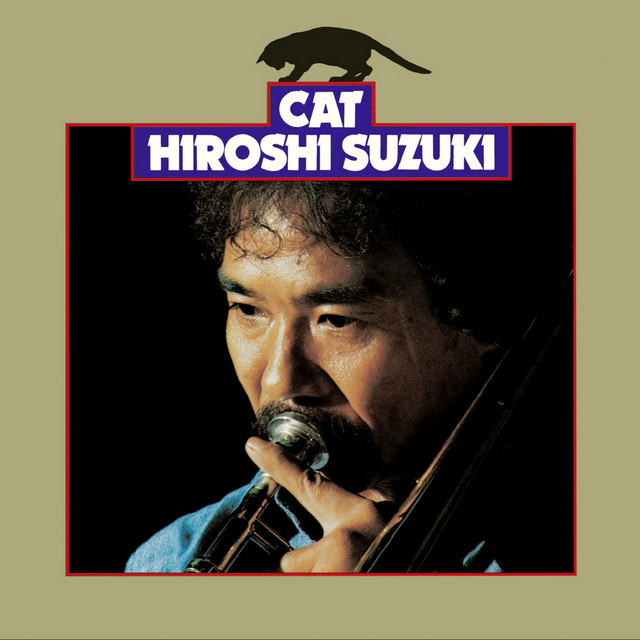
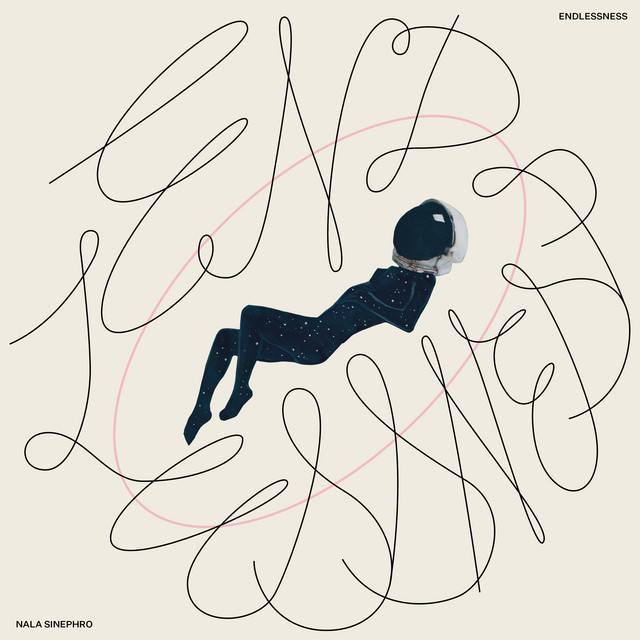

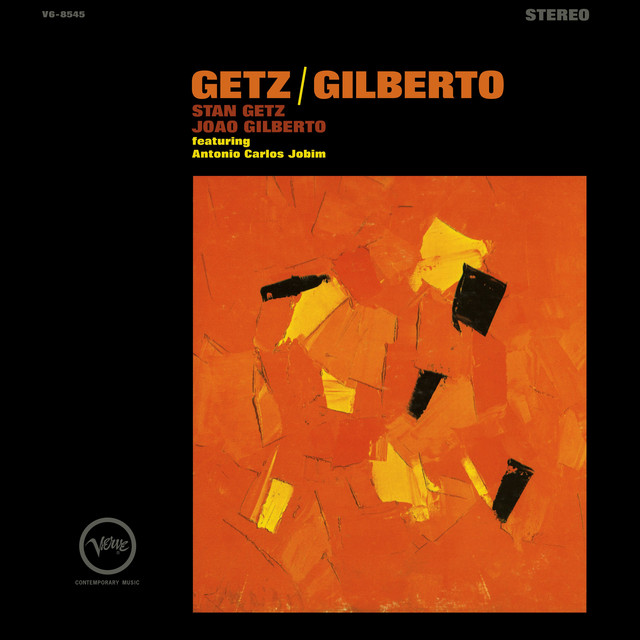





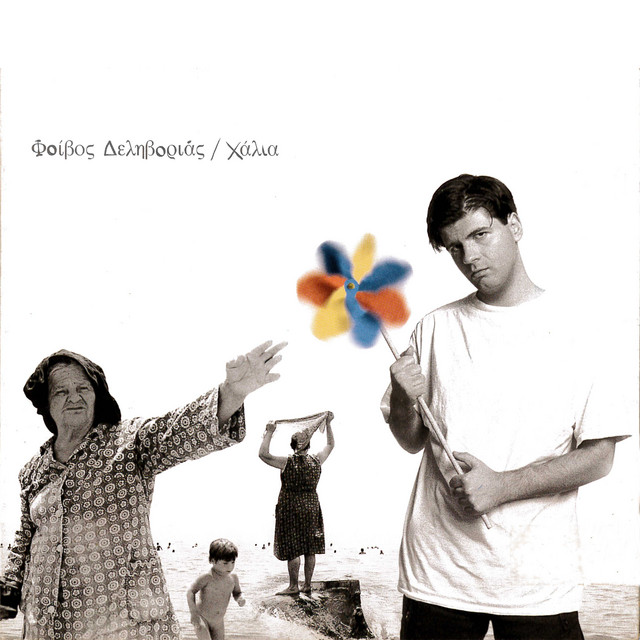
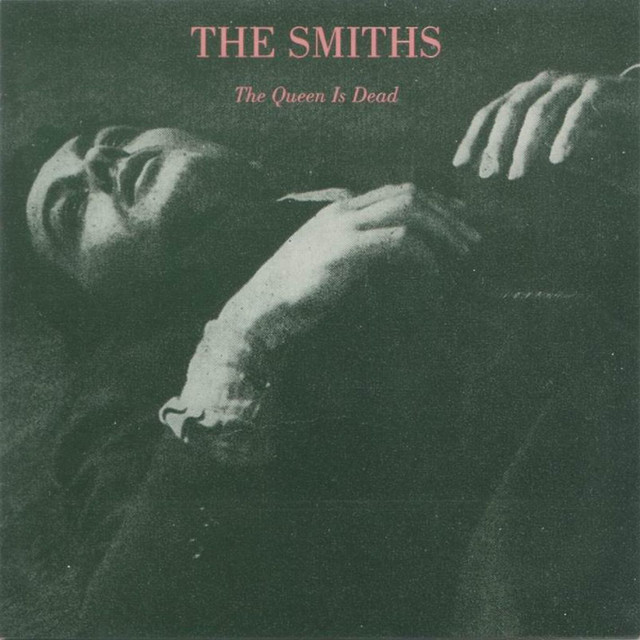
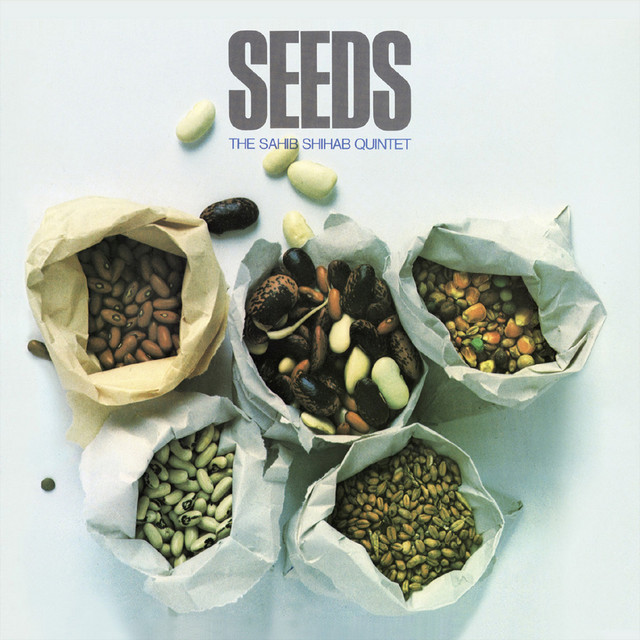
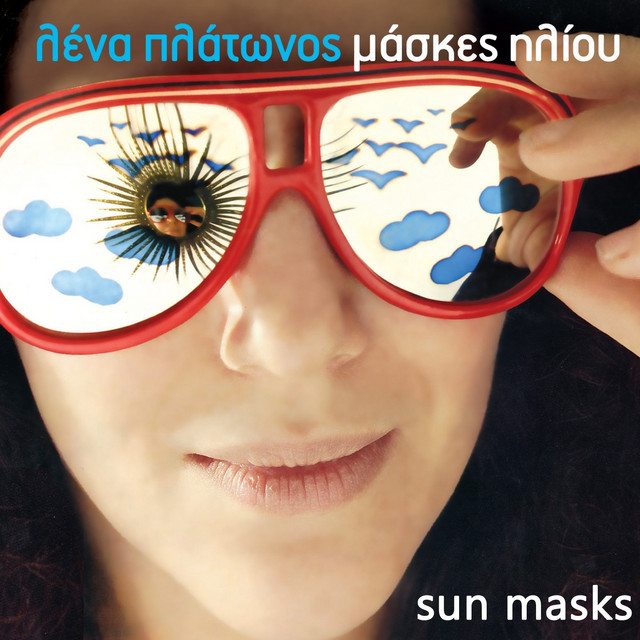
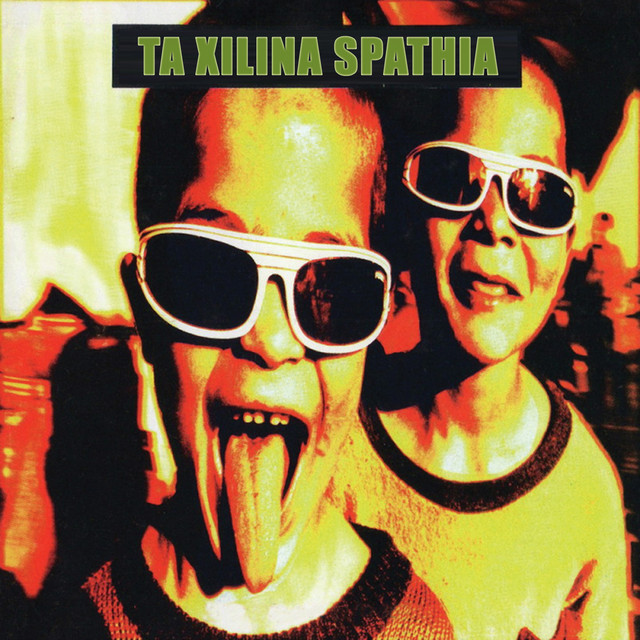


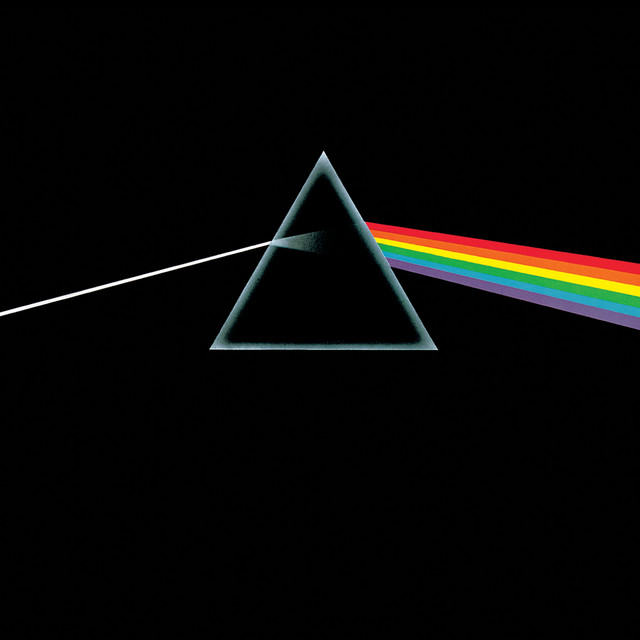
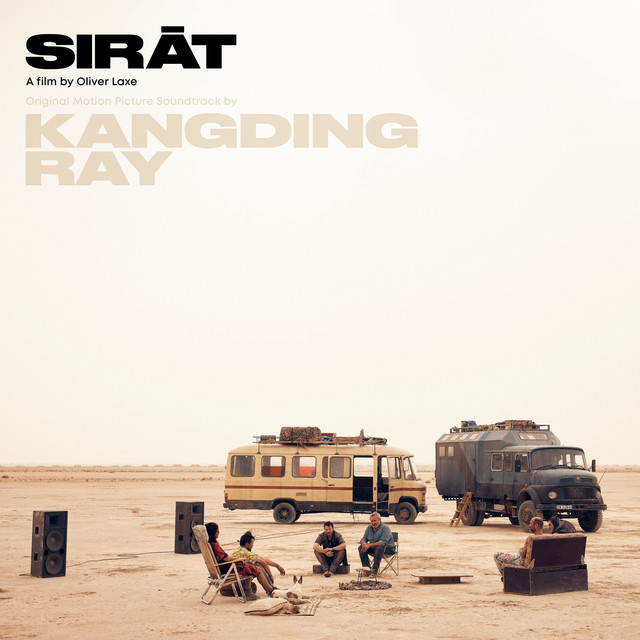


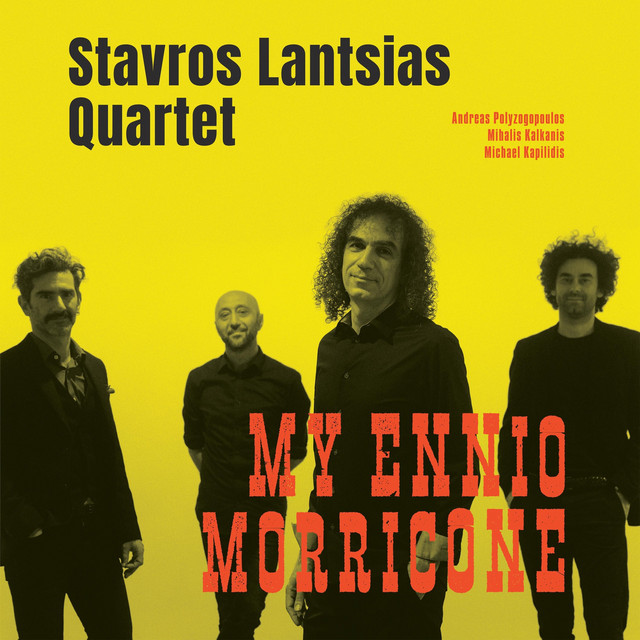



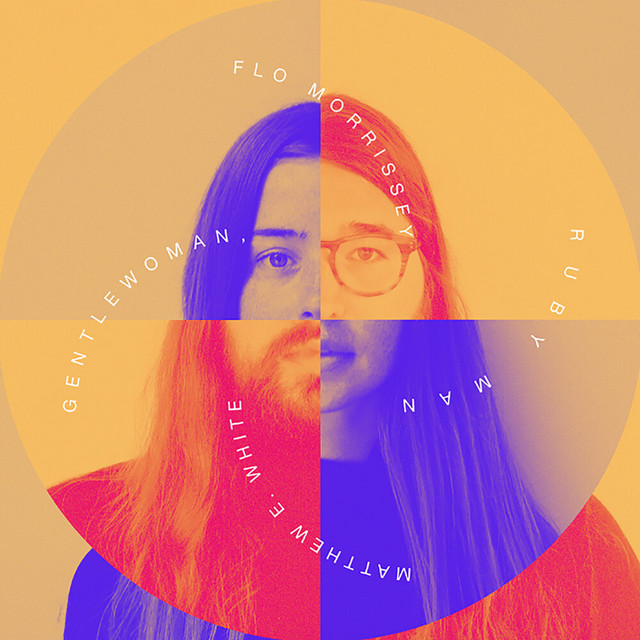
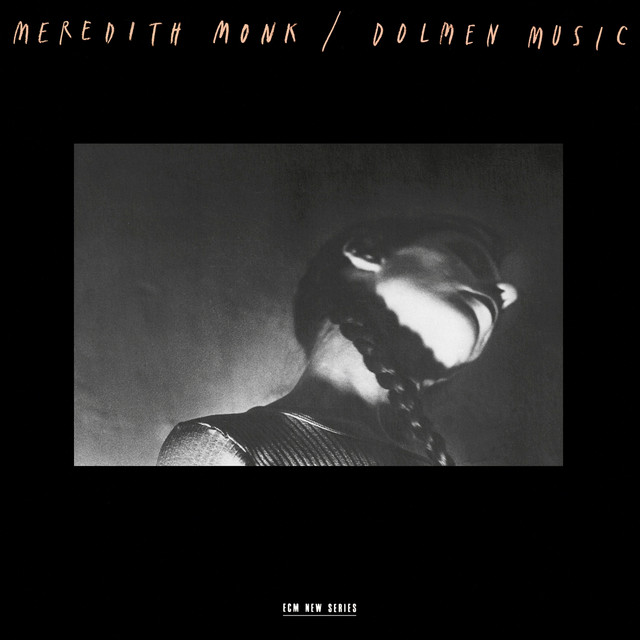
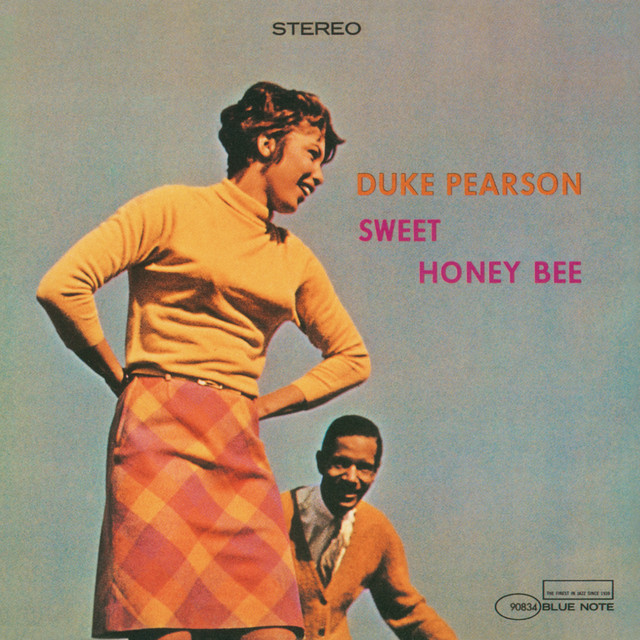
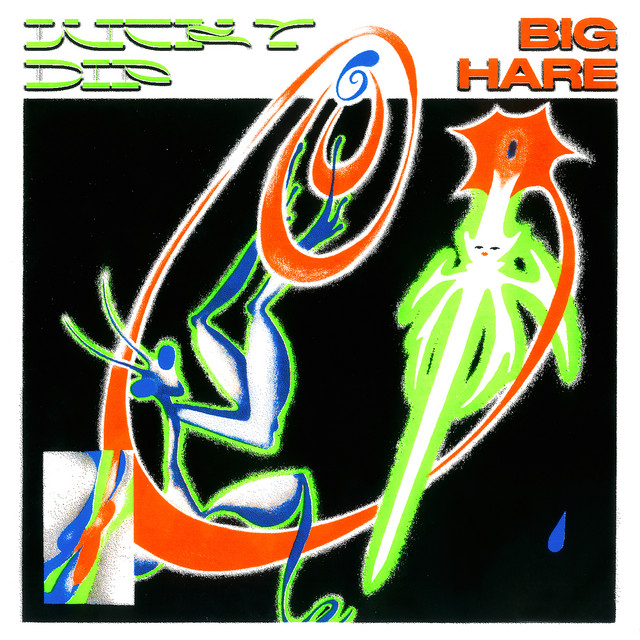
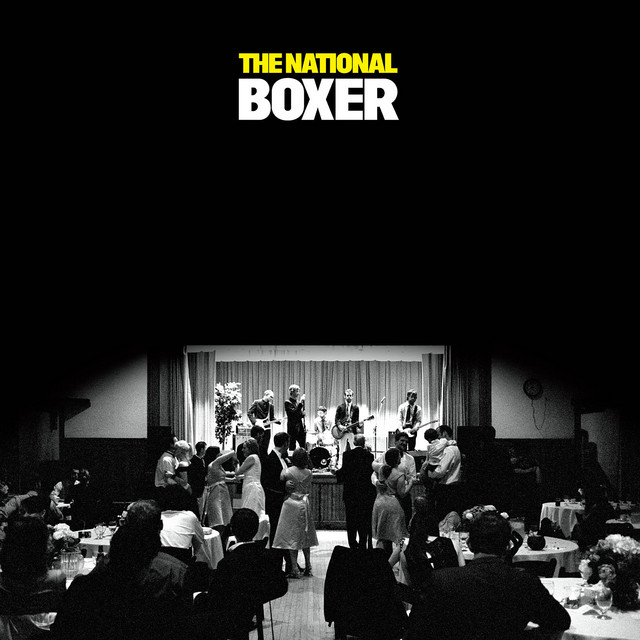

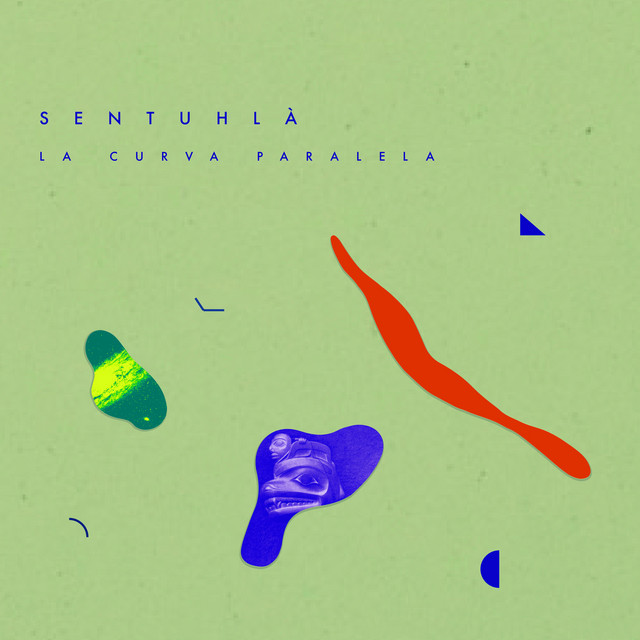
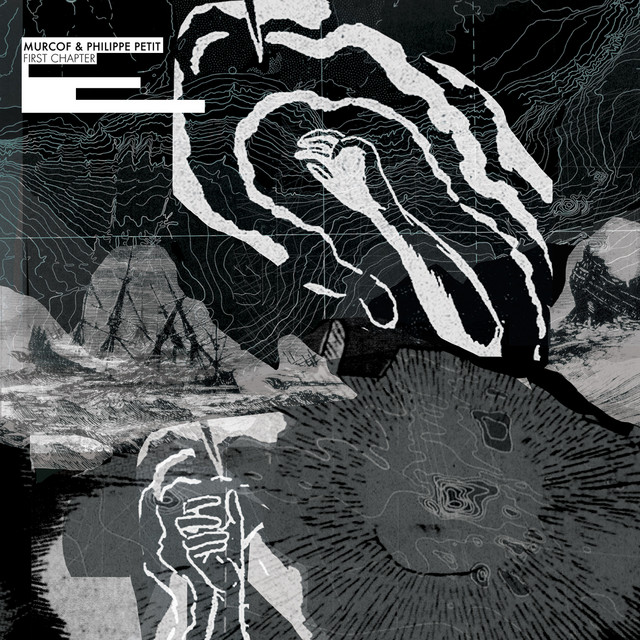
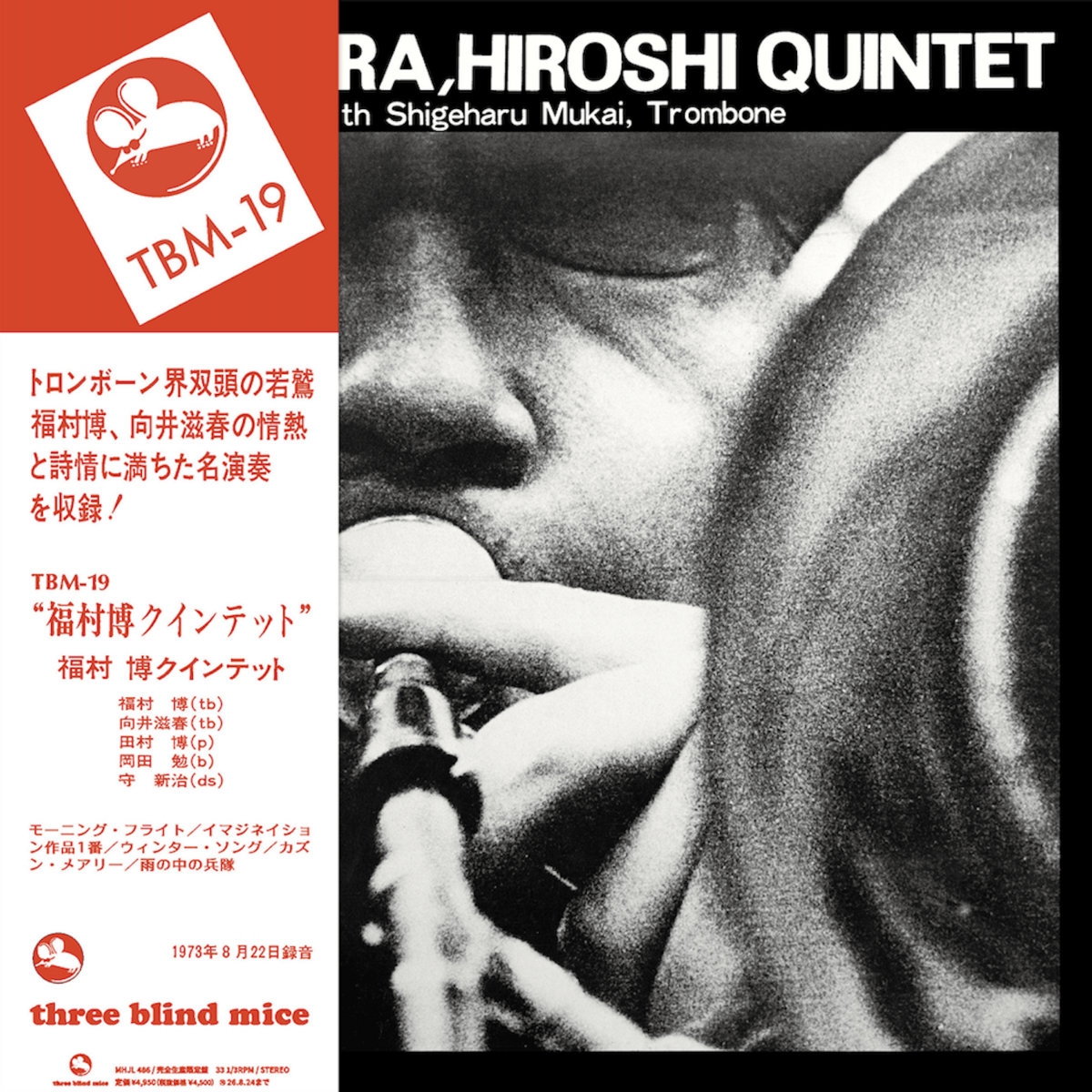
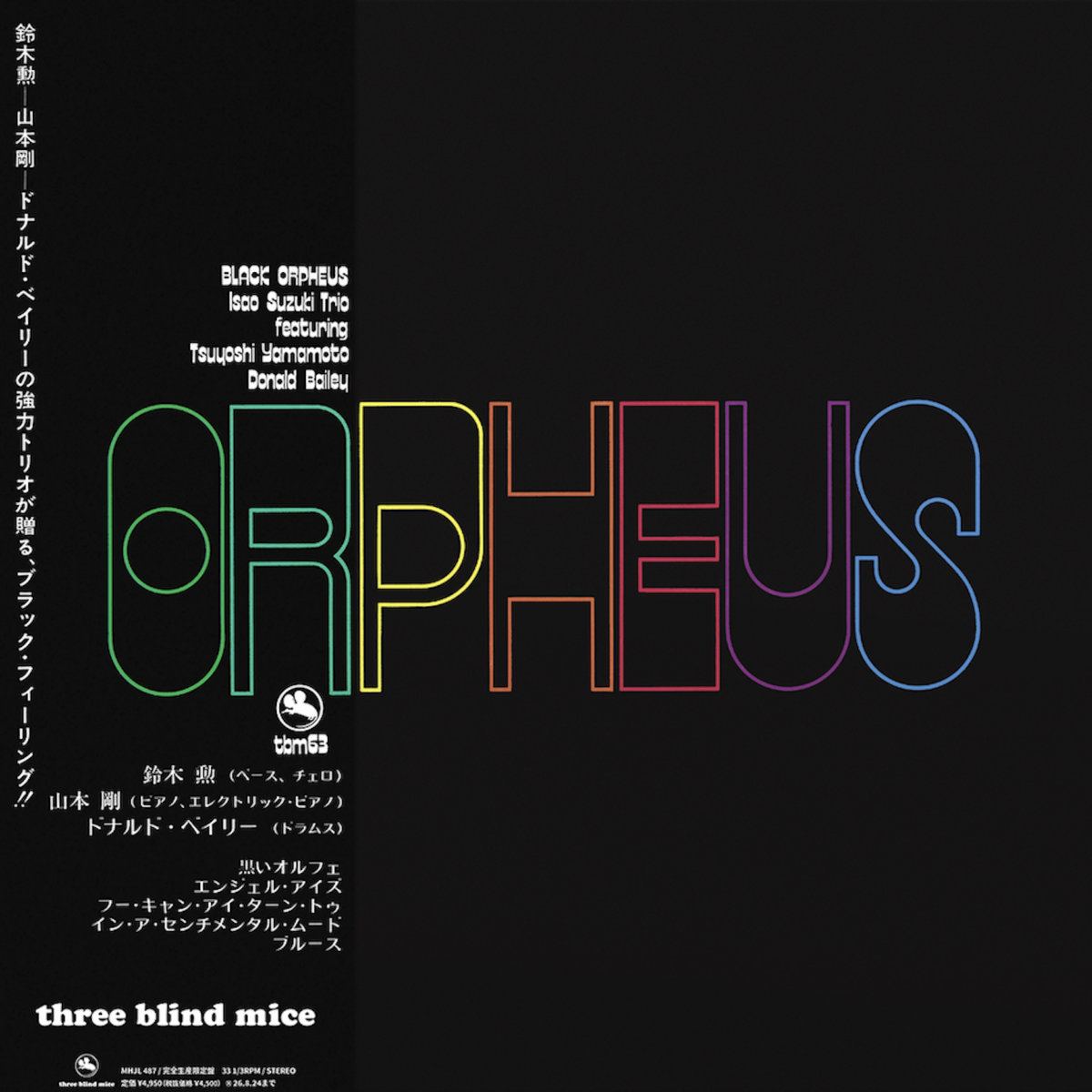
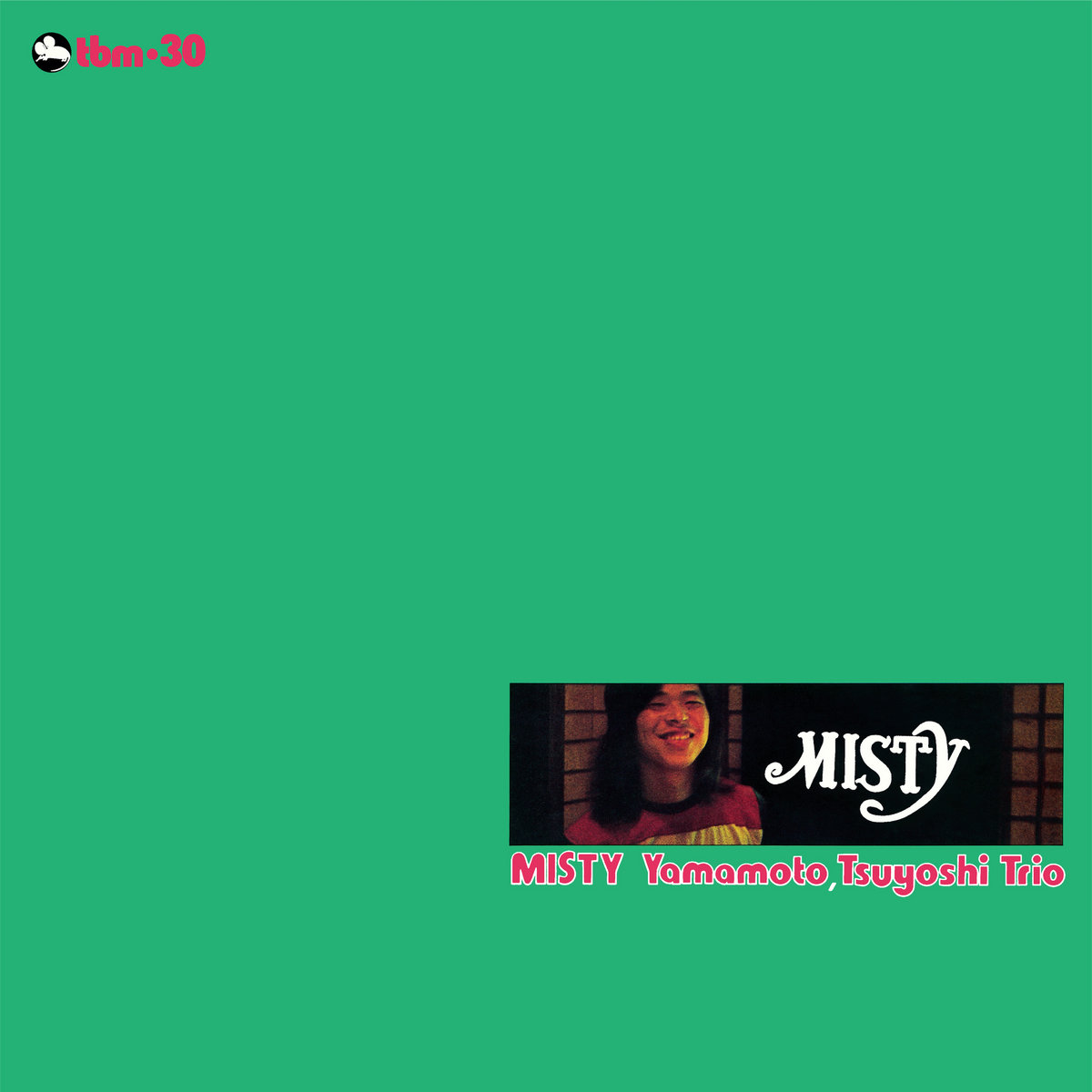

Do you like albums?
Want to make a list?
It’s free & easy &
the Whale is nice!
Learn more