-
 DJ Shadow
- Root Genre: Hip-Hop / Rap
- Primary Branch: Instrumental Hip-Hop / Sampledelia
- Secondary Influences: Trip-Hop, Jazz, Funk/Soul, Ambient, Psychedelic Rock, Downtempo Electronic
- Textural Identity: Dusty, cinematic, nocturnal and collage-like — chopped drums, obscure samples, vinyl crackle, deep bass and atmospheric loops
- Energy Axis: Low → Medium-High (mostly brooding and hypnotic, punctuated by hard breakbeats and dramatic crescendos)
Endtroducing..... (1996) is one of those records where hip-hop production becomes the entire composition rather than simply the foundation for an MC. DJ Shadow builds tracks almost entirely from sampled records, but the result feels remarkably organic: fragments of jazz, soul, prog rock, spoken word and ambient music are reorganized into something with its own narrative logic. The drums remain unmistakably hip-hop—especially on tracks like “Building Steam With a Grain of Salt” and “The Number Song”—yet the album often has the mood and scale of a film soundtrack.
What makes it special is its balance between crate-digger obscurity and emotional immediacy. “Midnight in a Perfect World” is melancholic and almost dreamlike, while “Stem/Long Stem” stretches toward darker, more abstract territory. Despite the density of the sampling, it rarely feels showy; Shadow uses technique in service of atmosphere. If Placebo Years appealed to you through its groove, texture and slightly nocturnal jazz-funk character, Endtroducing..... reaches some related territory from the opposite direction: hip-hop first, but constantly absorbing jazz, funk and ambient music into its world.
-
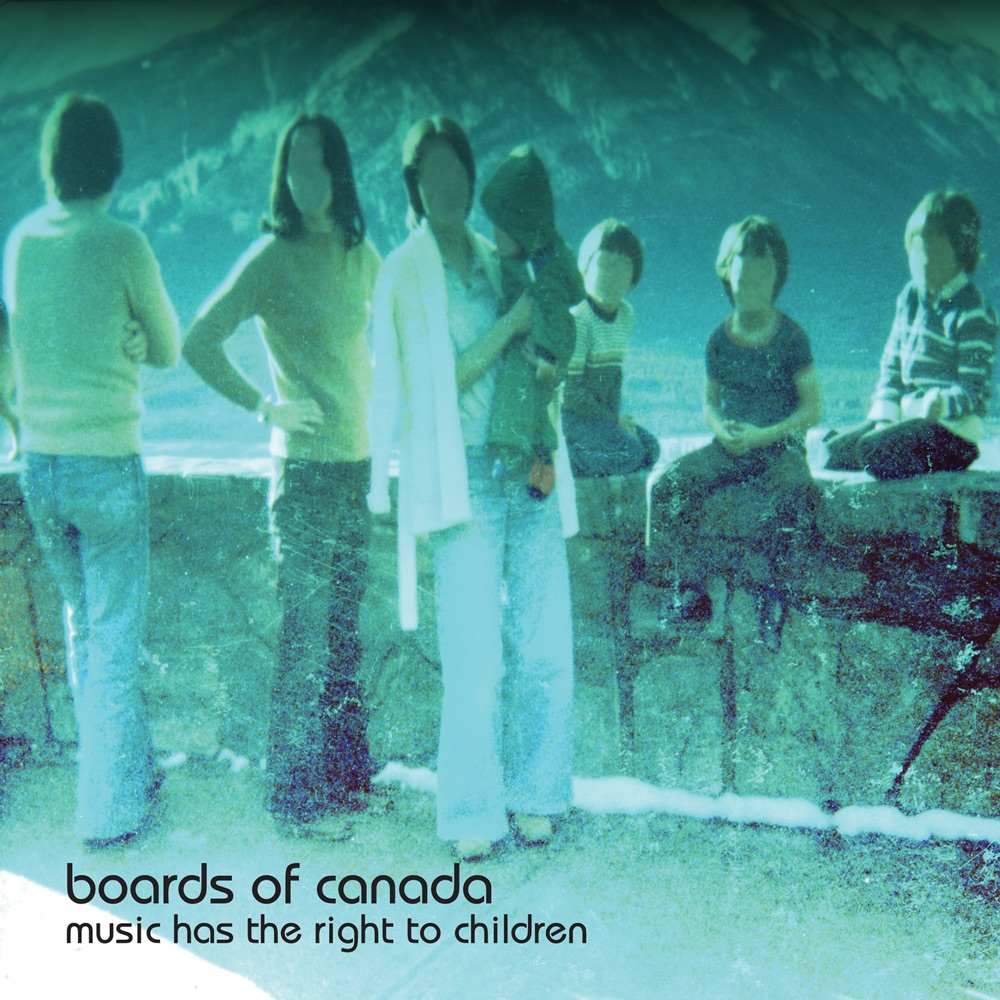 Boards of Canada
- Root Genre: Electronic
- Primary Branch: Ambient / Downtempo / IDM
- Secondary Influences: Hip-Hop Beatmaking, Psychedelia, Library Music, Educational Film Soundtracks, Lo-Fi Tape Collage
- Textural Identity: Analog-warm, hazy, nostalgic, degraded-tape atmosphere; childlike melodies under eerie archival textures
- Energy Axis: Low → Medium (mostly meditative and head-nodding, with occasional darker rhythmic drive)
Boards of Canada’s Music Has the Right to Children sits at the point where electronic music becomes memory architecture. Structurally it is electronic first: built from drum machines, samplers, synth loops, sequencing, and studio manipulation. But its emotional DNA is not club-oriented; it is closer to half-remembered childhood television, school documentaries, public-information films, and sun-bleached VHS tapes. That is why I would not file it simply as “ambient” or “trip-hop.” It has beats, but the beats are softened, dusty, and hypnotic rather than dancefloor-functional.
Small review:
_ Music Has the Right to Children_ feels like finding an old educational cassette in an attic and realizing it has been dreaming for twenty years. Tracks like “Roygbiv” glow with naïve melodic innocence, almost like a children’s TV theme melted into a synthesizer lullaby, while “An Eagle in Your Mind” and “Telephasic Workshop” introduce something more uncanny: hip-hop-derived rhythms, warped voices, and loops that seem to decay as you listen. The genius of the album is its balance between comfort and unease. It is warm, but never fully safe; nostalgic, but not sentimental; electronic, but strangely organic. A landmark of late-1990s IDM because it made electronic music feel less like the future and more like a corrupted memory of the past. -
Marc Moulin
- Root Genre: Jazz
- Primary Branch: Jazz-Funk / Jazz-Rock Fusion
- Secondary Influences: Psychedelic Rock, Soul/Funk, Early Electronic Music, Progressive Jazz
- Textural Identity: Warm, analogue, groove-heavy and slightly psychedelic — electric piano, brass, flute, guitar and early Moog textures
- Energy Axis: Medium → High (deep head-nod grooves punctuated by sharper fusion workouts)
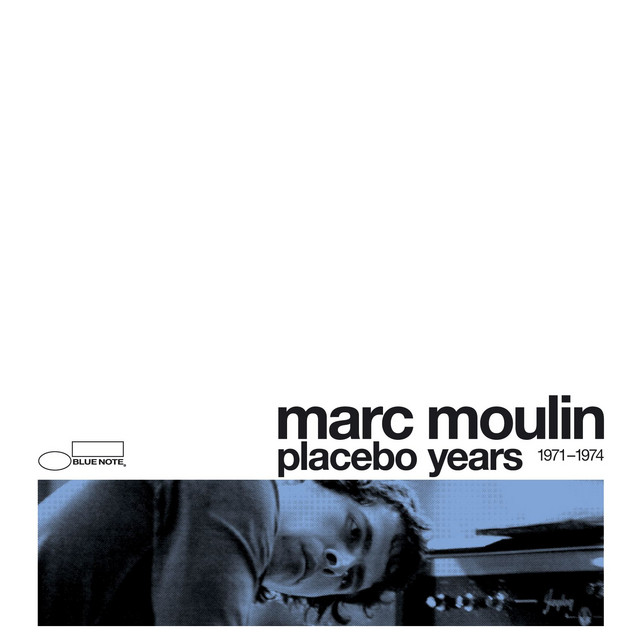
Placebo Years 1971–1974 is actually a 2006 compilation of Marc Moulin’s work with the Belgian group Placebo, drawing from their early-1970s recordings rather than a standalone period album. Contemporary cataloguing places it squarely in jazz/fusion/jazz-rock, while Moulin himself described Placebo as working in a fusion lineage connected to Weather Report and Soft Machine. ([Muziekweb][1])
What makes it much more interesting than the generic jazz-rock label suggests is the rhythm section. Tracks like “Balek,” “Humpty Dumpty,” “Showbizz Suite,” “S.U.S.” and “Stomp” have compact, repetitive grooves that sound remarkably compatible with hip-hop despite predating it by years. That quality is one reason Moulin’s Placebo material subsequently became prized by beat-makers and sample culture; sources specifically note its appeal to artists such as J Dilla, Madlib and DJ Shadow. ([marcmoulin.com][2])
Small review
This is European fusion without much of fusion’s later virtuoso excess. Moulin seems far more interested in groove, atmosphere and sonic curiosity than proving how difficult the music is. Rhodes-like keyboards hover around clipped horns, funky basslines and dry drums while the Moog introduces an almost futuristic instability. At moments it resembles Herbie Hancock’s early electric period; elsewhere there is something distinctly European and slightly strange about it — colder, more abstract and less overtly celebratory than American jazz-funk.
“Balek” is probably the perfect entry point: an irresistible break-driven groove surrounded by brass and keyboards, economical enough to feel almost like a lost producer’s loop. Across the compilation, that economy is the secret weapon. Placebo repeatedly finds a riff, lets it breathe, introduces one unusual texture and moves on before indulgence takes over. The result sounds simultaneously 1972 and weirdly post-1990s.
For your framework, I would not put this under Electronic despite the synthesizers, and I wouldn’t make Rock the root either. Its fundamental language remains jazz — improvisation, jazz instrumentation and fusion harmony — transformed by funk rhythm and electric technology. ([jazzmessengers.com][3])
My shorthand: Jazz → Jazz-Funk / Fusion → psychedelic, proto-electronic edge.
[1]: https://www.muziekweb.nl/Link/JE26469/Placebo-years-1971-1974?utm_source=chatgpt.com “Placebo years : 1971-1974 - Marc Moulin - Muziekweb”
[2]: https://www.marcmoulin.com/bio.html?utm_source=chatgpt.com “Marc Moulin - Biography”
[3]: https://www.jazzmessengers.com/nl/87636/placebo-years-1971-1974-limited-colored-lp?utm_source=chatgpt.com “Placebo Years: 1971-1974 (Limited Colored LP)” -
 Nick Cave & The Bad Seeds
#owned #vinyl
- Root Genre: Rock
- Primary Branch: Art Rock / Post-Punk
- Secondary Influences: Ambient, Minimalism, Electronic (subtle synth textures), Gothic ballad tradition
- Textural Identity: Sparse, atmospheric, grief-soaked minimalism; cavernous reverb; restrained percussion; spectral synth beds
- Energy Axis: Low → Mid (emotionally intense but sonically subdued)
Skeleton Tree (2016) is one of the starkest and most emotionally exposed records in Nick Cave’s catalogue. While structurally rooted in art rock, it strips away much of the earlier Bad Seeds’ baroque density in favor of negative space, fragmented lyrics, and ambient textures (notably shaped by Warren Ellis).
The album’s energy is not driven by rhythm or hooks, but by tension and vulnerability. Tracks like “Jesus Alone” and “I Need You” feel suspended in air—minimal drums, distant synth drones, and Cave’s voice pushed forward as the central emotional instrument.
-
Agustin Pereyra Lucena
Discovered via HHV. #spotify
- Root Genre: Latin / Afro-Caribbean
- Primary Branch: Bossa Nova / MPB (Argentinian interpretation of Brazilian tradition)
- Secondary Influences: Jazz (Cool Jazz / Samba-Jazz phrasing), Folk / Traditional (South American melodic sensibility)
- Textural Identity: Acoustic, soft nylon-string guitar, airy arrangements, intimate and understated
- Energy Axis: Low → Medium (gentle, flowing, relaxed with subtle rhythmic movement)
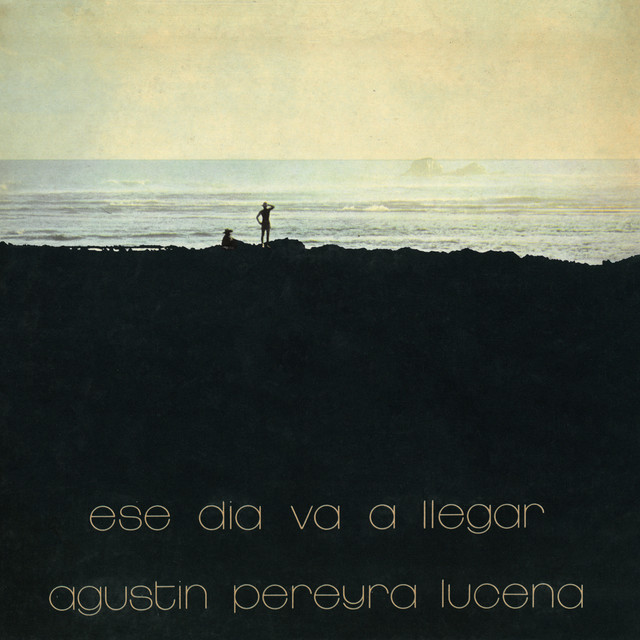
Agustín Pereyra Lucena’s Ese Día Va a Llegar sits in a fascinating cultural pocket: it’s not Brazilian, yet it deeply inhabits the language of bossa nova. What makes it distinct is how it filters that tradition through an Argentinian lens—less sun-drenched and rhythmic-forward than classic João Gilberto, and more introspective, almost chamber-like in its restraint.
The guitar work is delicate and respectful—Lucena avoids virtuoso display in favor of melodic clarity and emotional subtlety. The presence of saxophone and light ensemble arrangements nods toward Stan Getz-era bossa collaborations, but the overall feel is more intimate, less glossy. It’s music that leans inward rather than outward—perfect for close listening rather than background ambiance.
Mini review:
This album feels like a quiet conversation rather than a performance. It doesn’t try to reinvent bossa nova—it gently inhabits it, with humility and taste. The restraint is its strength: every note feels considered, every pause meaningful. If you approach it expecting energy, you might miss it—but if you lean into its softness, it reveals a deeply refined and personal take on a well-known language.

Do you like albums?
Want to make a list?
It’s free & easy &
the Whale is nice!
Learn more