1960
-
Hank Mobley
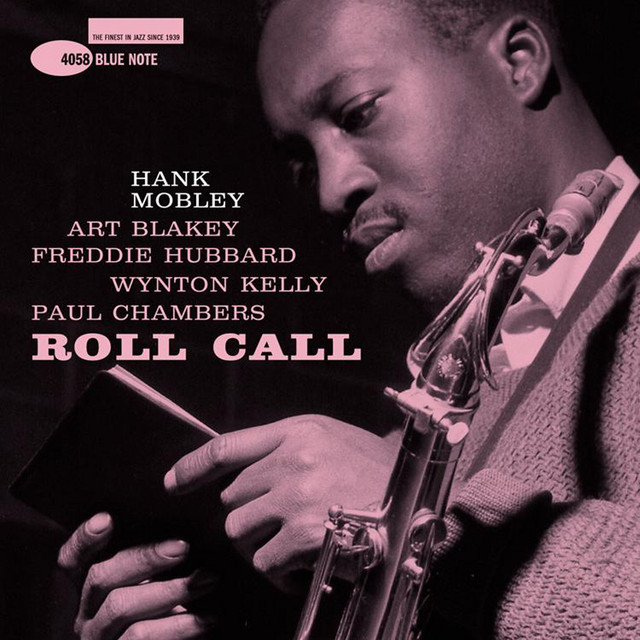
Roll Call captures Hank Mobley at the height of his powers. The front line of Mobley and Freddie Hubbard generates plenty of excitement, but the album's real strength is its balance between muscular hard bop and melodic sophistication. Mobley's solos unfold with effortless logic, never rushed and never predictable. The title track is a Blue Note classic, while deeper cuts reveal just how strong a composer he was becoming. Few tenor-led sessions swing this hard while remaining this elegant.
-
 Charles Mingus
Mingus reportedly recorded this album partly to answer critics who claimed his music wasn't rooted in the blues. The result is one of the most joyous and explosive records of his career. Gospel shouts, New Orleans rhythms, Ellingtonian textures, and collective improvisation collide in exhilarating fashion. "Wednesday Night Prayer Meeting" and "Moanin'" feel less like performances than communal celebrations. It's among the most emotionally direct albums Mingus ever made.
-
![Giant Steps (60th Anniversary Super Deluxe Edition) [2020 Remaster] by John Coltrane](https://is1-ssl.mzstatic.com/image/thumb/Music123/v4/9a/80/7c/9a807c65-0019-0e89-f423-a396f17df84d/603497847730.jpg/1400x1400bb.jpg)
Few albums have changed the language of jazz improvisation so dramatically. Coltrane's harmonic innovations challenged musicians for generations, yet the record remains more than a technical exercise. Tracks like "Naima" reveal the lyricism and emotional depth beneath the complexity. Throughout the album, Coltrane sounds driven by curiosity rather than virtuosity for its own sake. The music still feels like a door opening onto new possibilities.
-

One of the hidden treasures of early-1960s Blue Note. Kenny Drew's piano playing combines bebop fluency with a subtle modernism that often goes underappreciated. Freddie Hubbard and Hank Mobley provide strong support, but Drew's elegant touch and compositional intelligence remain the focal point. The music never demands attention; it earns it gradually through craftsmanship and swing. A quietly excellent record.
-
Hank Mobley
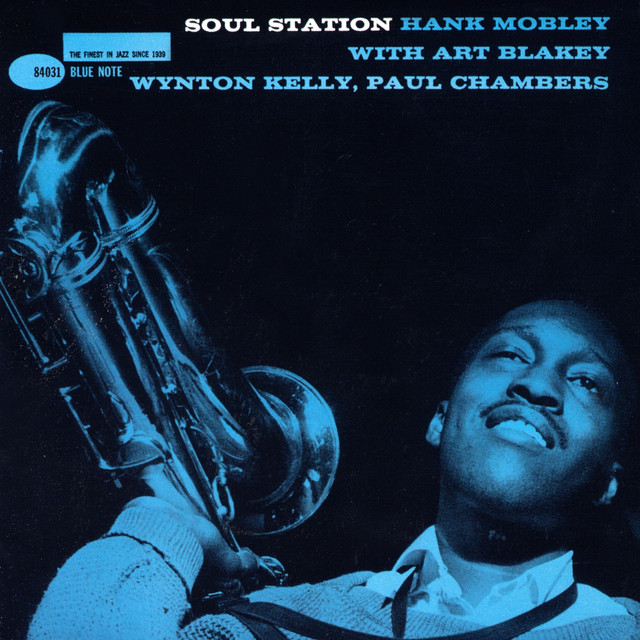
This is the album most often cited as Mobley's masterpiece, and for good reason. The quartet setting highlights every strength in his playing: warm tone, lyrical improvisation, and impeccable timing. "This I Dig of You" and the title track rank among his finest compositions. Without flashy gestures or grand statements, Mobley creates something remarkably complete. It is hard bop distilled to its essence.
-
 Art Blakey & The Jazz Messengers
The Jazz Messengers were rarely better than they are here. Wayne Shorter, Lee Morgan, Bobby Timmons, and Jymie Merritt form one of Blakey's strongest editions. The album combines the punch and accessibility of Moanin' with a growing compositional sophistication. Blakey drives the band relentlessly, but everyone contributes memorable ideas. It feels like a band that knows exactly what it can do.
-
 Freddie Hubbard
An astonishing debut. Hubbard arrives sounding fully formed, with a trumpet style that combines technical brilliance and emotional directness. The front line featuring Tina Brooks gives the album a distinctive character, while McCoy Tyner hints at future developments in modern jazz piano. The title track alone would justify the album's reputation. It announced the arrival of one of the decade's most important voices.
-
 Donald Byrd
This album finds Donald Byrd balancing hard-bop tradition and increasing harmonic sophistication. Jackie McLean's presence adds a welcome edge to the music, creating a productive tension between the two horn players. Byrd's writing continues to grow more adventurous without losing its melodic appeal. The performances feel focused and confident throughout. It's one of the strongest records of his early career.
-
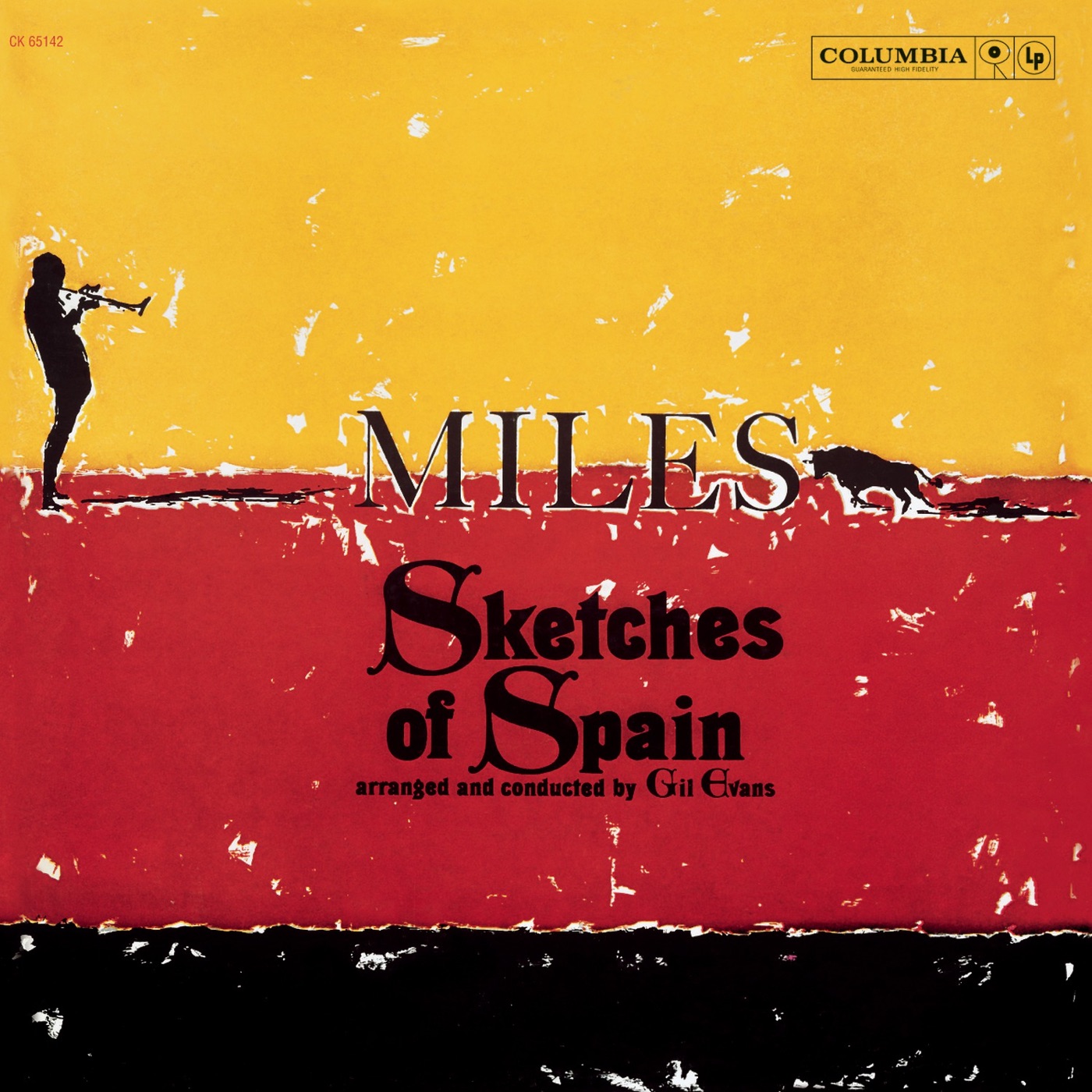 Miles Davis
Miles Davis and Gil Evans transformed jazz orchestration with this remarkable collaboration. Drawing on Spanish folk music, classical influences, and jazz improvisation, they created something that belongs entirely to itself. Miles rarely sounds more lyrical than he does on "Concierto de Aranjuez." The arrangements are expansive without becoming overwhelming. The album remains one of the great achievements of orchestral jazz.
-

Wes Montgomery's first major statement remains one of the greatest guitar albums ever recorded. His octave technique and thumb-picked tone are instantly recognizable, but the deeper achievement is the extraordinary musicality of his improvising. Every solo balances sophistication and accessibility. Backed by Tommy Flanagan and brothers Percy and Albert Heath, Montgomery sounds completely at ease. The album established a new standard for jazz guitar.
-
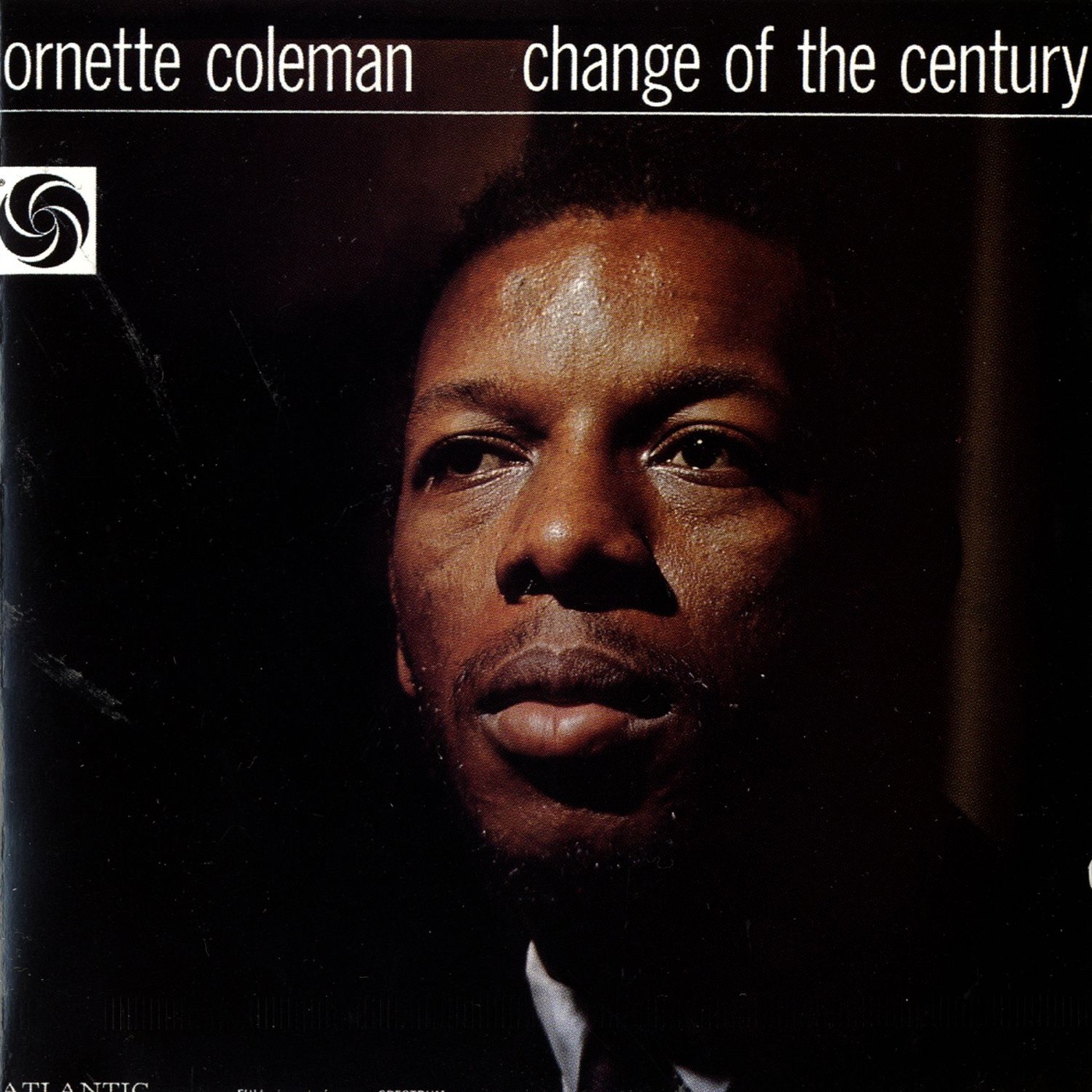 Ornette Coleman
Rather than repeating the shock of The Shape of Jazz to Come, Coleman deepened and refined his approach. The music is freer, more interactive, and often more emotionally nuanced. Don Cherry remains an ideal partner, matching Coleman's adventurous instincts with lyrical invention. The performances feel remarkably conversational despite their complexity. It's one of the defining documents of early free jazz.
-
 Horace Silver
Silver continued his remarkable run with an album that combines catchy themes and subtle sophistication. The compositions are compact and memorable, while the band plays with effortless authority. Blue Mitchell and Junior Cook once again prove ideal interpreters of Silver's material. The grooves are deep without becoming repetitive. It may not be his most famous record, but it is among his most satisfying.
-
 Lee Morgan
Leeway captures Lee Morgan at a fascinating moment between youthful fire and mature artistry. The presence of Jackie McLean, Bobby Timmons, and Art Blakey creates an unusually dynamic ensemble. Morgan's compositions are stronger than ever, and his trumpet playing is both bold and nuanced. The album has an edge that distinguishes it from many contemporaneous hard-bop sessions. It remains one of his most rewarding early records.
-

Recorded just before his twentieth birthday, this album showcases a musician already operating at an astonishing level. Morgan's confidence is unmistakable, but so is his growing sense of melodic architecture. Clifford Jordan provides excellent support, helping create a front line that feels balanced rather than competitive. The music swings hard while leaving room for subtle details. It's an impressive snapshot of a future jazz giant in rapid ascent.

Do you like albums?
Want to make a list?
It’s free & easy &
the Whale is nice!
Learn more