1961
-
 Art Blakey & The Jazz Messengers
One of the definitive Jazz Messengers records, A Night in Tunisia captures Blakey's band at full intensity. Lee Morgan and Wayne Shorter push the music forward with performances that balance technical brilliance and emotional force. The title track becomes a vehicle for explosive improvisation without losing its dramatic shape. Blakey's drumming is relentless but always musical, constantly driving the ensemble to greater heights. The album perfectly illustrates why the Messengers were jazz's greatest proving ground. Hard bop rarely sounded this alive.
-
 John Coltrane Quartet
Africa/Brass marks Coltrane's first major leap beyond the boundaries of conventional small-group jazz. The large ensemble arrangements create enormous sonic landscapes for his searching improvisations. Eric Dolphy's presence adds further unpredictability and color to the music. The title suite feels simultaneously rooted in jazz tradition and pointed toward the avant-garde future. Coltrane's ambition is unmistakable throughout. It's a transitional masterpiece that reveals an artist thinking on a larger scale.
-
 Oliver Nelson
Few jazz albums combine compositional sophistication and accessibility as perfectly as this one. Nelson assembles an extraordinary ensemble featuring Eric Dolphy, Freddie Hubbard, Bill Evans, and Roy Haynes, then gives them material worthy of their talents. “Stolen Moments” alone would secure the album's place in jazz history. The arrangements are intricate without becoming academic. Every solo feels integrated into the larger musical architecture. It's one of the great modern jazz recordings.
-
 Donald Byrd
Byrd strikes an ideal balance between hard-bop energy and melodic elegance throughout The Cat Walk. Pepper Adams' baritone saxophone gives the music a distinctive richness and weight. The tunes are memorable without sacrificing improvisational depth. Byrd's trumpet playing is confident, lyrical, and remarkably controlled. The album swings hard but never feels rushed. It's one of the strongest collaborations between Byrd and Adams.
-
 John Coltrane
Inspired partly by Spanish musical traditions, Olé Coltrane uses long forms and modal structures to create vast spaces for improvisation. The title track unfolds patiently, allowing Coltrane and Eric Dolphy to explore every corner of the composition. Reggie Workman's bass work is especially crucial to the album's hypnotic momentum. The music feels expansive and exploratory without becoming unfocused. Coltrane's growing interest in spiritual and modal concepts is evident throughout. It's one of the key stepping stones toward his greatest achievements.
-
 John Coltrane
With one recording, Coltrane transformed a Broadway tune into one of the defining statements of modern jazz. His soprano saxophone playing gives the title track an instantly recognizable sound unlike anything else at the time. The modal framework allows the quartet to sustain momentum for remarkably long stretches. McCoy Tyner's piano and Elvin Jones' drumming are essential to the album's hypnotic power. The music feels joyful, adventurous, and deeply personal. It remains one of the most influential jazz albums ever made.
-
Hank Mobley
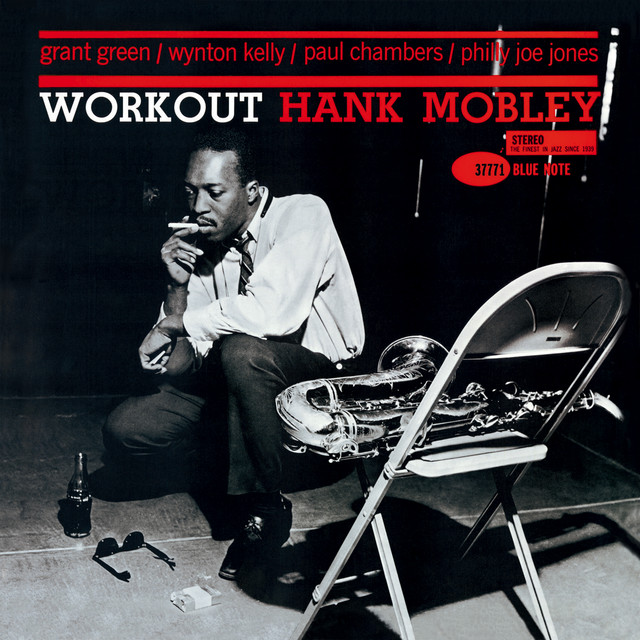
Workout is hard bop at its most effortless and enjoyable. Mobley's tenor tone remains one of the most appealing sounds in jazz: warm, relaxed, and endlessly melodic. Grant Green contributes some of his finest guitar playing, particularly on the title track. The band swings naturally without ever sounding complacent. Mobley's gift for constructing memorable solos is on display throughout. It's one of the essential Blue Note sessions.
-
 Donald Byrd
Byrd pushes beyond traditional hard bop here, embracing more adventurous harmonic and rhythmic ideas. Wayne Shorter's compositions provide much of the album's forward-looking character. The music remains accessible while hinting at the post-bop revolution that would soon reshape jazz. Byrd's trumpet playing is both powerful and intellectually curious. The ensemble sounds eager to explore new territory. It's one of the most underrated Blue Note albums of the period.
-
 Art Blakey & The Jazz Messengers
Named after the civil rights activists challenging segregation in the American South, the album carries a sense of urgency and purpose. Lee Morgan and Wayne Shorter are both in spectacular form. The title track combines hard-bop drive with a deeper emotional resonance than many contemporary recordings. Blakey's drumming is explosive without overwhelming the ensemble. The music reflects a changing America while remaining firmly rooted in jazz tradition. It's one of the most powerful Messenger albums.
-
 Donald Byrd
Perhaps best known for featuring an early appearance by Herbie Hancock, Royal Flush captures Byrd during a period of rapid artistic growth. The music is sophisticated yet immediately engaging. Byrd's trumpet combines elegance and authority throughout the session. Hancock's presence hints at the future while fitting naturally into the group's sound. The compositions are strong and memorable. It's a wonderfully balanced hard-bop record.
-
 Dexter Gordon
This album helped reestablish Gordon as one of the great tenor saxophonists after years away from recording. His tone remains huge and instantly recognizable. The performances are relaxed but never casual, full of subtle wit and melodic invention. Freddie Hubbard provides excellent support throughout. Gordon's storytelling approach to improvisation is especially evident here. The album feels confident and welcoming from start to finish.
-
 Miles Davis
Often overshadowed by the albums surrounding it, this record contains some of the most beautiful playing of Davis's early-1960s period. The title track transforms a Disney melody into something elegant and emotionally complex. John Coltrane's guest appearances add intensity and unpredictability to the session. Davis plays with remarkable economy and lyricism throughout. The rhythm section creates an atmosphere of effortless sophistication. It's a quieter masterpiece than some of his better-known work.
-
 Art Blakey & The Jazz Messengers
Recorded in 1961 but released later, Witch Doctor is one of the strongest Messenger studio sessions. Wayne Shorter's compositions provide much of the album's character, blending memorable melodies with increasing harmonic sophistication. Lee Morgan's trumpet playing is fiery and precise. Blakey drives the music with characteristic force while allowing the younger musicians room to shine. The title track is especially compelling. The album captures a legendary lineup operating at peak level.
-
Jimmy Smith
Jimmy Smith's organ playing is full of swagger, groove, and remarkable technical control throughout Midnight Special. Supported by Stanley Turrentine and Kenny Burrell, he creates music that feels simultaneously earthy and sophisticated. The blues influence is never far from the surface. The performances are relaxed but deeply infectious. Smith's ability to make the organ sound orchestral remains astonishing. It's one of the definitive soul-jazz recordings.
-
 Grant Green
With no piano in the lineup, Green's guitar occupies an unusually central role on this trio session. His playing is economical, bluesy, and endlessly melodic. Every note seems carefully chosen without ever sounding calculated. The sparse format gives the music tremendous clarity and intimacy. Green's sense of swing remains irresistible throughout. It's one of the finest guitar records in the Blue Note catalog.
-
 Ray Charles
This collection highlights the blues foundation beneath all of Charles's genre-crossing achievements. His singing combines emotional intensity and technical mastery with astonishing ease. The arrangements are relatively simple, allowing the focus to remain on the performances. Charles inhabits every lyric completely. The album demonstrates why he was one of the greatest interpreters of American song. Few singers have ever sounded more convincing.
-
 Freddie Hubbard
Hub Cap finds Hubbard refining the hard-bop language while expanding its possibilities. The supporting cast—including Julian Priester, Jimmy Heath, Cedar Walton, and Philly Joe Jones—is exceptional. Hubbard's trumpet playing combines dazzling technique with genuine emotional force. The compositions are strong enough to support extended improvisation without losing focus. The music feels both polished and adventurous. It's one of the finest recordings of Hubbard's early career.
-
Thelonious Monk
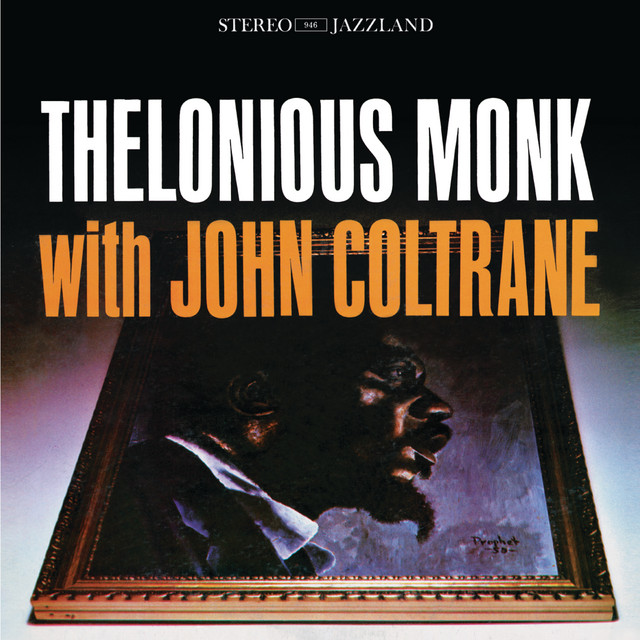
Although assembled from earlier recordings, this release documents one of the most important collaborations in jazz history. Monk's angular compositions and Coltrane's searching improvisations challenge and inspire one another constantly. The contrast between their musical personalities creates enormous creative tension. Every performance feels exploratory and alive. The album offers a glimpse into a partnership that helped reshape modern jazz. Historically and musically, it's indispensable.
-
Grant Green
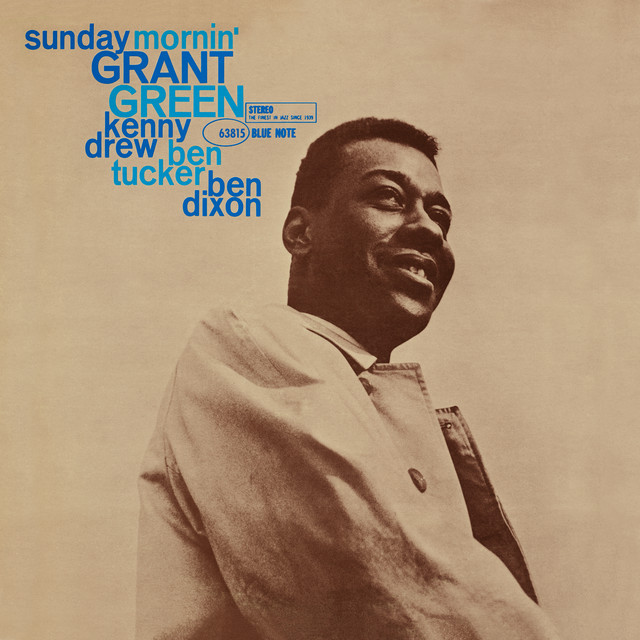
This session captures Green's gift for making complex jazz sound relaxed and inviting. The presence of Herbie Hancock and Ike Quebec adds richness and variety to the arrangements. Green's guitar lines flow with remarkable ease and clarity. The album balances blues feeling and jazz sophistication beautifully. The mood is warm and unhurried throughout. It's one of Green's most enjoyable early records.
-
 Jackie McLean
The title suggests a straightforward blues session, but McLean's restless musical personality keeps pushing the music into more adventurous territory. His sharp, emotionally charged alto tone remains unmistakable. Freddie Hubbard provides excellent support throughout the album. The performances bridge hard bop and the more exploratory directions McLean would soon pursue. The blues serves as a foundation rather than a limitation. It's an important transitional record.
-
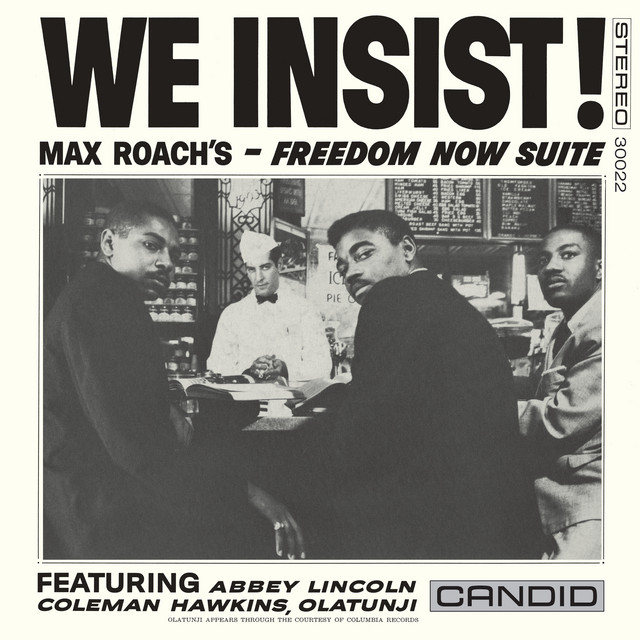
One of the most important political statements in jazz history, We Insist! confronts racism, oppression, and the struggle for freedom directly. Abbey Lincoln's vocal performances are fearless and emotionally overwhelming. Roach's compositions and rhythmic concepts give the suite extraordinary power and coherence. The album refuses passive listening. Its combination of artistic innovation and political commitment remains inspiring decades later. Few jazz records have carried such moral urgency.
-
 Ornette Coleman
Few albums have generated as much controversy—or exerted as much influence—as Free Jazz. Coleman's double quartet abandons conventional structures in favor of collective improvisation on an unprecedented scale. The music can sound chaotic at first, but repeated listening reveals remarkable interaction and organization beneath the surface. Every musician contributes to a constantly evolving group conversation. The album challenged assumptions about what jazz could be. More than sixty years later, it still sounds radical.


Do you like albums?
Want to make a list?
It’s free & easy &
the Whale is nice!
Learn more