1962
-
Art Blakey
Caravan captures the Jazz Messengers at a moment when hard bop was becoming both more sophisticated and more explosive. The title track transforms a familiar standard into something tense, dramatic, and rhythmically overwhelming, with Blakey driving the band relentlessly forward. The front line of Freddie Hubbard, Wayne Shorter, and Curtis Fuller gives the album unusual depth and personality. Shorter's compositions point toward the future while remaining grounded in the Messenger tradition. The record balances accessibility and innovation beautifully. It's one of the strongest editions of Blakey's ever-changing band.
-
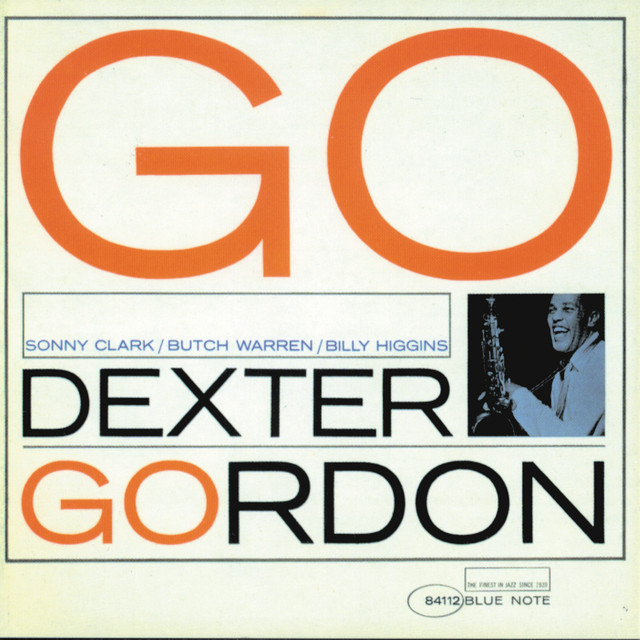
Dexter Gordon
Few jazz albums sound as relaxed and confident as Go!. Gordon's tenor playing has a conversational quality that makes even his most sophisticated improvisations feel effortless. Supported by Sonny Clark, Butch Warren, and Billy Higgins, he turns every tune into a masterclass in swing and melodic development. “Cheese Cake” remains one of the great opening statements in jazz. The album never chases virtuosity for its own sake. Instead, it demonstrates how authority and personality can be more compelling than speed or complexity.
-
 Freddie Hubbard
Hub-Tones finds Freddie Hubbard balancing technical brilliance with growing compositional ambition. The title track and “Prophet Jennings” showcase his ability to write hard-bop tunes that feel fresh and unpredictable. James Spaulding's alto saxophone adds a distinctive color rarely heard on Blue Note sessions of the era. Hubbard's trumpet playing is dazzling, but never merely flashy. The album captures a musician expanding beyond the limits of conventional hard bop. It's one of the key recordings in his remarkable early run.
-
 Herbie Hancock
Before he became one of jazz's great innovators, Hancock announced himself with a debut full of melodic imagination and rhythmic sophistication. “Watermelon Man” became a hit for good reason: its groove is irresistible, but its structure is far more inventive than it first appears. The rest of the album reveals a composer already thinking beyond standard hard-bop formulas. Hancock's piano playing is elegant and remarkably mature for a debut. The record radiates confidence without arrogance. It marks the beginning of one of the most important careers in modern jazz.
-
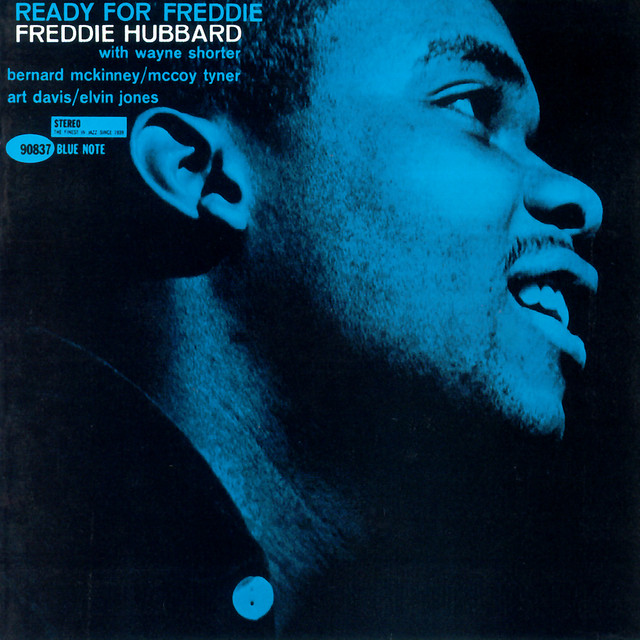
Freddie Hubbard
This is one of the most exciting hard-bop sessions Blue Note ever released. Hubbard surrounds himself with an extraordinary band including Wayne Shorter, McCoy Tyner, Elvin Jones, and Bernard McKinney. The performances are full of energy, but the music remains remarkably controlled and thoughtful. Hubbard's trumpet playing combines power, precision, and imagination in equal measure. The album hints at the post-bop revolution just around the corner. Every musician sounds eager to push beyond established boundaries.
-
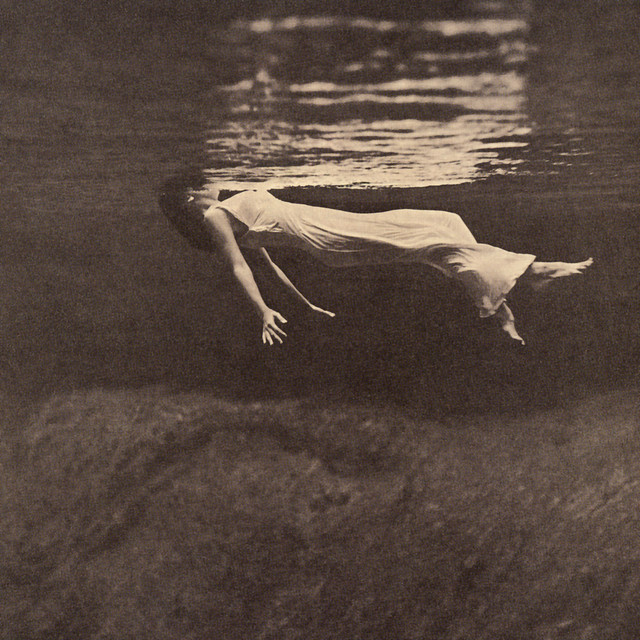
Bill Evans, Jim Hall
Undercurrent is one of the most intimate jazz recordings ever made. Evans and Jim Hall create a conversational style of interplay that feels almost telepathic. Rather than trading solos, they continuously reshape the music together. The album's quietness is deceptive; every phrase carries emotional and harmonic weight. Hall's guitar work is especially remarkable for its sensitivity and restraint. The result feels less like a performance than a private dialogue overheard by accident.
-
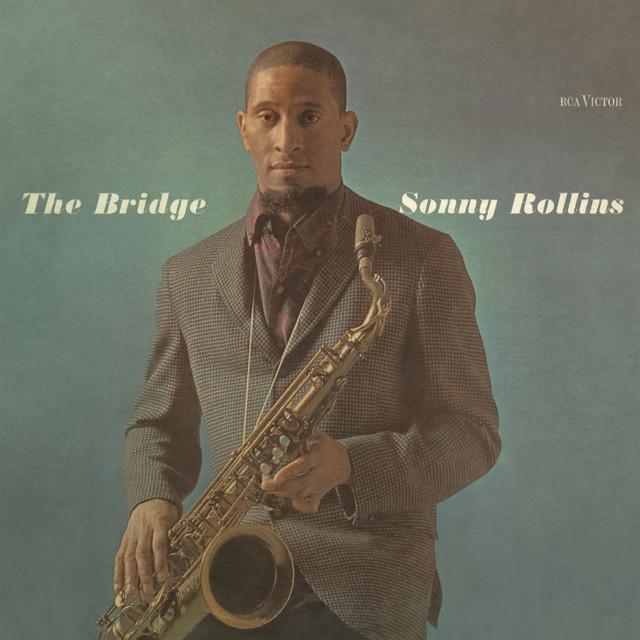
Sonny Rollins
After stepping away from public performance for nearly three years, Rollins returned with an album that sounds thoughtful rather than triumphant. His improvisations remain adventurous, but there's a new sense of patience and reflection throughout the record. The unusual pairing with guitarist Jim Hall creates a lighter, more open texture than many contemporary jazz sessions. Rollins explores familiar standards and originals with equal curiosity. The album's title became legendary because of the Williamsburg Bridge practice sessions that preceded it. More importantly, the music itself fully justifies the mythology.
-
Bob Dylan
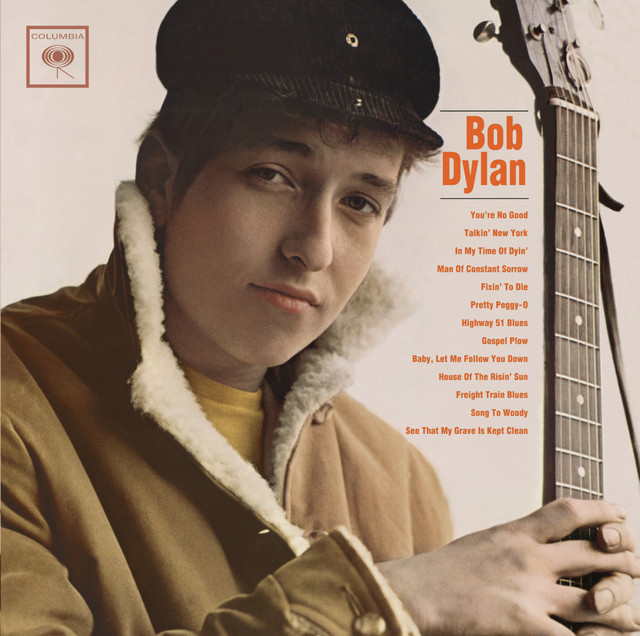
Dylan's debut is often overshadowed by what followed, but it remains a fascinating introduction to his musical foundations. Most of the album consists of traditional songs and folk standards delivered with youthful energy and conviction. Even at this stage, his performances possess unusual intensity and personality. “Song to Woody” hints at the songwriter he would soon become. The record captures Dylan before he transformed American popular music. As a document of apprenticeship, it's compelling and surprisingly enjoyable.
-
Dexter Gordon
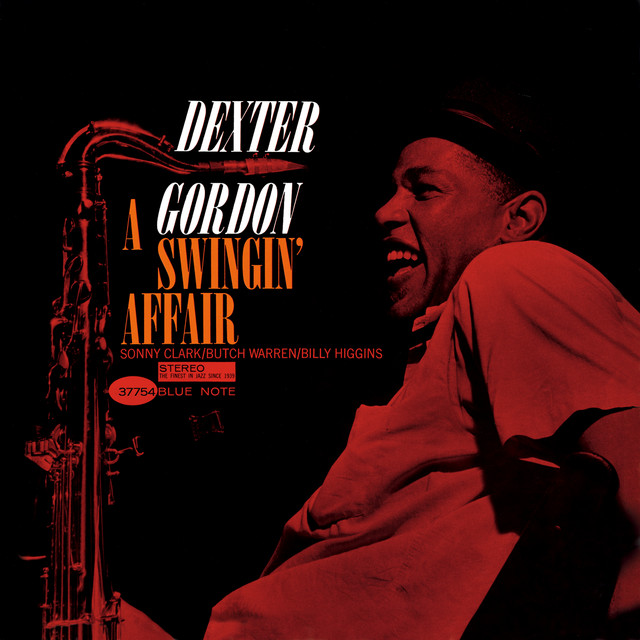
Released shortly after Go!, this album finds Gordon operating at a similarly high level. His playing is warm, witty, and endlessly melodic throughout the session. Sonny Clark's piano work provides the perfect counterpart to Gordon's relaxed authority. The band swings effortlessly without ever sounding routine. Gordon's gift for storytelling through improvisation is on full display. Every solo feels purposeful and complete.
-
Johnny Cash
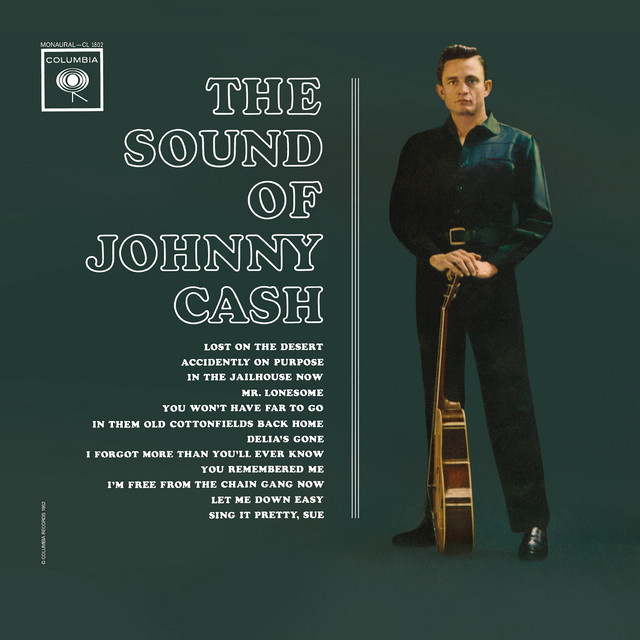
Cash broadens his musical palette here while retaining the directness that made his earlier work so powerful. Songs like “Delia's Gone” demonstrate his ability to inhabit traditional material completely. His voice carries authority without needing dramatic embellishment. The arrangements remain simple but effective, placing the emphasis squarely on storytelling. The album captures Cash during one of the strongest stretches of his career. It combines folk tradition, country music, and personal charisma in equal measure.
-
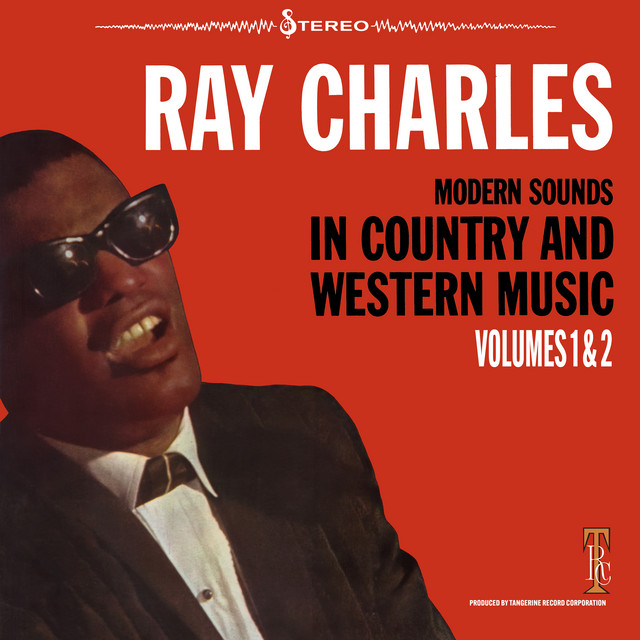
One of the most important American albums ever recorded, Modern Sounds in Country and Western Music shattered artificial boundaries between genres and audiences. Charles approaches country songs not as curiosities but as emotionally rich material worthy of reinterpretation. His performances reveal connections between country music, gospel, blues, and pop that many listeners had never considered. The arrangements are ambitious without overwhelming the songs. “I Can't Stop Loving You” remains one of the great vocal performances of the twentieth century. The album changed both country and popular music forever.
-
Ray Charles
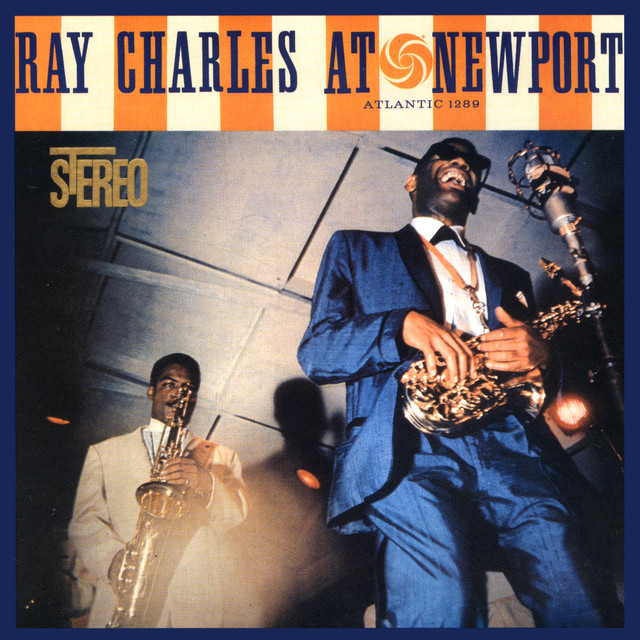
This live recording captures Charles at the height of his powers as both performer and bandleader. The energy is palpable from the opening moments, but the precision never disappears. His band moves effortlessly between jazz, blues, gospel, and R&B. Charles commands the stage with remarkable confidence and charisma. The audience's excitement becomes part of the performance itself. It's one of the great live albums of the early 1960s.
-
Art Blakey & The Jazz Messengers
This album showcases Blakey's ability to assemble and inspire extraordinary talent. Lee Morgan, Wayne Shorter, Curtis Fuller, and Cedar Walton all contribute memorable performances and compositions. The music balances hard-bop drive with increasing harmonic and structural sophistication. Shorter's writing in particular points toward the future of jazz. Blakey remains the band's emotional and rhythmic center throughout. The album captures the Messengers during one of their finest periods.
-
Art Blakey & The Jazz Messengers
Recorded in Japan late in Blakey's career, this live session demonstrates how little of his energy had diminished over the decades. The band attacks the material with enthusiasm and precision, feeding off the audience's excitement. Blakey's drumming remains powerful and inventive, pushing the ensemble forward at every opportunity. The performances feel spontaneous without becoming unfocused. The recording quality captures the group's dynamic range beautifully. It's a reminder that Blakey remained a formidable musical force well beyond the hard-bop era he helped define.
-
-
Bo Diddley
![Caravan [Keepnews Collection] by Art Blakey](https://i.scdn.co/image/ab67616d0000b273c328715d7c608eb3c13572dc)



Do you like albums?
Want to make a list?
It’s free & easy &
the Whale is nice!
Learn more