1964
-
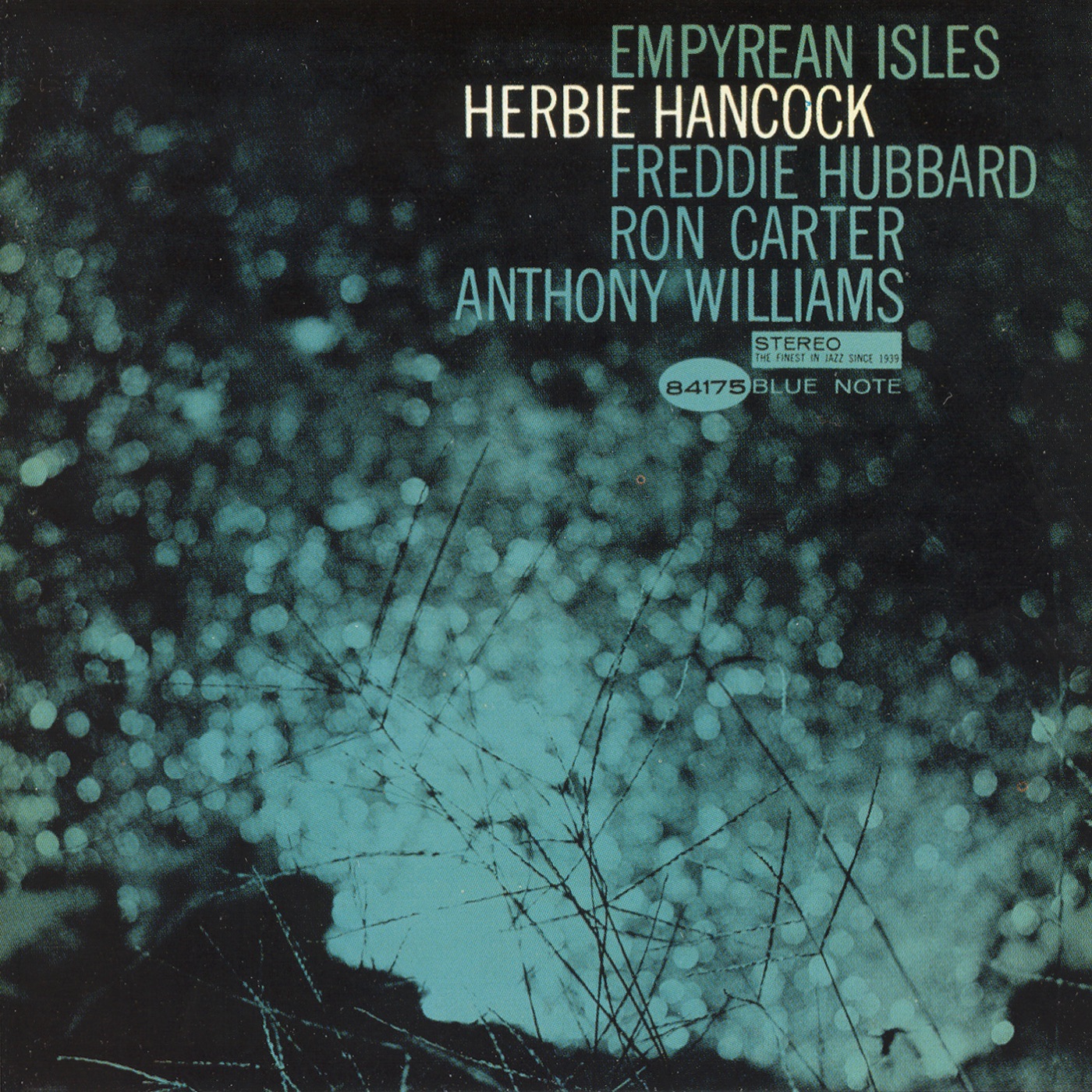 Herbie Hancock
Hancock balances abstraction, groove, and melodic clarity so naturally that the album feels effortless even at its most complex. “Cantaloupe Island” became endlessly influential because of its relaxed rhythmic pocket and instantly memorable piano figure, while “One Finger Snap” pushes the quartet into far more elastic territory. Tony Williams and Ron Carter constantly reshape the music underneath the solos without disturbing its flow. Freddie Hubbard’s trumpet gives the album brightness and edge without overwhelming Hancock’s compositional vision. The record captures post-bop jazz becoming looser and more rhythmically modern. It still sounds remarkably fresh.
-
 Dexter Gordon
The album stretches hard bop into long-form, spacious improvisation without losing swing or melodic focus. The title track unfolds over nearly twenty minutes, allowing Gordon, Donald Byrd, and Kenny Drew to build momentum gradually rather than rushing toward climax. Gordon’s tenor tone remains huge and relaxed, full of conversational phrasing and sly rhythmic detail. Art Taylor’s drumming keeps the music moving with understated precision. The session feels unhurried in the best possible sense. It’s jazz built around patience and confidence.
-
 Art Blakey & The Jazz Messengers
This is one of the fiercest records the Jazz Messengers ever made. Blakey drives the band with explosive force, but the real achievement is how tightly the ensemble holds together under that pressure. Wayne Shorter’s compositions and Freddie Hubbard’s trumpet playing push the music toward near-chaotic intensity without losing structure. The title track feels almost physically overwhelming in places. Yet beneath the aggression, the band remains astonishingly disciplined. Hard bop rarely sounded this volatile or alive.
-
 The Rolling Stones
The Stones still lean heavily on American R&B here, but the band’s identity is starting to sharpen into something tougher and more rhythmically dangerous. “Time Is on My Side” introduces a more emotionally nuanced side of the group, while “Around and Around” and “It’s All Over Now” emphasize groove and momentum over polish. Brian Jones’ instrumental textures add subtle unpredictability throughout the album. The performances feel loose without sounding careless. What separates the Stones from many British Invasion peers is how physical the music feels. The album captures that instinct taking shape.
-
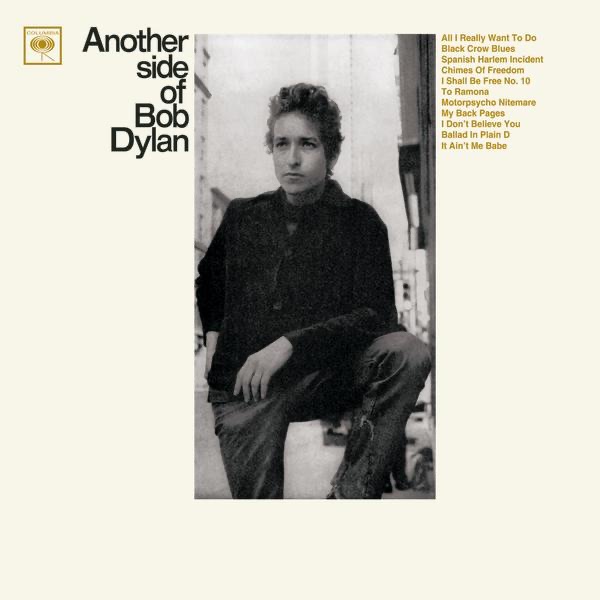 Bob Dylan
Dylan begins turning away from topical protest songwriting toward something more personal, surreal, and emotionally unstable. “My Back Pages” dismantles his own earlier certainty, while “Chimes of Freedom” and “It Ain’t Me Babe” expand his writing into more ambiguous territory. The performances are deceptively casual, giving the album an intimate, late-night feel. Humor and emotional vulnerability start coexisting more openly in the songs. The record confused listeners expecting another protest album, but that unpredictability is central to its importance. You can hear Dylan refusing to become trapped by expectation.
-
Wayne Shorter
Shorter’s Blue Note debut already sounds unmistakably like him: mysterious, melodic, and structurally fluid. McCoy Tyner and Elvin Jones bring some of Coltrane’s harmonic and rhythmic intensity into the session, but Shorter’s writing remains more understated and elusive. Tracks like “Black Nile” and the title piece balance hard-bop momentum with dreamlike atmosphere. Shorter’s tenor tone sounds thoughtful rather than aggressive, even during complex passages. The album hints at enormous compositional ambition without overstating it. It’s one of the quiet turning points in 1960s jazz.
-
 Charles Mingus
Mingus revisits earlier compositions here, but the performances feel anything but nostalgic. The arrangements are massive, turbulent, funny, and emotionally volatile all at once, especially on “II B.S.” and “Hora Decubitus.” Eric Dolphy’s bass clarinet and saxophone work adds wildness and instability to the ensemble sound. Mingus treats jazz composition as something alive and constantly revisable rather than fixed. The music swings hard even during its most chaotic moments. Few large-group jazz records feel this emotionally combustible.
-
 The Rolling Stones
The debut succeeds less because of originality than because of attitude and feel. The Stones approach blues and R&B with a roughness that separates them immediately from cleaner British pop groups of the period. “Route 66” and “Carol” move with sharp rhythmic confidence, while slower tracks reveal the band’s fascination with mood and tension. Charlie Watts already sounds remarkably steady and economical behind the kit. The album’s looseness becomes part of its personality. It’s the sound of a band discovering how compelling imperfection can be.
-
 Stan Getz, João Gilberto
The album introduced bossa nova to a massive international audience, but its greatness comes from how intimate and restrained it feels. Getz’s saxophone glides gently through the arrangements, while João Gilberto’s voice and guitar playing create the album’s soft rhythmic pulse. “The Girl from Ipanema” became ubiquitous, yet tracks like “Corcovado” reveal the deeper emotional subtlety of the record. Antônio Carlos Jobim’s compositions balance harmonic sophistication with effortless melodic flow. Nothing is overstated or rushed. The album’s quietness is exactly what makes it so influential.
-
 Bob Dylan
This is Dylan at his most overtly political and socially direct, but the songwriting succeeds because it avoids simplistic slogans. “With God on Our Side” and “The Lonesome Death of Hattie Carroll” use narrative detail and moral ambiguity to deepen their impact. The stripped-down acoustic arrangements keep all focus on the lyrics and phrasing. Dylan’s voice sounds sharp, impatient, and emotionally engaged throughout. The album became closely tied to the civil rights era, though its skepticism extends beyond any single moment. It treats change as both necessary and unsettling.
-
 The Beatles
The album captures Beatlemania at full speed while also revealing how quickly the band’s songwriting was evolving. “If I Fell,” “And I Love Her,” and the title track show increasing melodic sophistication and emotional nuance beneath the excitement. George Harrison’s guitar textures become more central to the band’s sound, especially in the famous opening chord of the title song. The performances feel incredibly energetic without losing precision. Unlike many early-1960s pop albums, there’s very little filler here. It sounds like a band growing faster than the culture around it expected.
-
 Joe Henderson
Henderson pushes post-bop toward greater harmonic and rhythmic abstraction without abandoning intensity or swing. The title track’s restless structure gives McCoy Tyner, Bob Cranshaw, and Elvin Jones enormous room to reshape the music dynamically. Henderson’s tenor playing is sharp, angular, and highly controlled even at peak intensity. The album balances intellectual complexity with physical momentum remarkably well. There’s tension in nearly every phrase and rhythmic shift. It’s one of the defining documents of adventurous mid-1960s Blue Note jazz.
-
Jimmy Smith
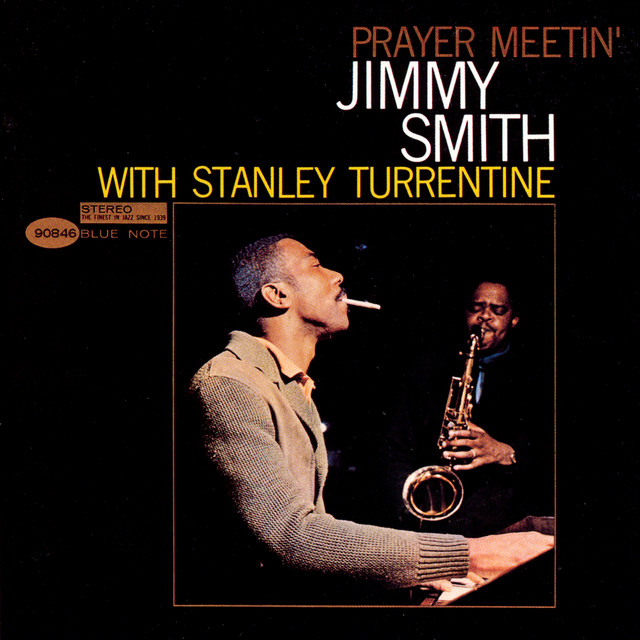
One of Smith's most joyous records, Prayer Meetin' channels gospel energy into hard-swinging soul jazz. The grooves are deep, the organ tone is huge, and the performances feel simultaneously reverent and playful. A cornerstone of the soul-jazz movement.
-
 The Supremes
Motown’s precision reaches near perfection here. “Baby Love,” “Come See About Me,” and the title track combine unforgettable melodic hooks with arrangements that feel simultaneously elegant and immediate. Diana Ross’ voice carries emotional vulnerability without overpowering the carefully balanced group harmonies. The production is remarkably economical — every tambourine hit, bassline, and vocal phrase serves momentum. The album helped establish the template for sophisticated pop-soul crossover music. Its polish hides extraordinary structural discipline.
-
 The Beatles
The exhaustion of nonstop touring and fame hangs subtly over this album, giving it a more reflective tone than earlier Beatles records. “I’m a Loser” and “No Reply” reveal Dylan’s influence on Lennon’s writing, while “Eight Days a Week” preserves the group’s pop exuberance. The mix of originals and covers gives the record a transitional quality. Folk and country textures begin entering the arrangements more prominently. The performances remain sharp, but there’s a weariness underneath the energy that makes the album emotionally interesting. It captures a band beginning to outgrow its initial image.
-
 Freddie Hubbard
Hubbard pushes hard bop toward freer, more volatile territory without abandoning melodic clarity. The title track moves through abrupt rhythmic and harmonic changes that keep the entire ensemble on edge. James Spaulding and Ronnie Mathews add texture and unpredictability throughout the album. Hubbard’s trumpet playing is fiery but highly controlled, balancing aggression and precision. The music feels exploratory without becoming abstract for abstraction’s sake. It’s one of Hubbard’s boldest Blue Note sessions.
-
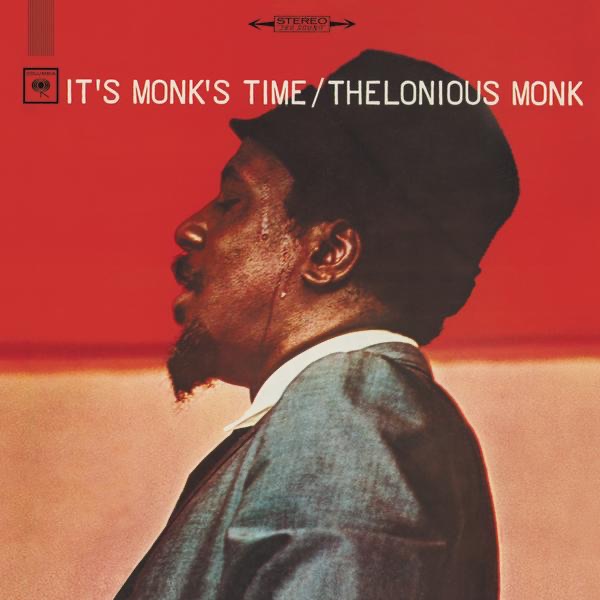 Thelonious Monk
It’s Monk’s Time captures Monk in a particularly muscular and playful mood, turning even familiar jazz structures into something off-balance and unpredictable. The rhythm section swings hard, but Monk constantly interrupts that momentum with strange pauses, clanging chords, and melodies that seem to zig-zag sideways instead of resolving cleanly. Charlie Rouse remains the perfect foil because he can translate Monk’s angular writing into lines that still feel warm and fluid. Tracks like “Lulu’s Back in Town” and “Stuffy Turkey” show how funny Monk’s music could be without losing sophistication. The album has a sharper, more physical energy than some of his earlier studio records. What makes it memorable is the sense that Monk treats rhythm itself as something elastic and slightly mischievous.
-
 Eric Dolphy
Dolphy creates a musical world where instability becomes the organizing principle. Bobby Hutcherson’s vibraphone, Tony Williams’ drumming, and Dolphy’s bass clarinet lines constantly shift the music away from predictable resolution. “Hat and Beard” and “Straight Up and Down” sound playful and unsettling simultaneously. Despite the avant-garde reputation, the compositions are meticulously structured. The album feels strange because every musician listens and reacts so intensely. It remains one of the most imaginative records in Blue Note history.
-

Sun Ra abandons conventional jazz form almost entirely in favor of texture, space, and collective improvisation. The music moves unpredictably between bursts of percussion, dissonant horns, silence, and electronic color. Rather than chaos, the album creates its own internal logic through mood and movement. Sun Ra treats jazz as cosmic philosophy as much as musical genre. The performances feel exploratory in the purest sense. Few albums from the era sound this detached from earthly musical expectations.
-
 Sam Cooke
Cooke balances gospel warmth, pop sophistication, and soul intimacy with astonishing ease. “A Change Is Gonna Come” understandably overshadows much of the album historically, but tracks like “Rome Wasn’t Built in a Day” and “Good Times” reveal Cooke’s versatility and melodic brilliance. His voice communicates reassurance and sadness simultaneously. The arrangements are polished without becoming sterile. The album captures Cooke moving toward deeper emotional and social territory while retaining his effortless charm. It feels graceful even in moments of heartbreak.
-
 Otis Redding
Redding’s debut already contains the emotional directness that would define his greatest work. The title track stretches longing into near-desperation, while “These Arms of Mine” reveals surprising tenderness and restraint. The Stax house band gives the songs gritty rhythmic grounding without overwhelming the vocals. Redding’s phrasing constantly pushes against the beat, creating tension even in slower songs. The album feels raw in both production and emotion. It’s the sound of a major voice arriving fully formed.
-
 Muddy Waters
Stripped of electric-band intensity, Muddy Waters sounds even more commanding here. The acoustic arrangements expose every detail of his voice and guitar phrasing, giving tracks like “My Home Is in the Delta” enormous emotional weight. Buddy Guy and Willie Dixon provide subtle but essential support throughout the sessions. The recording quality is unusually clear and intimate for a blues album of the period. Rather than presenting the blues as rustic nostalgia, the album makes it feel immediate and personal. Its restraint is what gives it power.
-
 James Brown
 -
 Donald Byrd
 -
 Albert Ayler

Do you like albums?
Want to make a list?
It’s free & easy &
the Whale is nice!
Learn more