1967
-
 The Velvet Underground, Nico
Almost every tension in alternative music seems to begin here: beauty and ugliness, tenderness and detachment, avant-garde experimentation and simple rock rhythm. “Heroin” turns repetition into emotional escalation, “Sunday Morning” disguises paranoia as dream-pop, and “Venus in Furs” sounds genuinely dangerous decades later. John Cale’s drones and viola transform the songs from rock tunes into immersive environments, while Lou Reed writes about addiction, sex, and alienation without moralizing or romanticizing them. Nico’s voice adds another layer entirely — cold, statuesque, strangely moving. The album didn’t just expand what rock could sound like; it expanded what it could talk about.
-
 The Beatles
What still feels remarkable about Sgt. Pepper is not simply its experimentation, but how confidently it treats the recording studio as part of the songwriting itself. “A Day in the Life” remains one of rock’s great emotional and structural achievements, while “She’s Leaving Home” and “Within You Without You” widen the album’s emotional and cultural range dramatically. The fictional-band concept matters less than the sense of limitless possibility running through the music. Every arrangement choice feels deliberate yet playful. The album helped establish the idea of rock music as serious artistic work without sacrificing accessibility or humor. Even its excesses became historically influential.
-
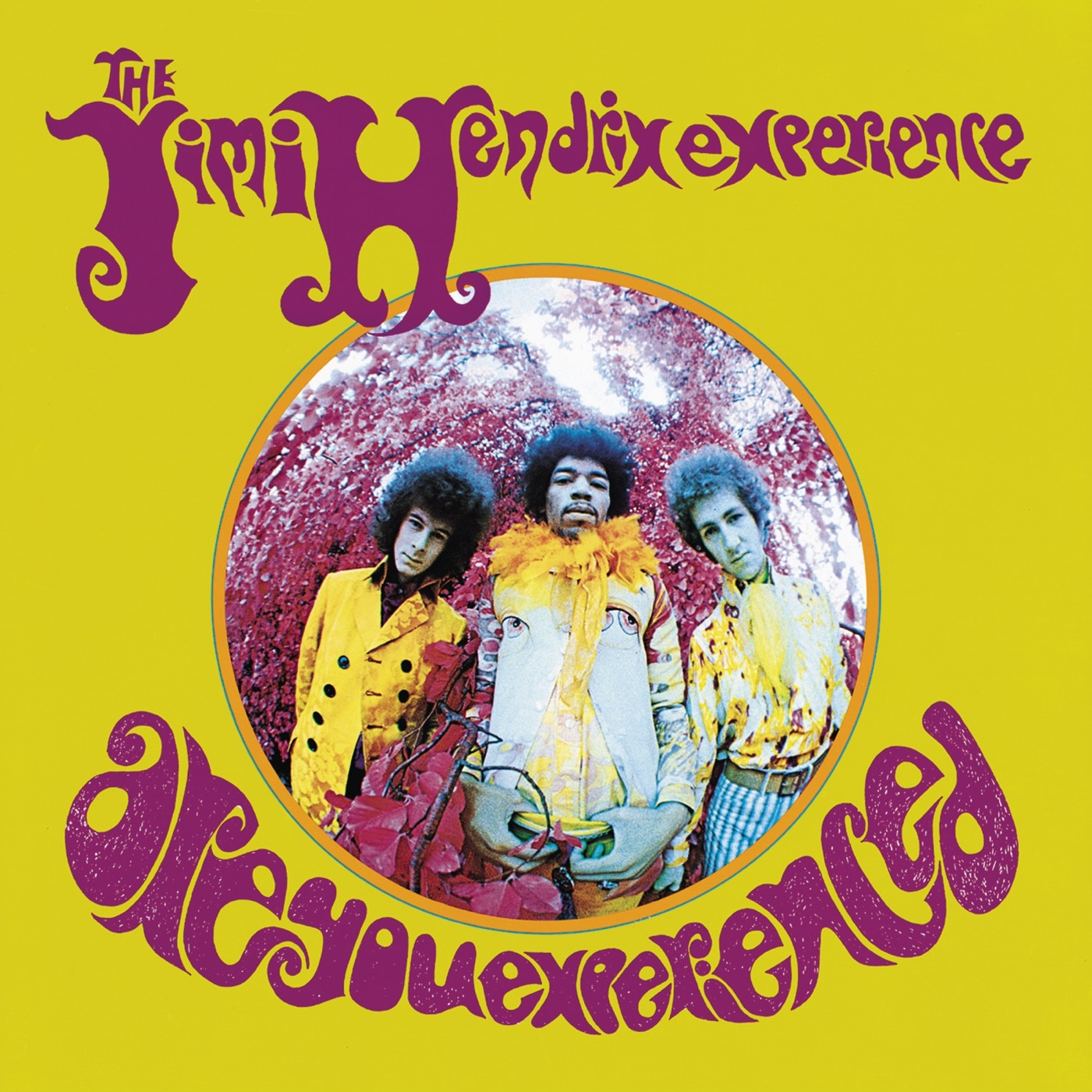 The Jimi Hendrix Experience
Hendrix doesn’t just play guitar differently here — he completely reimagines what the instrument can do inside a rock song. Feedback, distortion, studio effects, and fluid rhythm playing all become expressive tools rather than technical novelties. “Purple Haze,” “Manic Depression,” and the title track feel explosive because Hendrix combines virtuosity with instinct and groove. Mitch Mitchell and Noel Redding are equally important, giving the music jazz-like flexibility beneath the psychedelic surface. The album constantly balances control and chaos. Rock guitar after this record had to respond to Hendrix in some way, even by rejecting him.
-
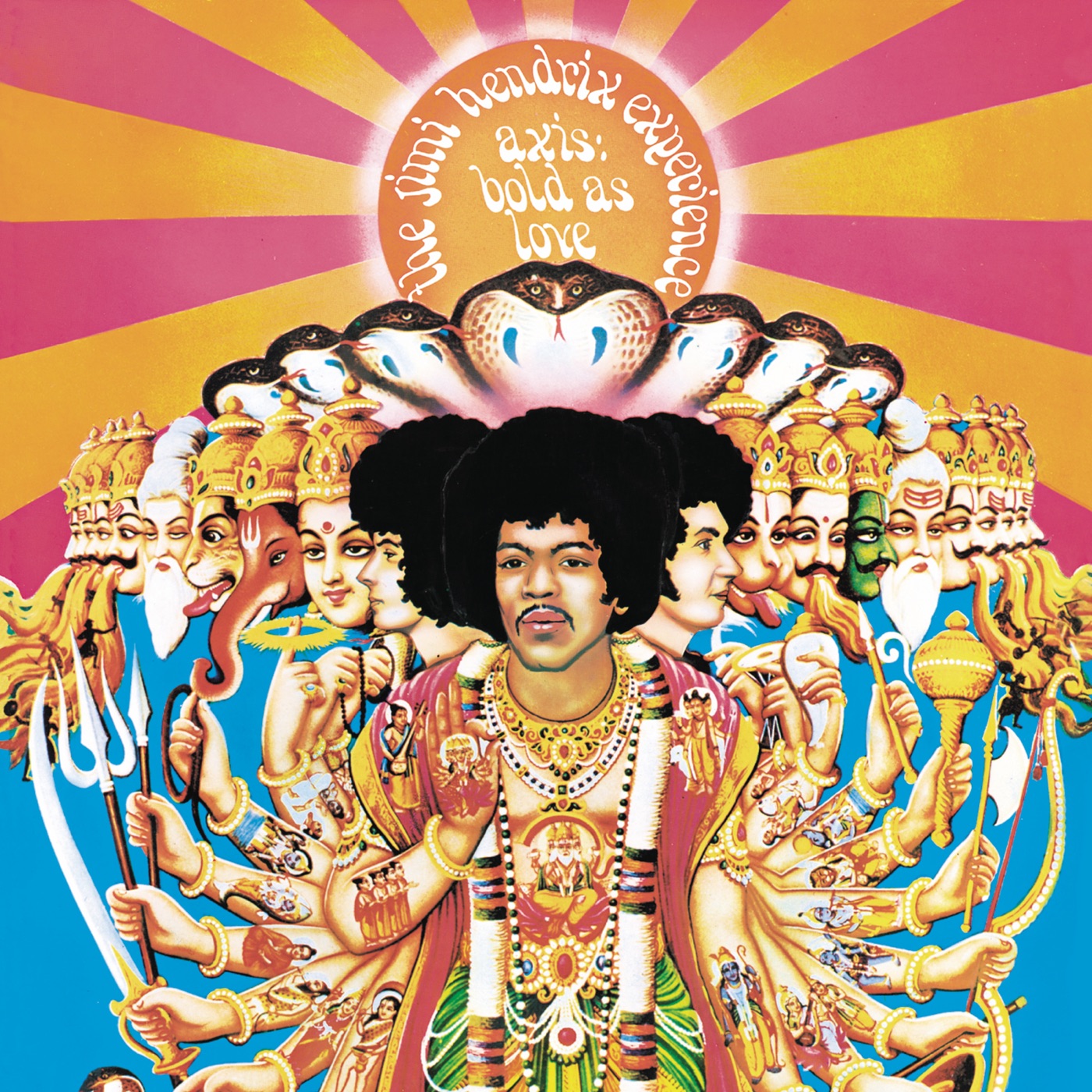 The Jimi Hendrix Experience
Where the debut often feels confrontational, Axis is more fluid, melodic, and emotionally expansive. “Little Wing” compresses enormous emotional atmosphere into just a few minutes, while “If 6 Was 9” and “Spanish Castle Magic” push psychedelic rock into stranger rhythmic territory. Hendrix’s songwriting grows dramatically here; the album works as more than a showcase for guitar innovation. The production is remarkably layered and colorful without becoming cluttered. There’s also a warmth to the record that distinguishes it from many late-1960s psychedelic albums. It sounds exploratory without losing intimacy.
-
 Miles Davis
This quintet plays with jazz structure so freely that the music can feel like it’s rearranging itself in midair. Tony Williams constantly destabilizes the pulse without destroying momentum, while Wayne Shorter’s compositions give the band unusual harmonic openness. Tracks like “Freedom Jazz Dance” and “Footprints” balance complexity with surprising immediacy. Miles’ trumpet lines are sparse but incredibly precise, shaping the emotional direction of the music with minimal gestures. The album rejects traditional hard-bop certainty in favor of constant interaction and motion. Few jazz records sound this intellectually adventurous while remaining this alive physically.
-
 Albert King
Albert King’s guitar playing feels heavy in the emotional sense rather than merely loud or forceful. The title track, “Crosscut Saw,” and “Laundromat Blues” all revolve around his ability to stretch notes until they sound almost vocal. Booker T. & the M.G.’s give the album sharp, economical grooves that never crowd the performances. The production is clean enough to highlight every detail of King’s phrasing. The album became foundational for blues-rock guitarists, but its restraint is just as important as its intensity. King never wastes motion.
-
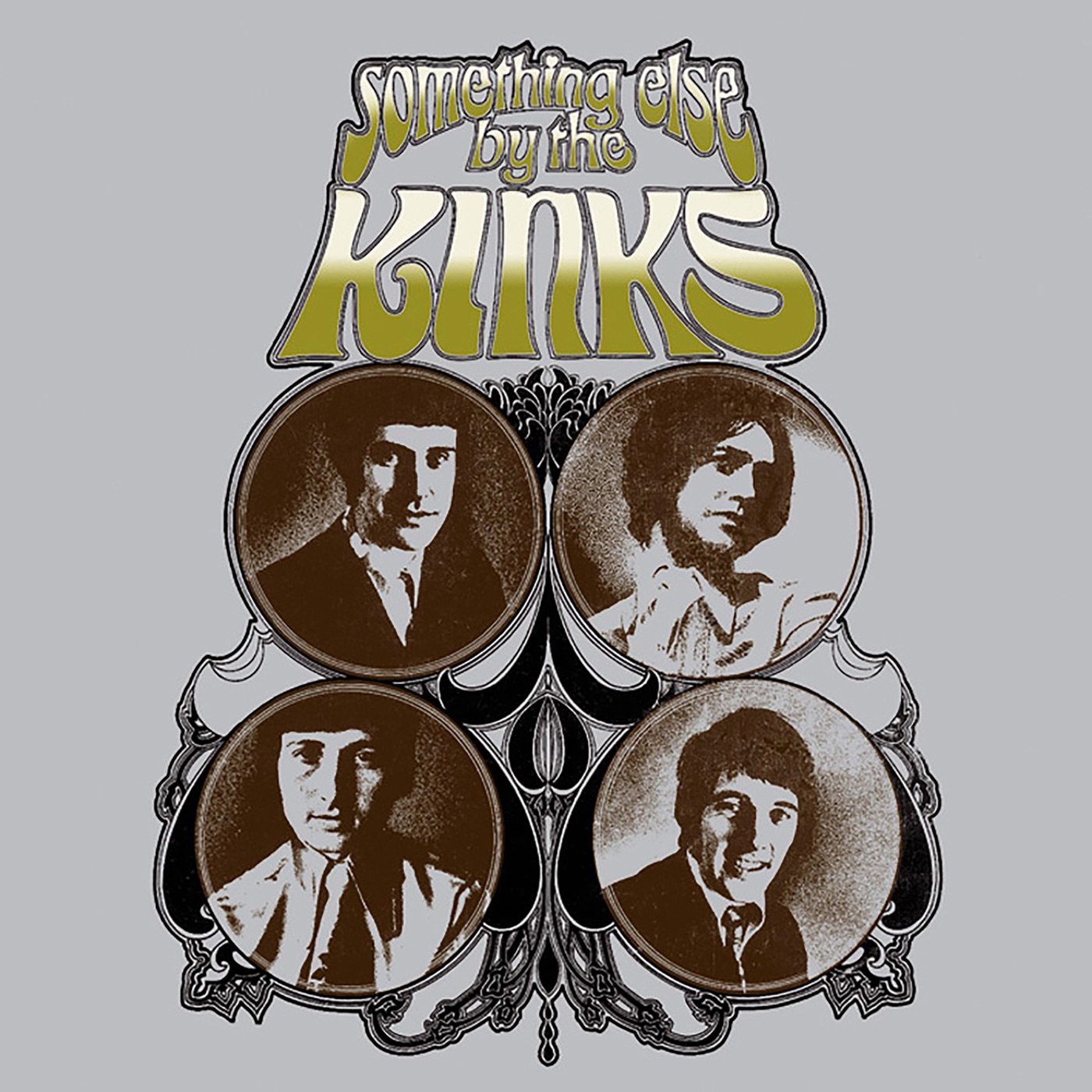 The Kinks
Ray Davies moves away from youthful aggression and toward sharply observed character writing here. “Waterloo Sunset” alone would make the album essential — a deeply humane song that turns ordinary city life into something quietly transcendent. Elsewhere, “David Watts” and “Two Sisters” reveal Davies’ growing fascination with class, envy, and domestic frustration. Musically, the band embraces subtlety over spectacle, relying on melody, arrangement, and conversational detail. The album feels modest on the surface but emotionally expansive underneath. It helped redefine what sophisticated songwriting in rock could look like.
-
Aretha Franklin
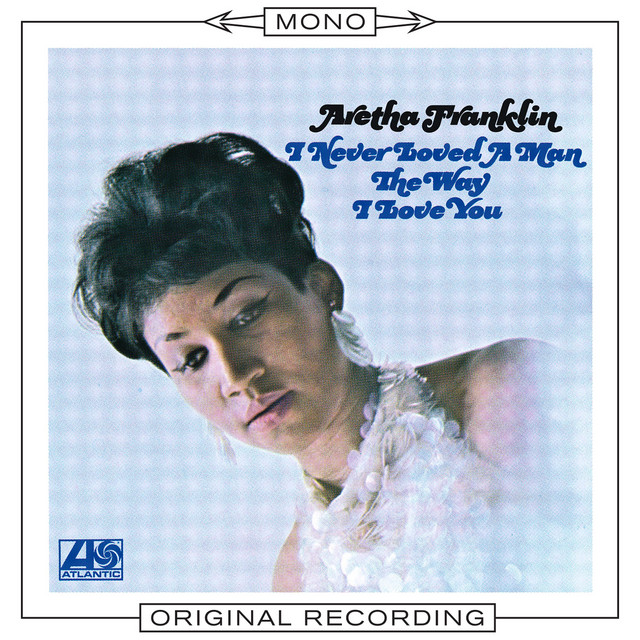
This is the record where Aretha Franklin fully arrives as a transformative force in soul music. “Respect” became culturally enormous, but the album’s depth comes from how naturally Franklin balances gospel intensity, rhythmic precision, and emotional nuance across every track. “Dr. Feelgood” and “Do Right Woman, Do Right Man” show how much emotional complexity she could communicate through phrasing alone. The Muscle Shoals sessions give the songs looseness and grit rather than polished perfection. Franklin doesn’t simply sing over arrangements — she reorganizes them around her presence. The album changed the center of gravity in popular music.
-

Arthur Lee combines folk-rock, psychedelia, orchestral pop, and apocalyptic unease into something uniquely fragile and beautiful. “Alone Again Or” opens the album with sunlight and melancholy existing simultaneously, while “A House Is Not a Motel” and “The Red Telephone” reveal increasing paranoia underneath the elegance. The arrangements are intricate without feeling ornamental; every horn, string, and acoustic guitar line deepens the atmosphere. Lee’s writing captures the collapse of 1960s idealism more effectively than overt protest records often did. The album feels warm and haunted at the same time. Nothing else from the era sounds quite this emotionally conflicted.
-
 Wilson Pickett
Pickett’s voice has a raw, physical urgency that makes even straightforward songs feel volatile. “Mustang Sally” and “Funky Broadway” work because the grooves are tight enough to contain all that energy without smoothing it out. The Stax and Muscle Shoals musicians understand exactly how much room Pickett needs to dominate a track. There’s very little ornamentation here — just rhythm, momentum, and vocal force. The album captures soul music at its most immediate and kinetic. Few singers sound this fully committed on every line.
-
 Donald Byrd
Byrd balances hard bop sophistication with groove-oriented accessibility in a way that feels relaxed rather than calculated. The title track and “Secret Love” move with understated confidence, driven by deeply locked-in rhythm playing. Sonny Red’s alto saxophone adds warmth and edge to the arrangements, while Byrd’s trumpet lines remain melodic and precise throughout. The album doesn’t chase avant-garde innovation; instead, it perfects feel and pacing. That sense of ease is exactly what makes it memorable. It’s jazz built for movement without sacrificing complexity.
-
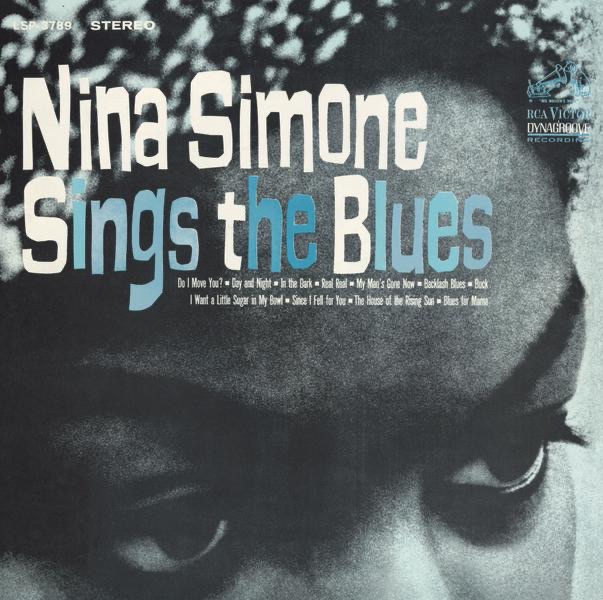 Nina Simone
Simone approaches blues less as genre performance than as emotional and historical language. “Do I Move You?” and “Backlash Blues” combine sensuality, anger, humor, and political consciousness without separating them into categories. Her piano playing anchors the songs with rhythmic authority while her voice constantly shifts emotional shape from line to line. The arrangements are spare enough to let her phrasing dominate the atmosphere. Simone’s greatest strength is her refusal to simplify emotion into a single mood. The album feels intellectually sharp and emotionally raw at once.
-
 James Carr
James Carr sings heartbreak with such vulnerability that the performances can feel almost intrusive to hear. “The Dark End of the Street” is devastating because Carr never oversells the emotion; he sounds exhausted, resigned, and deeply human. The Hi Records arrangements are restrained and patient, letting silence and space heighten the tension. Carr’s phrasing has extraordinary subtlety — tiny hesitations and vocal cracks carry enormous emotional weight. The album lacks the commercial polish of bigger soul records from the era, which only makes it feel more intimate. It’s one of the great documents of emotional restraint in soul music.
-
 Bob Dylan
After the sprawling intensity of his mid-1960s work, Dylan abruptly turns toward brevity, ambiguity, and sparse arrangements. The songs feel biblical, Western, and dreamlike all at once, populated by drifters, saints, thieves, and morally uncertain narrators. “All Along the Watchtower” distills apocalypse into just a few verses, while “I Dreamed I Saw St. Augustine” and “Dear Landlord” deepen the album’s strange spiritual atmosphere. The simplicity of the backing band is crucial; nothing distracts from the writing’s stark clarity. The album rejects psychedelic excess without sounding reactionary. Its restraint became hugely influential on later folk and Americana music.
-
 Captain Beefheart & His Magic Band
The album takes Delta blues foundations and twists them into something unstable, surreal, and rhythmically strange. Beefheart’s voice swings wildly between growl, howl, and sly humor, while the band constantly pushes against standard rock structures. “Electricity” and “Zig Zag Wanderer” feel both rooted in tradition and aggressively alien. Ry Cooder’s guitar work gives the chaos shape without taming it. The album predicts experimental rock movements that wouldn’t fully emerge for years. Even at its weirdest, though, it remains deeply physical music.
-
 John Lee Hooker
Hopkins’ playing sounds conversational, as though the guitar and voice are thinking aloud together in the moment. The album’s looseness is part of its strength — rhythms bend naturally around his phrasing rather than locking into rigid structure. Tracks drift between humor, loneliness, observation, and improvisation effortlessly. Hopkins never seems interested in dramatic performance; the intimacy comes from how unforced everything feels. The urban setting gives the blues a weary modern texture without disconnecting it from older traditions. Few blues records sound this personal.
-
 The Rolling Stones
This is one of the Stones’ most eccentric and melodically adventurous records. “Ruby Tuesday” and “She Smiled Sweetly” reveal an unexpected delicacy, while “Connection” and “Miss Amanda Jones” keep the band’s nervous energy intact. Brian Jones’ instrumental contributions are everywhere, adding color and unpredictability to the arrangements. The album captures the group before they fully embraced their darker late-1960s identity. There’s a playful instability to the songwriting that keeps the record lively. It’s the sound of a band experimenting with sophistication without losing personality.
-

Often dismissed as a psychedelic detour, the album is more interesting than its reputation suggests. The Stones sound less polished and conceptually unified than their peers, but that looseness gives tracks like “Citadel” and “2000 Light Years from Home” a strange charm. The record embraces studio experimentation while still feeling recognizably scrappy and rhythm-driven. “She’s a Rainbow” remains one of the band’s most unexpectedly graceful songs. Rather than fully immersing themselves in psychedelia, the Stones treat it like another texture to rough up and reshape. The album’s unevenness is inseparable from its appeal.
-
 Archie Shepp
The album combines free jazz intensity with African percussion traditions in ways that feel ceremonial rather than merely experimental. The title track builds enormous tension through rhythm and repetition before Shepp’s tenor saxophone enters with raw emotional force. Beaver Harris’ drumming and the percussion ensemble create a constantly shifting foundation underneath the improvisation. The music is confrontational but deeply structured. Shepp treats avant-garde jazz as both political expression and collective ritual. The album’s physicality is what makes it so powerful.
-
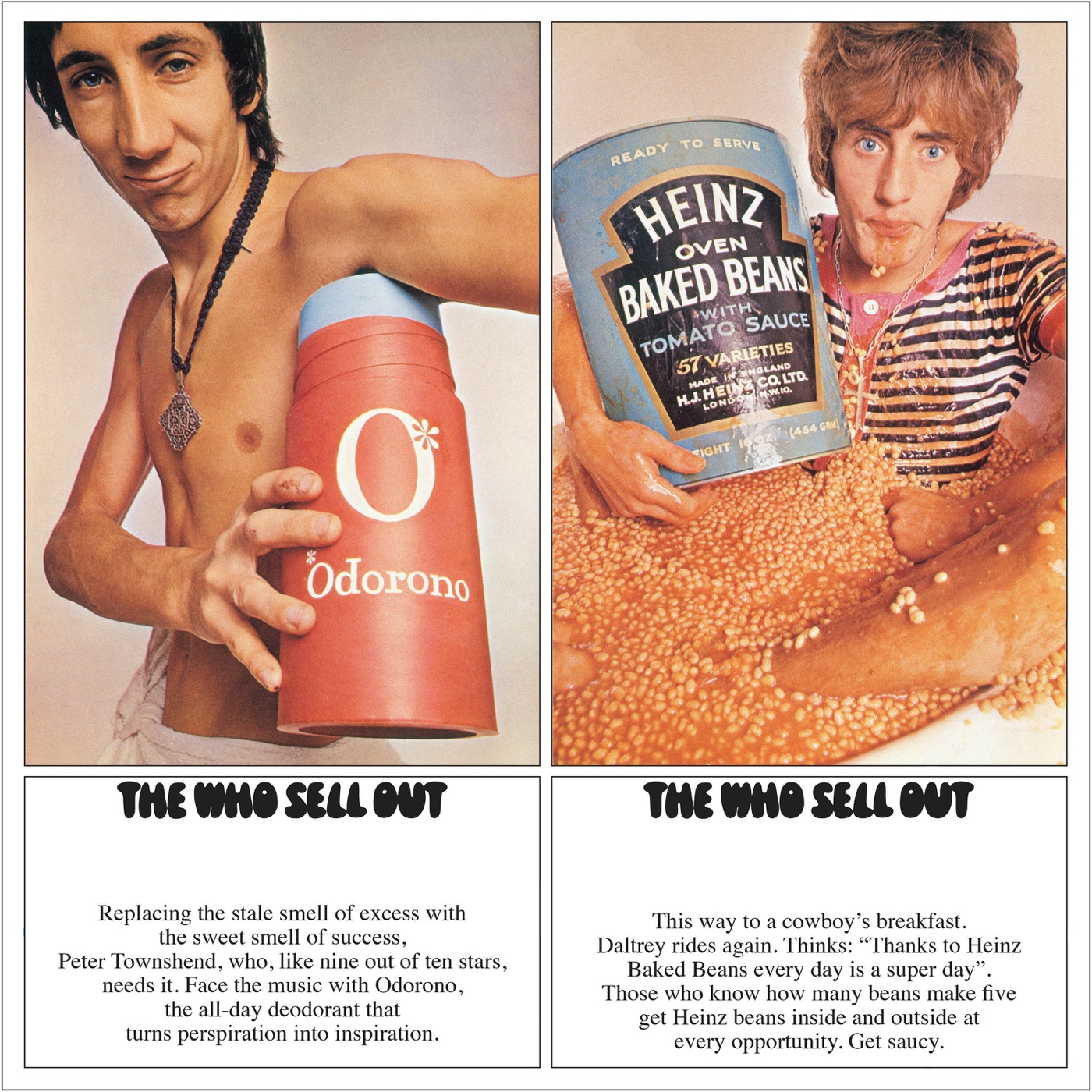 The Who
The fake-radio-station concept could have been a gimmick, but the band uses it to sharpen the album’s themes of consumerism, identity, and pop culture overload. “I Can See for Miles” remains astonishingly explosive, while “Tattoo” and “Sunrise” reveal Pete Townshend’s growing emotional sophistication as a writer. The jingles and commercials actually strengthen the pacing, making the album feel fast-moving and strangely immersive. Keith Moon’s drumming turns nearly every song into controlled chaos. The record captures pop art sensibility without sounding emotionally detached. It’s funny, restless, and unexpectedly reflective.
-
 Otis Spann
Spann’s piano playing carries extraordinary emotional nuance — forceful when needed, but often remarkably delicate and spacious. The album foregrounds mood and interaction rather than flashy soloing. His vocals sound weathered and conversational, perfectly suited to the material’s themes of loss and endurance. The supporting musicians understand how to leave room for Spann’s phrasing and rhythmic feel. Chicago blues often gets associated with amplification and toughness, but this record reveals its introspective side. It’s blues music built from patience and detail.
-

Mobley’s tone is warm and balanced even when the arrangements become energetic and rhythmically dense. The album swings hard without sacrificing melodic clarity, especially on the title track and “Hank’s Other Soul.” Blue Mitchell and John Hicks add sharp interplay throughout the session. Mobley’s improvisations feel carefully shaped rather than impulsive, giving the music strong narrative flow. The grooves occasionally flirt with soul-jazz textures without fully abandoning hard bop sophistication. It’s a deeply satisfying late-period Mobley session.
-
 Donald Byrd
Byrd merges jazz improvisation with funk rhythms and polished production in a way that proved enormously influential. “Flight Time” and the title track lock into grooves designed as much for movement as contemplation. Larry Mizell’s arrangements bring synthesizers, electric bass, and layered rhythm into jazz without draining the music of personality. Purists criticized the album at the time, but its accessibility was part of its innovation. The record helped shape jazz-funk, fusion, and eventually hip-hop sampling culture. Its smoothness hides a surprising amount of musical sophistication.
-
 Pharoah Sanders
Sanders approaches free jazz as spiritual and physical experience rather than abstract experimentation. “Upper Egypt & Lower Egypt” moves between meditative passages and overwhelming collective intensity, using repetition and texture to alter the listener’s sense of time. Sanders’ tenor tone can sound harsh, ecstatic, or deeply tender within the same performance. The ensemble playing emphasizes communal energy over individual spotlight. The album expands jazz into ritualistic territory without losing emotional immediacy. It remains one of the most immersive records of the late-1960s avant-garde.

Do you like albums?
Want to make a list?
It’s free & easy &
the Whale is nice!
Learn more