-
 R.E.M.
The fog lifts enough to reveal sharper edges - this is the first R.E.M. record that sounds remotely like their commercial heyday. The playing is more forceful, especially the rhythm section, but it never loses that sense of sideways motion. The songs feel rooted in specific places and histories without turning literal. A perfect balance of R.E.M.'s past and future.
-
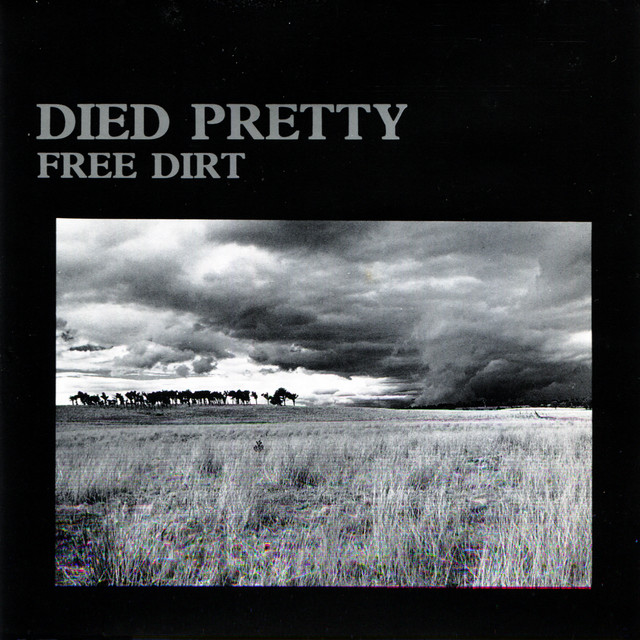
Died Pretty
It takes the spacious side of post-punk and gives it backbone—these songs move, even when they feel half-dreamed. The guitars don’t just shimmer; they circle and lock in, building a slow pressure that pays off without obvious climaxes. Ron S. Peno sings like he’s holding something back on purpose, which makes the emotional hits land harder when they slip through. It’s not showy or trend-setting on the surface, but it quietly nails a balance a lot of bands chase: atmosphere that still feels physical, and restraint that never turns passive.
-
 New Order
Split between two impulses that never fully reconcile. One side leans into guitars, the other into machines, and the gap between them becomes the album’s character. It’s less seamless than earlier work, but more revealing. You hear the band deciding what it wants to be.
-
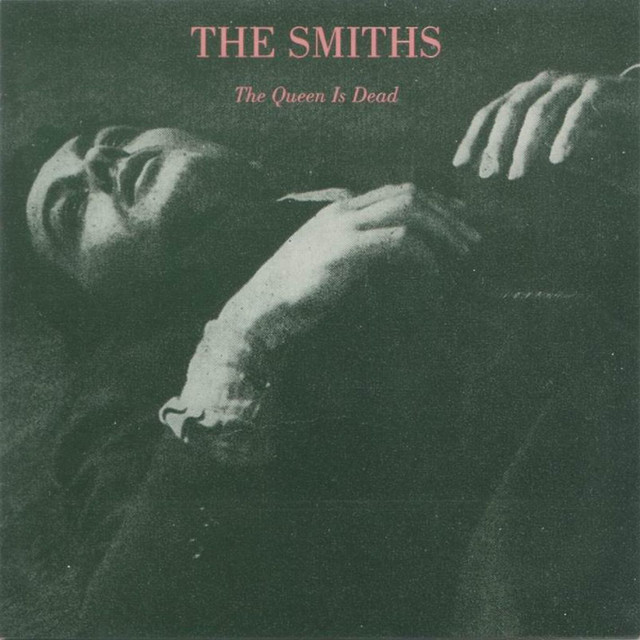
The Smiths
Everything is pushed further—faster tempos, sharper jokes, deeper bruises. The arrangements feel fuller, but still agile enough to pivot quickly. The voice at the center turns complaint into performance art. It’s both grand and oddly personal, filled with some of the band's most memorable album tracks - "The Boy With The Thorn In His Side", "I Know It's Over" and the title track.
-
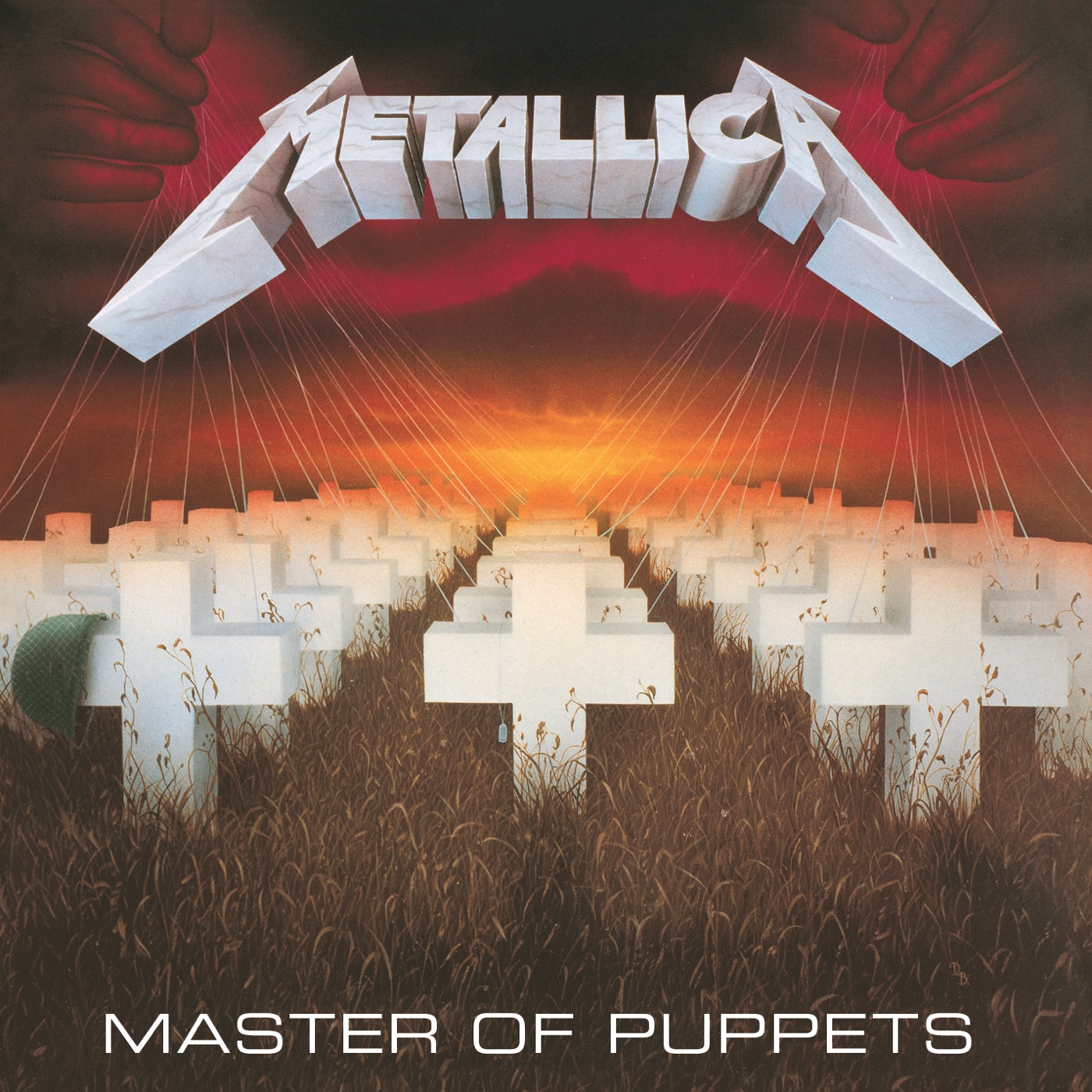 Metallica
Metal at its most visceral and imposing. Control is the defining feature here. The songs stretch out but never drift, each section locking into the next with precision. The heaviness comes as much from structure as from volume. Master is discipline turned into impact.
-
A shift toward warmth without losing distance. The organ softens the edges, giving the songs a fuller body. It still feels deliberate and slightly removed. Emotion arrives, but on the band’s terms.
-
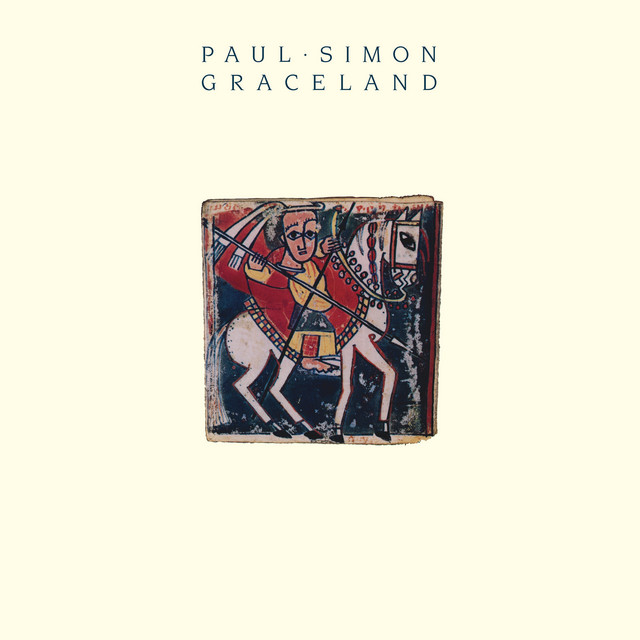
Paul Simon
In need of a reset, Paul Simon built Graceland on collaboration that reshapes the songwriter’s instincts. The rhythms lead, and the melodies follow rather than dominate. It feels conversational instead of authored, Simon's lyrics are often disarmingly direct and detailed. The result takes South African music to the mainstream - songs that speak a universal language. One love.
-
 Talk Talk
Polished on the surface, but already pulling away from pop habits. The arrangements leave more room than expected; you can hear the band thinking through sound. The song structures were hinting at where they’d go next with the monumental musical experiments, Spirit of Eden and Laughing Stock, that followed.
-
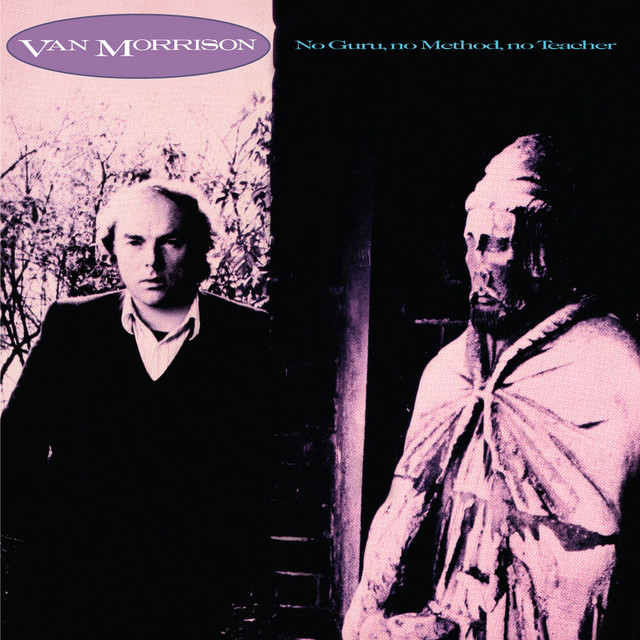
Van Morrison
Van's best 80s album is loose but intentional, like following a thought wherever it leads. The arrangements drift, but the feeling stays centered. It avoids big statements in favor of small, sustained moods. A quiet kind of searching - a true companion to the mystical Astral Weeks and Veedon Fleece.
-
 Beastie Boys
Loud, crude, and engineered to get a reaction. The production is tight even when the attitude isn’t. It plays up its own obnoxiousness as part of the design. More calculated than it first appears from a band that was way smarter than they first appeared.
-
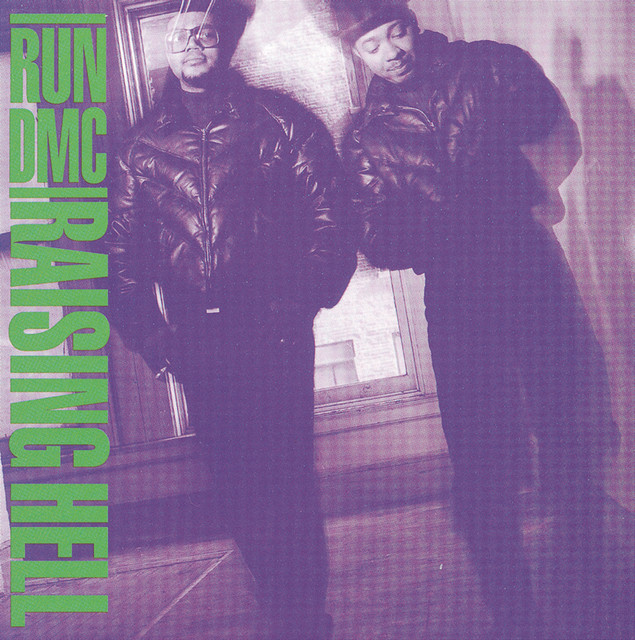
Run–D.M.C.
Raising Hell wasn't just a hit in the cities; it was felt in the suburbs too. I distinctly remember it playing in my friend's mom's car as she drove us to baseball practice. Stripped-down beats that hit harder because of what’s missing. The delivery is direct, leaving no space for distraction. It scales up hip-hop without complicating it. Simplicity as force.
-
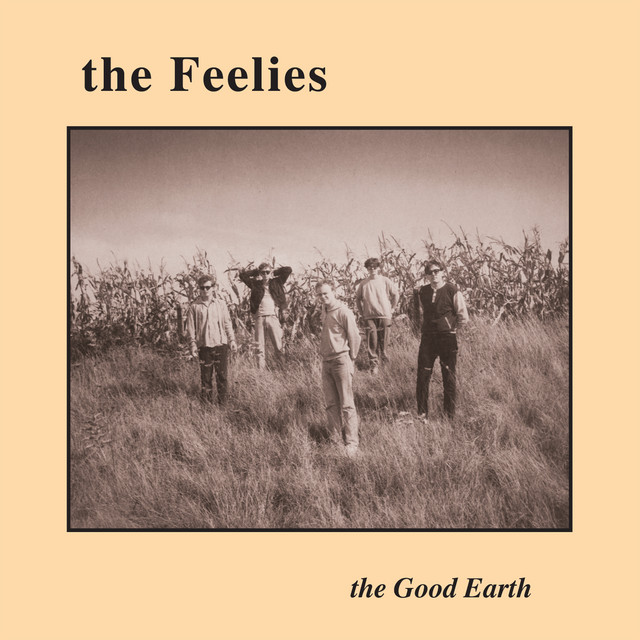
The Feelies
Everything settles into a steadier pulse on The Feelies' long awaited follow up to Crazy Rhythms. The repetition becomes grounding rather than anxious. It’s less about release and more about continuity. A record that finds its strength in staying level.
-
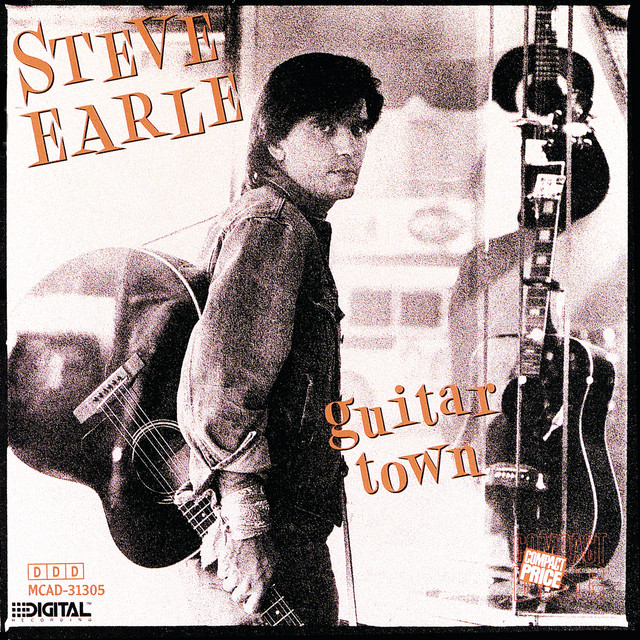
Steve Earle
Country songs built with a rock n' roll heart. The writing focuses on movement—leaving, arriving, never quite settling. It feels lived-in without being nostalgic. "Guitar Town", "Someday", and "Fearless Heart" showed a new songwriting voice outdoing his idols.
-
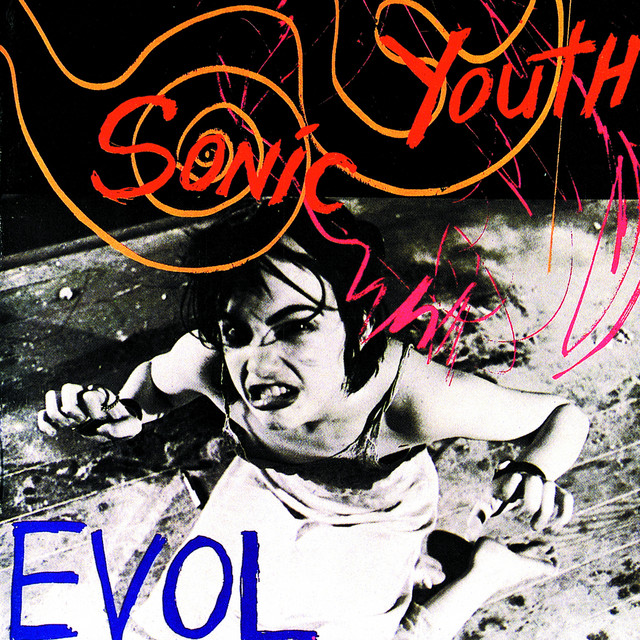
Sonic Youth
Sonic Youth begins to let the noise take on shape. The dissonance isn’t just disruptive—it’s organized into something almost melodic. The pacing is slower, letting tension accumulate rather than burst. EVOL is where their handwriting became legible to a broader audience.
-
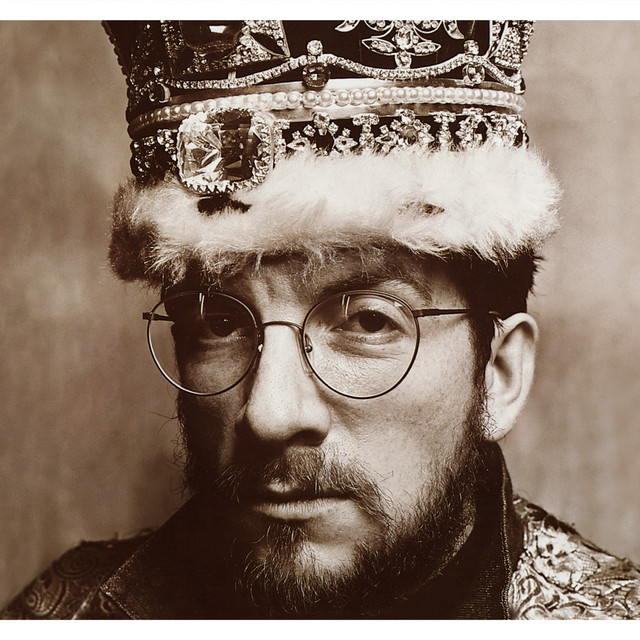
Elvis Costello
King of America was a deliberate step away from the ornate productions of his early-80s output. The arrangements are sparse, letting the songs stand without decoration, taking on a distinctly more "American", stripped-down sound. The shift suits him - this LP contains some of his most affecting and immediate songs ("Indoor Fireworks", "Brilliant Mistake", "I'll Wear It Proudly").
-
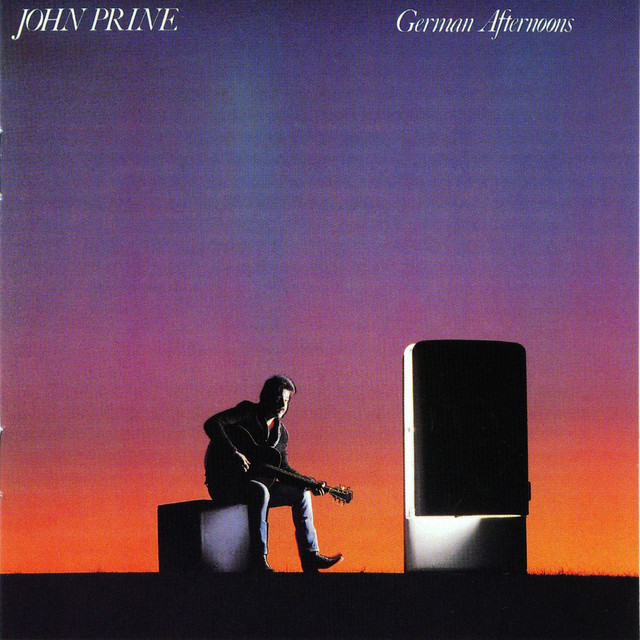
John Prine
Like most of Prine's greatest songwriting, German Afternoons is unassuming on the surface, but sharply observational. The humor and sadness sit side by side without competing. It feels conversational, like stories told without performance. The ease is deceptive. Among Prine's best.
-
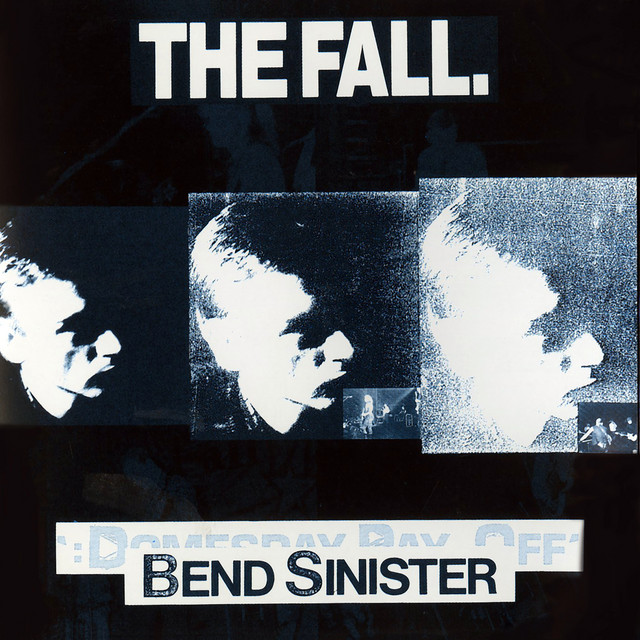
The Fall
The structure loosens without losing its grip. Repetition is still central, but the edges blur more than before. It sounds slightly unstable, like it could tilt at any moment. That tension keeps it alive.
-
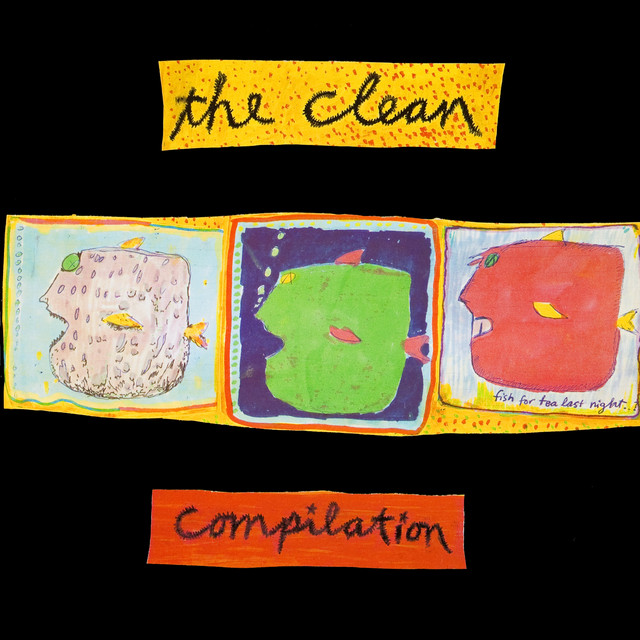
The Clean
-
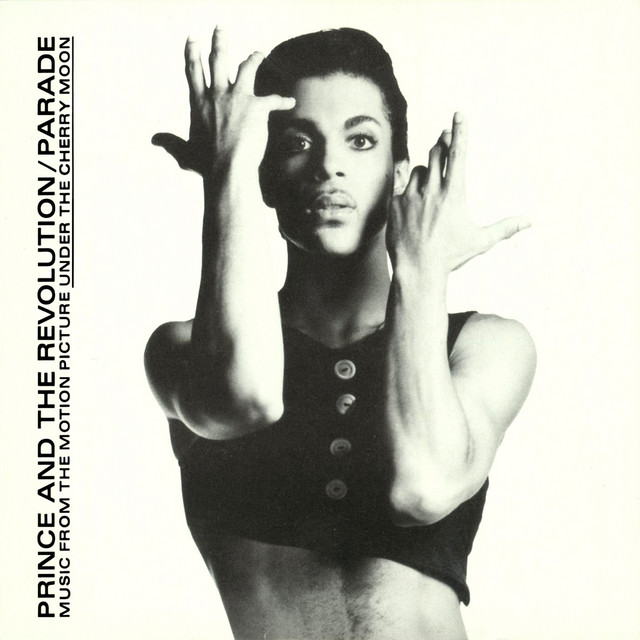
Prince
-
-
Various Artists
-
Hüsker Dü
-
 Slayer
 -
Siouxsie And The Banshees


Do you like albums?
Want to make a list?
It’s free & easy &
the Whale is nice!
Learn more