2002
-
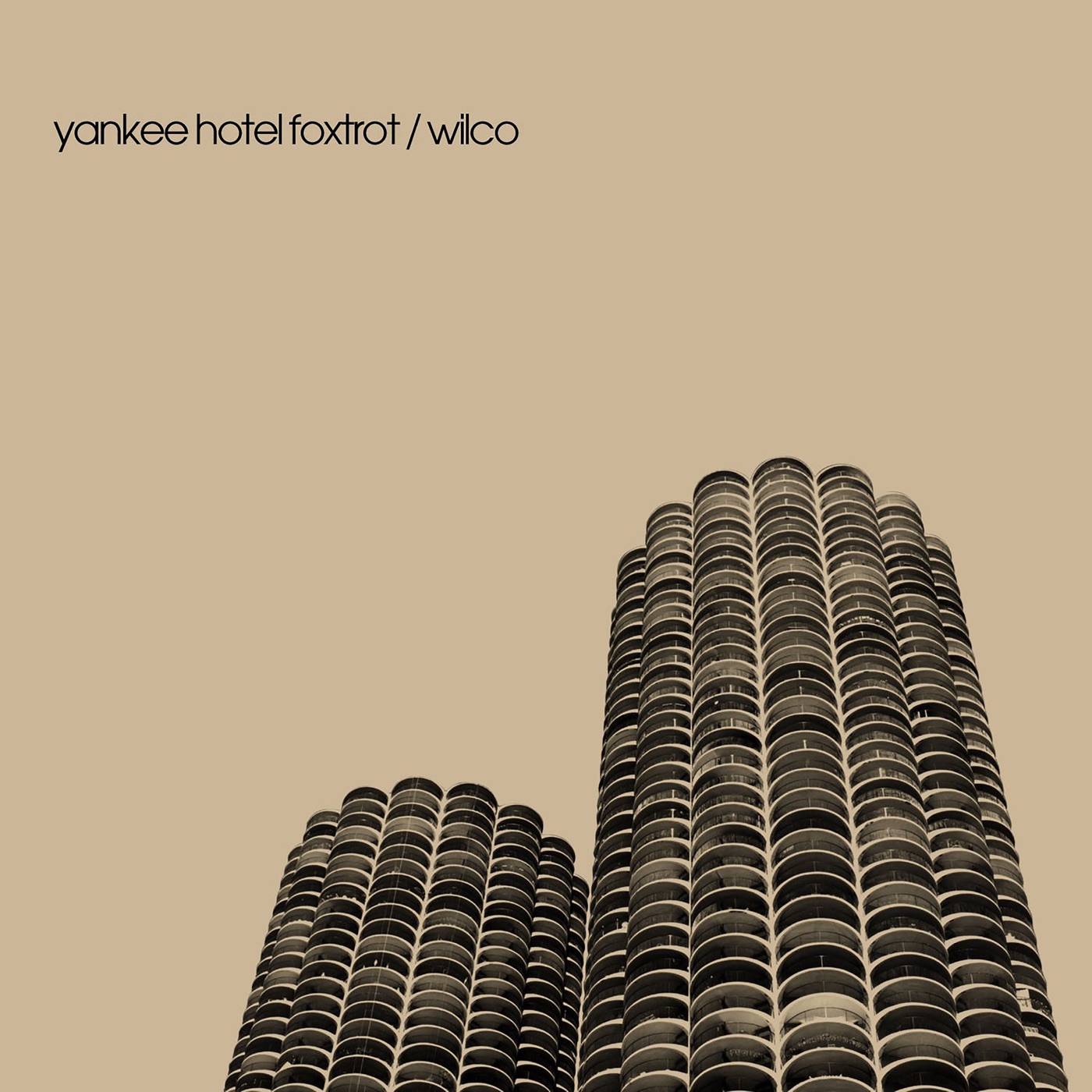 Wilco
WilcoBefore its official release in April 2002, YHF trickled out little by little through dial-up connections in the Fall of 2001. It created atmosphere out of dislocation: radios crackle, drums stumble sideways, melodies drift in and out of static, yet the songs themselves remain incredibly sturdy. “I Am Trying to Break Your Heart” and "Radio Cure" feel like the band dismantling itself in public, while “Jesus, Etc.” and “Ashes of American Flags” bring warmth and melancholy out of the surrounding noise. "Kamera" and "Pot Kettle Black" are welcome waves of melody, and the gorgeous "Poor Places" disintegrates into noise and a Cold War-era numbers station broadcast before bleeding right into the gentle finale "Reservations". Yankee Hotel Foxtrot captured the strange, disoriented mood of post-9/11 America better than any other record of its era by turning anxiety, isolation, media static, and fractured beauty into something that sounded both broken and hopeful.
-
 Spoon
SpoonOn the heels of the career rejuvenating Girls Can Tell, Britt Daniels took another batch of his typically frantic pop songs and starved them until they were nothing more than skin and bones (and, on one occasion, beat-boxing). For a band that treats minimalism like its 5th member, Kill The Moonlight is their leanest and the meanest offering. The empty space in these songs is part of the rhythm. "The Way We Get By” bangs away on piano and nerve alone, “Small Stakes” turns restraint into swagger, and “Jonathan Fisk” sounds permanently coiled to explode. All of this makes Kill The Moonlight the band’s quintessential statement - a frayed-nerve romp through pop-rock perfection.
-
 Songs: Ohia, Jason Molina
Before the thunderous Magnolia Electric Co., Jason Molina slowed everything down until the silence around the songs became part of the emotional weight. “Blue Factory Flame,” “Ring the Bell,” and “Two Blue Lights” move with a haunted patience, mixing gospel, folk, and slow-burning rock into something almost spiritual. Few albums sound this sparse and this enormous at the same time.
-
 Grandpaboy
Westerberg uses the Grandpaboy alias to bash out loud, funny, self-destructive garage rock without worrying about polish. “AAA,” “High Time,” and “Let's Not Belong” sound gloriously impatient, full of cheap guitar tone and middle-aged frustration. The album’s looseness is the point — it feels like someone rediscovering why rock music is fun from the confines of a homemade basement studio.
-
 Iron & Wine
Sam Beam recorded these homespun Southern anthems in whispers while his family slept, giving them an almost accidental sense of timelessness. They were recorded with such closeness that they feel overheard rather than performed. “Upward Over the Mountain,” “Bird Stealing Bread,” and “Faded From The Winter” are full of tiny domestic and natural details that quietly accumulate emotional force.
-
 Richard Buckner
Buckner’s writing is so fragmented and elliptical that the songs can feel like memories half-recalled at 3 a.m. “A Year Ahead...and a Light,” “Grace-I'd-Said-I'd-Known” and “Count Me In On This One” drift through sparse arrangements that leave every phrase hanging in open air. The album rewards patience because it never fully explains itself.
-
 The Flaming Lips
Yoshimi disguises existential panic inside glowing pop songs and science-fiction imagery. “Do You Realize??” became huge because it states enormous emotional truths with disarming simplicity, while “Fight Test” and “Ego Tripping at the Gates of Hell” float on layers of soft electronic haze. It’s whimsical music that knows mortality is always nearby.
-
 Sonic Youth
This is one of Sonic Youth’s most beautiful records, with the band letting their noise drift into long stretches of shimmering calm. “Karen Revisited” and “Rain on Tin” unfold patiently, while “The Empty Page” balances fragility and momentum perfectly. The guitars don’t just make noise here — they create weather.
-
 Neko Case
Case takes country and noir imagery and pushes both toward something darker and stranger. “Deep Red Bells” is eerie and hypnotic, “I Missed the Point” burns slowly, and “Things That Scare Me” gives the album its defiant backbone. Her voice is the obvious centerpiece, but the atmosphere around it is just as important.
-
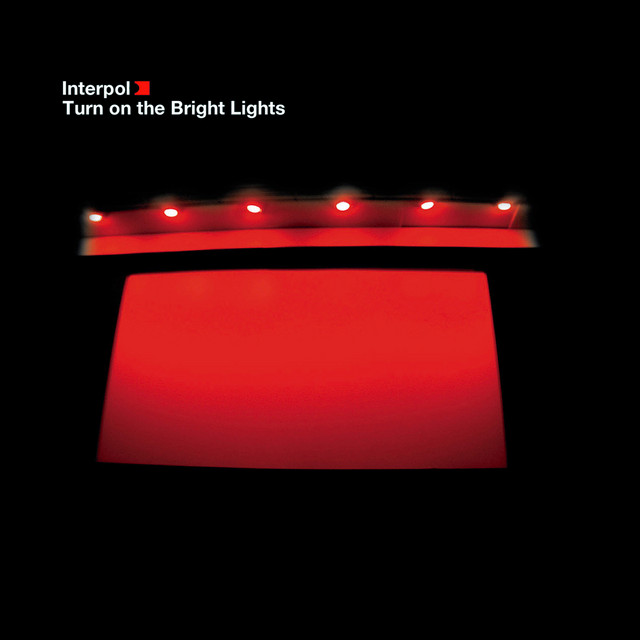
Interpol
Everything on this record sounds cold, controlled, and slightly glamorous. “Obstacle 1,” “PDA,” and “NYC” stretch post-punk tension into something almost cinematic, with guitars chiming against basslines that seem to stalk rather than groove. The album’s emotional distance is exactly what gives it its atmosphere.
-
 Paul Westerberg
Where Mono is ragged and loud, Stereo is thoughtful and bruised. “Baby Learns to Crawl,” “Only Lie Worth Telling,” and “Got You Down” sound casual on the surface, but the songwriting is full of wit, regret, and self-interrogation. "Call That Gone?" seems to end things before the record comes back to life with a staggering cover of 80s lost class "Postcards From Paradise". Throughout, Westerberg makes aging sound complicated rather than tragic.
-
 Guided By Voices
This is one of the late-period GBV records where the polish actually works in the band’s favor. “Everywhere with Helicopter,” “Cheyenne,” and “Back to the Lake” still have Robert Pollard’s surreal melodic instincts, but the fuller production gives the songs extra weight. The album sounds like a veteran band rediscovering momentum instead of coasting on mythology.
-
 Lambchop
Kurt Wagner strips Lambchop’s sound down to near-weightlessness here. “The Old Gold Shoe,” “Flick,” and “Bugs” move with extraordinary softness, letting piano, brushed drums, and tiny melodic gestures do the work. The album feels less like a collection of songs than a slowly unfolding mood.
-
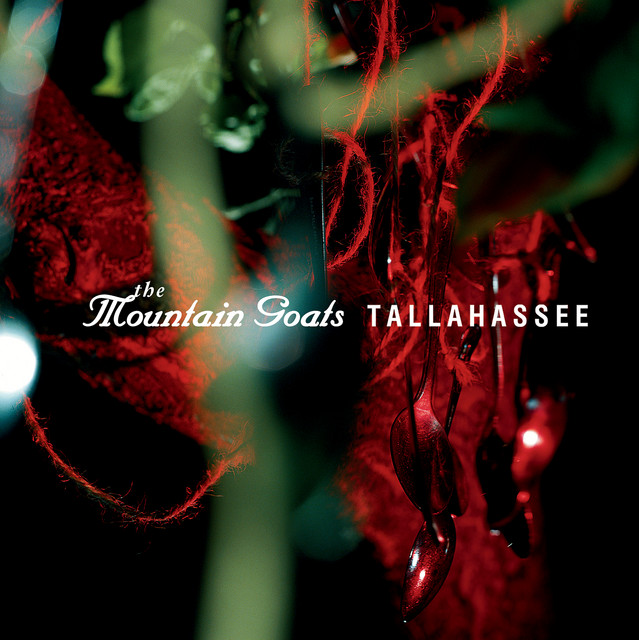
The Mountain Goats
John Darnielle turns the collapse of a marriage into something expansive and darkly funny. “No Children” gets remembered for its bitter singalong chorus, but songs like “Oceanographer’s Choice” and “Game Shows Touch Our Lives” are what give the album its depth — vivid little studies in resentment, dependency, and mutual self-destruction. The shift to fuller studio production lets the stories breathe without sanding away Darnielle’s intensity. What makes the record endure is how specific the characters feel; by the end, the “Alpha Couple” seem less like fictional creations than people you’ve unfortunately met.
-
 The Tragically Hip
The Hip lean into mood and texture more than usual here, giving the album a restless nighttime atmosphere. “It’s a Good Life If You Don’t Weaken" and "The Dire Wolf" are radiant highlights of their 21st century output, while “Silver Jet,” and “The Darkest One” balance muscular rock playing with Gord Downie’s increasingly fragmented writing. The record feels introspective without losing the band’s physical energy.
-
 The Books
The Books take found audio, acoustic instruments, and digital editing and arrange them with uncanny precision. “Motherless Bastard,” “All Bad Ends All,” and “Contempt” feel simultaneously academic and deeply emotional, like collages that accidentally became confessions. The album helped open up entirely new possibilities for what indie music could sound like.
-
 Sleater-Kinney
Written in the shadow of 9/11, the album channels anxiety and political anger into incredibly sharp rock songs. “Combat Rock,” “Far Away,” and “Oh!” are tense and immediate without sounding preachy. Janet Weiss’ drumming alone gives the album propulsion most bands can’t touch.
-
Conor Oberst, young and overflowing with ideas both brilliant and frustrating, throws absolutely everything into this album: folk songs, orchestras, noise, panic, jokes, self-loathing, and bursts of beauty. "Make War" is lovely, "You Will. You? Will...“ sounds like it was recorded in the same attic it's set in, and "Let's Not Shit Ourselves (To Love and to Be Loved)" is a rowdy and ragged folk/rock manifesto. "Lover I Don’t Have to Love,” “Bowl of Oranges,” and “Waste of Paint” swing wildly between intimacy and emotional overload. It’s messy in a way that feels completely inseparable from its power.
-
 Rilo Kiley
 -
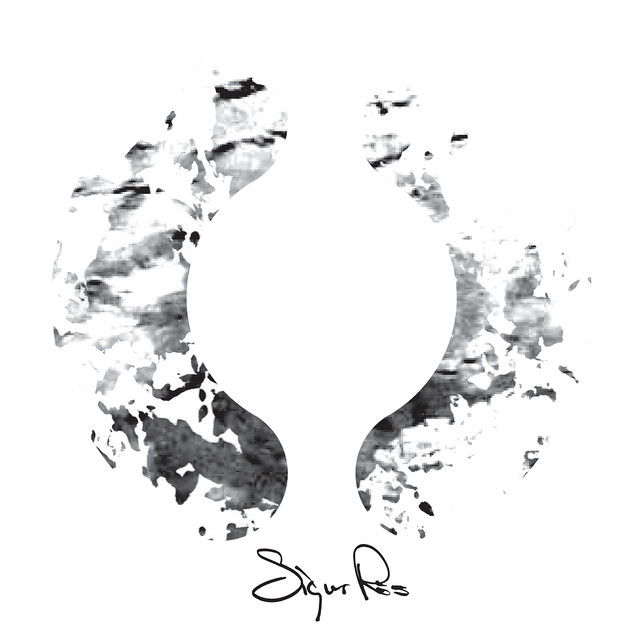
Sigur Rós
-
Airport 5
The collaboration between Pollard and Tobin Sprout rekindles some of the magic that made classic Guided by Voices special. Sprout's melodic sensibility and Pollard's restless imagination complement one another beautifully throughout the album. The songs are gentler and more reflective than much of Pollard's work from the same period. There's a warmth and emotional depth here that sets it apart from many side projects. One of the great overlooked records in the Pollard universe.
-
 Deerhoof
 -
 El-P
El-P -
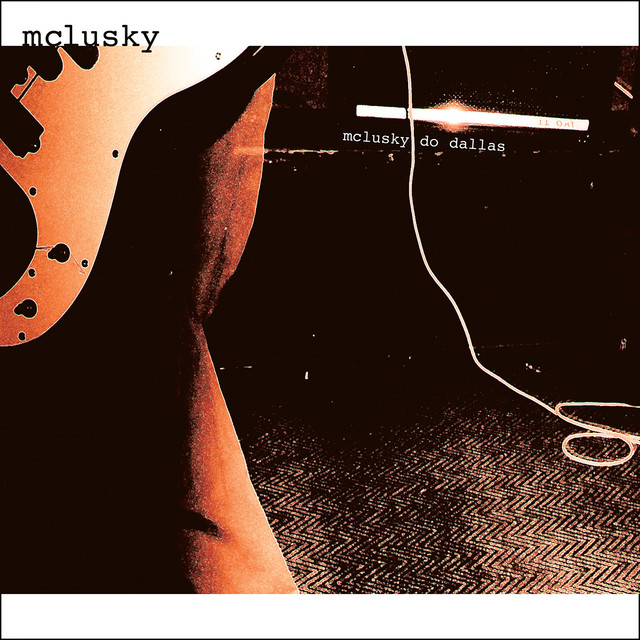
Mclusky


Do you like albums?
Want to make a list?
It’s free & easy &
the Whale is nice!
Learn more