-
 Tim Hecker
The album feels immense and decayed at the same time, as though sacred music were dissolving inside failing machinery. Pipe organ recordings blur into digital distortion and towering waves of noise that feel both beautiful and physically overwhelming. Tim Hecker creates atmosphere so dense it almost becomes architectural. The record turns abstraction into something deeply emotional through sheer texture and scale. A towering, endlessly immersive listening experience.
-
 Destroyer
The album drifts through soft-rock gloss, saxophones, lounge-pop textures, and late-night melancholy with a strange elegance. Dan Bejar sings like someone half-lost inside his own thoughts, tossing off cryptic lines that slowly become emotionally revealing over repeated listens. Songs feel luxurious without ever sounding comfortable. It’s music haunted by excess, aging, and emotional disconnection. One of Bejar's best.
-
 Yuck
YuckThe album channels ‘90s indie rock affectionately without feeling trapped inside nostalgia. Fuzzy guitars, slack melodies, and long instrumental passages give the songs warmth and looseness, while tracks like “Georgia” and “Rubber” reveal real emotional ache underneath the surface casualness. Yuck understand that great guitar pop should feel slightly messy and human. The record succeeds because it worn in rather than carefully manicured.
-
 The Men
The album crashes together hardcore, noise rock, shoegaze, and post-punk with almost reckless intensity. Songs like the wheezing "L.A.D.O.C.H." and "If You Leave" frequently feel on the verge of collapse, and "()" and "Bataille" shift from violence to melody without warning. Leave Home sounds driven by pure emotional momentum. It’s chaotic music that still manages to feel purposeful and cathartic.
-
Bon Iver
The album expands far beyond the isolated folk intimacy of the debut into something lush, layered, and geographically expansive. Justin Vernon fills the songs with horns, synths, and complex arrangements that still retain emotional fragility at their center. Tracks like “Holocene” and “Calgary” feel suspended between memory and landscape. The record captures loneliness as well as the debut without feeling like it's trapped in a snow-covered cabin.
-
Bill Callahan
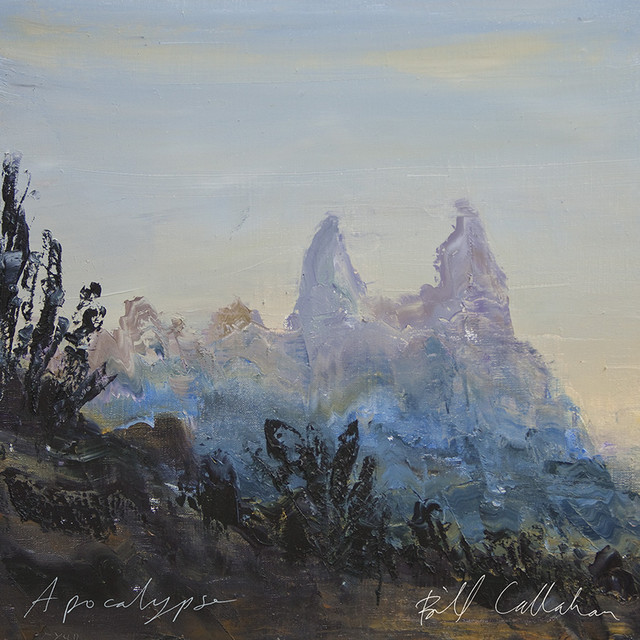
Apocalypse finds Bill Callahan at his most majestic, turning his stripped-down folk songs into something almost mythic. The arrangements are spacious but never empty, giving his deep, deadpan voice an enormous amount of room to resonate. Songs like “Drover” and “America!” balance humor, loneliness, violence, and beauty with remarkable ease. Callahan’s writing feels simultaneously ancient and conversational, as if he’s telling stories that have existed forever but only just occurred to him. The album’s confidence is striking: nothing feels forced, yet nearly every moment feels consequential. It’s one of his greatest records, and perhaps the clearest demonstration of how much emotional power he can extract from restraint.
-
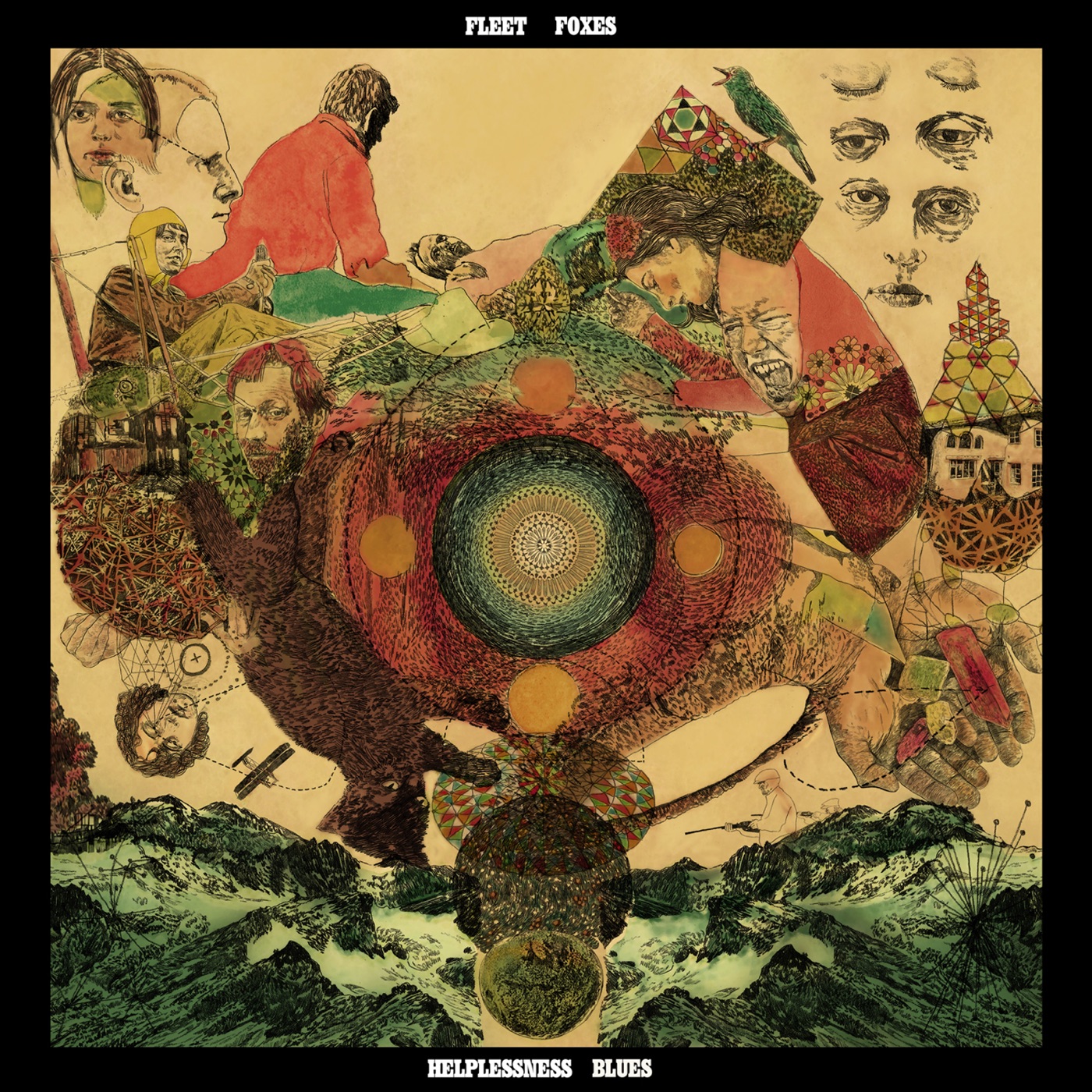 Fleet Foxes
 -
 Shabazz Palaces
The album reshapes hip-hop into something fragmented and atmospheric. Ishmael Butler raps in slippery, poetic phrases while the beats dissolve into strange textures and shifting rhythms around him. The music feels futuristic without relying on obvious technological spectacle. Its power comes from mystery, movement, and mood rather than straightforward impact.
-
 PJ Harvey
PJ Harvey approaches war and national identity with eerie calm rather than rhetorical bombast. Autoharp, horns, and ghostly melodies give the album an unsettling folk atmosphere that makes its violence feel even more disturbing. Songs like “The Glorious Land” and “Written on the Forehead” connect historical brutality to contemporary political reality without flattening either. The album feels haunted by cycles of violence embedded deep within culture itself.
-

The album balances heaviness and beauty with unusual patience. Mogwai move through shimmering guitars, crushing crescendos, electronics, and melancholy piano passages without forcing emotional conclusions. Even the loudest moments feel reflective rather than triumphant. It’s (mostly) instrumental music that communicates emotional ambiguity remarkably well, and when they do use heavily processed vocal melodies, as on the astonishing "George Square Thatcher Death Party", the sky splits open.
-
 The War On Drugs
The album turns repetition into emotional atmosphere, layering motorik rhythms, hazy guitars, and buried synth textures into long drifting songs. Adam Granduciel sounds isolated inside the mix, which only deepens the feeling of distance and yearning. Tracks slowly accumulate emotional weight rather than arriving through obvious climaxes. It feels like searching endlessly for clarity you may never fully reach.
-
 Cymbals Eat Guitars
The album explodes with restless energy—huge guitars, tangled structures, sudden melodic breakthroughs, and emotional overthinking all colliding constantly. Joseph D'Agostino writes with nervous intensity, making songs feel psychologically crowded in a compelling way. Even the most chaotic moments still contain strong melodic instincts underneath. It captures the exhilaration and exhaustion of trying to feel everything at once.
-
 Oneohtrix Point Never
The album builds eerie emotional landscapes from chopped television-ad samples, synthetic fragments, and looping textures. Daniel Lopatin transforms disposable commercial sound into something strangely lonely and hypnotic. The music often feels familiar and alien simultaneously, like memories distorted through technology. It’s experimental electronic music deeply tied to cultural memory and emotional residue.
-
 The Caretaker
The album’s warped ballroom loops and deteriorating textures evoke memory loss with unsettling emotional precision. Crackle, repetition, and sudden sonic gaps create the sensation of recognition constantly slipping away. Leyland Kirby avoids sentimentality by focusing on atmosphere rather than narrative explanation. The result is haunting not because it’s abstract, but because it feels disturbingly human.
-
Grouper
The album expands Grouper’s sound into vast ambient spaces where voices, synths, and guitar textures hover like those initial waking moments when your dreams have just faded. Liz Harris creates music that feels both cosmic and deeply personal, full of emotional distance that somehow intensifies intimacy. Songs unfold slowly enough that atmosphere becomes narrative in itself. The album’s beauty comes from how gently it blurs the line between memory, environment, and emotion.
-
 Blackout Beach
The album feels skeletal and feverish, built from trembling drum machines, haunted synth textures, and Carey Mercer’s deeply unsettled vocals. Songs drift through paranoia, desire, decay, and spiritual exhaustion with almost no emotional protection between the listener and the performance. The sparse production makes every strange melodic turn and lyrical fragment feel uncomfortably intimate. It’s a difficult record in the best sense—music that sounds like someone trying to hold onto identity while it actively slips apart.
-
Radiohead
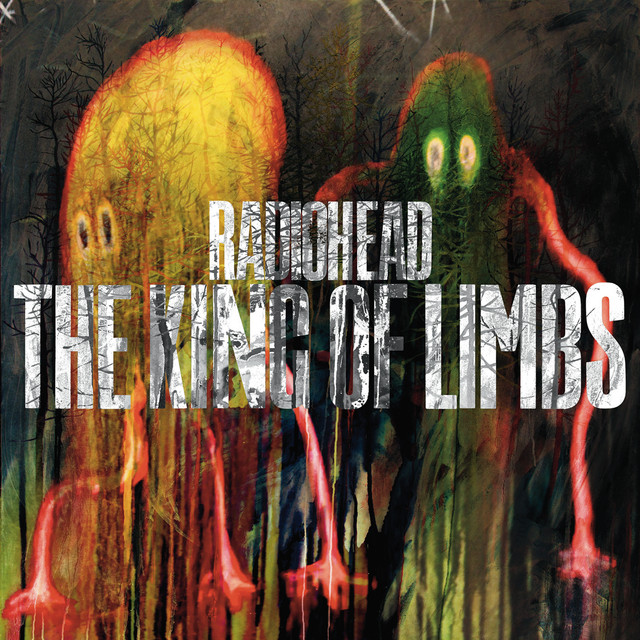
The album focuses less on grand statements than on rhythm, texture, and subtle movement. Loops, percussion, and electronic manipulation create songs that feel fluid and unstable rather than traditionally structured. Thom Yorke sounds ghostlike within the mix, letting atmosphere carry much of the emotional weight. Radiohead’s most understated record up until then.
-
 Thee Oh Sees
The album captures the band at full propulsion—motorik drumming, jagged guitars, and relentless forward momentum driving nearly every song. John Dwyer balances garage-rock chaos with sharp rhythmic control, especially on the sprawling title track. Psychedelia here feels sweaty and physical rather than dreamy or detached. It’s music built for movement and overstimulation.
-
 Wilco
WilcoThe Whole Love is the Wilco album that has something for fans of each of their eras - acoustic intimacy, noisy experiments, and expansive melodic rock. But what it gains in a crowd-pleasing diversity it sacrifices in cohesiveness. “Art of Almost” and “One Sunday Morning” show the band stretching in opposite directions but neither is among the album's most exciting songs. The best of The Whole Love lies in the handful of power-pop ravers here - "I Might", "Born Alone" and "Dawned On Me" and also on the seasick folk-pop of the title track.
-
Boston Spaceships
Let It Beard serves as the final Boston Spaceships album. Rather than sounding like a band winding down, it captures Pollard, Chris Slusarenko, and John Moen at full strength, balancing muscular rock songs with some of the most memorable melodies of the project's run. The album benefits from a sense of purpose and cohesion that many Pollard releases intentionally avoid, making it feel unusually complete. Songs like "Tourist UFO" showcase the band's knack for combining immediacy with subtle emotional weight. There's a celebratory quality running through the record, as if the group understands it has achieved something special. As a farewell, Let It Beard is both triumphant and surprisingly poignant, closing the Boston Spaceships catalog on a remarkably high note.
-
 The Roots
Undun functions as both a hip-hop album and a carefully structured narrative. The story unfolds in reverse, tracing the life of a fictional character through themes of opportunity, violence, and regret. The Roots balance live instrumentation and sharp production with remarkable precision throughout. Black Thought delivers some of the strongest performances of his career. It's one of the most ambitious concept albums in modern rap.
-
 Forest Fire
Forest Fire's music often exists somewhere between folk, noise, and dreamlike psychedelia, and Staring at the X may be their most fully realized statement. The songs feel unstable in fascinating ways, as though they might collapse or drift away at any moment. Beneath the hazy surfaces lies a strong melodic core. The album rewards listeners willing to spend time inside its strange atmosphere. A hidden gem of early-2010s indie rock.
-
 Ty Segall
Rather than pushing further into garage-rock chaos, Segall slows things down and discovers new dimensions to his songwriting. The fuzz remains, but it's paired with a surprising sense of melancholy and restraint. Songs like "My Head Explodes" reveal an artist becoming more interested in mood than pure energy. The album feels sun-bleached, reflective, and unusually vulnerable. One of Segall's most distinctive records.
-
 Disappears
Guider takes post-punk minimalism and stretches it into something hypnotic. Repetition becomes a compositional tool rather than a limitation, allowing subtle shifts to carry enormous weight. The rhythm section drives the music forward with almost mechanical precision. Yet beneath the surface lies a surprising emotional depth. It's an immersive and highly focused album.
-
 The Decemberists
After the sprawling ambition of The Hazards of Love, The Decemberists responded with their most direct and accessible record. Drawing heavily from folk-rock traditions, the songs emphasize melody, craftsmanship, and storytelling. Colin Meloy sounds relaxed and confident throughout. Tracks like "Down by the Water" and "June Hymn" rank among the band's finest work. It's a reminder that simplicity can be every bit as effective as grandiosity.
-
 Future Islands
Before mainstream recognition arrived, Future Islands made one of their most emotionally resonant albums. The synth-driven arrangements are spacious and melancholic, creating room for Samuel T. Herring's singular voice and dramatic delivery. The songs balance vulnerability and determination beautifully. The album feels deeply human despite its electronic textures. A major step toward the band's breakthrough.
-
 Tennis
Inspired by a sailing trip taken by the band's members, Cape Dory captures a sense of adventure and intimacy that few indie-pop records achieve. The melodies are bright and memorable, but there's a wistful undercurrent beneath the surface. Alaina Moore's vocals give the songs warmth and personality. The album feels handmade in the best possible way. Its charm has proven remarkably durable.
-
 Arrange
Arrange blends folk, ambient textures, and experimental songwriting into something quietly distinctive. The arrangements leave plenty of space, allowing the emotional weight of the songs to emerge gradually. Rather than demanding attention, the album invites close listening. Small details become increasingly important with repetition. It's an understated but rewarding work.
-
 Dirty Beaches
Alex Zhang Hungtai creates a world where rockabilly, ambient music, noise, and film noir imagery coexist. Badlands sounds like old American mythology viewed through a damaged transmission. The songs are sparse but loaded with atmosphere. Tracks like "Sweet 17" and "Lord Knows Best" feel haunted without becoming nostalgic. One of the most distinctive debut albums of its era.
-
 Okkervil River
Will Sheff pushes Okkervil River's sound toward something larger and more experimental while retaining his gift for narrative songwriting. The arrangements are ambitious and often surprising, incorporating unusual textures and structures. Themes of distance, identity, and artistic creation run throughout the album. It isn't as immediate as some earlier records, but it reveals more with time. One of the band's most adventurous releases.
-
 Apache Dropout
A wonderfully loose collection of psychedelic garage rock that feels both familiar and fresh. The band understands the pleasures of repetition, groove, and melody without becoming predictable. The songs are packed with energy but never feel rushed. There's an infectious sense of fun running through the entire album. It captures the joy of making noise with friends.
-
 Wye Oak
Civilian transformed Wye Oak from a promising indie-rock band into something more distinctive. Jenn Wasner's guitar work is economical but powerful, while her songwriting balances ambiguity and emotional clarity. The title track remains one of the strongest songs of the decade. The album feels both intimate and expansive at the same time. It's a remarkable achievement in atmosphere and restraint.
-
 St. Vincent
Annie Clark's songwriting became sharper, stranger, and more emotionally revealing on Strange Mercy. The guitar arrangements twist and fracture in unexpected ways, creating constant tension beneath the melodies. Songs like "Cruel" and "Surgeon" combine technical precision with genuine feeling. The album is adventurous without becoming inaccessible. It's one of the defining art-rock records of the 2010s.
-
 The Mountain Goats
John Darnielle fills these songs with damaged characters, spiritual searching, and stubborn resilience. The move toward fuller arrangements enhances rather than obscures the songwriting. Tracks like "Cry for Judas" and "Estate Sale Sign" showcase his gift for transforming specific details into universal emotions. The album feels lived-in and deeply humane. One of the strongest entries in an exceptional catalog.
-
 Kurt Vile
This is the album where Kurt Vile's laid-back persona fully clicked into place. The songs drift and wander, but they always seem to arrive exactly where they need to. Beneath the relaxed surface lies remarkable attention to melody and texture. Vile's observations feel casual yet strangely profound. It's a record that rewards surrender rather than analysis.



Do you like albums?
Want to make a list?
It’s free & easy &
the Whale is nice!
Learn more