-
Vampire Weekend
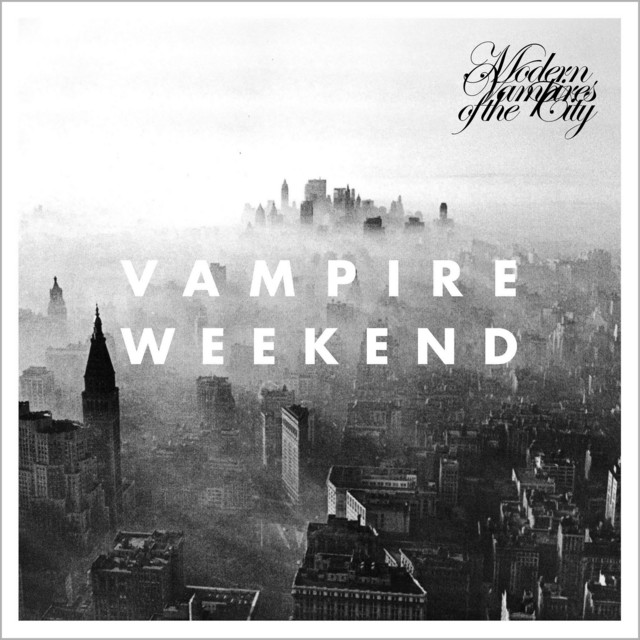
The band’s bright, hyper-literate indie pop grows darker and more existential here without losing its melodic agility. Ezra Koenig writes about aging, faith, doubt, and time with a mix of irony and vulnerability. Songs like “Hannah Hunt” and “Ya Hey” stretch the band’s sound into stranger emotional territory while keeping the arrangements remarkably precise. The album captures the uneasy realization that intelligence alone cannot protect you from mortality or uncertainty.
-
The National
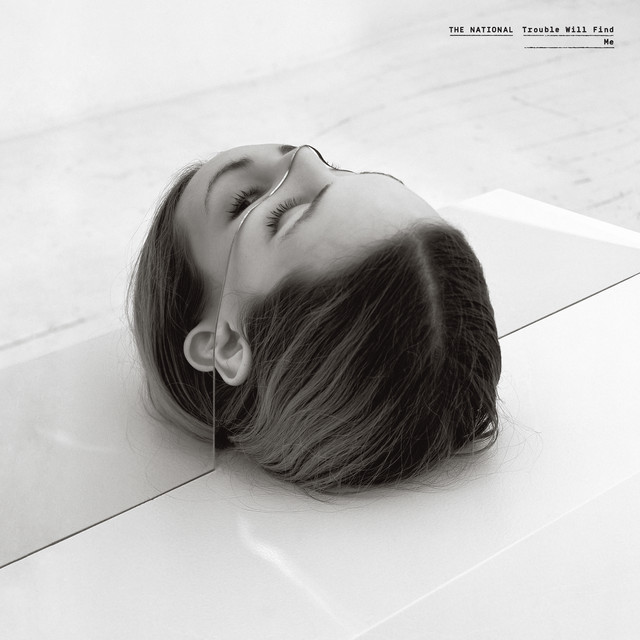
The album sounds emotionally exhausted in a deeply convincing way. Matt Berninger sings about anxiety, domestic tension, and emotional disconnection with enough dry humor to keep the sadness from becoming static. The arrangements remain elegant and carefully layered, but there’s more vulnerability showing through the cracks than on earlier records. Songs like “Pink Rabbits” and “Graceless” understand adulthood as a state of ongoing psychological negotiation.
-
 Deafheaven
Sunbather combines monolithic black metal with the radiance of shoegaze without softening its intensity. Tremolo-picked guitars and blast beats surge forward endlessly while shimmering melodies and post-rock expansiveness create moments of overwhelming emotional release. George Clarke screams with real desperation, making the beauty feel hard-won rather than decorative. It’s music about longing that refuses to stay emotionally contained.
-
 Bill Callahan
Dream River is Bill Callahan’s most sensual and atmospheric album, built from slow-moving rhythms and arrangements that seem to float rather than simply accompany the songs. Callahan writes in deceptively simple lines that gradually open into meditations on nature, intimacy, masculinity, and aging. His baritone has rarely sounded warmer. There’s a hypnotic quality to the record, with songs unfolding patiently instead of chasing conventional climaxes. Beneath its calm surface is a deep awareness of aging and impermanence. The result is a quietly addictive album that you inhabit more than listen to.
-
 Frog Eyes
 -
 my bloody valentine
The album somehow sounds both completely continuous with the band’s earlier work and strangely futuristic. Kevin Shields manipulates texture, rhythm, and pitch so fluidly that the songs seem to liquefy while you’re hearing them. Tracks like “Only Tomorrow” and “Wonder 2” turn distortion into physical sensation rather than mere noise. The record’s greatness comes from how alive and exploratory it feels after so many years of expectation.
-
 Yo La Tengo
The album feels reflective without becoming nostalgic or static. Ira Kaplan, Georgia Hubley, and James McNew move effortlessly between hushed folk-pop, noise experimentation, and gentle groove-based songs because the band’s chemistry is so intuitive by this point. Tracks like “Ohm” and “Before We Run” carry quiet emotional wisdom without announcing themselves as profound. It’s mature music in the best sense: curious, patient, and emotionally open.
-
 Protomartyr
The LP already contains the band’s essential tension: sharp intellectual writing colliding with grimy, physical post-punk force. Joe Casey sounds simultaneously detached and desperate, as though observing social collapse from inside it. The guitars slash and stumble rather than glide cleanly. Even this early, the band understood how humor and despair can intensify each other.
-
 Phosphorescent
The album drifts through late-night loneliness and fragile optimism with remarkable warmth. Matthew Houck blends folk, country, and soft electronic textures into songs that feel blurry around the edges, like memories surfacing slowly. “Song for Zula” and “Ride On / Right On” stretch emotional vulnerability into something expansive rather than confessional. The record feels tired, but still reaching toward connection.
-
 Burial
The music feels battered but compassionate, full of ghostly vocal fragments, submerged rhythms, and sudden bursts of warmth pushing through the darkness. Burial transforms UK garage and ambient textures into emotional environments rather than club tracks. The title piece slowly builds toward something almost redemptive without losing the loneliness surrounding it. It’s electronic music that feels deeply human in its fragility.
-
 Waxahatchee
The lo-fi recording gives the songs incredible immediacy—every strained vocal and guitar buzz feels emotionally exposed. Katie Crutchfield writes about damaged relationships and personal confusion with blunt honesty that never sounds performative. Tracks like “Swan Dive” and “Peace and Quiet” hit hard because they resist tidy emotional framing. The album captures vulnerability before it has been organized into narrative.
-
 Earl Sweatshirt
The production feels murky and inward-looking, perfectly suited to Earl Sweatshirt’s dense, emotionally withdrawn writing. His verses move through depression, alienation, family tension, and self-consciousness with technical brilliance that never sounds flashy for its own sake. Even the guest-heavy tracks feel psychologically isolated. The album’s power comes from how uncomfortable and unresolved it allows itself to remain.
-
 Iceage
The band pushes beyond straightforward hardcore into something darker, more melodic, and emotionally volatile. Elias Bender Rønnenfelt sounds romantic, furious, and self-destructive all at once while the music surges unpredictably beneath him. Strings and gothic textures begin creeping into the arrangements without softening the physical aggression. The album feels genuinely dangerous in its emotional instability.
-
 Deerhunter
The record deliberately strips away some of the dreaminess associated with Deerhunter in favor of something harsher and more emotionally ragged. Bradford Cox channels breakup grief and self-loathing into blown-out garage rock, fraught nerves, and sudden moments of tenderness. Songs often sound like they’re barely holding together structurally or psychologically. That instability gives Monomania its intensity.
-
 The Men
The band broadens its punk roots into sprawling rock songs filled with acoustic passages, country influences, and ragged emotional openness. Tracks like “Freaky” and “Electric” feel restless, constantly searching for momentum and release. The Men sound less interested in stylistic coherence than in emotional immediacy. The album’s roughness makes it feel alive.
-
Robert Pollard
One of the most overlooked records from Pollard's reunion-era hot streak, Honey Locust Honky Tonk feels like a collection of songs that couldn't quite fit anywhere else—and that's part of its charm. The album leans into Pollard's eccentric side, mixing crunchy guitar rock, off-kilter melodies, and cryptic lyrical imagery with little concern for commercial logic. Unlike some of his more sprawling solo efforts, the songs here are concise and surprisingly focused. Todd Tobias' production gives the record a warm, slightly hazy quality that suits the material well. The album may lack a signature anthem, but its consistency and personality make it one of the stronger deep cuts in Pollard's massive catalog. It's the kind of record longtime fans return to and wonder why it isn't discussed more often.
-
 The Flaming Lips
After years of colorful maximalism, The Flaming Lips made one of the darkest records of their career. The Terror is built from repetition, drones, and slowly shifting textures that create a sense of emotional isolation. Songs like "Look...The Sun Is Rising" feel less like pop songs than psychological environments. Wayne Coyne's lyrics confront despair without offering easy comfort. It's a difficult album at times, but one of the boldest artistic risks the band ever took.
-
 Oneohtrix Point Never
The album assembles synthetic textures that feel simultaneously corporate, spiritual, uncanny, and strangely emotional. Daniel Lopatin manipulates MIDI instrumentation and abrupt structural shifts in ways that constantly destabilize expectation. The music often feels suspended between parody and sincerity without settling fully into either. It captures digital-age alienation through texture rather than narrative.
-
 The Stevens
The album turns minimalist post-punk repetition into something playful and twitchy rather than austere. The guitars jab and circle around wiry basslines while the vocals deliver fragmented observations with deadpan humor. B Boys sound fascinated by rhythm and tension more than traditional songwriting payoff. Its coolness comes from nervous momentum and understated weirdness.
-
 Jason Isbell
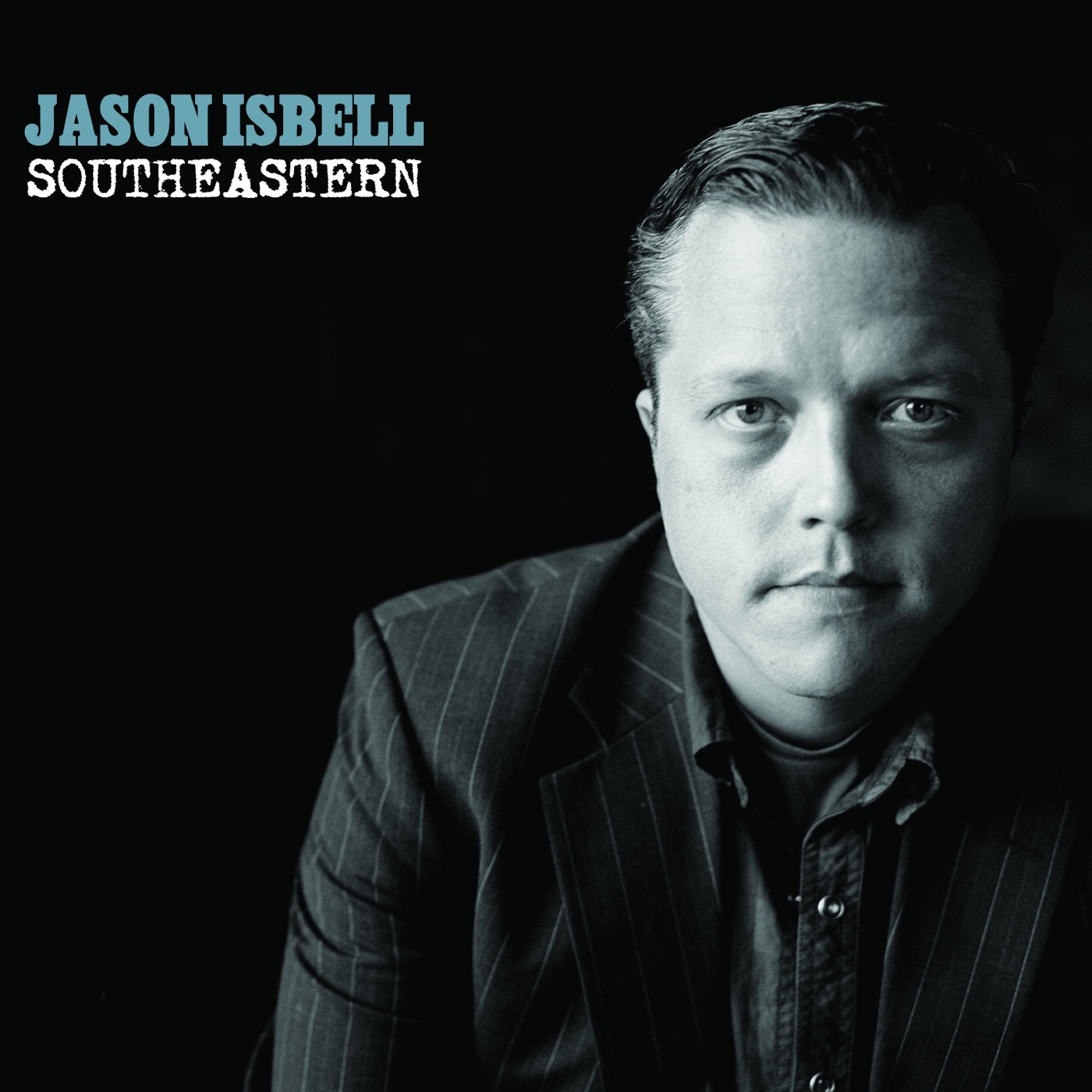
The album approaches addiction, regret, and recovery with unusual clarity and restraint. Jason Isbell writes in vivid narrative detail without turning suffering into mythology or self-pity. Songs like “Cover Me Up” and “Elephant” hit hard because they remain grounded in ordinary human interaction and vulnerability. It’s country-rock songwriting built on emotional precision rather than grand gestures.
-
 Volcano Choir
The album balances abstraction and emotional directness beautifully. Justin Vernon’s layered vocals rise through expansive arrangements that combine post-rock dynamics with folk intimacy and electronic texture. Songs like “Byegone” feel enormous without losing their sense of human vulnerability. The record’s emotional power comes from how fully the band commits to atmosphere and movement.
-
 Califone
The album sounds handmade from scraps—folk instruments, tape hiss, electronic fragments, and strange rhythmic loops all stitched together into something deeply atmospheric. Tim Rutili writes impressionistically, letting mood and texture carry as much meaning as narrative. The songs feel worn down but strangely resilient. It’s experimental folk music that values emotional weather over clarity.
-
Guided By Voices
Rather than relying on nostalgia, the band sounds fully re-engaged on English Little League, with Pollard, Tobin Sprout, Mitch Mitchell, Greg Demos, and Kevin Fennell functioning as a genuine creative unit. The songwriting is unusually patient by GBV standards, allowing songs like "The Quiet Game" and "Biographer Seahorse" room to develop and surprise the listener. There's a reflective quality running through the album that distinguishes it from the more frantic energy of Class Clown Spots a UFO and The Bears for Lunch. The melodies are plentiful, but what makes the record special is its sense of atmosphere and emotional depth. It stands as one of the finest late-career Guided by Voices albums and a fitting farewell to that particular incarnation of the band.
-
 Run The Jewels, El-P, Killer Mike
 -
 Nick Cave & The Bad Seeds



Do you like albums?
Want to make a list?
It’s free & easy &
the Whale is nice!
Learn more