2015
-
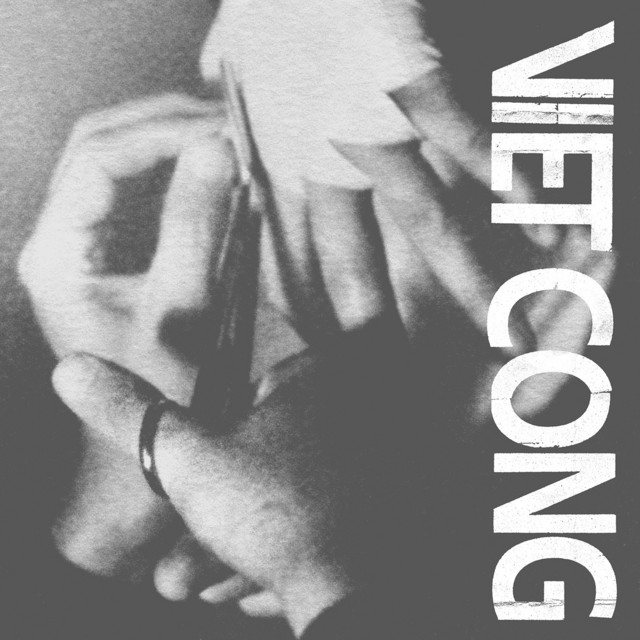
 Protomartyr
The album turns post-punk tension into something existential rather than merely stylish. Joe Casey delivers lines with dry detachment that somehow makes the despair underneath more cutting, especially on “Why Does It Shake?” and “Dope Cloud.” The guitars slash and churn without ever fully exploding into release. It sounds like trying to maintain dignity while watching institutions, relationships, and identities erode around you.
-
 Kendrick Lamar
The album feels alive in every direction at once—jazz improvisation, funk grooves, spoken-word passages, G-funk, noise, and dense conceptual writing all colliding constantly. Kendrick Lamar examines fame, exploitation, survivor’s guilt, Black identity, and self-hatred without simplifying any of them into clean moral lessons. Songs like “u” and “How Much a Dollar Cost” are emotionally devastating because they sound psychologically cornered rather than rhetorically triumphant. It’s a huge record intellectually, but its power comes from how personal the confusion and contradiction feel.
-
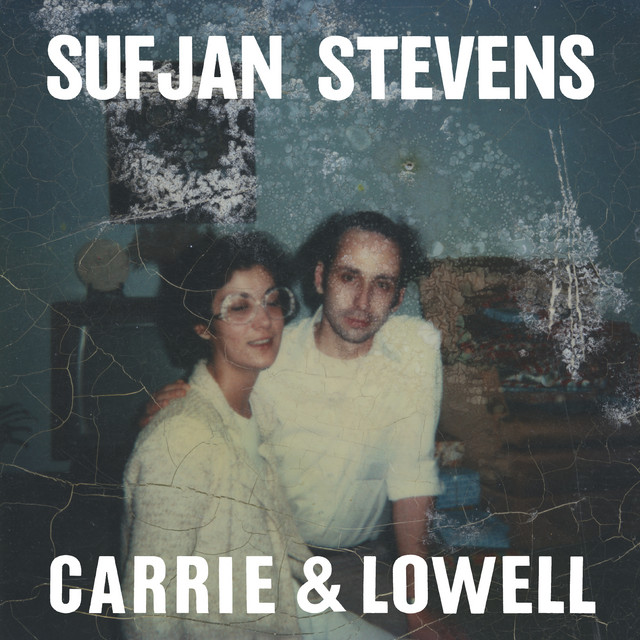
Sufjan Stevens
The arrangements are so sparse that every whispered line feels exposed. Sufjan Stevens writes about grief, childhood abandonment, memory, and guilt with painful specificity, resisting poetic distance whenever possible. Songs like “Fourth of July” and “Should Have Known Better” move gently even while carrying enormous emotional weight. The album understands that mourning often happens quietly and repetitively rather than dramatically.
-
 Waxahatchee
The fuzzed-out guitars and casual delivery initially sound relaxed, but there’s real emotional uncertainty running underneath the whole record. Katie Crutchfield writes about drifting relationships, self-doubt, and emotional exhaustion in ways that feel conversational rather than theatrical. The hooks arrive almost accidentally, woven naturally into the looseness of the band’s playing. It’s Crutchfield's most challenging and playful record as Waxahatchee.
-
Preoccupations
The band stretches post-punk into long, anxious structures that feel physically immersive. Songs like “March of Progress” and “Death” build tension patiently through repetition, metallic textures, and relentless drumming. Even at its coldest, the music feels emotionally panicked underneath the surface precision. The album captures dread not as spectacle, but as atmosphere.
-
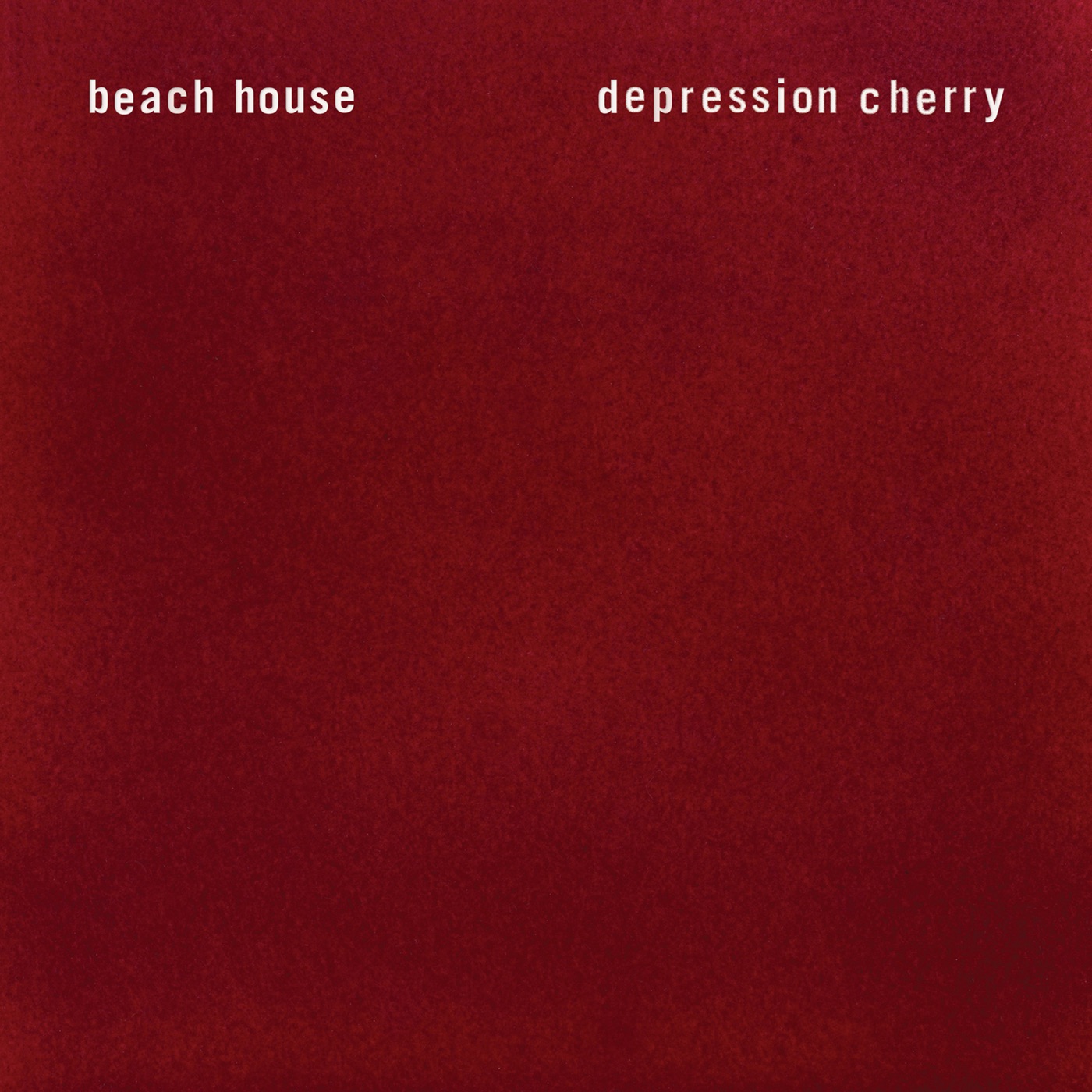 Beach House
The softness of the album is what gives it emotional force. Victoria Legrand and Alex Scally strip back some of the grandness of earlier records in favor of intimacy and repetition. “Space Song” and “PPP” drift slowly enough that tiny melodic shifts start to feel enormous. It’s dream-pop that understands fragility as strength rather than weakness. "Levitation" is perhaps the most exact song title in their catalog - everything about it feels like it is rising up into the air triumphantly.
-
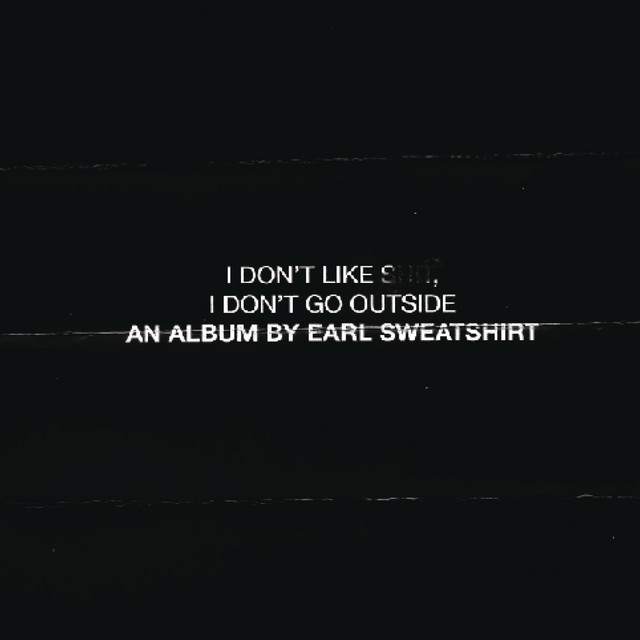
The beats feel claustrophobic and half-finished, perfectly matching Earl Sweatshirt’s withdrawn, exhausted delivery. His writing compresses depression, paranoia, grief, and self-loathing into dense internal rhymes that often sound more muttered than performed. The album’s short runtime adds to its feeling of isolation and emotional compression. It’s rap music that refuses spectacle almost entirely in favor of introversion.
-
 Wilco
WilcoAfter 3 consecutive Wilco albums that sounded how the world thought Wilco albums should sound, Star Wars flipped the script. The band sounds liberated by how casually the album arrived. Noise experiments, loose rock songs, pop melodies, and abstract fragments all coexist without much concern for polish or cohesion. Jeff Tweedy seems less interested in statement-making than in following instinct wherever it leads. That looseness gives the record a charm and spontaneity that the previous few LPs lacked.
-
 Low
LowThe distorted production and blown-out low end give the album a strange physical heaviness despite its slow tempos. Alan Sparhawk and Mimi Parker sing with calm precision while noise and digital abrasion churn underneath them. The tension between serenity and collapse becomes the album’s emotional center. It sounds spiritually exhausted but still searching for grace.
-
 Father John Misty
The album balances cynicism and sincerity far more carefully than its reputation sometimes suggests. Josh Tillman skewers modern loneliness, consumer culture, and his own ego while simultaneously writing some genuinely tender love songs. The lush arrangements give the record a cinematic sweep that contrasts beautifully with the self-consciousness in the lyrics. It’s funny, but the humor mostly functions as emotional camouflage.
-
 Deafheaven
The album pushes the band’s black-metal foundations into darker, more physically punishing territory without losing their melodic instincts. Blast beats and screamed vocals collide with shimmering guitar passages that feel strangely beautiful amid all the aggression. George Clarke sounds genuinely desperate rather than theatrically tortured. The record captures urban alienation as something overwhelming and inescapable.
-
 Thee Oh Sees
The guitars churn constantly, but the grooves underneath are what make the album addictive. John Dwyer balances garage-rock chaos with surprising rhythmic precision, especially on tracks like “Web” and “Sticky Hulks.” Psychedelia here feels physical and propulsive rather than dreamy. The album sounds like a band discovering new momentum in real time.
-
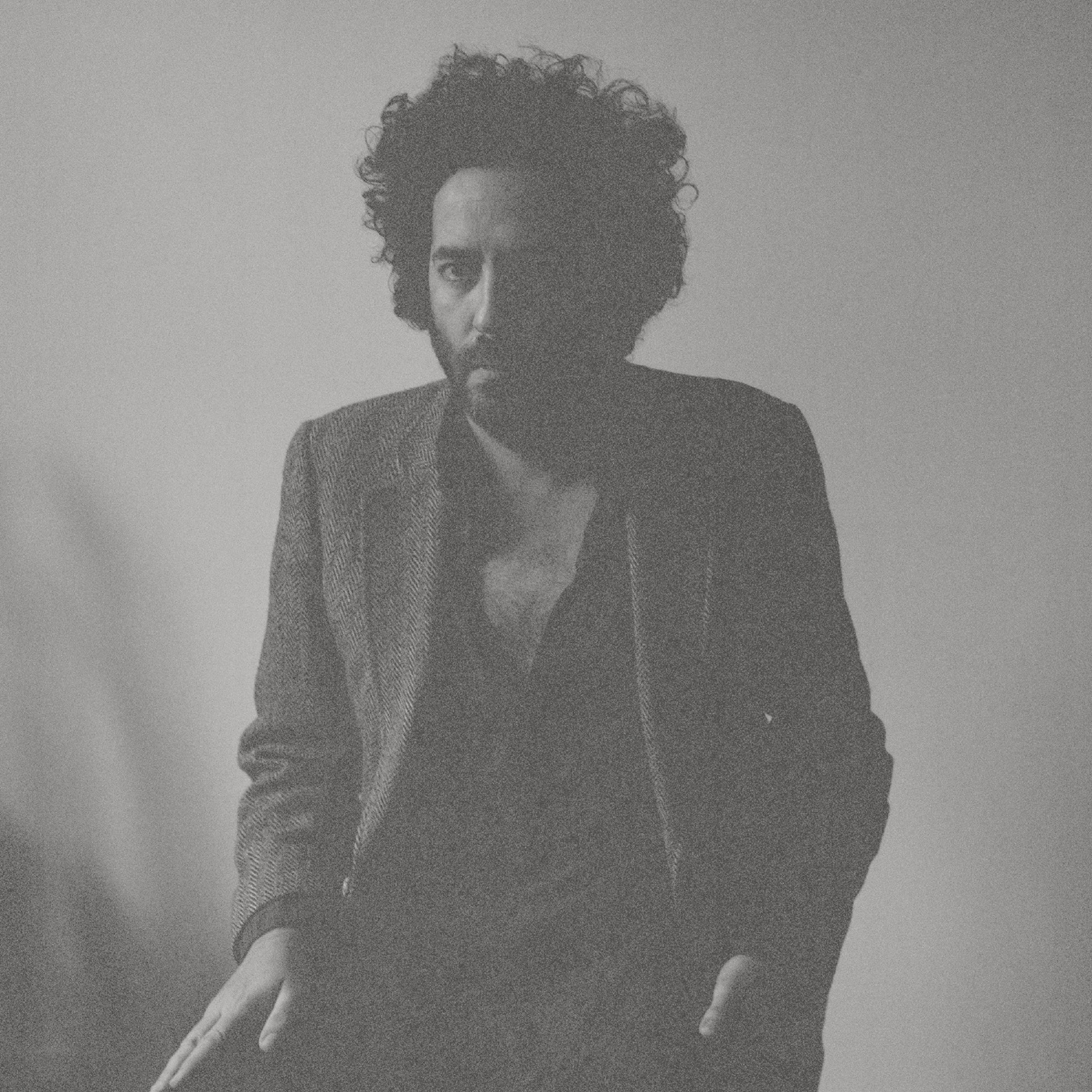 Destroyer
Dan Bejar leans fully into theatricality here, but the emotional core of the album remains surprisingly vulnerable. Big-band flourishes, strings, and lounge-pop textures create a glamorous surface that constantly threatens to crack apart. Songs drift through memory, aging, and romantic failure with detached elegance. It’s decadent music haunted by collapse.
-
 Vince Staples
The production is cold and spacious, leaving Vince Staples’ sharp, unsentimental writing fully exposed. Rather than glamorizing violence or trauma, the album treats them as ordinary environmental conditions shaping everyday behavior. Tracks like “Norf Norf” and “Señorita” feel tense even when the beats remain minimal. It’s one of the clearest portraits of systemic numbness in modern rap.
-
 Twerps
The album sounds deceptively casual, but the songwriting is incredibly precise about uncertainty, distance, and emotional hesitation. Twerps plays jangly indie rock with loose warmth, letting the songs wander naturally instead of forcing dramatic climaxes or sharp hooks. Tracks like “Back to You” and “Simple Feelings” capture the strange emotional drift of adulthood—the feeling of wanting connection while continually pulling away from it. The record’s works because of how unforced it feels, like conversations and private thoughts slowly turning into melodies.
-
 Courtney Barnett
Courtney Barnett writes with observational detail so sharp that mundane situations start revealing deeper existential anxiety underneath. The deadpan humor and conversational phrasing make songs like “Pedestrian at Best” and “Depreston” feel spontaneous even when the construction is incredibly precise. The band’s relaxed guitar rock keeps everything grounded and unpretentious. It’s an album about overthinking that never sounds trapped inside its own cleverness.
-
 Deerhunter
The album feels lighter and more melodic than much of the band’s earlier work, but there’s still fragility underneath the brightness. Bradford Cox writes about mortality and recovery with unusual gentleness following his serious car accident before the album’s release. Songs shimmer rather than explode, allowing emotional subtlety to carry the weight. It’s one of Deerhunter’s warmest records without ever becoming complacent.
-
 Salad Boys
The guitars are bright and melodic, but there’s exhaustion and self-doubt humming underneath nearly every song. Salad Boys channels classic Flying Nun-style indie rock without sounding trapped by revivalism, balancing catchy hooks with emotional weariness and awkward humor. Songs feel loose in structure but emotionally exact, full of little melodic turns that quietly linger after they end. The album captures the feeling of trying to stay emotionally functional while everyday life slowly grinds away at your confidence.
-
 Roadside Graves
The album takes scrappy indie-folk foundations and fills them with strange textures, anxious energy, and emotionally frayed songwriting. Roadside Graves sounds constantly on the verge of coming apart, which gives even the quieter moments a nervous momentum. The arrangements are rough-edged but deeply atmospheric, balancing warmth with a sense of unease and isolation. It’s the kind of overlooked record that feels less like a polished statement than a document of people trying to hold themselves together.
-
 Hop Along
Frances Quinlan sings like every line is arriving slightly faster than it can fully be controlled, which gives the songs incredible urgency. The band balances tangled indie-rock arrangements with melodies that remain emotionally immediate and memorable. Tracks like “The Knock” and “Powerful Man” capture anxiety, empathy, and social discomfort with unusual specificity. The album feels chaotic, but never careless.
-
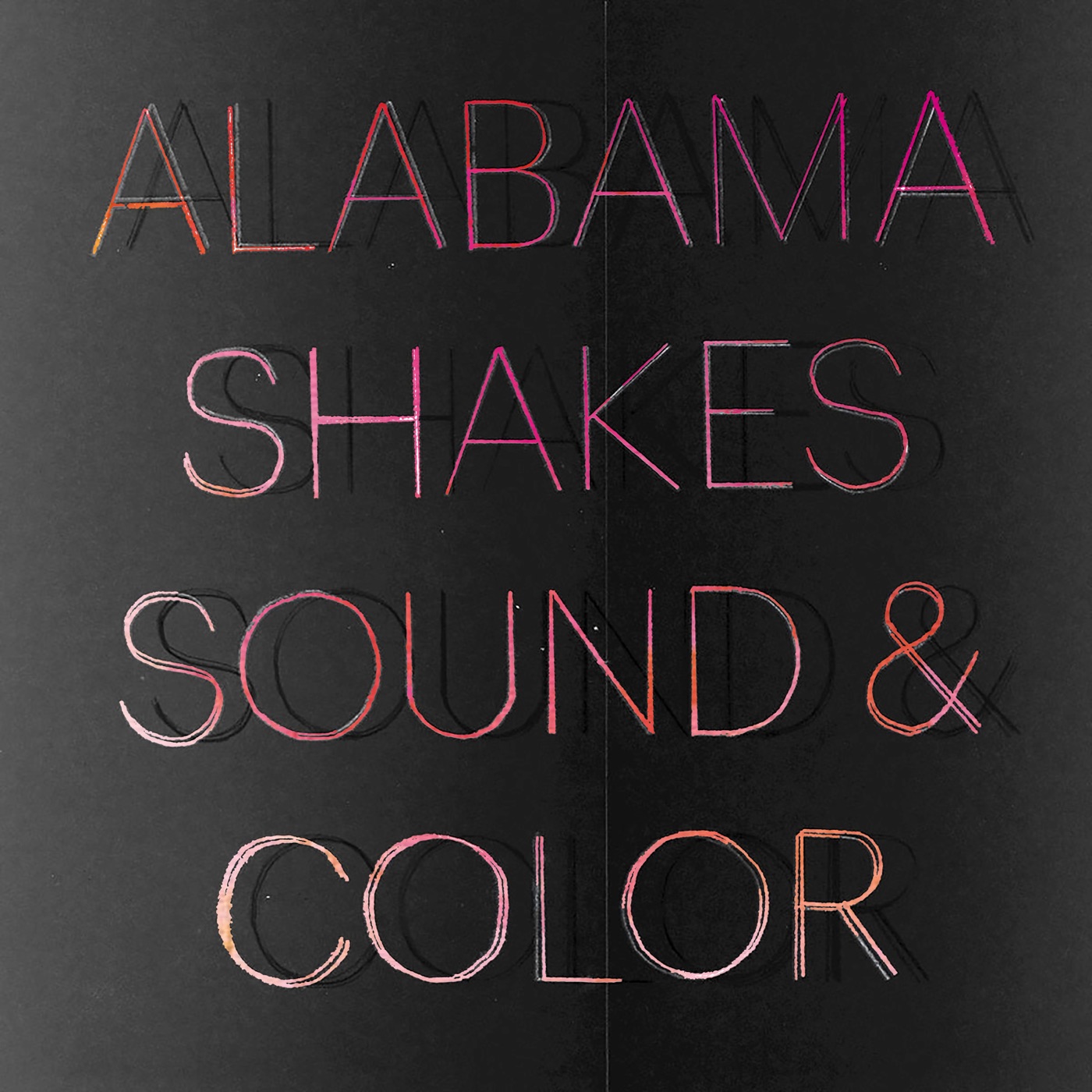 Alabama Shakes
The band expands outward confidently, blending soul, psychedelic textures, rock, and R&B into something richer and stranger than their debut suggested. Brittany Howard’s voice remains the emotional center—powerful enough to dominate the arrangements while still carrying vulnerability and uncertainty. Songs like “Don’t Wanna Fight” and “Gimme All Your Love” feel emotionally huge without becoming overblown. The album’s ambition feels earned because the performances stay grounded.
-
 Sleater-Kinney
The reunion works because the band sounds hungry rather than nostalgic. Carrie Brownstein and Corin Tucker still push against each other rhythmically and emotionally in ways that make the songs feel alive and unstable. The production is cleaner than their early records, but the tension and urgency remain intact. It’s a rock record driven by conviction rather than revivalism.
-
 Oneohtrix Point Never
The album captures adolescent alienation through sensory overload—metal riffs, digital glitches, synthetic pop fragments, and ambient drift all colliding unpredictably. Daniel Lopatin treats internet-age identity as something fragmented and constantly mutating. The music often feels intentionally uncomfortable, but there’s surprising emotional vulnerability underneath the chaos. It’s experimental electronic music that still understands emotional confusion at a human level.
-
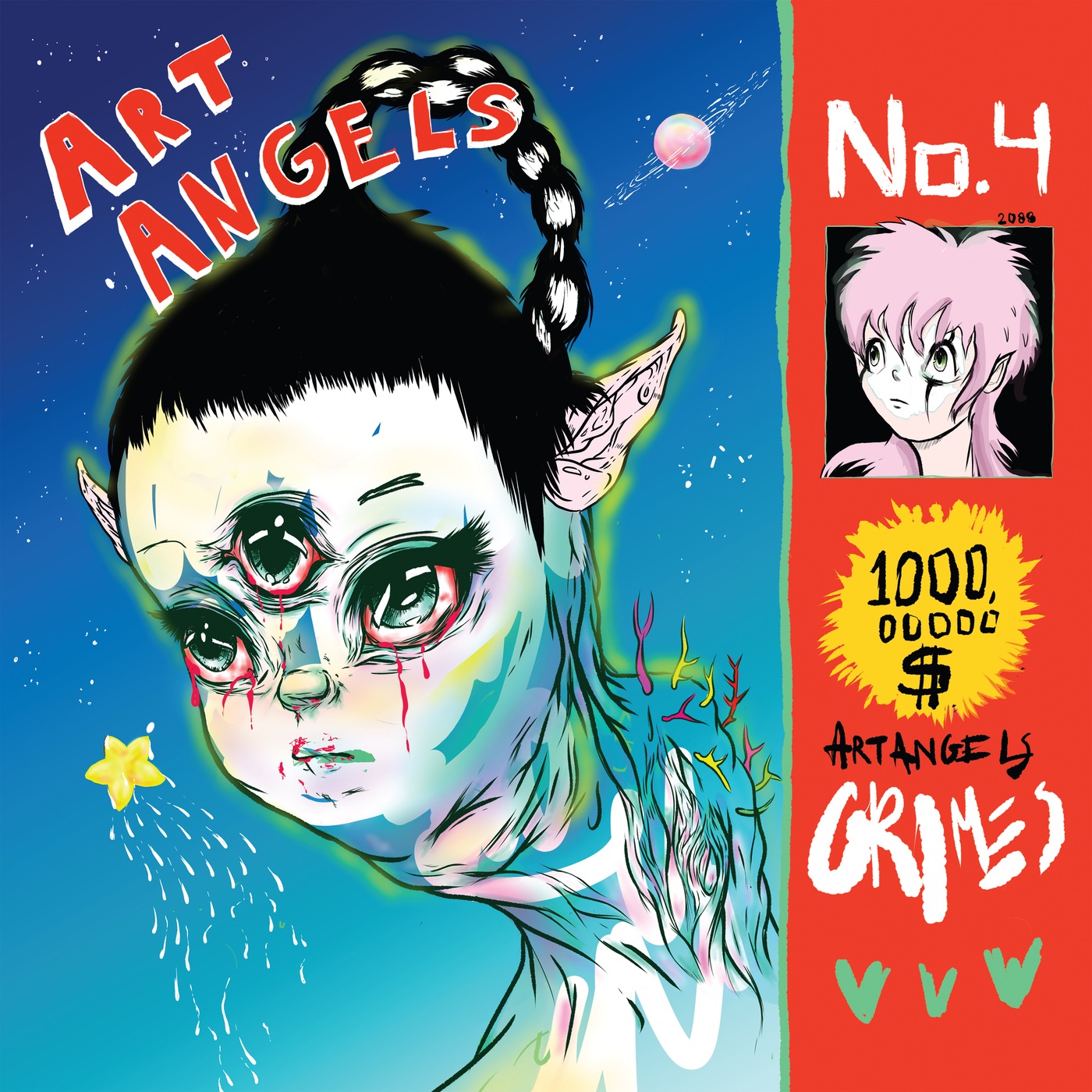 Grimes
The album turns maximalist pop production into something playful, hyperactive, and deeply personal. Grimes jumps between bubblegum melodies, industrial noise, anime energy, and emotional vulnerability without sounding fragmented. Every song seems overloaded with ideas, yet the hooks remain incredibly sharp. It’s pop music that treats excess itself as creative freedom.
-
 The Tallest Man On Earth
The fuller arrangements mark a real emotional shift for Kristian Matsson, whose earlier work often relied on solitary intensity. Here, pianos, drums, and layered instrumentation give the songs a wider emotional horizon without diluting his writing. Tracks like “Sagres” and “Darkness of the Dream” wrestle with loneliness and personal change in ways that feel mature rather than self-mythologizing. The album sounds like someone cautiously reentering the world after isolation.
-
 Young Fathers
 -
 Titus Andronicus
 -
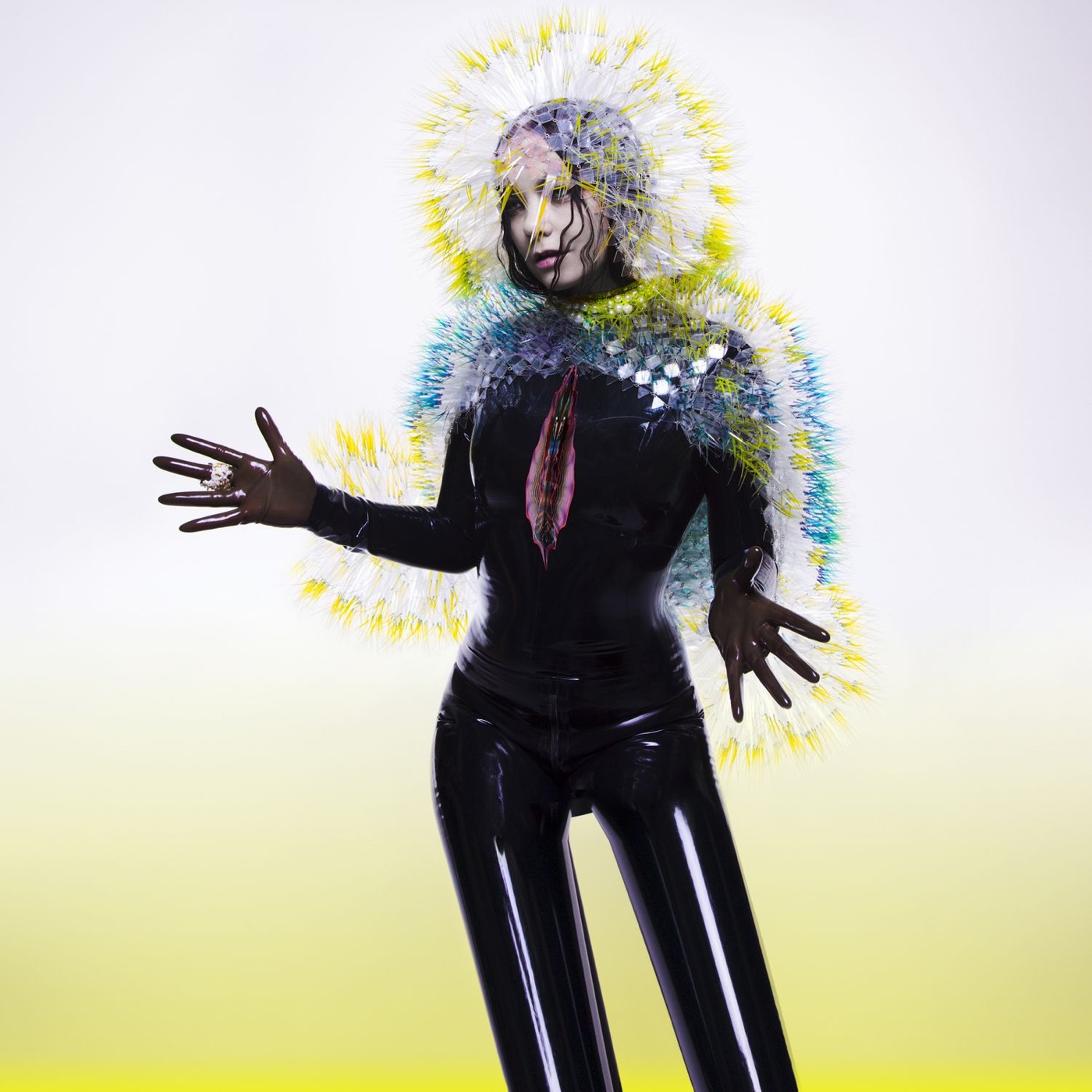 Björk
Björk

Do you like albums?
Want to make a list?
It’s free & easy &
the Whale is nice!
Learn more