2021
-
Fiddlehead
Fiddlehead channel grief, anxiety, and adulthood into songs that feel explosive without losing emotional clarity. Patrick Flynn’s lyrics are direct and deeply personal, but the band’s huge melodic hooks keep the album from collapsing inward emotionally. “Heart to Heart” and “The Years” balance hardcore urgency with almost Springsteen-like emotional openness. The guitars hit hard while the record treats emotional survival as something difficult and communal.
-
 Low
LowHEY WHAT transforms distortion into emotional atmosphere rather than simple aggression. BJ Burton’s blown-out production fractures the songs constantly, but Alan Sparhawk and Mimi Parker’s harmonies remain startlingly human inside the digital wreckage. Tracks like “Days Like These” and “White Horses” feel simultaneously comforting and apocalyptic. The album pushes experimental production techniques toward spiritual and emotional ends instead of novelty. There’s immense beauty buried inside the noise. Few late-career records by any band feel this adventurous or necessary.
-
Ka raps in a near-whisper throughout the album, forcing listeners to lean into every line and image. His writing is extraordinarily compressed — spiritual reflection, street history, grief, and moral conflict condensed into deceptively simple couplets. The production remains skeletal and shadowy, creating space rather than spectacle. Songs unfold slowly, rewarding patience and repeated listening more than immediate impact. The album treats survival and sacrifice with unusual seriousness and humility. It’s one of the most quietly devastating hip-hop records of the decade.
-
Cassandra Jenkins
This album turns observation itself into emotional narrative. Jenkins builds songs out of conversations, ambient details, saxophone textures, and calm spoken reflections that gradually reveal grief and healing underneath their surface. “Hard Drive” is the centerpiece — a remarkably gentle song about continuing to live inside overwhelming uncertainty. The arrangements feel airy and open without drifting into vagueness. The album’s emotional intelligence comes from its patience and attention to ordinary moments. It quietly became one of the defining introspective records of the early 2020s.
-
Boldy James, The Alchemist
Boldy James raps with such calm precision that the violence and paranoia in his lyrics become even more unsettling. The Alchemist’s production is dense with dusty soul fragments, eerie loops, and understated rhythmic movement that perfectly matches Boldy’s delivery. Tracks like “Brickmile to Montana” and “Illegal Search & Seizure” feel immersive without needing dramatic hooks or obvious climaxes. The album’s pacing is one of its greatest strengths — slow, hypnotic, and deeply confident. Boldy rarely raises his voice, but every detail lands heavily. It’s one of the sharpest examples of modern minimalist street rap.
-
Dinosaur Jr.
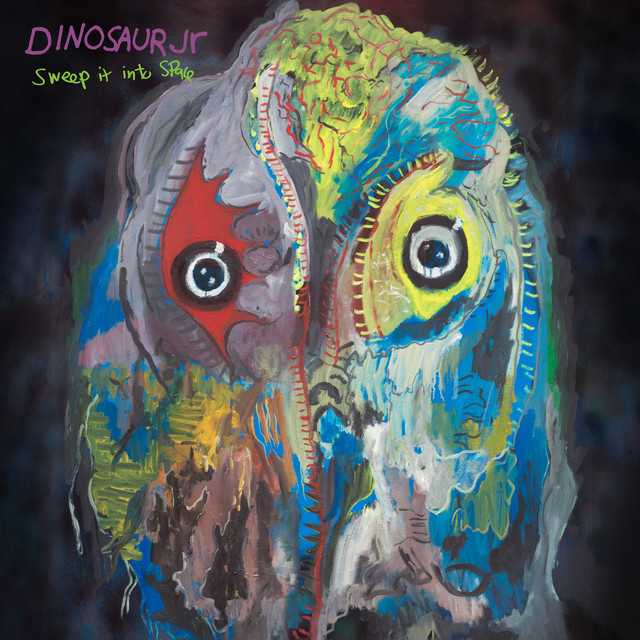
Decades into their career, Dinosaur Jr. still understand the emotional force of loud guitars and aching melodies better than almost anyone. J Mascis fills the album with massive solos and hooks that sound effortless rather than nostalgic. “I Ain’t” and “Garden” capture the band’s gift for making emotional uncertainty feel exhilarating. The trio’s chemistry remains loose and physical in a way many veteran bands lose. The record doesn’t attempt reinvention, but it hardly needs to. It’s another reminder that Dinosaur Jr.’s sound still feels emotionally immediate.
-
Armand Hammer, The Alchemist
Haram feels claustrophobic, paranoid, funny, and politically furious all at once. The Alchemist’s production is grimy and disorienting, full of warped samples and unsettling atmosphere that matches billy woods and ELUCID perfectly. The writing is dense with historical references, surreal imagery, and sharp political observation without ever turning didactic. Songs often feel like fragmented nightmares assembled from contemporary collapse. The album refuses easy interpretation or comfort. It’s one of the most uncompromising and intellectually rich rap records of its era.
-
 Dijon
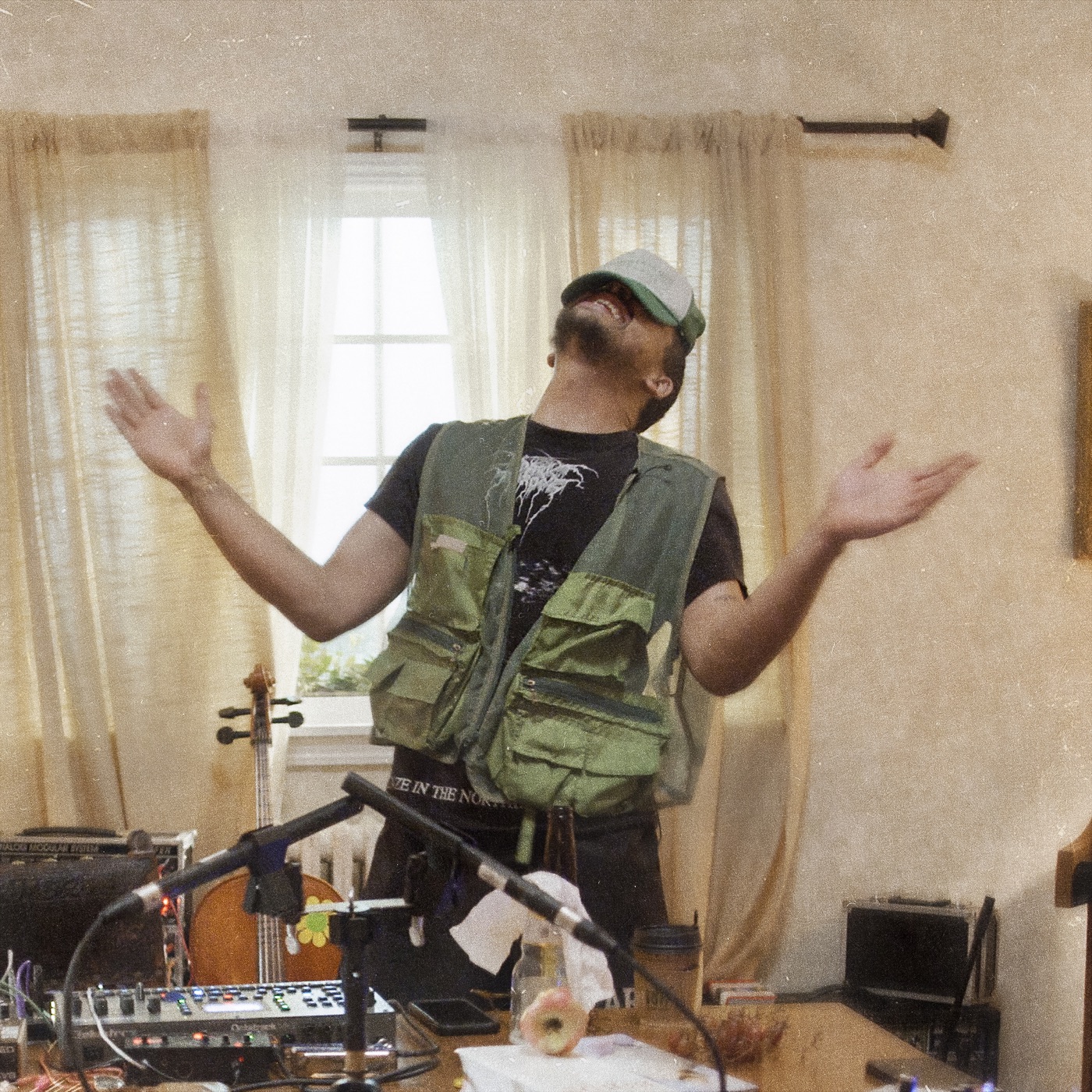
DijonAbsolutely sounds unfinished in ways that become emotionally essential to the album’s power. Dijon blends indie rock, R&B, folk, gospel, and lo-fi recording textures into songs that feel immediate and emotionally exposed. “Many Times” and “The Dress” capture intimacy without smoothing out awkwardness or uncertainty. The performances often sound on the verge of falling apart, which gives the album unusual vulnerability. Rather than polish emotions into clarity, Dijon leaves confusion and contradiction intact. The result feels startlingly human.
-
Guided By Voices
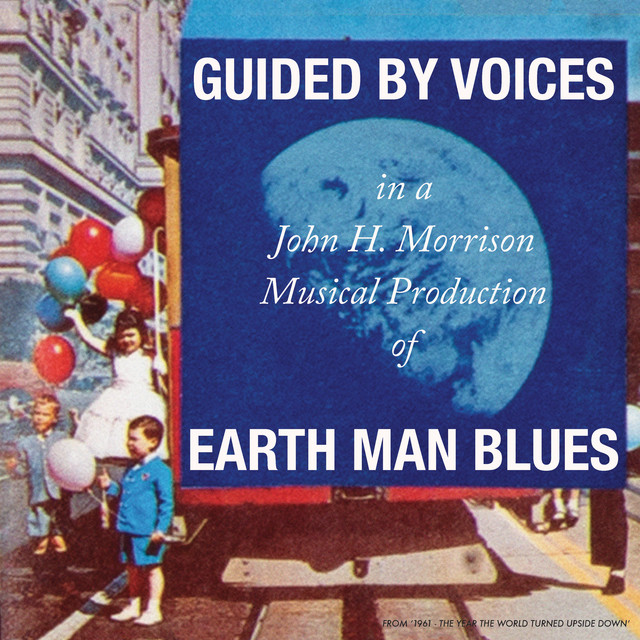
A surprisingly cohesive album built largely from older, previously unfinished material. Rather than feeling archival, the songs sound revitalized and purposeful. Pollard's gift for melody is on full display throughout. The album has an almost nostalgic atmosphere without becoming self-conscious. "The Disconnected Citizen" and "How Can A Plumb Be Perfected" sport some of Pollard's most satisfying melodies of the modern era.
-
Tyler, The Creator
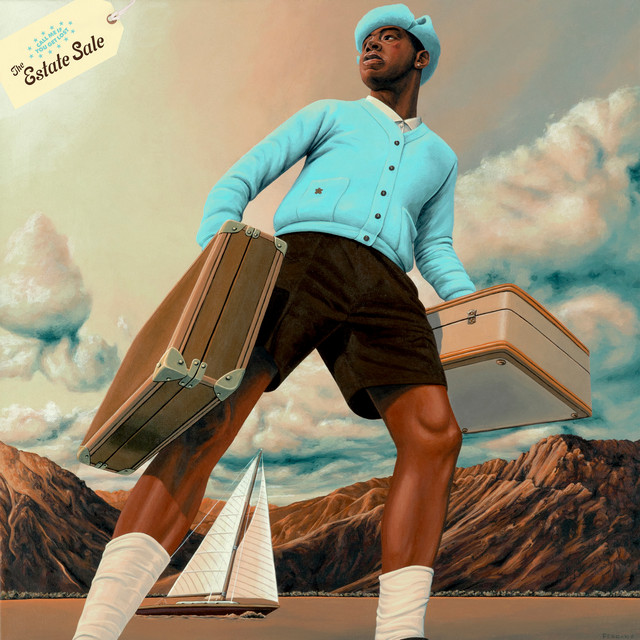
Tyler combines luxury-rap swagger with emotional insecurity and technical ambition throughout the album. DJ Drama’s mixtape-style narration gives the record momentum and looseness, allowing Tyler to move fluidly between braggadocio, heartbreak, and introspection. “Wilshire” and “MASSA” reveal some of his sharpest writing, while tracks like “HOT WIND BLOWS” show his gift for lush, adventurous production. The album feels expansive without becoming unfocused. Tyler sounds completely comfortable moving between rap traditions and his own eccentric instincts. It’s one of his most replayable and structurally confident releases.
-
Floating Points, Pharoah Sanders
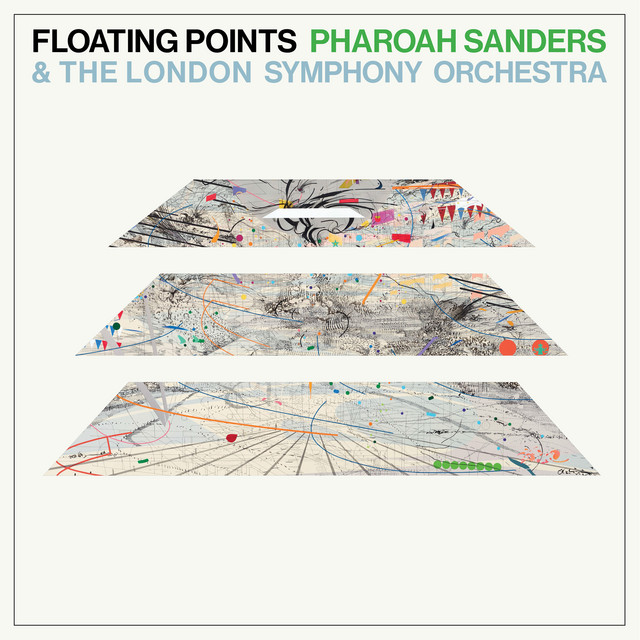
Promises unfolds through repetition and gradual transformation, allowing tiny shifts in texture and harmony to become emotionally enormous. Floating Points and the London Symphony Orchestra create a calm, cyclical framework around Pharoah Sanders’ extraordinary late-career saxophone performance. Sanders plays with immense fragility and warmth, sounding reflective without losing spiritual force. The album moves slowly but never statically; each repetition subtly alters the emotional atmosphere. It feels meditative without becoming background music. Few collaborative records achieve this level of patience and emotional coherence.
-
Jazmine Sullivan
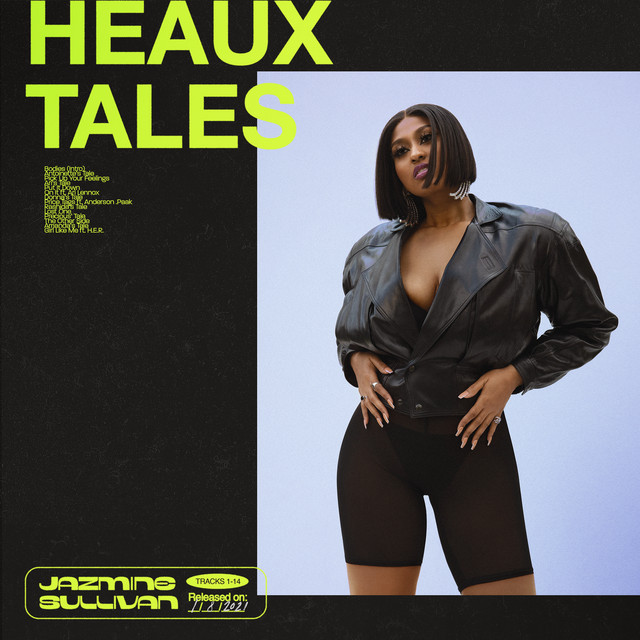
Jazmine Sullivan builds the album around stories of desire, insecurity, survival, and self-worth, using spoken interludes to widen its emotional perspective. Her vocals are astonishing throughout — technically incredible, but always emotionally precise rather than showy. Songs like “Pick Up Your Feelings” and “Lost One” balance vulnerability and anger beautifully. The production draws from contemporary R&B without flattening the individuality of the songwriting. The album treats women’s experiences with complexity instead of moral simplification. It feels emotionally generous and sharply observed at the same time.
-
 Sons Of Kemet
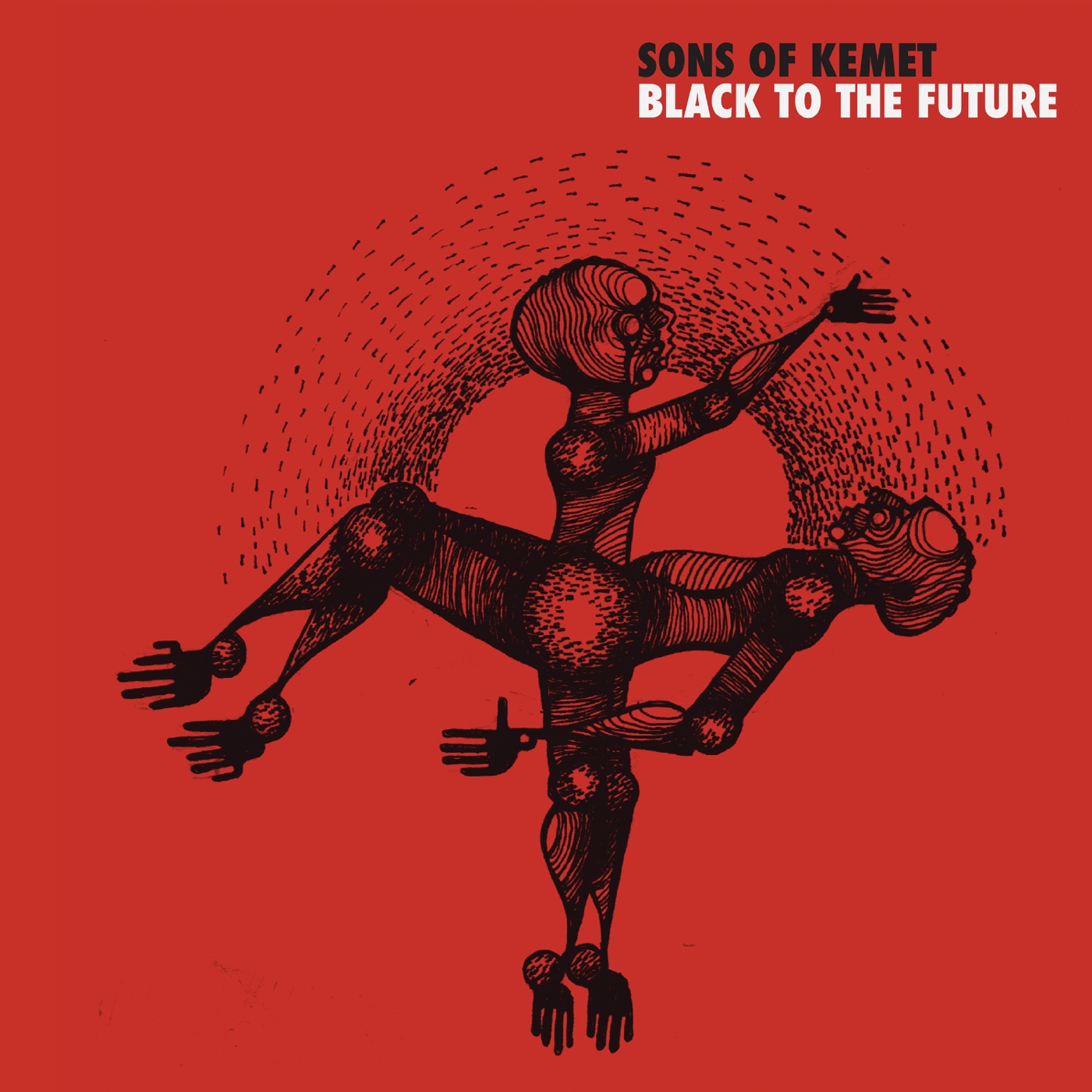
The album channels political urgency through rhythm above all else. Tuba, drums, saxophone, spoken word, grime, and Afro-Caribbean musical traditions collide into something physical and confrontational. Tracks like “Field Negus” and “Hustle” feel less like compositions than collective calls to movement and resistance. Shabaka Hutchings’ saxophone lines cut sharply through the dense percussion. The record treats jazz as living political music rather than institutional heritage. It’s one of the most rhythmically exciting albums of the decade.
-
Damien Jurado
-
SPIRIT OF THE BEEHIVE
-
The Weather Station
-
Guided By Voices
One of the sharpest and most energetic recent GBV albums. The songwriting is unusually focused, with fewer throwaways than many Pollard projects. The band sounds confident and fully locked in. Several songs rank among the finest of his 2020s output. It's proof that the creative engine remains remarkably productive.
-
Iceage
-
Dry Cleaning
-
The War On Drugs
The War on Drugs continue refining their huge, open-road sound into something emotionally detailed rather than merely atmospheric. Adam Granduciel layers synths, guitars, and drum textures carefully, creating songs that feel constantly in motion. “Harmonia’s Dream” and the title track balance melancholy and momentum beautifully. The album draws heavily from classic heartland rock and 1980s production aesthetics, but the emotional tone feels contemporary and deeply personal. Its scale never overwhelms the songwriting underneath. The record turns longing into something strangely expansive and comforting.





Do you like albums?
Want to make a list?
It’s free & easy &
the Whale is nice!
Learn more