-
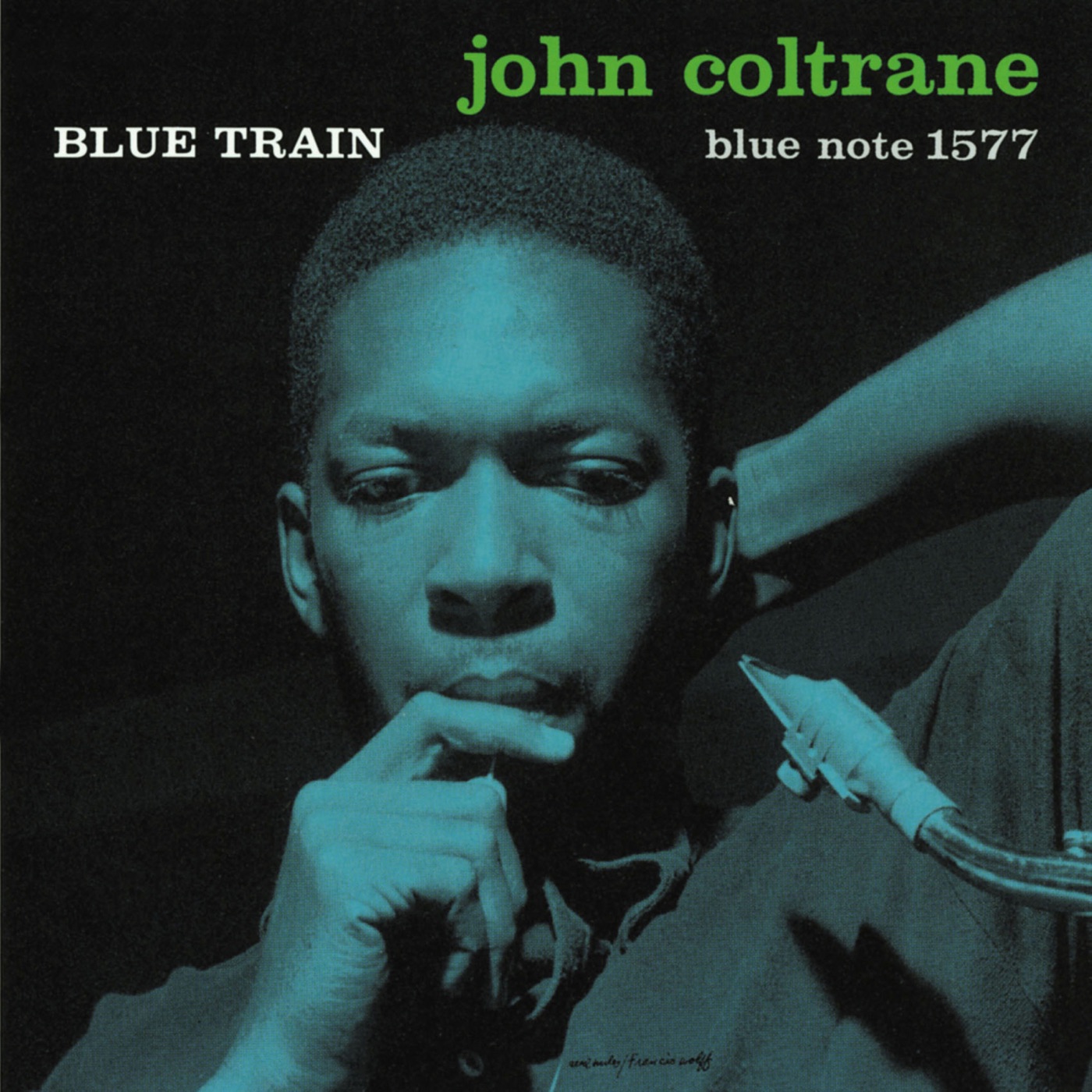 John Coltrane
Coltrane's lone Blue Note album is one of the great hard-bop statements, but it also feels like a glimpse of the future. The title track balances sophisticated harmony with enormous emotional force, while "Moment's Notice" remains a benchmark for jazz improvisers. Lee Morgan and Curtis Fuller provide a powerful front line, yet Coltrane's searching intensity dominates the session. Unlike the spiritual explorations to come, this is Coltrane working within established forms and stretching them toward their limits. The result is both accessible and endlessly rewarding.
-
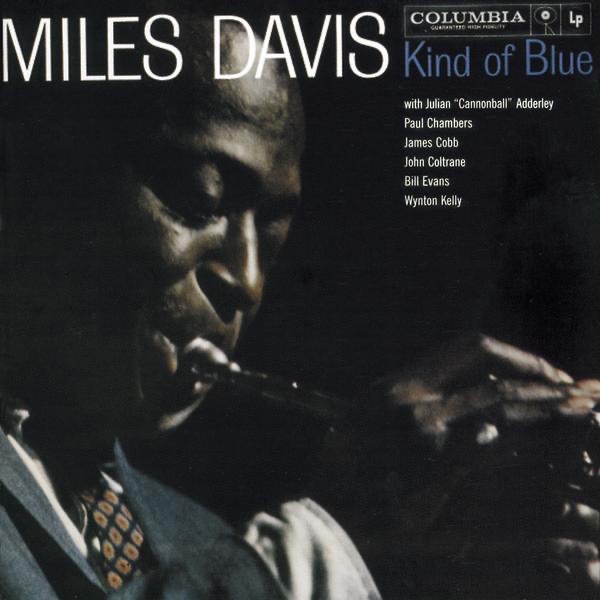 Miles Davis
No jazz album has become more universally beloved, and few deserve it more. By simplifying harmonic structures and emphasizing modal improvisation, Miles Davis opened vast new possibilities for jazz. Every player contributes something essential, from Coltrane's searching solos to Bill Evans' impressionistic piano. The music feels spacious, conversational, and remarkably free despite its elegance. Nearly seventy years later, it still sounds fresh rather than historical.
-
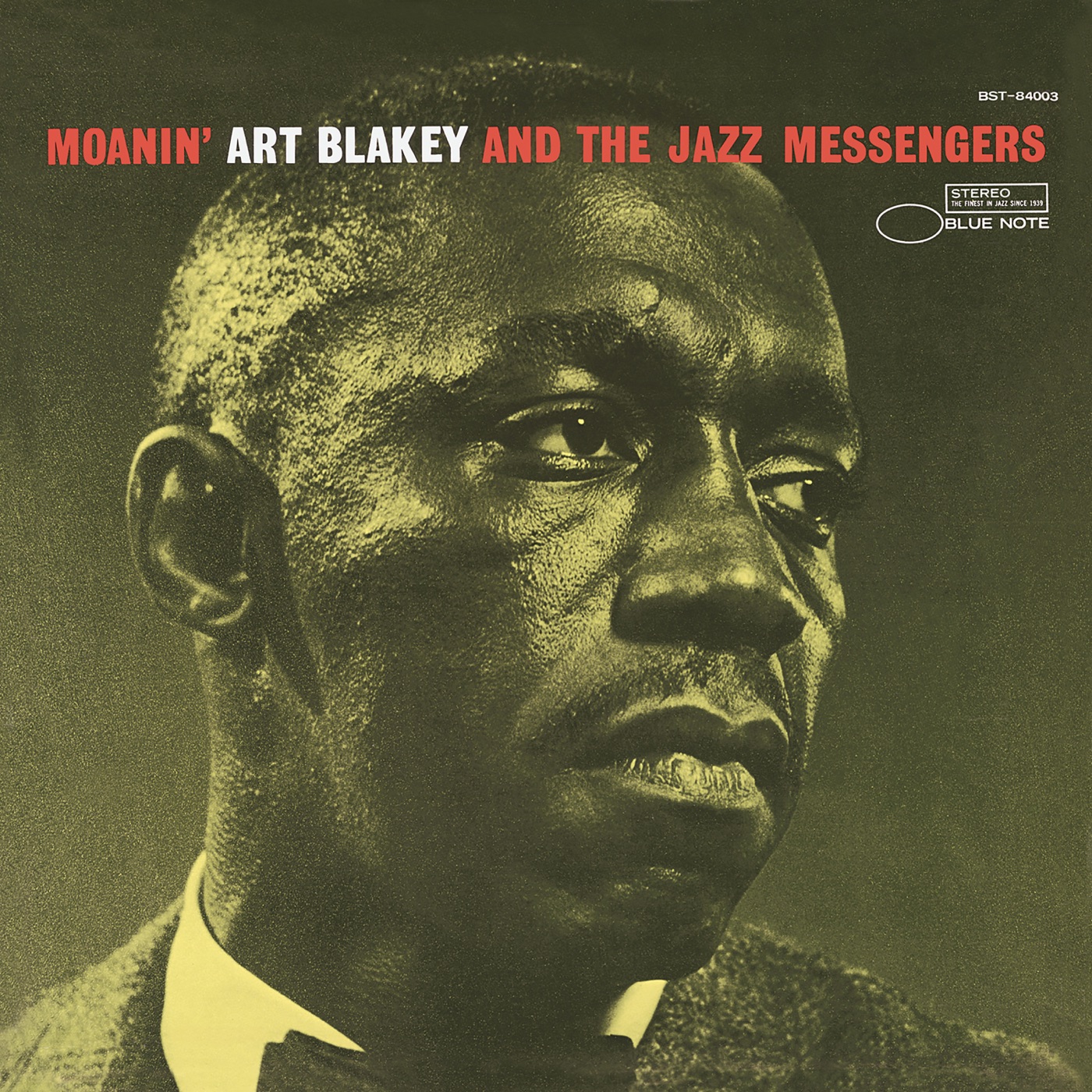 Art Blakey & The Jazz Messengers
If hard bop has a defining album, this is probably it. Benny Golson's compositions combine gospel feeling, blues roots, and jazz sophistication without ever sounding forced. Lee Morgan's youthful swagger contrasts beautifully with Golson's compositional maturity. Blakey drives the music with relentless energy while never overwhelming the band. Every track feels purposeful and memorable. It's one of Blue Note's foundational recordings.
-
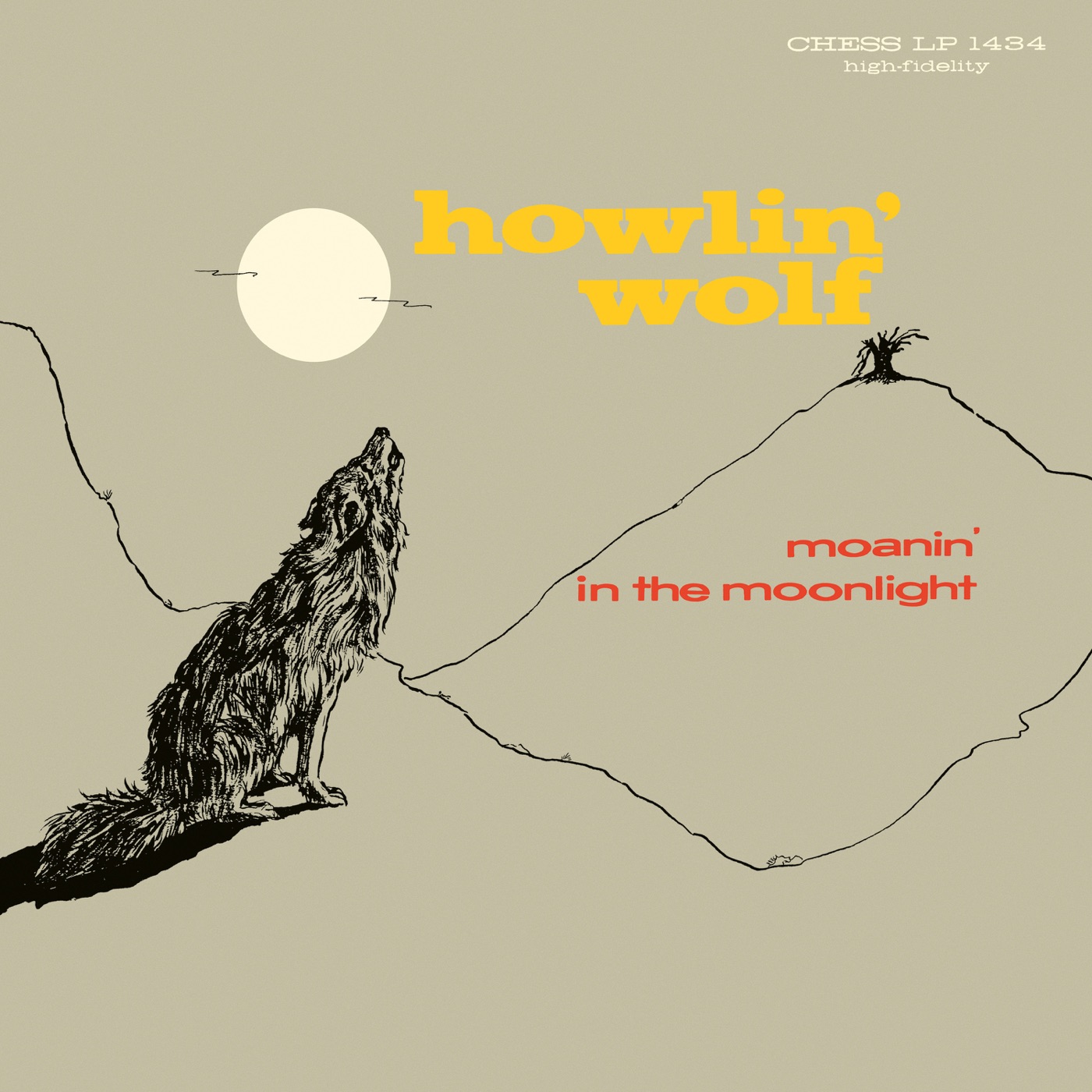 Howlin' Wolf
Few blues records project this much personality. Howlin' Wolf's voice sounds less like singing than a force of nature, capable of menace, humor, and vulnerability within a single phrase. Songs like "Smokestack Lightning" and "Evil" helped define Chicago blues for generations of musicians. The performances are raw but remarkably precise. Wolf turns every song into a complete world. Rock music would spend decades trying to capture this level of intensity.
-
 Chuck Berry
Though released much later, it remains the best single overview of Berry's extraordinary 1950s output. Nearly every foundational rock-and-roll idea appears somewhere in these songs. His guitar playing, storytelling, and sense of rhythm still feel modern. Tracks like "Johnny B. Goode," "Maybellene," and "Roll Over Beethoven" helped invent the vocabulary of rock music. Few artists have influenced so many people so directly.
-
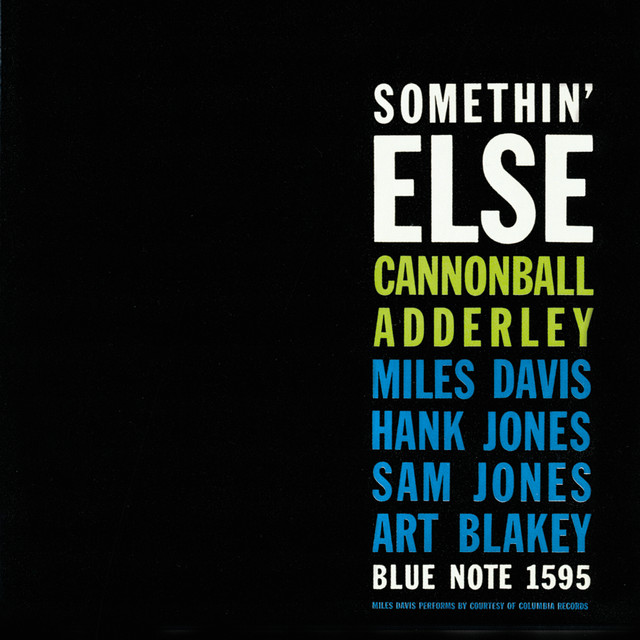
Cannonball Adderley
Nominally a Cannonball Adderley record, but in many ways one of Miles Davis's finest sideman appearances. The relaxed atmosphere allows every musician room to breathe. "Autumn Leaves" remains one of the greatest jazz performances ever recorded. Hank Jones and Art Blakey provide impeccable support throughout. The album achieves a rare balance between sophistication and warmth.
-
 Miles Davis
Often overshadowed by Kind of Blue, but historically just as important. The title track helped establish modal jazz before Miles fully embraced it. The sextet featuring Coltrane and Cannonball Adderley sounds simultaneously disciplined and adventurous. Every solo feels like a conversation rather than a display of technique. The album captures jazz at a moment of rapid transformation.
-
 Donald Byrd
Byrd's first Blue Note masterpiece combines hard-bop excitement with a growing interest in more adventurous forms. Duke Pearson's compositional contributions are crucial to the album's success. Byrd's trumpet playing is confident and melodic without becoming predictable. The music swings hard while constantly hinting at new directions. It's one of the strongest trumpet-led sessions of the era.
-
 Sonny Rollins
Rollins turns improvisation into storytelling on a level few jazz musicians have ever matched. "St. Thomas" remains one of the most recognizable themes in jazz, but the album's real achievement lies in the depth of Rollins's improvisational thinking. Every solo unfolds logically while remaining full of surprises. Max Roach's drumming provides perfect support. The title is not an exaggeration.
-
 Donald Byrd
One of Byrd's most purely enjoyable hard-bop records. Pepper Adams adds weight and character to the front line, while Byrd sounds increasingly confident as a leader. The arrangements are tight without feeling restrictive. Every tune has a clear identity. The album showcases Byrd before his more experimental impulses fully emerged.
-
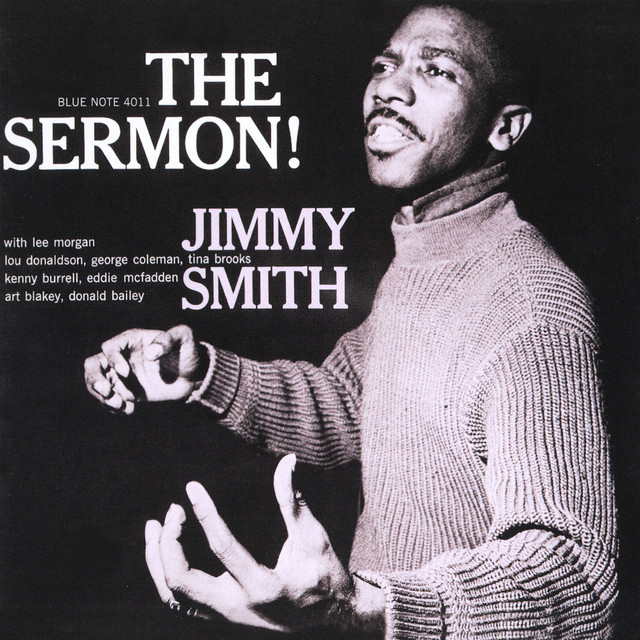
Jimmy Smith
Built around a legendary twenty-minute title track, The Sermon! demonstrates why Jimmy Smith revolutionized jazz organ. His playing combines blues feeling, gospel roots, and remarkable technical sophistication. The extended format allows the musicians to build momentum gradually and naturally. Lee Morgan and Tina Brooks contribute memorable solos. The groove never weakens for a moment.
-
 Charles Mingus
One of the great achievements in American music. Mingus blends gospel, blues, swing, bebop, and avant-garde ideas into something uniquely his own. "Goodbye Pork Pie Hat" and "Better Get It in Your Soul" alone would justify its reputation. The ensemble playing is astonishingly precise despite its apparent looseness. Few albums feel so personal and expansive at the same time.
-
 Lee Morgan
Morgan was barely out of his teens, yet he already sounded like a fully formed major voice. Supported by Pepper Adams and Bobby Timmons, he delivers some of the strongest playing of his early career. The title perfectly captures the atmosphere: this record cooks from beginning to end. Morgan's confidence is infectious. Hard bop rarely sounds this joyful.
-

A fascinating meeting between Rollins and members of the emerging hard-bop generation. The presence of J.J. Johnson, Horace Silver, and Thelonious Monk gives the album unusual variety. Rollins adapts effortlessly to every setting. His improvisations remain endlessly inventive. It's one of the strongest entries in the Blue Note catalog.
-
 Lou Donaldson
Donaldson's blues-based approach gives this session a welcoming, unpretentious feel. The grooves are deep, but the musicianship remains sophisticated throughout. His alto playing combines warmth, swing, and melodic clarity. The album bridges hard bop and soul jazz beautifully. It's one of his most satisfying early records.
-
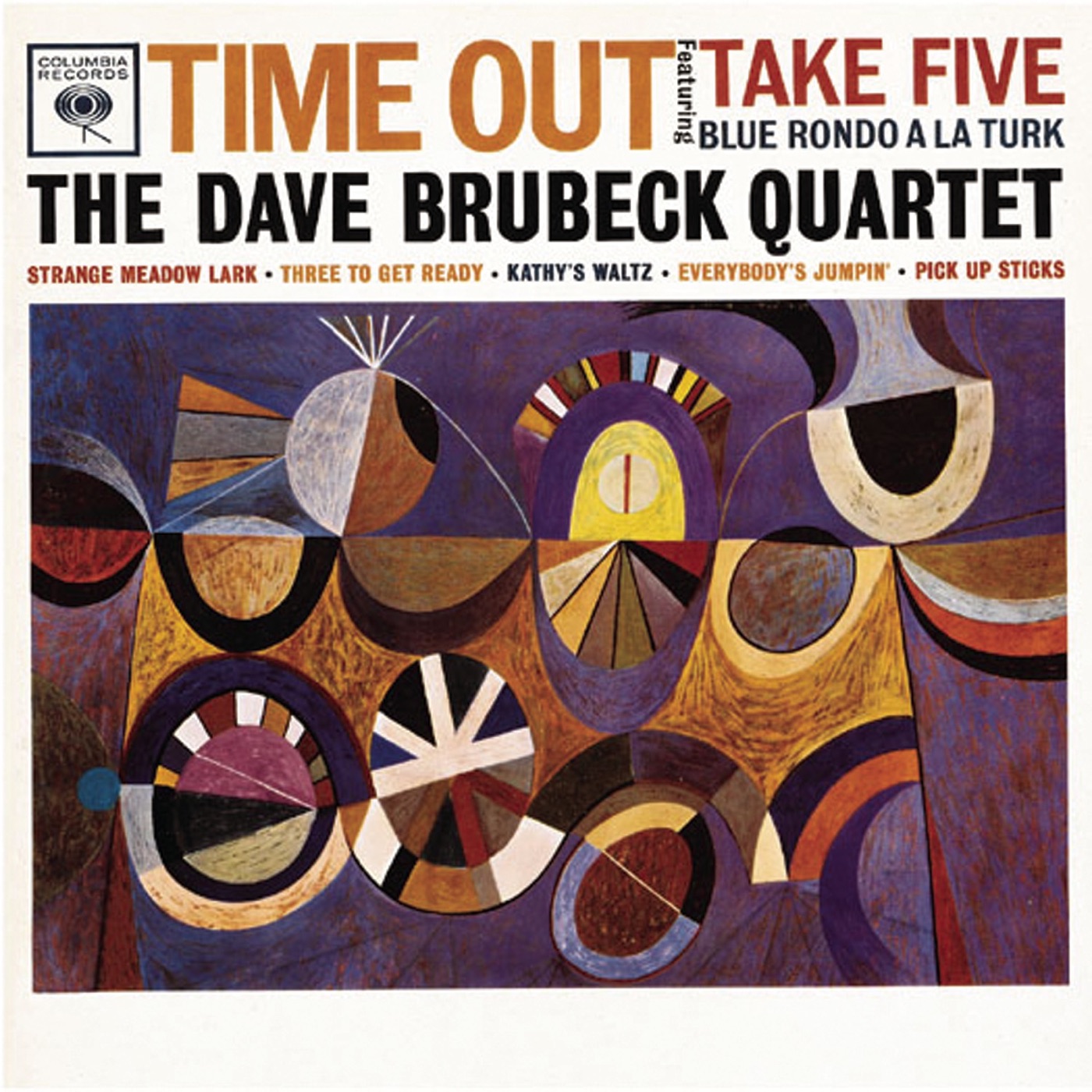 The Dave Brubeck Quartet
Brubeck's fascination with unusual time signatures could have resulted in a dry experiment. Instead, Time Out remains one of the most enjoyable jazz albums ever made. Paul Desmond's lyrical alto playing is central to its appeal. "Take Five" became a hit because it feels natural rather than academic. The album expanded jazz's audience without compromising its integrity.
-
 Horace Silver Quintet
Silver's gift for memorable melodies and infectious grooves is on full display here. The tunes are concise, focused, and immediately engaging. Blue Mitchell and Junior Cook make ideal collaborators. The music draws equally from gospel, blues, and bebop traditions. Few pianists wrote harder-swinging material than Silver.
-
 Ray Charles
This album demonstrates how comfortably Charles could move beyond R&B without losing his identity. The orchestral arrangements add sophistication while preserving the emotional directness of his singing. His interpretations feel completely personal regardless of the material. Every performance radiates confidence and intelligence. Charles was becoming one of America's most versatile artists.
-
T-Bone Walker
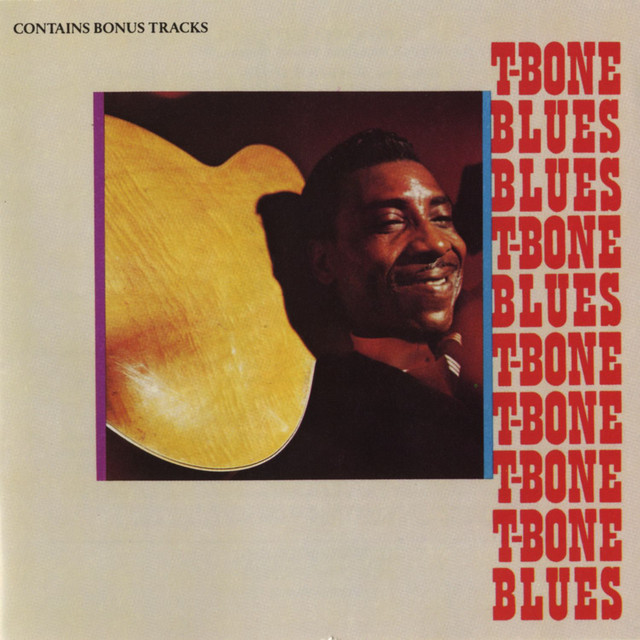
Walker helped invent the language of electric blues guitar, and this album serves as a reminder of his elegance and influence. His phrasing remains remarkably modern. The performances are polished without losing their emotional core. Walker's combination of technical skill and effortless swing shaped generations of guitarists. The album captures a master at work.
-
 Horace Silver
Perhaps Silver's most complete album. Every composition is memorable, and the band sounds completely unified. The title track and "Sister Sadie" remain jazz standards for good reason. Silver's writing combines accessibility and sophistication better than almost anyone. It's a cornerstone of hard bop.
-
 Horace Silver Quintet
Silver expands his compositional ambitions without sacrificing groove or clarity. The interplay between Louis Hayes and Gene Taylor provides a wonderfully flexible rhythmic foundation. The music feels slightly more exploratory than his earlier records while remaining immediately appealing. Every arrangement is carefully crafted. An underrated entry in his catalog.
-
 Jimmy Smith
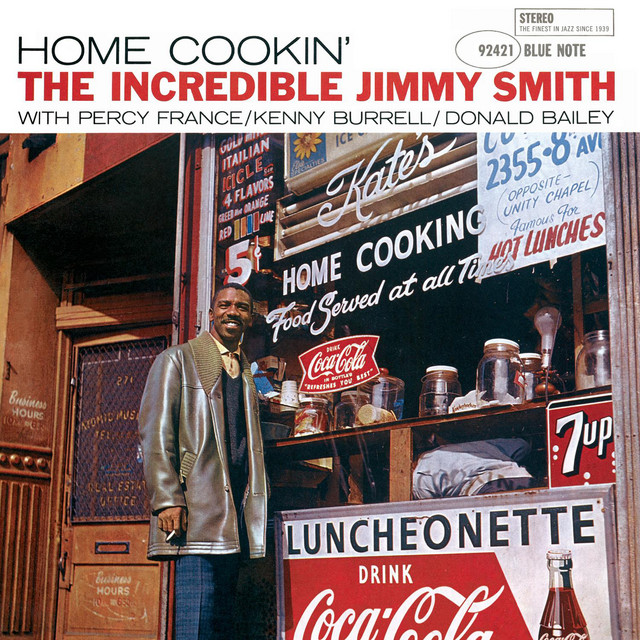
Jimmy Smith's organ transforms every tune into a celebration. The atmosphere is informal and energetic, as if the musicians are discovering the music together. Smith's technical command never overwhelms the groove. The blues and gospel influences remain front and center. It's impossible not to enjoy.
-
Jimmy Smith
-
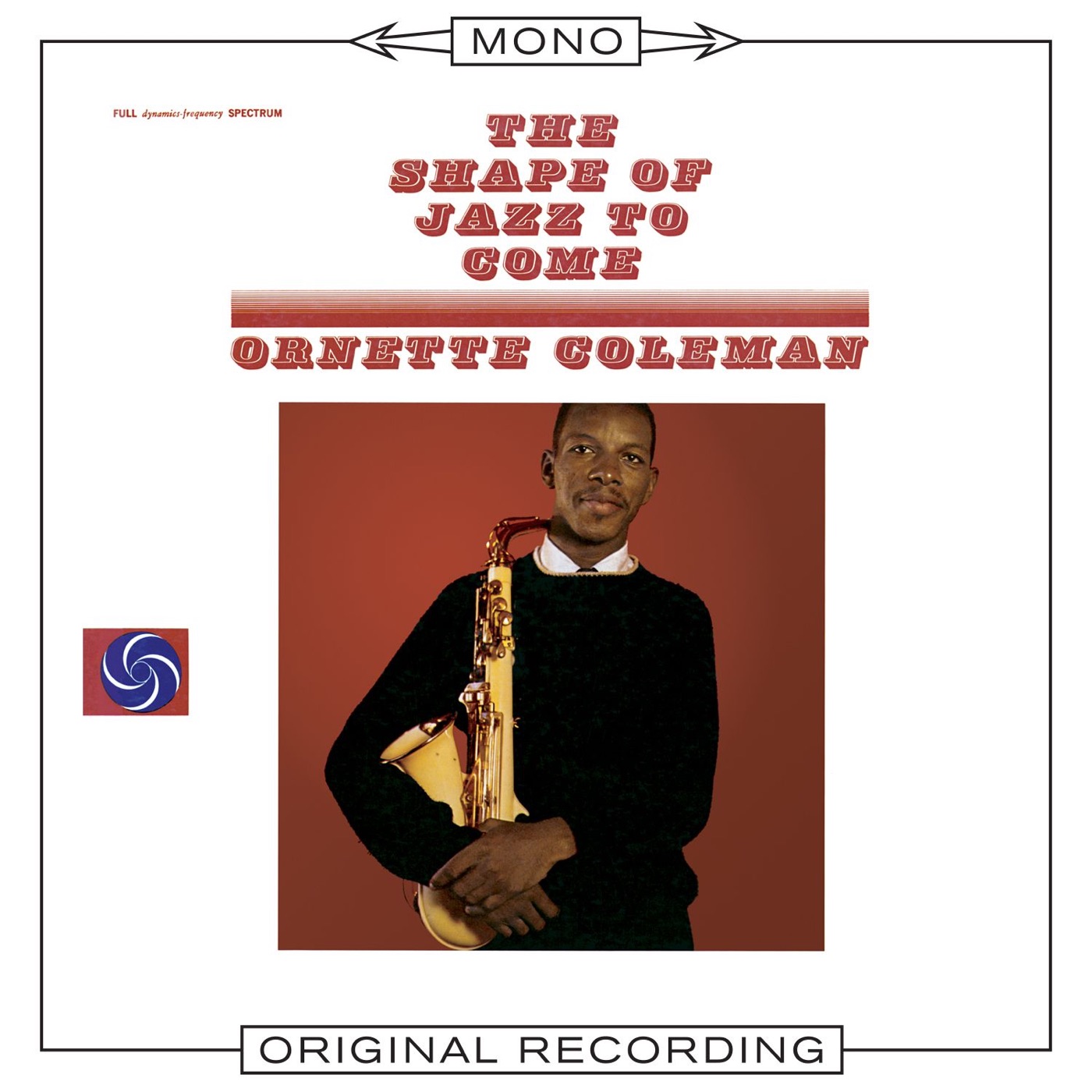 Ornette Coleman
Few albums have altered jazz history so dramatically. Coleman's rejection of conventional harmonic structures shocked listeners at the time, yet the music feels remarkably melodic and human. Don Cherry's trumpet complements Coleman's alto beautifully. The performances emphasize collective interaction over predetermined form. More than sixty years later, it still sounds radical.
-
 Willie Dixon, Memphis Slim
One of the finest Chicago blues albums made by one of the genre's greatest songwriters. Dixon's deep voice and understated delivery perfectly suit the material. The performances feel relaxed but deeply authoritative. His understanding of blues structure and storytelling is unmatched. The album reveals the artist behind countless classics.
-
 B.B. King
 -
 Miles Davis
The second great Miles-Gil Evans collaboration transforms Gershwin's work into something entirely new. Evans's arrangements are lush and imaginative without overwhelming Davis's trumpet. Miles plays with extraordinary lyricism and restraint throughout. The album succeeds as both jazz interpretation and orchestral music. It's one of the most ambitious recordings of the era.

Do you like albums?
Want to make a list?
It’s free & easy &
the Whale is nice!
Learn more