1963
-
 Thelonious Monk
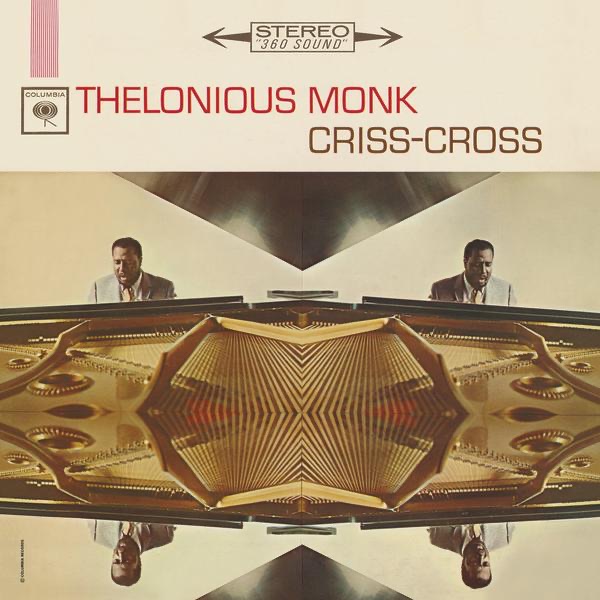
Monk’s Columbia debut finds him working with unusually warm, clear production while losing none of his harmonic strangeness or rhythmic unpredictability. Charlie Rouse’s tenor saxophone is crucial to the album’s success because he understands how to move naturally through Monk’s jagged melodic architecture. “Body and Soul” and “Bright Mississippi” show how Monk could transform familiar standards and structures into something unmistakably his own through timing alone. The quartet sounds relaxed but deeply attentive, constantly shifting around Monk’s percussive piano phrasing. The album feels more welcoming than some of his earlier records without becoming conventional. It’s one of the best introductions to Monk’s world because the weirdness and the swing are equally visible.
-
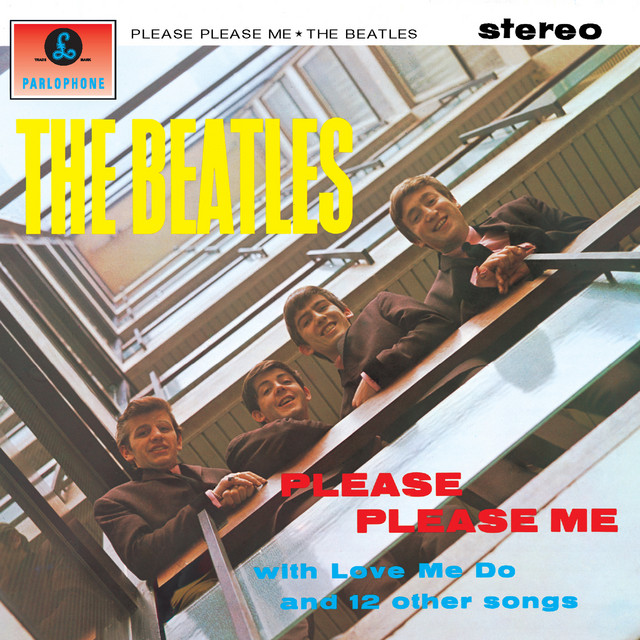
The Beatles
The speed of the Beatles’ musical development is already startling here. The covers reveal how deeply rooted the band was in Motown, girl groups, and American R&B, while originals like “All My Loving” and “It Won’t Be Long” show rapidly growing melodic sophistication. Lennon and McCartney begin writing songs that feel emotionally distinct from one another rather than interchangeable. The performances are incredibly tight without sounding mechanical. There’s still youthful excitement all over the record, but the songwriting ambition is becoming impossible to miss. It captures the moment the Beatles stopped being merely a phenomenon and started becoming artists.
-
 Charles Mingus
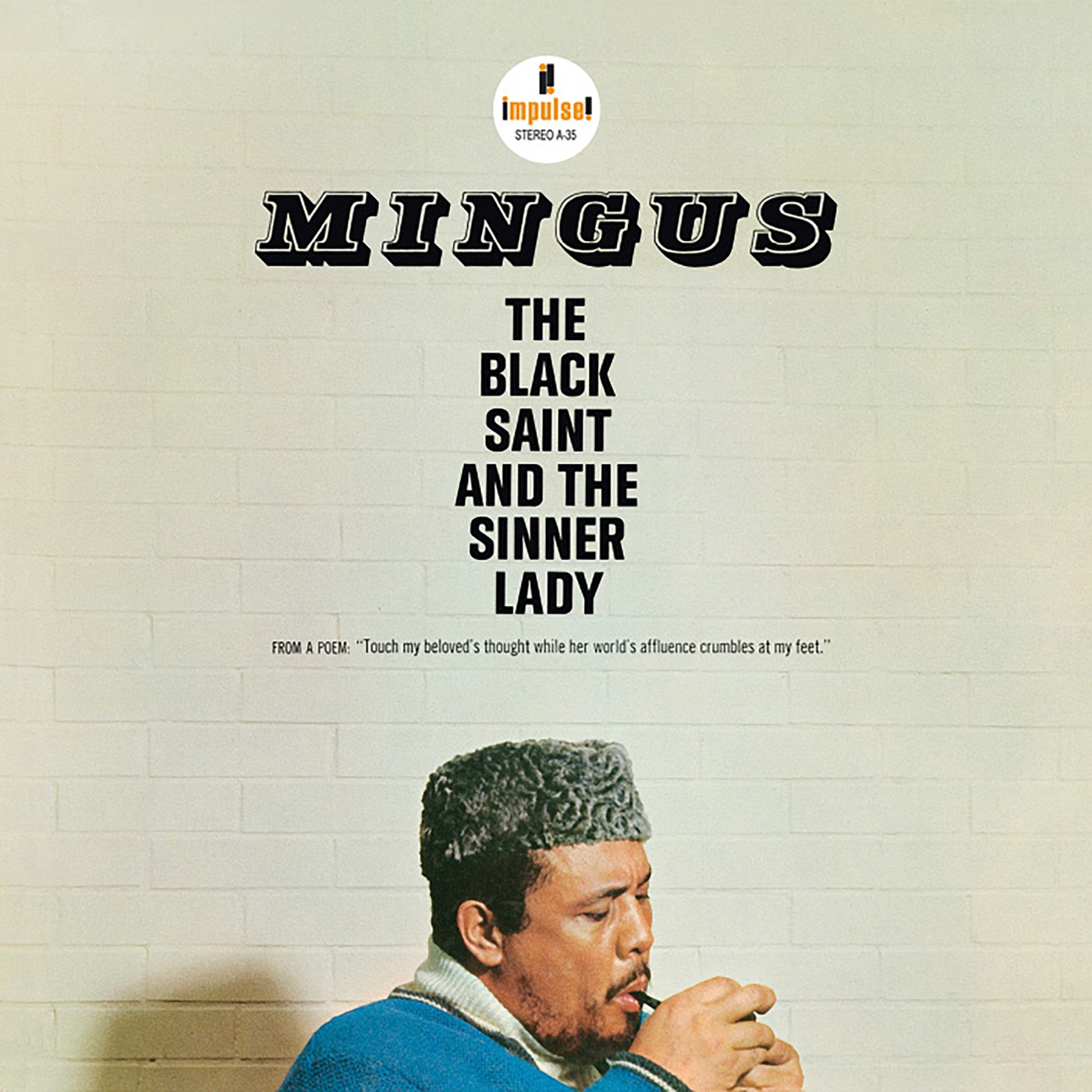
Mingus constructs the album like a psychological and orchestral suite, blending jazz improvisation with flamenco rhythms, classical structure, and emotional volatility. The arrangements surge between elegance and chaos with almost cinematic intensity. Every section of the ensemble contributes to the album’s shifting emotional landscape, from mournful brass passages to explosive collective improvisation. Mingus treats composition as emotional narrative rather than mere framework for solos. The album feels obsessive, beautiful, and unstable all at once. Few jazz records sound this completely realized as personal vision.
-
 Darlene Love
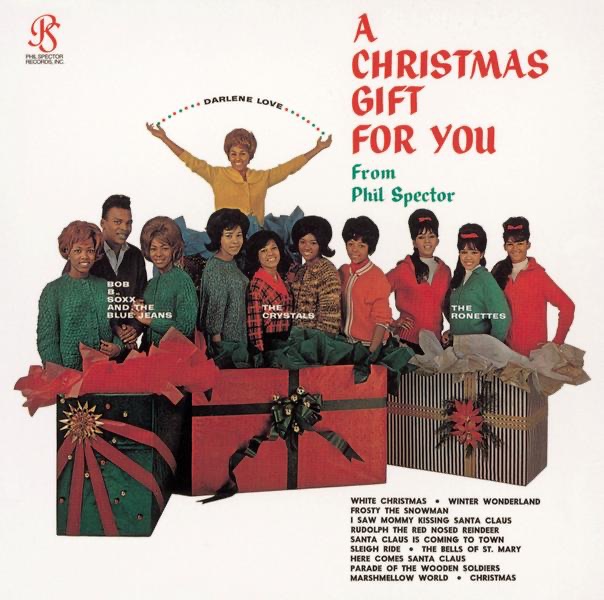
Spector turns Christmas music into something huge, emotional, and almost overwhelming through the full force of the Wall of Sound. The Ronettes, Darlene Love, and The Crystals sing these songs with such conviction that even the most familiar material feels newly alive. “Christmas (Baby Please Come Home)” practically bursts with longing and joy simultaneously. The production layers bells, percussion, strings, and voices into dense waves without losing melodic clarity. Beneath the spectacle is an enormous amount of warmth. It remains one of the rare holiday albums that feels emotionally urgent rather than merely seasonal.
-
 Bob Dylan
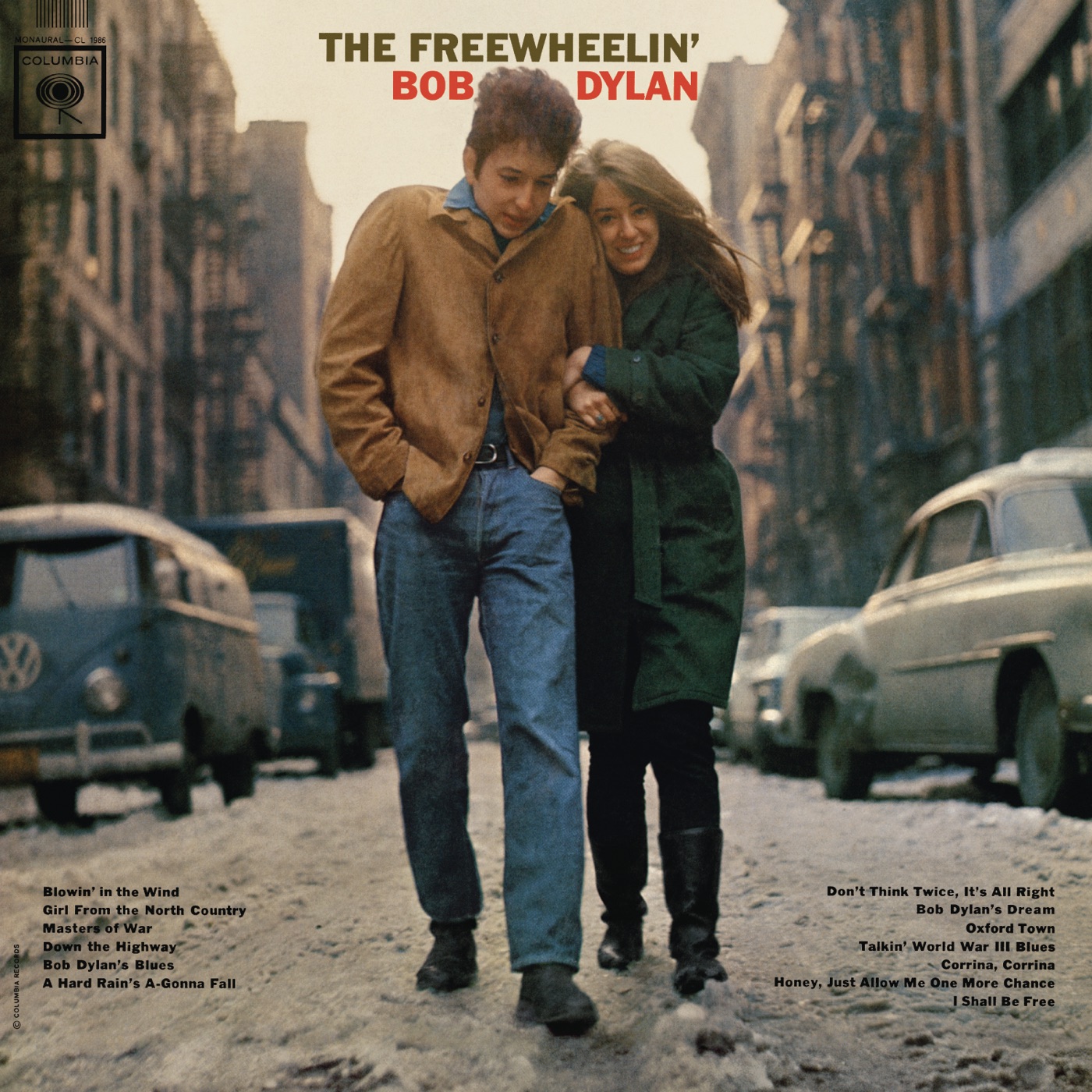
This is where Dylan suddenly becomes Dylan in the cultural imagination: sharp, funny, politically engaged, emotionally complicated, and impossible to categorize neatly. “Blowin’ in the Wind” and “Masters of War” became era-defining songs, but quieter tracks like “Girl from the North Country” reveal just how quickly his songwriting depth expanded. The stripped-down acoustic arrangements place all focus on the lyrics and phrasing. Dylan already sounds unconcerned with traditional notions of vocal beauty, using his voice instead as a dramatic and rhythmic tool. The album treats folk music as living language rather than historical artifact. It changed the expectations surrounding singer-songwriters almost immediately.
-
 John Coltrane
Despite the title, the album mixes live and studio recordings, but the atmosphere remains remarkably cohesive: restless, spiritual, and constantly searching. “Afro-Blue” stretches rhythm and repetition into something hypnotic, while “Alabama” stands as one of Coltrane’s most emotionally devastating performances. The classic quartet operates with near-telepathic unity throughout. McCoy Tyner’s chords and Elvin Jones’ drumming constantly expand the music’s emotional scale without overwhelming it. Coltrane’s solos feel less like displays of virtuosity than acts of urgent investigation. The album captures him balancing structure and freedom at an extraordinary level.
-
 Lee Morgan
The title track’s massive crossover success sometimes overshadows how strong the rest of the album is. Morgan locks into a deep, bluesy groove that helped push Blue Note toward more rhythmically accessible territory, but the improvisation remains sophisticated throughout. Joe Henderson’s tenor playing adds restless energy and harmonic bite to the sessions. Tracks like “Totem Pole” reveal the band stretching far beyond straightforward soul-jazz formulas. Morgan’s trumpet playing balances swagger and melodic precision beautifully. The album works because the groove never feels like a gimmick — it’s fully integrated into the musicianship.
-
 Dexter Gordon
Gordon sounds incredibly relaxed and commanding throughout these sessions with Bud Powell, Kenny Clarke, and Pierre Michelot. His tenor phrasing feels conversational and spacious, never rushed even at faster tempos. “A Night in Tunisia” and “Scrapple from the Apple” swing hard while still leaving room for elegant melodic development. The Paris setting contributes subtly to the album’s atmosphere — sophisticated but unpretentious. Gordon’s tone is enormous without becoming aggressive. The record captures bebop maturity at a point where technical fluency had become second nature.
-
The Beatles
Recorded quickly and with minimal studio trickery, the album succeeds largely because of the band’s sheer energy and chemistry. The Lennon-McCartney originals already reveal unusual melodic instincts, especially on “Please Please Me” and “I Saw Her Standing There.” The covers showcase how naturally the group absorbed American rock and R&B influences into their own style. There’s very little distance between the performances and the excitement they generate. Even at this early stage, the Beatles sound like a complete band rather than a collection of personalities. The album captures pop music accelerating into something more dynamic and youthful.
-
 Donald Byrd
Byrd combines hard bop with gospel choir arrangements in a way that feels genuinely inventive rather than merely decorative. “Cristo Redentor” is the centerpiece, building a mood of calm spiritual reflection through restrained trumpet lines and luminous ensemble textures. Duke Pearson’s arrangements are essential to the album’s atmosphere and pacing. The choir expands the emotional palette of the music without overwhelming the jazz improvisation. Byrd plays with unusual warmth and patience throughout. The album quietly anticipated later spiritual and soul-jazz directions without sacrificing sophistication.
-
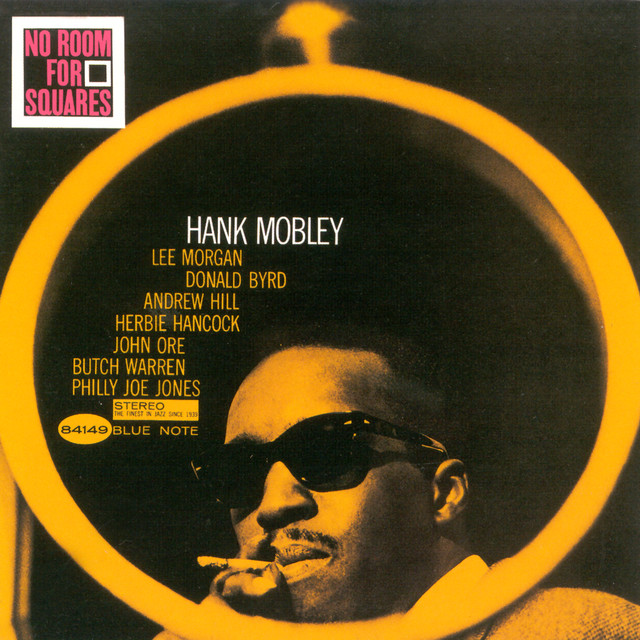
Hank Mobley
Mobley balances hard-bop groove and harmonic sophistication with remarkable ease throughout the album. Lee Morgan and Andrew Hill bring contrasting energies to the sessions — Morgan sharp and driving, Hill more harmonically elusive. Tracks like “Three Way Split” and “Carolyn” move fluidly between relaxed swing and more exploratory rhythmic tension. Mobley’s tenor tone remains warm and conversational even in complex passages. The album never forces its sophistication; everything feels natural and deeply musical. It’s one of the clearest examples of why Mobley remains underrated compared to louder or flashier contemporaries.
-
 John Coltrane Quartet
Coltrane’s reputation for intensity sometimes obscures how lyrical and emotionally direct he could be. On Ballads, every phrase feels carefully shaped, with the quartet focusing on tone, pacing, and melodic clarity rather than harmonic extremity. Tracks like “Nancy (With the Laughing Face)” and “Say It (Over and Over Again)” reveal extraordinary emotional restraint. McCoy Tyner and Elvin Jones play with unusual delicacy throughout the sessions. The album doesn’t simplify Coltrane’s artistry; it reveals another dimension of it entirely. Its calm surface contains enormous emotional depth.
-
 Herbie Hancock
Hancock’s writing already balances accessibility and harmonic sophistication with remarkable confidence here. “Blind Man, Blind Man” locks into an infectious groove, while “King Cobra” pushes toward more adventurous rhythmic territory. Donald Byrd, Grachan Moncur III, and Tony Williams give the album both sharpness and flexibility. Hancock’s piano playing feels economical and highly melodic rather than showy. The arrangements leave room for interplay without becoming loose or unfocused. The record captures a young composer rapidly developing a distinctive musical voice.
-
 Thelonious Monk
The contrast between the large ensemble arrangements and Monk’s small-group playing highlights how unusual his compositions really are. Hall Overton’s orchestrations preserve Monk’s angular melodies and rhythmic gaps rather than smoothing them into conventional big-band form. The quartet performances, especially with Charlie Rouse, feel more conversational and elastic by comparison. Monk’s piano playing remains wonderfully percussive and unpredictable throughout. The concert setting adds extra energy without sacrificing precision. The album demonstrates how adaptable Monk’s music was while still sounding unmistakably like Monk.
-
 Kenny Dorham
Dorham blends Afro-Cuban rhythm and post-bop sophistication with understated confidence. The title track’s repeating groove creates hypnotic momentum while leaving plenty of room for improvisational flexibility. Joe Henderson’s tenor work adds angular tension and melodic unpredictability throughout the album. Dorham’s trumpet tone remains warm and elegant even during more complex passages. The music feels relaxed without becoming passive. It’s one of Blue Note’s most quietly rewarding groove-oriented sessions.
-
 James Brown
This album changed expectations for live soul recordings because of how completely it captures crowd energy and performance dynamics. Brown controls pacing with astonishing precision, moving from explosive screams to tightly disciplined rhythmic sections without losing momentum. The Famous Flames and backing band respond to every cue instantly, giving the performance incredible cohesion. Songs like “Lost Someone” stretch tension and release almost unbearably. The audience becomes part of the music itself. Few live albums communicate physical excitement this directly.
-

-
 Art Blakey, The Jazz Messengers
Recorded live, the album captures the Jazz Messengers at one of their sharpest and most interactive peaks. Freddie Hubbard and Wayne Shorter push each other constantly, while Blakey’s drumming drives the music with explosive authority. “One by One” and the title track balance intricate composition with raw live energy beautifully. The solos feel spontaneous without losing structural focus. The group interplay is extraordinarily tight but never rigid. Hard bop rarely sounded this exciting or communal.
-
 Joe Henderson
Henderson arrives fully formed on his debut, balancing hard-bop fluency with a more modern harmonic and rhythmic sensibility. “Blue Bossa” became a jazz standard for good reason — simple enough to feel immediate, but harmonically rich enough to sustain endless reinterpretation. Kenny Dorham’s trumpet work provides warmth and balance against Henderson’s sharper tenor phrasing. Pete La Roca’s drumming keeps the rhythms flexible and constantly moving. The album feels sophisticated without sounding self-conscious about it. It established Henderson immediately as one of Blue Note’s major new voices.
-
 Duke Ellington, John Coltrane
 -
 Duke Ellington
 -
 Miles Davis
 -
 Thelonious Monk
 -
 James Brown
 -
 Sam Cooke


Do you like albums?
Want to make a list?
It’s free & easy &
the Whale is nice!
Learn more