1965
-
Bob Dylan
Dylan takes folk storytelling, blues structure, surreal humor, and electric rock energy and fuses them into something volatile and completely self-assured. “Like a Rolling Stone” changed the scale and ambition of rock songwriting immediately, while “Ballad of a Thin Man” and “Desolation Row” stretch language into strange, cinematic territory. The backing musicians give the songs rough momentum rather than polished precision, which keeps the album feeling alive and unpredictable. Dylan’s voice sounds mocking, exhausted, amused, and accusatory sometimes within the same verse. The album redefined what lyrical complexity in popular music could look like. It still feels impatient with every convention surrounding it.
-
 John Coltrane
Coltrane transforms spiritual searching into musical structure, building the suite around repetition, escalation, and collective interplay. The quartet plays with extraordinary unity — McCoy Tyner’s piano, Jimmy Garrison’s bass, and Elvin Jones’ drumming all feel essential to the album’s emotional momentum. “Acknowledgement” introduces the central motif with almost ritualistic clarity, while later movements push toward ecstatic intensity without losing focus. The music is technically astonishing, but virtuosity never feels like the point. What makes the album endure is its sense of total conviction. It sounds less like performance than devotion made audible.
-
 Wayne Shorter
Shorter writes compositions that feel mysterious and fluid without becoming inaccessible. Backed by Coltrane’s classic rhythm section, he balances modal freedom with sharply defined melodic ideas on tracks like “Yes or No” and the title track. Elvin Jones’ drumming constantly reshapes the pulse underneath the music, creating tension without chaos. Shorter’s tenor playing sounds exploratory but remarkably controlled. The album feels intellectually adventurous while remaining emotionally immediate. It helped establish Shorter as one of jazz’s most distinctive composers.
-
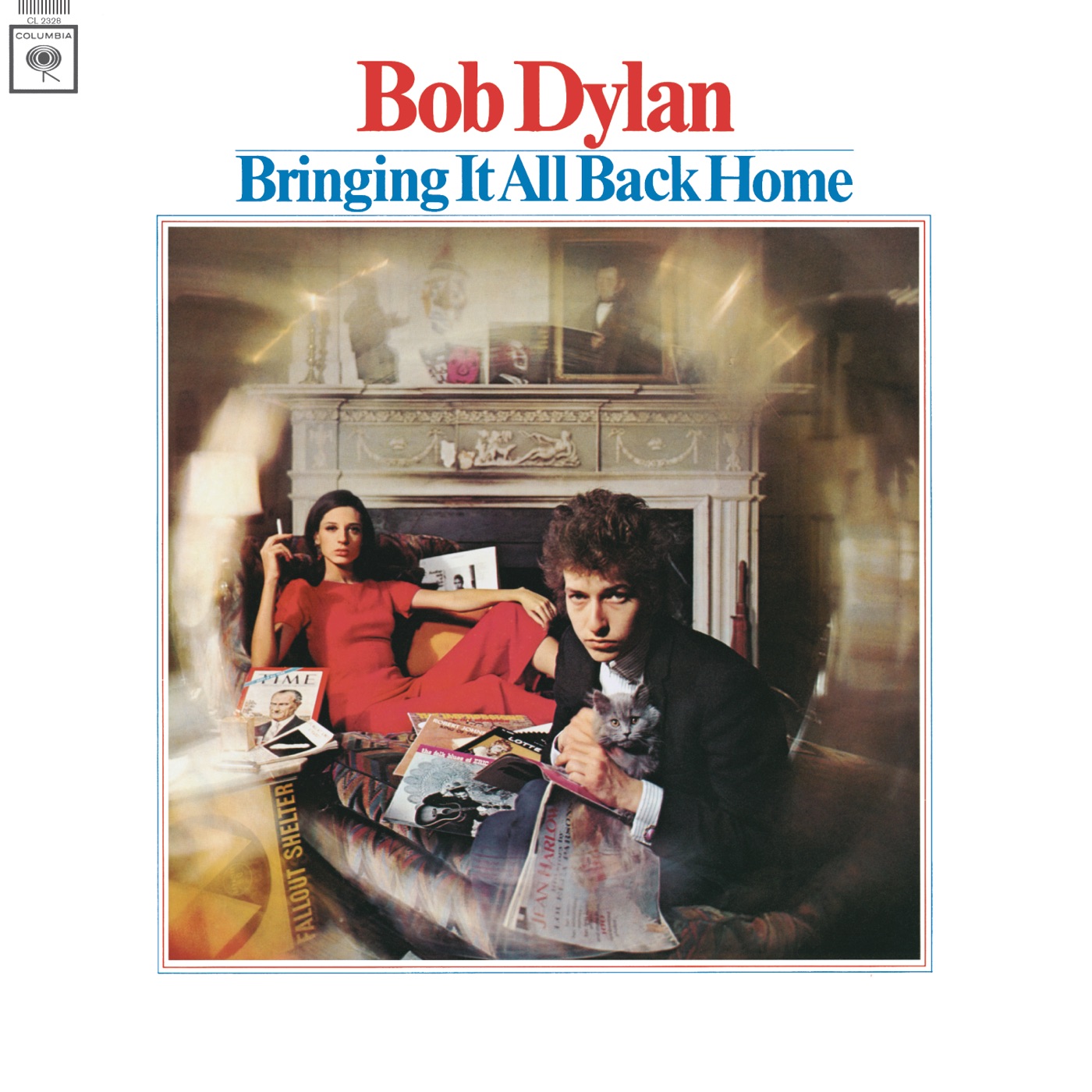 Bob Dylan
The album captures Dylan standing directly on the fault line between folk tradition and electric modernity without fully committing to either side. The electric first half crackles with sarcasm and momentum, especially on “Subterranean Homesick Blues” and “Maggie’s Farm,” while the acoustic songs open into stranger and more introspective territory. “It’s Alright, Ma (I’m Only Bleeding)” remains astonishing for how densely packed and emotionally severe it is. Dylan’s writing grows more fragmented and surreal, yet somehow more precise at the same time. The album feels like an artist rapidly outgrowing every category attached to him. Rock music became more literate and unstable after this record.
-
 Otis Redding
Redding sings with such emotional directness that even familiar material feels newly urgent. “I’ve Been Loving You Too Long” unfolds with devastating patience, while “Respect” and “Satisfaction” reveal how completely he could reshape other artists’ songs around his own personality. The Stax musicians give the album lean, flexible grooves that never distract from the vocals. Redding’s phrasing constantly shifts between tenderness and raw desperation. Soul music here feels deeply human rather than polished into abstraction. Few albums communicate emotional need this powerfully.
-
The Beatles
This is the moment where The Beatles begin treating the album as a unified artistic statement rather than simply a collection of singles and filler. “Norwegian Wood,” “In My Life,” and “Nowhere Man” expand pop songwriting emotionally and psychologically without losing melodic immediacy. The band’s arrangements become subtler and more textural, incorporating folk influences and unusual instrumentation naturally. There’s a new introspection running through the record that separates it from earlier Beatlemania exuberance. Even the lighter songs carry emotional complexity underneath the hooks. The album quietly changed the expectations surrounding pop albums.
-
 Horace Silver
Silver combines hard bop sophistication with rhythmic accessibility in a way that feels effortless rather than calculated. The title track’s bossa-influenced groove became iconic because it’s so economical and memorable, while pieces like “The Natives Are Restless Tonight” add darker harmonic tension. Silver’s piano playing is crisp and highly melodic, always serving the structure of the composition. Joe Henderson’s tenor work gives the album extra edge and movement. The record helped broaden hard bop’s rhythmic vocabulary without abandoning swing or blues feeling. It remains deeply inviting while musically rich.
-
 Lee Morgan
Morgan balances groove, swagger, and post-bop sophistication with remarkable confidence. The title track moves with relaxed momentum, while “Ceora” reveals the album’s lyrical and harmonic elegance. Jackie McLean and Hank Mobley provide contrasting saxophone textures that keep the arrangements dynamic throughout. Morgan’s trumpet tone is sharp and conversational rather than overly showy. The album understands how to make jazz feel both intellectually satisfying and physically enjoyable. Its warmth and rhythmic ease are part of what make it endure.
-
 The Rolling Stones
The Stones still draw heavily from American blues and R&B here, but their own identity is becoming harder and more confident. “(I Can’t Get No) Satisfaction” obviously dominates the album historically, yet tracks like “The Last Time” and “Mercy, Mercy” reveal how tightly the band could lock into groove and tension. Keith Richards’ guitar riffs begin functioning as structural hooks rather than just accompaniment. The performances feel impatient and slightly dangerous in a way many British Invasion records didn’t. The album captures the Stones before sophistication entered the picture fully. Its rawness remains part of its power.
-
 Miles Davis
This is the first studio album by Miles Davis’ second great quintet, and you can hear the group inventing a new jazz language together in real time. Wayne Shorter’s compositions and Tony Williams’ drumming immediately destabilize traditional hard-bop expectations. Tracks like “Eighty-One” and the title piece move with unusual flexibility, allowing rhythm and harmony to shift constantly underneath the solos. Miles plays with incredible restraint, shaping the music through tone and timing rather than sheer density. The album sounds exploratory without losing elegance. It became one of the key foundations for modern post-bop.
-
 Françoise Hardy
Hardy sings with a calm, understated melancholy that makes the album feel emotionally intimate without becoming dramatic. The title track captures adolescent loneliness with unusual precision, while the sparse arrangements leave plenty of room for her phrasing and melodic clarity. The yé-yé movement often emphasized style and lightness, but Hardy brings introspection and emotional subtlety into the form. Her songwriting feels conversational and self-contained rather than performative. The album’s elegance comes from restraint. It remains one of the defining documents of French pop in the 1960s.
-
 The Rolling Stones
This is one of the Stones’ rawest and most rhythmically focused records. Their versions of soul and blues material feel less polished than many British peers, but far more physical and committed. “Heart of Stone” hints at the darker emotional territory the band would soon inhabit, while “Off the Hook” and “Little Red Rooster” show growing confidence in arrangement and groove. Charlie Watts’ drumming anchors everything with remarkable economy. The album thrives on tension rather than refinement. It sounds like a band learning how powerful looseness can be.
-
 Joe Henderson
Henderson’s compositions leave plenty of harmonic and rhythmic openness for the ensemble to explore. McCoy Tyner’s piano work adds rich modal color, while Elvin Jones drives the music forward without locking it into predictable patterns. Tracks like “Punjab” and “Serenity” balance hard-bop structure with freer improvisational movement. Henderson’s tenor playing is muscular but highly articulate throughout. The album feels exploratory without becoming abstract. It’s one of Blue Note’s great examples of post-bop in transition.
-
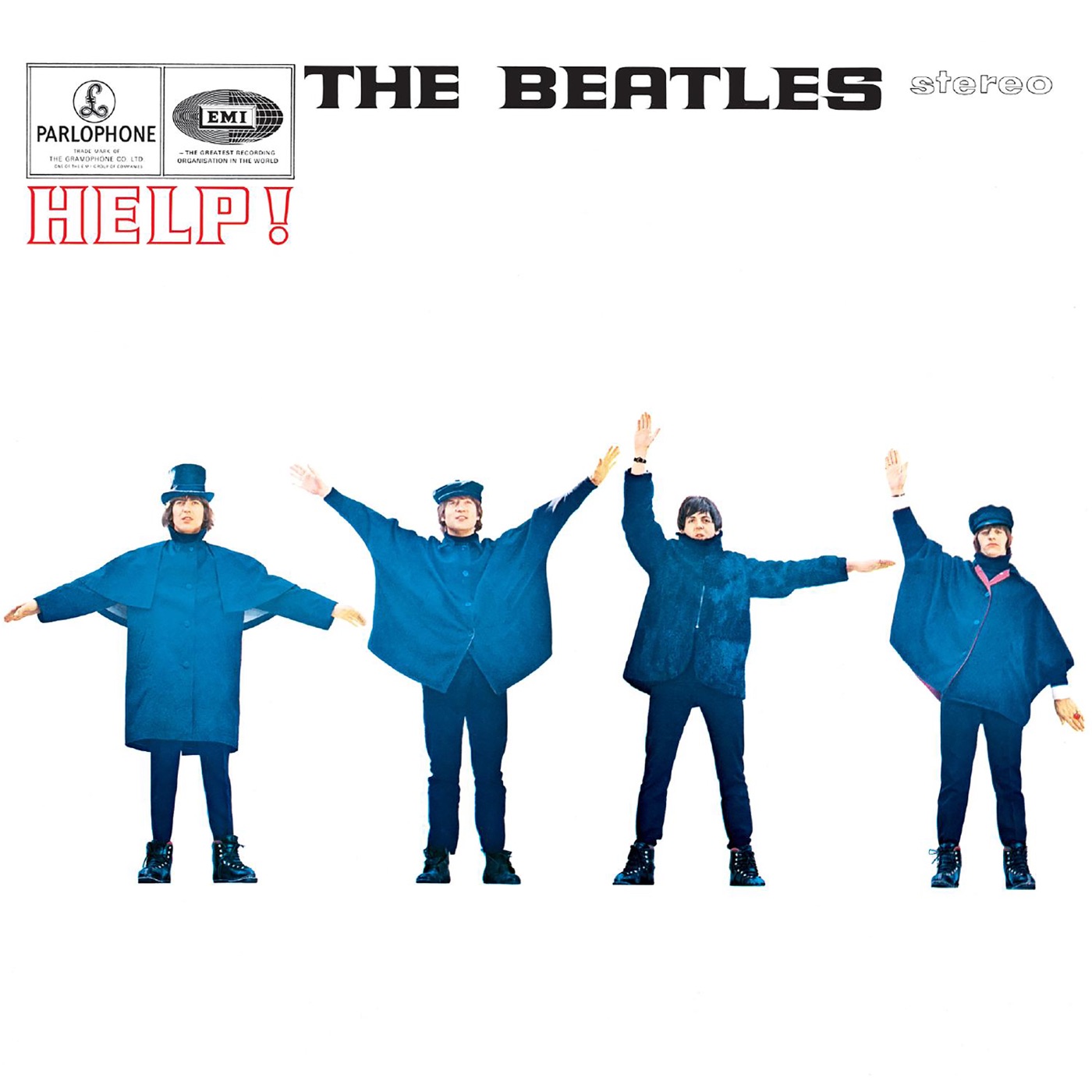 The Beatles
The album still contains traces of Beatlemania pop energy, but the songwriting is becoming more emotionally complicated and musically ambitious. “Help!” and “You’ve Got to Hide Your Love Away” reveal newfound vulnerability, while “Ticket to Ride” introduces heavier rhythmic and sonic textures. The band’s melodic instincts remain extraordinary, but there’s increasing depth underneath the surface immediacy. Folk influences begin reshaping the arrangements and lyrical tone significantly. The album feels transitional in the best sense — you can hear the group rapidly evolving from inside the songs themselves. It bridges youthful exuberance and artistic self-consciousness beautifully.
-
 Hank Mobley
Mobley combines relaxed melodic phrasing with sharp ensemble interplay throughout the album. Lee Morgan and Curtis Fuller add brightness and depth to the arrangements, while McCoy Tyner’s piano gives the sessions harmonic richness. The title track grooves hard without becoming heavy-handed, and “Venus Di Mildew” reveals Mobley’s gift for memorable composition. His tenor tone remains warm and balanced even during more aggressive passages. The album captures hard bop becoming more spacious and rhythmically flexible in the mid-1960s. It’s confident jazz without unnecessary flash.
-
 The Kinks
Ray Davies begins moving decisively beyond simple rock aggression toward character writing and emotional nuance here. “Till the End of the Day” still hits with raw force, but songs like “Where Have All the Good Times Gone” introduce nostalgia and anxiety into the band’s worldview. The arrangements remain lean and direct, giving the lyrics room to land clearly. Dave Davies’ guitar work adds tension without overpowering the songs. The album captures a band becoming more thoughtful without losing immediacy. It points directly toward the more sophisticated Kinks records that followed.
-
 Wes Montgomery, Wynton Kelly Trio
Montgomery’s guitar playing combines technical fluidity and melodic clarity so naturally that the virtuosity almost disappears inside the feel. Backed by the Wynton Kelly Trio, he swings with extraordinary ease on “No Blues” and “Unit 7.” His octave technique sounds expressive rather than flashy because every phrase serves melodic shape and momentum. The live setting gives the music looseness and conversational energy. The rhythm section pushes constantly without crowding Montgomery’s space. It remains one of the great live jazz guitar recordings.
-
 Hank Mobley
Mobley balances hard-bop drive and bluesy warmth with remarkable consistency here. The title track and “East of the Village” reveal how effectively he could combine memorable melodic writing with rhythmic sophistication. Donald Byrd’s trumpet and Billy Higgins’ drumming add extra brightness and motion throughout the session. Mobley’s solos feel carefully shaped without sounding calculated. The album avoids avant-garde experimentation entirely, yet never feels conservative. Its confidence comes from deep musical fluency rather than stylistic novelty.
-
 Lee Morgan
Morgan blends swagger, humor, and sophisticated ensemble writing throughout the album. “Speedball” moves with explosive energy, while “You Go to My Head” reveals the record’s more lyrical side. Wayne Shorter’s compositions and saxophone work add harmonic depth and unpredictability. Morgan’s trumpet tone remains sharp and expressive without becoming overly aggressive. The album captures Blue Note hard bop at a point where groove and experimentation were beginning to overlap more fluidly. It feels polished without losing spontaneity.
-
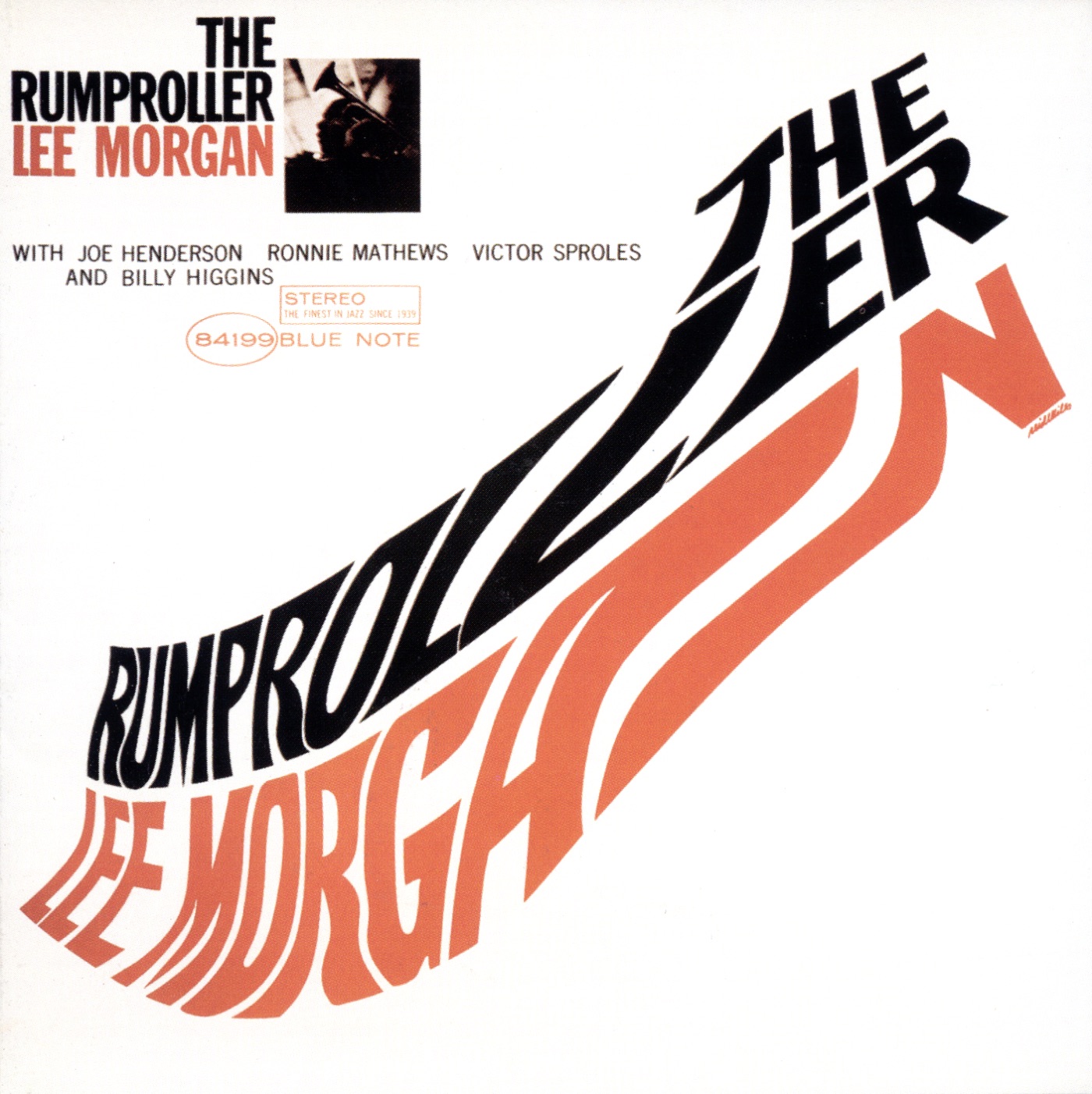 Lee Morgan
The title track became a soul-jazz staple because of its irresistible groove and sharp rhythmic focus. Morgan balances accessibility and improvisational sophistication carefully throughout the album, never sacrificing one for the other. Joe Henderson’s tenor playing adds edge and momentum, while Ronnie Mathews’ piano keeps the arrangements moving fluidly. The record has a relaxed confidence that makes even complex passages feel effortless. It’s jazz designed to move physically as much as intellectually. The album helped push Blue Note further toward groove-oriented territory.
-
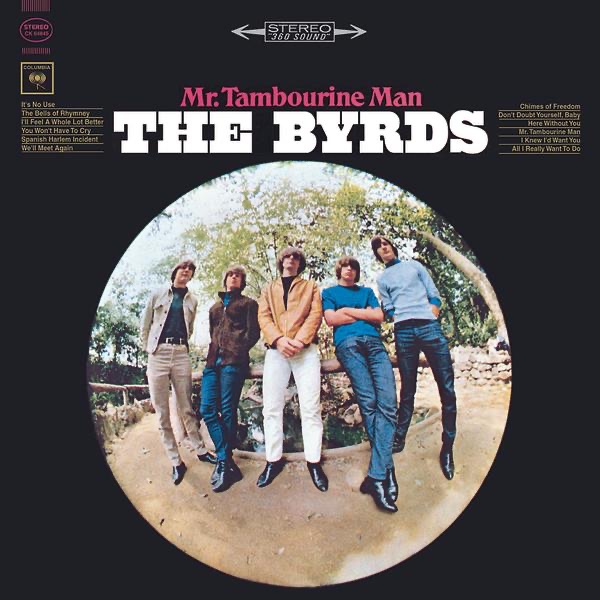 The Byrds
The Byrds fuse Dylan’s lyrical sensibility with jangling electric guitars and crystalline harmonies, effectively inventing folk-rock as a mainstream sound. The title track feels weightless and propulsive simultaneously, while “I’ll Feel a Whole Lot Better” reveals Gene Clark’s underrated songwriting brilliance. Roger McGuinn’s 12-string guitar tone became instantly iconic because it reshaped rhythm and texture at once. The album carries folk music’s introspection into a brighter, more melodic sonic world. It sounds cleaner and more spacious than much mid-1960s rock. A huge amount of later guitar pop begins here.
-
 Wayne Shorter
Shorter pushes post-bop composition toward abstraction and spiritual intensity without losing structural coherence. The larger ensemble arrangements create dense, shifting textures on tracks like “Genesis” and the title piece. Freddie Hubbard, Herbie Hancock, and Grachan Moncur III all contribute strongly to the album’s dramatic atmosphere. The music feels searching and unsettled rather than comfortably resolved. Shorter treats composition as philosophical exploration as much as musical form. It’s one of Blue Note’s most ambitious mid-1960s sessions.
-
 Nina Simone
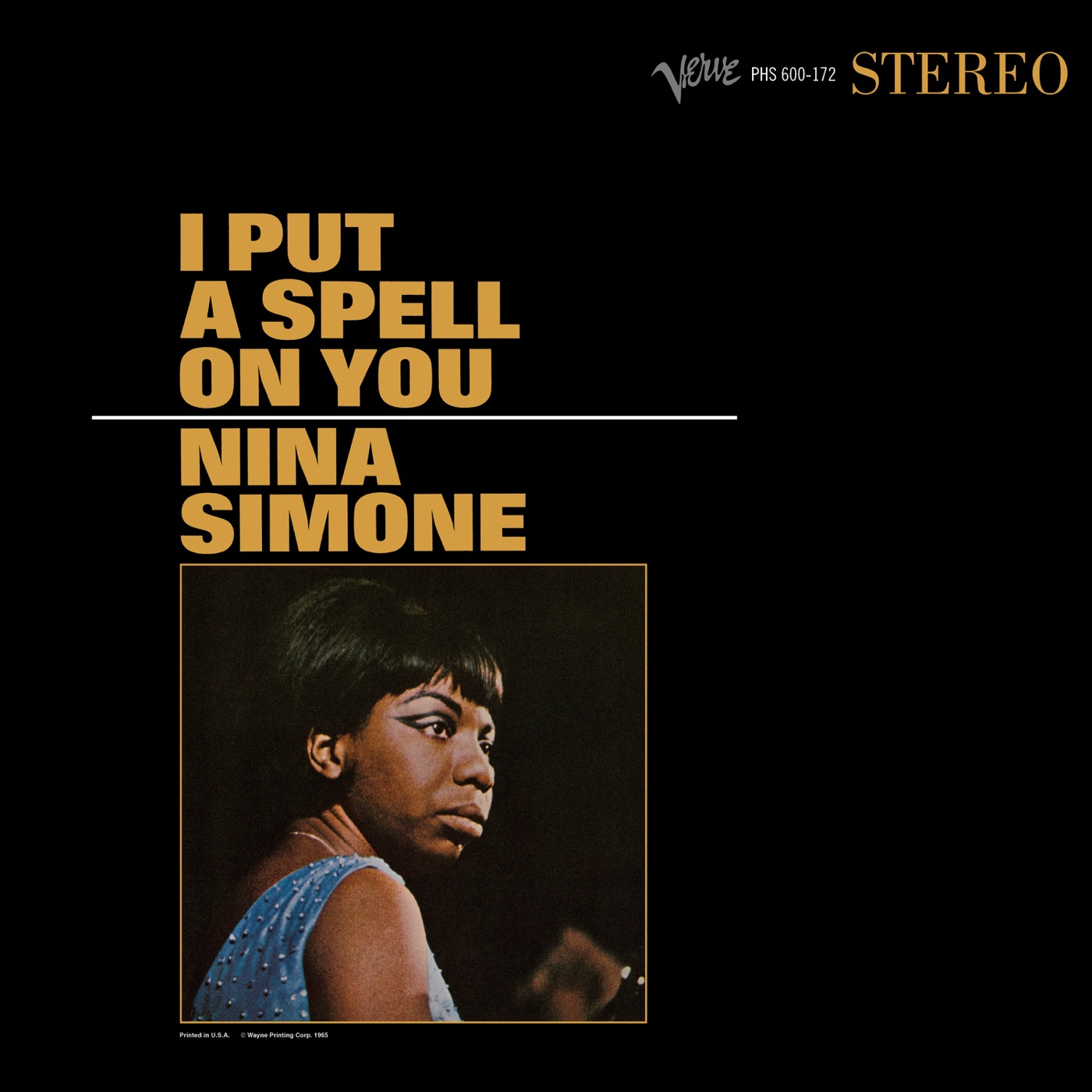
Simone transforms every song through phrasing, timing, and emotional intelligence rather than sheer vocal force alone. The title track becomes hypnotic and unsettling in her hands, while “Feeling Good” turns liberation into something theatrical and deeply personal at once. Her piano playing anchors the arrangements with rhythmic precision and harmonic depth. The album moves fluidly between jazz, blues, soul, and pop without treating genre boundaries seriously. Simone’s emotional range is enormous, but she never oversells a performance. The record feels elegant and volatile simultaneously.
-
The Sonics
The Sonics strip rock music down to distortion, repetition, and sheer physical momentum. “The Witch,” “Psycho,” and “Strychnine” sound almost primitive in their intensity, but the band’s rhythmic precision keeps the chaos focused. Gerry Roslie’s vocals feel barely contained by the recording itself. The rough production only amplifies the music’s aggression and unpredictability. Garage rock, punk, and noise rock all draw heavily from this record’s refusal of polish. It still sounds unruly decades later.
-
 The Who
The album channels youthful frustration into explosive rhythm and controlled chaos. “My Generation” remains radical because of its aggression, humor, and sheer physical energy, while tracks like “The Kids Are Alright” reveal Pete Townshend’s melodic and emotional sophistication. Keith Moon’s drumming constantly threatens to overwhelm the songs in the best possible way. The band plays with unusual tension and speed for mid-1960s rock. The record captures teenage alienation without romanticizing it. It helped make aggression central to rock’s future vocabulary.
-
 Sonny Boy Williamson II
Williamson’s harmonica playing feels sly, conversational, and emotionally flexible throughout the album. The performances balance humor, weariness, and menace without separating them into distinct moods. His phrasing has extraordinary rhythmic intelligence, constantly pushing and relaxing against the beat. The backing musicians keep the grooves uncluttered, allowing Williamson’s personality to dominate the atmosphere. Chicago blues rarely sounded this intimate and self-assured. The album captures tradition without turning it into nostalgia.
-
 Grant Green
Williamson’s harmonica playing feels sly, conversational, and emotionally flexible throughout the album. The performances balance humor, weariness, and menace without separating them into distinct moods. His phrasing has extraordinary rhythmic intelligence, constantly pushing and relaxing against the beat. The backing musicians keep the grooves uncluttered, allowing Williamson’s personality to dominate the atmosphere. Chicago blues rarely sounded this intimate and self-assured. The album captures tradition without turning it into nostalgia.
-
 Vince Guaraldi Trio
Guaraldi brings warmth, melancholy, and light swing to Christmas music without making it sentimental or overly polished. “Christmas Time Is Here” and “Linus and Lucy” balance childlike simplicity with sophisticated harmonic movement. The trio arrangements leave plenty of open space, giving the album its calm, intimate atmosphere. Even listeners unfamiliar with jazz respond instinctively to its emotional clarity and rhythmic ease. The record captures winter loneliness and comfort simultaneously. It became culturally ubiquitous for good reason: it sounds genuinely humane.


Do you like albums?
Want to make a list?
It’s free & easy &
the Whale is nice!
Learn more