1966
-
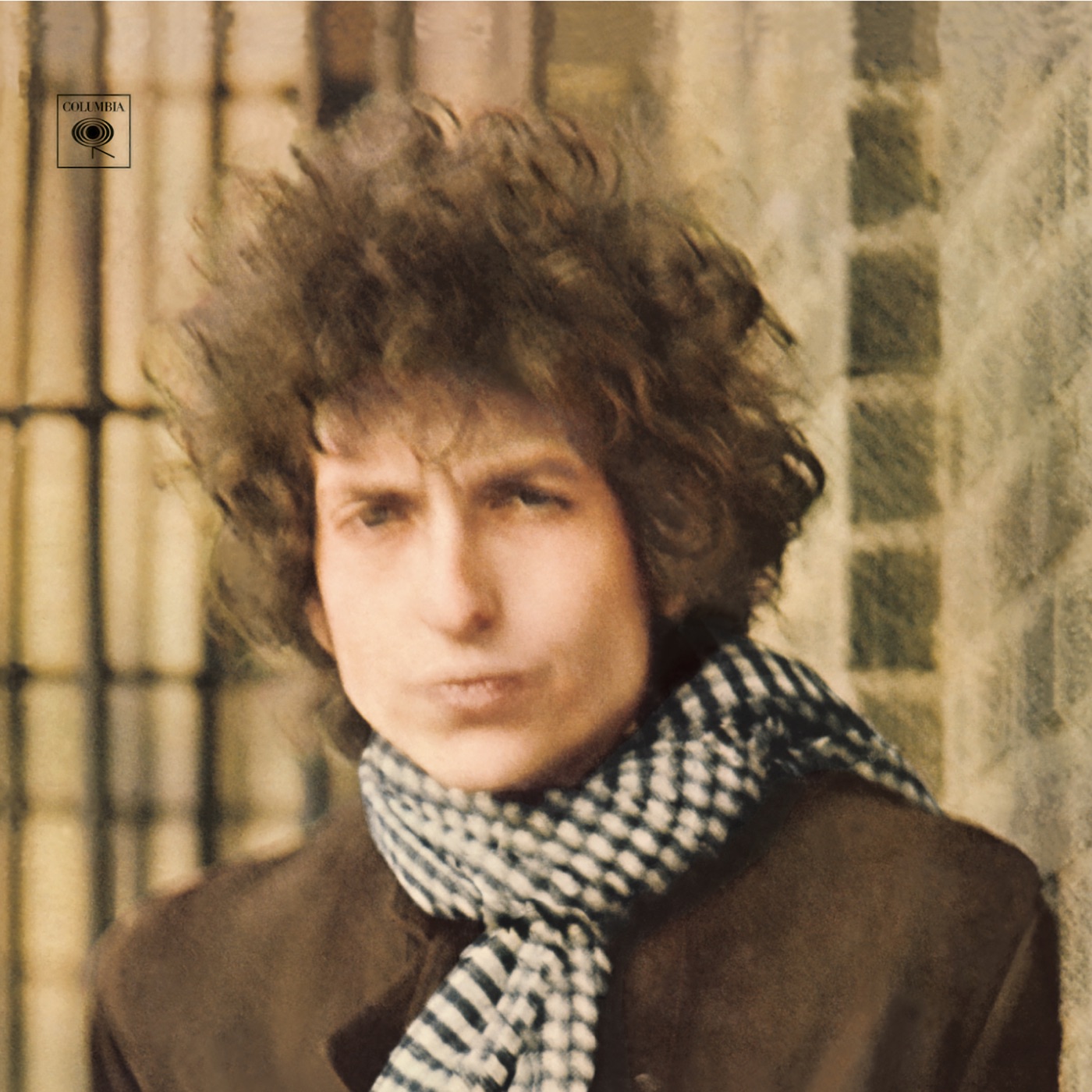 Bob Dylan
Dylan turns surreal imagery, blues structures, country phrasing, and emotional confusion into a sprawling testament to the possibilities of a rock n' roll record. “Visions of Johanna,” “Stuck Inside of Mobile with the Memphis Blues Again,” and “Just Like a Woman” feel conversational even when the lyrics become dreamlike and unstable. The Nashville session musicians are crucial to the album’s atmosphere — loose enough to follow Dylan’s shifting instincts, but disciplined enough to keep the songs grounded. The record sounds simultaneously exhausted and exhilarated, as though language itself is being stretched to its limit. Unlike many double albums, its excess feels essential to its character. Rock songwriting became vastly more open-ended after this album.
-
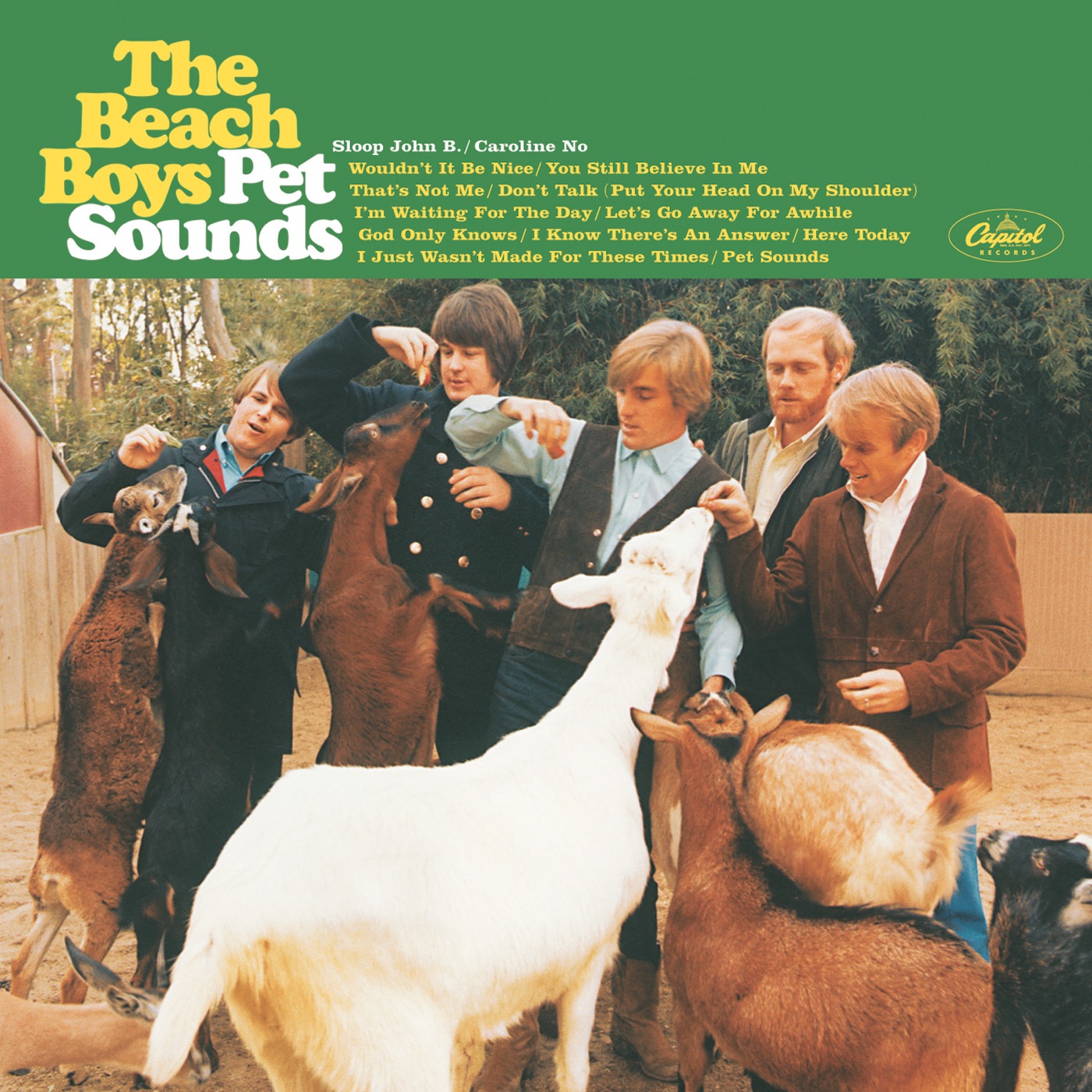 The Beach Boys
Brian Wilson transforms pop music into something intensely inward-looking without sacrificing melody or accessibility. “God Only Knows,” “Wouldn’t It Be Nice,” and “Caroline, No” balance emotional vulnerability with astonishing compositional sophistication. The arrangements are packed with unusual instrumentation and harmonic detail, yet the album never sounds crowded or academic. Wilson’s greatest innovation may be emotional tone: the record captures uncertainty, longing, and fragile optimism with unusual honesty. It treats adolescence and adulthood as psychologically disorienting rather than sentimental experiences. Few albums this carefully constructed feel this emotionally exposed.
-
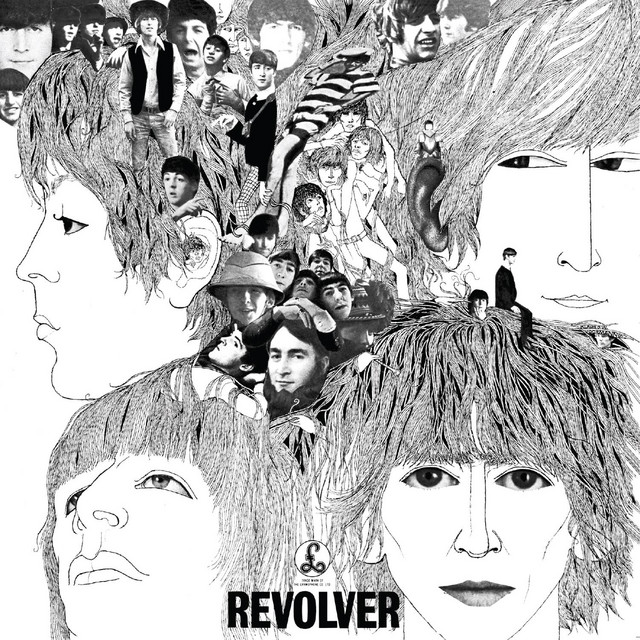
The Beatles
This is the album where The Beatles stop treating the studio as a place to document songs and begin treating it as an instrument itself. “Tomorrow Never Knows” practically invents entire future genres through tape loops, drones, and rhythmic repetition, while “Eleanor Rigby” and “Here, There and Everywhere” reveal radically different forms of sophistication. The songwriting range is astonishing, but the album remains cohesive because of its restless curiosity. Every track seems to ask what else pop music could become. Even the shorter songs contain strange production details and structural surprises. It’s one of the clearest moments where rock music’s possibilities suddenly widened.
-
Herbie Hancock
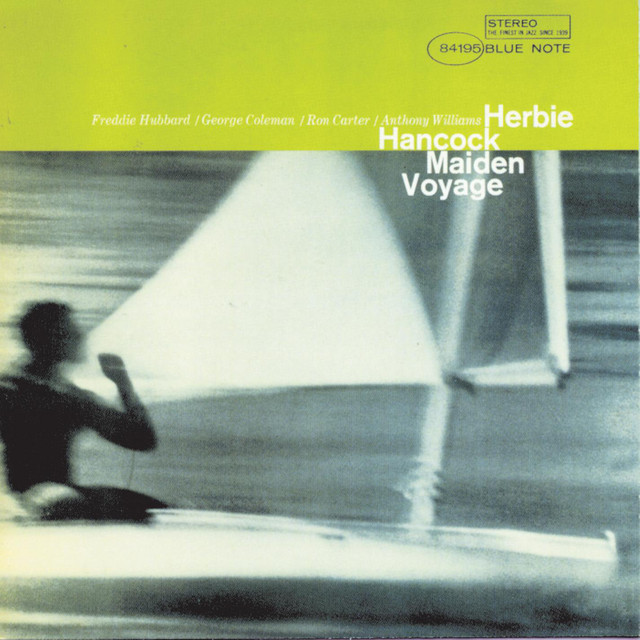
Hancock builds the album around atmosphere and movement rather than technical display. The title track and “Dolphin Dance” feel fluid and open-ended, with the rhythm section creating the sensation of drifting currents rather than fixed grooves. Freddie Hubbard and George Coleman add warmth and tension without overcrowding the arrangements. Tony Williams’ drumming is especially remarkable — constantly active, yet never disruptive to the album’s calm surface. The compositions balance accessibility and harmonic sophistication beautifully. Few jazz records evoke physical environment this vividly.
-
 Wayne Shorter
Shorter writes compositions that feel mysterious without becoming abstract for abstraction’s sake. “Witch Hunt,” “Infant Eyes,” and the title track combine memorable melodic shapes with harmonies that never fully settle into certainty. The ensemble — including Freddie Hubbard, Herbie Hancock, Ron Carter, and Elvin Jones — plays with extraordinary sensitivity to mood and space. Shorter’s tenor saxophone lines often sound exploratory and narrative at the same time. The album balances post-bop structure with dreamlike emotional ambiguity. It remains one of Blue Note’s most psychologically rich records.
-
 The Rolling Stones
This is where the Stones fully emerge as songwriters rather than merely interpreters of American blues and R&B. “Under My Thumb,” “Mother’s Little Helper,” and “Out of Time” combine sharp hooks with increasingly cynical, complicated perspectives on gender, fame, and modern life. Brian Jones fills the album with unusual instrumental textures that expand the band’s sonic palette dramatically. The record still carries blues foundations, but it also pushes toward baroque pop and psychological satire. There’s an arrogance to the album that becomes part of its personality. It captures the Stones becoming more ambitious without losing their edge.
-

Morgan balances lyrical warmth and exploratory ambition beautifully throughout the album. The title track unfolds patiently, allowing the ensemble to build atmosphere through subtle interaction rather than dramatic climax. Wayne Shorter, Grant Green, and Herbie Hancock all contribute to the record’s unusually spacious feel. Morgan’s trumpet tone remains sharp and melodic even during more adventurous passages. The album captures post-bop jazz becoming more open and reflective without abandoning groove or accessibility. It feels expansive without sounding self-important.
-
 Wilson Pickett
Pickett sings with such force that the songs feel physically propelled forward by his voice alone. “Land of 1000 Dances” turns repetition into ecstatic momentum, while “634-5789” balances swagger and rhythmic precision perfectly. The backing musicians understand exactly how to frame Pickett’s intensity without competing with it. The album’s rawness is central to its appeal; nothing sounds overly polished or controlled. Soul music here feels immediate, communal, and bodily. Few records communicate excitement this directly.
-
Wayne Shorter
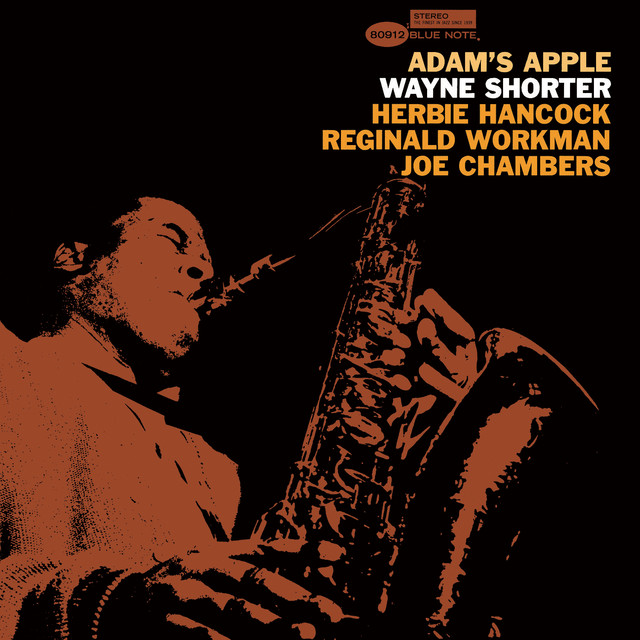
Shorter’s compositions become increasingly concise and groove-oriented here without losing harmonic sophistication. “Footprints” is the obvious centerpiece, building hypnotic tension through rhythmic repetition and subtle melodic variation. Herbie Hancock’s electric piano textures hint at jazz’s future directions, while Reggie Workman and Joe Chambers keep the rhythms fluid and flexible. The album balances accessibility and experimentation with unusual confidence. Shorter’s playing sounds economical but emotionally rich throughout. It’s one of his most inviting records without sacrificing complexity.
-
 Art Blakey & The Jazz Messengers
The album captures the Jazz Messengers as both institution and evolving creative force. Wayne Shorter’s compositions bring harmonic and structural sophistication, while Blakey’s drumming provides relentless propulsion without overpowering the ensemble. “The Egyptian” and “Sortie” balance hard-bop energy with increasingly adventurous arrangements. The group interplay feels disciplined but never rigid. Blakey understood how to make complexity feel exciting rather than academic. The album sounds like experienced musicians still pushing themselves forward.
-

Otis Redding approaches soul music with total emotional directness, but what makes the album extraordinary is its nuance underneath the intensity. “I’ve Been Loving You Too Long” stretches heartbreak into slow-burning desperation, while “Respect” and “Satisfaction” completely reshape familiar songs around Redding’s personality. The Stax musicians keep the grooves lean and flexible, allowing Redding’s phrasing to drive the emotional momentum. Even upbeat tracks carry traces of exhaustion and vulnerability. The album feels deeply physical without ever becoming crude. It remains one of soul music’s defining emotional statements.
-
 The Sonics
Compared to the sheer chaos of their debut, Boom tightens the band’s attack without losing its volatility. “Cinderella,” “He’s Waitin’,” and “Shot Down” hit with incredible force because the rhythms are sharper and the hooks more defined, yet everything still sounds on the verge of overload. Gerry Roslie’s vocals remain feral and unfiltered, but the band’s increased control gives the songs extra momentum rather than smoothing them out. The production is slightly cleaner, which actually makes the distorted guitars and pounding drums feel even more physical. Garage rock, punk, and hard rock all pull something essential from this record’s balance of precision and recklessness. It still sounds like a band trying to play faster and louder than the recording equipment can comfortably handle.
-
 Joe Henderson
Henderson combines hard-bop drive with adventurous ensemble writing that constantly shifts texture and momentum. The larger instrumentation gives tracks like “A Shade of Jade” and “Caribbean Fire Dance” unusual color and rhythmic depth. Curtis Fuller, Bobby Hutcherson, Cedar Walton, and Lee Morgan all contribute strongly without crowding the arrangements. Henderson’s tenor playing is muscular but highly flexible, capable of sharp angular lines and lyrical phrasing within the same solo. The album feels ambitious without becoming over-arranged. It’s one of Blue Note’s richest large-group sessions.
-
 Donald Byrd
Byrd blends soul-jazz groove with post-bop sophistication in a way that feels effortless. The title track moves with relaxed confidence, while “Fly Little Bird Fly” reveals the album’s melodic warmth. Sonny Red’s alto saxophone and Hank Mobley’s tenor create rich ensemble textures throughout. The rhythms stay grounded and danceable without flattening the improvisational complexity. Byrd’s trumpet tone remains sharp and elegant even at the album’s most groove-heavy moments. The record captures jazz becoming more rhythmically accessible without losing intelligence.
-
 Archie Shepp
Shepp combines avant-garde freedom with political urgency and deep blues feeling. The larger ensemble arrangements create huge waves of sound that shift between discipline and near-chaos. Tracks like “The Mac Man” and “On This Night” use dissonance and collective improvisation to generate emotional tension rather than abstraction alone. Shepp’s tenor playing sounds wounded, furious, and deeply rooted in Black musical tradition all at once. The album treats free jazz as historical and social expression rather than purely formal experiment. Its intensity still feels overwhelming in places.
-
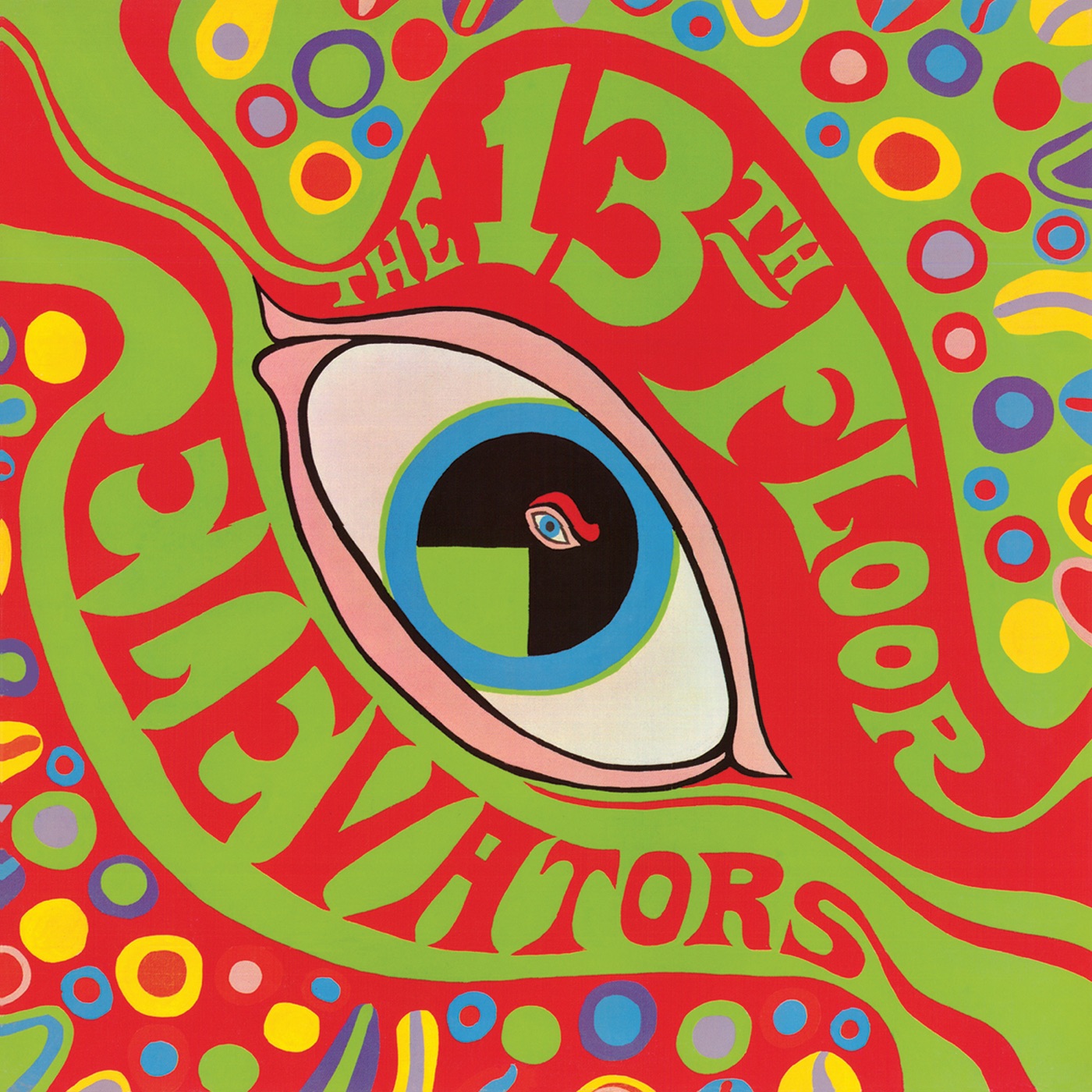 13th Floor Elevators
The album sounds genuinely unstable in a way many psychedelic records only imitate. Roky Erickson’s vocals carry manic excitement and vulnerability simultaneously, while Tommy Hall’s electric jug gives the music its bizarre pulsing texture. “You’re Gonna Miss Me” and “Reverberation” combine garage-rock simplicity with altered-state atmosphere. The band treats psychedelia less as decorative fantasy than as psychic overload. The rough production enhances the sense of disorientation rather than limiting it. It remains one of the strangest major rock debuts of the 1960s.
-
 John Coltrane
Ascension abandons conventional jazz structure in favor of collective improvisation on an overwhelming scale. The ensemble surges between dense group passages and individual solos, creating the feeling of constant spiritual and musical escalation. Rather than chaos for its own sake, the album pursues intensity as a form of communal expression. Coltrane’s own playing sounds urgent and searching, pushing beyond established harmonic language entirely. The record deeply influenced free jazz, experimental music, and avant-garde improvisation across genres. Even now, it feels less like a performance than an event unfolding in real time.
-
 Ike & Tina Turner
 -
 The Supremes
 -
 The Seeds
Primitive, sneering, and wonderfully obnoxious, this garage-rock classic practically invents punk's attitude a decade early. The band's limitations become strengths, especially on the immortal "Pushin' Too Hard." Raw rock and roll in its purest form.
-
 Mississippi John Hurt
 -
 The Mothers Of Invention
 -
Nina Simone
-
 The Kinks

Do you like albums?
Want to make a list?
It’s free & easy &
the Whale is nice!
Learn more