-
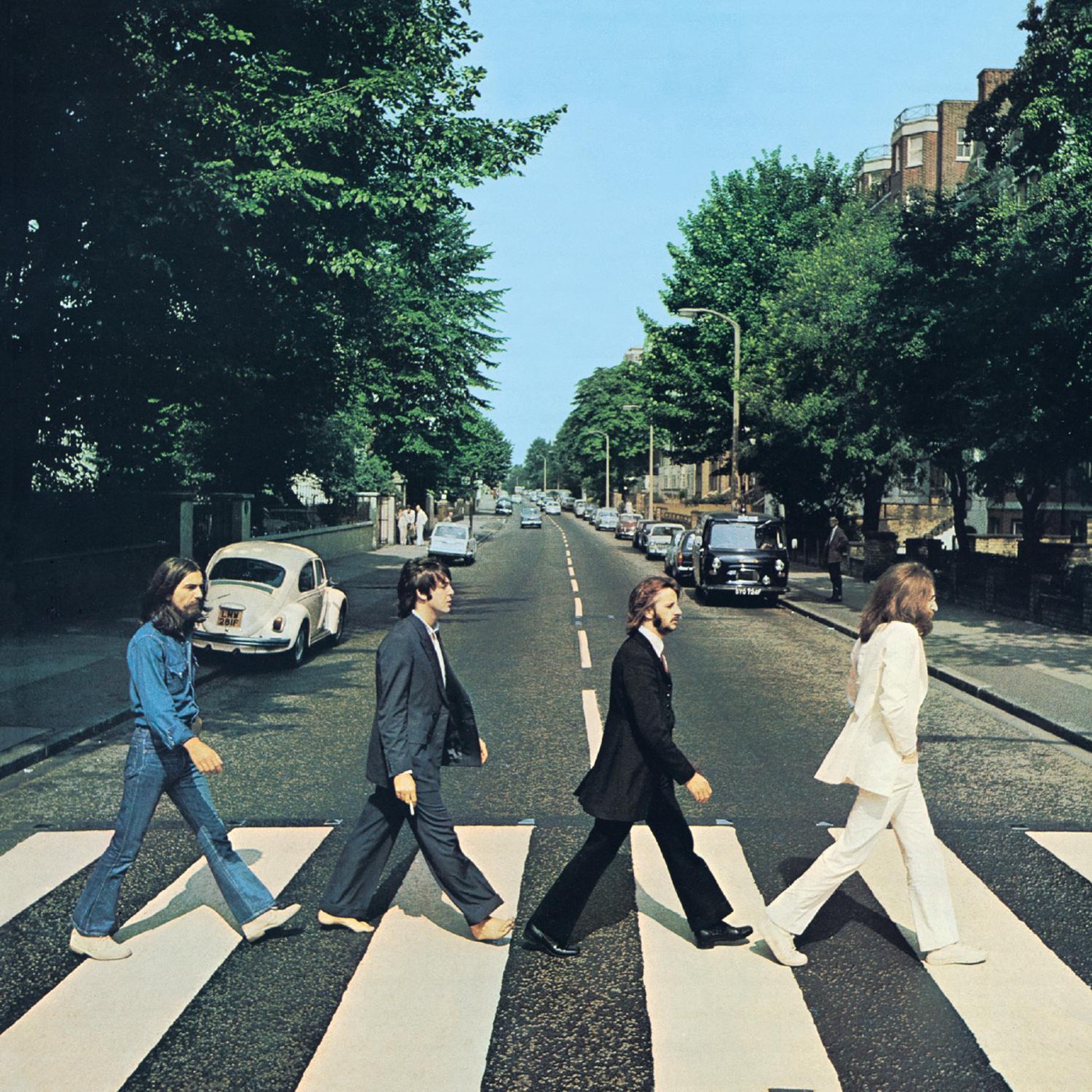 The Beatles
The album sounds like four musicians simultaneously exhausted with each other and incapable of making anything less than extraordinary. Side two’s medley is the obvious centerpiece, not because it’s “epic,” but because it turns fragments, unfinished songs, and studio experiments into something emotionally coherent. “Something,” “Here Comes the Sun,” and “I Want You (She’s So Heavy)” all point toward radically different futures for rock music: melodic sophistication, intimate folk-pop, and crushing repetition bordering on proto-metal. The production is immaculate without feeling sterile; every bassline, guitar texture, and vocal harmony feels tactile. Even the album’s polish has tension inside it — you can hear a band trying to hold itself together through craftsmanship. Few records this famous still contain this many surprising details.
-
 Miles Davis
Rather than exploding jazz into fusion spectacle, Miles Davis makes electric music feel suspended and almost weightless. The long-form structure, shaped heavily through editing, allows the music to move like weather instead of traditional jazz composition. Joe Zawinul’s electric piano, John McLaughlin’s guitar, and Tony Williams’ drumming create constant motion without obvious climax. The album’s quietness is part of what made it revolutionary; it invites immersion rather than demanding attention. A huge amount of ambient music, post-rock, and experimental jazz can be traced back to the mood this record discovered. It still sounds futuristic because it refuses to rush.
-
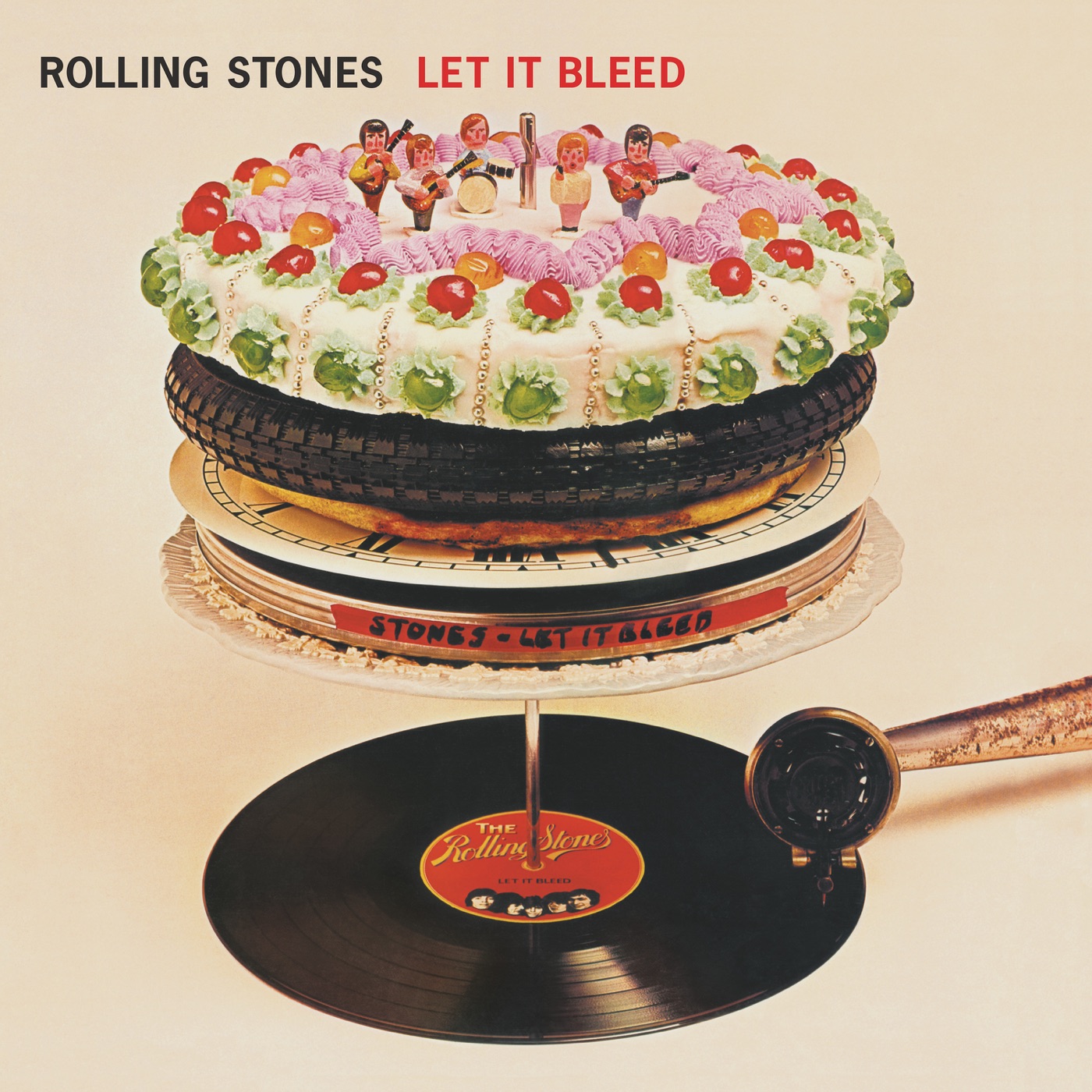 The Rolling Stones
The Stones sound less like rock stars here than a traveling band documenting social collapse in real time. “Gimme Shelter” remains terrifying because Merry Clayton’s vocal turns the song from commentary into lived catastrophe, while “Midnight Rambler” and “Monkey Man” push blues-rock into darker psychological territory. At the same time, “Country Honk” and “You Got the Silver” keep the album rooted in loose, human performance. The record constantly shifts between menace, exhaustion, humor, and swagger without losing coherence. It captures the end of the 1960s better than most explicitly political albums because it feels morally unstable rather than certain.
-
The Band
Instead of chasing psychedelic excess, The Band build songs that feel old, regional, and strangely mythic. “Up on Cripple Creek,” “King Harvest,” and “The Night They Drove Old Dixie Down” create entire worlds through tiny musical and lyrical details. The group’s greatest strength is collective personality: every voice, instrument, and rhythm feels interdependent rather than hierarchical. Levon Helm’s drumming alone changes the feel of rock music — loose, conversational, deeply physical. The album helped redirect rock away from futurism and back toward roots music, but it never sounds conservative. Its version of America is too strange and haunted for nostalgia.
-
Led Zeppelin
The debut reshapes blues-rock through sheer scale and physicality. Jimmy Page’s production gives the album enormous depth, from the explosive room sound of John Bonham’s drums to the acoustic passages that suddenly open inside heavier tracks. “Dazed and Confused” stretches tension almost to breaking point, while “Good Times Bad Times” and “Communication Breakdown” move with shocking speed and precision. The band sound fully formed immediately, which is part of what makes the record feel historically disruptive. Hard rock before this album often sounded heavy; Zeppelin made heaviness cinematic.
-
 Led Zeppelin
If the debut introduced the band’s power, this album turns that power into swagger. “Whole Lotta Love” remains overwhelming because of how physical it feels — Bonham’s drums, John Paul Jones’ bass, and Page’s guitar all seem to push against the speakers at once. “Ramble On” and “What Is and What Should Never Be” reveal how melodic and dynamic the band could be beneath the heaviness. The album also helped define rock production in the 1970s: huge low end, wide stereo space, and an almost tactile sense of volume. What keeps it alive is the looseness inside all that force; the band sounds like it’s discovering the songs while playing them. Hard rock rarely sounded this confident this early.
-
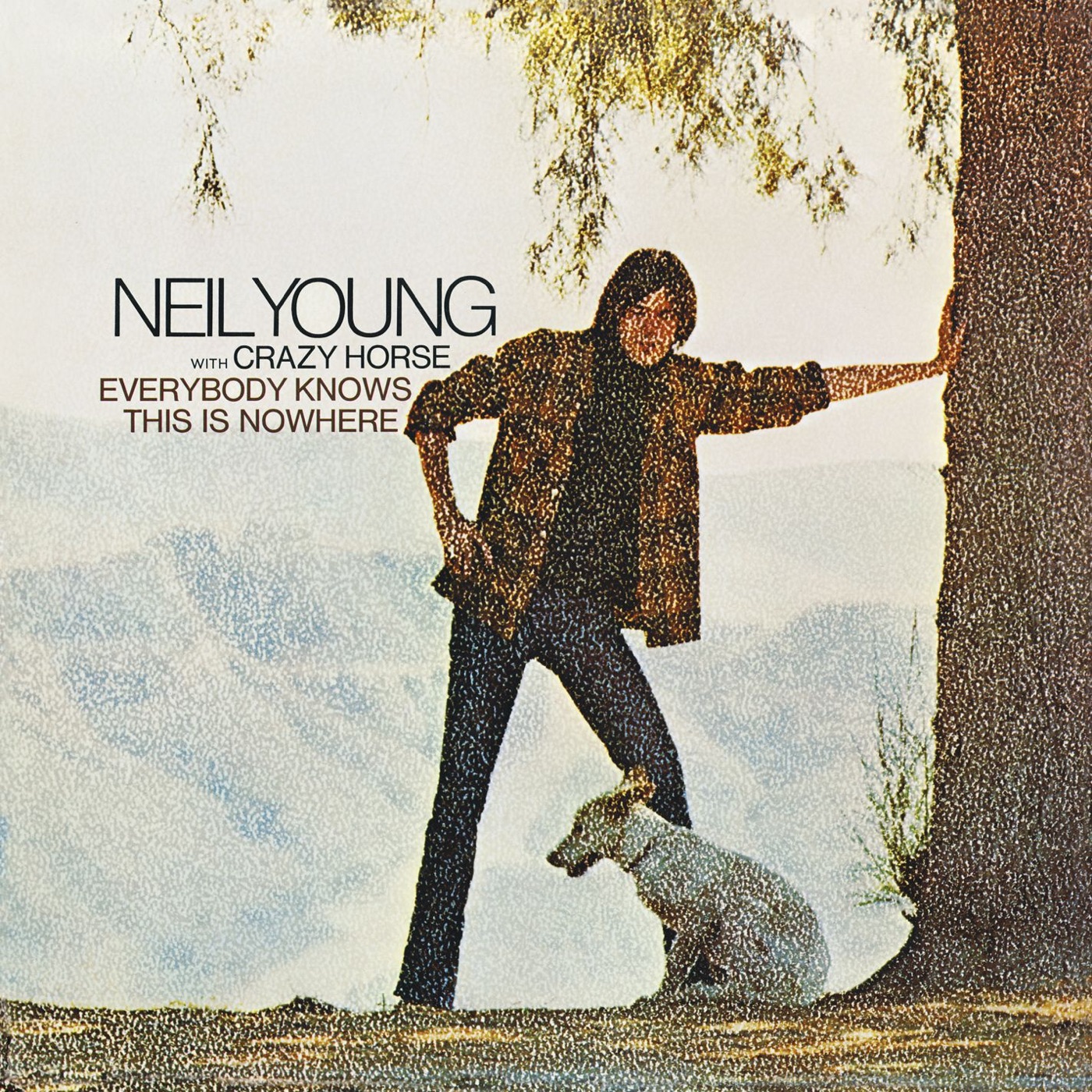 Neil Young, Crazy Horse
Neil Young and Crazy Horse discover how expressive raggedness can be. “Down by the River” and “Cowgirl in the Sand” stretch out for long improvisations, but the looseness never feels indulgent because the guitar playing is emotional rather than technical. “Cinnamon Girl” condenses that same chemistry into three minutes of distorted momentum. What makes the album important is how anti-perfectionist it is — mistakes, repetition, and rough edges become the point. A massive amount of indie rock and alternative guitar music starts here.
-
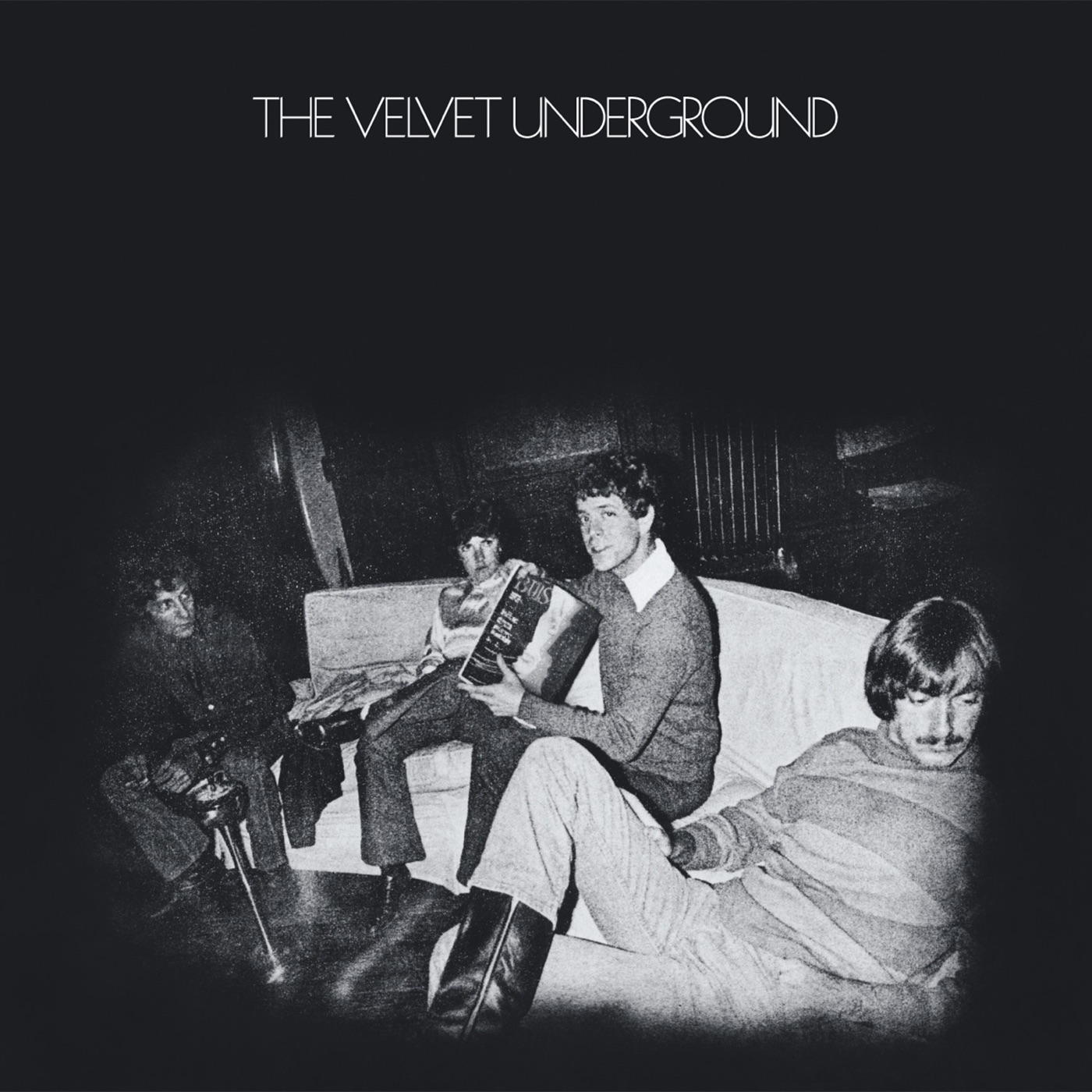 The Velvet Underground
After the noise and confrontation of earlier records, the band turns inward and becomes even more emotionally unsettling. “Pale Blue Eyes,” “Candy Says,” and “Jesus” are almost disarmingly gentle, but the calmness only makes the vulnerability feel sharper. Lou Reed’s writing strips sentimentality away from intimacy; the songs feel direct without becoming confessional in an obvious way. The sparse arrangements leave enormous space around every lyric and instrumental gesture. The album quietly invented an entire lineage of intimate indie songwriting. Few records this soft feel this psychologically exposed.
-
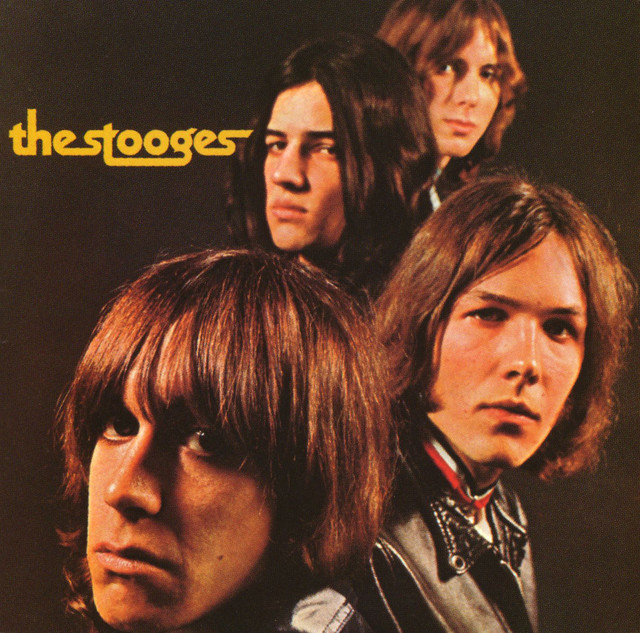
The Stooges
This album reduces rock music to repetition, rhythm, and raw physical force. “I Wanna Be Your Dog” is built from almost nothing — a riff, sleigh bells, Iggy Pop’s dead-eyed vocal — yet it feels radical because of how stubbornly it refuses complexity. “1969” and “No Fun” sound bored, hostile, and weirdly ecstatic at the same time. The band’s simplicity wasn’t incompetence; it was a rejection of virtuosity as a value system. Punk, noise rock, and garage revivalism all owe enormous debts to this record. It still sounds confrontational because it denies the listener comfort.
-
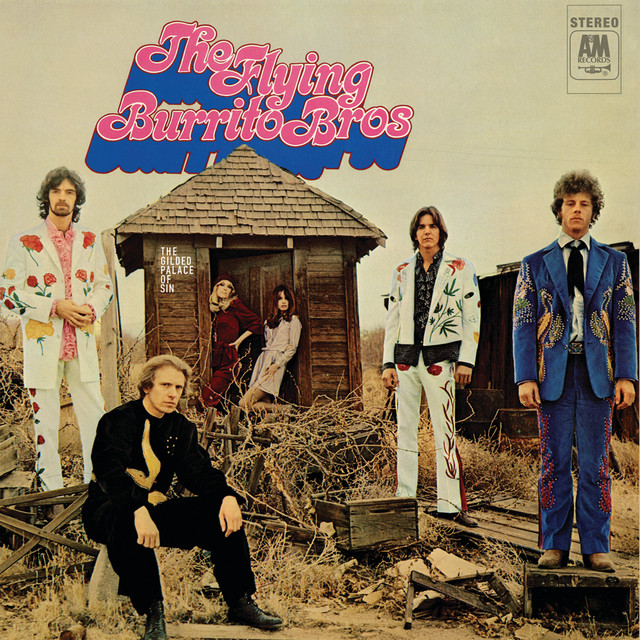
The Flying Burrito Brothers
Gram Parsons and company merge country music and rock music so naturally that it becomes hard to remember how unusual this once sounded. “Sin City,” “Christine’s Tune,” and “Hot Burrito #1” mix heartbreak, cosmic imagery, and Bakersfield-style twang into something simultaneously worn-out and visionary. Sneaky Pete Kleinow’s pedal steel gives the album its strange psychedelic shimmer. The record helped invent country-rock, but it’s too emotionally bruised and eccentric to fit neatly into genre history. Its sadness feels loose and lived-in rather than polished.
-
 Mavis Staples
Mavis Staples brings gospel phrasing and spiritual intensity into soul music without softening either tradition. Her voice has extraordinary weight — deep, warm, commanding — and the arrangements wisely leave room for it to dominate the emotional landscape. Songs like “Son of a Preacher Man” and “Why? (Am I Treated So Bad)” feel rooted in both church and social reality. The album’s power comes from conviction rather than showmanship. Even at its most restrained, it sounds enormous because Staples sings with total authority.
-
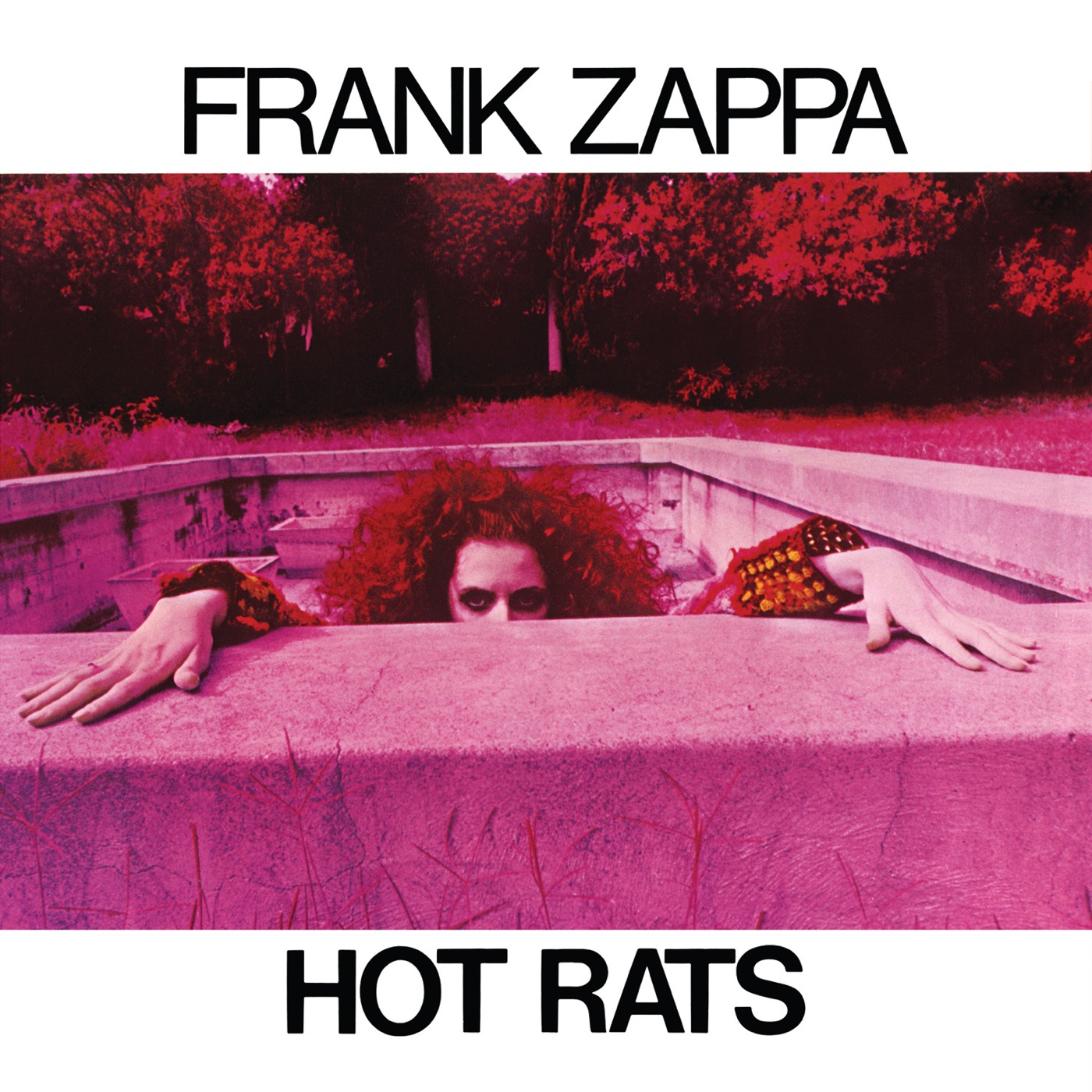 Frank Zappa
Zappa strips away most of the satire and vocal absurdity that defined the Mothers of Invention and focuses instead on composition, improvisation, and texture. “Peaches en Regalia” somehow manages to sound intricate and playful at the same time, while “Willie the Pimp” turns a blues jam into something slippery and unpredictable. The extended instrumental passages never feel like technical demonstrations because the arrangements keep mutating underneath the solos. Ian Underwood’s woodwinds and electric piano are just as crucial as the guitar work, giving the album its dense, elastic feel. Jazz fusion would soon become associated with virtuoso excess, but Hot Rats still sounds curious and exploratory rather than self-important. It’s one of the few “musician’s albums” that remains genuinely fun to listen to.
-
 Fairport Convention
This is one of the records where British folk-rock stopped sounding like an experiment and became its own musical language. Sandy Denny’s voice anchors everything with remarkable clarity and emotional intelligence, especially on “Who Knows Where the Time Goes?” — a song that somehow feels timeless without straining for importance. The band’s treatment of traditional material is equally striking: electric guitars, folk melodies, and improvisational interplay coexist naturally rather than as novelty fusion. Richard Thompson’s guitar work gives the album movement and tension without overwhelming the songs. There’s a lived-in, communal quality to the playing that keeps the music from becoming precious. The album helped redefine what “traditional” music could sound like in a modern context.
-
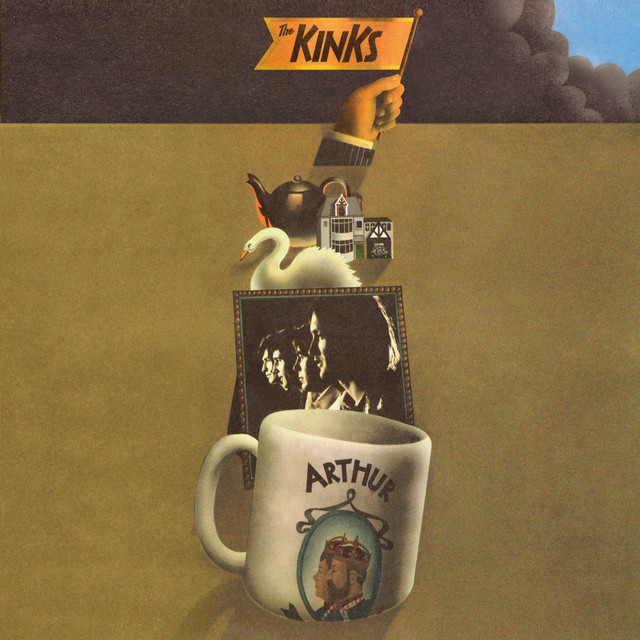
Ray Davies uses the story of one ordinary man to examine class, nostalgia, imperial decline, and postwar British life with unusual warmth and skepticism. “Victoria” bursts open the album with chaotic optimism, while “Shangri-La” and “Some Mother’s Son” reveal how emotionally observant Davies had become as a writer. The music constantly shifts between music hall, hard rock, folk, and pop without feeling stylistically restless for its own sake. Unlike many concept albums from the era, Arthur never loses sight of actual people. The band’s roughness works in its favor; the songs feel inhabited rather than carefully preserved. It’s one of rock’s sharpest social documents because it never sounds like a lecture.
-
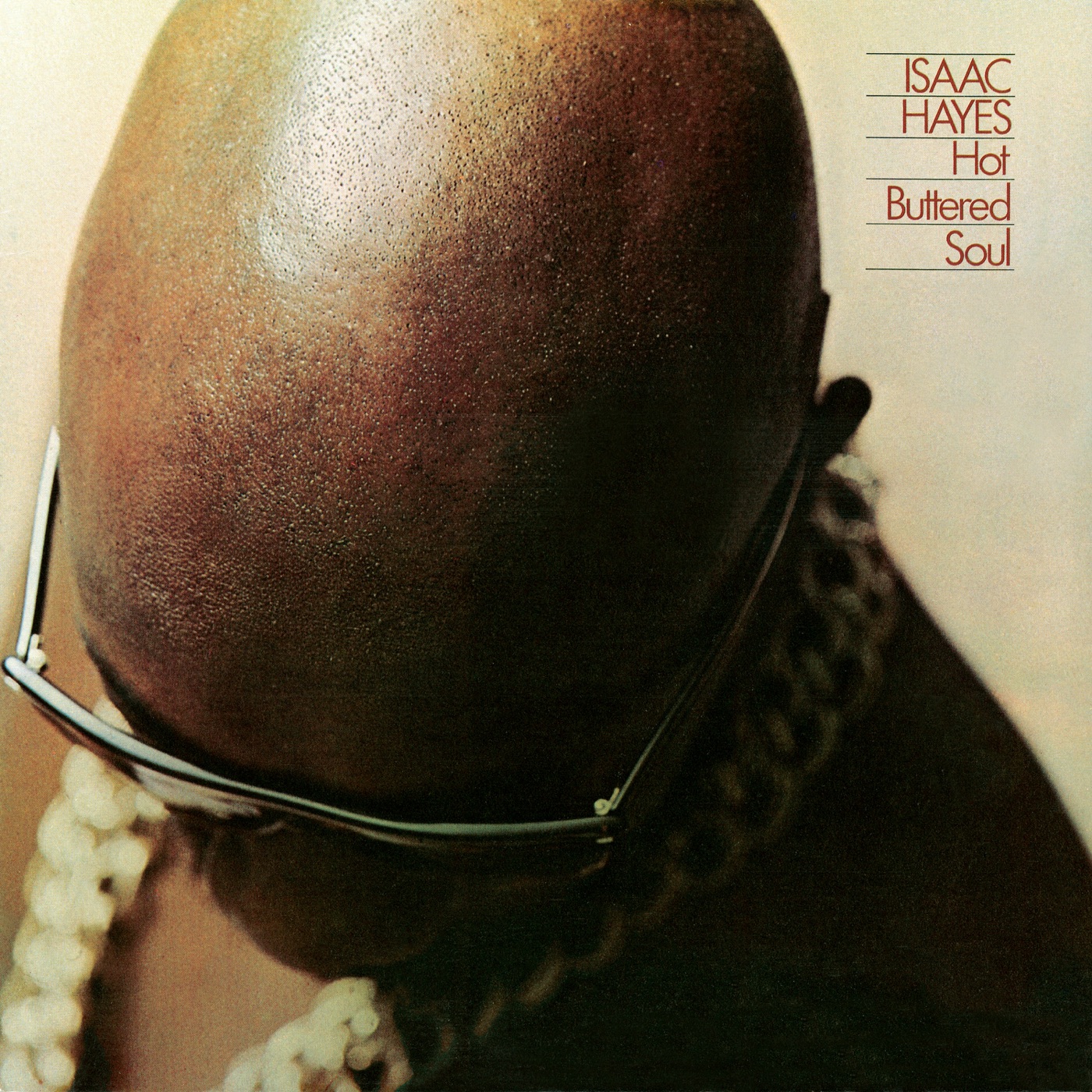 Isaac Hayes
Hayes completely reimagines soul music’s scale here, stretching songs into long, cinematic movements built from orchestration, groove, and spoken-word introspection. “Walk On By” transforms a concise Burt Bacharach pop song into something hypnotic and emotionally destabilizing, while “Hyperbolicsyllabicsesquedalymistic” turns rhythm into architecture. The arrangements are lush, but never merely decorative — every string section and bassline deepens the mood. Hayes’ voice moves with extraordinary calm confidence, making the album feel intimate even at its most elaborate. The record helped invent the language of symphonic soul and modern R&B production. It also sounds unmistakably nocturnal: slow-moving, seductive, slightly unreal.
-
 The Allman Brothers Band
The debut establishes the band’s core idea immediately: blues, jazz improvisation, country phrasing, and Southern rock energy treated as parts of the same musical vocabulary. Duane Allman and Dickey Betts play like conversational partners rather than competing soloists, especially on “Dreams” and “Whipping Post.” The rhythm section is just as important — fluid, patient, and unusually sophisticated for rock music at the time. Gregg Allman’s voice gives the songs emotional gravity without overdramatizing them. The album’s looseness feels purposeful; the band understands how to let grooves breathe. Southern rock would become formulaic in lesser hands, but this record still sounds exploratory.
-
 Creedence Clearwater Revival
CCR strip rock music down to rhythm, economy, and clarity with almost frightening efficiency. “Fortunate Son” remains explosive because John Fogerty channels political anger into propulsion rather than rhetoric, while “Down on the Corner” and “Midnight Special” sound communal and homemade in the best sense. The band never wastes motion — every riff, drum fill, and vocal line serves the song directly. Despite the swampy Southern imagery, there’s something distinctly working-class Californian about the record’s practicality and focus. The sequencing helps too: political fury, party music, folk tradition, and melancholy all coexist naturally. Few albums move this quickly while saying this much.
-
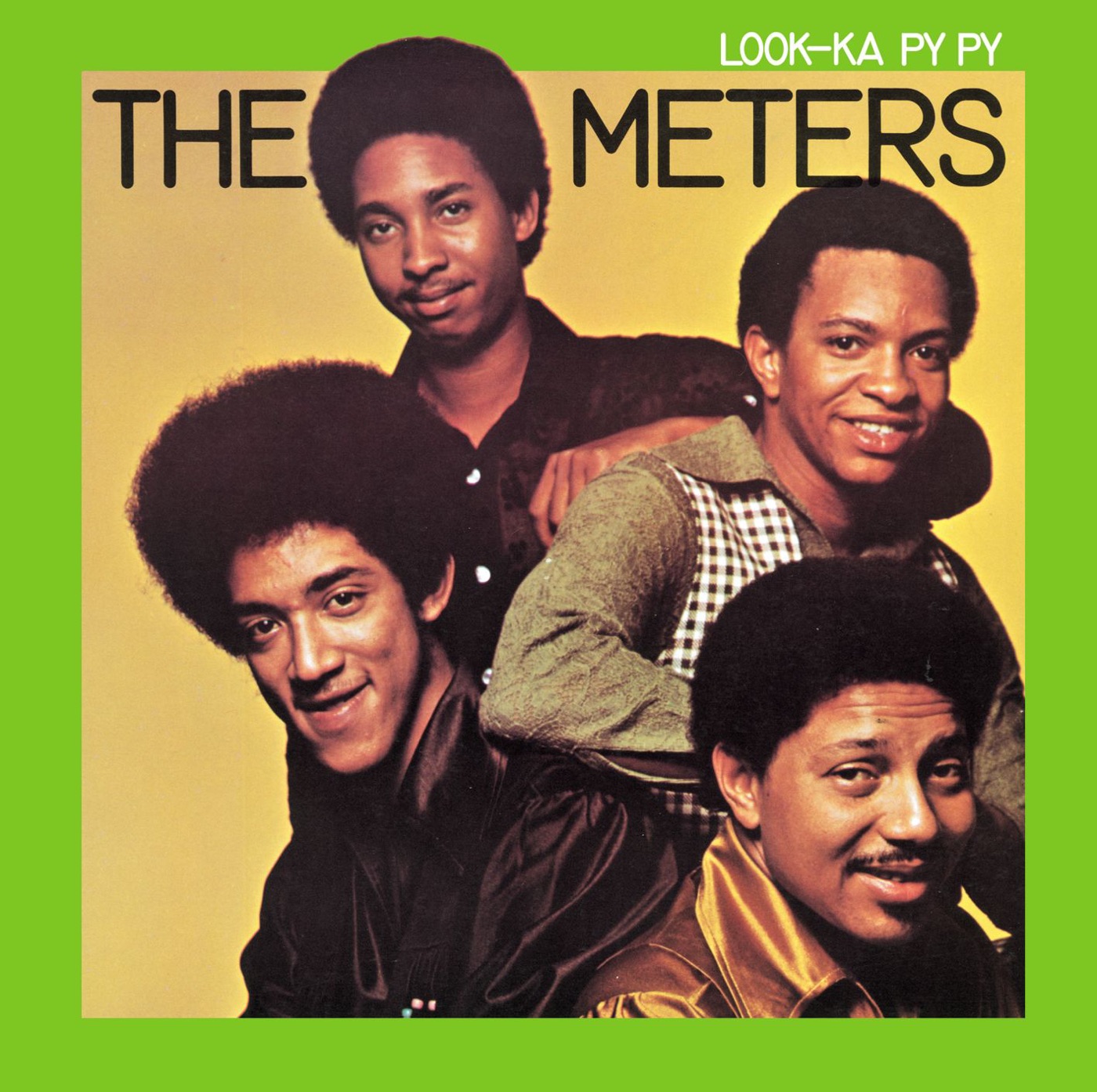 The Meters
The Meters approach funk less as spectacle than as microscopic rhythmic precision. Tracks like “Look-Ka Py Py,” “Pungee,” and “Dry Spell” lock into grooves so deep and relaxed that the complexity almost disappears inside the feel. Zigaboo Modeliste’s drumming alone rewrote how rhythm sections could function in popular music. The album leaves enormous space in the arrangements, which makes every guitar scratch, organ stab, and bass movement matter more. Funk, hip-hop, and sample culture are all deeply indebted to records like this because the grooves remain endlessly reusable. It’s dance music built from understatement.
-
 Hank Mobley
Mobley’s playing has often been described as understated compared to more explosive hard bop saxophonists, but that balance and melodic intelligence are exactly what make this record so satisfying. The album swings hard without sounding aggressive, and Mobley’s phrasing keeps the improvisations conversational rather than showy. Tracks like “The Flip” and “Snappin’ Out” reveal how deeply he understood pacing and tone. The rhythm section gives the music buoyancy rather than force, allowing the solos room to unfold naturally. There’s a remarkable ease to the whole session — complex musicianship presented without strain. The album reminds you how much jazz can accomplish through subtlety alone.
-
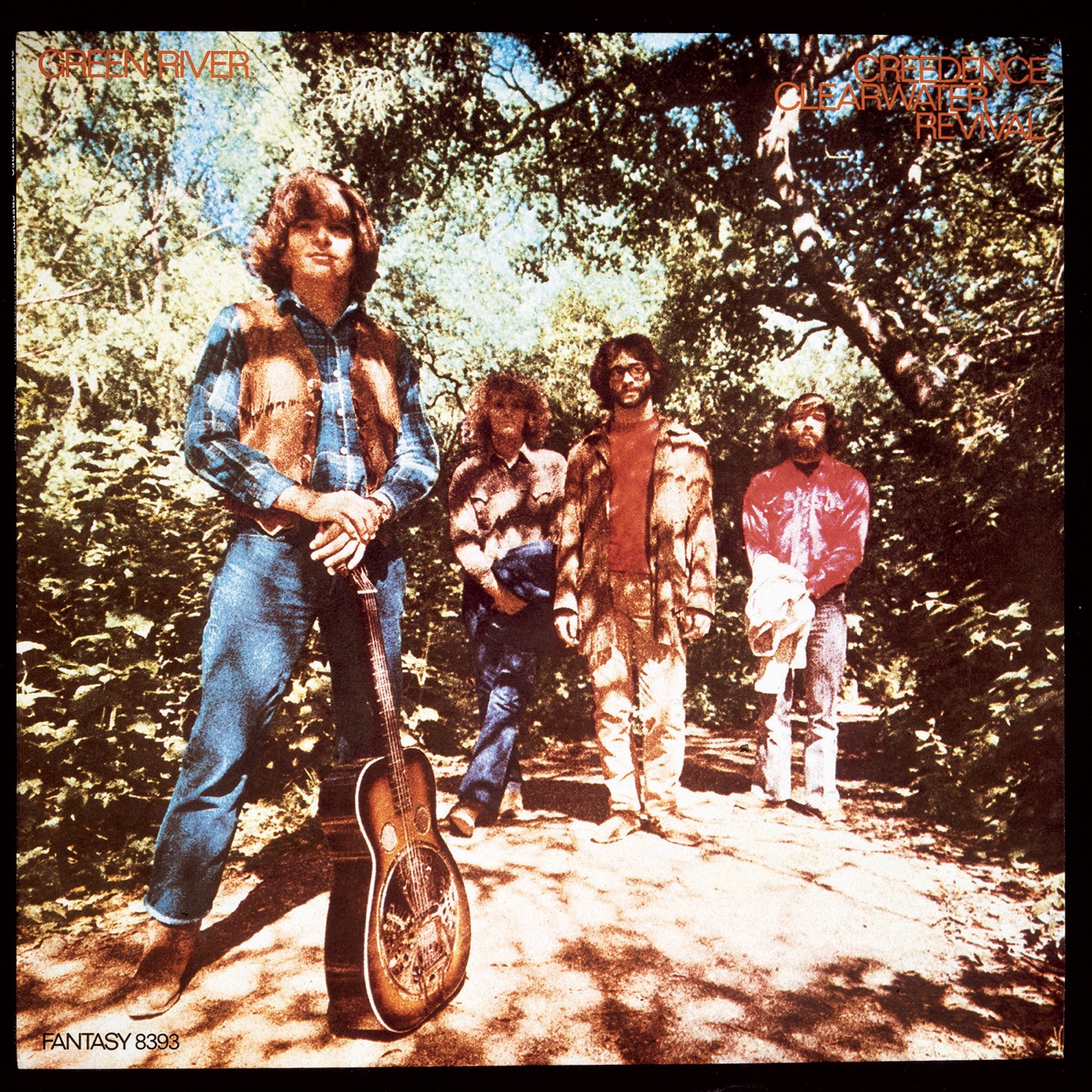 Creedence Clearwater Revival
This album condenses rock, blues, country, and swamp boogie into short, perfectly engineered bursts of momentum. “Green River,” “Bad Moon Rising,” and “Lodi” are all radically different emotional experiences, yet they coexist naturally because Fogerty’s songwriting is so sharply focused. The band’s greatest trick is making technical precision sound casual. There’s no excess anywhere — the grooves are tight, the solos concise, the hooks immediate. Even the darker songs carry a strange sense of movement and practicality. The album feels built for constant replay because it never lingers longer than necessary.
-
 Freddie King
Freddie King’s guitar tone is the emotional center of the album: thick, sharp-edged, and deeply expressive without unnecessary ornamentation. Songs like “Yonder Wall” and the title track balance toughness with vulnerability in ways that later blues-rock often missed. King’s phrasing is remarkably economical — every bend and run feels purposeful. The arrangements keep things uncluttered, allowing the interplay between voice and guitar to carry the emotional weight. The album helped bridge traditional electric blues and the harder rock styles emerging at the end of the decade. You can hear future generations of guitarists studying this sound in real time.
-
 Townes Van Zandt
Townes writes with unusual clarity about loneliness, emotional drift, and moral ambiguity, but the songs never feel self-consciously “poetic.” “Waiting Around to Die,” “For the Sake of the Song,” and “Lungs” combine folk storytelling with imagery that feels dreamlike and painfully concrete at the same time. His voice is conversational and almost fragile, which makes the emotional impact stronger rather than weaker. The sparse arrangements leave room for every lyric to settle. The album became hugely influential because it treats vulnerability without sentimentality or theatrical suffering. It feels less like performance than confession overheard from the next room.
-
 Blind Faith
The record captures a fascinating tension between virtuosity and exhaustion. Eric Clapton, Steve Winwood, Ginger Baker, and Ric Grech clearly have immense chemistry, but the album often sounds like musicians trying to escape the expectations surrounding them. “Can’t Find My Way Home” remains the emotional centerpiece because of its restraint and openness, while “Presence of the Lord” channels spiritual yearning without pomposity. The longer jams work best when the band relaxes into groove rather than technical display. Despite the “supergroup” mythology, the album’s most compelling moments are intimate and uncertain. Its incompleteness is part of what makes it memorable.
-
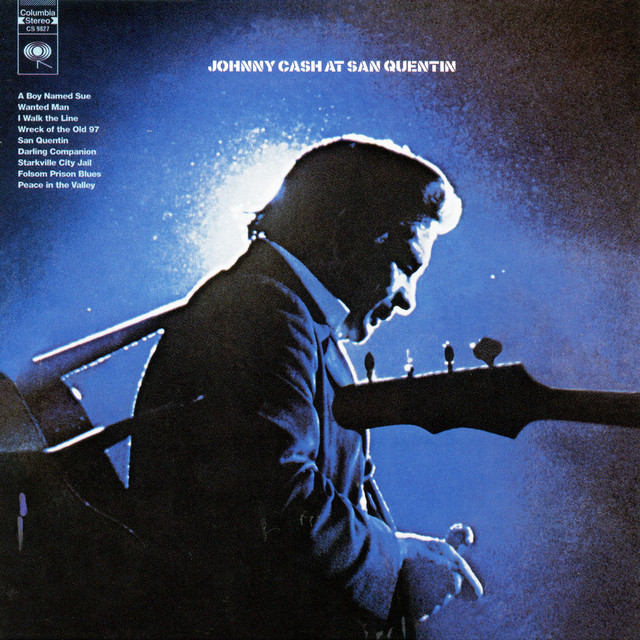
Johnny Cash
Cash’s performance at San Quentin works because he refuses to treat the prisoners as spectacle or metaphor. The atmosphere is electric from the opening moments — jokes land harder, songs hit differently, and every exchange between Cash and the audience carries genuine tension. “San Quentin” itself feels almost confrontational in the room, while “A Boy Named Sue” captures Cash’s gift for balancing humor and authority. The backing band keeps everything moving with sharp professionalism, but the looseness of the live setting gives the record unpredictability. More than most live albums, this one documents a real social space rather than merely a performance. It transformed Cash’s public image while also revealing how naturally he connected with outsiders and institutionalized people.
-
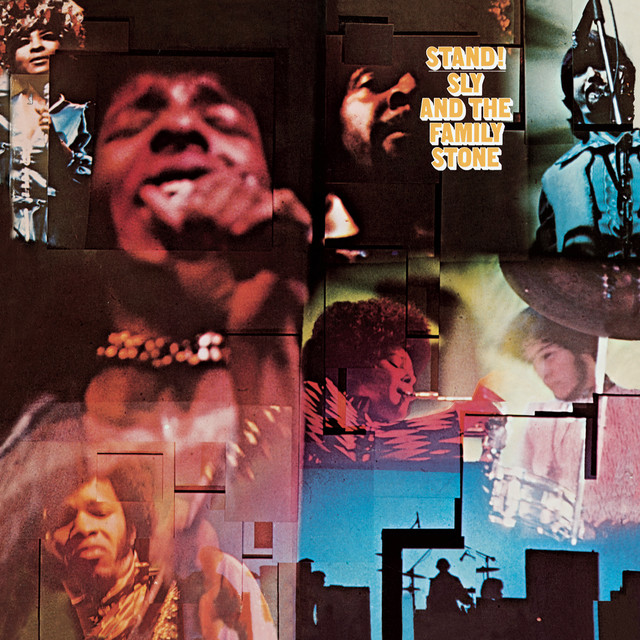
Sly & The Family Stone
An explosive blend of funk, rock, soul, and social commentary. Optimistic without being naïve, it captures a moment when popular music seemed capable of changing the world. One of the defining albums of the late 1960s.
-
Joe Henderson
A thrilling bridge between post-bop sophistication and the emerging fusion era. Henderson assembles an all-star cast and pushes his compositions into more electric, socially conscious territory. Adventurous yet remarkably accessible.
-
 The Meters
Few albums have ever sounded this effortlessly funky. Stripped-down rhythms, razor-sharp grooves, and an economy of style make this one of the foundational documents of funk music. Every track feels like a masterclass in restraint.
-
 Santana
The album that introduced Latin rock to a mass audience. Percussion-driven grooves, blues-rock guitar, and psychedelic textures combine into something entirely distinctive. It remains one of the strongest debut albums of its era.
-
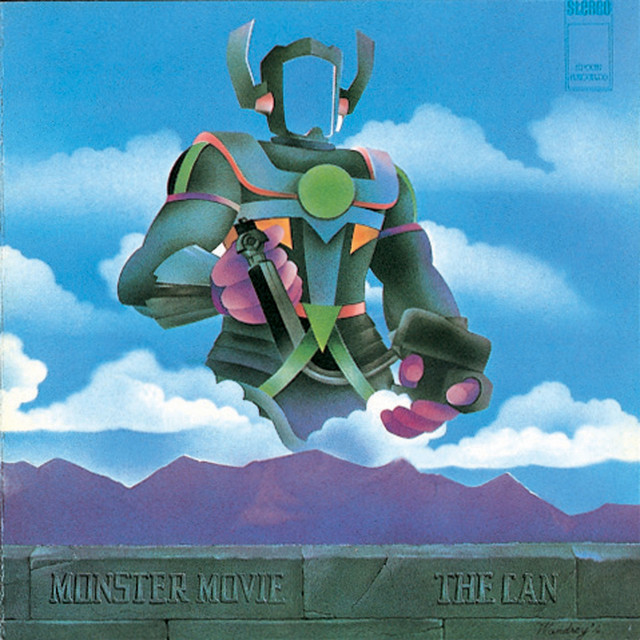
Before Can refined their hypnotic style, they unleashed this wild, psychedelic beast. The lengthy jams are chaotic, inventive, and often exhilarating. Krautrock's future can already be heard taking shape.
-
 Amon Düül II
A strange, visionary record that merges psychedelia, folk, improvisation, and avant-garde experimentation. At times it feels completely untethered from conventional rock music. One of the essential early Krautrock statements.
-
The Tony Williams Lifetime
-
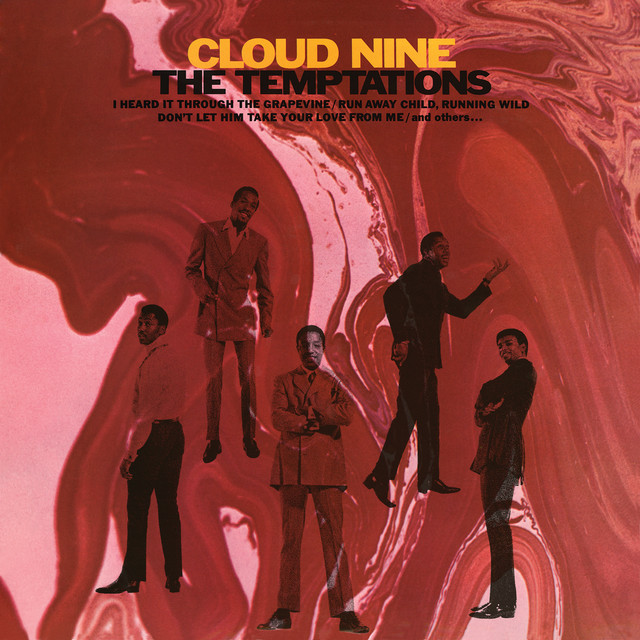
The Temptations
A bold reinvention that moved The Temptations into psychedelic soul. The title track alone changed the group's trajectory, introducing grittier themes and adventurous production. A crucial chapter in Motown's evolution.
-
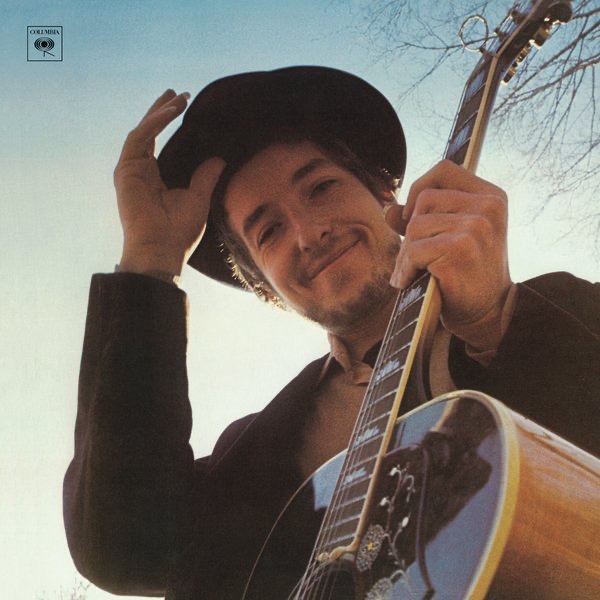 Bob Dylan
Relaxed, warm, and surprisingly unguarded, Dylan's country detour remains one of his most charming albums. His crooning voice and concise songwriting give the record an inviting simplicity. Small in scale, but rich in character.
-
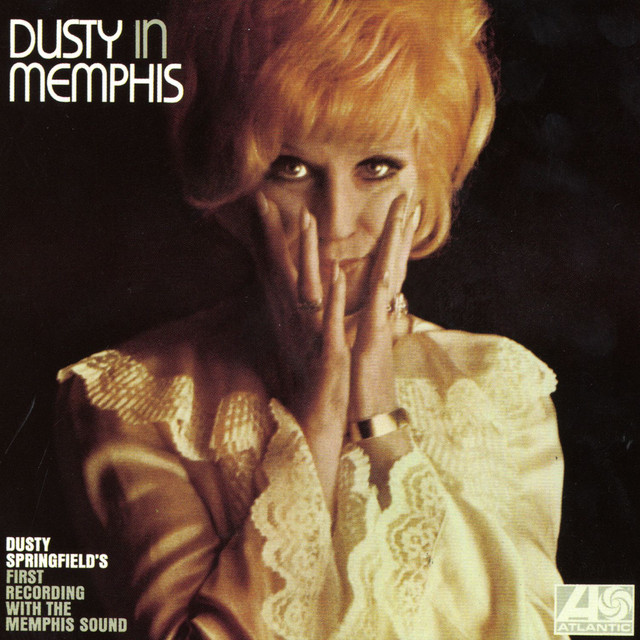
Dusty Springfield
A masterpiece of blue-eyed soul and one of the finest vocal albums ever recorded. Springfield's performances balance vulnerability and power with extraordinary grace. "Son of a Preacher Man" may be the hit, but the entire album is stunning.
-
 Townes Van Zandt
Dark, poetic, and heartbreakingly beautiful, this is one of Van Zandt's greatest achievements. His songs feel ancient and intimate at the same time, filled with loneliness, mystery, and hard-earned wisdom. A landmark singer-songwriter record.
-
The Chris Schilder Quintet
-
Philip Tabane and His Malombo Jazzman
-
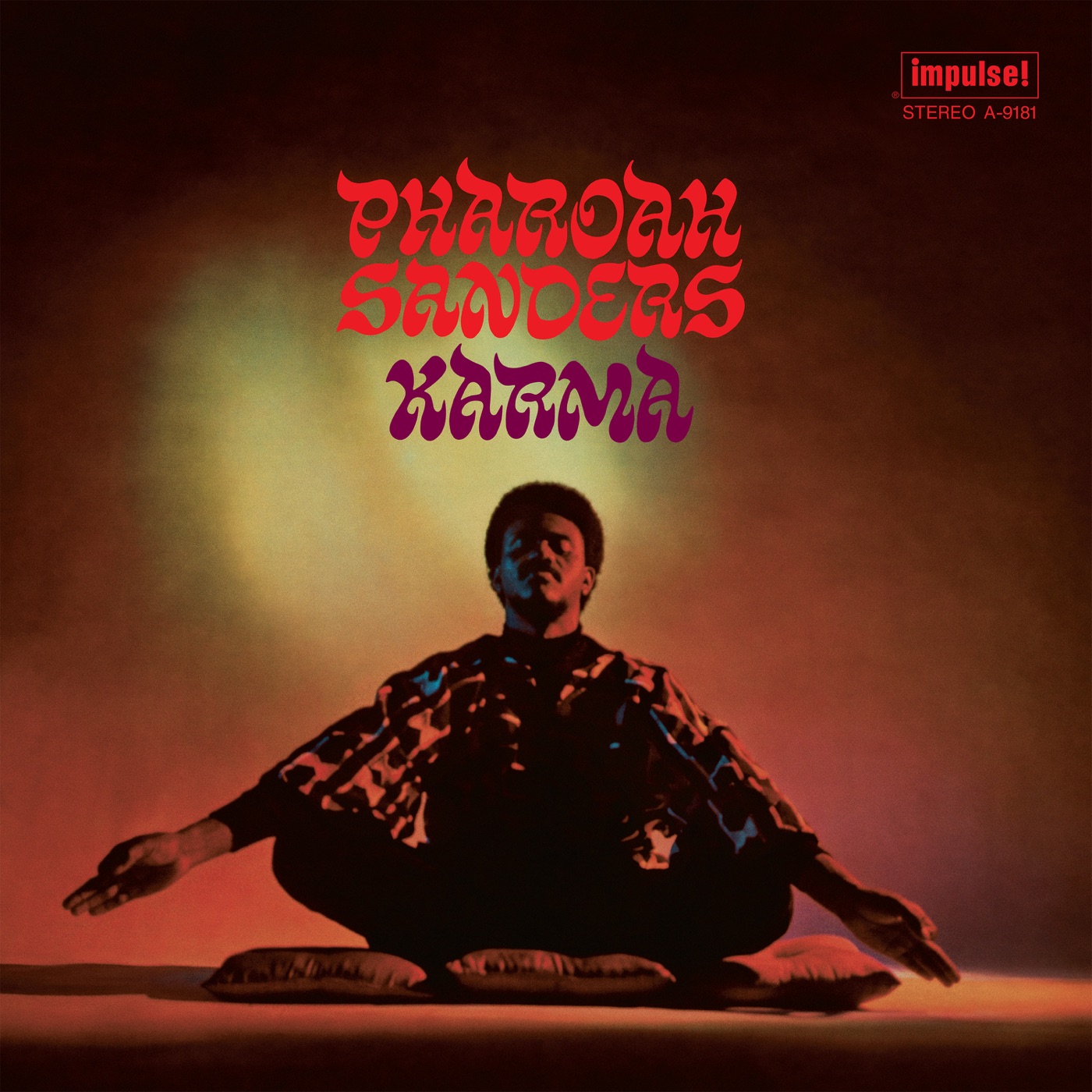 Pharoah Sanders
 -
 Sonny Sharrock
 -
 Howlin' Wolf





Do you like albums?
Want to make a list?
It’s free & easy &
the Whale is nice!
Learn more