-
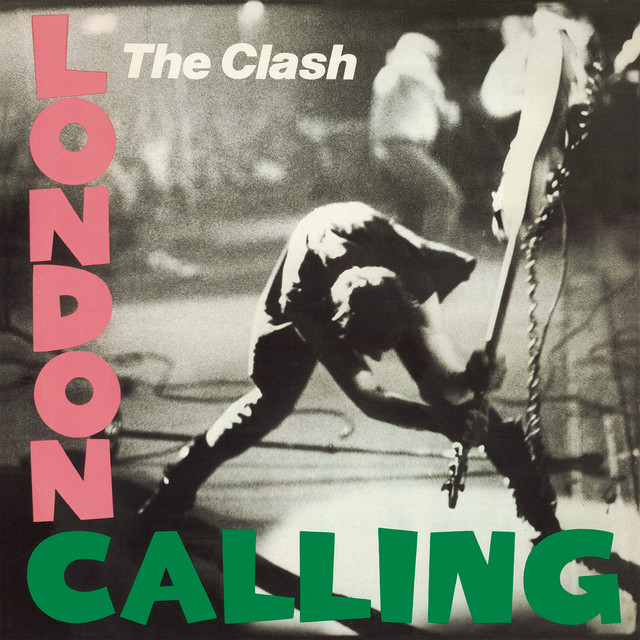
The Clash
By the time of their third LP, The Clash were just showing off. London Calling is a double album that refuses to settle into one identity. It pulls in rock, folk, pop, rockabilly, dub, reggae, punk, and balladry without smoothing over their differences, letting each track adhere to its own logic. The material is uniformly strong - a staggering listen that drips confidence and genius. Rebellious as much for what it isn't than for what it is. One of the great double LPs ever recorded.
-
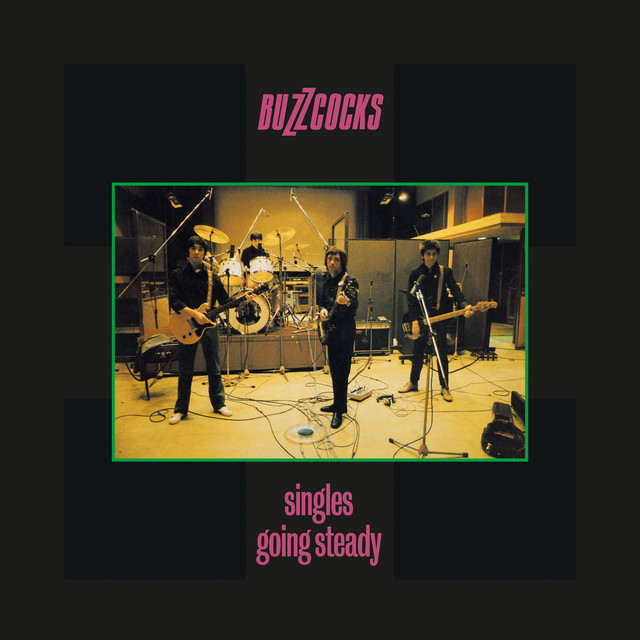
Buzzcocks
Punk's greatest singles band. Buzzcocks were on a run that makes its case for greatness through rapid-fire accumulation. The songs are concise, but the emotional range keeps widening as they stack up - the sentiments are similar between "Orgasm Addict" and "Why Can't I Touch It?" but the music is speaking another language.
-
Joy Division
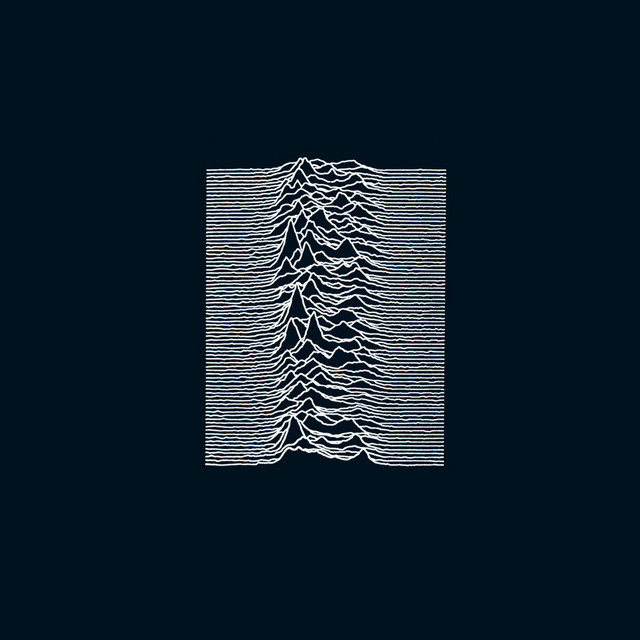
One of the most startling debuts in rock history, Unknown Pleasures finds a band already comfortable with redefining what post-punk sounds like. The production isolates each part, making space feel like a presence. The vocals don’t reach outward; they fold inward. It’s control used to intensify unease.
-
Tom Petty And The Heartbreakers, Tom Petty
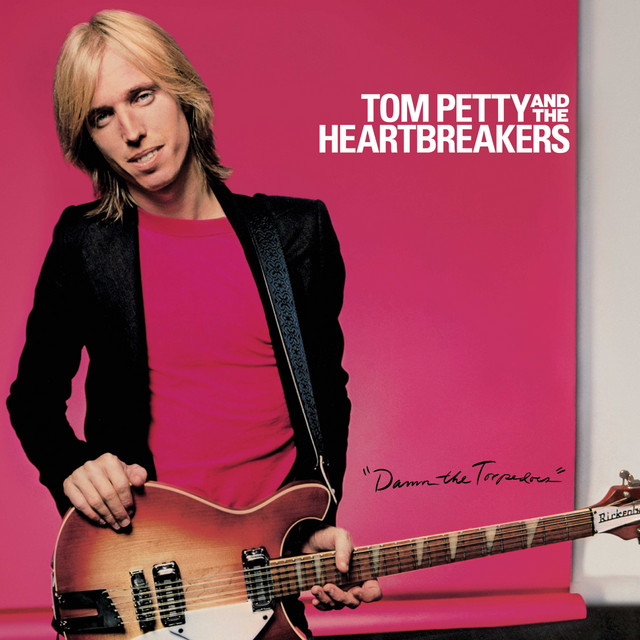
What separates Damn the Torpedoes from a lot of late-’70s radio rock is how deliberately it’s built: the guitars interlock instead of compete, the drums stay centered and unflashy, and every hook arrives exactly when it should. Mike Campbell’s leads are economical but distinctive, often carrying the emotional turn of a song without overstating it. Petty writes in plain language, but the phrasing and pacing give even simple lines a sense of tension and release. Songs like "Refugee" and "Even the Losers" feel effortless because all the decisions are already made—nothing drifts, nothing overstays, and that control is what gives it weight.
-
Talking Heads
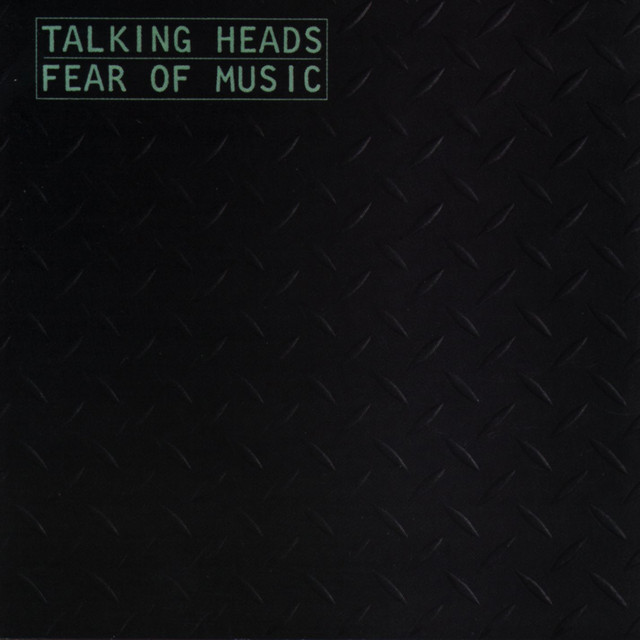
Fear of Music turns anxiety into rhythm. The grooves are built to feel slightly off-center—tight, but never comfortable. Brian Eno helps strip the arrangements down while emphasizing texture, so small sounds—percussion hits, guitar scratches—carry disproportionate weight. David Byrne reduces lyrics to fragments and lists, turning abstract fears into something almost procedural. It’s a record that organizes anxiety instead of expressing it, which makes it more unsettling.
-
Wire
Rather than pushing harder, Wire diffuse its energy across atmosphere and detail on their third LP. Colin Newman’s vocals are less confrontational than on Pink Flag or Chairs Missing, often blending into the texture instead of cutting through it. The arrangements layer guitars, synths, and effects in ways that feel exploratory but still controlled. It’s a pivot from impact to immersion, where the tension comes from how long the band can hold a mood without breaking it.
-
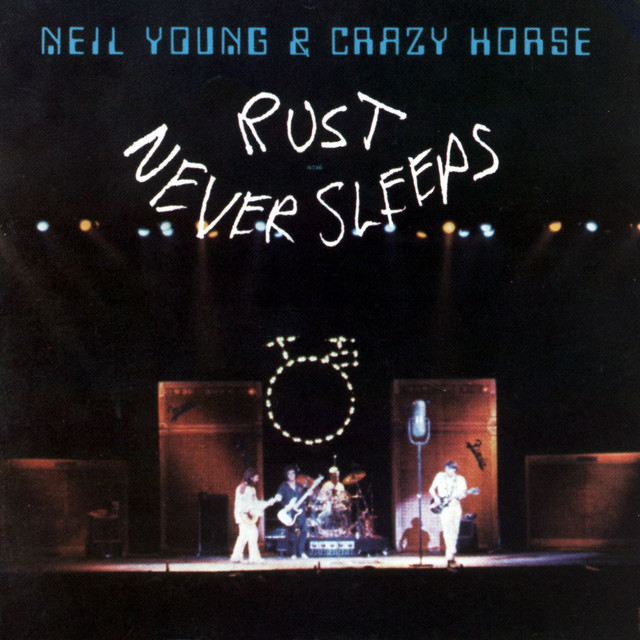
Neil Young, Crazy Horse
Rust is divided between quiet and noise, but held together by intent. The acoustic side feels exposed; the electric side feels confrontational. Neither cancels the other out. It’s contrast used as album structure. The final Young LP from a decade of songwriting brilliance.
-
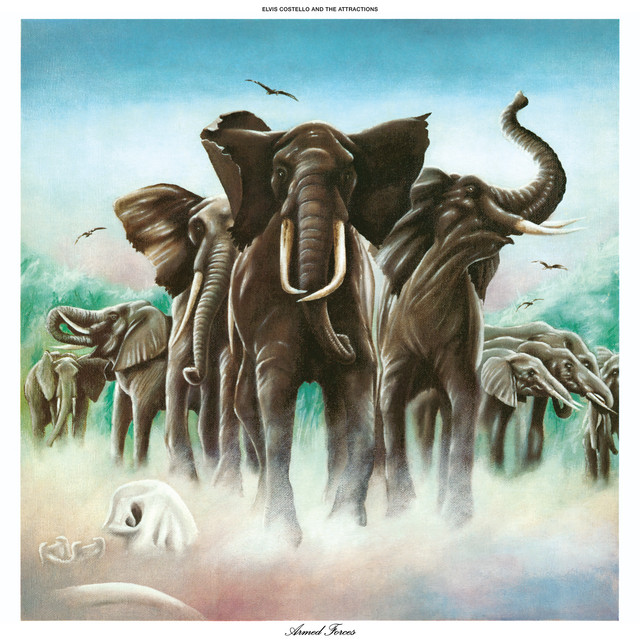
Elvis Costello & The Attractions
After two LPs that defined nervy post-punk, Armed Forces' more sophisticated and polished surfaces carry added weight. The arrangements are intricate, but never crowded. The lyrics cut sideways rather than directly. Costello was proving he would be a career artist.
-
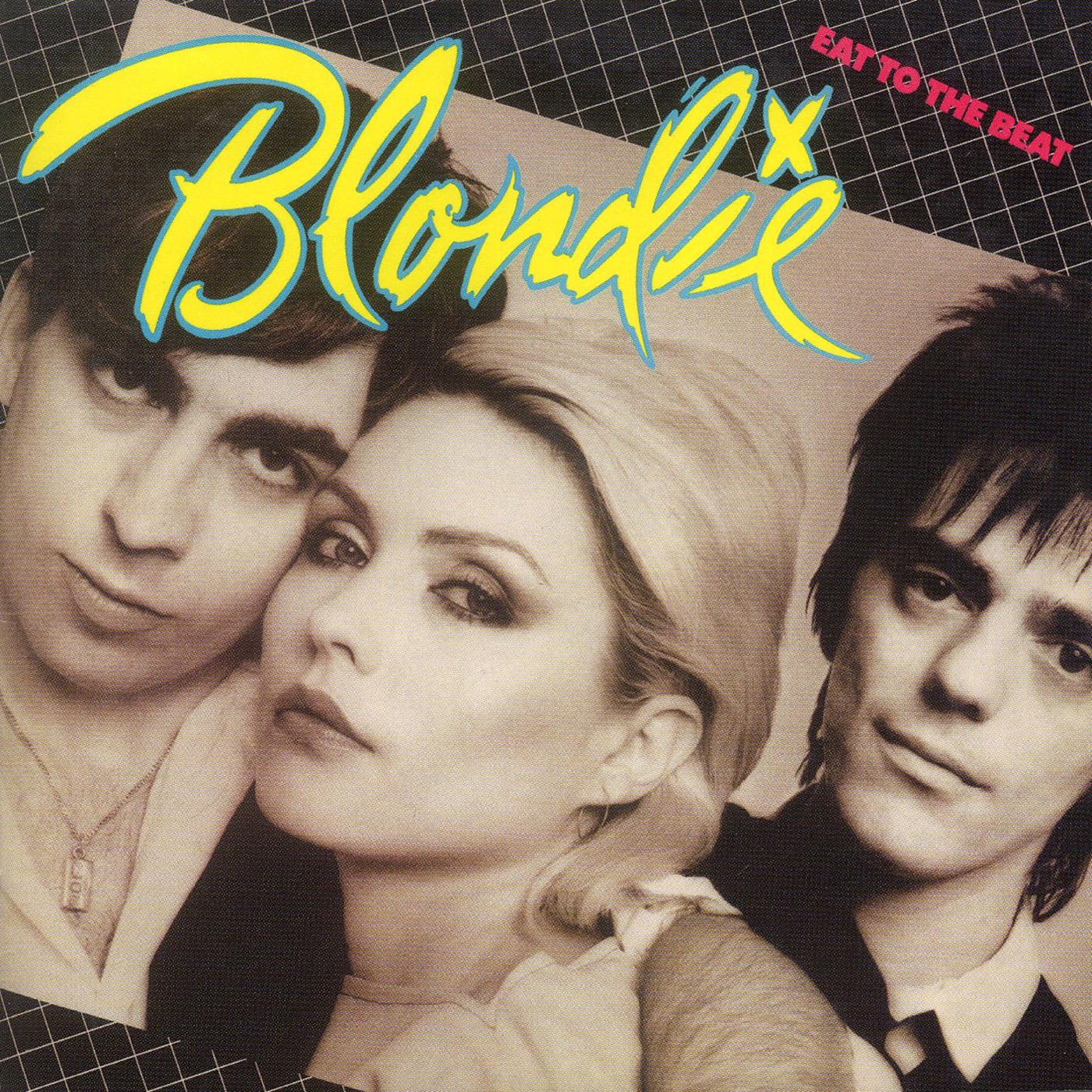 Blondie
A deliberate mix of styles that never feels scattered. Each track commits fully to its approach. The sequencing keeps it moving without settling. It’s versatility without hesitation. The confidence behind songs like "Dreaming", "Union City Blue", and "Atomic" just oozes NYC cool.
-
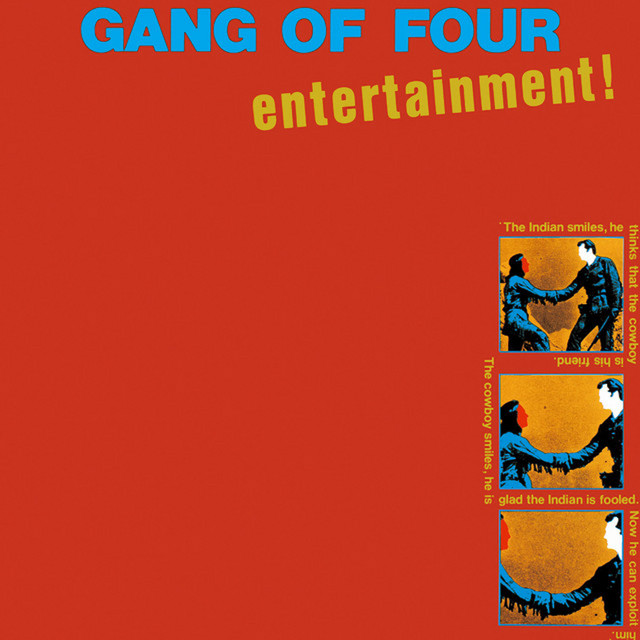
Gang Of Four
Gang of Four exploded onto the post-punk scene with their debut album. The rhythm section is the engine—bass and drums lock into patterns that feel almost circular, while the guitar cuts across them in short, percussive bursts rather than sustained chords. Andy Gill treats the instrument like a tool for interruption, breaking the flow just enough to keep you aware of it. Jon King delivers lines in a measured, nearly affectless tone, which makes the content land harder by refusing drama. It’s a record where groove and critique happen simultaneously, neither canceling the other out. Rhythm used as argument.
-
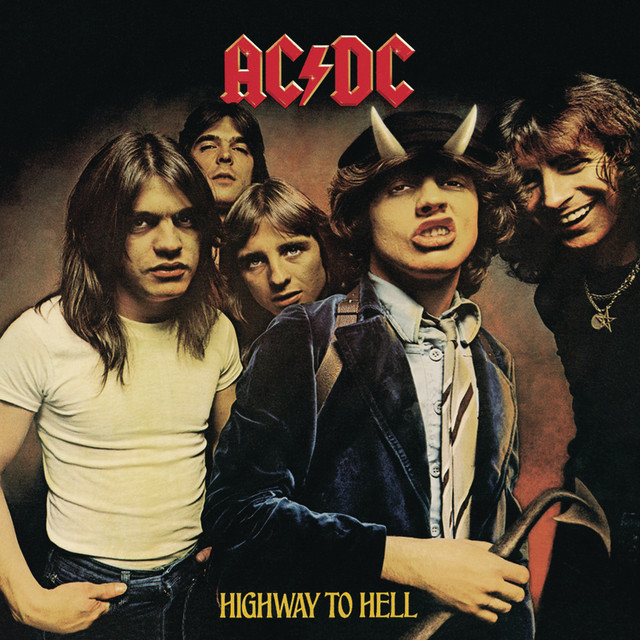
AC/DC
The final AC/DC album to feature Bon Scott tightens everything that band had been doing into a more focused, almost streamlined form. Mutt Lange’s production reins in the chaos just enough—guitars are clearer, the backing vocals more defined, the rhythm section more locked. Scott barks with a looseness that contrasts the precision around him, keeping it from feeling rigid. The result is a blueprint for hard rock swagger.
-
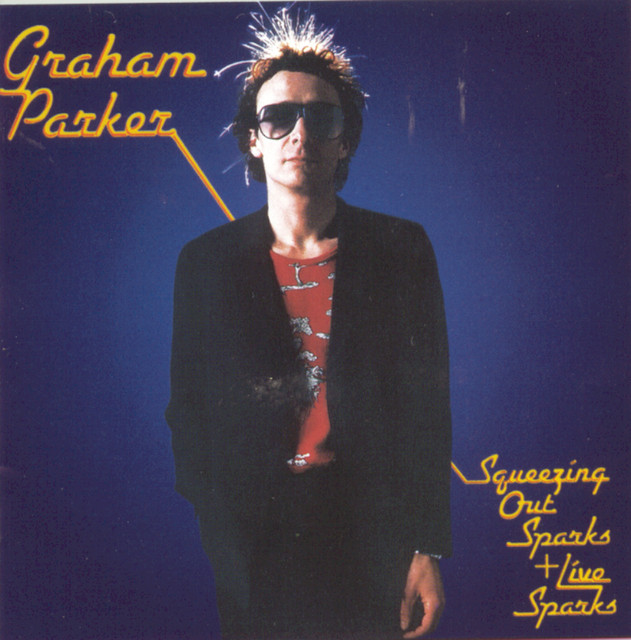
Graham Parker & The Rumour, Graham Parker
Songs driven by urgency rather than speed. The performances feel pushed, but not out of control. The writing stays grounded in specifics. It’s intensity without theatrics.
-
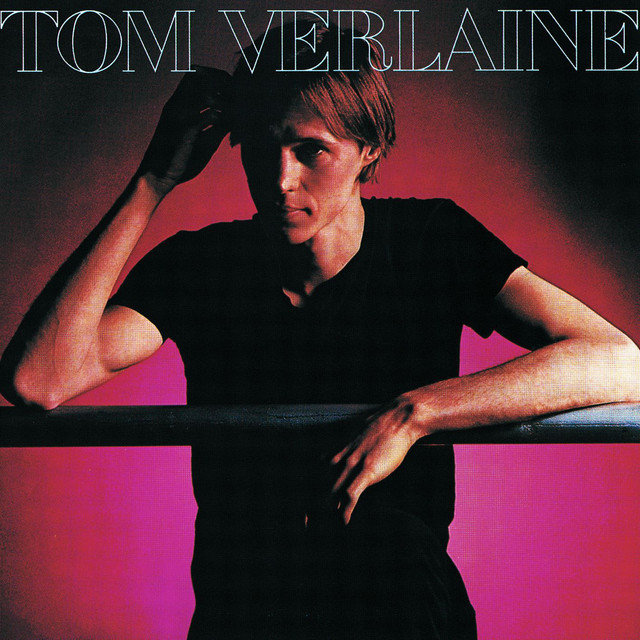
Tom Verlaine
Guitar lines that move like thought rather than riff. The arrangements leave space for those lines to wander. The vocals stay measured, almost observational. It’s focus without rigidity.
-
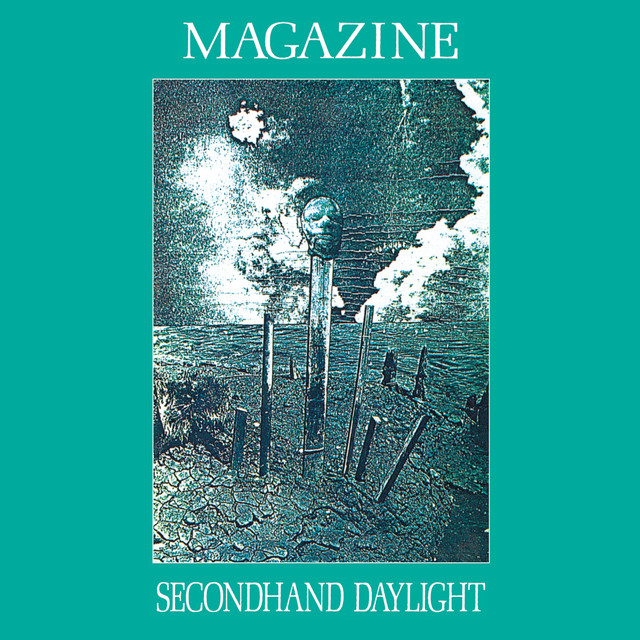
Magazine
There’s a cool, almost architectural quality to the arrangements—parts are placed with intention, leaving negative space that never quite resolves. Barry Adamson’s basslines do more than anchor; they steer, often pulling songs into darker or more oblique territory. Howard Devoto sings with a kind of detached precision, as if observing the music rather than inhabiting it. The result is controlled to the point of tension, a record that feels meticulously designed but never fully comfortable in its own structure.
-
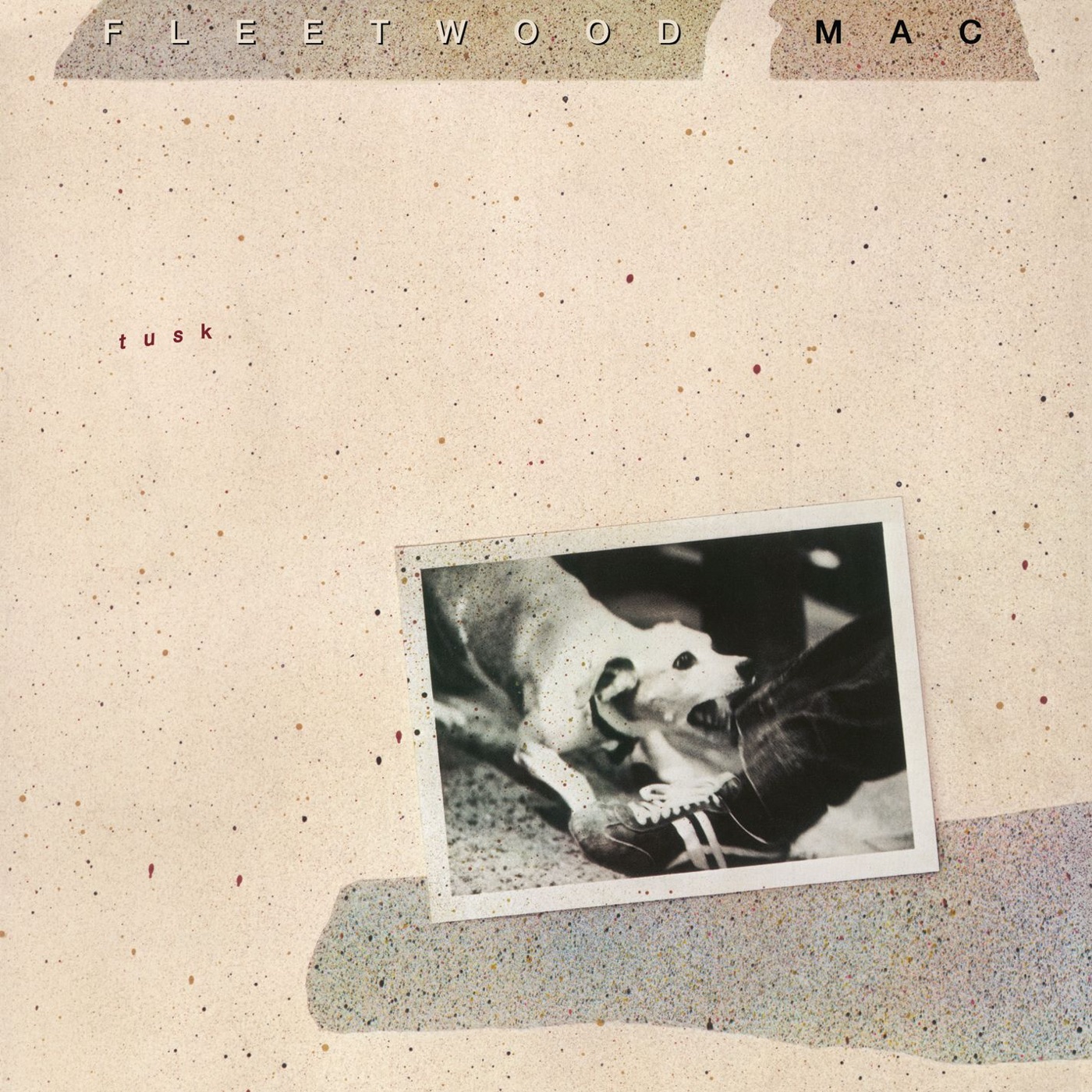 Fleetwood Mac
After the world-conquering Rumours, Fleetwood Mac stretched out and got playful on the 2xLP follow up. Tusk is a large project that resists smoothing itself out. Different approaches sit side by side without merging. Some ideas feel fragmentary, others fully formed. The tension between them is the point - Tusk is the freest recording they ever made.
-
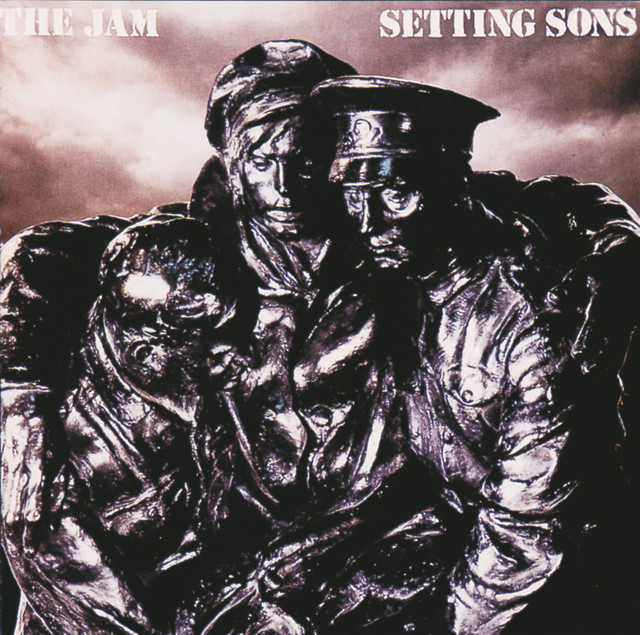
The Jam
More ambitious than earlier work, but still tightly played. The songs carry a sense of narrative without overcommitting to one. The energy stays focused. It’s growth that doesn’t abandon clarity.
-
XTC
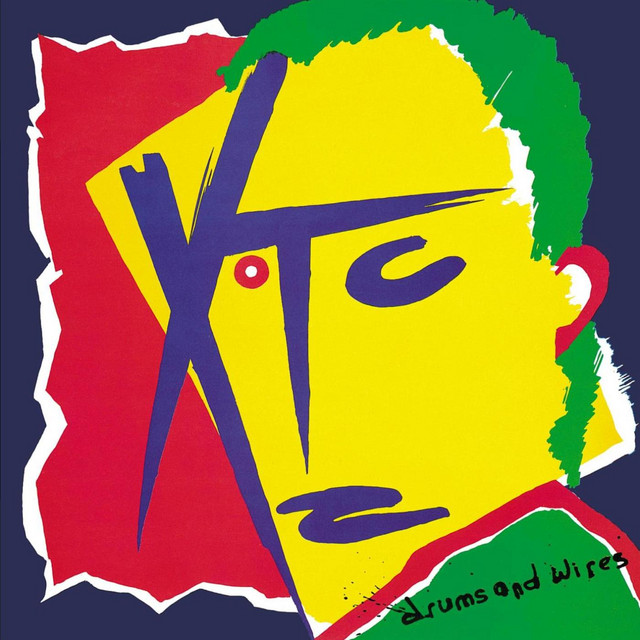
Rhythm takes the lead. The bass and drums push the songs into sharper shapes. The melodies ride on top rather than dominate. It’s structure built from the ground up.
-
David Bowie
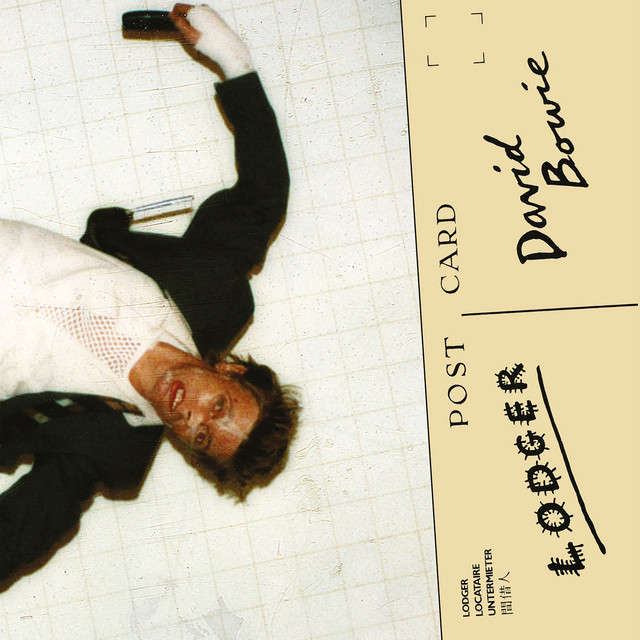
A travelogue that never settles into one place. The songs experiment with form without announcing it. It’s less about innovation than about rearranging familiar parts. Movement defines it.
-
Public Image Ltd.
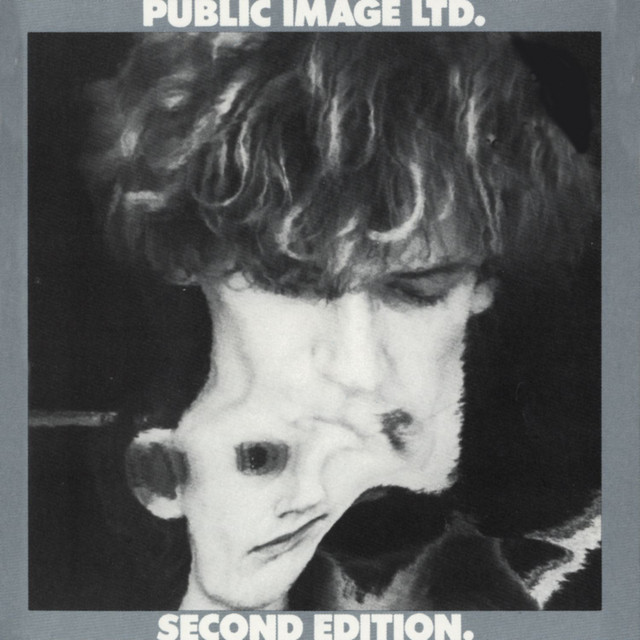
Long, repetitive structures that test patience and reward it. The bass anchors everything while the rest shifts around it. The vocals provoke rather than explain. It’s confrontation through duration.
-
John Prine
A looser, more playful record that leans into its own quirks. The production choices are sometimes odd, sometimes charming. The writing still lands in small, specific moments. It’s uneven, but intentionally so.
-
 The Specials
 -
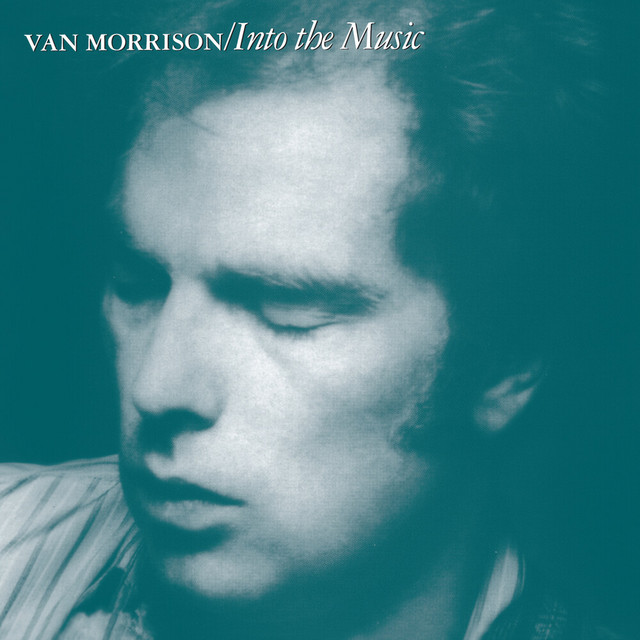
Van Morrison
-
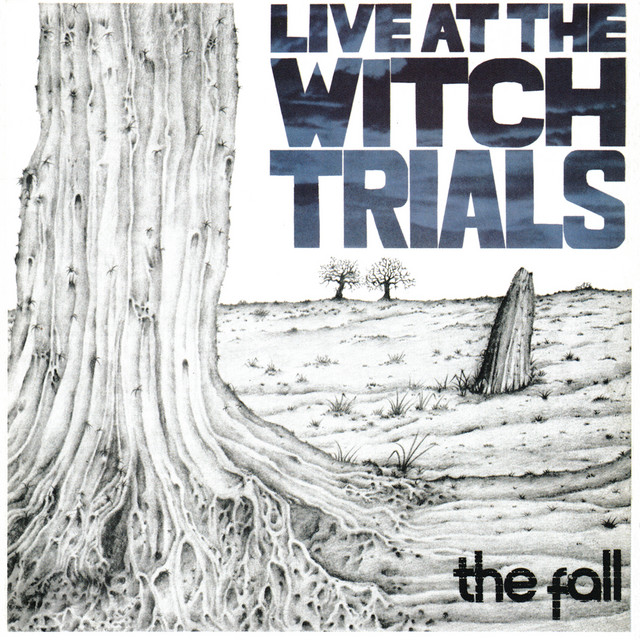
The Fall
-
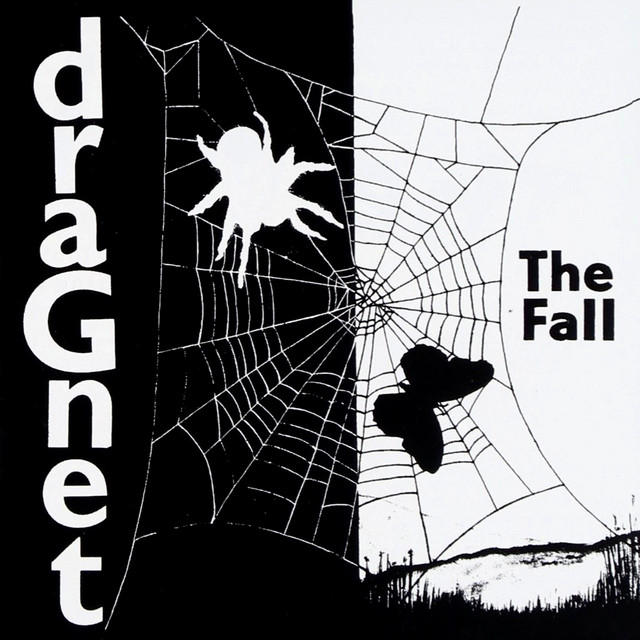
The Fall
-
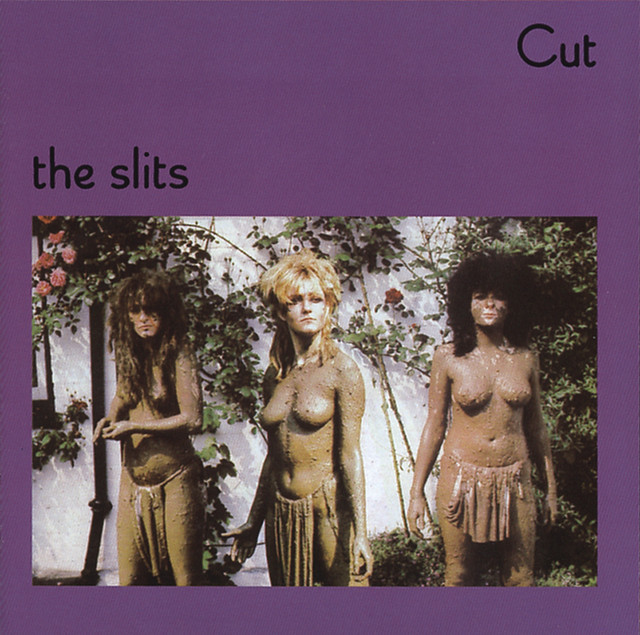
The Slits
-
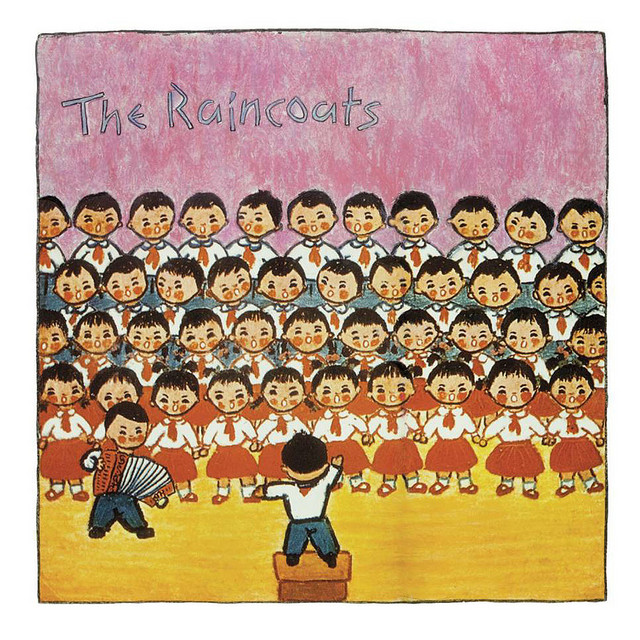
The Raincoats
-
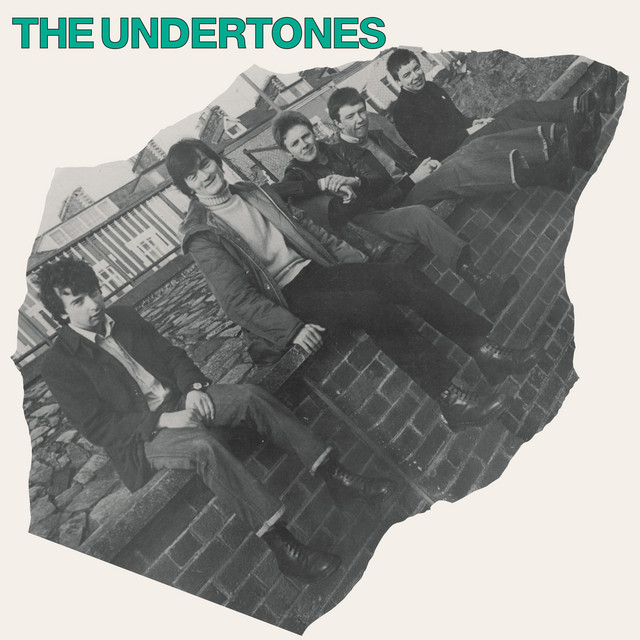
The Undertones
-
 Michael Jackson


Do you like albums?
Want to make a list?
It’s free & easy &
the Whale is nice!
Learn more