1984
-
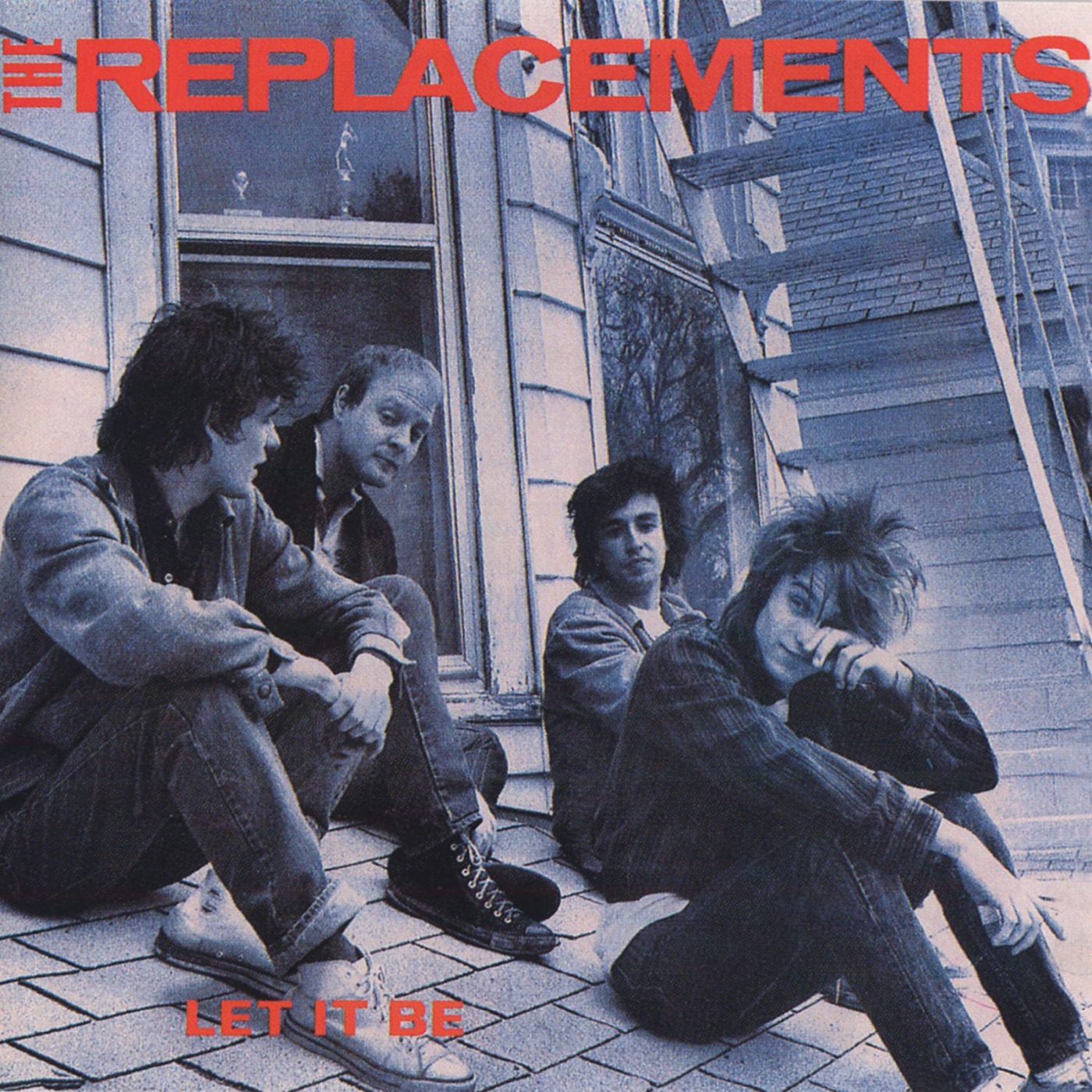 The Replacements
There'll be no pose tonight. By '84 The Mats were outgrowing their own self-imposed limitations - there's still a small handful of brainless, thrashy throwaways, but Westerberg's heart was starting to win out. The songs lurch between sarcasm and sincerity, sometimes within the same verse. Songs like "Unsatisfied", "Answering Machine", and "I Will Dare" feel unguarded in a way rock rarely allows. You hear the risk of becoming something better even as their instincts betray them.
-
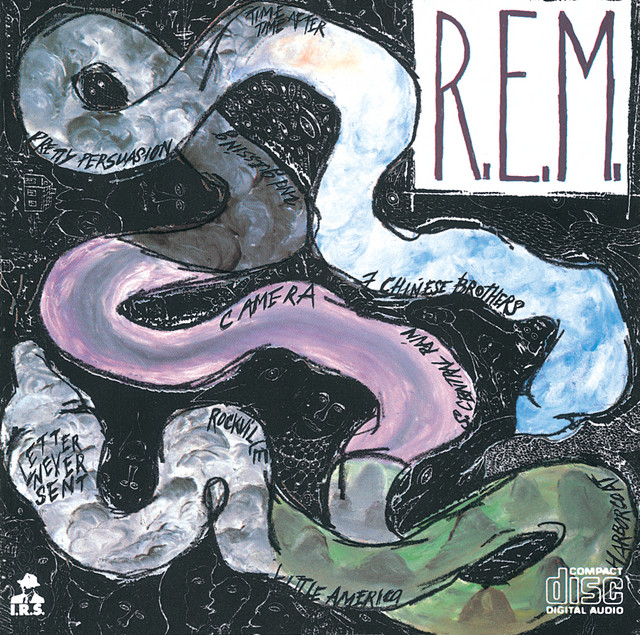
R.E.M.
Reckoning is clearer than Murmur, but not more literal—the mix brings the rhythm section forward, and suddenly the songs feel like they’re traveling somewhere, even if you can’t map it. Peter Buck’s guitar threads melodies that feel both precise and offhand. Michael Stipe still withholds meaning, but the phrasing is more deliberate, turning repetition into something almost physical rather than cryptic. There’s a sense of movement everywhere—roads, water, distance—which gives the record a loose concept without ever spelling one out. It’s a band learning how to sharpen its instincts without sanding them down.
-
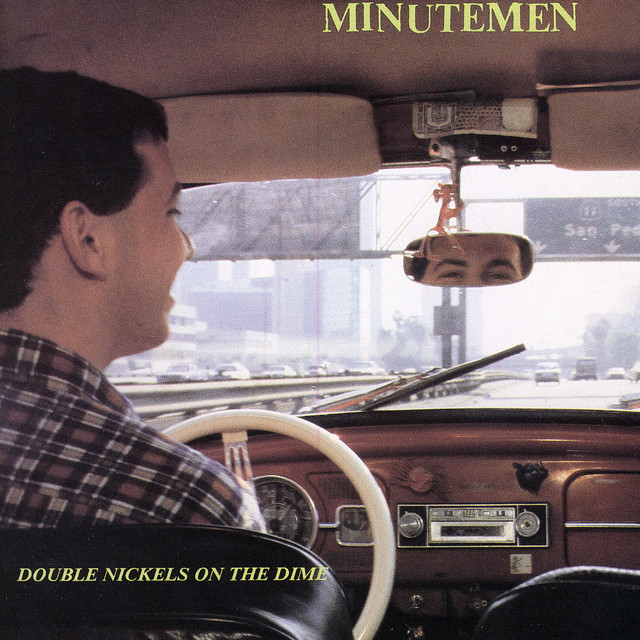
Minutemen
Our band could be your life. Too many ideas, on purpose. Songs arrive, pivot, and disappear before giving you your 5 cent deposit. It treats punk as a framework for curiosity rather than a rulebook. The sprawl is the point—it keeps you alert. It's one of the most ambitious records of the decade, and one of the best.
-
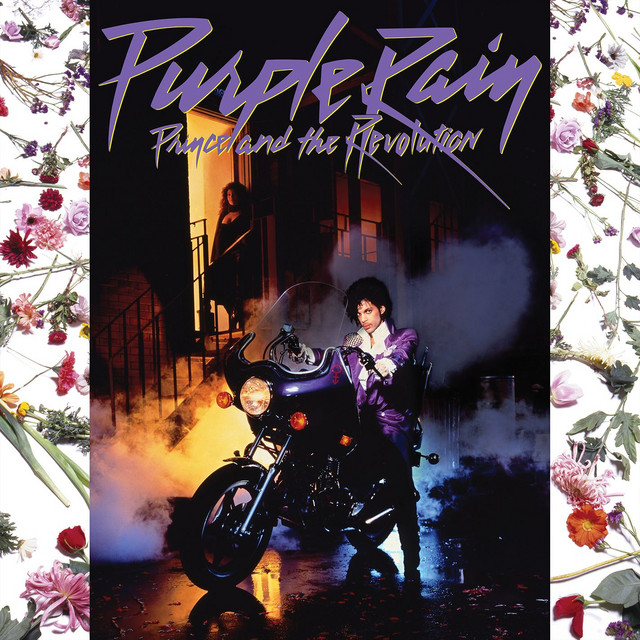
Prince
A pop record that thinks in widescreen. What’s striking isn’t just how big Purple Rain sounds, but how carefully that scale is managed. Prince treats genre less like a boundary and more like a set of levers; rock, funk, and pop aren’t blended so much as switched between mid-song to control momentum. Even the most immediate tracks have small structural oddities—extended outros, abrupt tonal shifts—that keep them from feeling disposable. It’s a record about control and release, and the reason it endures is that you can hear both happening at once. The greatest pop record of the decade and you can stand on MJ's coffee table and say that confidently.
-
 Cocteau Twins
On Treasure, language simply dissolves into texture. Elizabeth Fraser's otherworldly voice becomes another instrument, floating inside layers of reverb and color. It doesn’t ask to be understood, only absorbed. A private world that somehow feels shared.
-
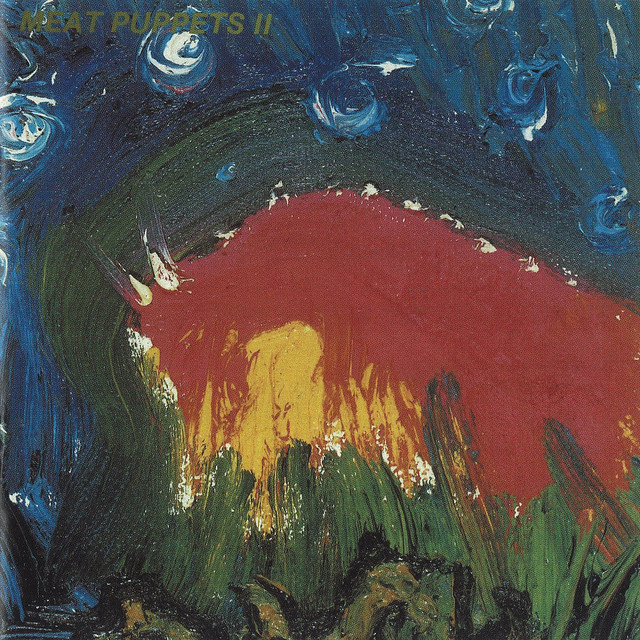
Meat Puppets
Loose, strange, and quietly radical, the second Meat Puppets rewrote the rules of hardcore by including a blatant alt. country influence. Country forms get bent until they are practically unrecognizable. The songs sounds casual, but the perspective isn’t. "Lake of Fire", "Plateau", and "Lost" redraw genre lines without announcing it, influencing everyone from Kurt Cobain to Uncle Tupelo.
-
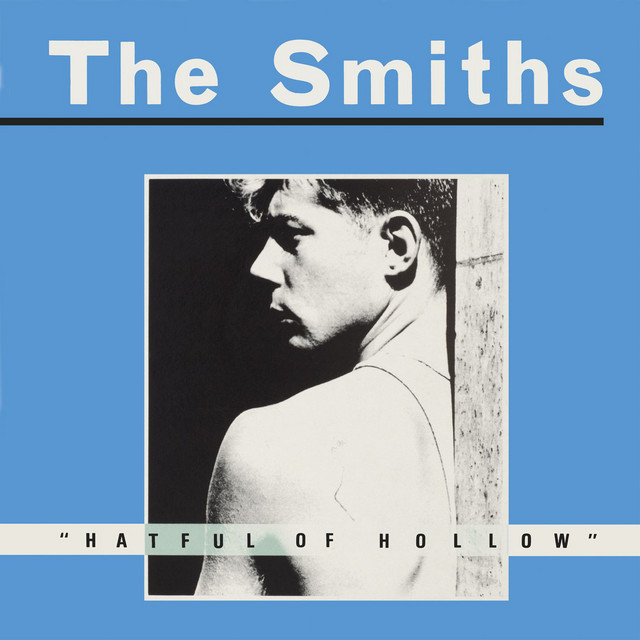
The Smiths
A compilation that feels like a statement. The sessions are rawer, more immediate, less polished than the album versions. The intimacy makes the songs land harder. It captures a band before they learned to smooth anything out.
-
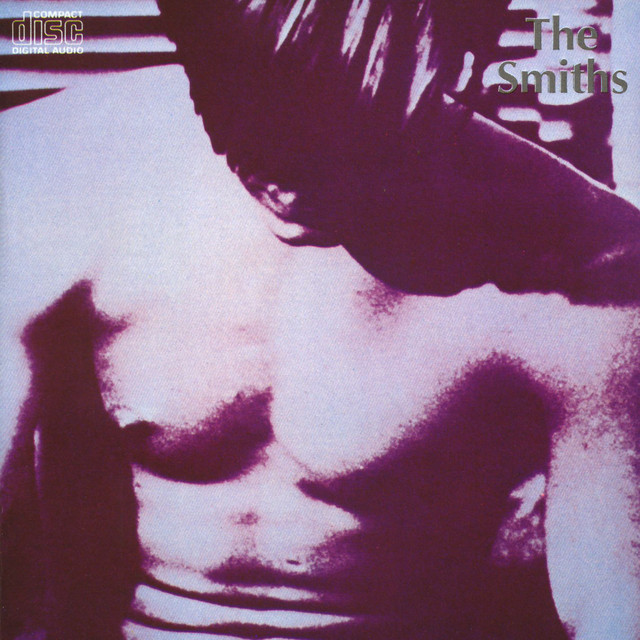
The Smiths
A debut that sounds fully formed but slightly out of step with its time. The guitars are light on their feet while the lyrics dwell on discomfort. It reframes vulnerability as something deliberate. Morrissey had a new kind of frontman energy, and Johnny Marr was a guitar hero for the kids who couldn't stand the ones their parents adored.
-
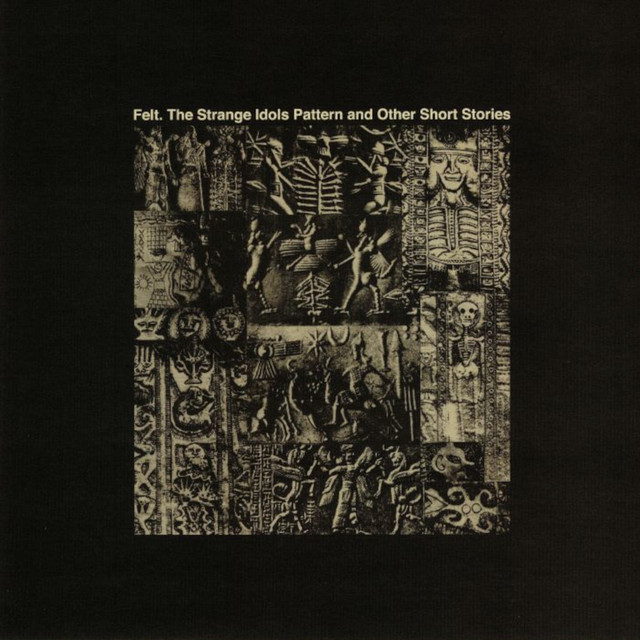
Felt is one of the great unheralded 80s bands. If you love the Smiths but haven't heard Felt you have a world of music to absorb asap. Minimal gestures that somehow suggest more than they show. The playing is restrained, almost withheld. It rewards attention instead of demanding it. Quiet confidence, no filler.
-
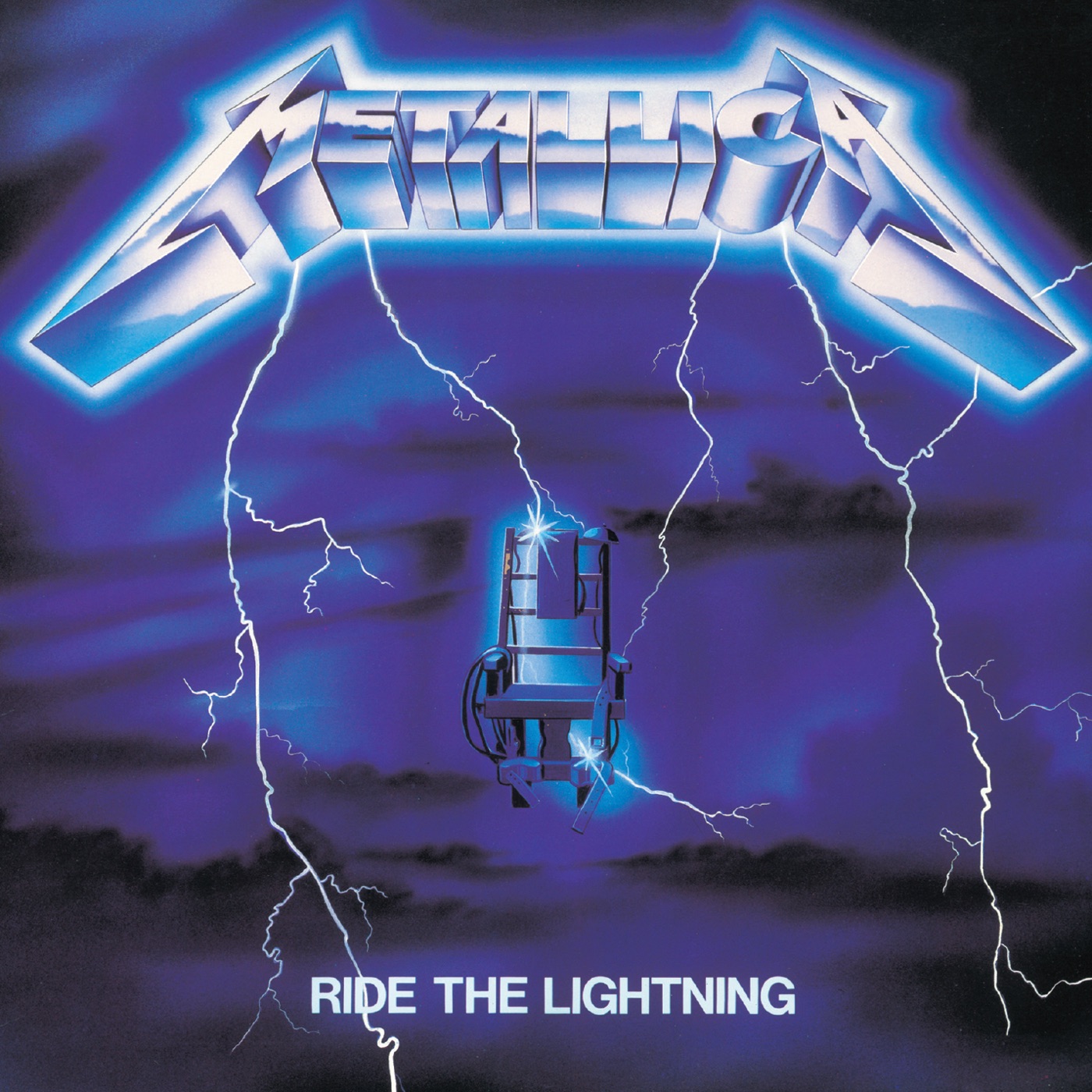 Metallica
Precision meets ambition. The songs stretch out without losing their edge, adding structure to speed. It’s heavy, but also deliberate. You can hear a genre widening. It's almost unfair how much further ahead Metallica were than their peers.
-
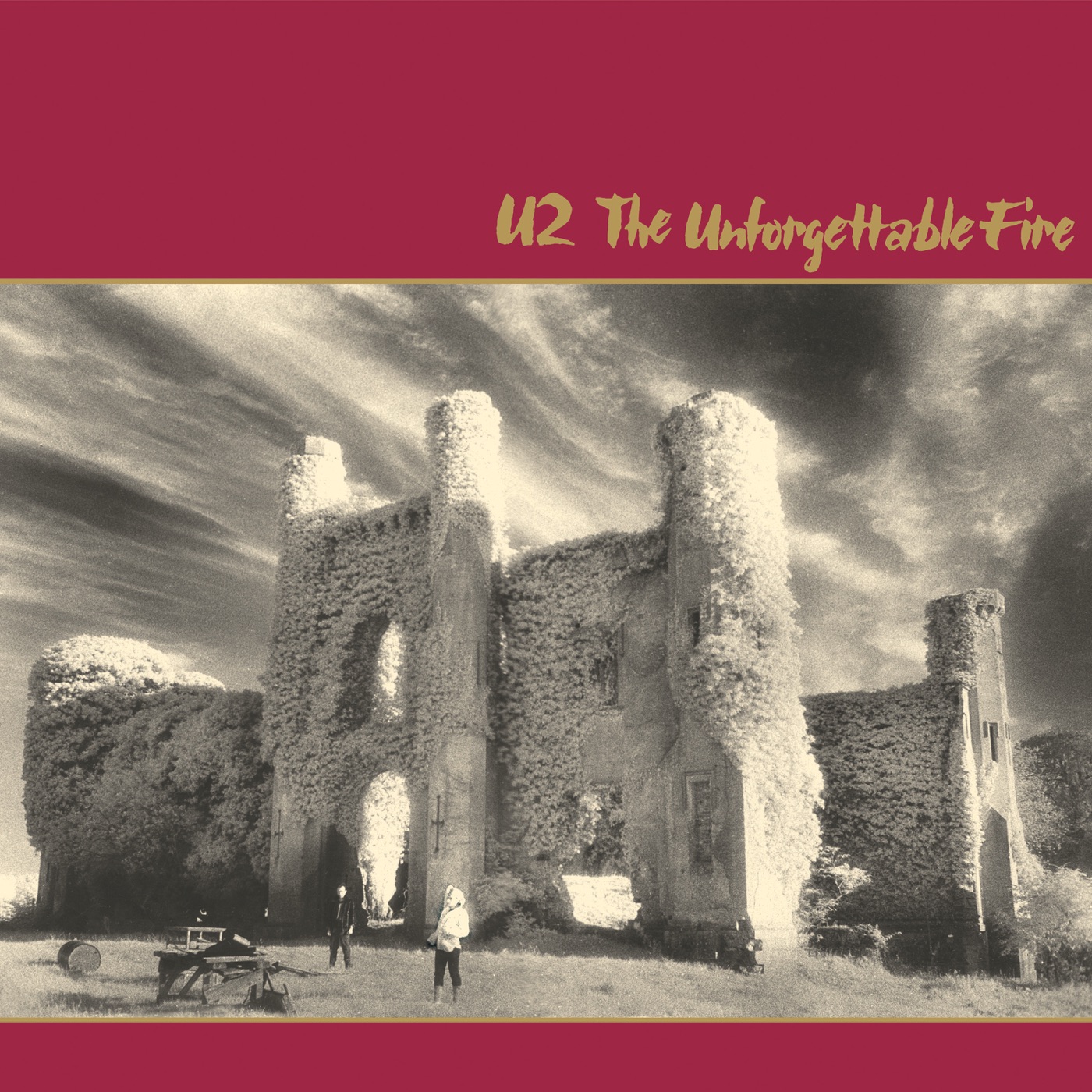
After the rock and roll militancy of War, U2 shift from statement to atmosphere. Working with Brian Eno and Daniel Lanois for the first time, the edges blur, and the band leans into texture over clarity. The Unforgettable Fire feels exploratory, sometimes unfinished on purpose, and a dry run for their immortal follow up. The mood matters more than the message, but the message smacks you over the head on "Pride" and "Bad". If it wasn't for "Where the Streets Have No Name", "A Sort Of Homecoming" would be their greatest album opener.
-
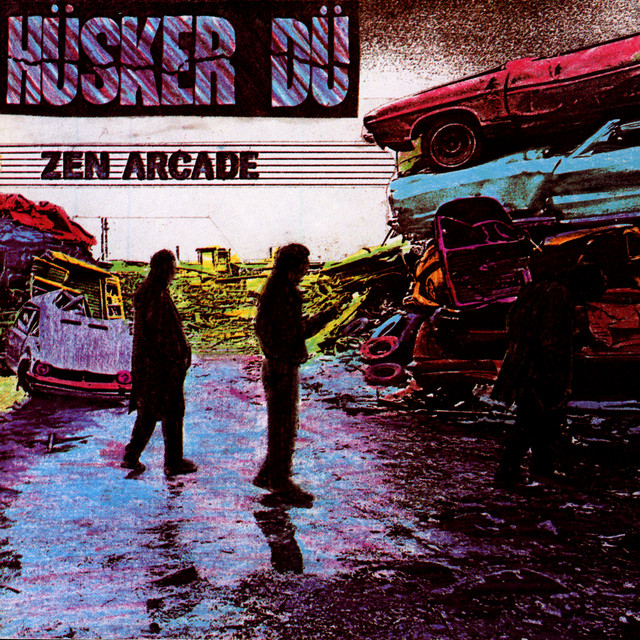
Hüsker Dü
An overload that holds together through momentum. Hardcore speed collides with melody and narrative. It’s uneven, but that’s part of its honesty. The scope alone makes it hard to ignore. Zen Arcade is the one the Huskers are most remembered for, but they'd streamline into greater records soon enough.
-
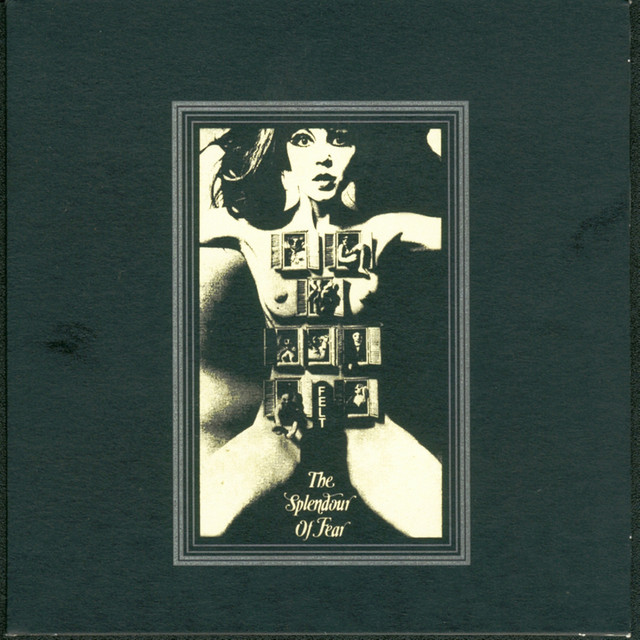
Echo And The Bunnymen
-
Released 8 months before Strange Idols, The Splendour of Fear is a band getting very close to their prime. Even more stripped down, almost skeletal. The guitars repeat small figures until they take on weight. It’s austere without feeling empty. A study in how little you need.
-
 Bruce Springsteen
BITUSA is a murderer's row of hit singles - it's one of the biggest selling albums of the 80s. It's built like a stadium but filled with small stories. Like much of the music of its time, the production is bright and insistent, sometimes at odds with the lyrics. It's the first Springsteen album whose sound hasn't aged particularly well. But that tension gives it a strange staying power.
-
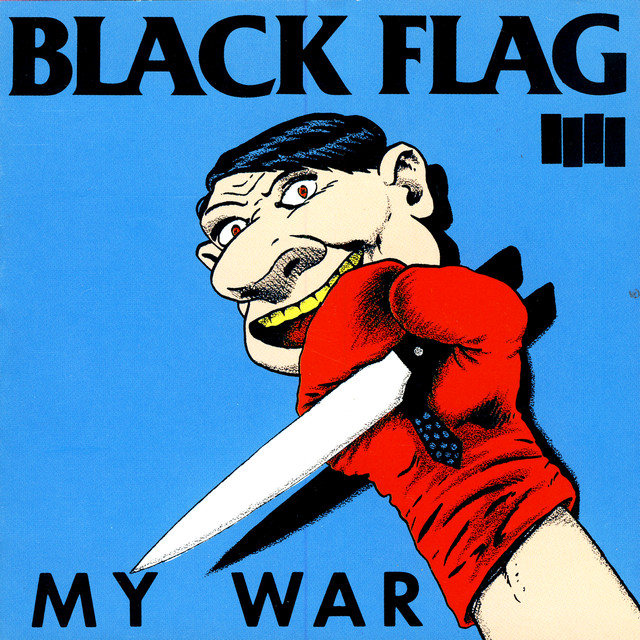
Black Flag
-
The band locks into patterns while the vocal refuses to settle. It’s confrontational without raising its volume. You adjust to it, or you don’t.
-
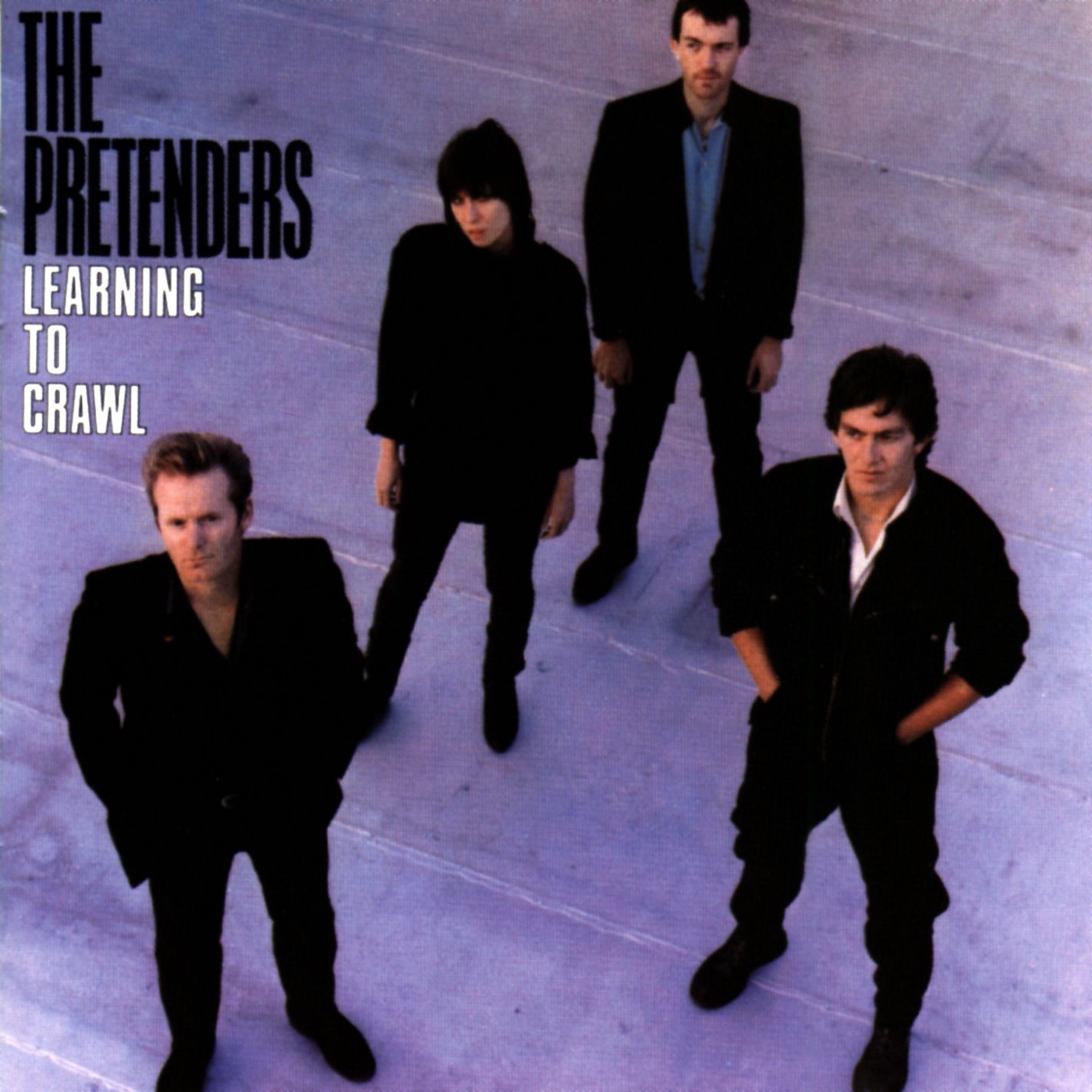 Pretenders
After an indelible debut, Chrissy Hynde and the band released a much lesser version on their second LP. Learning to Crawl rights the ship with tight songwriting that carries real weight. The performances are controlled, but the emotions aren’t hidden. It balances polish with something harder underneath. Resilience without spectacle.
-
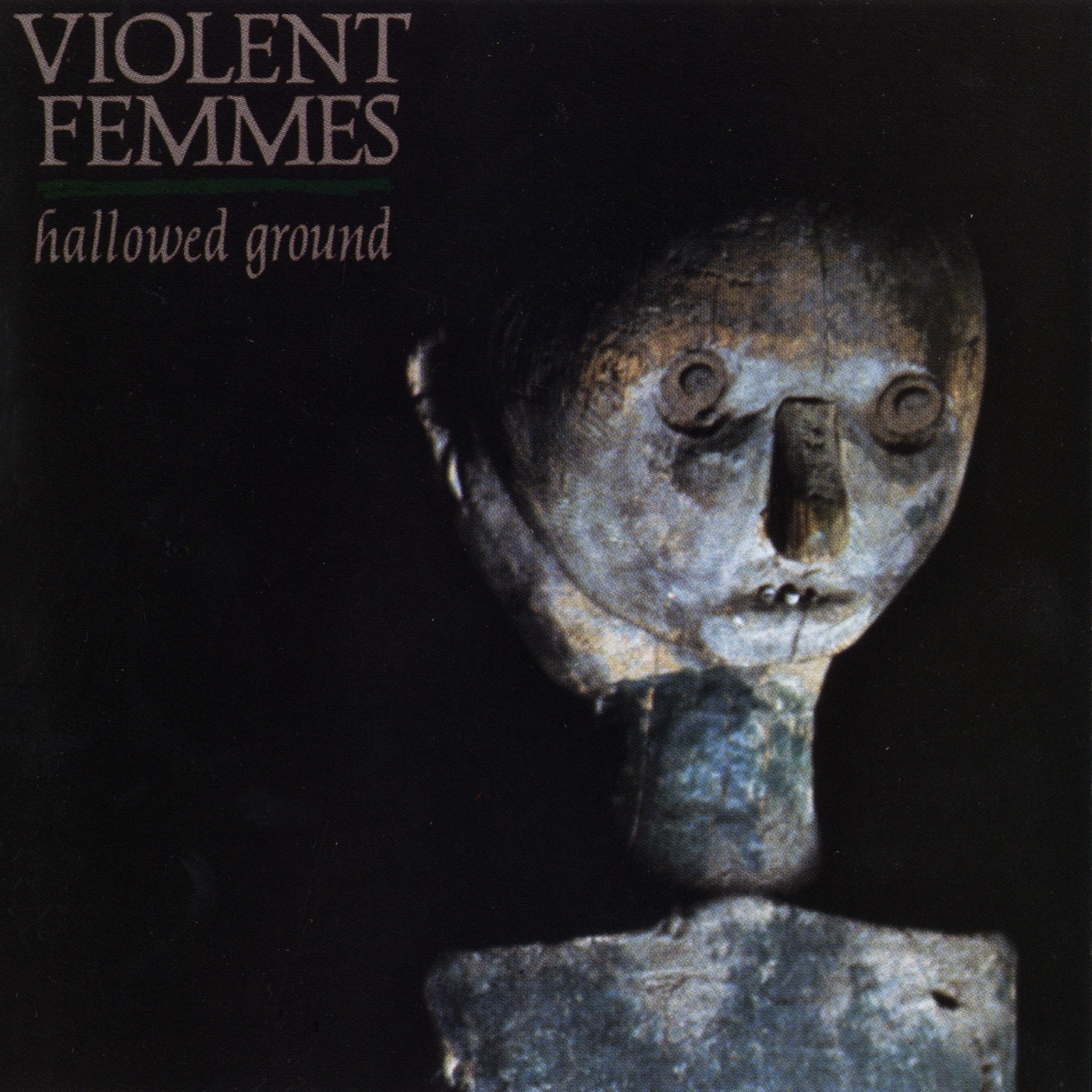 Violent Femmes
A sharp turn into strange genre experiments after the debut's stripped down folk-rock. The themes get stranger, more severe, and less easy to laugh off. The arrangements leave more space, which makes it feel uneasy. It’s a risk that doesn’t smooth itself out.
-
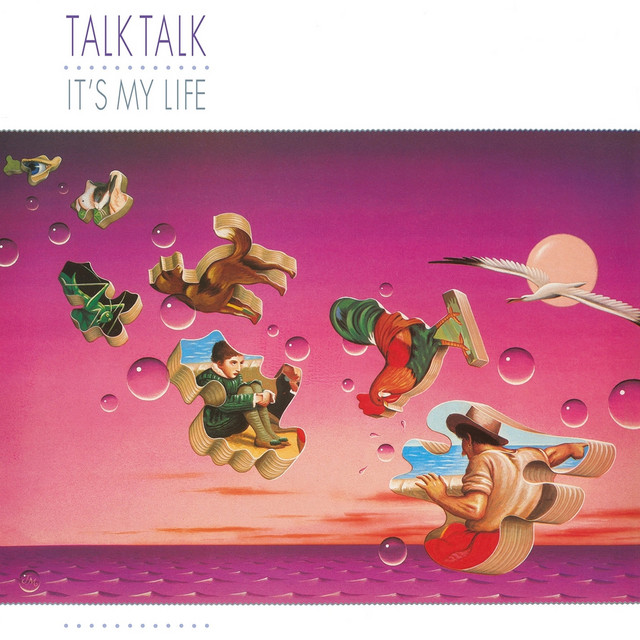
Talk Talk
-
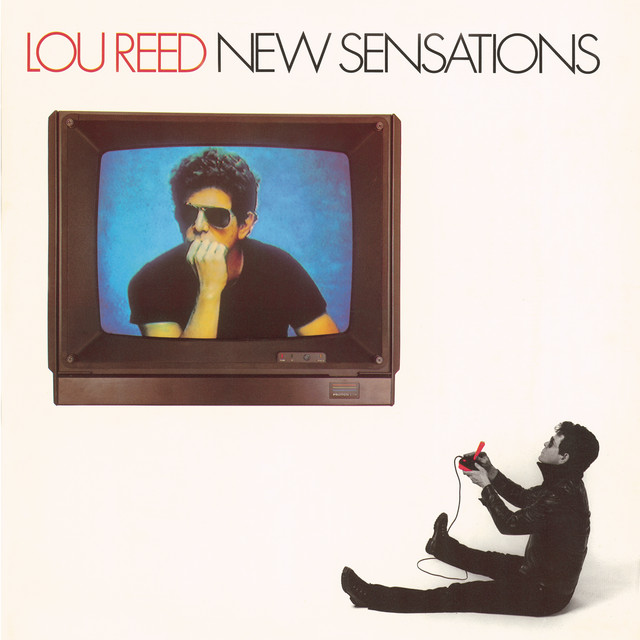
Lou Reed
-
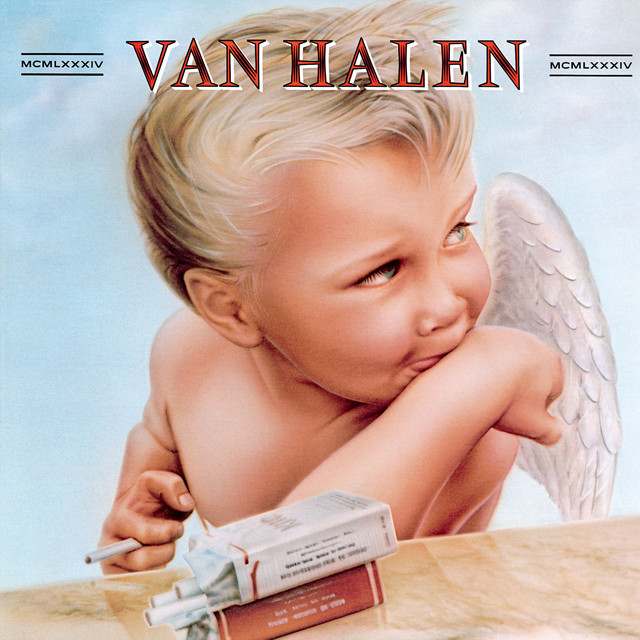
Van Halen
-
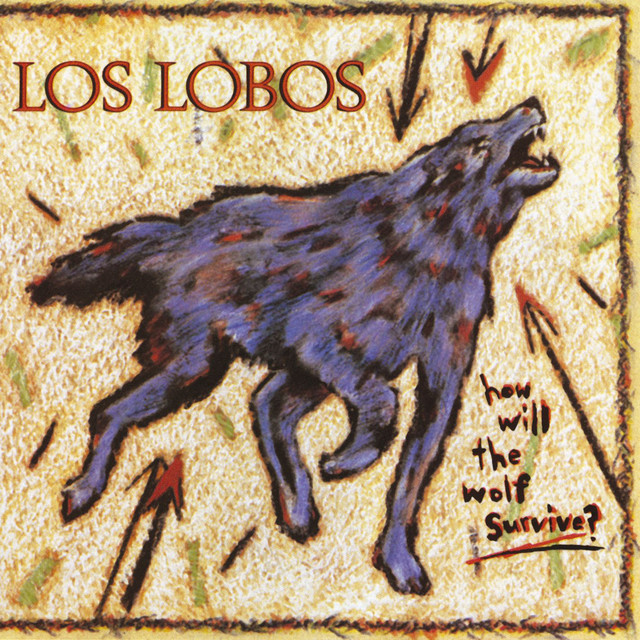
Los Lobos
-
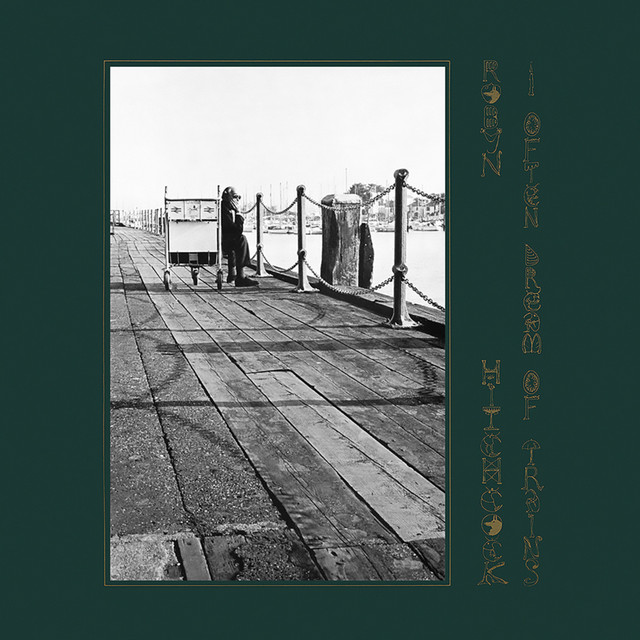
Robyn Hitchcock



Do you like albums?
Want to make a list?
It’s free & easy &
the Whale is nice!
Learn more