1985
-
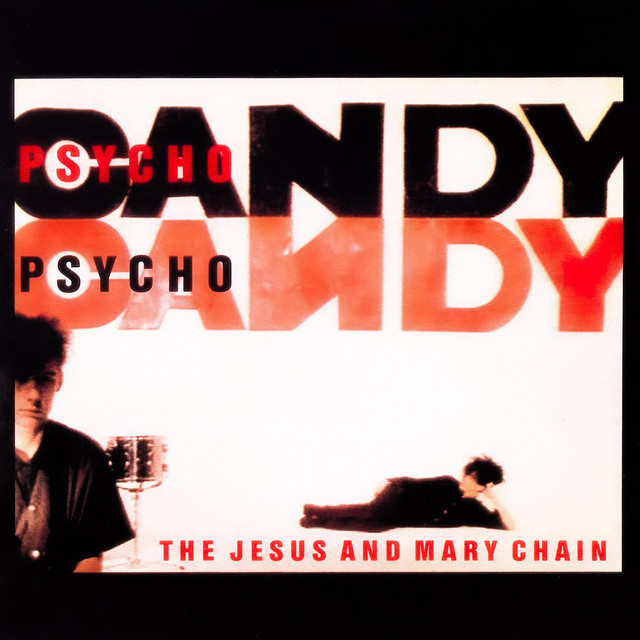
The Jesus And Mary Chain
Psychocandy is filled with sweet pop tunes buried under sandstorms of feedback. The melodies are fighting to stay intact while everything around them falls apart. A surprising and amazing highpoint of underground 80s rock n' roll.
-
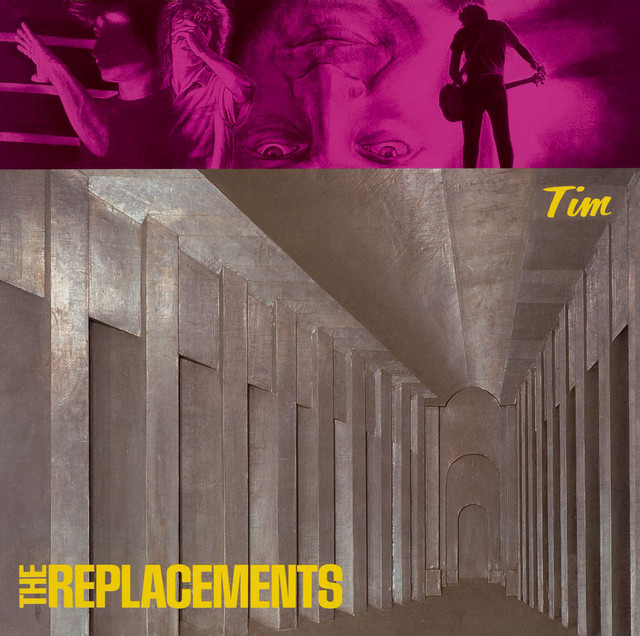
The Replacements
The Replacements' move to a major label sacrificed some of the ragged charm of their Twin Tone LPs but Paul Westerberg came armed with arguably his best collection of songs for this one. The album is filled with big-hearted anthems delivered like they might unravel mid-take. There’s a sense that anything could go wrong, which makes the moments when it all clicks feel earned. "Bastards of Young" and "Left of the Dial" are two of the greatest rock songs of the decade, but there's about a 1/2 dozen others here that come close too.
-
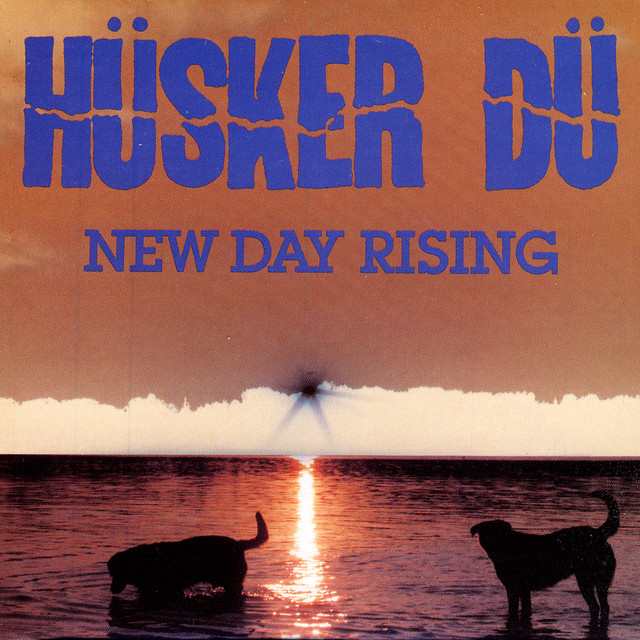
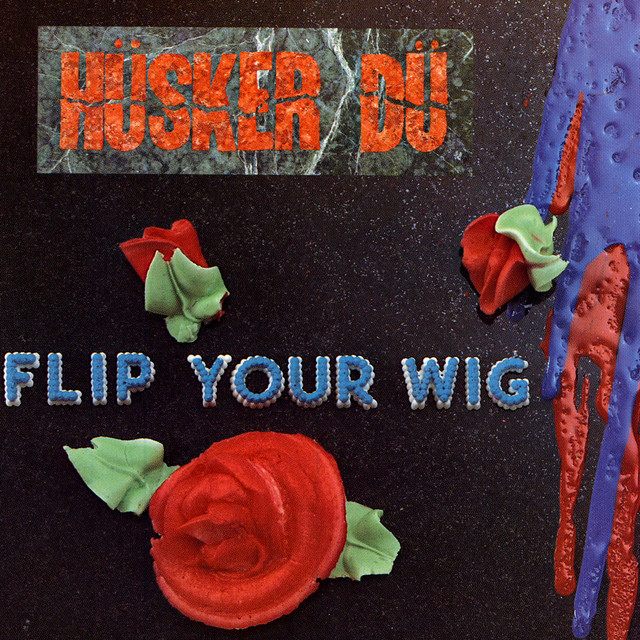
Hüsker Dü
The follow up to the distorted, menacing sprawl of Zen Arcade is fast and loud yet oddly warm too. Under the speed and volume, the songs carry a sense of lift—like pushing forward even when everything feels maxed out. Bob Mould and Grant Hart exchange punches with each track.
-
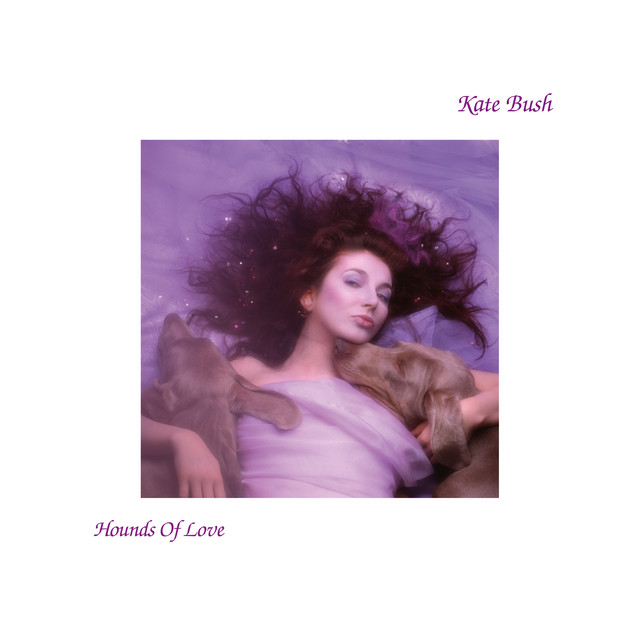
Kate Bush
Precision-built pop on one side, a drifting, watery song cycle on the other. What makes the record extraordinary is how physical it feels despite how intricate it is. “Running Up That Hill” turns emotional imbalance into rhythm, while the second side, The Ninth Wave, moves like a sequence of drifting thoughts from someone lost at sea—voices, memories, panic, fragments of reassurance. Bush arranges sound with cinematic precision, but the songs never feel overworked because the emotions underneath them stay messy and human. It’s experimental music that still trusts melody enough to carry you through its stranger corners.
-
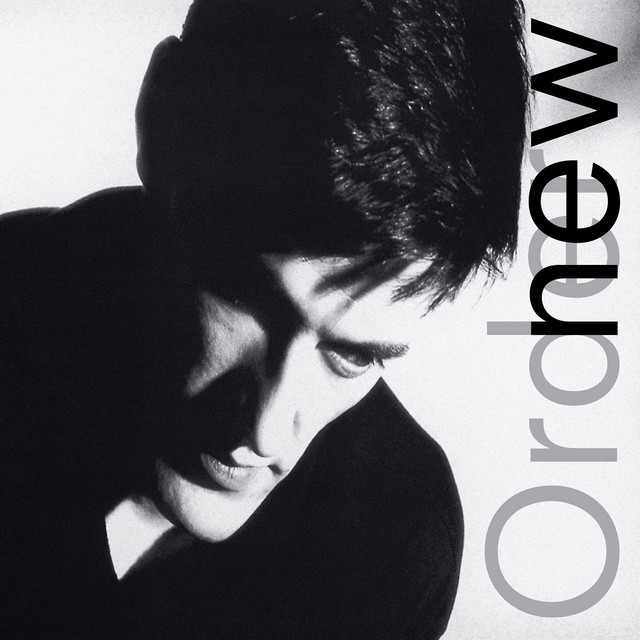
New Order
The balance between machine rhythm and human hesitation becomes incredibly refined here. “Love Vigilantes” sounds almost pastoral before the album slides into colder electronic spaces like “Sub-culture” and “The Perfect Kiss,” where the grooves stretch out long enough for loneliness to settle into them. Peter Hook’s basslines keep the music grounded emotionally even when the synths become abstract. It’s dance music built by people who still sound slightly uncomfortable inside their own success, and that tension gives the record its depth.
-
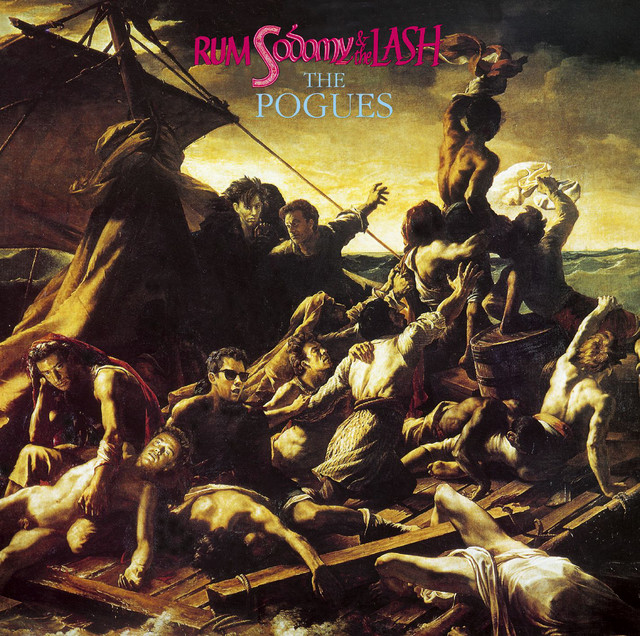
The Pogues
Old stories told like they just happened five minutes ago. Traditional folk forms get played with punk timing and punk damage still visible all over them. “The Sick Bed of Cúchulainn” barrels forward recklessly, while “A Pair of Brown Eyes” slows everything down long enough to reveal how much sadness sits underneath the chaos. Shane MacGowan writes like someone who knows sentimentality is dangerous but can’t entirely resist it. The record feels crowded with history, booze, memory, and regret, yet somehow never collapses under the weight of any of it.
-
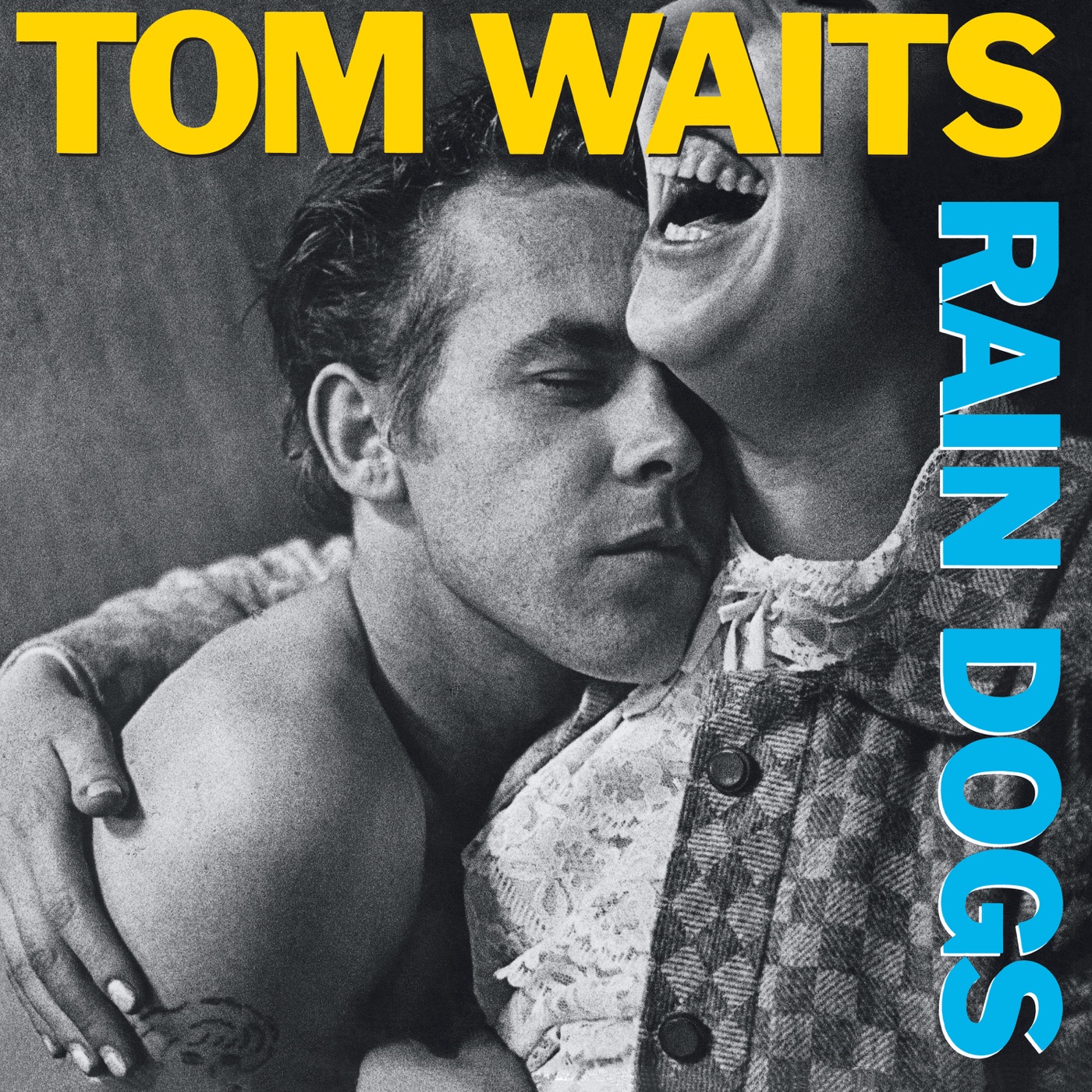 Tom Waits
The album feels assembled from overheard stories, broken machinery, and rhythms dragged in from different continents. Songs like “Clap Hands” and “Jockey Full of Bourbon” move with strange, lopsided momentum, while “Time” and “Downtown Train” reveal how carefully structured the writing actually is beneath the grime. Tom Waits turns junkyard textures into orchestration, using percussion and silence as deliberately as melody. What lingers isn’t the eccentricity—it’s the surprising tenderness hidden inside all that rust and noise.
-
Hüsker Dü
The speed is still there, but the songs are starting to breathe differently. Bob Mould and Grant Hart pull the band in separate emotional directions, and that tension gives the record its shape. “Makes No Sense at All” sounds immediate and open, while “Green Eyes” slows things down just enough to expose the ache underneath the distortion. It’s a hardcore band realizing melody doesn’t weaken intensity—it deepens it.
-
The Fall
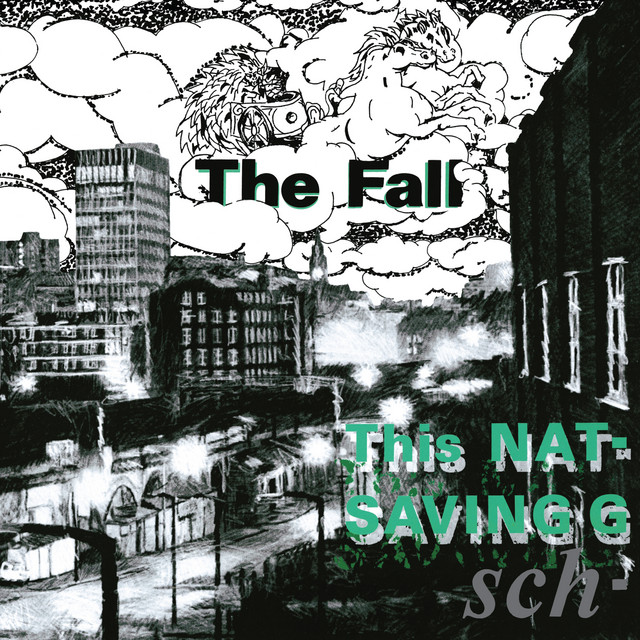
This is one of the rare Fall records where repetition becomes genuinely addictive instead of merely confrontational. The band locks into grooves that feel almost mechanical, but tiny shifts in phrasing or rhythm keep destabilizing them from within. “Cruiser’s Creek” and “Spoilt Victorian Child” sound both tightly controlled and on the verge of falling apart, which is exactly where Mark E. Smith wants them. His vocals don’t guide the songs so much as stalk through them, muttering observations that seem half brilliant and half deliberately irritating.
-
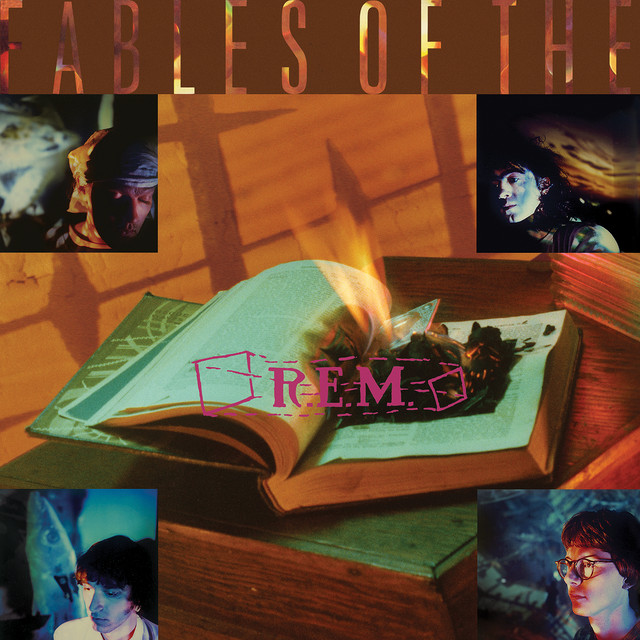
R.E.M.'s inward-looking third LP contains songs that sound like stories half-remembered. The band leans into atmosphere, letting details blur without losing the thread. One of the great American bands just before leaving the murk and mystery behind for a brighter future.
-
Stevie Ray Vaughan
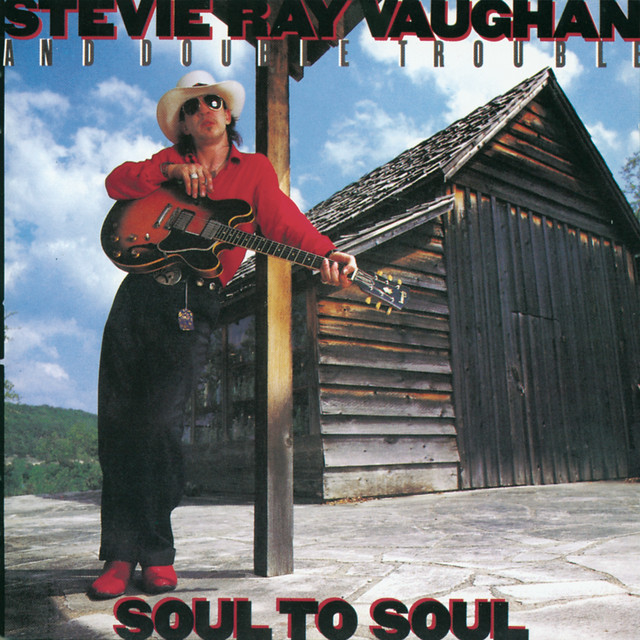
Not as explosive as Texas Flood, but more relaxed in its confidence. The band settles into grooves instead of constantly pushing for impact, which lets Vaughan’s phrasing come forward in a different way. On “Look at Little Sister” and “Change It,” the playing is as sharp and memorable as ever.
-
Rites of Spring
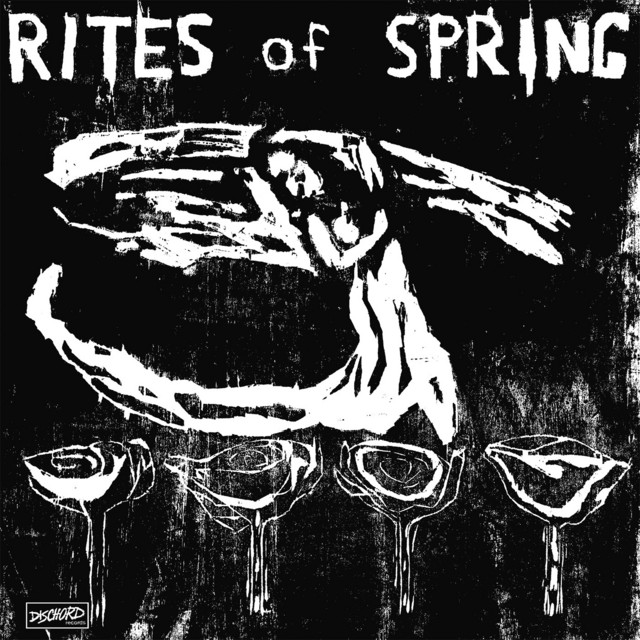
The emotional force comes less from the lyrics themselves than from how hard Guy Picciotto pushes against the limits of his voice trying to deliver them. The songs speed up and collapse inward unpredictably, like arguments happening in real time. “For Want Of” and “Drink Deep” don’t separate vulnerability from aggression—they make them the same thing. It changed punk partly by refusing to sound emotionally armored.
-
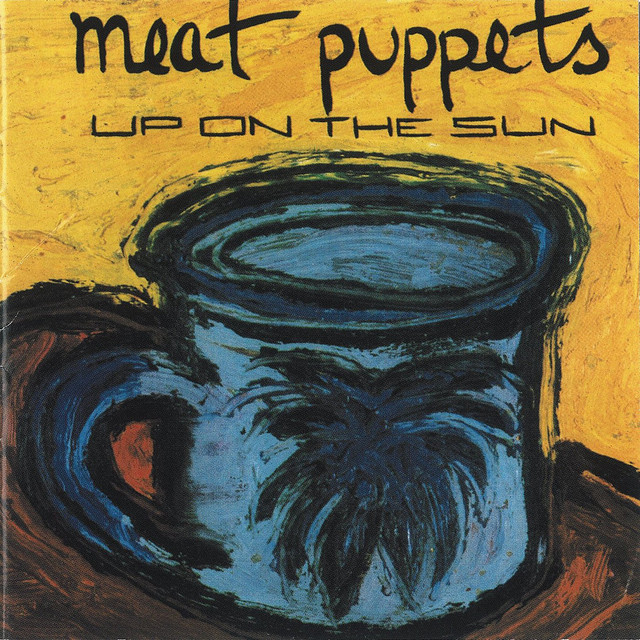
Meat Puppets
Everything feels lighter, almost airborne, but never vague. The guitars stretch outward into long, sun-faded lines while the rhythm section keeps the songs from drifting completely away. Curt Kirkwood writes melodies that sound casual until you realize how unusual their shapes are. Psychedelia from an unfamiliar angle.
-
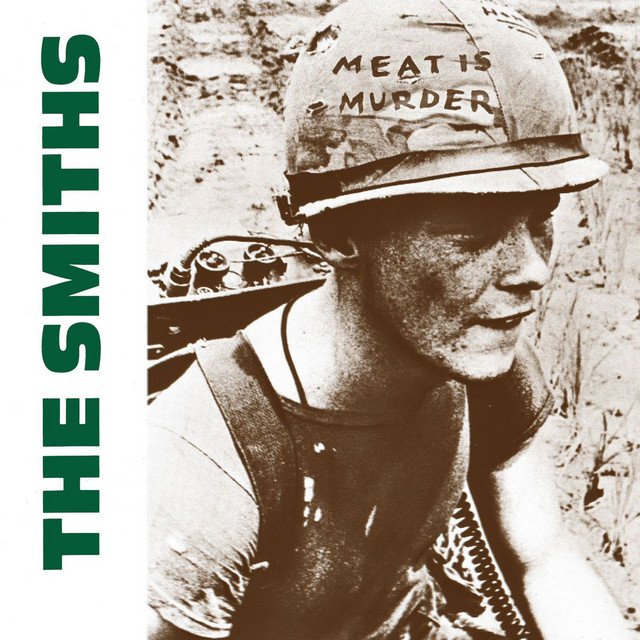
The Smiths
The sound gets tougher and more deliberate than the debut, especially in Johnny Marr’s guitar work, which shifts from shimmering detail toward heavier, repetitive patterns. “How Soon Is Now?” turns tremolo guitar into atmosphere so complete it practically replaces percussion, while “Well I Wonder” and “That Joke Isn’t Funny Anymore” stretch vulnerability into something nearly unbearable. Morrissey pushes harder here—sometimes insightful, sometimes insufferable—and the album is stronger because it doesn’t smooth those contradictions away. It captures a band realizing their sensitivity could also carry force.
-
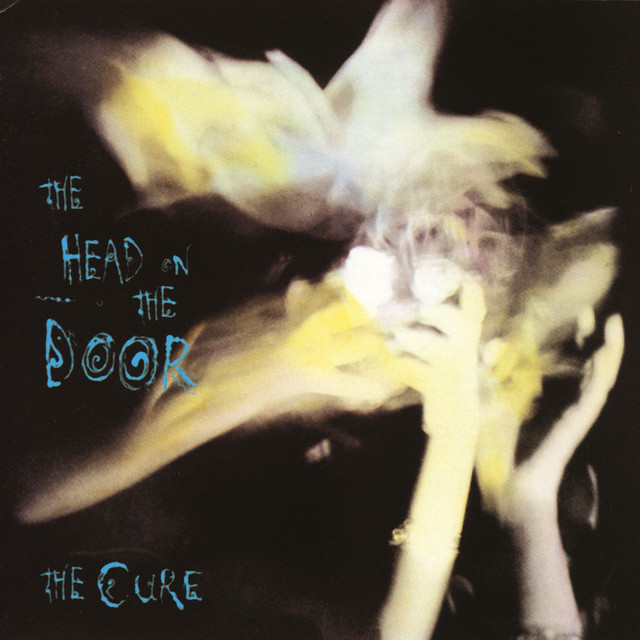
The Cure
The Cure's most accessible album to date sounds restless and wide-ranging without losing their core identity. Each track heads somewhere different, but it still feels like one band testing how far it can stretch. "Inbetween Days" lays the blueprint for "Just Like Heaven".
-
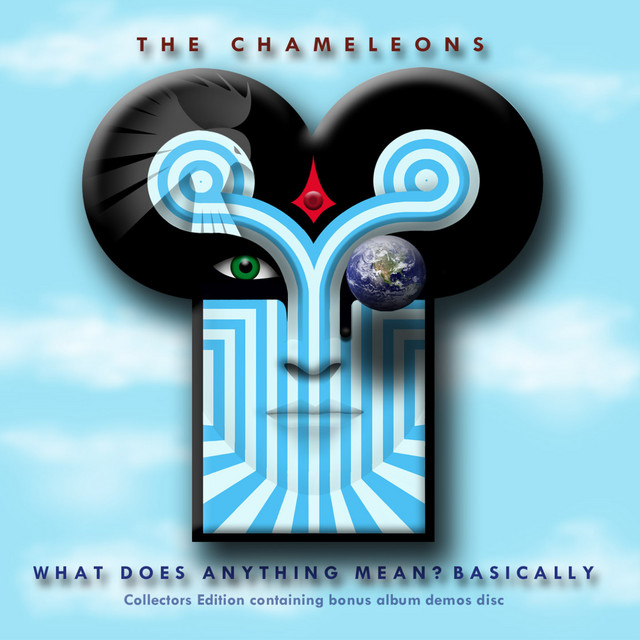
The Chameleons
The guitars arrive in overlapping waves, each line carrying its own emotional charge without crowding the others out. “Perfume Garden” and “Intrigue in Tangiers” build patiently, trusting repetition to generate momentum rather than relying on obvious crescendos. Mark Burgess sings with urgency, but there’s also distance in his voice, as if he’s narrating from slightly outside the scene. It’s expansive music that never loses its sense of tension.
-
Dinosaur Jr.
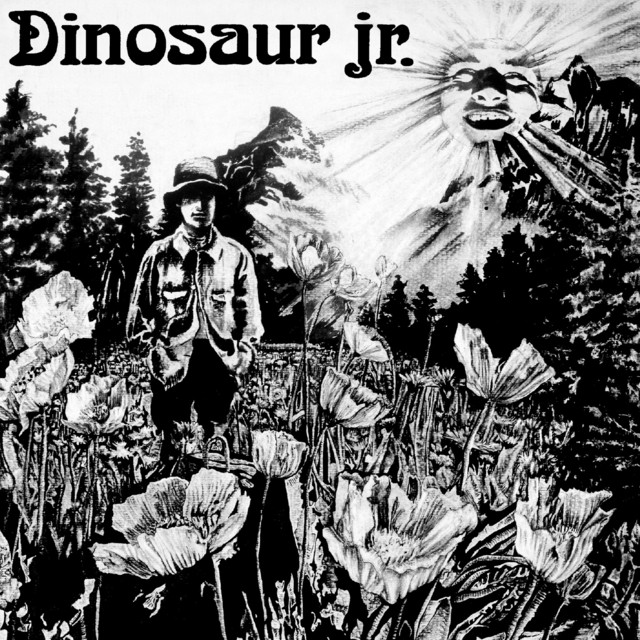
Before the hooks sharpened, there was this: dense, murky, and physical. The songs lurch between sludgy riffing and sudden melodic openings, with J Mascis already using guitar solos less as decoration than as emotional release. Tracks like “Forget the Swan” feel half-buried under noise, which only makes their melodies hit harder when they surface. You can hear the blueprint before it becomes refined.
-
Mekons
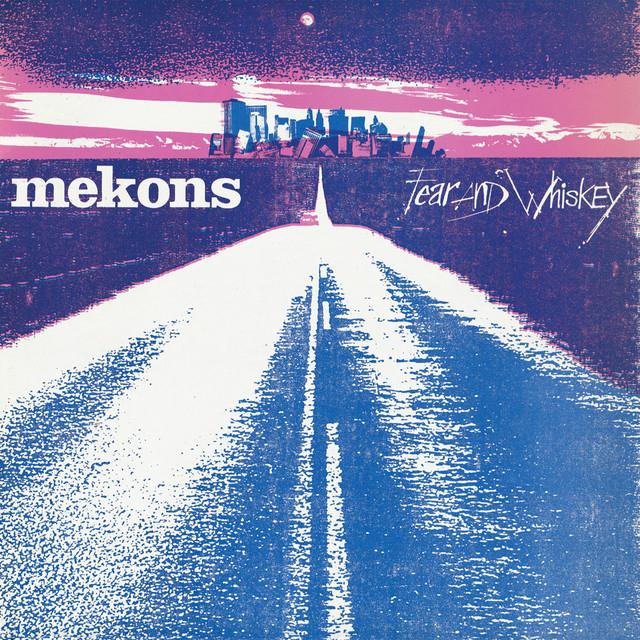
Country music becomes less a genre here than a way of carrying memory and disappointment. The fiddles and acoustic guitars aren’t used nostalgically—they sound weathered, uncertain, sometimes even sarcastic. Multiple singers drift in and out of focus, giving the album the feel of a collective voice rather than a frontman’s vision. It’s one of the rare roots-rock records that understands instability as part of the tradition.
-
The Waterboys
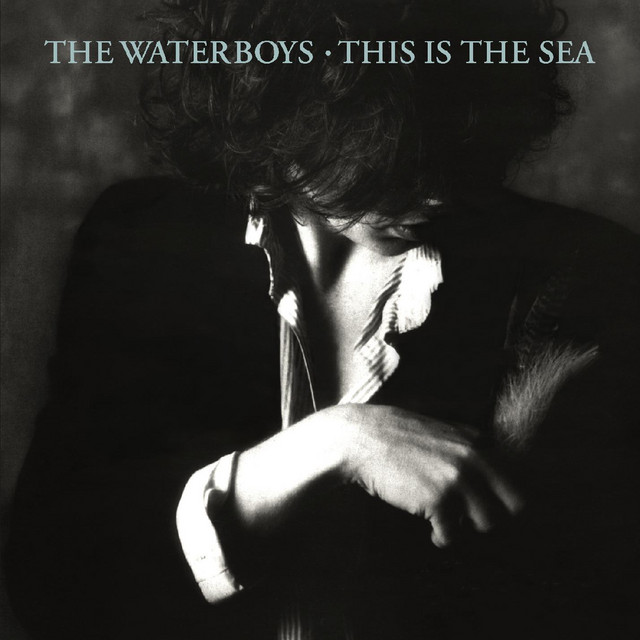
Everything is pushed toward scale—big drums, huge guitars, sweeping arrangements—but the record works because Mike Scott writes with enough specificity to ground it. “The Whole of the Moon” reaches for transcendence while “Spirit” feels rooted in exhaustion and longing. The sequencing gives the album a sense of movement, like leaving one worldview behind for another. Ambition is everywhere, but it’s tied to genuine searching rather than grandeur for its own sake.
-
Robin Guthrie’s production wraps the band in soft-focus atmosphere, but the core of the record is still remarkably spare. The guitars shimmer without becoming diffuse, and Lawrence sings with a kind of restrained melancholy that keeps everything grounded. “Primitive Painters” reaches toward grandeur, especially with Elizabeth Fraser floating through the background, but most of the album works through understatement instead. It feels delicate without feeling fragile.
-
Tom Petty And The Heartbreakers
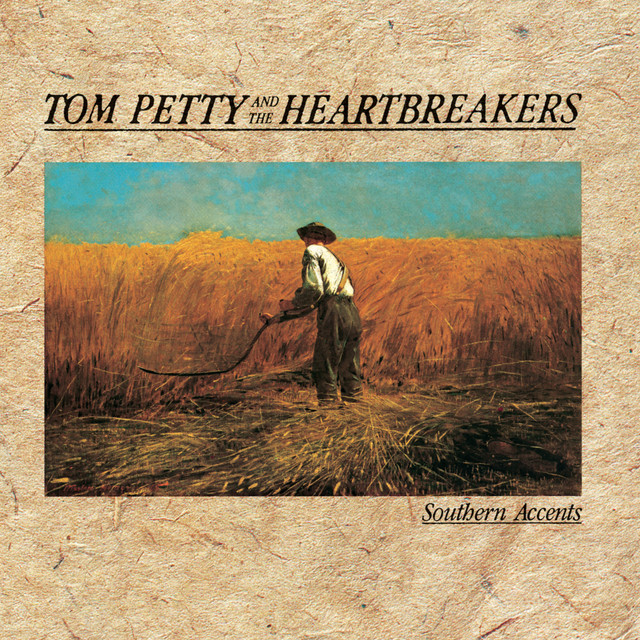
An uneven record in a way that makes it more revealing. The polished production and synth textures occasionally clash with Petty’s instinct for directness, but that friction gives songs like “Southern Accents” and “Rebels” their emotional pull. There’s pride in these songs, but also embarrassment, anger, and fatigue. It’s an album trying to sort out what regional identity means once nostalgia stops feeling trustworthy.
-
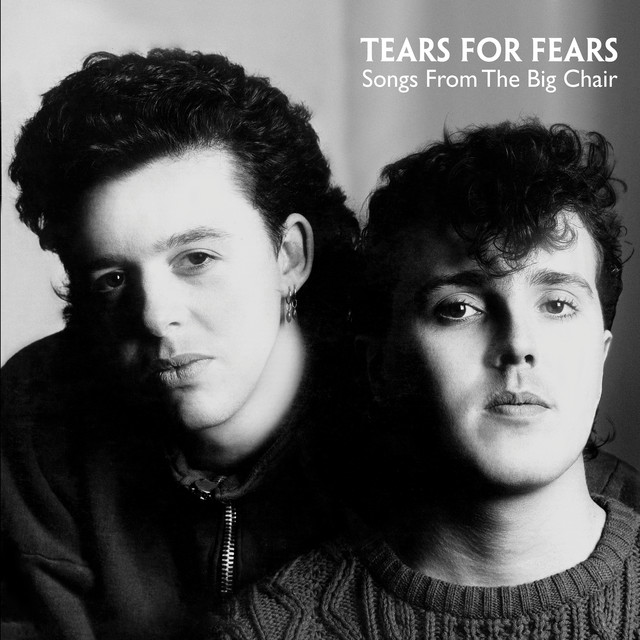
Tears For Fears
-
 Dire Straits
 -
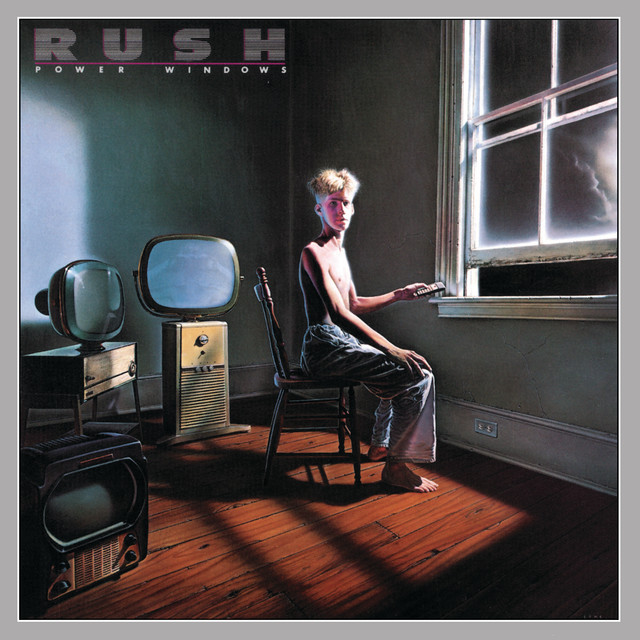
Rush
-
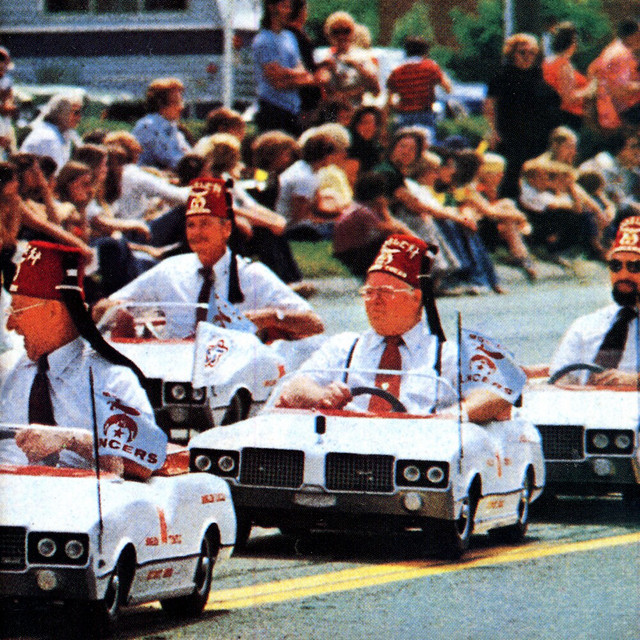
Dead Kennedys
-
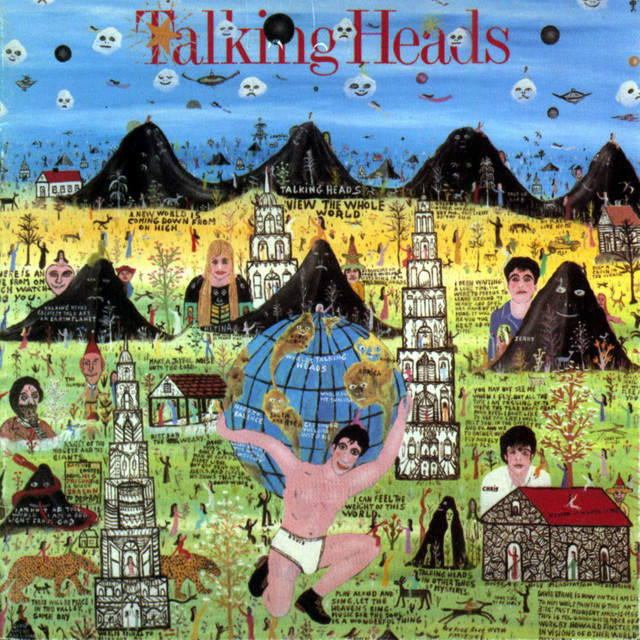
Talking Heads
-
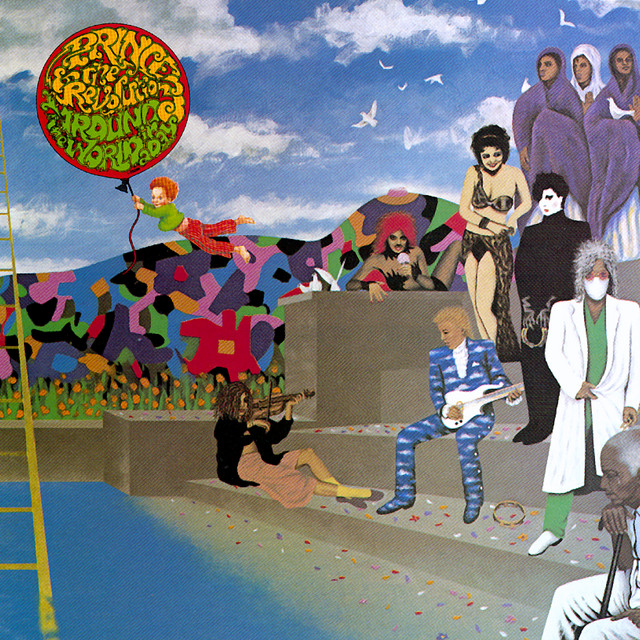
Prince
-
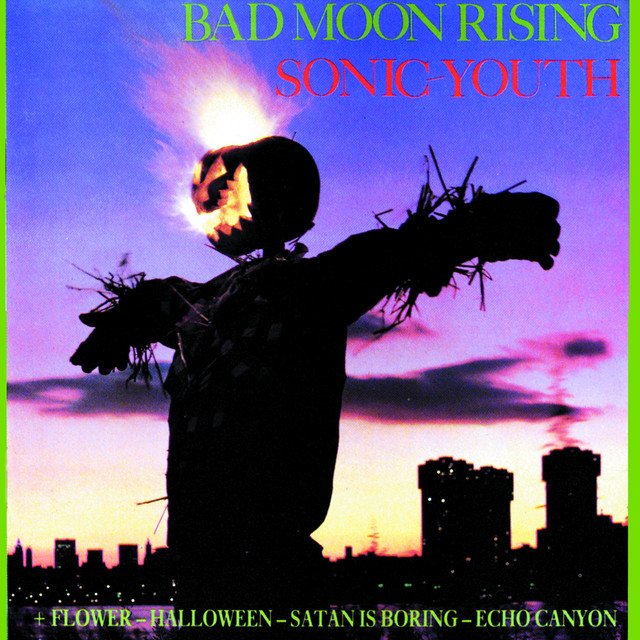
Sonic Youth
-
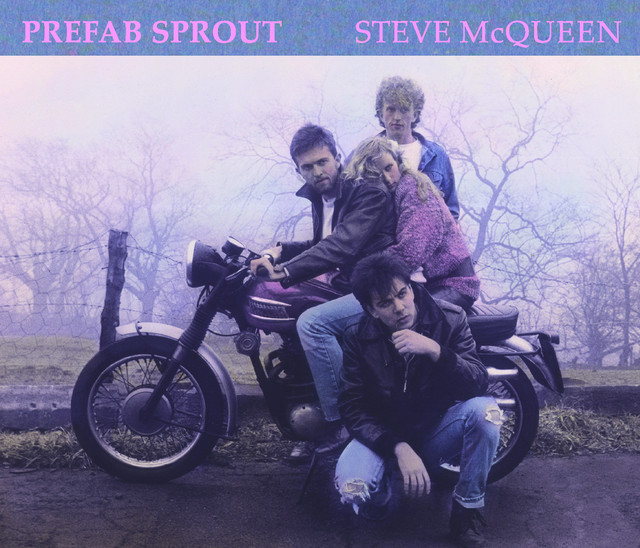
Prefab Sprout
-
The Golden Palominos



Do you like albums?
Want to make a list?
It’s free & easy &
the Whale is nice!
Learn more