1987
-
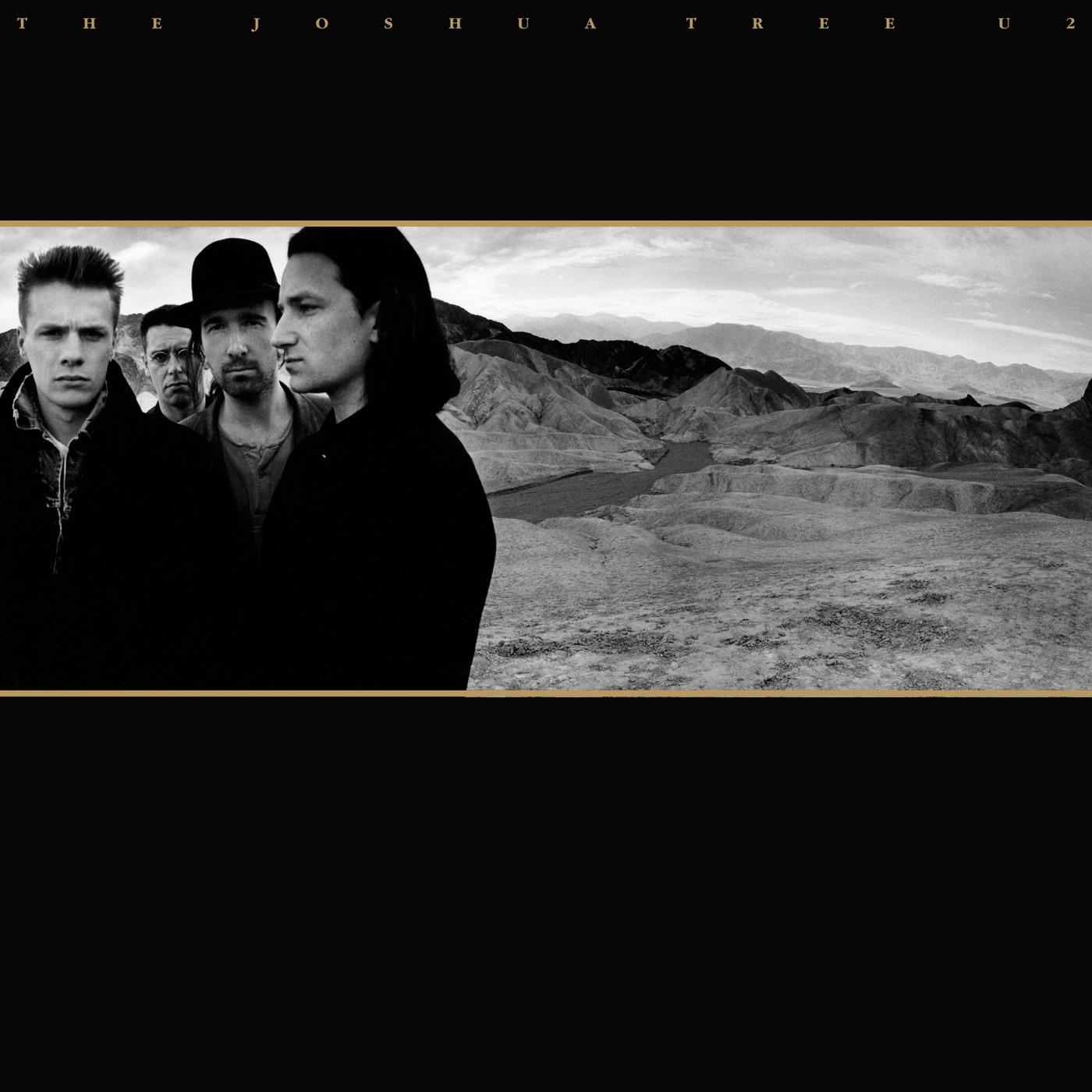
On their seminal 5th LP, U2 figured out how to make scale feel spacious. The Edge’s guitar lines leave huge amounts of air around them, which gives songs like “Where the Streets Have No Name” and “With or Without You” their sense of lift. The album reaches toward American mythology without fully trusting it, and that uncertainty gives it more depth than much of their later material. It sounds like a band trying to locate itself inside a landscape larger than its own ambition.
-
Dinosaur Jr.
The distortion is thick enough to blur the outlines, but the melodies keep forcing their way through the murk. J Mascis' guitar solos erupt from being emotionally overloaded rather than virtuosic, especially on “Little Fury Things” and “Sludgefeast.” Lou Barlow’s presence adds real friction that the music benefits from enormously. It’s loud in a way that feels inward rather than triumphant.
-
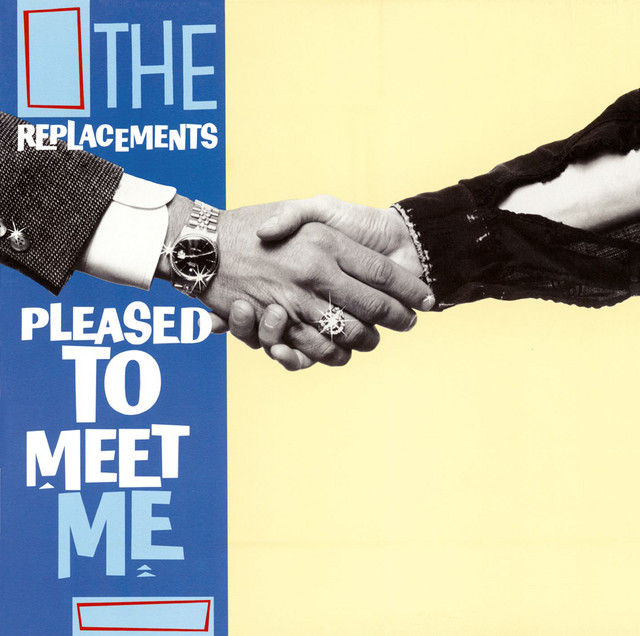
The Replacements
On the band's second album for the major label their patented chaos starts getting organized, though not completely willingly. “Alex Chilton” and “Can’t Hardly Wait” sound like the band discovering they can write classic pop songs without losing their personality, while tracks like “The Ledge” still feel genuinely unstable. Paul Westerberg writes with more empathy here, but also with sharper self-awareness. You can hear a great bar band accidentally becoming something larger.
-
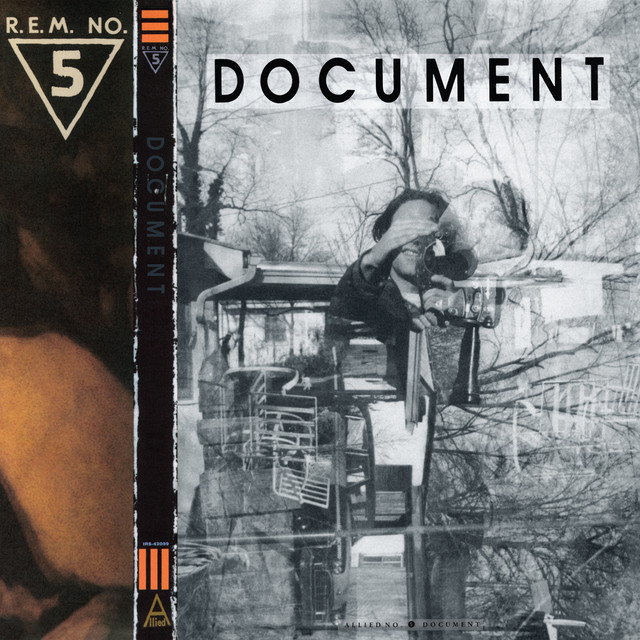
R.E.M.
The production clears further, but the band doesn’t entirely surrender its ambiguity. “Finest Worksong” and “Welcome to the Occupation” channel political anxiety without reducing themselves to slogans, while “King of Birds” lifts into something mystical. Michael Stipe begins projecting outward more confidently, and the rhythm section gains real physical force. It’s the sound of an underground band learning how to fill bigger rooms without simplifying itself. A great band on the verge of becoming rock stars.
-
 Sonic Youth
On Sister, the band’s experiments stop sounding theoretical and start sounding intuitive. Guitar tunings, feedback, and repetition create a kind of emotional weather rather than simple noise, especially on “Schizophrenia” and “Catholic Block.” Thurston Moore and Kim Gordon sing with a detached coolness that makes the turbulence underneath more noticeable. It feels both carefully constructed and strangely unstable.
-
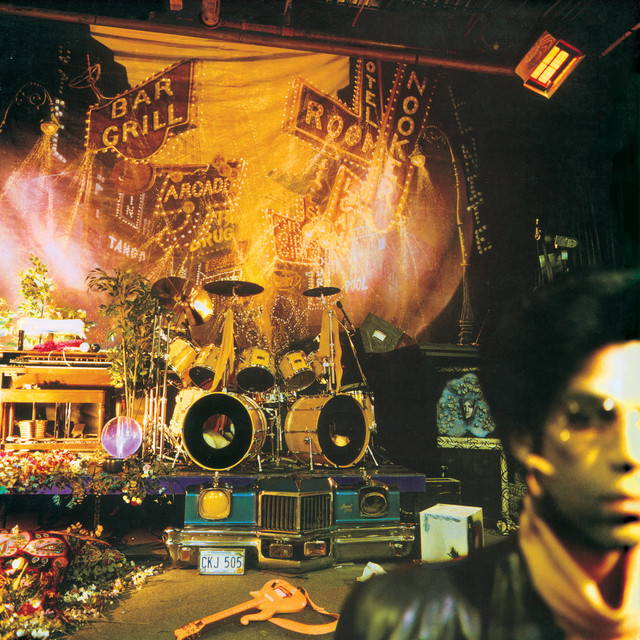
Prince
The musical range is almost absurd, but what’s impressive is how coherent it still feels. “Sign o’ the Times” strips funk down to skeletal rhythm and social observation, while “If I Was Your Girlfriend” turns intimacy into something psychologically strange and vulnerable. "I Could Never Take The Place Of Your Man" is a classic pop song expanded out into a lengthy rock n' roll jam. It moves between styles so fluidly that genre stops feeling important. The album works because every shift still sounds like the same restless mind thinking out loud.
-
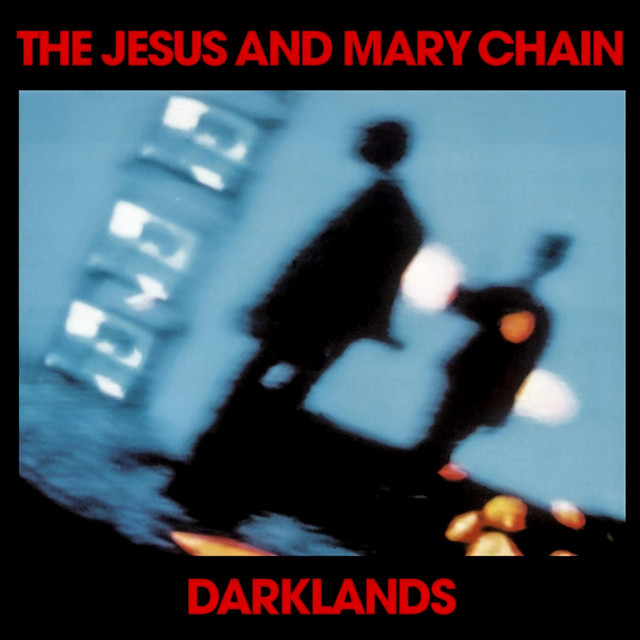
The Jesus And Mary Chain
The noise recedes just enough to reveal how strong the songwriting already was. “April Skies” and “Happy When It Rains” keep the narcotic mood of the debut, but the structures are cleaner and more exposed. Jim Reid sings with an almost passive calm that makes the emotional detachment feel deliberate rather than lazy. It’s a colder, lonelier record than people sometimes realize.
-
 Bruce Springsteen
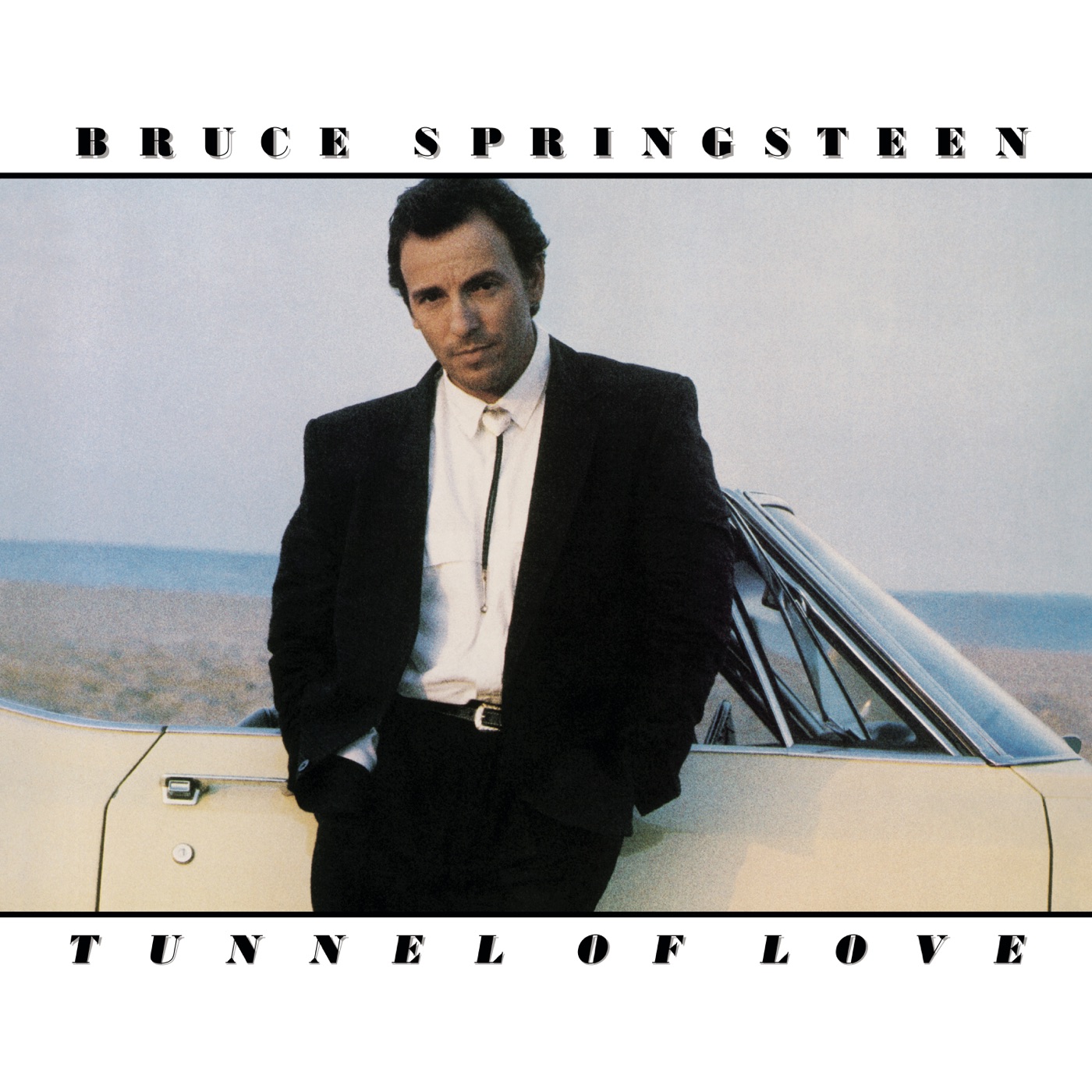
After the world-conquering largeness of Born in the U.S.A., Tunnel of Love pulls inward toward doubt, routine, and emotional fatigue. It was a bold move in the face of fan expectation. The synth-heavy arrangements feel isolated even at their fullest, especially on “Brilliant Disguise” and “One Step Up.” Springsteen writes about relationships not collapsing dramatically, but slowly eroding through uncertainty and repetition. That restraint is what makes it hit so hard.
-
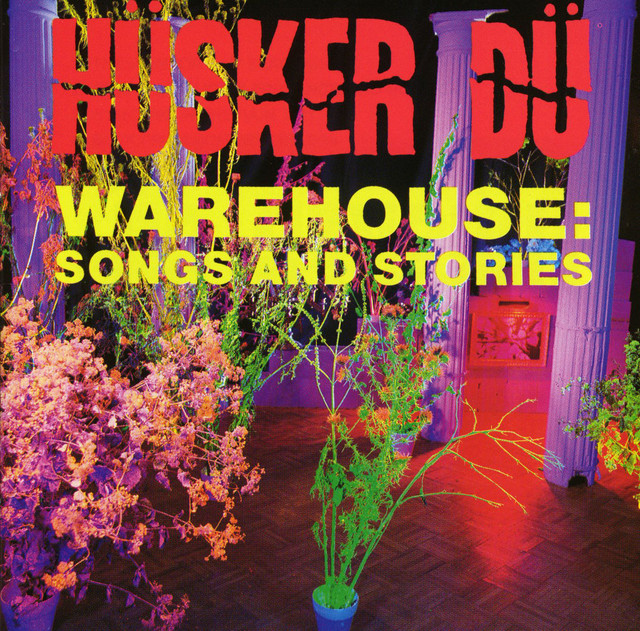
Hüsker Dü
A double album shaped by internal fracture. Bob Mould and Grant Hart sound like they’re writing past each other at times, but the contrast gives the record its emotional complexity. Songs like “Could You Be the One?” and “Ice Cold Ice” alternate between clarity and exhaustion. You can hear the band pulling apart while still making each other sharper.
-
 Guns N' Roses
What separates it from most the hard rock (and especially the "hair metal") of the era is the sense of actual danger underneath the polish. Slash’s guitar playing is fluid and melodic without losing bite, while Appetite is the only time Axl Rose sounded genuinely unstable rather than theatrically wild. “Welcome to the Jungle” and “Rocket Queen” feel excessive, but specifically, intentionally excessive. The record still feels thrilling and self-destructive.
-
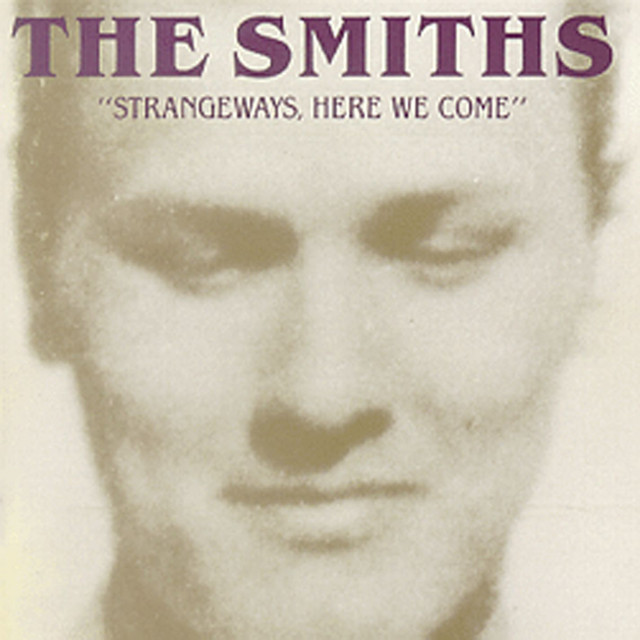
The Smiths
The band loosens its formula without abandoning it entirely. The arrangements become fuller and stranger—pianos, layered guitars, unusual rhythmic shifts—while Morrissey sounds more theatrical and self-aware than before. “Still Ill” bitterness gives way to something more reflective on songs like “I Won’t Share You.” It feels like a band already aware it’s reaching the end.
-
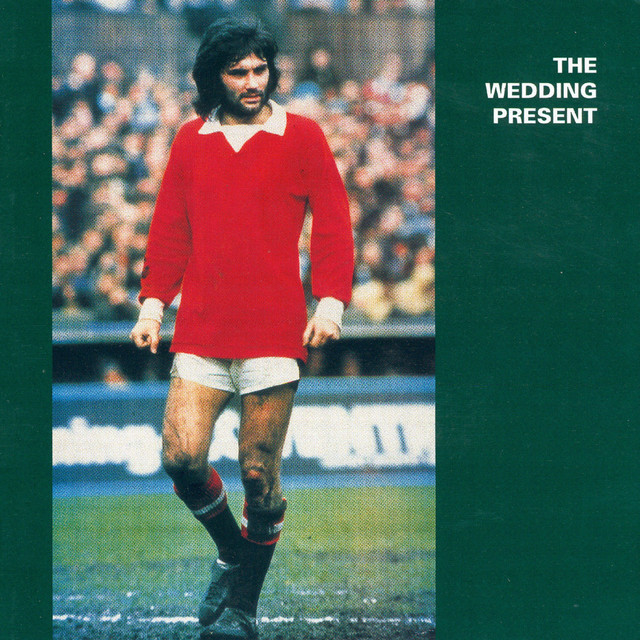
The Wedding Present
The guitars attack constantly, but the songs themselves are surprisingly precise. David Gedge writes about jealousy, awkwardness, and humiliation with almost uncomfortable specificity. Tracks like “Everyone Thinks He Looks Daft” move quickly enough to keep self-pity from settling in. It’s romantic frustration turned into momentum.
-
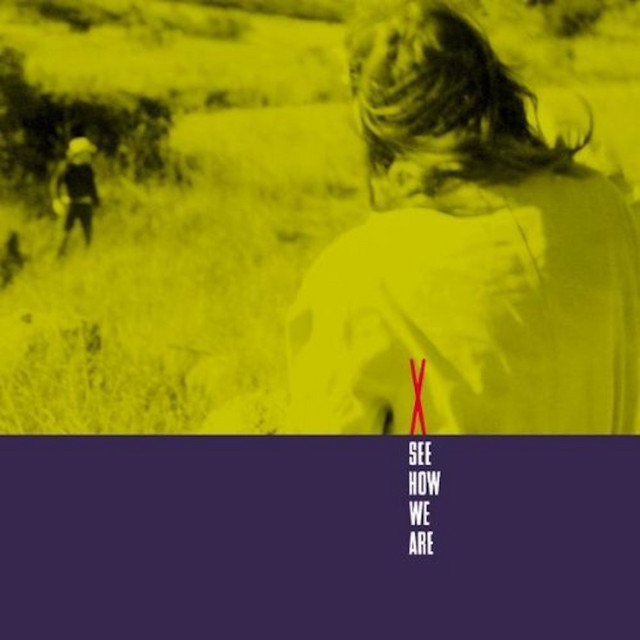
The punk velocity softens, but the emotional weariness deepens. Exene Cervenka and John Doe still sing together beautifully, though now their chemistry carries more fatigue than spark. Songs like “4th of July” linger instead of explode. It’s a record about aftermath rather than rebellion.
-
Meat Puppets
The band tightens up without losing its oddness. The grooves are heavier and more direct, but Curt Kirkwood’s melodies still drift sideways unexpectedly. “Paradise” and “Look at the Rain” balance hard rock weight with psychedelic looseness. It sounds tougher than their earlier work, though no less strange.
-
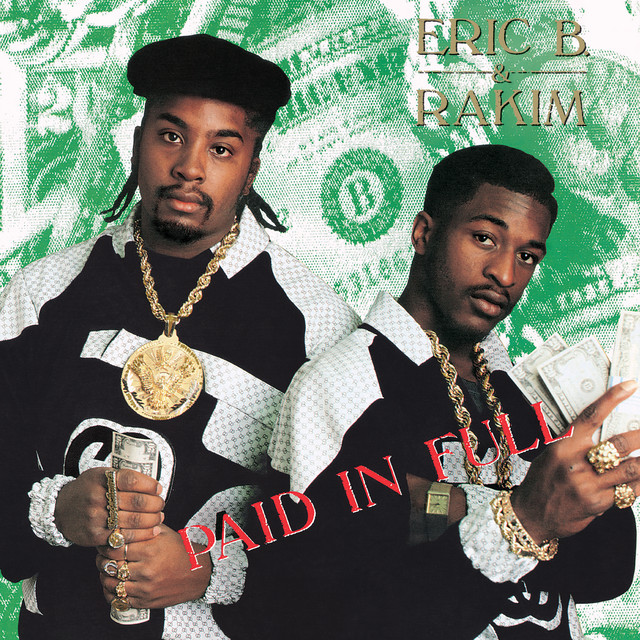
Eric B. & Rakim
Rakim changes rap largely through pacing—his lines unfold calmly, internally, refusing the frantic attack common at the time. Eric B. keeps the production sparse enough that every rhythmic detail matters. “My Melody” and the title track feel almost architectural in their balance and spacing. The album expands hip-hop by making control sound more powerful than volume.
-
Depeche Mode
The synth textures get darker and more physical at the same time. “Never Let Me Down Again” builds through repetition so patiently that by the end it feels enormous without ever turning bombastic. Dave Gahan sings with more emotional weight here, grounding the increasingly elaborate production. It’s electronic music that understands atmosphere as architecture.
-
 Def Leppard
On their fourth studio LP every sound has been polished to maximum impact, yet the album somehow avoids feeling static. Producer Mutt Lange layers guitars and vocals so densely that tracks like “Animal” and “Pour Some Sugar on Me” feel engineered rather than merely played - a strategy that would fail without the onslaught of killer hooks. There is a mathematical precision to these songs - the band swings for the fences and hits it even further. It’s excess refined into design.
-
 The Cure
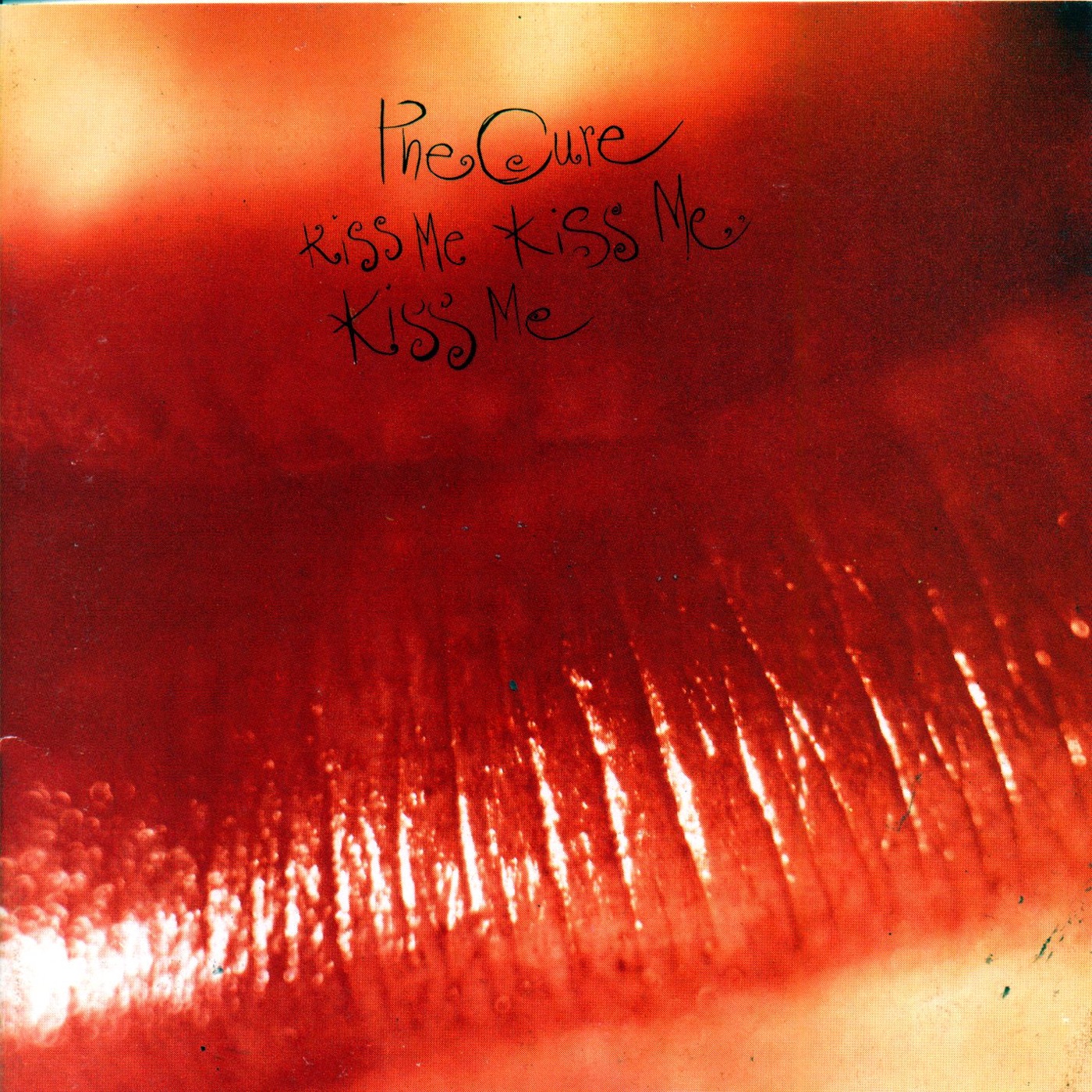
The sprawl of Kiss Me is part of the appeal. One moment the band leans into bright pop momentum on “Just Like Heaven,” the next it disappears into something humid and disoriented like “The Kiss.” Robert Smith treats emotional extremes as equally natural states rather than contradictions. The album works because it never tries to smooth those swings into consistency.
-
Spacemen 3
Repetition becomes immersive rather than hypnotic in any simplistic sense. The drones and minimal chord changes create subtle shifts in perception, especially on “Take Me to the Other Side” and “Walkin’ With Jesus.” Jason Pierce and Pete Kember strip psychedelic music down to pulse and texture. It feels less like escapism than altered concentration.
-
Grateful Dead
Cleaner and more concise than much of their studio work, but still unmistakably them. “Touch of Grey” gave them an unlikely hit, yet quieter tracks like “Black Muddy River” reveal the record’s real emotional center. The band sounds older, more reflective, but not diminished. It’s a late-career album that understands endurance as its own subject.
-
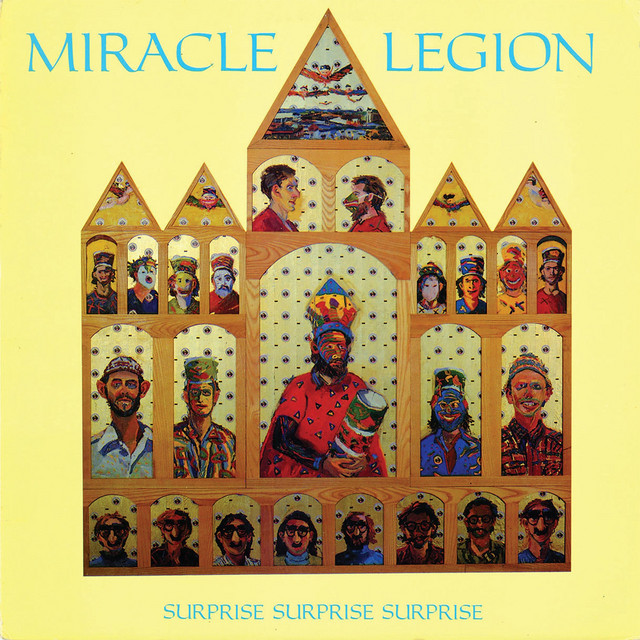
Miracle Legion
The arrangements lurch unpredictably between elegance and abrasion, often within the same song. Cathal Coughlan delivers lyrics with theatrical intelligence that borders on contempt, but there’s vulnerability buried underneath the hostility. The record constantly threatens collapse without actually losing control. Its instability is carefully composed.
-
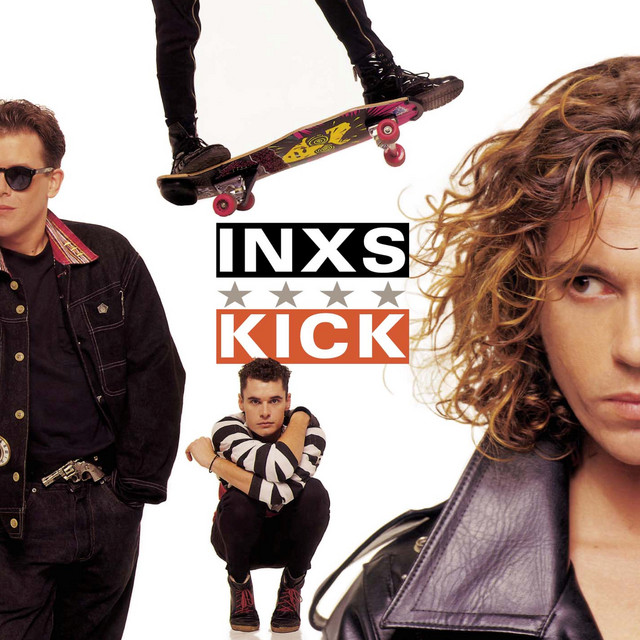
INXS
-
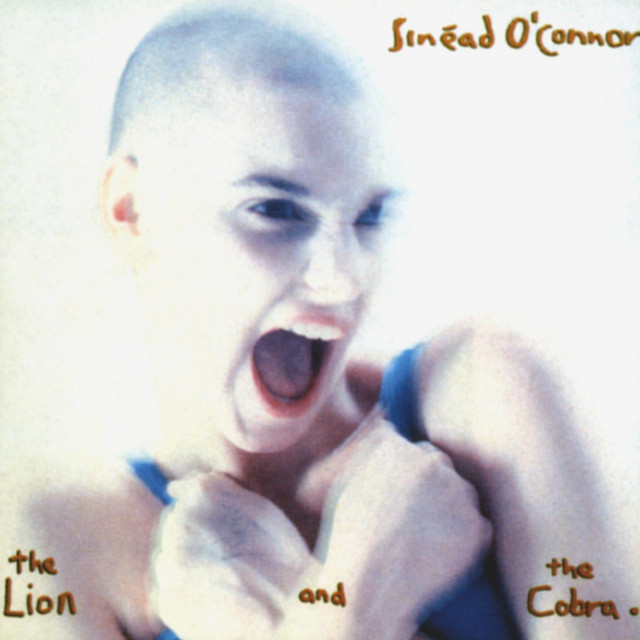
Sinéad O'Connor
-
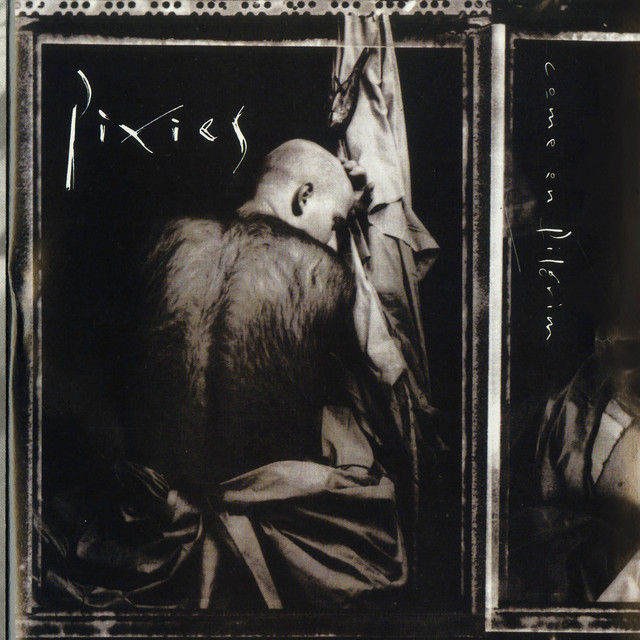
Pixies
-
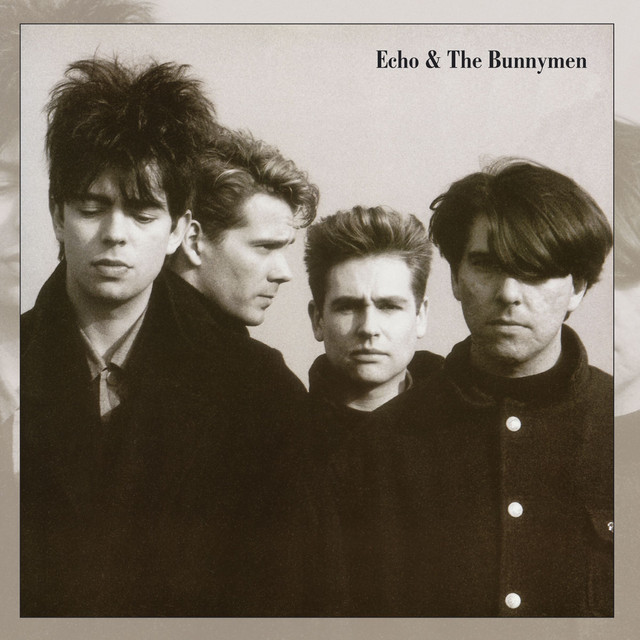
Echo & The Bunnymen
-
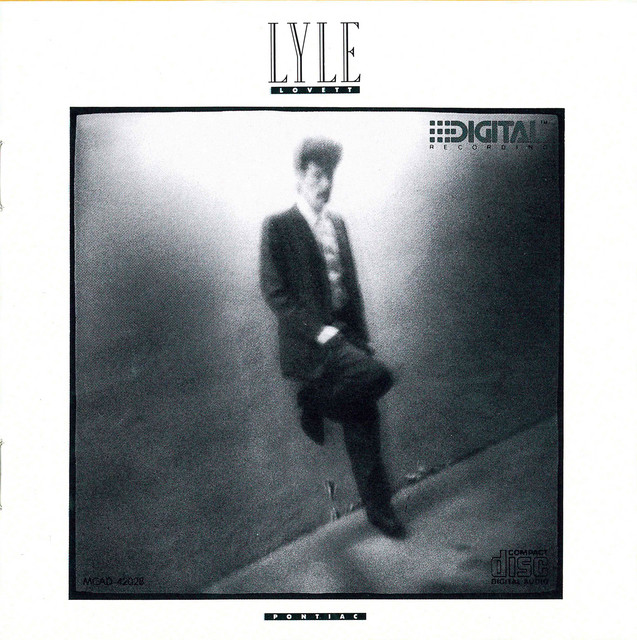
Lyle Lovett
-
Mekons





Do you like albums?
Want to make a list?
It’s free & easy &
the Whale is nice!
Learn more