-
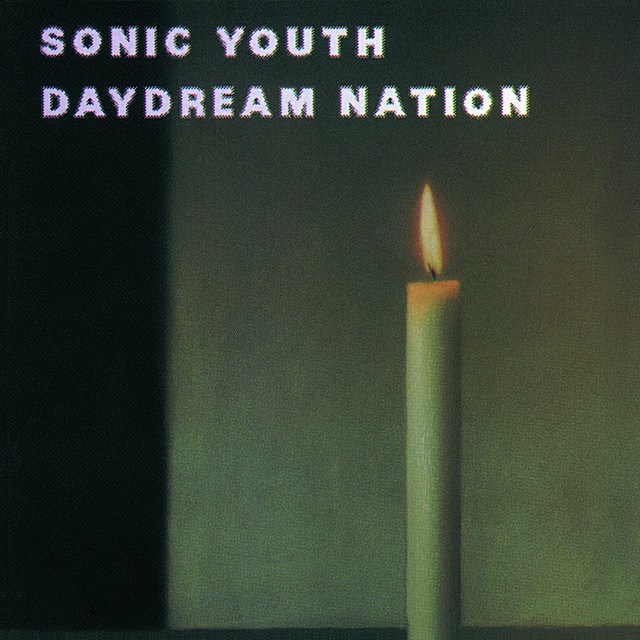
Sonic Youth
After a handful of records that gradually balanced noise and melody, Daydream Nation arrived as a perfect symmetry of the two. The long songs aren’t really jams—they’re weather systems of tension slowly rearranging themselves. Guitars drift in and out of alignment while Lee Ranaldo and Thurston Moore treat noise as something sculptural rather than destructive. “Teen Age Riot” sounds almost utopian before the album descends into more fractured territory. Evidence that abstraction can still feel emotionally immediate.
-
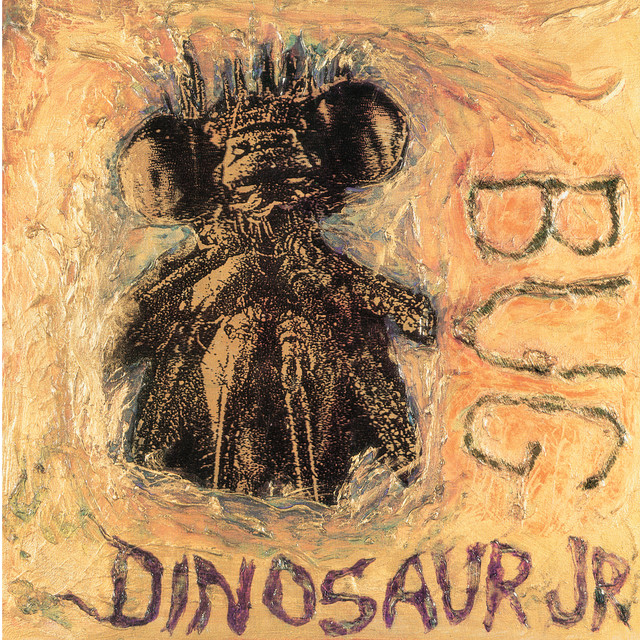
Dinosaur Jr.
On Bug, Dinosaur Jr.'s songs continue to get hookier while the mood grows more isolated. J Mascis buries vulnerable melodies under walls of guitar, as if volume itself might keep the feelings contained. “Freak Scene” balances sarcasm and exhaustion perfectly, while “Budge” and “Yeah We Know” let the noise drag heavily behind them. You can already hear the band beginning to fracture, and the tension gives the record extra gravity.
-
Pixies
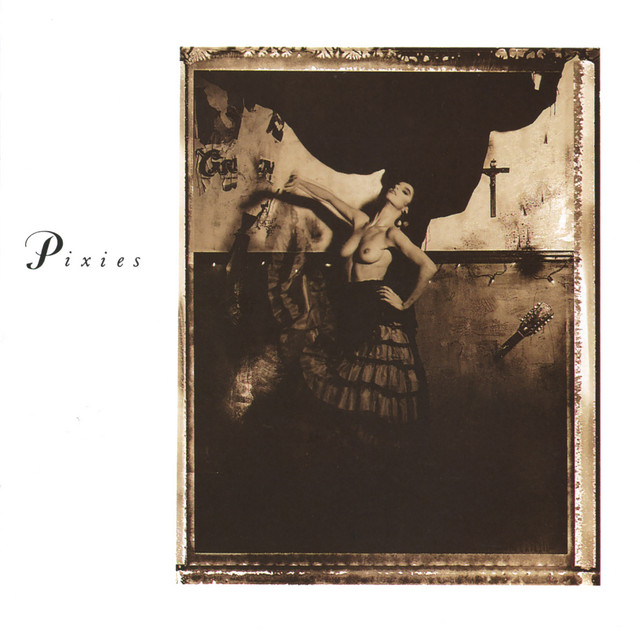
The album keeps swerving between precision and near-collapse. Black Francis jumps from whispers to screams so abruptly that the shifts stop feeling theatrical and start feeling instinctive. Steve Albini records the band with huge room sound and harsh edges intact, especially on “Bone Machine” and “Gigantic.” It’s funny, violent, awkward, and catchy-as-hell all at once.
-
Public Enemy
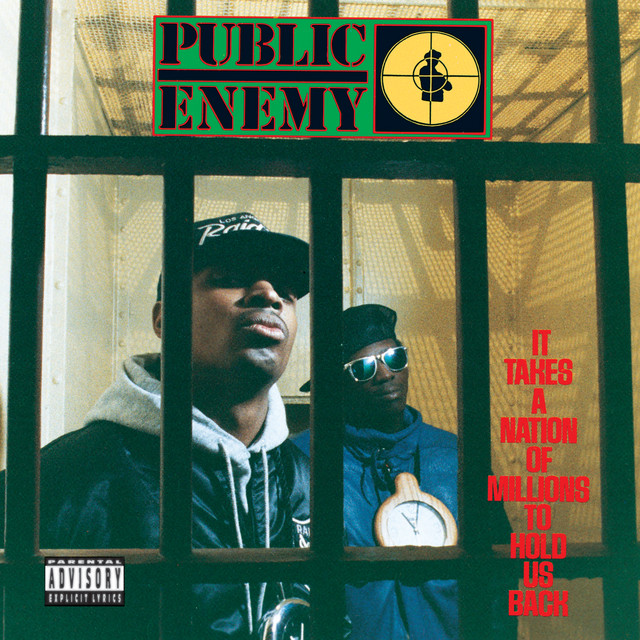
The production sounds like information overload weaponized into rhythm. The Bomb Squad stacks sirens, funk fragments, scratches, and noise into dense layers that never fully settle. Chuck D delivers with controlled force, while Flavor Flav keeps destabilizing the mood from the edges. The record feels urgent because it never pauses long enough to become comfortable.
-
R.E.M.
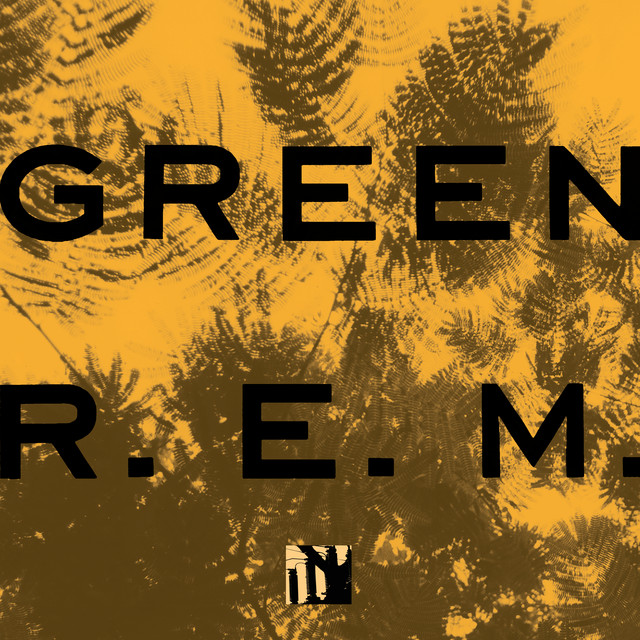
A major-label debut that doesn’t sound eager to simplify itself. “Pop Song 89” and “Stand” flirt with bubblegum-pop, but stranger tracks like “World Leader Pretend” and “You Are the Everything” keep the emotional center complicated. Michael Stipe continues to gain confidence in being emotionally direct, if not yet lyrically. It’s a transitional record that understands growth as expansion rather than compromise.
-
The Waterboys
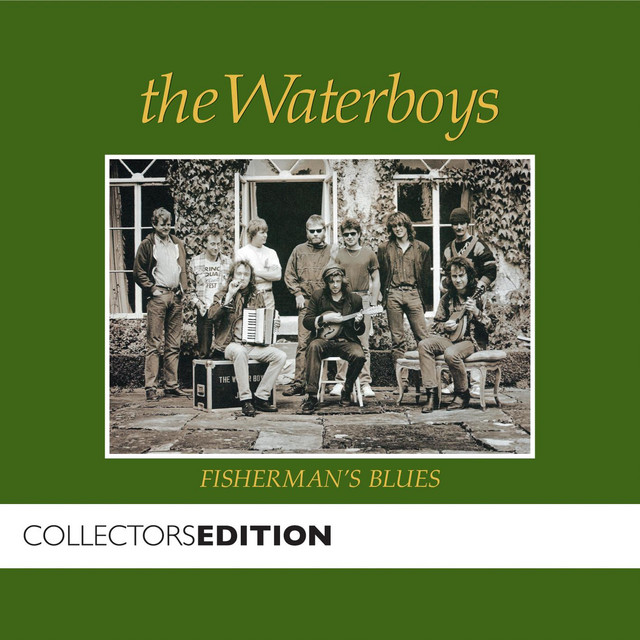
The grand “big music” sound gives way to something looser, warmer, and more rooted in traditional folk forms. Songs stretch out casually, letting fiddles, mandolins, and room noise become part of the atmosphere. Mike Scott sounds less interested in transcendence now than in community and physical place. The album feels open-ended in the best possible way.
-
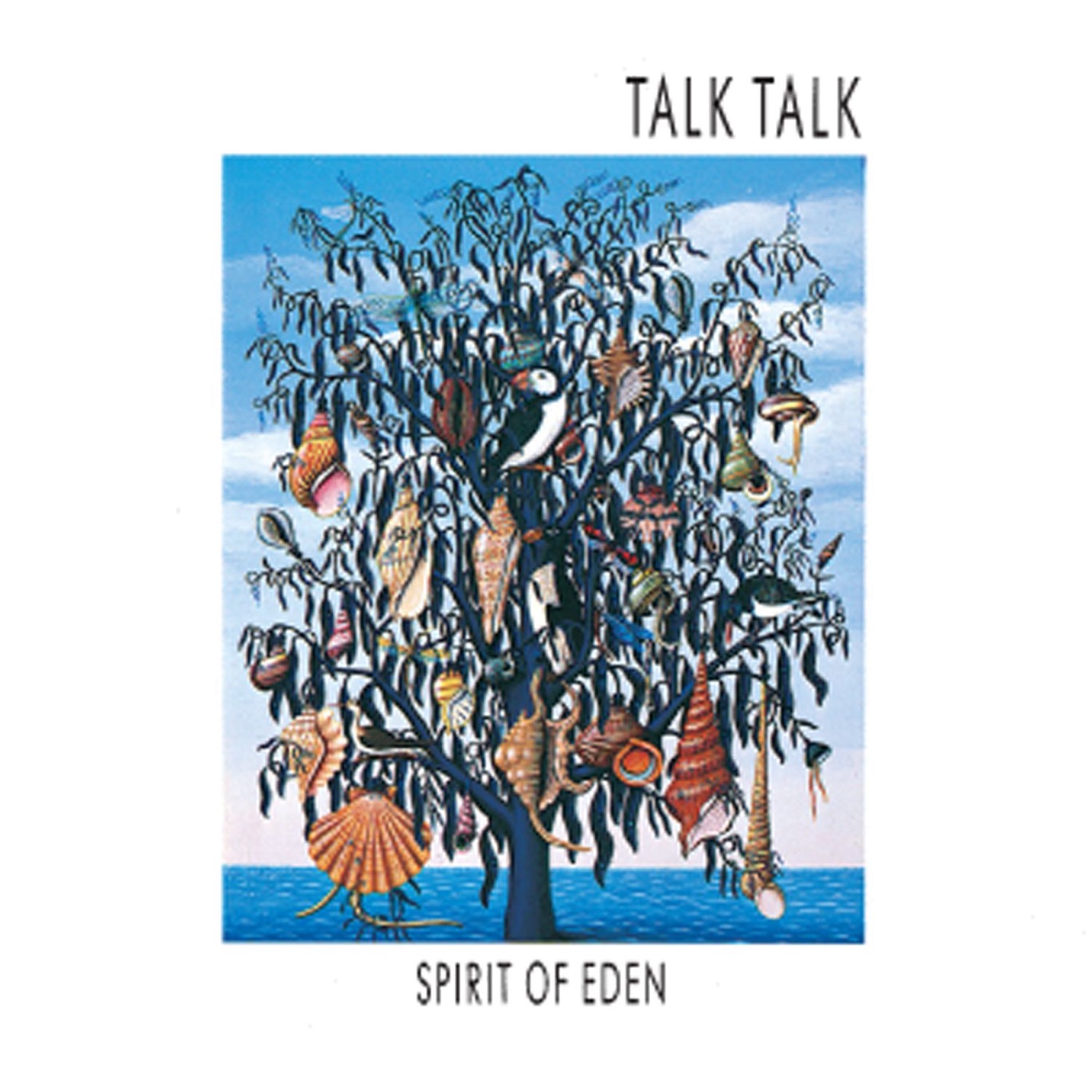 Talk Talk
Silence becomes one of the main instruments. The songs unfold slowly, with tiny gestures—horn phrases, organ swells, isolated guitar notes—carrying enormous emotional weight because of the surrounding space. Mark Hollis sings quietly enough that you lean toward the music instead of the other way around. It’s a record that trusts attention rather than immediacy.
-
Eric B. & Rakim
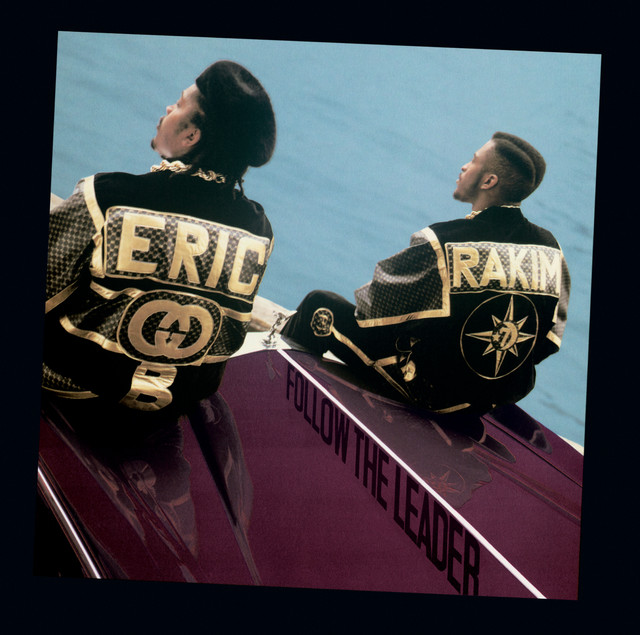
Rakim’s flow becomes even more elastic and conversational here, constantly shifting internal rhythms without losing clarity. Tracks like “Microphone Fiend” and the title cut feel spacious, giving every line room to land precisely. Eric B.’s production stays sparse enough to emphasize structure over clutter. The album changes rap by making complexity sound effortless.
-
The Pogues
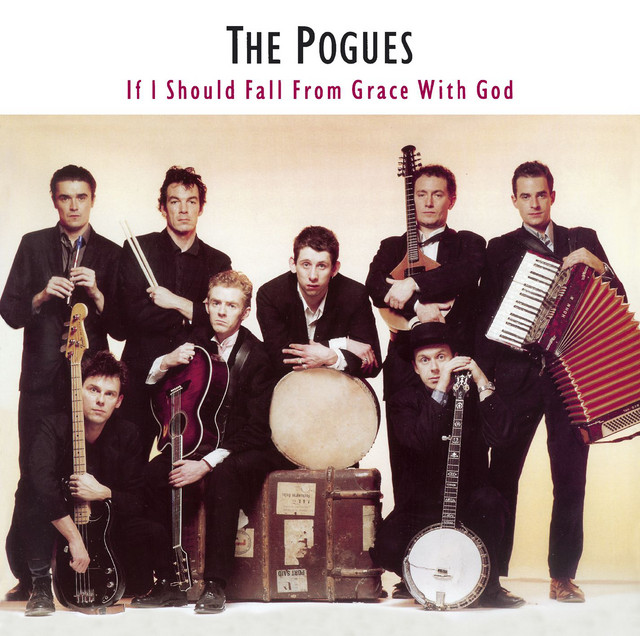
The traditional instrumentation becomes more expansive without losing the band’s roughness. “Fairytale of New York” gets remembered for the duet, but the whole album balances celebration and collapse in similar ways. Shane MacGowan writes with enormous affection for damaged people without romanticizing the damage itself. It’s rowdy music carrying a surprisingly deep sense of loss.
-
 Cocteau Twins
The sound becomes brighter and more polished, but the mystery doesn’t disappear. Elizabeth Fraser’s voice moves through the songs less like language than shifting emotional texture, especially on “Carolyn’s Fingers” and “Cico Buff.” Robin Guthrie layers guitars and effects with near-architectural precision. The album feels lush without becoming heavy.
-
Lucinda Williams
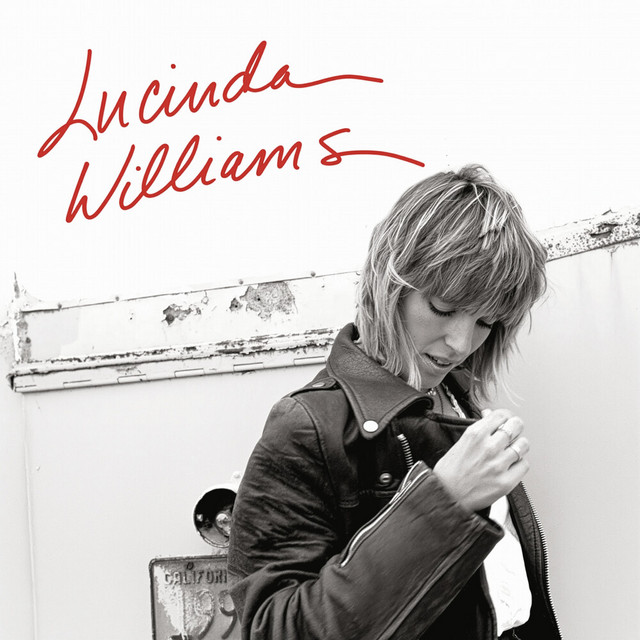
The writing is incredibly detailed without ever sounding literary for its own sake. Songs like “Passionate Kisses” and “Changed the Locks” ground emotion in physical details—cars, streets, bars, weather—so the feelings never drift into abstraction. Lucinda Williams sings with a plainness that makes the sharp observations hit harder. It’s roots music stripped of nostalgia and rebuilt around lived experience.
-
Jane's Addiction
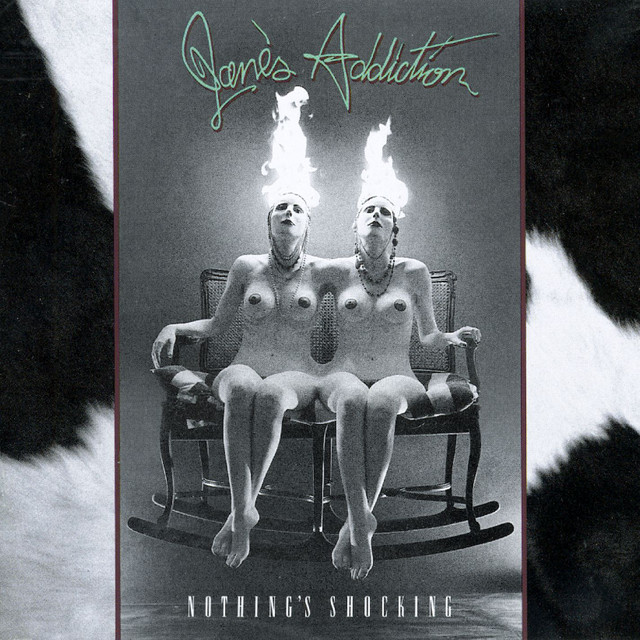
The band treats hard rock like something elastic rather than fixed. Perry Farrell swings between preacher, provocateur, and exhausted romantic, while Dave Navarro’s guitar lines spiral outward instead of simply riffing. “Mountain Song” and “Summertime Rolls” show how comfortably the record moves between aggression and drift. It sounds decadent, but also strangely searching.
-
The House Of Love
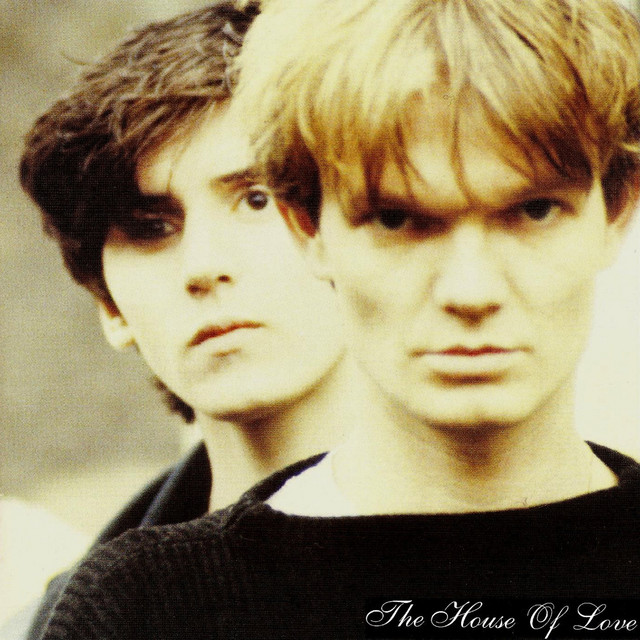
The guitars arrive in huge shimmering layers, but the songs underneath are surprisingly tight and direct. Guy Chadwick writes melodies that feel melancholy without becoming passive. “Christine” and “Destroy the Heart” balance scale with intimacy remarkably well. The album understands that atmosphere works best when anchored to strong songwriting.
-
Steve Earle
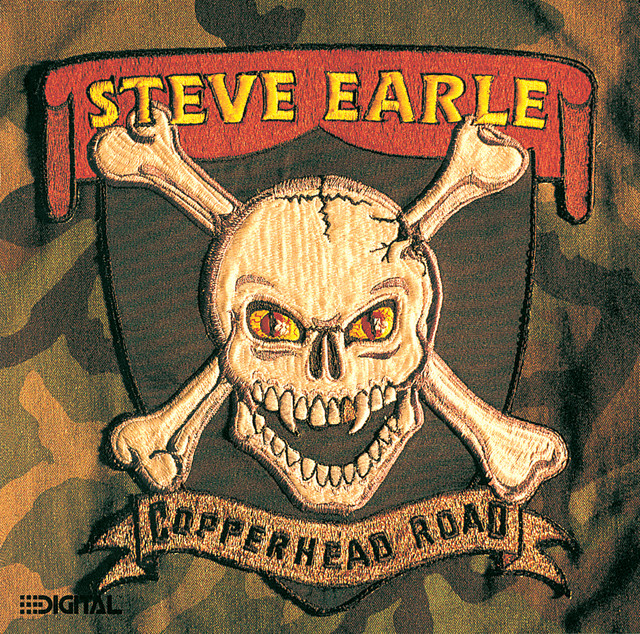
The record pushes country storytelling into heavier, more physical territory. The title track ties family history, war, and criminal survival together without romanticizing any of them, while songs like “Johnny Come Lately” widen the political scope. Steve Earle writes with working-class specificity that never feels performative. It’s tough music, but the toughness comes from accumulated experience rather than pose.
-
 Morrissey
Separated from The Smiths, the songs become more exposed and theatrical. Stephen Street gives tracks like “Suedehead” and “Everyday Is Like Sunday” a spacious elegance that contrasts sharply with Morrissey’s bitterness and self-dramatization. The loneliness feels less communal now, more self-contained. That narrowing of focus makes the record oddly intimate.
-
Beat Happening
-
Bruce Springsteen
-
-
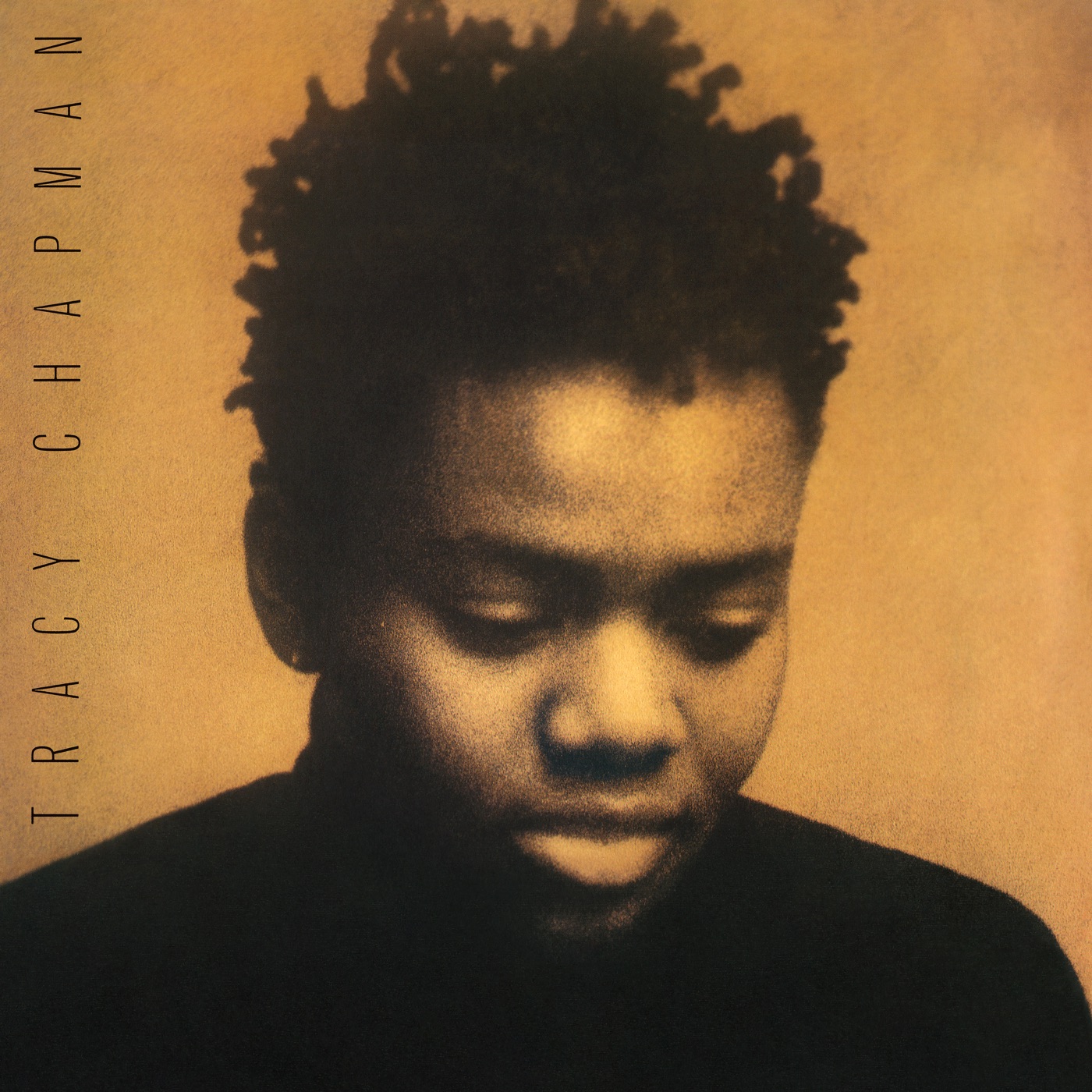 Tracy Chapman
 -
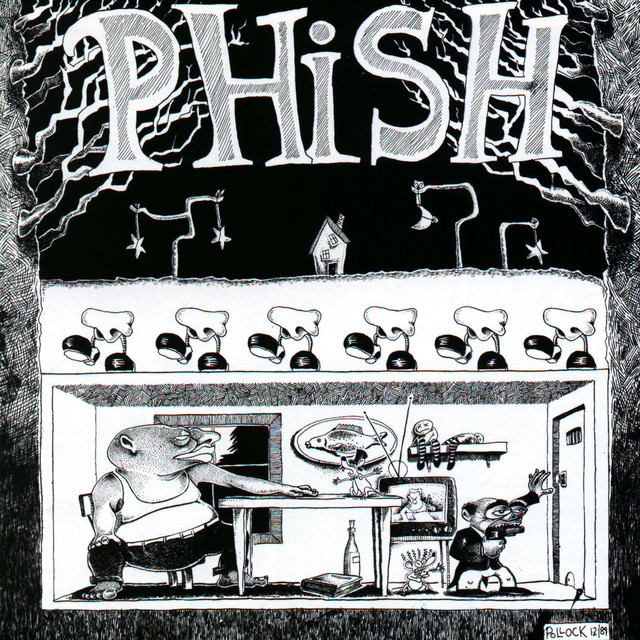
Phish
-
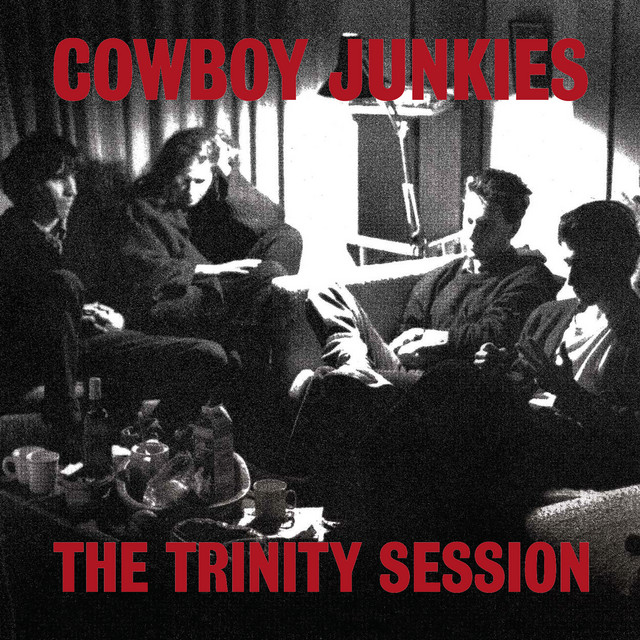
Cowboy Junkies
-
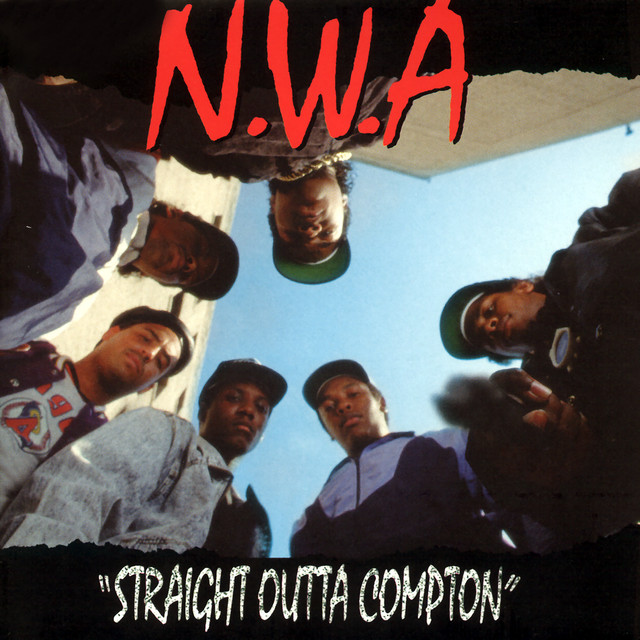
N.W.A
-
-
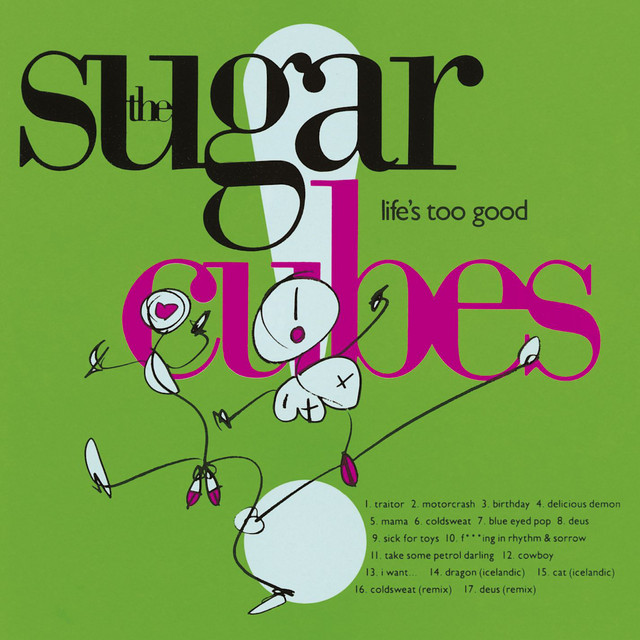
The Sugarcubes


Do you like albums?
Want to make a list?
It’s free & easy &
the Whale is nice!
Learn more