1991
-
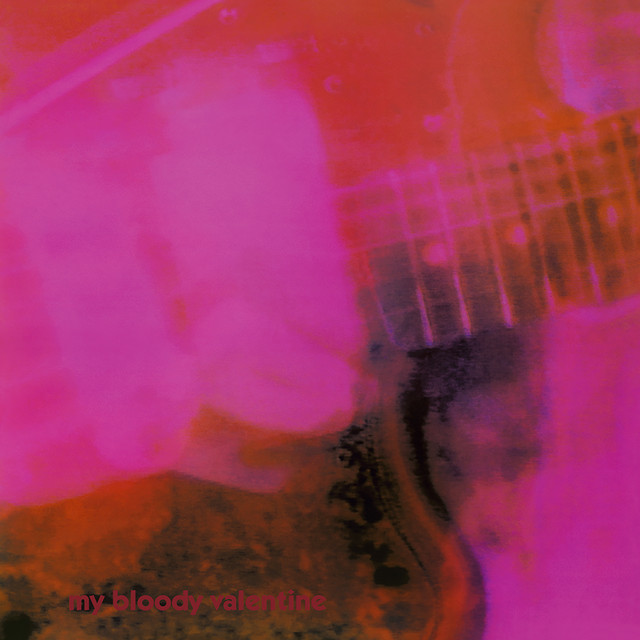
my bloody valentine
A cathedral of blistering distortion and whispered intimacy, Loveless is sensual, disorienting, and deafening at once — the high-water mark of shoegaze and still unmatched in sheer sonic immersion. Kevin Shields' guitars don’t really behave like guitars at all, they smear, bend, and dissolve into sensation; Bilinda Butcher’s vocals drift through the mix like half-remembered thoughts. Beneath it all though, songs like “Only Shallow” and “Sometimes” are remarkably delicate, almost fragile in their melodic cores.
-
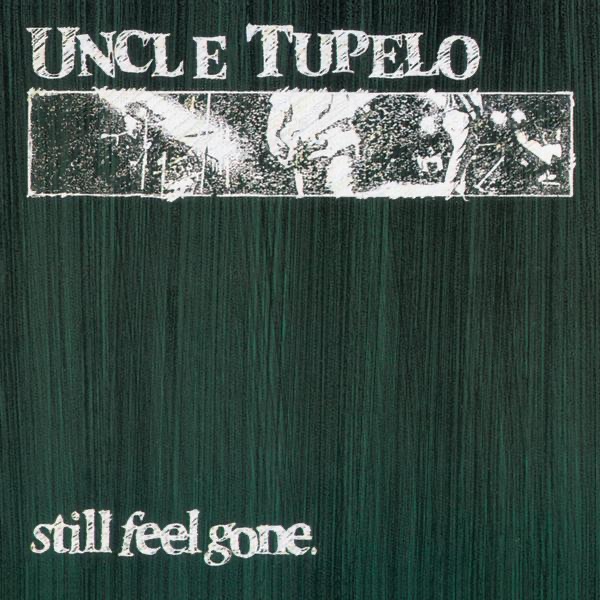 Uncle Tupelo
Still Feel Gone stands as a pivotal moment in alt-country, bridging punk’s urgency with Americana’s storytelling. Distortion and folk structures coexist naturally on songs like “Gun” and “Still Be Around,” where exhaustion feels more central than rebellion. The exploration of rural realities on SFG perfect the rust-belt punk-urgency of No Depression and foreshadow the blue-collar, spiritual desperation of March 16-20, 1992.
-
 The Tragically Hip
Canada’s most beloved sons deliver an album that balances uniquely northern storytelling with muscular rock dynamics. Road Apples solidifies The Tragically Hip’s status as chroniclers of a national identity, weaving regional narratives with universal themes of life, loss, and resilience. “Little Bones” and “Three Pistols” feel conversational and lived-in, driven as much by rhythm and phrasing as by hooks. Gord Downie writes in fragments and strange details that somehow create a vivid sense of place. And it's named after horse shit to boot.
-
 The Wedding Present
A raw, emotionally charged indie rock album, Seamonsters stands out for its urgent guitar work and David Gedge’s confessional lyricism. Steve Albini records the band with brutal clarity, letting every guitar scrape and rhythmic shift hit hard. Its rough edges and unpolished sound amplify its themes of heartbreak and alienation. A cult classic of 90s British rock.
-
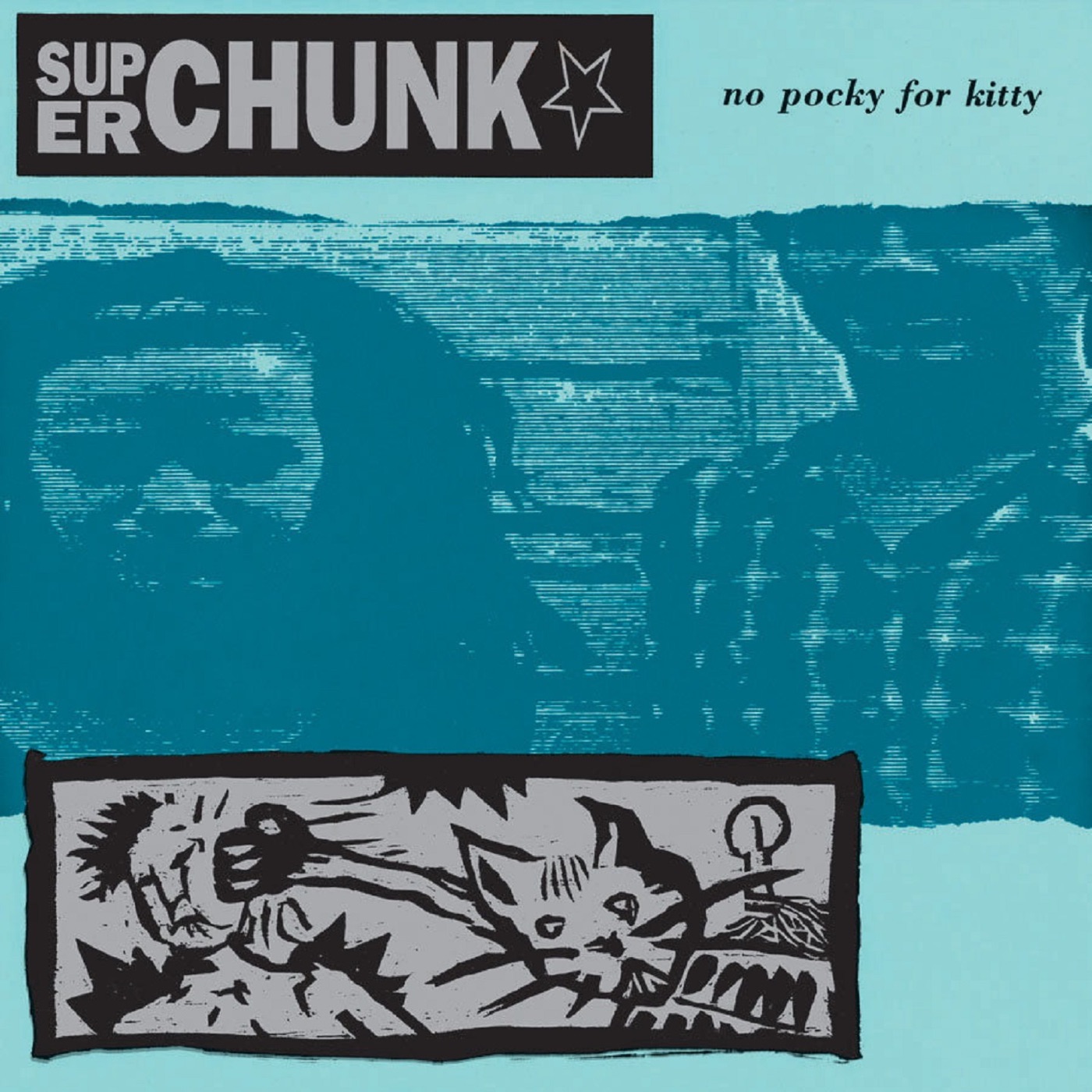 Superchunk
A sugar-rush of distortion and velocity, where hooks fight their way through blown-out amps. It’s scrappy without being sloppy — punk energy sharpened into melodic urgency. Songs like “Skip Steps 1 & 3” and “Seed Toss” carry genuine exhilaration rather than calculated energy. It’s indie rock that sounds thrilled to simply exist.
-
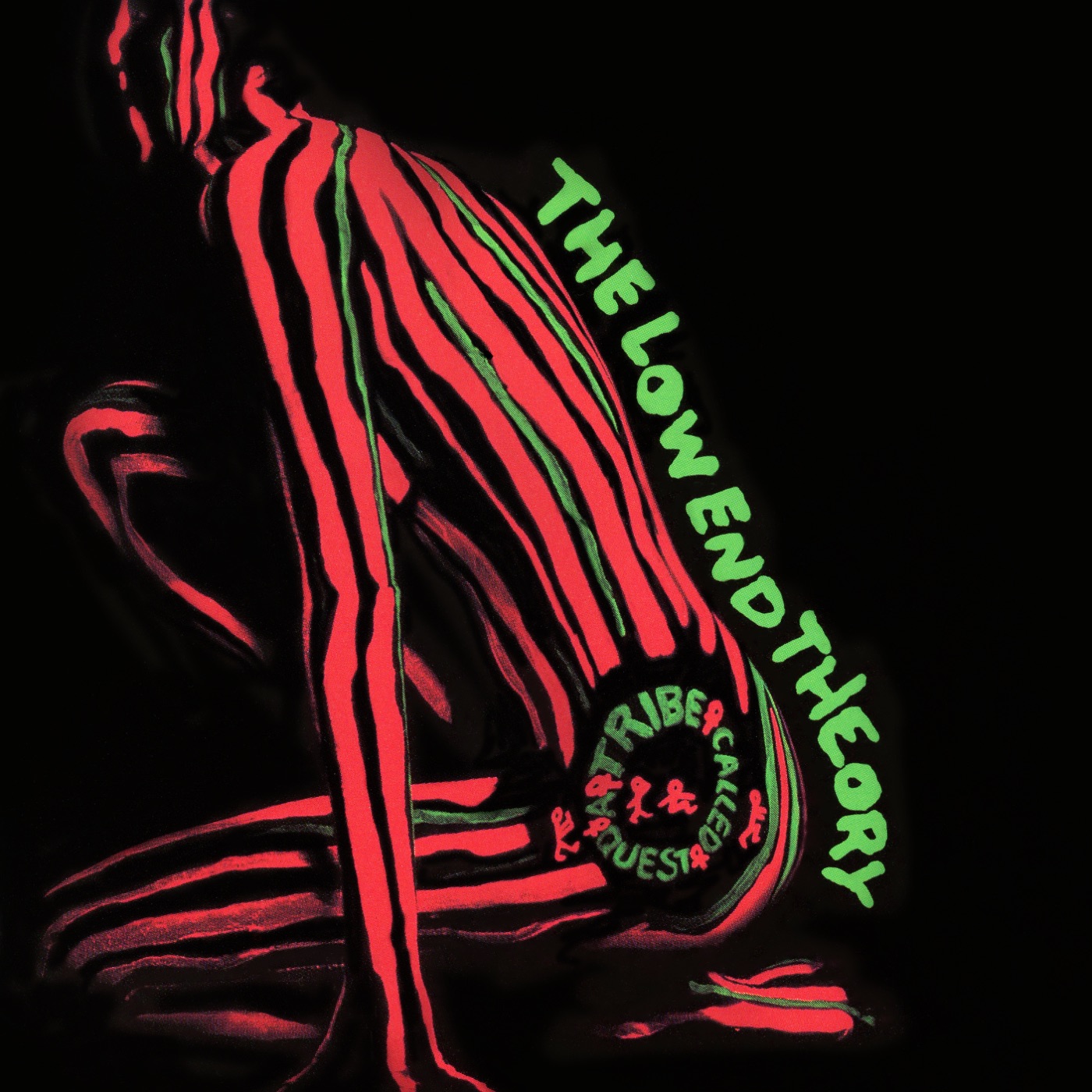 A Tribe Called Quest
A groundbreaking fusion of jazz and hip-hop, Low End Theory redefined the genre’s sonic possibilities. The album’s smooth grooves and thoughtful lyricism created a laid-back yet intellectually vibrant blueprint that still resonates today. The basslines sit deep in the mix, giving the whole album a warm, late-night feel. Q-Tip and Phife Dawg play off each other beautifully—one relaxed and fluid, the other sharp and compact. Tracks like “Excursions” and “Check the Rhime” sound casual until you notice how carefully balanced every rhythm is. The record expands hip-hop by making subtlety feel powerful.
-
 Talk Talk
A holy text for post-rock, built from silence as much as sound. Every note feels discovered rather than played, as if the band is feeling its way through the dark toward something sacred. It’s less an album than an atmosphere — endlessly influential, never imitated successfully. Tiny instrumental gestures—a trumpet phrase, a brushstroke of guitar, a distant piano note—carry enormous emotional weight because of how patiently they’re placed. Mark Hollis sings softly enough that every breath matters.
-
 Luna
LunaSuch a cool record - chiming guitars, dry wit, melodies that drift like cigarette smoke. It feels casual until you realize how perfectly constructed it is. Dean Wareham sings with dry detachment while the guitars circle around each other in long, hypnotic lines. Songs like “Slash Your Tires” and “Hey Sister” move with understated confidence instead of dramatic release. Indie rock rarely sounded this self-assured right out of the gate (granted Wareham had spent years in Galaxie 500 honing his craft).
-
 Dinosaur Jr.
Fuzzed-out melancholy at its most melodic. J Mascis makes guitar heroics sound wounded and introspective. Essentially a J Mascis solo record in all but name, and the isolation hangs over it beautifully. “The Wagon” and “Thumb” balance huge guitar leads with melodies that sound bruised and hesitant. The playing is more controlled than earlier Dinosaur Jr. records, but emotionally it feels lonelier. It’s the sound of someone retreating inward without losing intensity.
-
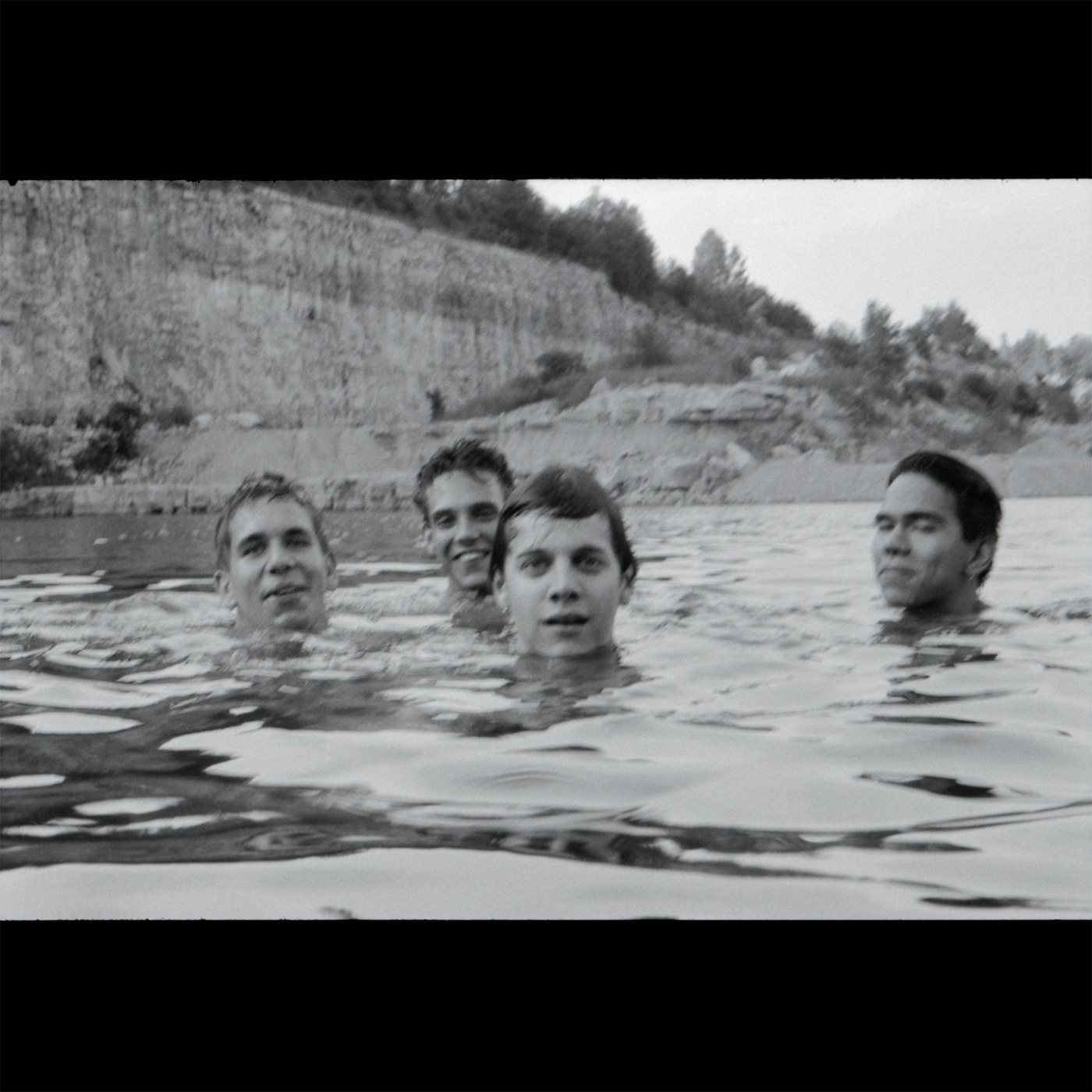 Slint
SlintThe quiet parts feel suffocating; the loud parts feel tectonic. The album builds tension through restraint rather than release. Quiet passages stretch uncomfortably long before guitars crash in, not as catharsis but as escalation. Brian McMahan half-speaks many of the lyrics, making songs like “Good Morning, Captain” feel disturbingly intimate. One can trace an entire lineage of post-rock and slow-core back to these six eerie, perfect tracks.
-
 Pixies
A blast of distortion and sci-fi weirdness that feels like a band burning bright on the way out. It’s abrasive, surreal, and strangely hooky. The album pushes toward harder, cleaner rock without entirely abandoning the band’s weirdness. Their cover of "Head On" is revelatory, "U-Mass" and "Bad Dreams of the Olympus Mons" are among the band's greatest. Black Francis sounds increasingly manic and isolated, especially on “Planet of Sound” and “Motorway to Roswell.” The sci-fi imagery and surf riffs give the record a strange metallic sheen. The chaos is the point.
-
 Sonny Sharrock
Spiritual jazz that feels like a storm breaking open the sky. Sharrock’s guitar burns with urgency, but there’s devotion in every note. It bridges free jazz chaos and transcendent beauty. Even at its loudest, the album feels purposeful and deeply emotional rather than abstract. It’s free jazz played with the force of hard-earned revelation.
-
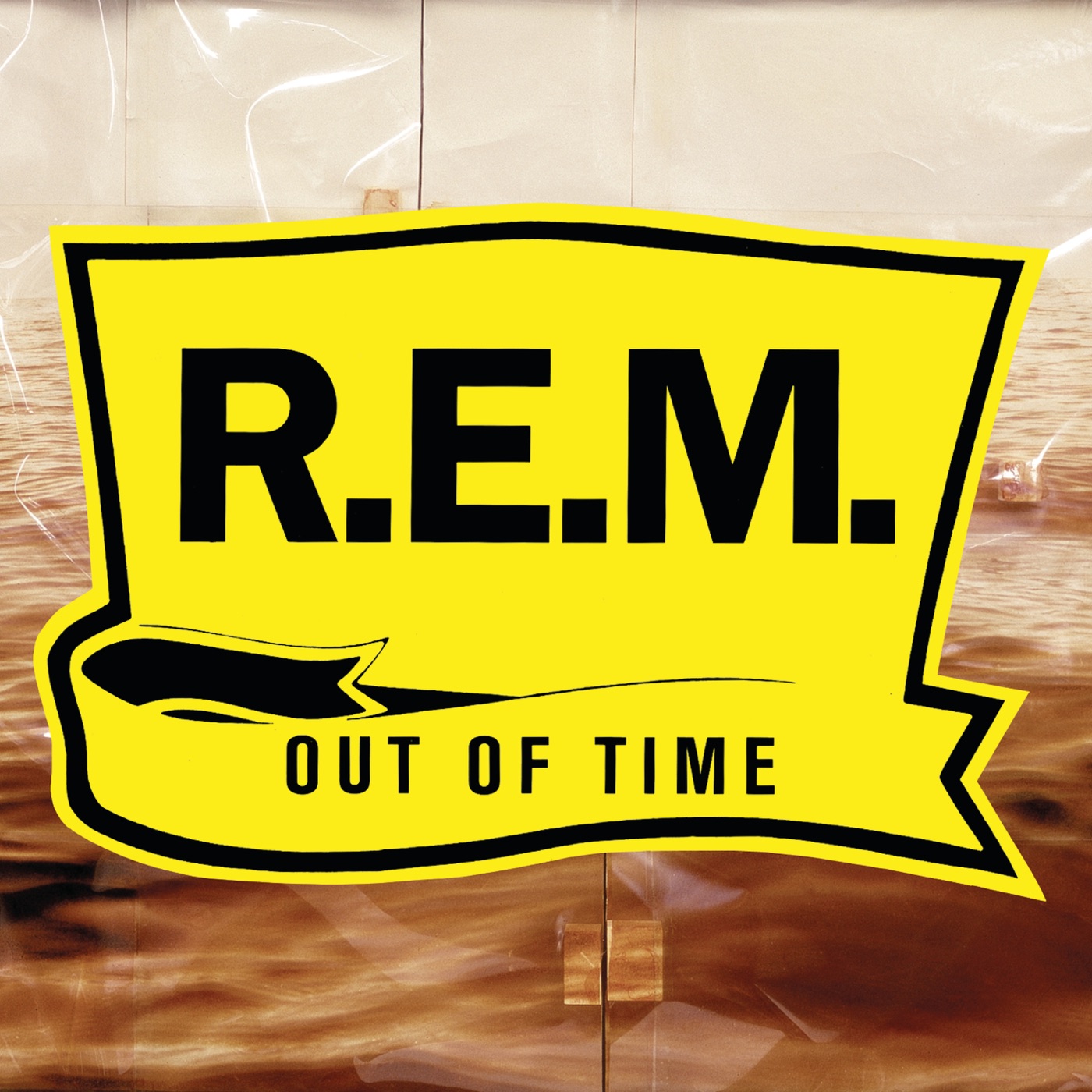 R.E.M.
Mainly acoustic instruments, murmur turned technicolor, and a band quietly becoming enormous. Mandolins, strings, and quieter arrangements give songs like “Half a World Away” and “Country Feedback” a reflective tone that suits Michael Stipe’s increasingly exposed writing. “Losing My Religion” became enormous partly because it never sounds like it’s trying to be. As an album Out of Time is less cohesive than what followed (there are at least two pretty annoying songs here), but that restless experimentation is part of the charm. You can hear them stretching toward something much different than their unparalleled 80s run.
-
 Teenage Fanclub
Pure power-pop bliss with big guitars and incredibly gentle instincts. The harmonies glow, the guitars jangle, and the melodies feel eternal. It’s a reminder that sometimes the coolest move is writing the perfect song — over and over.
-
 The Smashing Pumpkins
Psychedelic metal wrapped in dream-pop glow. The guitars shimmer and snarl at once, hinting at the ambition that would explode on Siamese Dream. Billy Corgan layers guitars obsessively, turning riffs into swirling textures on songs like “Siva” and “Rhinoceros.” It’s the sound of a band already reaching beyond its status.
-
 Chris Whitley
Sparse blues that feels both haunted and intimate, Living With The Law kicked off an all-too-brief career. The slide guitar playing feels raw and searching, full of space and tension rather than blues-rock flash. Songs like “Big Sky Country” and “Poison Girl” move with nocturnal quietness, letting atmosphere carry as much meaning as the lyrics. Chris Whitley sounds weathered even when he’s being tender.
-
 The Jesus And Mary Chain
Feedback turned muscular and confrontational. The cool detachment of their early work gives way to industrial pulse and swagger. “Reverence” and “Far Gone and Out” combine dance rhythms with distortion in ways that sound genuinely mean rather than fashionable. It’s abrasive, sleek, and unapologetically loud.
-
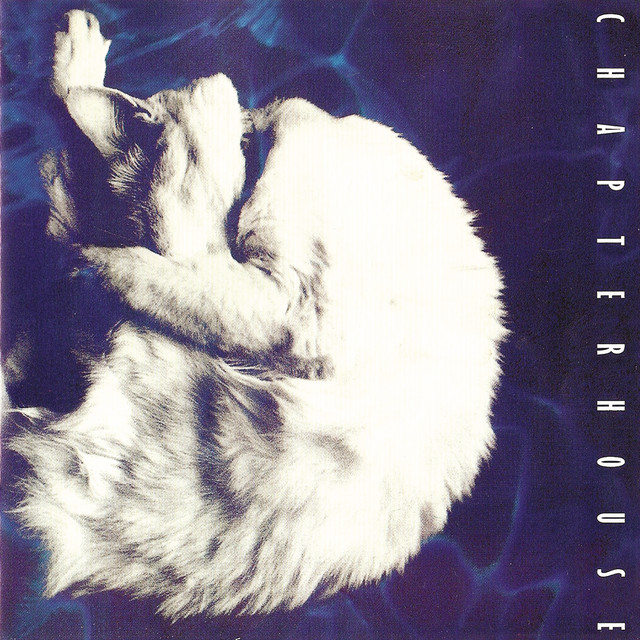
Chapterhouse
The album captures shoegaze at its most physically exhilarating, where massive waves of guitar distortion somehow still leave room for melody, rhythm, and emotional nuance. Chapterhouse balance dreamy atmosphere with a real sense of forward momentum, especially on tracks like “Pearl” and “Falling Down,” which feel almost danceable beneath the haze. The production blurs edges without smothering the songs themselves, giving the record a noticeably bright and open quality compared to many of its peers. Beneath all the texture and noise is a deep feeling of youthful restlessness, as though the music is constantly trying to outrun its own melancholy.
-
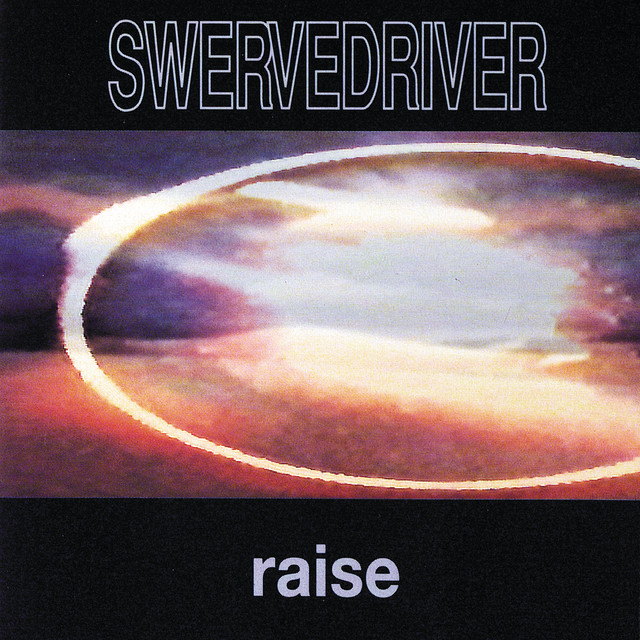
Swervedriver
-
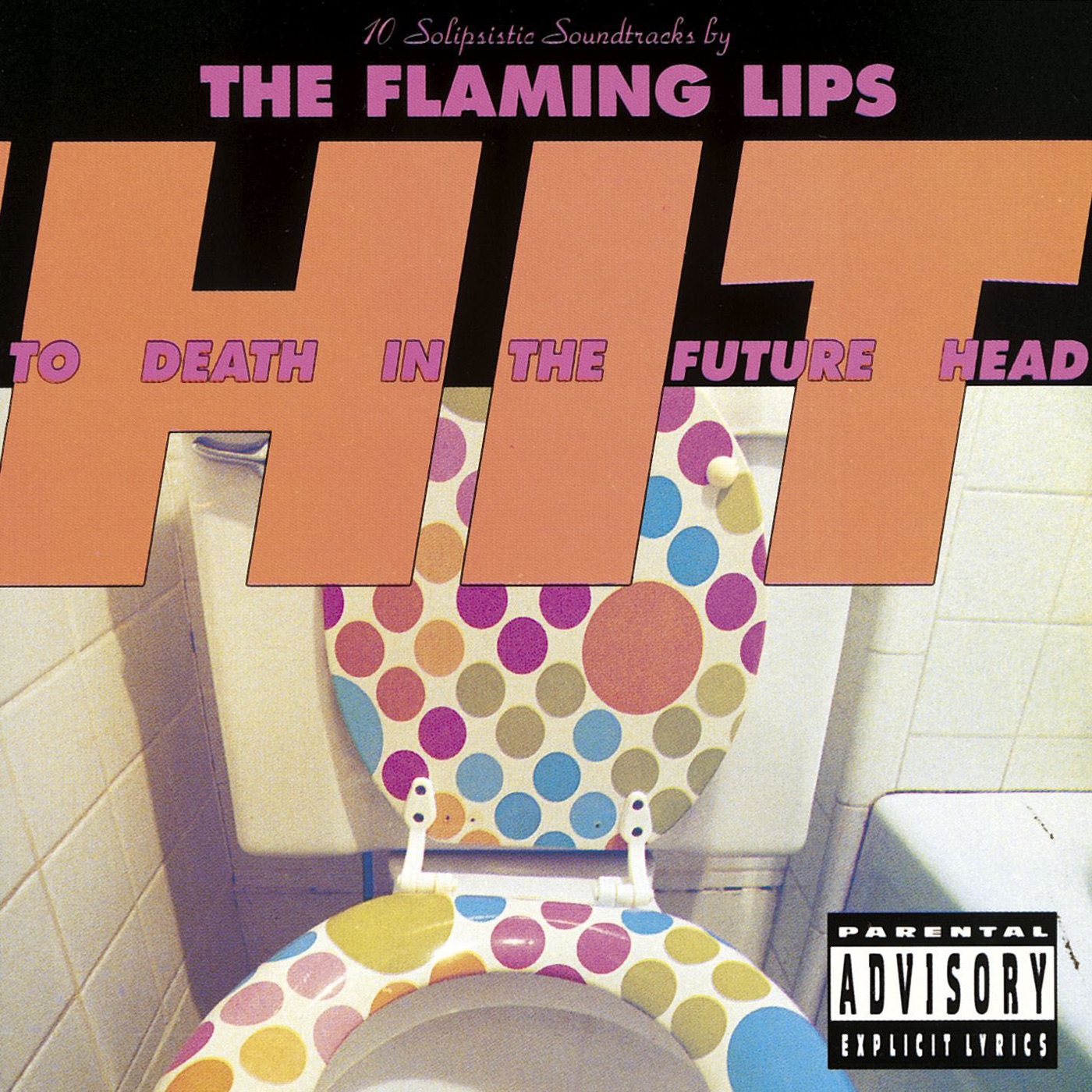 The Flaming Lips
A noise-pop kaleidoscope — scruffy, psychedelic, and tender. The band pushes distortion without losing their melodic center. It’s chaotic in structure but emotionally open.
-
 Mekons
The album sounds battered but communal, full of voices carrying on despite exhaustion and disappointment. Country, punk, and folk elements blur together naturally because the band treats all three as working-class music rather than separate genres. Songs like “Club Mekon” and “Waltz” balance bitterness with real affection for damaged people.
-
 Throwing Muses
Kristin Hersh’s songwriting reaches a new level of clarity and melodic strength here. The band keeps the restless energy and jagged rhythms of their earlier work but wraps them in brighter, more accessible arrangements. It’s a record where emotional intensity and pop instincts meet perfectly.
-
 De La Soul
 -
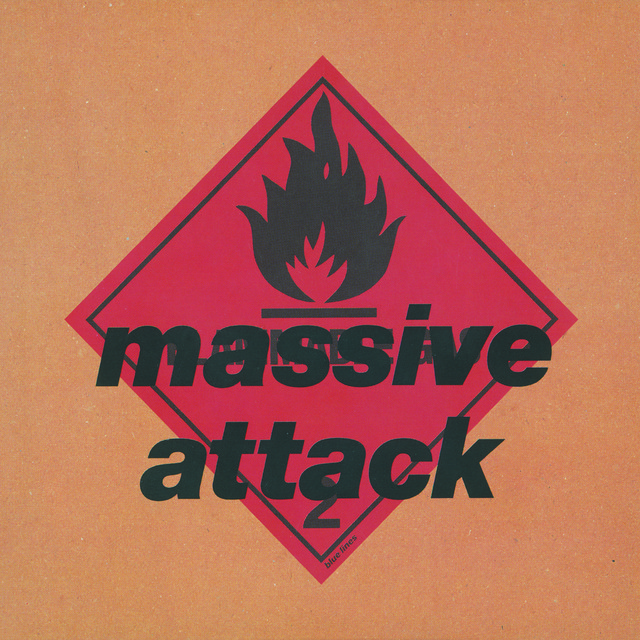
Massive Attack
The rhythms feel unhurried, almost heavy with atmosphere, while soul, dub, hip-hop, and electronic textures drift together seamlessly. “Safe from Harm” and “Unfinished Sympathy” create emotional tension through layering rather than dramatic peaks. The guest vocals give the album a collective feel instead of a single dominant perspective. It’s urban music that sounds reflective rather than frantic.

Do you like albums?
Want to make a list?
It’s free & easy &
the Whale is nice!
Learn more