1992
-
 Pavement
Slanted & Enchanted is a seminal indie rock statement. Pavement make looseness itself feel like an artistic principle here - the songs sound half-falling apart at times, full of crooked hooks, tossed-off lyrics, and noisy detours. Yet the album’s internal logic becomes strangely addictive. “Summer Babe,” “Trigger Cut,” and “Here” reveal how sharp Stephen Malkmus’ songwriting already was beneath the apparent sloppiness. The rough recording quality adds to the album’s personality rather than limiting it. It helped redefine indie rock by rejecting both punk aggression and classic-rock professionalism. It has style for miles and miles.
-
 The Tragically Hip
Building on their earlier success, Fully Completely deepens The Tragically Hip’s exploration of Canadian identity with dark stories from lost places within those vast borders. This is where the Hip fully locked into the balance between bar-band force and literary ambition that made them unique. Gord Downie’s lyrics move through history, surreal imagery, humor, and emotional fragmentation without sounding pretentious or detached from the music’s momentum. “Courage,” “At the Hundredth Meridian,” and “Locked in the Trunk of a Car” remain powerful because the band gives the songs real physical drive underneath the words. A cold wind blowing over your private parts.
-
Nirvana
The cultural reset button. It fused underground punk instincts with undeniable pop songwriting. Kurt Cobain’s melodies are remarkably clean and memorable even when surrounded by distortion and noise. “Smells Like Teen Spirit,” “Lithium,” and “Drain You” balance anger, vulnerability, and dark humor without simplifying any of those emotions. Dave Grohl’s drumming gives the album enormous physical momentum, while Butch Vig’s production keeps everything immediate and sharp. The record made alienation sound communal rather than isolating. The hooks are immortal, but it’s the raw ache underneath that made it seismic.
-
 Beastie Boys
A chaotic reclamation project — punk muscle, dusty funk breaks, basement energy. Beastie Boys reinvent themselves here by folding live instrumentation into their sample-heavy hip-hop foundation. Funk, punk, hardcore, jazz grooves, and absurd humor all collide naturally because the group approaches genre as something flexible rather than fixed. “So What’cha Want,” “Pass the Mic,” and “Gratitude” feel loose and spontaneous while remaining rhythmically airtight. The album’s rough edges become part of its energy. It expanded what rap albums could sound like in the early 1990s without losing accessibility or fun. Few records feel this creatively restless.
-
 The Black Crowes
A revival record that doesn’t feel retro — it feels possessed. Blues riffs swagger with arena-sized confidence, yet the grooves stay earthy and lived-in. Rich Robinson’s guitar work is dense and textured, while Chris Robinson sings with wild-eyed conviction throughout. “Remedy,” “Thorn in My Pride,” and “Sometimes Salvation” stretch Southern rock traditions into darker and more psychedelic territory. The grooves feel heavy without becoming sluggish. The album captures a band fully confident in its chemistry and musical identity. It’s one of the strongest American rock records of the early 1990s.
-
 The Jayhawks
A masterful blend of country-rock and power-pop, Hollywood Town Hall balances soaring harmonies with grounded songwriting. Gary Louris and Mark Olson’s harmonies are central to the album’s power — warm, melancholy, and beautifully blended. Songs like “Waiting for the Sun” and “Settled Down Like Rain” feel timeless because the songwriting is so structurally solid and emotionally direct. The production adds atmosphere without overwhelming the band’s roots-oriented core. The album balances Midwestern modesty with genuine grandeur. It quietly became foundational for later alt-country and Americana records.
-
 U2
U2Rather than collapse under the pressure of becoming the biggest rock band in the world, U2 deliberately destabilized their sound. Achtung Baby folds industrial textures, dance rhythms, and electronic atmosphere into emotionally bruised songwriting. “One,” “Until the End of the World,” and “Mysterious Ways” all approach intimacy and excess from different angles. The Edge’s guitar work becomes less heroic and more textural, which changes the emotional tone of the band completely. The album sounds glamorous and damaged at the same time. It’s one of the rare arena-rock reinventions that genuinely altered a band’s artistic trajectory.
-
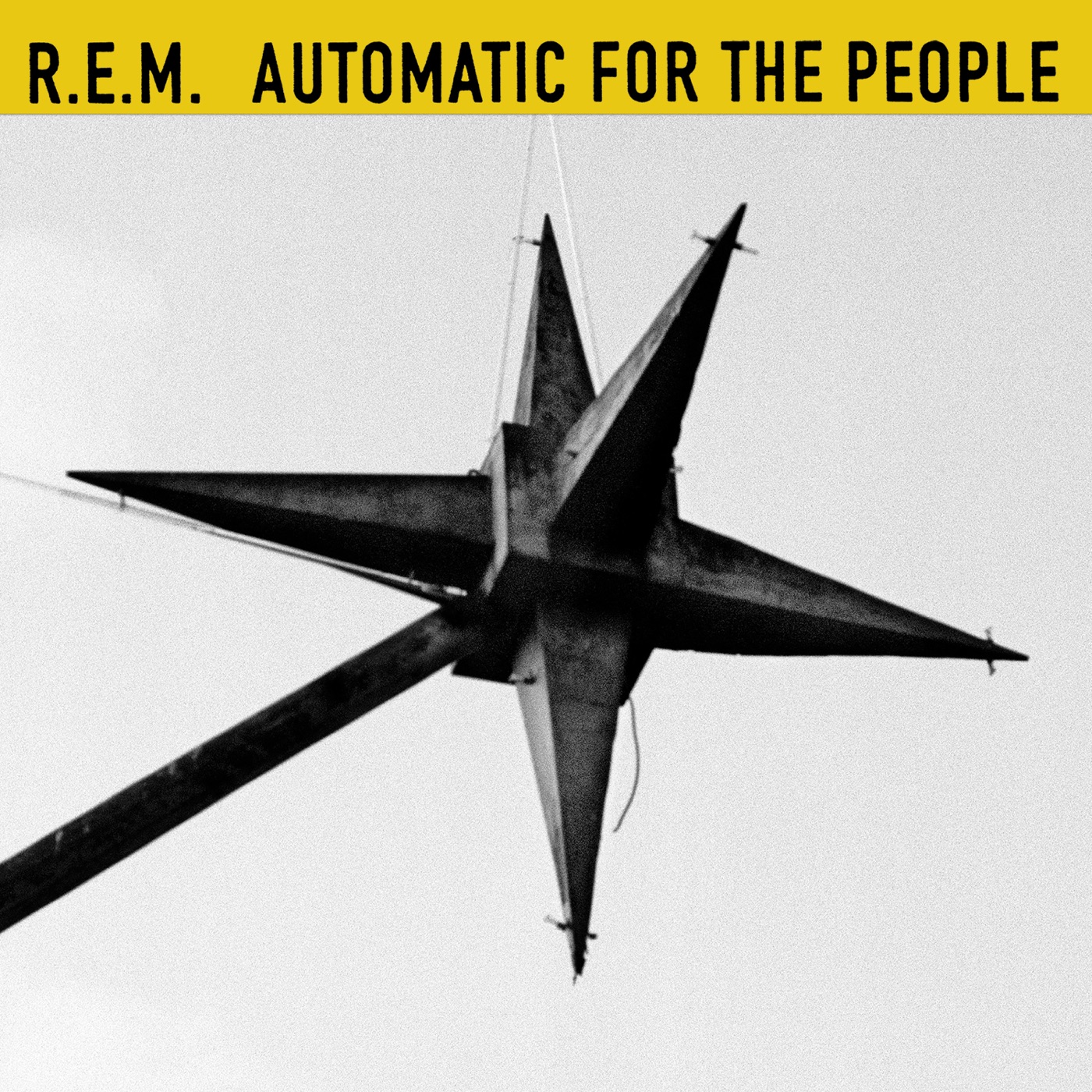 R.E.M.
Orchestrated melancholy at stadium scale. The arrangements are hushed but monumental, turning private elegies into communal catharsis. Michael Stipe’s vocals sound especially intimate and controlled throughout. The album feels reflective without becoming static or lifeless. It’s one of the most emotionally mature mainstream rock records of its era.
-
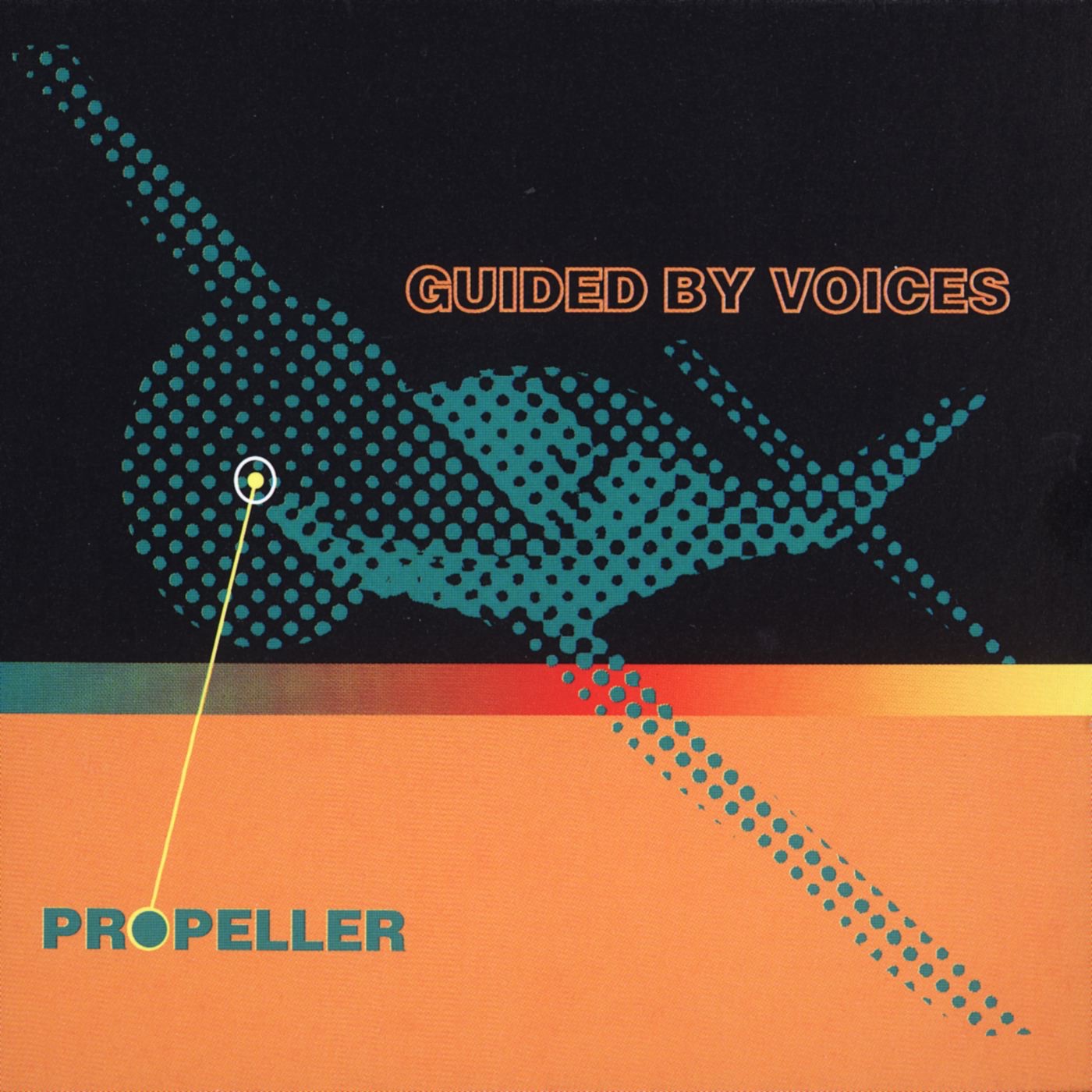 Guided By Voices
Four-track mythology — unforgettable hooks arriving half-formed and vanishing just as quickly. Propeller is pop ambition buried in basement tape hiss. Propeller captures Guided by Voices discovering how to turn lo-fi limitations into aesthetic strength. Robert Pollard’s songwriting arrives in fragmented bursts — tiny anthems, strange transitions, half-finished emotional revelations — yet the album feels remarkably cohesive. “Over the Neptune / Mesh Gear Fox” and “Weed King” sound huge despite the rough recording quality. "Quality of Armor" and "Metal Mothers" are perfect rock songs born in a home "studio". The tape hiss and abrupt edits add urgency rather than amateurism. More than a cult favorite, Propeller is the foundation upon which the entire Guided by Voices legend was built.
-
 Sonic Youth
Dirty was the closest Sonic Youth ever came to a mainstream breakthrough. The riffs hit hard, the hooks are sharper, but the dissonance still grinds. It channels Sonic Youth’s experimental instincts into some of the most forceful rock songs they ever recorded. Butch Vig’s production sharpens the guitars and rhythms without cleaning away the band’s dissonance or tension. “100%,” “Sugar Kane,” and “Youth Against Fascism” balance noise, melody, and political frustration beautifully. Kim Gordon and Thurston Moore sound equally engaged throughout, giving the album emotional and tonal variety. The record arrived during alternative rock’s commercial explosion but still feels deeply connected to underground culture. It’s abrasive, catchy, and strangely celebratory all at once.
-
PJ Harvey
Raw nerves and serrated guitar tones. Polly Jean sounds fully formed right from the start — confrontational, witty, and unsettling. There’s no safety net in these performances. The trio arrangements leave huge amounts of space, which makes every guitar scrape and vocal shift feel amplified. Harvey’s lyrics move between sexuality, power, humiliation, and violence with unnerving directness on songs like “Dress” and “Sheela-Na-Gig.” Her voice constantly changes shape — snarling one moment, wounded the next. The album rejects both polished femininity and macho rock posturing. It announced a singular artistic voice almost immediately.
-
 Buffalo Tom
Buffalo Tom combine noisy guitar rock with emotional openness in a way that feels unusually sincere and unforced. Bill Janovitz’s vocals carry a ragged vulnerability that gives songs like “Taillights Fade” and “Mineral” lasting emotional weight. The band’s melodies are strong enough to survive underneath all the distortion and volume. There’s clear influence from Hüsker Dü and Neil Young, but the album never feels derivative. The performances strike a compelling balance between toughness and melancholy. It’s one of the most underrated guitar records of the era.
-
 The Lemonheads
Power-pop minimalism at its most deceptively effortless. Short songs, sharp hooks, zero excess. It feels tossed off, but the craft is razor tight. Evan Dando's sings like he's half-awake; his melodies spilling out casually, like they just occured to him mid-thought. The title track, "My Drug Buddy", "Hannah & Gabi", and "Bit Part" in particular are among his greatest songs.
-

Bob Mould channels the emotional intensity and guitar power of Hüsker Dü into something more melodic and streamlined here. The guitars roar, but the melodies soar even higher. "If I Can’t Change Your Mind” and “Helpless” pair massive distorted guitars with incredibly sharp pop construction. The album moves with relentless momentum while still allowing moments of exhaustion and sadness to emerge. Mould’s songwriting feels direct without becoming simplistic. The production is cleaner than Hüsker Dü’s records, but the emotional force remains fully intact. Copper Blue is one of the great examples of alternative rock balancing accessibility and catharsis.
-
 Stereolab
Peng! introduces Stereolab’s strange and hugely influential blend of motorik rhythms, lounge-pop melody, avant-garde repetition, and political coolness. The grooves are hypnotic but never passive, driven by tightly locked bass and drum patterns that owe as much to krautrock as indie rock. Laetitia Sadier’s vocals give the music detached elegance without emotional emptiness. Songs stretch through repetition in ways that feel trance-like rather than jam-oriented. The album’s textures and structures would influence indie music for decades afterward.
-
 Neil Young
A weathered, autumnal companion to his earlier pastoral work — slower, softer, and more reflective. The songs drift like late light across a field, intimate without being precious. It’s comfort music with quiet gravity.
-
Pearl Jam
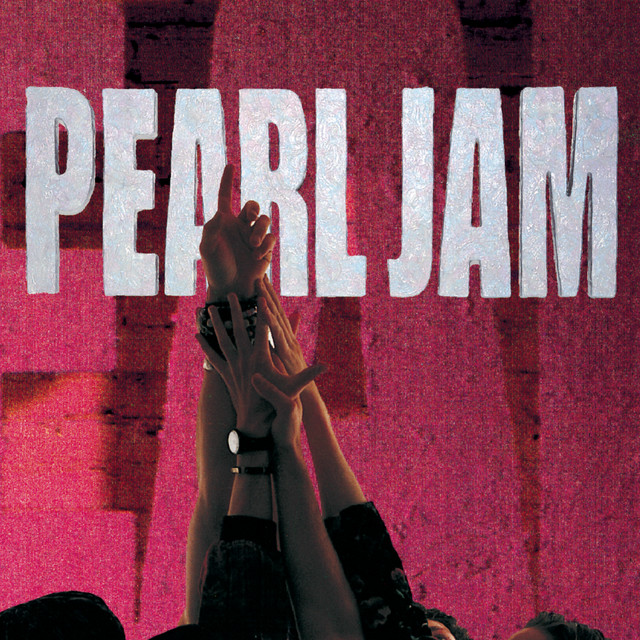
Ten succeeds because the emotional performances are larger than the era’s clichés about “grunge.” Eddie Vedder sings with huge dramatic intensity, but songs like “Black,” “Alive,” and “Release” work because the vulnerability underneath the power feels genuine. Mike McCready’s lead guitar gives the album melodic sweep that separates it from more stripped-down Seattle peers. The production is polished, yet the band still sounds hungry and emotionally volatile. The album turns personal confusion and loneliness into something almost communal. Its popularity sometimes obscures how strong the songwriting really is.
-
 Eric B. & Rakim
Rakim’s flow is still impossibly composed — syllables landing with surgical precision. The production feels transitional, but the lyrical authority remains untouchable. Even in its late phase, it’s masterclass rap.
-
 Rage Against The Machine
Rap, metal, and revolutionary rhetoric fused into something genuinely dangerous. The riffs hit like blunt force trauma; the grooves are funk-tight; Zack de la Rocha sounds incandescent. It doesn’t feel like crossover — it feels like ignition.
-
Guided By Voices
Long dismissed as one of the roughest records in the Guided by Voices catalog, Vampire on Titus has gradually become recognized as an essential piece of the band's evolution. The album captures Pollard and company before their songwriting fully crystallized, but the raw creativity is impossible to miss. Beneath the distorted production and basement-recording aesthetics are flashes of the melodic brilliance that would soon define Bee Thousand. The record feels less like a finished statement than a transmission from a band discovering its identity in real time. Its roughness is not a flaw but part of its appeal. For many fans, it represents the last stop before Guided by Voices became Guided by Voices.
-
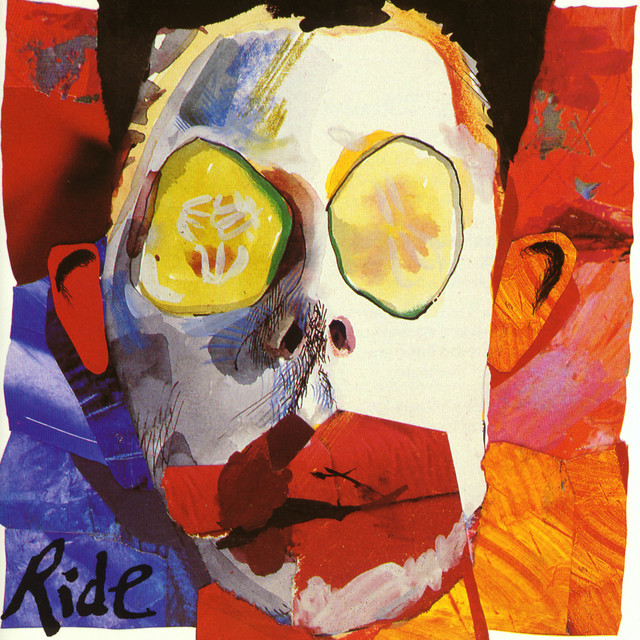
Ride sharpen their songwriting considerably here without sacrificing the immersive guitar textures that defined their early work. “Leave Them All Behind” opens the album with enormous momentum, balancing psychedelic repetition and melodic clarity beautifully. The band mixes shoegaze atmosphere with more direct rock structure better than most of their contemporaries. The guitars remain dense and swirling, but the rhythms hit harder and the hooks land more cleanly. There’s a sense of movement throughout the album that keeps it from drifting into pure mood music. It’s one of the strongest records to emerge from the original shoegaze wave.
-
 Yo La Tengo
Pre-reinvention Yo La Tengo — fuzzed-out guitars, shambling charm, and melodies peeking through distortion. It’s scrappy and transitional, but you can hear the aesthetic widening. A band about to discover its full vocabulary on their next four classics.
-
 Tom Waits
Bone Machine feels excavated rather than recorded. Waits turns decay into rhythm and apocalypse into groove. It’s grim, biblical, and weirdly playful all at once.
-
 Fugazi
Tighter and more inward than their explosive debut — tension coiled rather than detonated. The rhythms snap, the guitars scrape, and the mood is almost claustrophobic.


Do you like albums?
Want to make a list?
It’s free & easy &
the Whale is nice!
Learn more