2005
-
 The Mountain Goats
The Sunset Tree turns autobiographical songwriting about personal trauma into something fiercely unsentimental. John Darnielle writes about abuse, survival, adolescence, and rage with startling clarity, but the songs never feel trapped in confession alone. Tracks like “This Year” and “Dance Music” understand how humor, fear, fantasy, and endurance coexist inside difficult childhoods. The record’s unparalleled emotional force comes from its refusal to simplify survival into triumph.
-
 Sleater-Kinney
On The Woods Sleater-Kinney decided to work with producer David Fridmann, the genius who helped craft psyche-pop masterpieces The Soft Bulletin and Deserter's Songs. Here he pushes the band’s already intense sound into something huge, scorched, and nearly overwhelming. The band matches his production decisions with arguably their best set of songs to date. Carrie Brownstein and Corin Tucker sound less like singers trading lines than competing emotional forces colliding inside the songs themselves. Janet Weiss’s drumming gives the music incredible physical momentum without sacrificing precision. It’s a rock record that feels genuinely volatile and expansive.
-
 The Hold Steady
The Hold Stead build an entire emotional world out of Catholic guilt, addiction, parties, damaged friendships, and desperate nights that stretch into morning. Craig Finn writes with novelistic detail while the band plays massive bar-band rock that turns every scene into communal mythology. Characters drift through the songs searching for transcendence in chemicals, sex, religion, or music itself. It understands how self-destruction ("The ER looked like an after bar") can become a kind of social ritual.
-
 Okkervil River
Okkervil River's stunning third record examines alienation and self-invention with painful emotional precision. Will Sheff fills the songs with literary ambition, but the writing stays grounded in embarrassment, loneliness, and emotional instability. The arrangements grow increasingly dramatic without losing intimacy or narrative focus. "For Real" and "Black" are momentum-driven indie rock classics, and slow-builders like "So Come Back, I Am Waiting" gradually elevate into cathartic final moments.
-
 Spoon
SpoonSpoon strips rock songs down to sharp rhythms, carefully placed textures, and just enough melody to make everything stick. Britt Daniel understands how absence can create tension, leaving space where other bands would overplay. Tracks like “I Turn My Camera On” and “The Beast and Dragon, Adored” feel lean without sounding emotionally thin. The confidence of the record comes from its restraint.
-
 The National
Alligator should have announced a new critical and commercial darling to the indie-rock scene, but for some reason many only caught up with the band a few years later with the release of Boxer. Calling Alligator a “grower” though, as many have, is absurd - a completely revisionist excuse for missing the boat. I’ve hardly been smacked harder in the face on first listen by an album this decade than I was the first time I heard the rolling chords of “Secret Meeting”. Matt Berninger writes about relationships, self-consciousness, ambition, and emotional paralysis through details that feel awkwardly lived rather than carefully poetic. The band’s tightly wound rhythms and surging guitars keep the songs from sinking into resignation. Tracks like “Mr. November” and “Abel” sound like panic trying to pass as confidence.
-

A River Ain’t Too Much to Love is the final great SMOG album and one of Callahan’s most understated masterpieces. The record feels earthy and spacious, built around acoustic guitars, restrained arrangements, and his increasingly authoritative baritone. There is a sense of nature and physical space running through the album, but the songs remain intensely personal and psychologically strange. “Drinking at the Dam” and “Say Valley Maker” show Callahan at his most reflective, while the title track feels almost mythic in its simplicity. Nothing is overstated, yet nearly every song carries the weight of a much larger story. It’s a beautiful culmination of the SMOG project: austere, mysterious, funny, lonely, and human.
-
 Deerhoof
The album stretches Deerhoof’s fragmented pop instincts into longer, stranger, and more emotionally layered forms. Satomi Matsuzaki’s soft vocals move through jagged rhythms and abrupt structural shifts that somehow remain inviting rather than alienating. The band sounds fascinated by imbalance and surprise at every moment. It’s experimental rock that never loses a sense of play.
-
Animal Collective
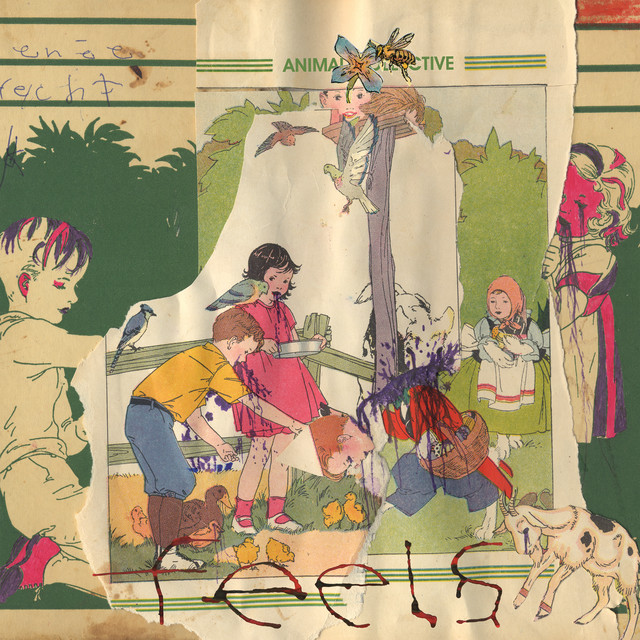
The album turns emotional vulnerability into something ecstatic and physically immersive. Acoustic guitars, layered percussion, electronics, and shouted harmonies constantly blur together into songs that feel spontaneous even when intricately constructed. Avey Tare and Panda Bear make intimacy sound strange and overwhelming rather than calm or confessional. The record captures friendship and emotional openness as destabilizing experiences.
-
 The New Pornographers
The album refines the band’s dense power-pop into something more emotionally expansive and reflective. A. C. Newman and Neko Case fill the songs with huge melodies that still leave room for uncertainty and melancholy underneath. The arrangements are packed with hooks but never feel cluttered. It’s pop music built with enormous craft and genuine emotional intelligence.
-
 The Books
The album assembles folk fragments, field recordings, spoken-word samples, and electronic textures into something oddly moving and difficult to categorize. Nick Zammuto and Paul de Jong treat found sounds as emotional material rather than novelty. The music feels playful on the surface while quietly meditating on memory, isolation, and human connection underneath. Few experimental records sound this warm.
-
Sufjan Stevens
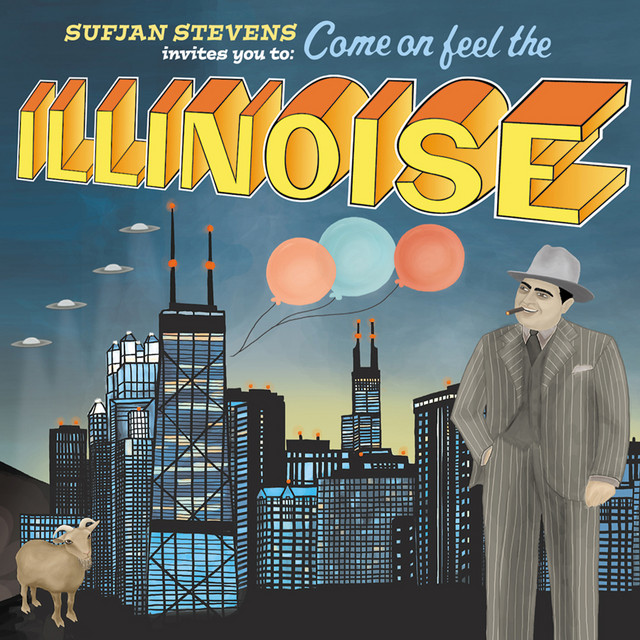
The album turns state history, personal memory, religious imagery, and emotional confusion into sprawling orchestral folk-pop that somehow remains intimate. Sufjan Stevens balances irony, sincerity, and grief without flattening any of them into a single tone. Songs like “Casimir Pulaski Day” and “Chicago” move between private feeling and collective mythology beautifully. The record’s ambition feels generous rather than self-important.
-
 Silver Jews
David Berman loosens the band’s sound considerably here, letting country-rock warmth and ragged humor soften some of the darkness running through his writing. Songs like “Punks in the Beerlight” and “There Is a Place” feel communal and open in ways earlier Silver Jews records rarely attempted. Beneath the looseness, though, Berman’s lyrics remain full of loneliness, self-awareness, and strange flashes of wisdom. The album has an almost accidental charm, as though the songs are stumbling into emotional truth rather than carefully presenting it. Cassie Berman’s backing vocals add warmth without sanding away the rough edges. It’s one of the most immediately lovable records in the Silver Jews catalog.
-
 Wolf Parade
The album feels restless from the opening seconds, driven by Spencer Krug and Dan Boeckner’s competing songwriting personalities. The keyboards and guitars constantly push against one another, giving songs like “Shine a Light” and “I’ll Believe in Anything” huge emotional momentum. The performances are messy in exactly the right way — energetic, unstable, and full of nervous urgency. Isaac Brock’s production keeps the record sounding raw without flattening its ambition. What makes the album memorable is how emotionally grand it feels without losing indie-rock weirdness. Few mid-2000s records captured youthful anxiety this vividly.
-

Low shockingly turn toward louder, fuller rock arrangements here without sacrificing the emotional precision that defined their earlier work. Dave Fridmann’s production gives tracks like “Monkey” and “California” enormous physical weight while Alan Sparhawk and Mimi Parker remain emotionally restrained at the center. The contrast between noise and calm becomes the album’s central tension. Even at its most aggressive, the music still feels deeply wounded rather than cathartic. The record broadened Low’s sound without diluting their identity. It’s one of the best examples of a band evolving dramatically while remaining unmistakably themselves.
-
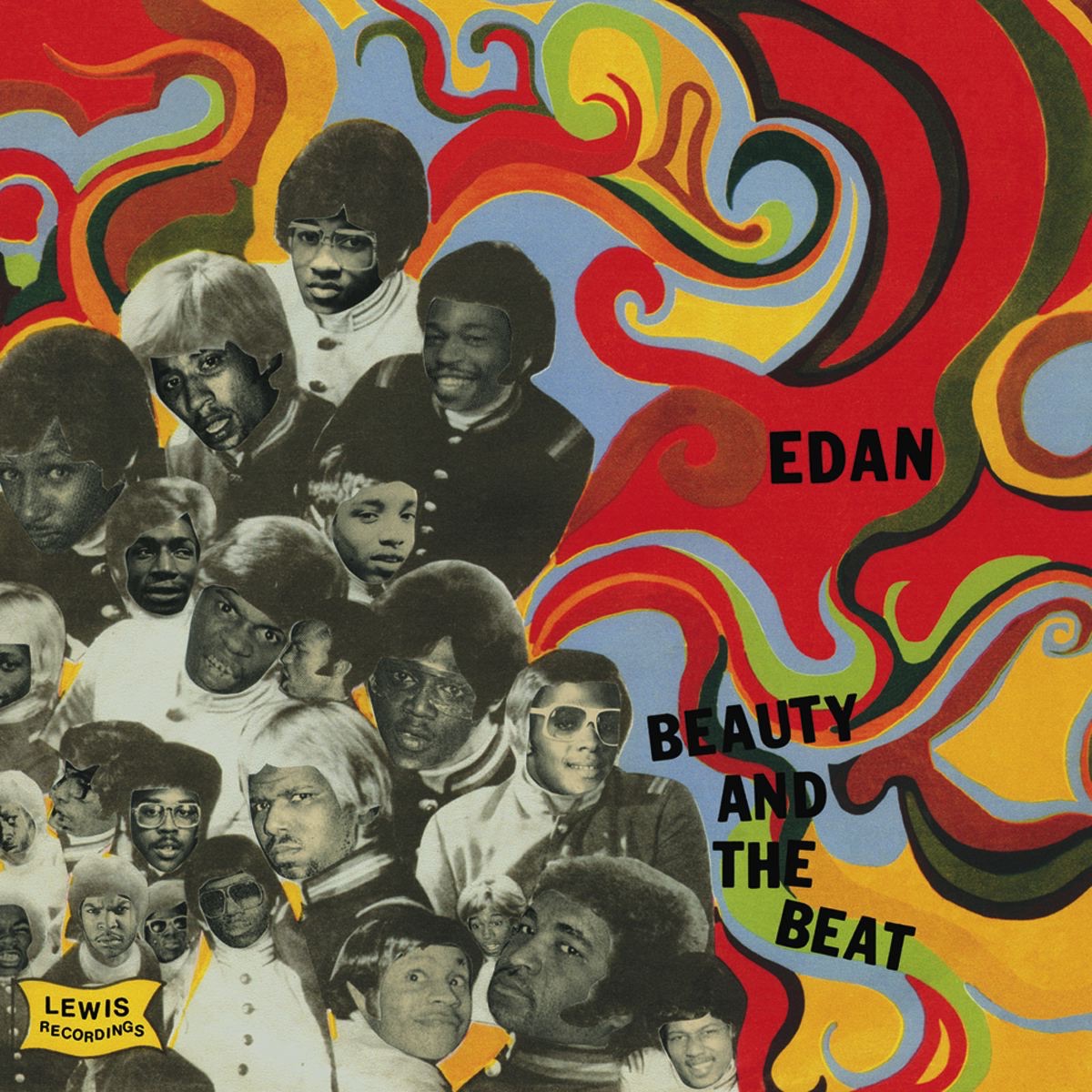 Edan
EdanEdan turns underground hip-hop into psychedelic collage art here, stacking dense samples, surreal humor, and old-school rap technique into something genuinely singular. The production is constantly shifting and mutating, filled with warped vocal snippets and dizzying sonic detail. Tracks like “Fumbling Over Words That Rhyme” feel playful and technically astonishing at the same time. The album draws heavily from classic hip-hop traditions without becoming nostalgic reenactment. Its sheer density rewards obsessive repeat listening. Very few rap records sound this handmade and imaginative.
-
 Constantines
The Constantines slow their attack slightly here, letting more melody and emotional vulnerability into their ragged post-punk sound. Bryan Webb’s voice still sounds shredded and desperate, but the songwriting feels more expansive and reflective than on earlier records. “Hotline Operator” and “Soon Enough” balance catharsis with real melancholy. The guitars remain loud and physical without overwhelming the emotional core of the songs. The album captures exhaustion and hope simultaneously. It’s one of the great overlooked rock records of the 2000s.
-
 Magnolia Electric Co., Jason Molina
Jason Molina leans fully into classic rock and country influences here, but the emotional atmosphere remains uniquely his own. Songs like “Hammer Down” and “Leave The City” feel enormous and weathered, built from simple structures carrying tremendous emotional weight. The band sounds confident and road-worn throughout the album. Molina’s writing treats loneliness less as dramatic tragedy than permanent landscape. The guitars and organ arrangements give the songs unusual warmth without softening their sadness. It’s one of the most powerful examples of Molina’s late-period full-band sound.
-
 Bonnie "Prince" Billy, Matt Sweeney
The chemistry between Matt Sweeney and Will Oldham gives the album its strange, compelling energy. Sweeney’s heavy, bluesy guitar playing pushes Oldham into unusually direct and physical territory, especially on tracks like “Beast for Thee.” The songs feel intimate but never fragile. There’s humor, menace, tenderness, and awkwardness constantly shifting inside the arrangements. Oldham’s vocals remain emotionally unpredictable in the best way. The album sounds loose and instinctive without ever feeling underwritten.
-
 The Clientele
The Clientele refine their hazy, dreamlike sound into something richer and more emotionally detailed here. Alasdair MacLean’s songwriting captures fleeting urban loneliness through tiny observations and softly glowing melodies. Songs drift gently, but the arrangements are remarkably intricate underneath the surface. The album feels suspended between memory and immediate experience. Even its prettiest moments carry subtle melancholy. It’s chamber-pop that feels genuinely haunted.
-
 Caribou
Dan Snaith pulls psychedelic rock, folktronica, krautrock repetition, and sample-based production into a sound that feels both chaotic and warmly inviting. The album constantly shifts between dense rhythmic overload and surprisingly delicate melodic passages, especially on tracks like “Yeti” and “Barnowl.” There’s a handmade, collage-like quality to the production that gives the music real personality. Even at its busiest, the album never feels cold or overly conceptual. Snaith treats repetition less as hypnotic minimalism than emotional accumulation, with layers gradually turning euphoric or disorienting. It’s one of the records that quietly helped define how experimental indie and electronic music would blend throughout the late 2000s.
-
 Broken Social Scene
The self-titled album expands the band’s maximalist indie-rock approach into something even more chaotic and collaborative. Songs constantly threaten to dissolve into noise or collective improvisation before snapping back into melody. “Ibi Dreams of Pavement” and “7/4 (Shoreline)” capture the group’s ability to make enormous arrangements feel emotionally loose and human. The record’s sprawl becomes part of its appeal. Even the messiest moments feel energized by collective enthusiasm. It’s one of the defining documents of mid-2000s indie-rock ambition.
-
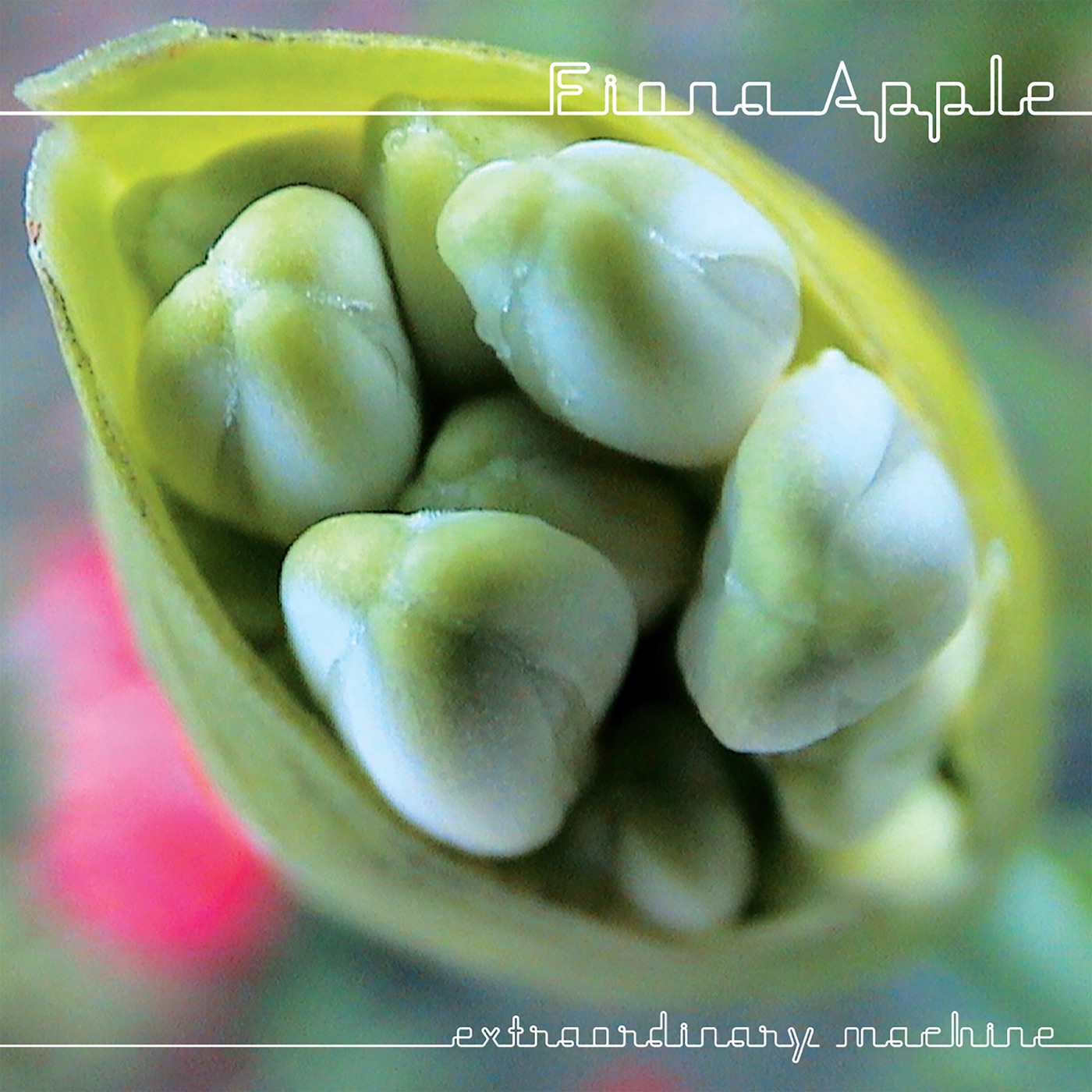 Fiona Apple
Fiona Apple balances playfulness and emotional intensity throughout the album with astonishing control. The arrangements are unusually colorful and rhythmically alive, giving songs like “Not About Love” and “O’ Sailor” tremendous movement. Apple’s writing remains emotionally sharp without collapsing into confession or self-pity. Her phrasing and vocal timing are incredible throughout — conversational one second, explosive the next. The album’s long and difficult release history almost obscures how inventive and musically adventurous it actually is. It’s one of the most distinctive singer-songwriter records of the decade.
-
 The White Stripes, Jack White
Rather than repeating the raw garage-rock formula of earlier records, the White Stripes intentionally destabilize their sound here. Marimba, piano, acoustic guitars, and strange rhythmic choices dominate the album. “Blue Orchid” and “My Doorbell” show Jack White pulling his songwriting toward weirder and more fragmented territory. Meg White’s drumming remains beautifully simple and grounding amid all the experimentation. The record’s unpredictability gives it lasting fascination. It’s the sound of a hugely successful band refusing to become comfortable.
-
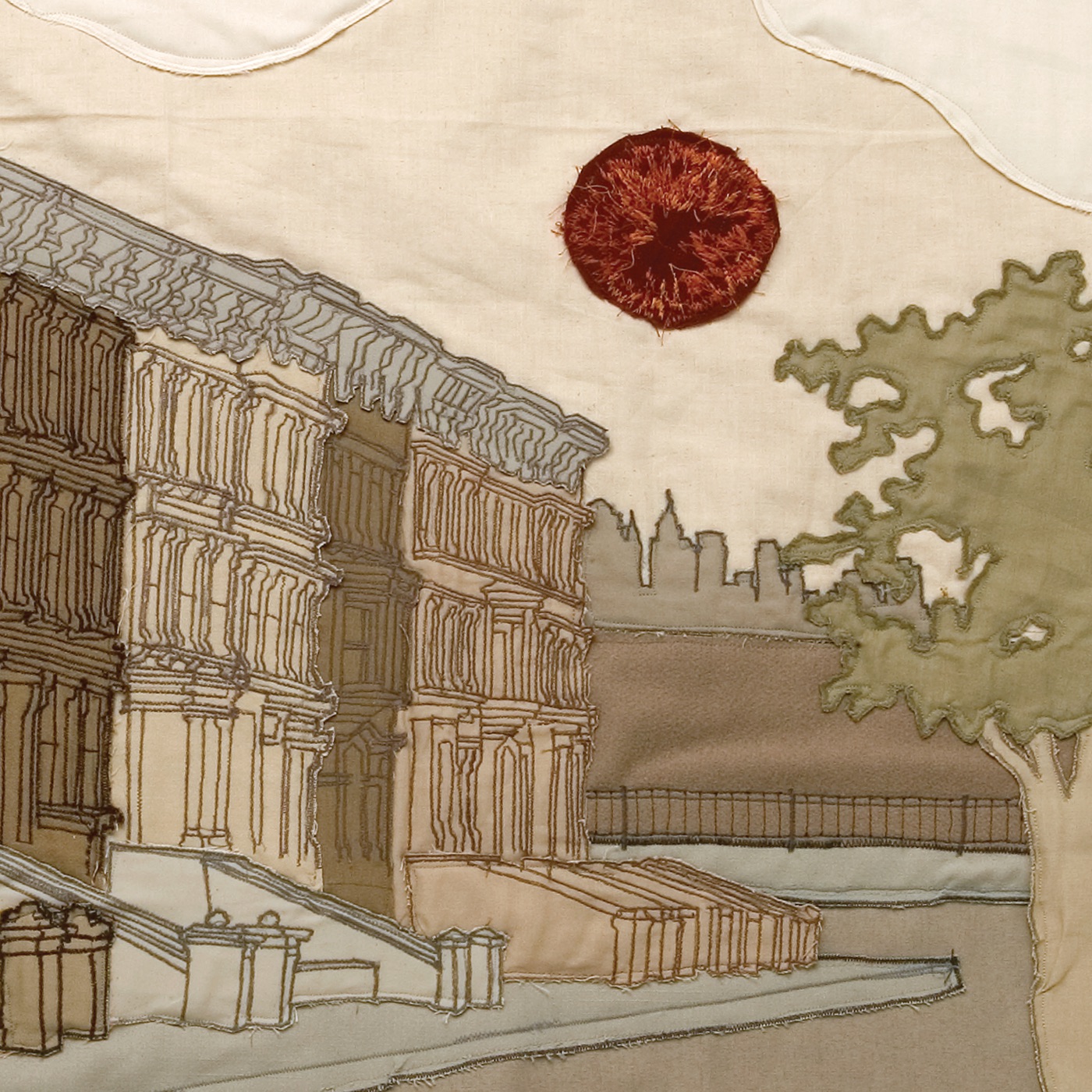 Bright Eyes
Conor Oberst channels political anxiety, romantic collapse, and existential exhaustion into sharply detailed folk-rock songs throughout the album. The writing is deeply personal but constantly connected to larger social unease. “Lua” and “First Day of My Life” became defining indie songs because they sound emotionally exposed without feeling calculated. The arrangements are relatively restrained, allowing Oberst’s lyrics and voice to remain central. The album captures a very particular mid-2000s emotional atmosphere — idealism mixed with burnout and fear. It remains one of the era’s defining singer-songwriter records.
-
 My Morning Jacket
Z condensed My Morning Jacket's expansive sound into their most focused and consistently great album. The band incorporates elements of psychedelia, funk, and art rock without losing their Southern-rock roots. "Wordless Chorus" and "Off the Record" showcase a group willing to experiment while remaining accessible. Jim James' voice remains one of rock's great instruments. It's the album where the band's ambitions and execution aligned perfectly.
-
 Clap Your Hands Say Yeah
The album’s roughness became part of its appeal almost immediately. Alec Ounsworth’s bizarre, high-pitched vocals and the band’s twitchy art-rock arrangements gave the songs unusual personality and nervous energy. Tracks like “The Skin of My Yellow Country Teeth” feel homemade in a way that suited the internet-era indie explosion perfectly. Beneath the awkwardness are genuinely strong melodies and sharp rhythmic instincts. The record sounds excited by its own possibilities. It captured a moment when indie rock still felt unpredictable and communal.
-
Mount Eerie
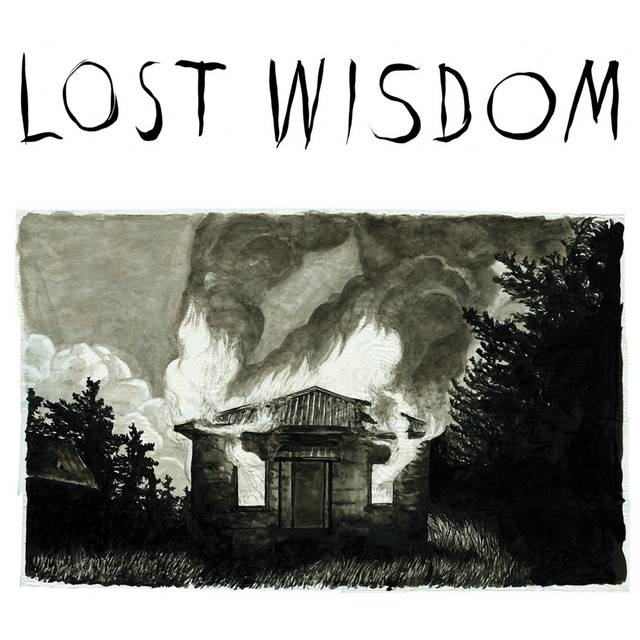
Phil Elverum creates an album that feels physically tied to landscape, weather, and isolation. The songs move through acoustic folk, noise, ambient drift, and strange percussion without ever settling completely. Elverum’s writing focuses on mortality, memory, and human smallness in ways that feel philosophical but emotionally immediate. The production gives the record enormous spatial depth. Rather than building toward catharsis, the album slowly immerses the listener in uncertainty and reflection. It’s one of Elverum’s most absorbing and emotionally mysterious works.
-
 Kanye West
Kanye expands his production style dramatically here, incorporating orchestral arrangements and richer instrumentation without losing the warmth and immediacy of his early work. Jon Brion’s contributions give tracks like “Gone” and “We Major” unusual scale and musical detail. Kanye’s rapping balances humor, insecurity, ambition, and self-mythology throughout the album. The sequencing keeps the long runtime surprisingly fluid and entertaining. The record pushed mainstream hip-hop toward greater sonic ambition without sacrificing accessibility. It remains one of Kanye’s most complete and charismatic albums.
-
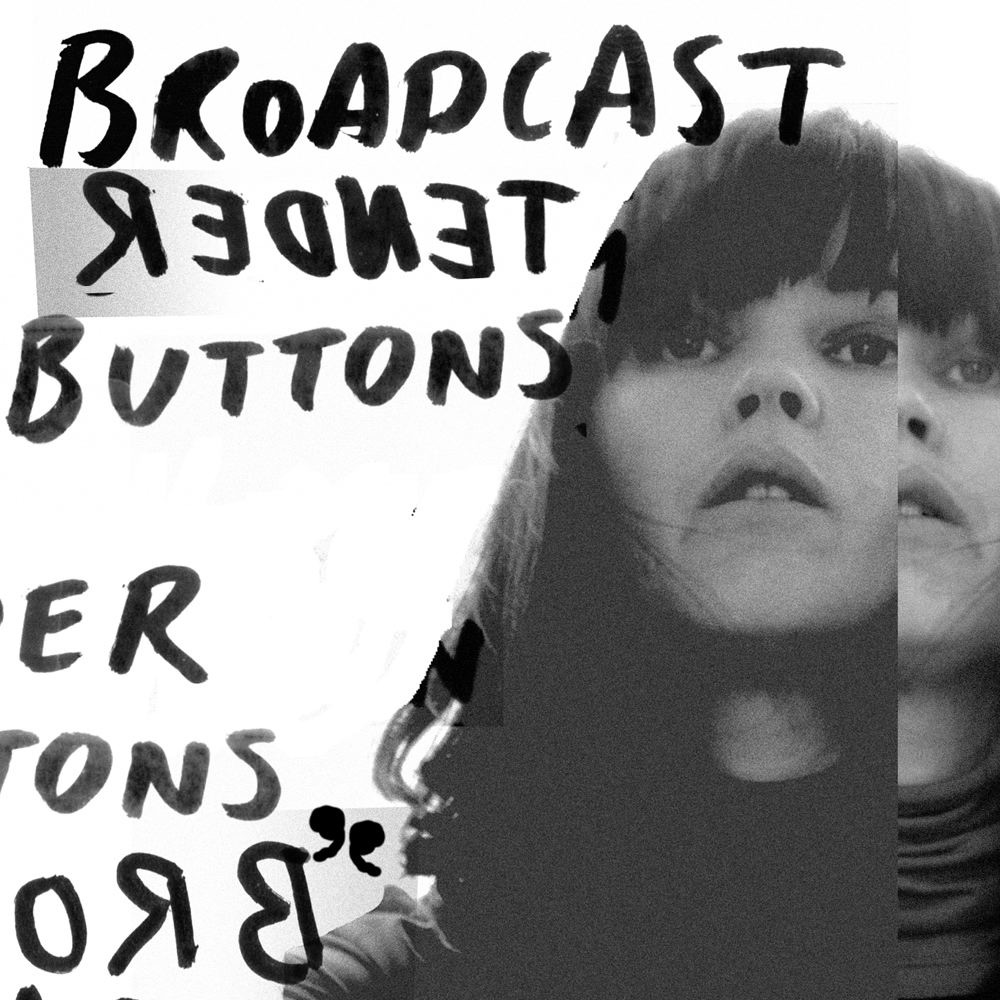 Broadcast
 -
 M.I.A.

Do you like albums?
Want to make a list?
It’s free & easy &
the Whale is nice!
Learn more