2016
-
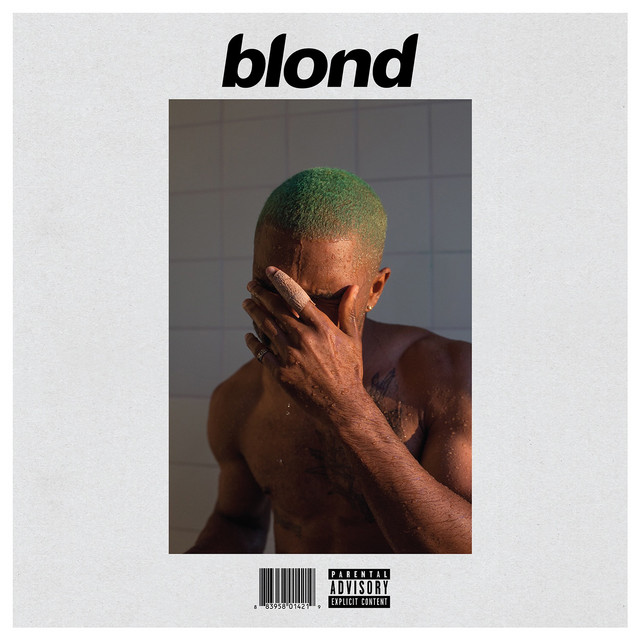
Frank Ocean
Frank Ocean's masterpiece feels suspended in memory—songs appear, dissolve, and reconfigure before they fully settle into shape. Ocean uses silence, fragmented structure, and shifting vocal textures to make intimacy feel unstable and fleeting. Tracks like “Self Control” and “Nights” capture emotional transition so precisely that the production itself seems to change psychological temperature mid-song. It’s less concerned with narrative than with the way memory distorts emotion over time.
-
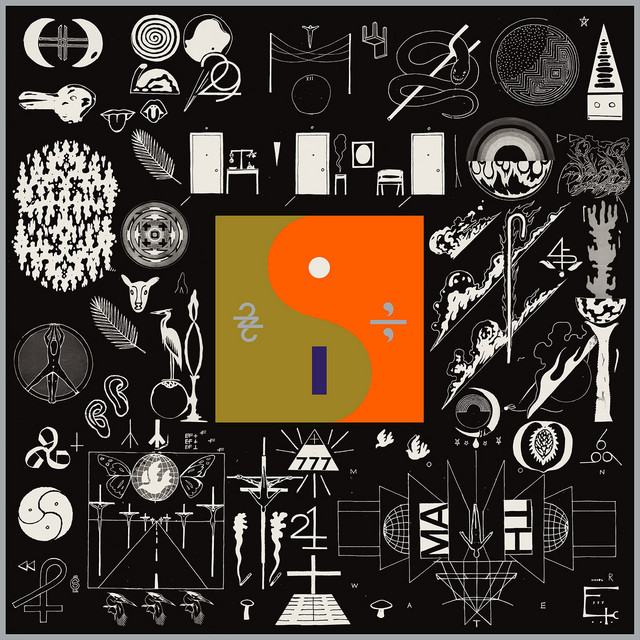
Bon Iver
The digital manipulation and fractured songwriting initially sounded alienating after the warm, Grammy-winning Bon Iver, Bon Iver. But 22, A Million is surprisingly emotional underneath all the abstract sounds and voices. Justin Vernon chops and layers his voice until identity itself feels unstable, matching the record’s themes of spiritual confusion and searching. Songs constantly threaten to collapse into static or glitch before revealing moments of startling beauty ("29 #Strafford APTS", "33 'God'"). It’s experimental music driven by vulnerability rather than coldness.
-
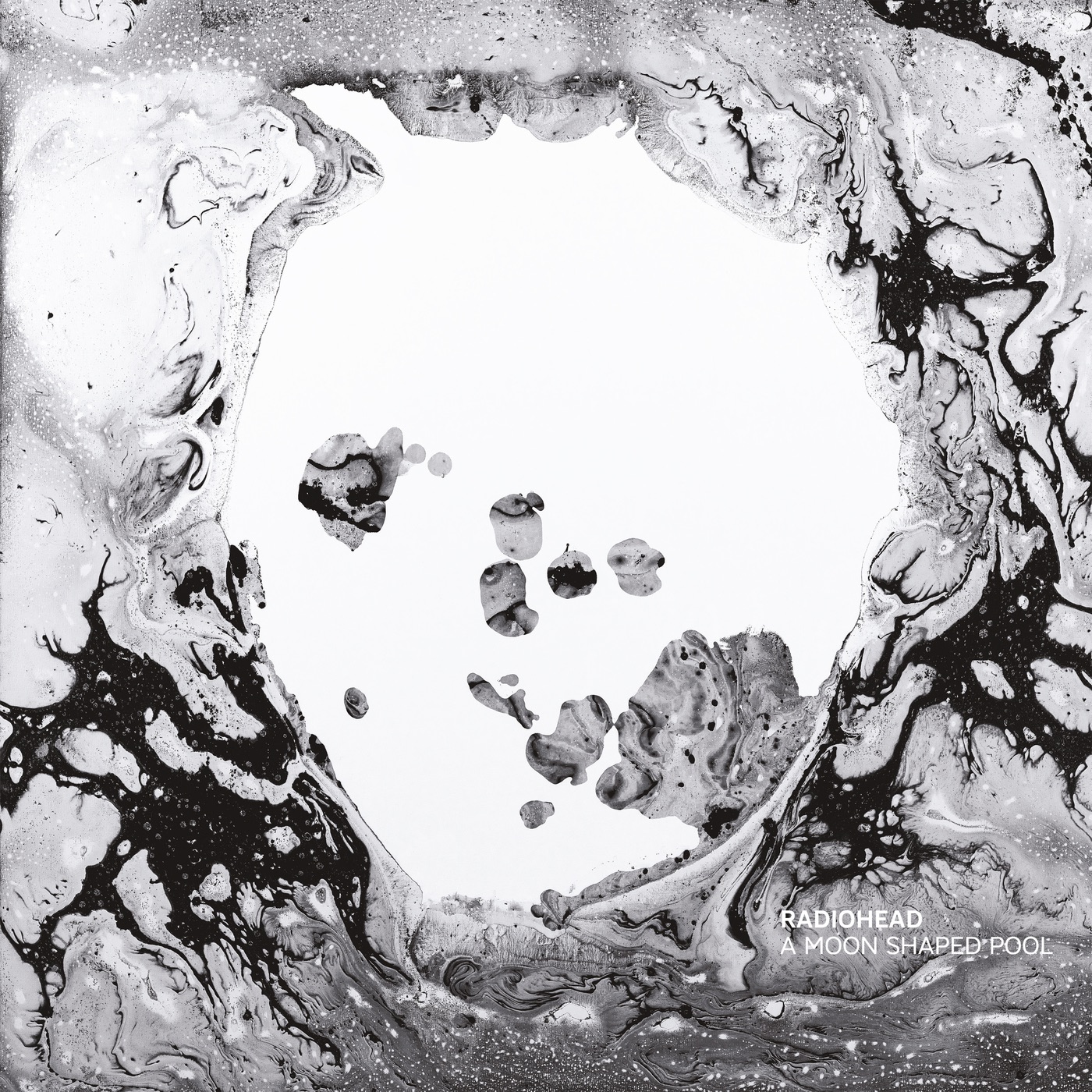 Radiohead
The long-awaited follow up to the solid if underwhelming The King of Limbs moves with the quiet inevitability of grief. String arrangements, pianos, and ghostly electronics drift through songs that feel less anxious than resigned, though no less emotionally intense for it. Thom Yorke sounds exposed in a way he rarely allowed himself before, especially on “Daydreaming” and “True Love Waits.” The record’s beauty comes from how gently it handles devastation.
-
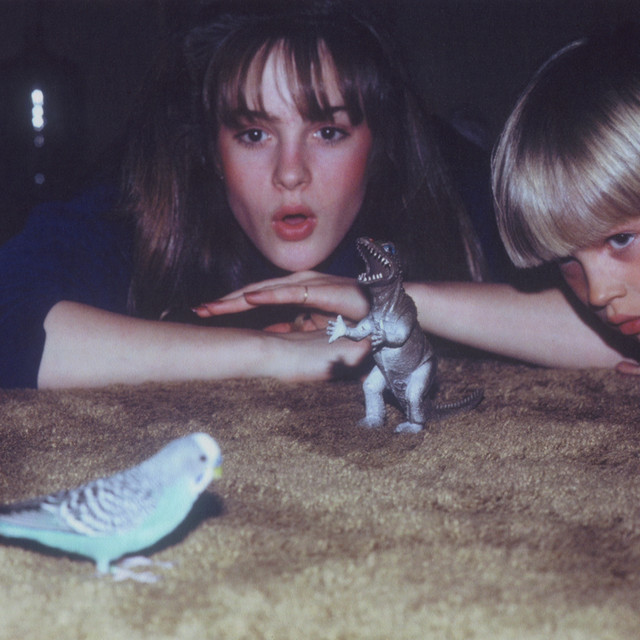
Big Thief
The band’s chemistry already feels unusually intuitive here—songs breathe naturally, shifting between fragility and sudden force without sounding performative. Adrianne Lenker writes about memory, violence, and tenderness with remarkable emotional precision, grounding abstract feelings in tactile details. “Paul” and the title track hit hard because they refuse easy emotional framing. The album feels deeply vulnerable without becoming confessional spectacle.
-
 Lambchop
Kurt Wagner had long pulled heavy emotions out of the classic country and chamber-soul of his band's albums, but here he transforms the band’s warm foundations into something strange, synthetic, and unexpectedly moving. Processed vocals and electronic textures blur with jazz and soul influences, creating an atmosphere that feels intimate and disoriented. The songs drift patiently, unconcerned with traditional structure or payoff. It’s a radical reinvention that still sounds unmistakably human.
-
 Beyoncé
The album’s scale is enormous, but its emotional center stays remarkably focused. Beyoncé moves through betrayal, rage, reconciliation, family history, and Black womanhood without flattening those experiences into a single narrative arc. Sonically the record jumps across genres effortlessly because the performances hold everything together. “Hold Up,” “Freedom,” and “Sandcastles” all reveal different facets of control and vulnerability.
-
 Pinegrove
These songs are full of hesitation, self-correction, and emotional overthinking. Evan Stephens Hall writes about distance and connection with heady, unusual linguistic precision. The band’s scrappy blend of indie rock and country elements gives the album warmth without smoothing out its anxiety. It captures uncertainty better than certainty - old friends, new friends, and everything in between.
-
 Dinosaur Jr.
The rare reunion-era chemistry fully locks into place here on the band's fourth album since reuniting and 11th overall. J Mascis’s huge guitar solos still spiral skyward, but the songwriting underneath feels relaxed and lived-in - never nostalgic. Lou Barlow’s contributions add emotional contrast and melodic softness that deepen the album considerably. It’s the sound of a band aging without losing either volume or feeling.
-
 Solange
The album creates a calm, reflective atmosphere that allows anger and exhaustion to emerge gradually rather than explosively. Solange explores Black identity, dignity, vulnerability, and generational memory with remarkable patience and control. The interludes and soft production give the record a communal, meditative quality. It’s political music rooted in emotional interiority.
-
 A Tribe Called Quest
The album carries grief and urgency simultaneously, shaped heavily by the death of Phife Dawg during its creation. The production reconnects jazz-inflected grooves with sharper, more chaotic textures that reflect the political tension surrounding the record. Q-Tip sounds energized rather than nostalgic, pushing the group forward instead of simply recreating the past. It’s a reunion album that genuinely matters beyond sentiment.
-
 Angel Olsen
The album expands dramatically in sound without sacrificing emotional intimacy. Angel Olsen shifts between fragile folk ballads and explosive rock arrangements, revealing how performance itself can become part of emotional self-protection. “Shut Up Kiss Me” and “Sister” balance longing, frustration, and defiance beautifully. The record understands that vulnerability can sound enormous.
-
 The Hotelier
The band moves beyond straightforward emo catharsis into something more reflective and spiritually restless. Songs unfold patiently, filled with recurring imagery about bodies, religion, guilt, and healing that slowly deepen across the album. Christian Holden sounds less interested in release than in understanding how damage lingers. It’s emotionally intense music that values compassion over drama.
-
Guided By Voices
Essentially a Robert Pollard and Doug Gillard collaboration under the GBV banner, Please Be Honest has a distinct personality. The guitar work is sharper and more prominent than on many late-period releases. Pollard sounds engaged throughout, delivering some of his strongest melodies in years. The album lacks filler and benefits from its relative focus. It helped launch yet another productive phase of the band's career.
-
 Gord Downie
The album’s restraint in telling this horrific true story gives it enormous weight. Gord Downie tells the story of Chanie Wenjack with directness and care, avoiding sentimentality while still allowing grief to fully register. The sparse, shadowy arrangements leave space for the history behind the songs to resonate. It’s one of the most morally serious records of its decade.
-
 Hamilton Leithauser, Rostam
The album blends classic pop craftsmanship with enough eccentric detail to keep it from feeling overly polished. Hamilton Leithauser’s ragged, emotional voice gives even the prettiest arrangements a sense of urgency and imperfection. Rostam’s production fills the songs with horns, strings, and subtle rhythmic flourishes that constantly reward close listening. It’s romantic music that still feels urban and restless.
-
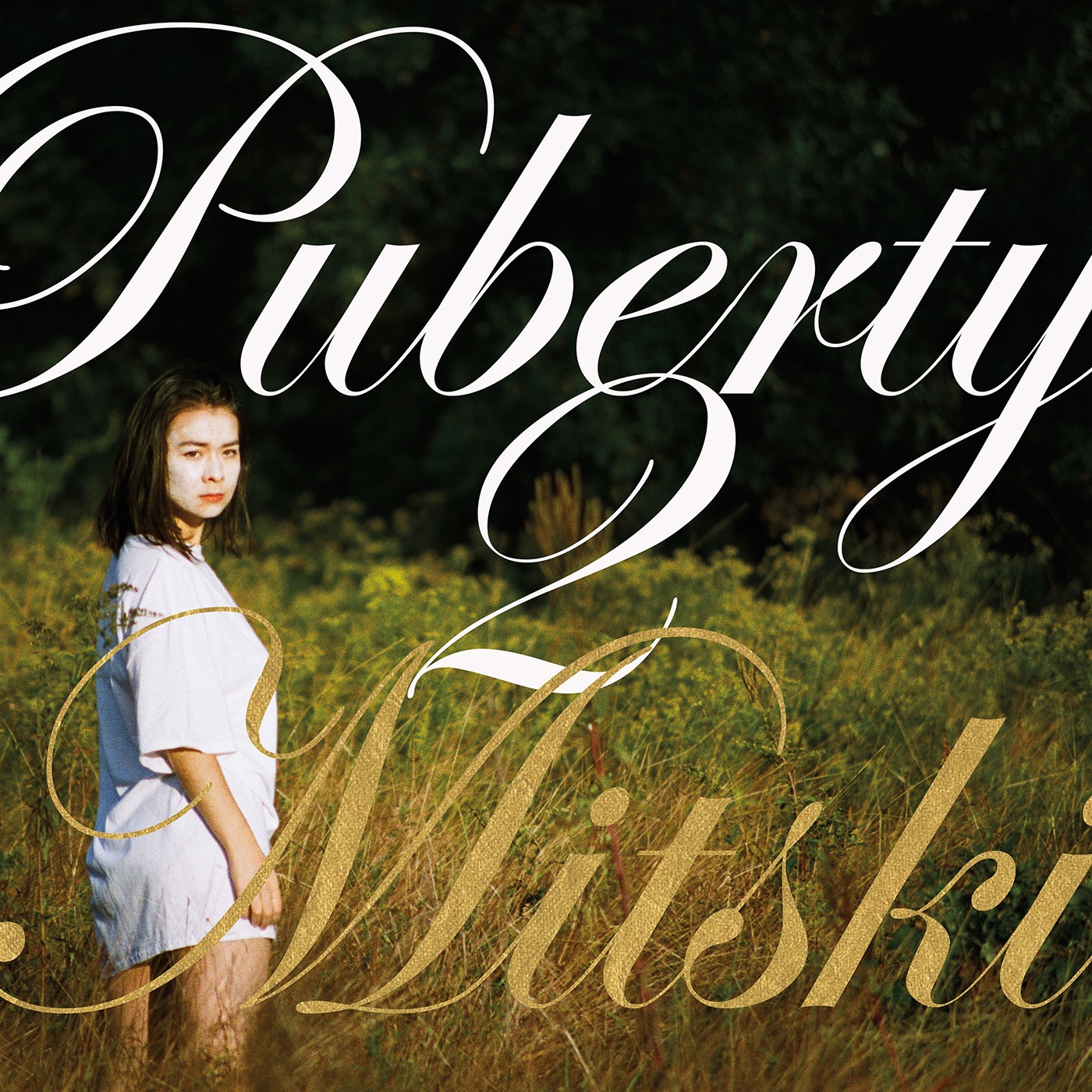 Mitski
The album captures emotional volatility with unnerving precision. Mitski swings between tenderness, rage, self-erasure, and desire so quickly that the songs often feel psychologically exposed in real time. The arrangements are deceptively compact—every guitar swell or quiet pause lands exactly where it needs to. Tracks like “Your Best American Girl” and “A Burning Hill” understand loneliness as both personal and cultural at once.
-
 Kendrick Lamar
What could have been a collection of leftovers instead feels like an essential companion to To Pimp a Butterfly. The unfinished quality gives the music a sense of immediacy, allowing listeners to hear ideas taking shape in real time. Kendrick moves effortlessly between jazz, funk, spoken word, and hard-hitting rap without losing focus. Tracks like "untitled 02" and "untitled 08" contain enough ideas for entire albums. Few artists have ever had outtakes this compelling.
-
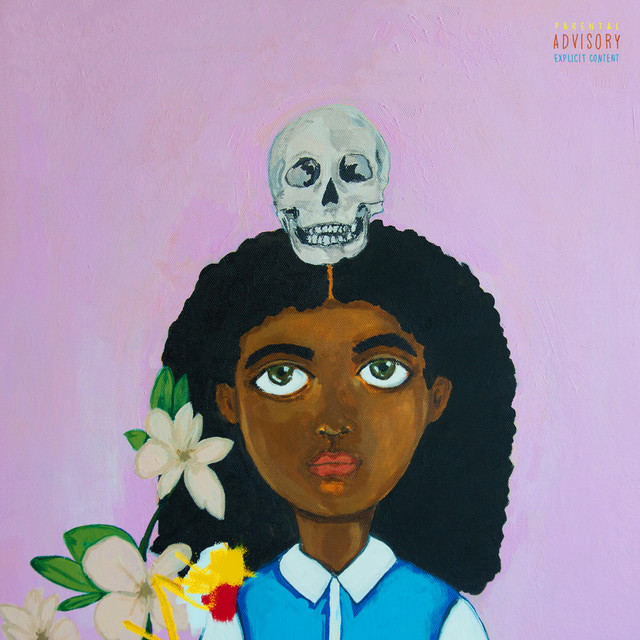
Noname
Telefone introduced one of the most distinctive voices in modern hip-hop. Noname's conversational delivery allows deeply personal stories, political reflections, and everyday observations to coexist naturally. The warm, jazz-inflected production gives the album an inviting atmosphere that rewards close listening. Songs like "Diddy Bop" and "Reality Check" feel both intimate and expansive. It's a debut built on empathy, curiosity, and remarkable lyrical precision.
-
Jeff Rosenstock
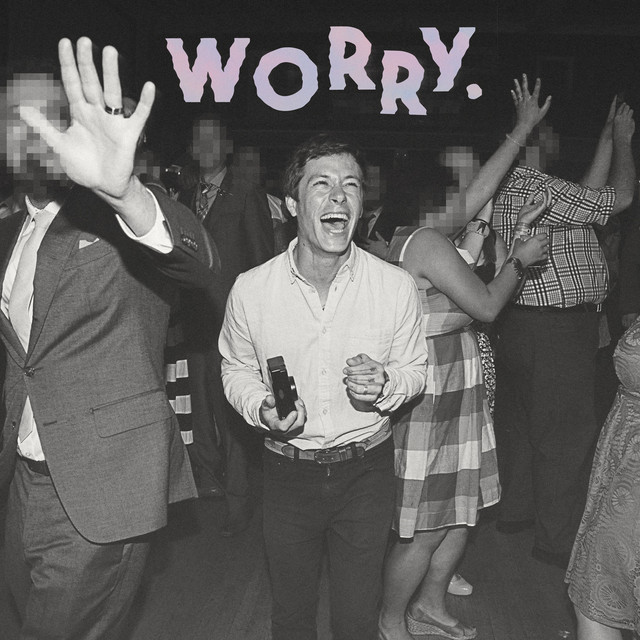
One of the great punk albums of the 21st century, WORRY. captures the feeling of information overload better than almost any record of its era. Rosenstock balances anxiety, humor, political frustration, and genuine optimism without sounding scattered. The album's final suite of interconnected songs is especially impressive, turning chaos into momentum. Hooks arrive constantly, but they're always serving larger emotional ideas. It's a loud, messy, deeply human masterpiece.
-
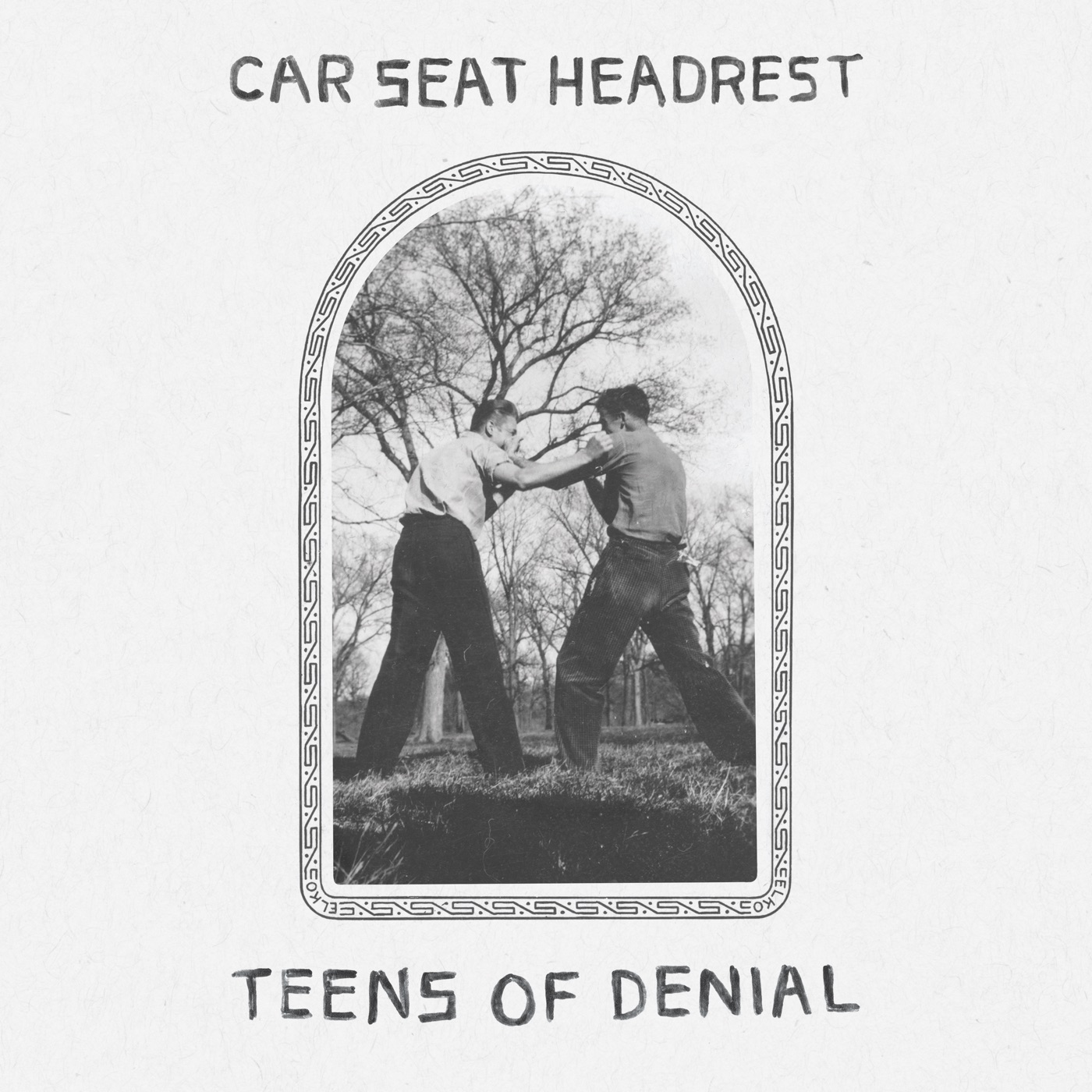 Car Seat Headrest
Will Toledo transformed years of DIY experimentation into a breakthrough that felt both ambitious and relatable. The songs are sprawling, self-aware, funny, and often surprisingly moving, capturing the confusion of young adulthood without romanticizing it. "Drunk Drivers/Killer Whales" and "Fill in the Blank" have become modern indie-rock touchstones for good reason. The album's length becomes a strength because every detour reveals more of Toledo's world. It's one of the defining rock records of the 2010s.
-
David Bowie
Released just days before Bowie's death, Blackstar transformed from a fascinating late-career experiment into something even more profound. Working with a group of adventurous jazz musicians, Bowie created music that feels mysterious, restless, and constantly in motion. The songs confront mortality without becoming sentimental or predictable. "Lazarus" and the title track are among the strongest works of his career. It's a final statement that remains open-ended, challenging, and alive.
-
 Hallelujah The Hills
A Band Is Something to Figure Out feels like a culmination of everything that made Hallelujah the Hills such a beloved underground institution. Ryan Walsh's songwriting is packed with literary detail, dark humor, and emotional complexity, yet the album never feels weighed down by its ideas. The arrangements move fluidly between ragged indie rock, folk-inflected reflection, and bursts of cathartic noise, giving the record an unusually wide emotional range. There's a sense of history running through the songs—personal history, band history, and the history of the scenes that shaped them. Rather than chasing trends, the album doubles down on what makes Hallelujah the Hills unique: intelligence, heart, and an unwavering belief in the power of great songs.
-
 Cymbals Eat Guitars
A record about memory, loss, and growing older that never loses its sense of urgency. Joseph D'Agostino's songwriting balances personal reflection with explosive rock arrangements, creating songs that feel emotionally expansive. Tracks like "Wish" and "Beam" channel grief into something communal rather than isolating. The band sounds larger and more confident than ever. It's a fitting culmination of one of indie rock's most underappreciated careers.
-
 Parquet Courts
While earlier Parquet Courts records often emphasized wit and observation, Human Performance digs deeper emotionally. The band slows down just enough to explore uncertainty, loneliness, and self-doubt without sacrificing their sharp songwriting. Songs like "Berlin Got Blurry" and the title track reveal new dimensions to their work. The performances are loose but purposeful throughout. It's arguably their most emotionally resonant album.
-
 The Avalanches
Sixteen years after Since I Left You, The Avalanches returned with an album that somehow justified the wait. Wildflower is dense with samples, guest appearances, and musical references, yet it never feels cluttered. Instead, it captures a sense of wonder and possibility that few albums can sustain for an hour. Tracks like "Frankie Sinatra" and "Subways" are playful, inventive, and deeply musical. It's a celebration of listening itself.
-
 Preoccupations
Formerly known as Viet Cong, the band delivered a record that deepened and refined their dark post-punk sound. The songs are tense and expansive, balancing mechanical precision with emotional unease. "Anxiety" and "Memory" showcase the group's ability to build atmosphere without sacrificing momentum. The performances feel relentless but never monochromatic. It's a powerful exploration of alienation and uncertainty.
-

Ka strips hip-hop down to its essentials: quiet beats, careful pacing, and densely layered writing. Every line feels deliberate, filled with historical references, personal reflection, and hard-earned wisdom. The album rewards patience, revealing new connections with each listen. Rather than demanding attention, it quietly earns it. Few rappers have ever done more with less.
-
 Thee Oh Sees
One of the heaviest and most adventurous records in the Oh Sees catalog. John Dwyer pushes the band toward longer forms, denser grooves, and a greater sense of psychedelic exploration. The opening "Dead Man's Gun" immediately announces a larger scope than many earlier releases. Despite its experimental impulses, the album remains exciting and physical. It captures a band constantly finding new ways to expand its sound.
-
 Drive-By Truckers
Rather than retreating into nostalgia, Drive-By Truckers confronted contemporary America head-on. Patterson Hood and Mike Cooley examine race, violence, inequality, and political division with clarity and compassion. Songs like "What It Means" and "Ramon Casiano" avoid easy answers while refusing cynicism. The band's Southern perspective gives the album both specificity and urgency. It's one of the most important and courageous records of their career.



Do you like albums?
Want to make a list?
It’s free & easy &
the Whale is nice!
Learn more