1990
-
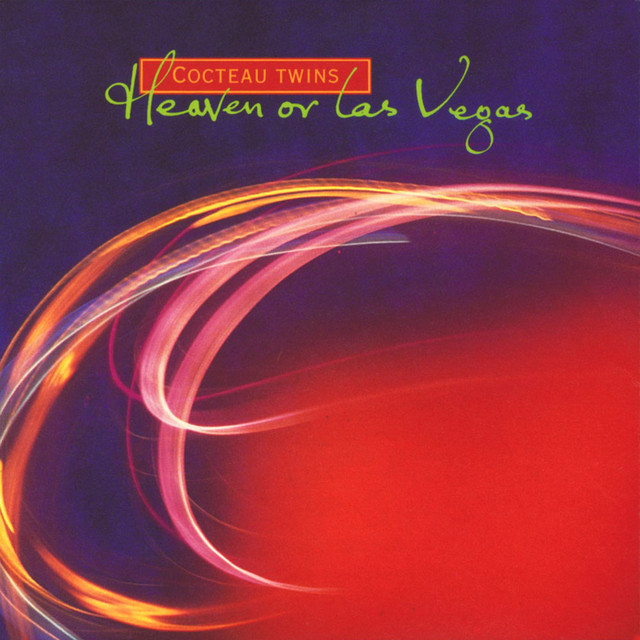
Cocteau Twins
Heaven or Las Vegas refines the Cocteau Twins’ sound into something lush, luminous, and emotionally overwhelming without losing its mystery. Elizabeth Fraser’s melodies are pure sensation, dissolving into Robin Guthrie’s layered guitars and soft electronic glow. Songs like “Cherry-Coloured Funk” and the title track feel intensely emotional even when their meanings stay just out of reach. The album influenced decades of dream-pop and shoegaze, but few records match its balance of abstraction and warmth. Dream pop’s gorgeous emotional peak.
-
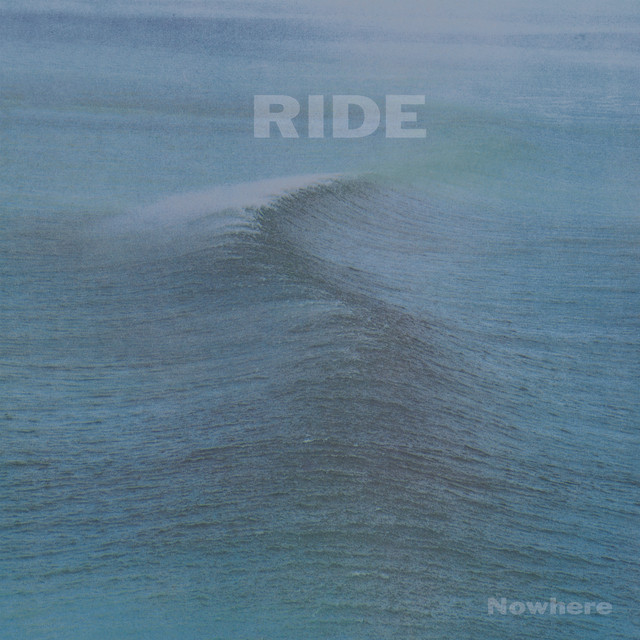
Ride
A definitive statement in the shoegaze genre, Nowhere distills hazy, swirling guitars into a limitless soundscape. The band's expert balance of sonic intensity and melodic clarity elevates this album to timeless status. Underneath all the effects the rhythm section keeps everything grounded and physical. “Seagull” and “Dreams Burn Down” build through repetition and density rather than dramatic shifts, letting texture itself become momentum. Mark Gardener and Andy Bell sing almost anonymously, which pushes attention back toward the sound of the band moving together. It’s immersive music that still hits with real force.
-
 Sinéad O'Connor
There’s very little distance between the emotion and the performance. Sinéad O'Connor sings “Nothing Compares 2 U” with such directness that the arrangement almost disappears around her, while songs like “The Emperor’s New Clothes” and "Black Boys On Mopeds" carry real anger without losing precision. The production stays sparse enough to keep every vocal inflection exposed. It’s a record built on refusal—refusal to soften grief, rage, or vulnerability into something easier to consume. It is brutally intimate and completely fearless. It’s protest, confession, and pop classic all at once.
-
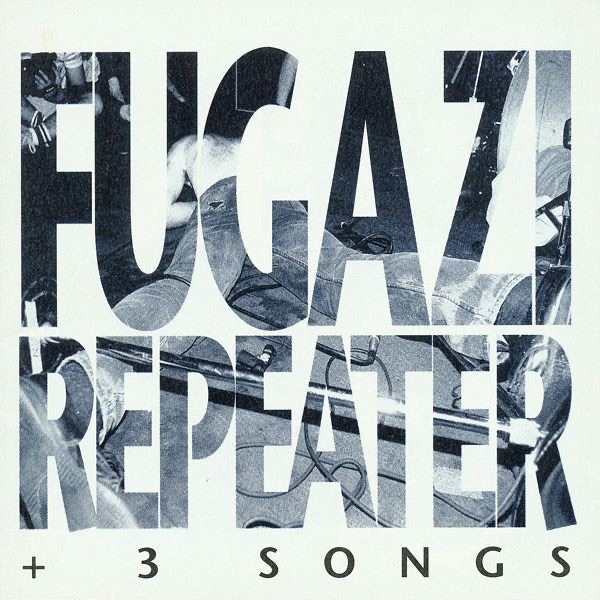 Fugazi
Repeater weaponized space, rhythm, and restraint, making punk that's both fiercely intelligent and physically overwhelming. Entire generations of DIY bands are still chasing its balance of ethics and electricity. Joe Lally’s basslines keep songs like “Turnover” and “Merchandise” moving with a clipped, almost danceable precision while the guitars slash across the rhythm rather than simply overpowering it. Ian MacKaye and Guy Picciotto sound confrontational, but also analytical, constantly pulling apart the systems they’re trapped inside. It’s punk stripped of self-mythology and rebuilt around discipline.
-
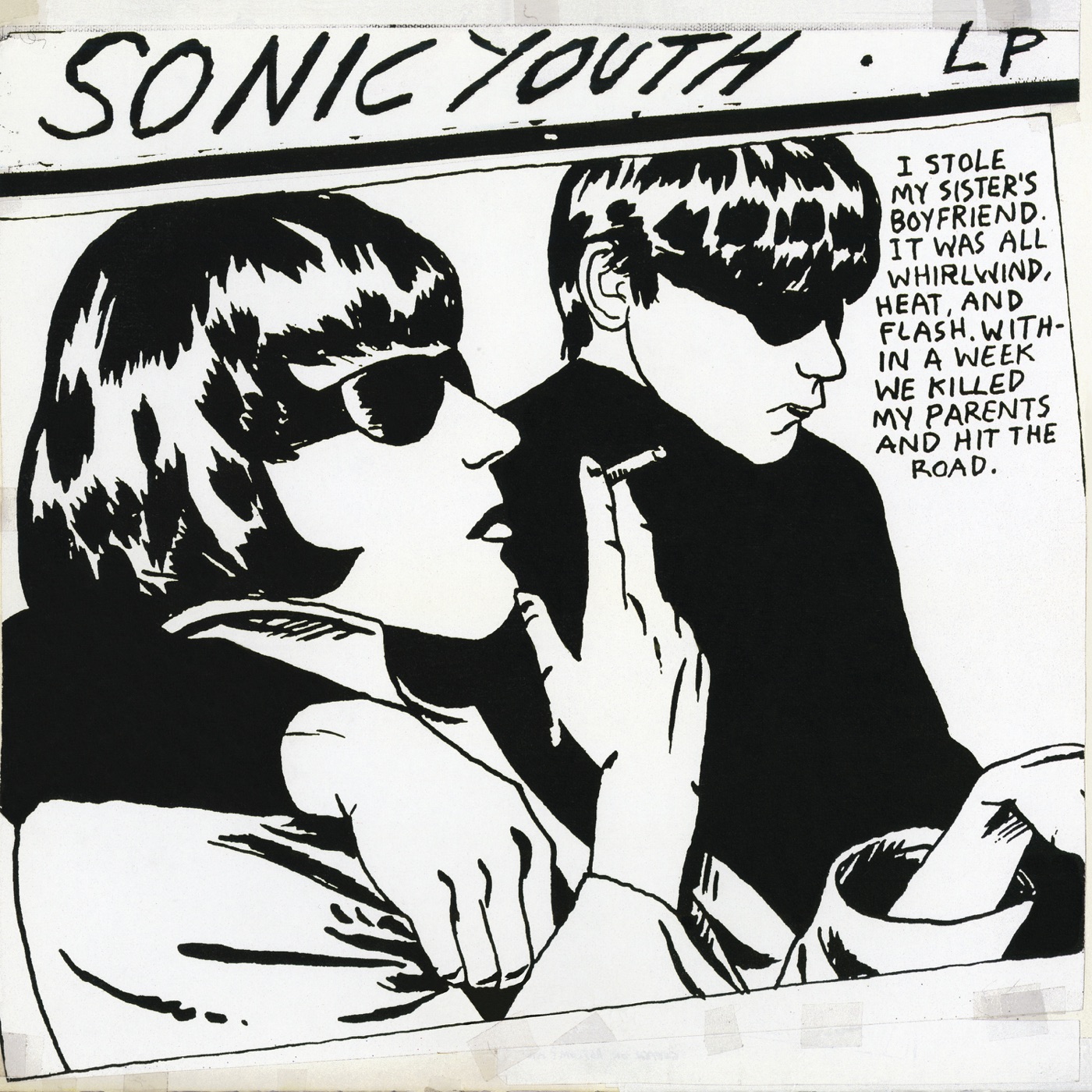 Sonic Youth
Goo distilled Sonic Youth's noise experiments into sharp, stylish anthems without dulling the edges - these riffs are a sexy mess. “Kool Thing” and “Dirty Boots” lock into grooves that almost resemble conventional rock songs before dissolving into feedback and drift. Kim Gordon’s detached vocal delivery keeps the music cool even when the guitars threaten overload. It’s a major-label album that never sounds eager to behave like one.
-
 Public Enemy
A dense, siren-blaring masterpiece of sonic activism. The Bomb Squad’s production is overwhelming by design, turning every track into a political event. It didn’t just comment on culture — it challenged it. The album feels like multiple radio station frequencies colliding at once. The Bomb Squad pushes sampling toward abstraction, stacking layers of noise, funk, speech, and percussion so densely that the tracks seem permanently in motion. Chuck D delivers with enormous authority, while Flavor Flav disrupts and reframes the mood from inside it. The record is confrontational not just politically, but structurally—it refuses smoothness at every level.
-
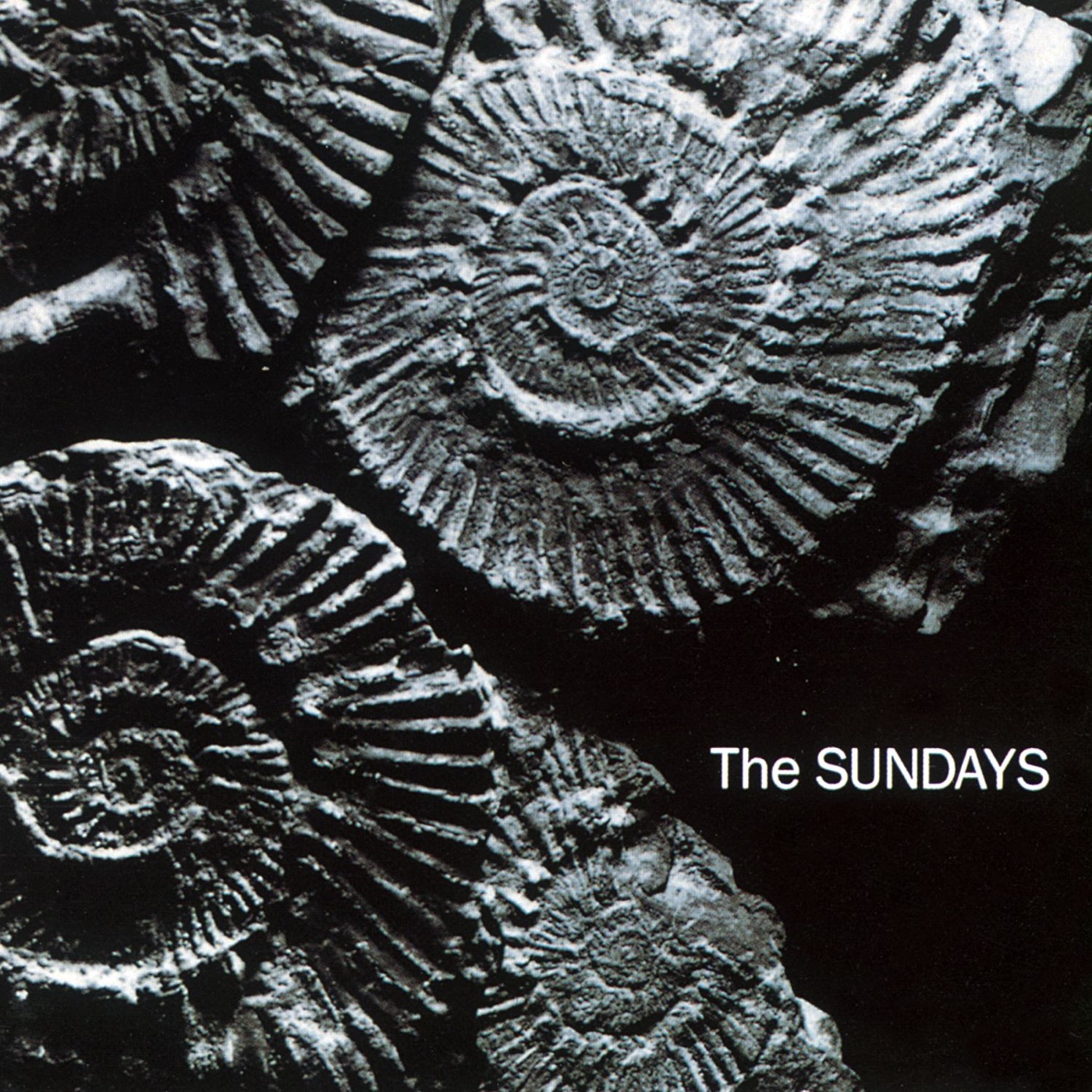 The Sundays
The guitars shimmer brightly, but the emotional tone is more complicated than the surface suggests. Harriet Wheeler sings with remarkable clarity and restraint, making lines about disappointment and uncertainty feel conversational rather than dramatic. “Here’s Where the Story Ends” balances melancholy with genuine lightness in a way very few indie records manage. It sounds delicate, though the songwriting underneath is incredibly precise.
-
 Yo La Tengo
After a handful of introductory LPs, on Fakebook covers and originals blur together because the band approaches everything with the same quiet intimacy. The arrangements are sparse—acoustic guitars, brushed percussion, soft harmonies—but never feel slight. Ira Kaplan and Georgia Hubley play with enormous patience, letting small emotional details accumulate slowly. It’s a modest record on the surface that reveals deeper warmth the longer you stay with it.
-
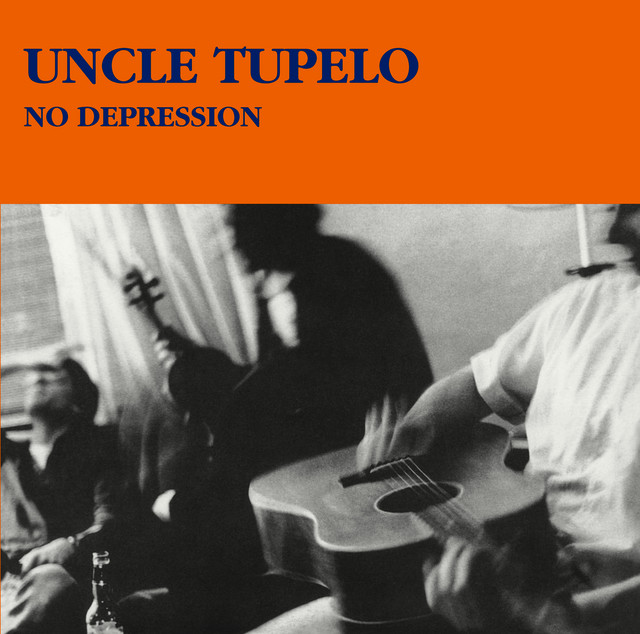
Uncle Tupelo
Punk energy and country fatalism fit together more naturally here than anyone expected at the time. Songs like “Whiskey Bottle” and the title track sound worn down rather than rebellious, with distortion used less for excitement than emotional pressure. Jay Farrar and Jeff Tweedy already pull toward different sensibilities, which gives the album tension and range. It helped invent an entire movement of insurgent country music almost accidentally.
-
 A Tribe Called Quest
The looseness is part of what makes it feel alive. Jazz samples, playful conversational flows, and understated rhythms create an atmosphere that feels communal rather than competitive. Q-Tip and Phife Dawg sound curious and relaxed, never forcing authority they don’t need. The album expands hip-hop’s emotional vocabulary simply by sounding comfortable in its own personality.
-
 The Replacements
By this point the band was barely functional, and the exhaustion of the whole project hangs over the entire record. Inverting the title of one of rock n' roll's most famous rave-ups, "All Shook Down" possesses a fragility that works in its favor. Songs like “Sadly Beautiful” and the title track feel intimate in a way that was still surprising for a band that reveled in chaos for so long. Westerberg's writing is less sarcastic here, letting loneliness sit plainly inside the songs. It sounds like the weary end of something, but also like hard-earned clarity.
-
The Fall
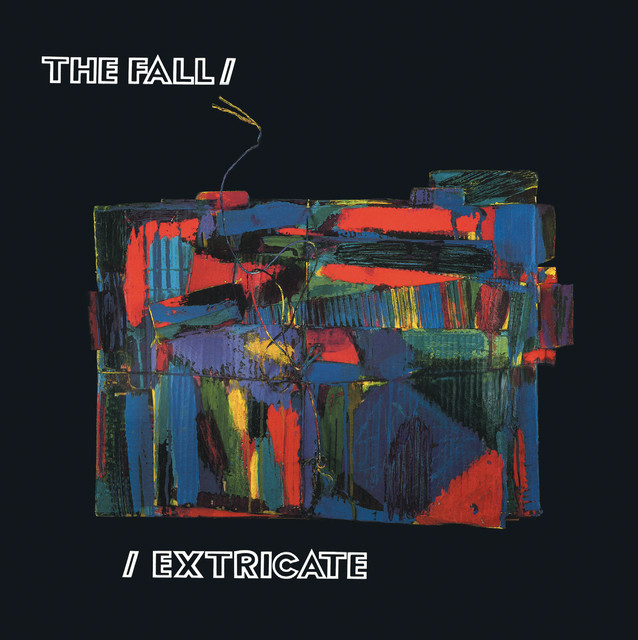
The grooves tighten considerably, but the band still sounds gloriously irritated with itself and everyone else. “Telephone Thing” loops insistently while Mark E. Smith mutters and barks observations that feel half accidental and half devastatingly precise. There’s a strange accessibility to the record without any softening of personality. It’s abrasive music that somehow becomes catchy through sheer repetition and attitude.
-
 The La's
The songs feel impossibly light on their feet, as though they’ve always existed somewhere outside of recording studios and music scenes. “There She Goes” gets the attention, but nearly every track carries the same melodic economy and restless momentum. Lee Mavers writes hooks that sound classic without feeling nostalgic or retro-conscious - case in point "Timeless Melody". The album’s greatness feels charmingly accidental.
-
 Pixies
The violence and weirdness become more streamlined, but not less strange. Surf-rock guitars, sci-fi imagery, and sudden melodic sweetness all coexist comfortably inside songs like “Velouria” and “Dig for Fire.” Black Francis sounds slightly more detached here. It’s cleaner than their earlier records, though still fundamentally unpredictable.
-
 Eric B. & Rakim
 -
The Breeders
-
 The Black Crowes
The record taps into classic-rock forms without sounding overly reverential about them. Chris Robinson sings with swagger, and the band’s looseness keeps the music from becoming stiff or overly polished. Tracks like “Twice as Hard” and “Jealous Again” succeed because the grooves feel lived-in rather than reconstructed from the past. It’s revivalism with enough grime left on it to feel convincing.
-
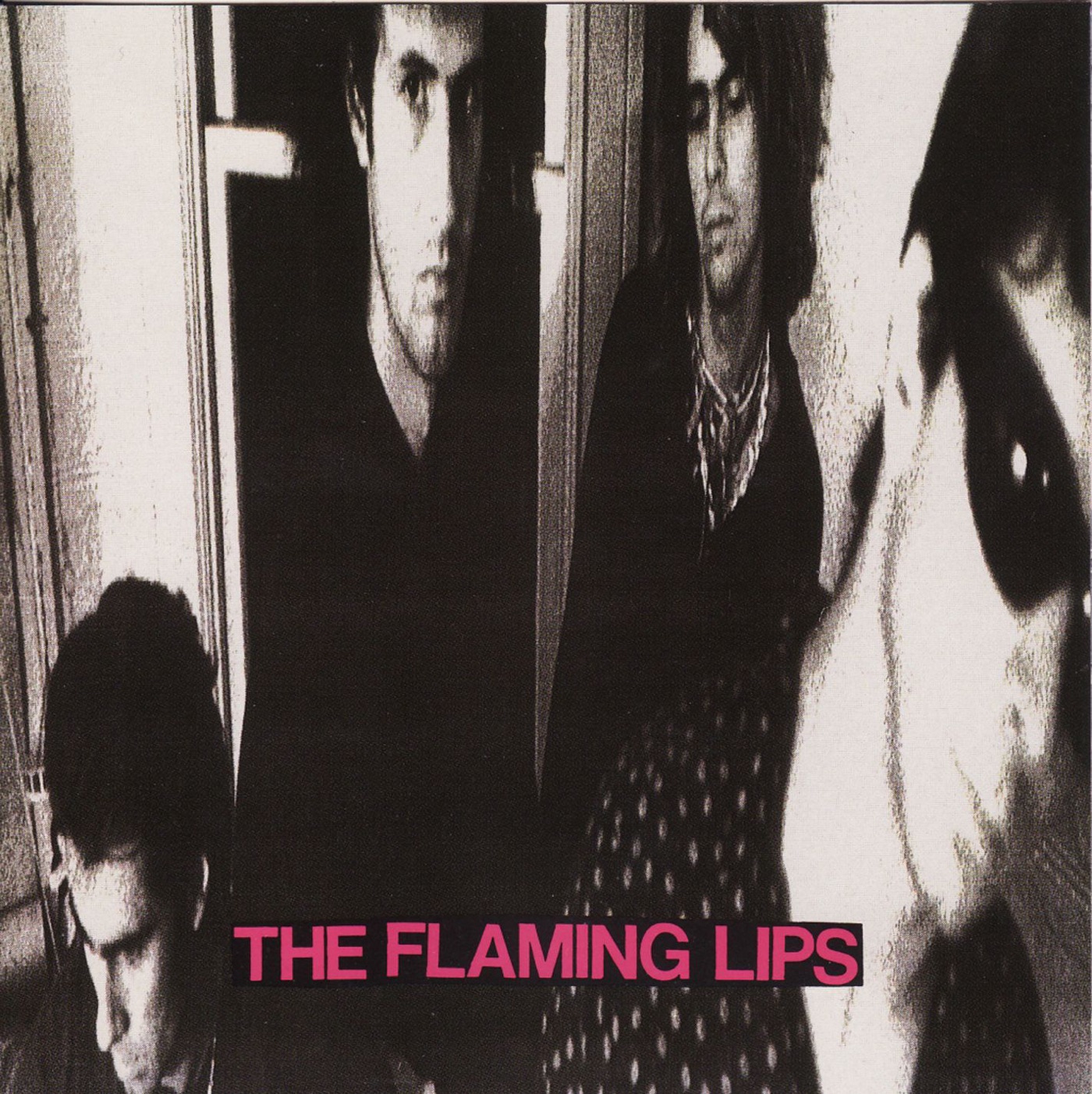 The Flaming Lips
 -
 Mazzy Star
 -
 Depeche Mode
The production is immaculate, but the album’s real strength is restraint. Songs like “Enjoy the Silence” and “Policy of Truth” leave enormous amounts of negative space, letting synth textures and rhythm patterns breathe instead of overwhelming the listener. Dave Gahan sings with a calm confidence that deepens the melancholy underneath the surfaces. It’s electronic pop designed with almost architectural precision.
-
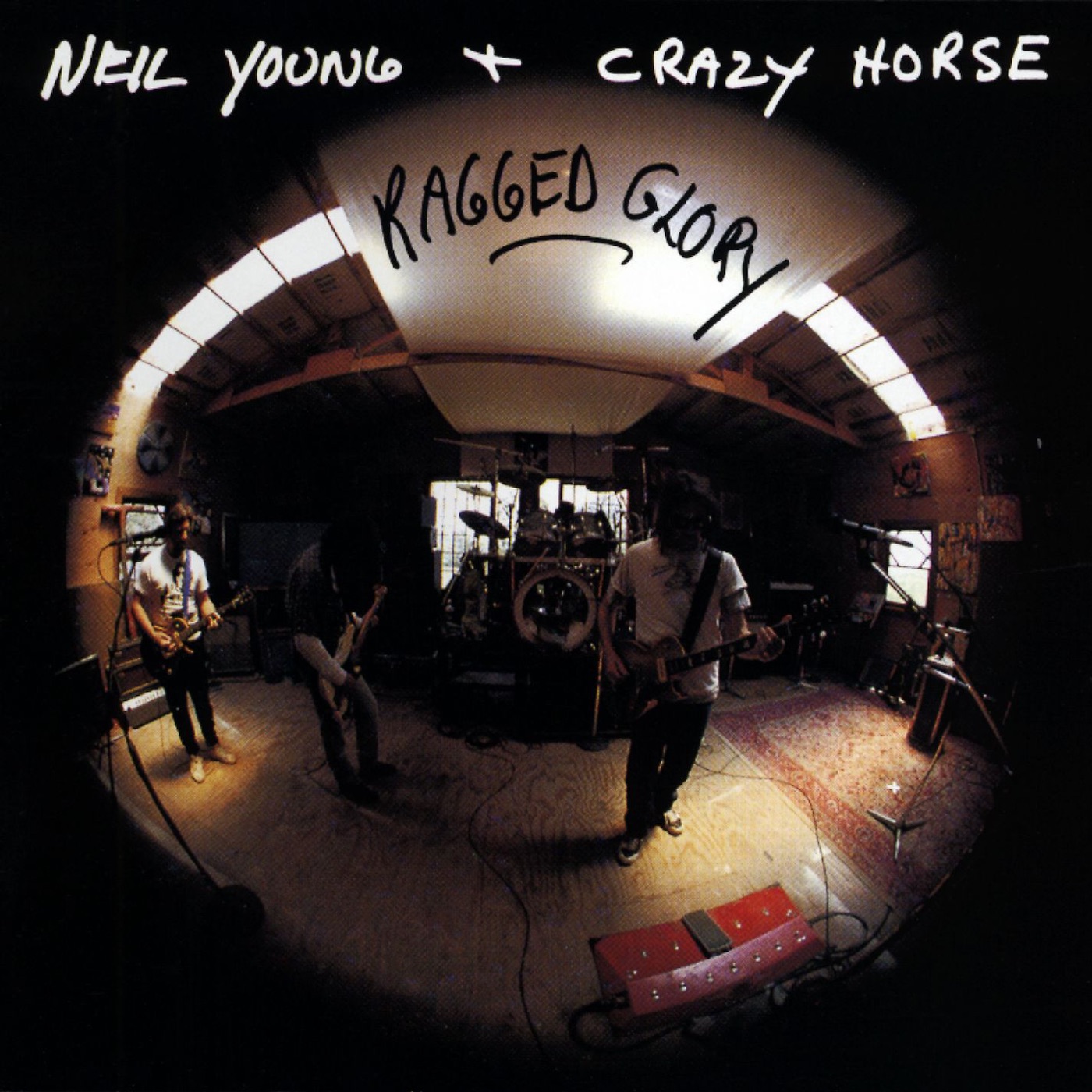 Neil Young, Crazy Horse
The long songs feel less composed than discovered in the moment. Crazy Horse locks into rough, repetitive grooves that give Neil Young room to stretch guitar solos far past neat resolution. Tracks like “Country Home” and “Love to Burn” gain power through persistence rather than complexity. The album understands that rawness can be a form of honesty rather than lack of craft.
-
Guided By Voices
One of the darkest and most emotionally complex albums Robert Pollard ever made. Recorded in the aftermath of personal upheaval, Same Place the Fly Got Smashed replaces much of the band's earlier playfulness with a mood of exhaustion, frustration, and uneasy reflection. The lo-fi production creates an almost claustrophobic atmosphere that perfectly suits the material. Songs drift in and out of focus, making the album feel remarkably cohesive despite its fragmented structure. While it lacks the immediate hooks of later classics, it possesses a depth and emotional honesty that few GBV records can match. It's a difficult, fascinating album that rewards listeners willing to meet it on its own terms.


Do you like albums?
Want to make a list?
It’s free & easy &
the Whale is nice!
Learn more