2004
-
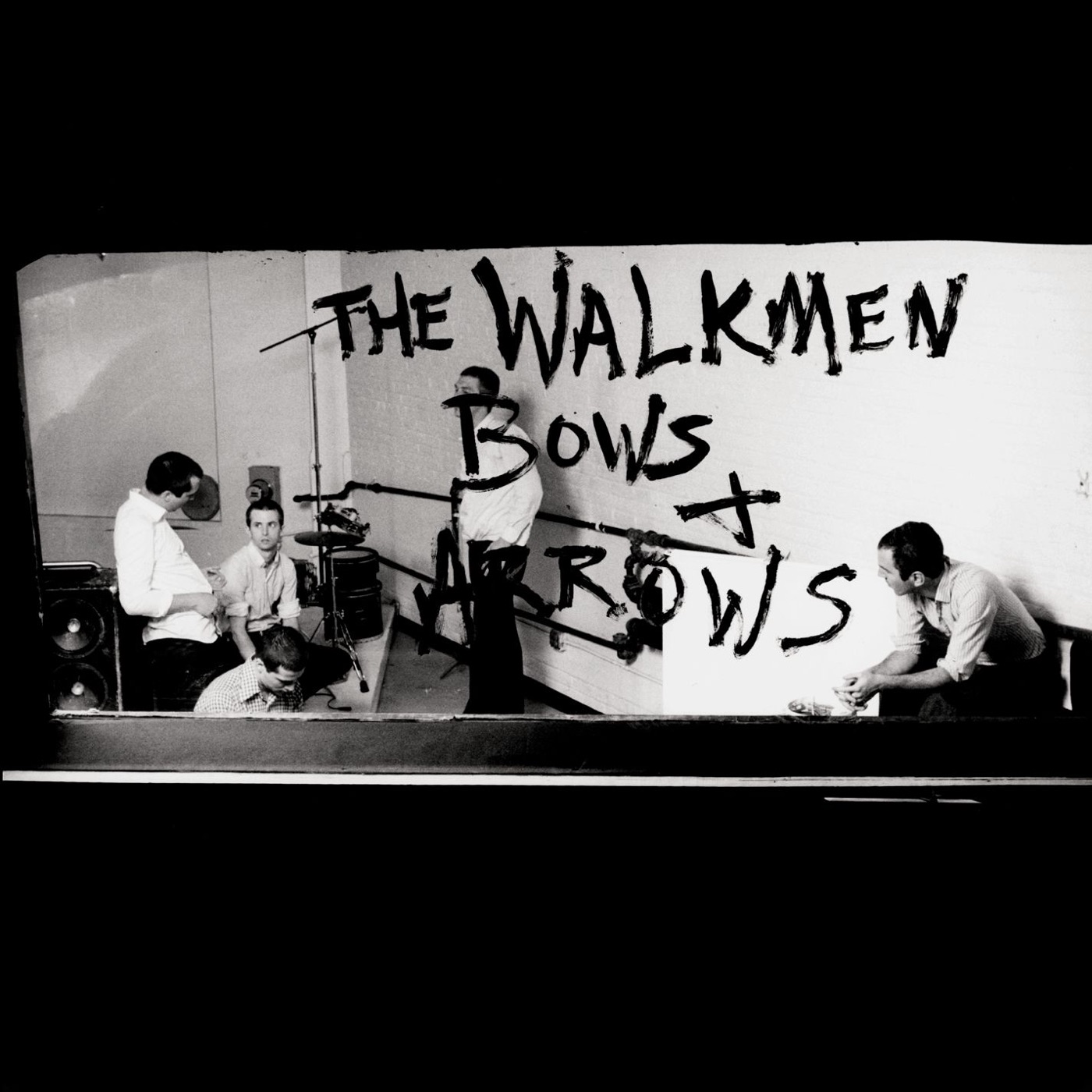 The Walkmen
This is a New York rock record that sounds permanently sleep-deprived: pianos rattling in empty rooms, guitars smeared into the walls, and Hamilton Leithauser singing like he’s trying to outshout bad decisions. “The Rat” gets remembered because it’s nothing but explosive energy, but the woozy ballads are what give the album its weight. There’s something oddly elegant about how messy it is — like the band wanted grandeur but only had cheap amps and nervous energy to build it with.
-
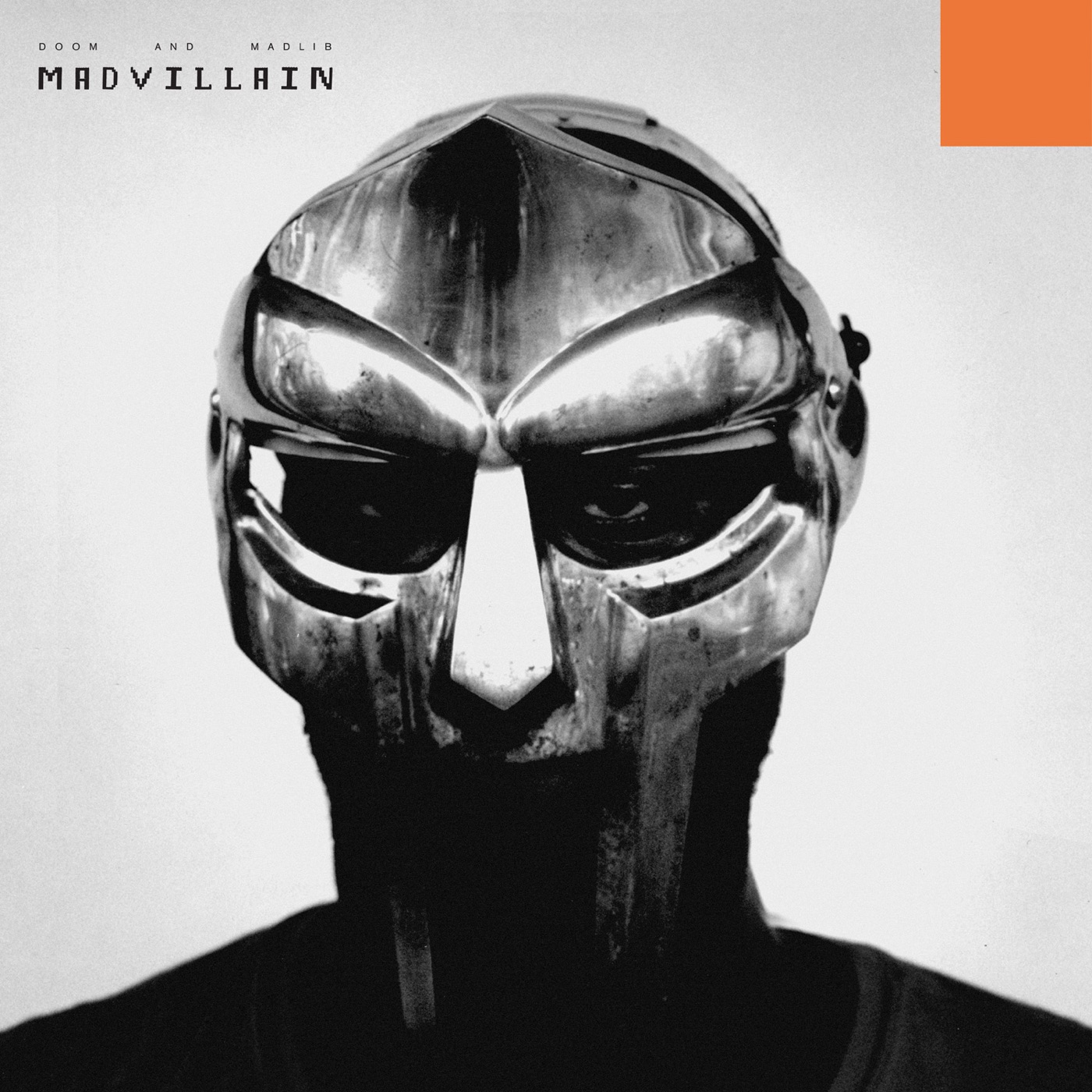 Madvillain, Madlib, MF DOOM
The album feels less like a rap LP than a pirate radio transmission assembled from bent records, cartoon fragments, and impossible internal rhymes. Madlib’s beats never sit still long enough to become comfortable, and DOOM responds by rapping in dense spirals that reward obsessive listening. Its influence is enormous, but what still stands out is how playful it is — the whole thing sounds amused with itself.
-
 Wilco
WilcoInstead of repeating the polished melancholy of Yankee Hotel Foxtrot, this record wanders into stranger, darker territory: long guitar meditations, nervous repetition, and songs that feel emotionally unfinished on purpose. Jeff Tweedy sounds exhausted but lucid, and the band turns that uncertainty into atmosphere. It doesn't hurt that Tweedy's writing was still next level. "Hell Is Chrome", "Spiders (Kidsmoke)", "Handshake Drugs", and many others stand up to anything else in the Wilco catalog.
-
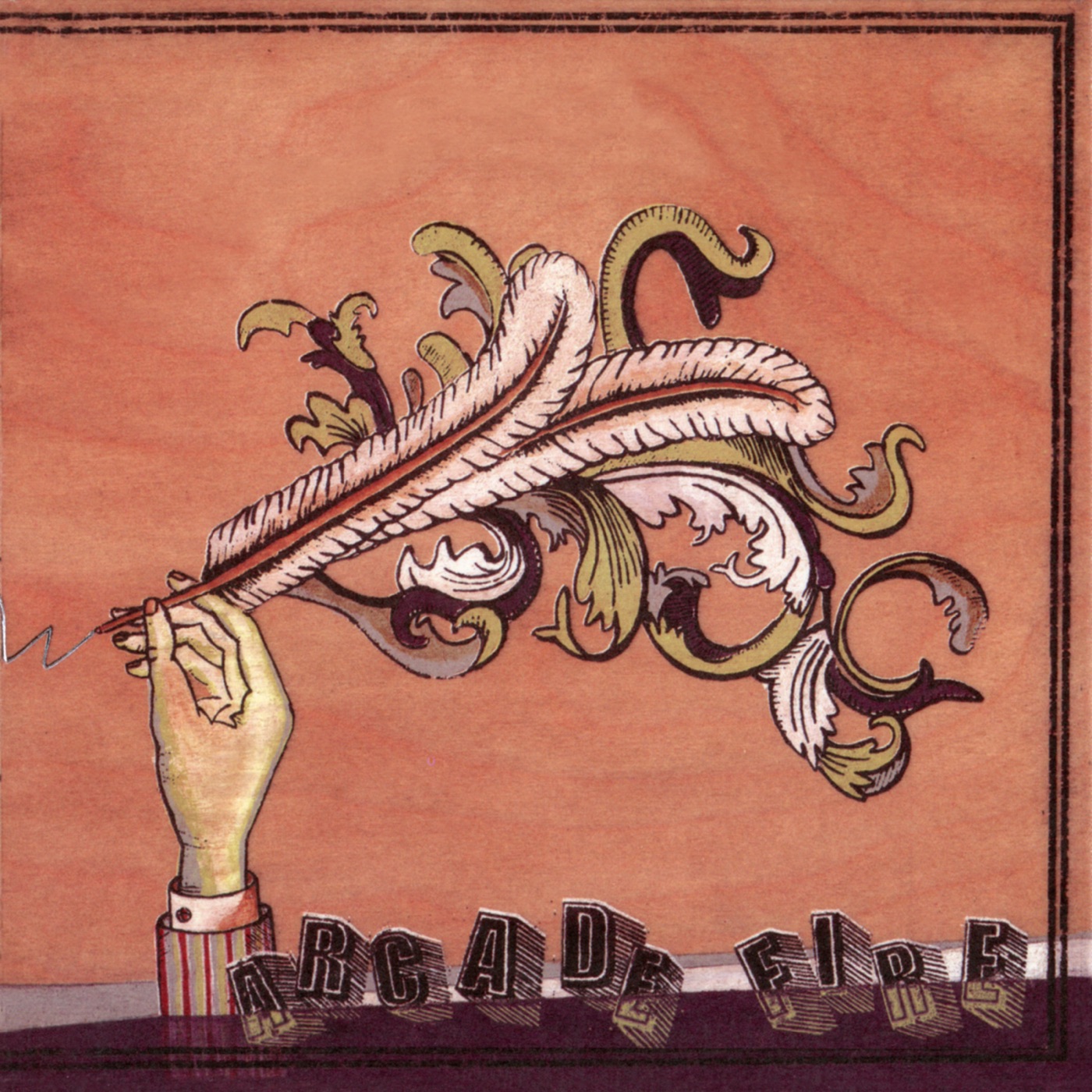 Arcade Fire
What made this album hit so hard in 2004 was its scale — not just sonically, but emotionally. Every song feels communal, as if grief and celebration are happening at the same time in the same crowded room. At the time, so many bands performed with a cool detachment; Arcade Fire turned their earnestness up to 11. The arrangements constantly threaten to burst apart, and that instability is what keeps the record alive years later. Though they became more popular with subsequent albums, they never recaptured the scope nor the fragility of Funeral.
-
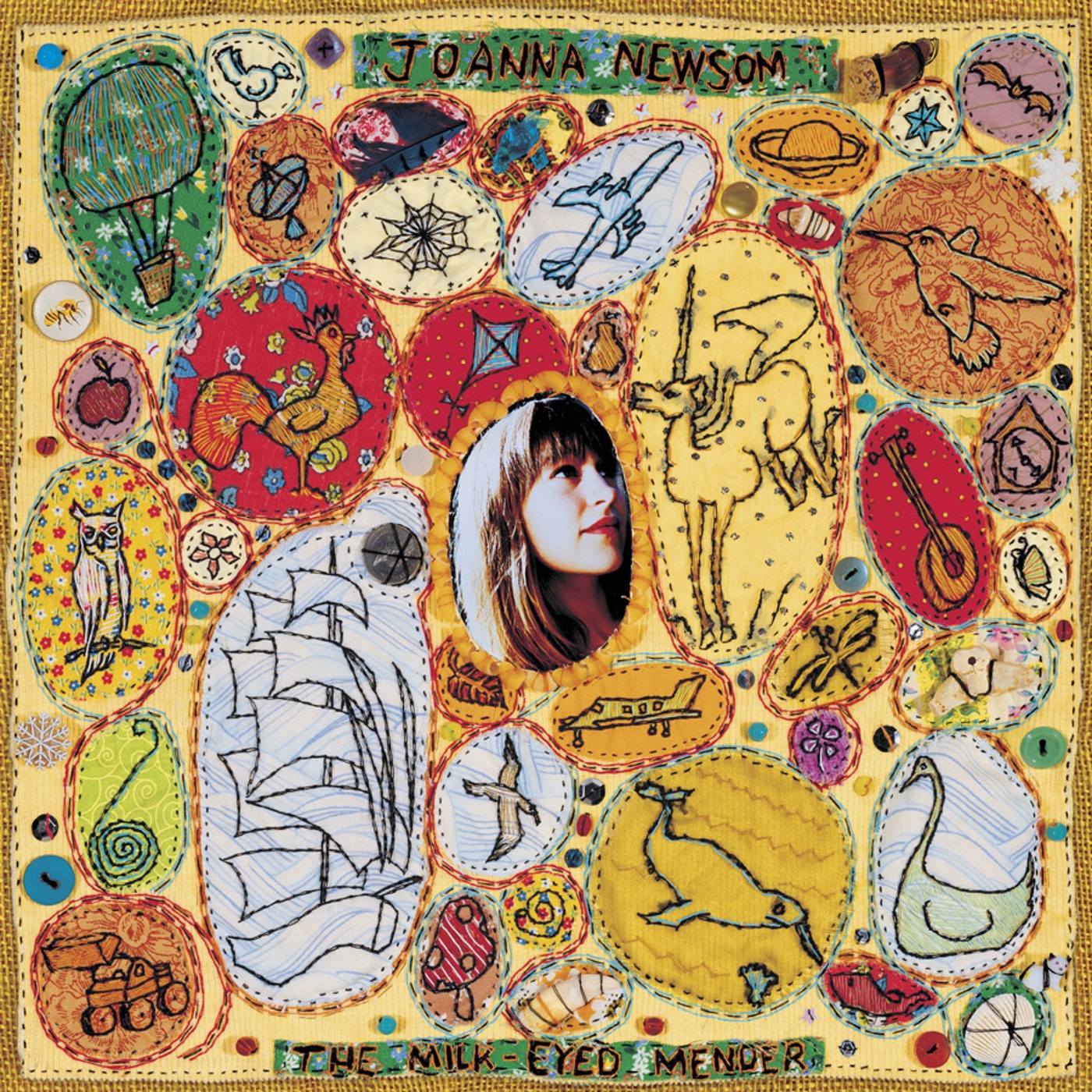 Joanna Newsom
At first it can sound almost homemade to a fault: harp strings creaking, melodies wandering, Newsom’s voice refusing to smooth itself out for anybody. Then the writing starts to reveal itself — surreal, funny, old-world and deeply personal all at once. "Sadie" and "Clam, Crab, Cockle, Cowrie" are startlingly beautiful. Few debut albums introduce such a completely self-contained artistic language.
-
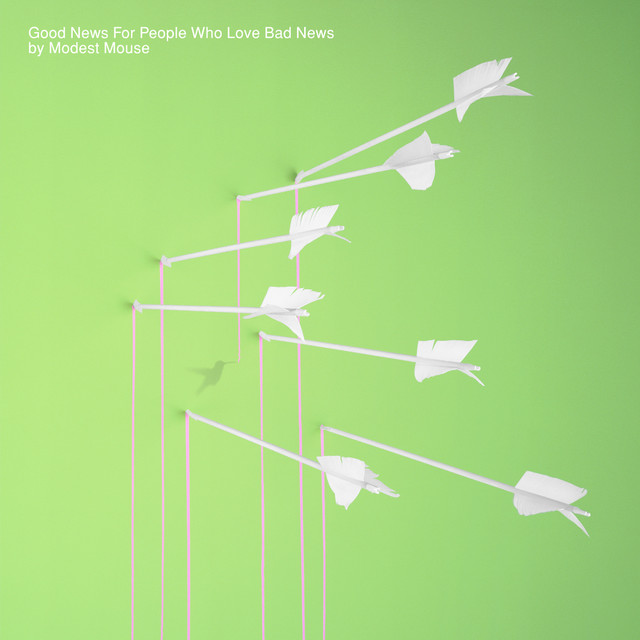
Modest Mouse
The band tightened their songwriting without sanding away their weirdness, which is why the album connected so widely. Isaac Brock still sounds like someone arguing with the universe from inside a moving vehicle, but the hooks are sharper and the rhythms more elastic. Even the hits retain a nervous unpredictability.
-
 The Hold Steady
The band treats classic bar-band rock as a delivery system for sprawling stories about addicts, drifters, parties, Catholic guilt, and survival. Craig Finn’s half-spoken vocals make every line sound overheard rather than performed. It’s scrappy and overloaded, but that clutter is part of the charm — the album practically sweats beer and fluorescent light.
-
 MF DOOM
The food concept could’ve turned gimmicky fast, but DOOM uses it as an excuse to stretch language into absurd new shapes. The production feels dusty and comic-book warped, full of loops that sound like they came from forgotten public-access television. It’s one of the funniest rap records ever made without ever slipping into parody.
-
 Drive-By Truckers
Rather than romanticizing the South, the album examines it through crime stories, family history, class tension, and regional pride all tangled together. The triple-guitar attack gives the songs force, but the writing is what makes the record memorable. Hood, Cooley, and Isbell all deliver unforgettable songs. Few rock albums are this literary while still sounding this loud and alive.
-
 A.C. Newman
The Slow Wonder is AC Newman's first solo record outside of his work with The New Pornographers. As always, he writes melodies that seem to arrive fully formed, but the album’s real trick is how subtly strange its construction is underneath all the hooks. The songs move quickly, packed with sharp turns and clever harmonic details that keep them from becoming simple power-pop exercises. It’s meticulous music disguised as breezy music.
-
 Guided By Voices
As a farewell to the classic lineup, the album feels surprisingly focused and reflective. Robert Pollard still throws out huge hooks casually, but there’s a sense of aging and exhaustion creeping into the songs that gives them extra resonance. Two of the better GBV songs of the time period bookend the LP - "Everybody Thinks I'm A Raincloud (When I'm Not Looking)" and "Huffman Prairie Flying Field".
-
 The Mountain Goats
John Darnielle writes about addiction and damage with startling specificity, but the album never feels trapped in misery. The songs are full of movement, memory, and strange affection for the people stumbling through them. It’s one of the clearest examples of how autobiographical songwriting can become bigger than autobiography.
-
 Sonic Youth
By this point Sonic Youth had become unusually good at making experimental guitar music sound relaxed. The noise here isn’t confrontational so much as immersive — songs drift, shimmer, then suddenly lock into perfect hooks. There’s a confidence to the album that comes from a band no longer needing to prove anything.
-
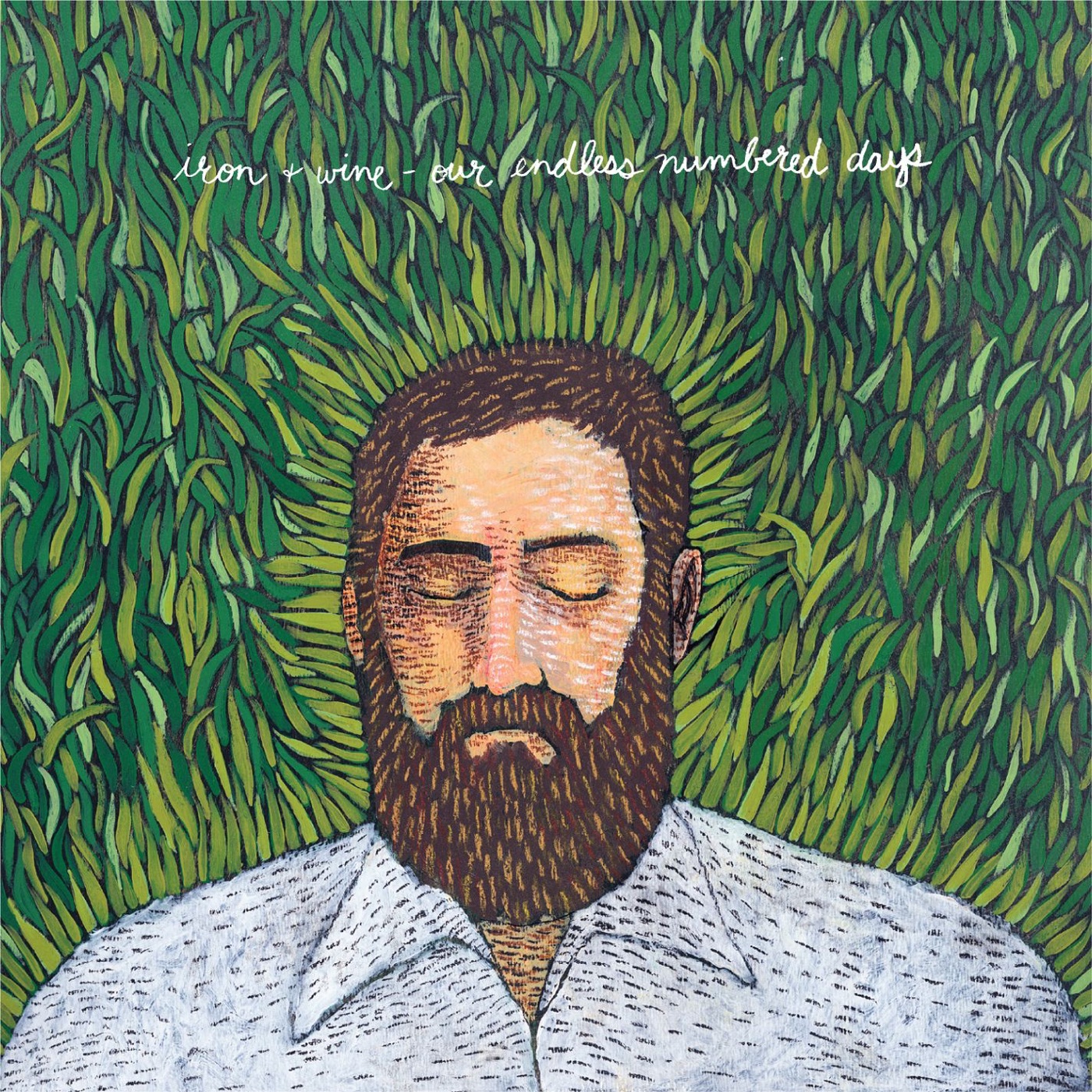 Iron & Wine
Sam Beam’s whispery style gets imitated a lot, but this album works because the details are so carefully observed. The songs feel intimate - Beam has a way of writing melodies that obviously come from a long folk lineage but also sound fresh and unique. The arrangements are fuller than the debut without losing their closeness. It’s a quiet record that never fades into the background.
-
Robert Pollard
One of the strongest records from Pollard's extraordinarily prolific mid-2000s period. Pollard balances power-pop instincts with stranger, more atmospheric moments. The album benefits from a focused approach and an unusually high concentration of memorable melodies - "It's Only Natural" and "Conspiracy of Owls" high among them.
-
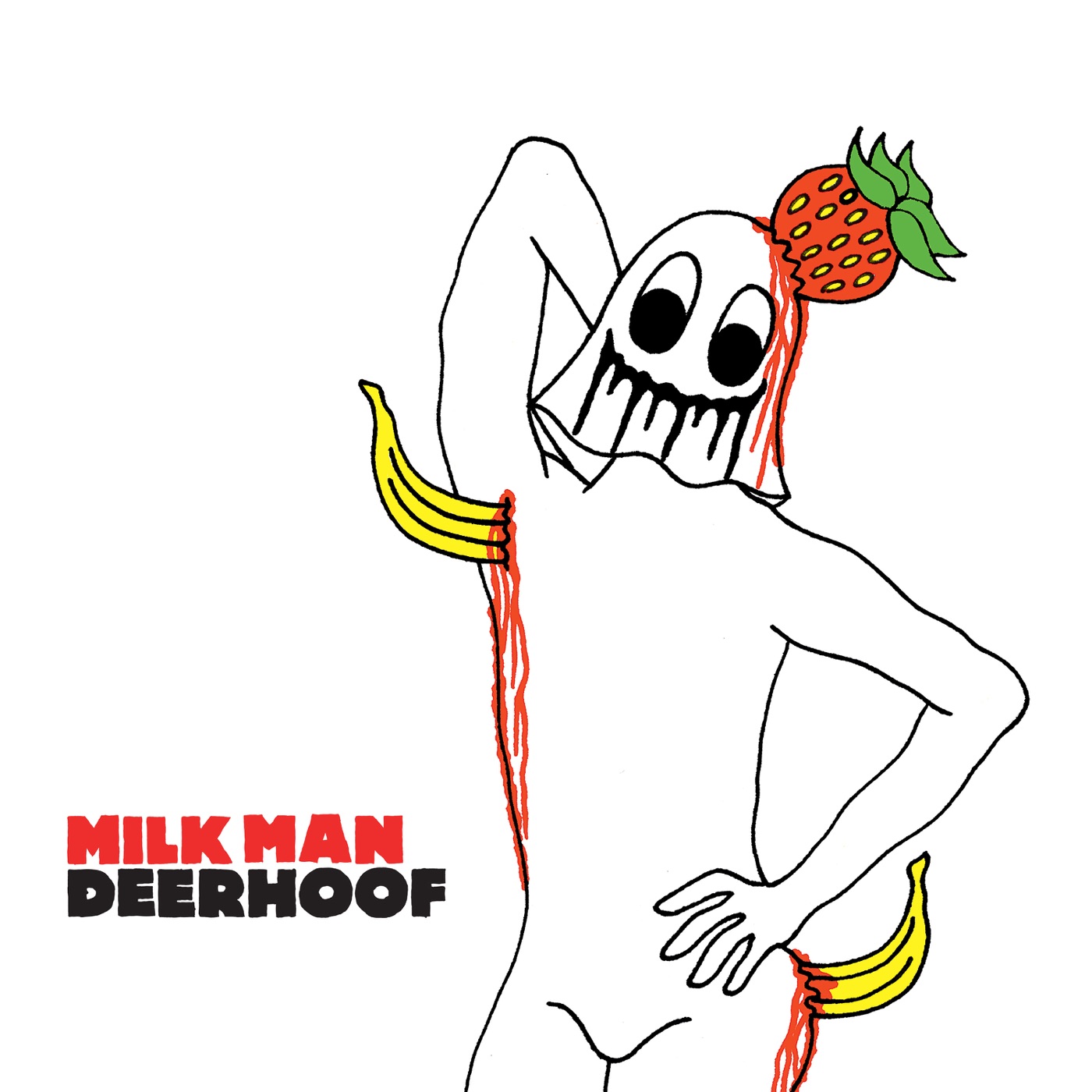 Deerhoof
This is the album where Deerhoof fully figure out how to turn their weirdness into something oddly addictive. “Milk Man,” “Giga Dance,” and “Rainbow Silhouette of the Milky Rain” are packed with jagged guitar lines, abrupt structural changes, and melodies that somehow stick immediately anyway. Greg Saunier’s drumming is especially crucial — hyperactive and unpredictable, but so precise that the songs never collapse under their own complexity. The album feels handmade in the best sense, full of rough edges and sudden left turns that become part of its charm. There’s real emotional warmth underneath the noise and absurdity. Few experimental rock albums are this fun to listen to repeatedly.
-
 Animal Collective
The album strips away electronics and ends up sounding even weirder because of it. Acoustic guitars, hand percussion, and layered voices create songs that feel ancient and alien at the same time - like spacemen singing around a campfire. Its emotional openness is what really makes it endure — beneath all the experimentation, these are deeply human songs.
-
 Destroyer
Dan Bejar replaces rock-band warmth with synthetic orchestration that sounds intentionally artificial, almost plasticky. Instead of weakening the songs, that stiffness makes the emotions feel stranger and more exposed. The album is witty, dramatic, and oddly moving in ways that are hard to explain without just listening to it.
-
 Fennesz
This album dissolves the boundary between ambient music and guitar music until both become hard to identify. Underneath the digital haze are melodies that feel sunlit and half-remembered, like pop songs viewed through water. It’s experimental music with genuine warmth — never cold, never academic.
-
 Will Johnson
Johnson’s voice sounds permanently weathered, which gives these songs a gravity that quieter singer-songwriter records often lack. The arrangements are sparse without feeling fragile, and the album’s pacing leaves room for every lyric to settle. It’s an understated record, but one that lingers for a long time after it ends.
-
 The Go! Team
This record crashes together cheerleader chants, playground rhythms, distorted samples, and indie rock guitars with almost reckless enthusiasm. It feels handmade in the best sense — chaotic but joyful, like a mixtape assembled by someone sprinting between genres. Very few albums this hyperactive remain this genuinely lovable.
-
 Califone
 -
 Simon Joyner
Simon Joyner's gift for songwriting lies in his ability to find profound meaning in ordinary moments. Lost with the Lights On is filled with sharply observed characters, emotional ambiguity, and beautifully crafted melodies. The arrangements remain understated, allowing the lyrics to carry much of the weight. Joyner never reaches for easy revelations. It's one of the strongest records from one of America's most underappreciated songwriters.
-
 Dungen
Dungen's breakthrough album bridges late-1960s psychedelia and modern indie rock with remarkable confidence. The songs are filled with melodic invention, adventurous arrangements, and instrumental interplay that never feels self-indulgent. Gustav Ejstes draws heavily from Swedish folk traditions while keeping the music accessible. The album feels exploratory yet focused. It's one of the finest psychedelic rock records of the 21st century.
-
 The Black Keys
Before arena success arrived, The Black Keys made their rawest and most compelling blues-rock record. The stripped-down duo format forces Dan Auerbach and Patrick Carney to rely on groove, chemistry, and strong songwriting rather than studio polish. Songs like "10 A.M. Automatic" are direct but never simplistic. The album captures the sound of a band discovering how much they can do with limited resources. Its influence remains easy to hear.
-
 The Tragically Hip
One of the strongest late-period albums by a band already secure in its identity. The Hip lean into concise songwriting while maintaining the literary sensibility and emotional depth that defined their best work. Gord Downie's lyrics remain vivid and unpredictable throughout. The performances are energetic without sounding forced. It's an underrated entry in their catalog.
-
Sufjan Stevens
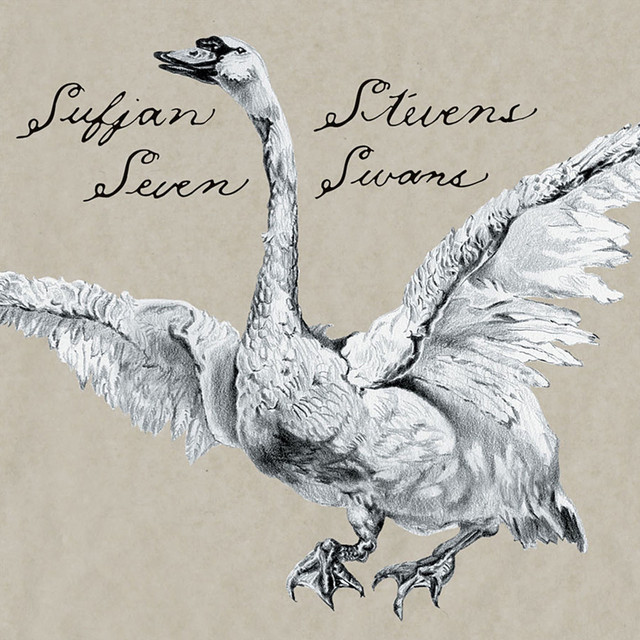
Often overshadowed by the more ambitious albums that bookended it, Seven Swans is among Stevens' most intimate records. It explores faith, doubt, and devotion through sparse arrangements and careful songwriting. The acoustic setting places unusual emphasis on his lyrics and melodies. Songs like "The Transfiguration" achieve a sense of spiritual wonder without requiring listeners to share his beliefs. The album's quietness becomes a source of strength. It's one of the most moving records of his career.
-
 William Basinski
One of the most extraordinary conceptual works in modern music. Basinski recorded decaying tape loops as they literally fell apart during playback, turning physical deterioration into the subject of the music itself. The resulting pieces are haunting, beautiful, and unexpectedly emotional. What begins as repetition gradually becomes a meditation on memory, loss, and impermanence. Few experimental works communicate so directly.
-
 PJ Harvey
After the polished collaborations of earlier records, PJ Harvey stripped her sound back down to something rougher and more immediate. The performances feel raw and instinctive, emphasizing emotional urgency over perfection. Songs like "The Letter" and "Shame" showcase her ability to make vulnerability sound powerful. The album may be less celebrated than some of her classics, but its intensity remains compelling. It's a fascinating portrait of an artist refusing complacency.
-
 The Streets
 -
 Björk
BjörkOne of the boldest experiments ever attempted by a major pop artist. Built primarily from human voices, Medúlla transforms beatboxing, choral singing, throat singing, and vocal manipulation into a complete musical language. Despite its conceptual framework, the album never feels academic. Tracks like "Who Is It" and "Oceania" remain emotionally direct and surprisingly accessible. It's a testament to Björk's ability to turn radical ideas into compelling music.
-
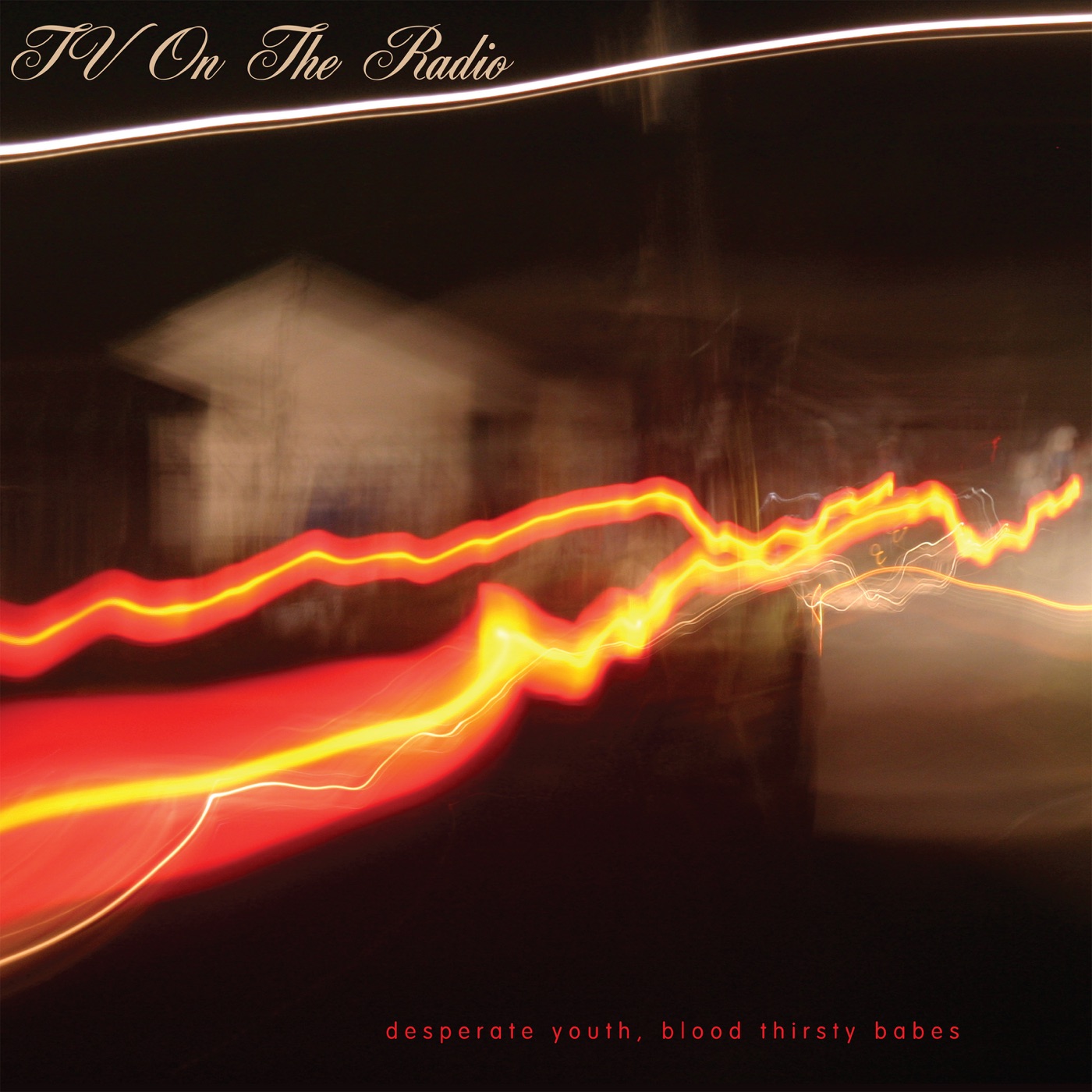 TV On The Radio


Do you like albums?
Want to make a list?
It’s free & easy &
the Whale is nice!
Learn more