2014
-
 Protomartyr
The guitars slash and lurch with barely controlled tension while Joe Casey delivers lines that sound both detached and deeply wounded. The album captures urban decay, personal exhaustion, and social collapse without turning any of it into grand apocalypse. Songs like “Scum, Rise!” and “Tarpeian Rock” feel intellectually sharp but physically grimy at the same time. It’s post-punk that understands despair as something ordinary and lived-in.
-
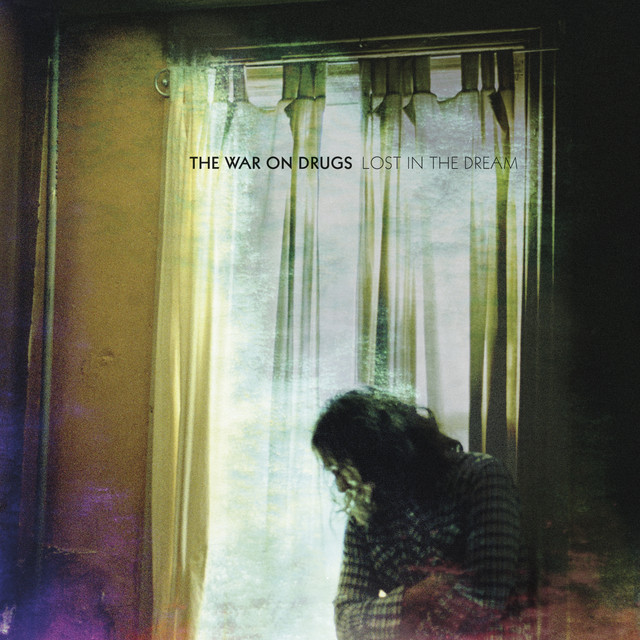
The War On Drugs
The album turns classic rock textures into something immersive and emotionally disoriented. Adam Granduciel layers guitars, synths, and motorik rhythms so carefully that the songs feel less constructed than inhabited. Tracks like “An Ocean in Between the Waves” and “Eyes to the Wind” stretch outward endlessly while still carrying deep loneliness underneath. "Red Eyes" still gives me goosebumps after hundreds of listens. The album sounds like driving through anxiety rather than escaping it.
-
 Spoon
SpoonThe band strips rock songs down to essentials without making them feel minimal or empty. Britt Daniel delivers hooks with casual confidence while the arrangements constantly reveal subtle rhythmic and textural details underneath. “Inside Out” and “Rent I Pay” show how much emotional tension Spoon can create through restraint alone. The album feels lean, precise, and completely self-assured. It sounds like a Spoon greatest hits album with only new material.
-
 D'Angelo
The grooves feel dense and alive, as though every instrument is breathing independently inside the mix. D'Angelo blends funk, soul, rock, jazz, and political urgency into songs that feel both meticulously arranged and completely spontaneous. Tracks like “Sugah Daddy” and “The Charade” carry enormous rhythmic complexity without ever losing warmth or intimacy. The album’s brilliance comes from how communal it sounds—music built from interaction rather than perfection.
-
 Hallelujah The Hills
One of the great overlooked indie-rock records of the 2010s, Have You Ever Done Something Evil? is packed with ambitious songwriting, emotional complexity, and a restless musical imagination. Ryan Walsh writes songs that feel both intensely personal and strangely communal, filled with vivid characters and unexpected turns. The album moves effortlessly between ragged guitar rock and more expansive arrangements without losing coherence. Its scale never feels self-important because the songs remain grounded in genuine feeling. Few bands have balanced intelligence and heart this well.
-
Guided By Voices
Released just a few months after English Little League, Motivational Jumpsuit demonstrates how quickly the new Guided by Voices lineup found its identity. Where its predecessors emphasized a fresh start, this album sounds like a band already operating with complete confidence, delivering a barrage of compact rock songs packed with hooks, riffs, and Pollard's uniquely surreal imagery. Tracks like "Planet Score" and "Record Level Love" showcase the effortless melodic invention that has kept Pollard productive for decades. The album balances classic power-pop instincts with occasional prog-rock detours, giving it more depth than its straightforward presentation initially suggests. Doug Gillard's presence is felt throughout, helping to shape a sound that is tighter and more muscular than many earlier GBV incarnations. It may not be one of the most celebrated albums in the catalog, but it's one of the most consistently enjoyable records of Pollard's late-career renaissance.
-
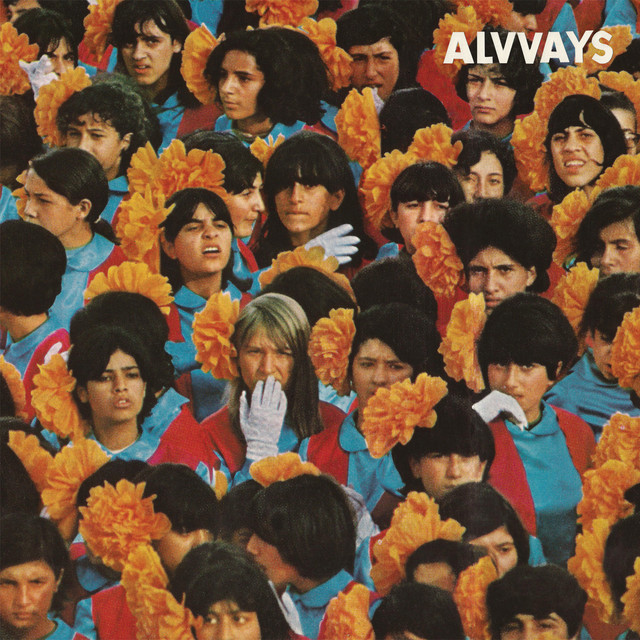
Alvvays
Alvvays' remarkable debut takes classic jangly indie-pop elements and gives them real emotional sharpness. Molly Rankin sings about dead-end relationships, boredom, awkwardness, and romantic self-delusion with a mix of sweetness and quiet exasperation that makes songs like “Archie, Marry Me” and “Adult Diversion” hit so hard. There’s enough melancholy underneath the shimmering melodies to keep the album from floating away into mere nostalgia. It captures the overlap between youthful freedom and creeping disappointment better than almost any indie-pop record of its era.
-
 Cymbals Eat Guitars
The album channels grief into restless, expansive indie rock that never settles emotionally or musically for long. Joseph D'Agostino writes about friendship, death, memory, and survival with raw specificity while the band constantly pushes the songs toward explosive release. Tracks like “Jackson” and “Child Bride” feel huge without sounding polished smooth. The record captures the chaos of trying to keep moving after loss.
-
Angel Olsen
Angel Olsen sings with an emotional intensity that feels both controlled and ready to rupture. The album moves between sparse folk intimacy and louder rock arrangements without losing coherence because the vulnerability at the center remains constant. “Forgiven/Forgotten” and “Windows” hit hard precisely because they sound conflicted rather than resolved. It’s a record about loneliness that never romanticizes isolation.
-
 Cloud Nothings
The album condenses frustration and desperation into short bursts of incredibly physical rock music. Dylan Baldi screams and strains against the songs while the band drives forward relentlessly beneath him. Even the catchiest hooks sound emotionally cornered. It’s punk-informed indie rock that values urgency over polish at every level.
-
 Parquet Courts
The band sharpens its wiry punk sound into something more tense and intellectually restless. Andrew Savage writes about boredom, capitalism, urban anxiety, and self-consciousness with enough humor to keep the songs agile instead of preachy. The rhythms feel locked-in but never static, constantly pushing the album forward. It sounds like nervous thought turned into momentum.
-
 FKA twigs
The production feels skeletal and intimate, full of empty space, fractured beats, and tiny sonic details that heighten tension rather than filling it. FKA twigs treats vulnerability, sexuality, and control as constantly shifting states instead of fixed identities. Songs like “Two Weeks” and “Pendulum” balance emotional exposure with aesthetic precision beautifully. The album sounds futuristic without sacrificing bodily immediacy.
-
 Liars
LiarsThe electronic textures feel cold and unstable, but there’s real emotional unease underneath the abstraction. Angus Andrew sounds isolated and disoriented as the songs drift through synthetic rhythms and shadowy atmospheres. The album avoids obvious climaxes, letting tension accumulate slowly instead. It’s experimental rock that feels psychologically claustrophobic.
-
 The Men
The album blends the momentum of punk energy with heartland rock looseness in a way that feels genuinely lived-in rather than retro-minded. Acoustic guitars, ragged vocals, and big open arrangements give the songs emotional warmth even when they’re restless or melancholy. The Men sound less interested in reinvention than in finding freedom inside familiar forms.
-
 Grouper
The piano recordings and soft vocals feel almost painfully close, as though the songs are occurring in private space not meant for public hearing. Liz Harris leaves room for silence, room noise, and hesitation, making absence part of the emotional design. The album’s sadness never becomes theatrical because it remains so small-scale and intimate. It feels like memory resurfacing quietly after being lost for generations.
-
 Sun Kil Moon
Mark Kozelek writes in long conversational narratives that pile up names, locations, deaths, and mundane details until ordinary life itself becomes emotionally overwhelming. The bluntness of songs like “Carissa” and “Ben's My Friend” is what gives them their power. The album treats mortality as something woven constantly into everyday existence rather than isolated tragedy. It’s deeply self-absorbed music made by an asshole, but also unusually attentive to the fragile specifics of other people’s lives.
-
 Future Islands
The synth-pop hooks are huge, but the emotional core comes from Samuel T. Herring’s raw, almost desperate vocal performances. His voice cracks, growls, pleads, and strains against the glossy surfaces of songs like “Seasons (Waiting on You).” The contrast between romantic vulnerability and danceable momentum gives the album unusual emotional force.
-
 Flying Lotus
The album races through jazz fusion, electronic music, prog, and hip-hop so quickly that it can feel overwhelming at first. Flying Lotus turns that density into a meditation on mortality, consciousness, and transformation rather than mere technical display. Even the most chaotic passages feel animated by curiosity and wonder. It’s maximalist music that still leaves emotional resonance behind.
-
 Great Elk
The album blends folk-rock warmth with dreamy psychedelia and a deep sense of emotional drift. The songs move patiently, allowing harmonies and layered instrumentation to create atmosphere gradually rather than pushing toward immediate payoff. Great Elk sound interested in space and texture as much as songwriting structure. It’s understated music that slowly pulls you into its mood.
-
Guided By Voices
With Doug Gillard once again playing a central role on Cool Planet, the album introduces a leaner, more muscular version of Guided by Voices. Pollard sounds rejuvenated, delivering one memorable melody after another on songs like "Bad Love Is Easy to Do" and "Ticket to Hide." The record moves quickly, but unlike some latter-day GBV albums, it rarely feels sketch-like or unfinished. There's a confidence throughout that comes from Pollard embracing his strengths.
-
 Deerhoof
La Isla Bonita condenses Deerhoof’s usual chaos into short, sharp explosions that rarely waste a second. The songs move with incredible speed and clarity, combining punk energy, tropical rhythmic hints, noise-rock guitars, and candy-colored melodies into something uniquely their own. “Exit Only” and “Paradise Girls” feel almost impossibly dense for tracks so brief. The album’s production is brighter and cleaner than some earlier Deerhoof records, which makes the rhythmic intricacy hit even harder. What’s impressive is how light the music feels despite how technically complex it is. The band sounds completely liberated from conventional genre logic here.
-
 Run The Jewels
Killer Mike and El-P sound completely locked together here, pushing each other toward sharper writing and bigger performances. The production hits with industrial force while still leaving room for humor and absurdity. Tracks like “Close Your Eyes (And Count to Fuck)” channel political anger into exhilarating momentum. The album succeeds because it never sacrifices personality for aggression.
-
 Shabazz Palaces
The record drifts through fragmented beats, whispered vocals, and abstract textures that often feel closer to dream logic than traditional rap structure. Ishmael Butler treats language rhythmically and atmospherically, allowing meaning to emerge gradually rather than directly. The album feels futuristic without relying on technological spectacle. Its looseness becomes immersive once you stop expecting conventional narrative movement.
-
 Ty Segall
Manipulator expands garage rock into something melodic and gloriously overloaded. Ty Segall moves through glam rock, psychedelia, heavy riffs, and acoustic detours without losing momentum because the hooks stay incredibly strong throughout. Even the messiest moments feel energized rather than indulgent. It’s a maximalist rock record built on pure enthusiasm for sound.
-
 Real Estate
The album refines the band’s soft-focus guitar pop into something emotionally richer and more detailed. Martin Courtney sings about routine, distance, and adulthood with understated melancholy that never pushes too hard for significance. The guitar interplay feels effortless, giving the songs an almost floating sense of movement. Songs like the masterful "Talking Backwards" find emotional resonance inside ordinary domestic life.
-
 Tweedy, Jeff Tweedy
The collaboration between Jeff Tweedy and his son Spencer Tweedy gives the album unusual warmth and looseness. The songs move comfortably between folk intimacy, ragged rock, and quiet reflection without worrying about cohesion too much. Underneath the relaxed atmosphere are meditations on illness, family, and emotional endurance.
-

The band keeps the menace of its punk roots but expands into darker, more theatrical territory filled with horns, strings, and sprawling arrangements. Elias Bender Rønnenfelt sings with chaotic romantic intensity that makes even the album’s most beautiful moments feel unstable. The record constantly teeters between elegance and collapse. It’s ambitious music that embraces excess without losing danger.
-
Mitski
The fuzzy guitars and raw production give the songs immediate physical force, but the emotional complexity underneath is what lingers. Mitski writes about desire, loneliness, performance, and self-erasure with startling directness. “Townie” and “First Love / Late Spring” sound simultaneously defiant and emotionally trapped. The album captures the exhaustion of wanting connection while fearing what intimacy might expose.
-
 Sharon Van Etten
The arrangements grow fuller and more dramatic than on earlier records, but the emotional center remains painfully intimate. Sharon Van Etten sings about damaged relationships and self-reconstruction with remarkable honesty and restraint. Tracks like “Your Love Is Killing Me” and “Every Time the Sun Comes Up” build emotional intensity slowly instead of exploding outright. The album feels wounded, but never helpless.
-
 Gord Downie, The Sadies
The record feels loose, strange, and exploratory, built around atmosphere and instinct rather than polished songwriting structure. Gord Downie sounds energized by collaboration, drifting through poetic fragments and emotional impressions with restless curiosity. The music often feels suspended between rock, spoken word, and dream logic. Its appeal comes from its unpredictability and openness.
-
 Andy Stott
The album moves slowly and heavily, as though every beat were pushing through a foggy atmosphere. Distorted textures, submerged rhythms, and Alison Skidmore’s ghostly vocals create a feeling of emotional isolation without turning cold. The music is immersive in a physical sense—you can almost feel its weight pressing downward.
-
 Freddie Gibbs, Madlib
Madlib fills the album with dusty soul loops, strange transitions, and constantly shifting textures that feel simultaneously classic and unstable. Freddie Gibbs raps with remarkable precision and control, balancing street detail, dark humor, and introspection without romanticizing any of it. The chemistry between them works because neither artist smooths out the other’s edges. It’s a rap album rooted deeply in tradition while still sounding unpredictable and alive.




Do you like albums?
Want to make a list?
It’s free & easy &
the Whale is nice!
Learn more