2020
-
The Strokes
For once, the band sounds genuinely reflective instead of merely detached. Julian Casablancas still delivers lines with slack coolness, but there’s real fatigue and tenderness underneath songs like “Selfless” and “Ode to the Mets.” "Bad Decisions" mashes up "I'll Melt With You" and "Dancing With Myself" to wondrous effect. The production stretches their sound outward into synth-pop and dreamier textures without losing the nervous momentum that always defined them. It feels like the band is reluctantly acknowledging adulthood.
-
Fiona Apple
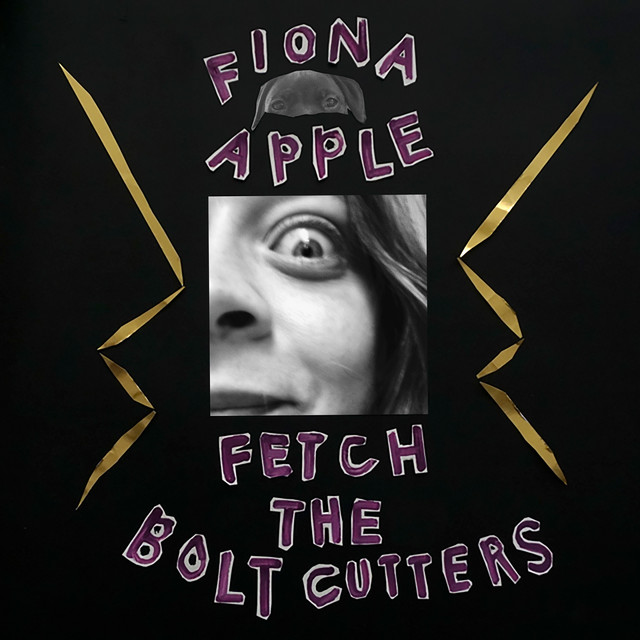
Fetch the Bolt Cutters sounds physically inhabited—dogs barking, percussion rattling, voices crowding into the edges of the mix. Fiona Apple turns that looseness into freedom, letting songs expand and contract according to emotional logic rather than formal structure. “Shameika” and “Under the Table” feel conversational until the rhythmic complexity underneath starts revealing itself. The album’s brilliance comes from how fully it trusts instinct without losing precision.
-
 Waxahatchee
After the brilliant indie-rock moves of Out In The Storm, on Saint Cloud the songwriting grows clearer and calmer without becoming emotionally smaller. Katie Crutchfield writes about sobriety, memory, and self-recognition with a steadiness that makes the details hit harder. Songs like “Can't Do Much” and “Hell” move with country-rock warmth, letting the melodies carry quiet confidence instead of drama. Ballads like "Arkadelphia" and "Saint Cloud" show off graceful and unforgettable melodies. It’s a record about change that never treats healing as simple triumph.
-
 Dogleg
Everything hits with the force of someone trying to outrun panic. The guitars crash forward relentlessly while Alex Stoitsiadis screams with enough desperation to make even the catchiest moments feel unstable. Tracks like “Fox” and “Kawasaki Backflip” balance emo vulnerability with hardcore physicality remarkably well. The album captures frustration before it has time to harden into cynicism. The finale, "Ender", is one of the great album-closers of the decade so far.
-
 Protomartyr
The addition of horns and strings deepens the band’s bleak atmosphere without softening it. Joe Casey delivers lines with dry detachment that somehow makes the anxiety underneath even more palpable. Songs like “Processed by the Boys” feel heavy with social exhaustion but never collapse into despair entirely. The album captures modern alienation with unusual clarity and dark humor.
-
 Jay Electronica
The long delay before its release hangs over the album, but in an interesting way—the songs feel suspended between revelation and incompletion. Jay-Z’s heavy presence (I mean we hear his voice before JE's) turns the record into more of a dialogue than a solo statement, while Jay Electronica’s verses move through mysticism, politics, and autobiography with unusual fluidity. The production stays warm and understated, avoiding the grandeur the mythology around the album might have suggested. It feels less like a coronation than a dispatch from someone still wrestling with belief and identity.
-
 Sumac
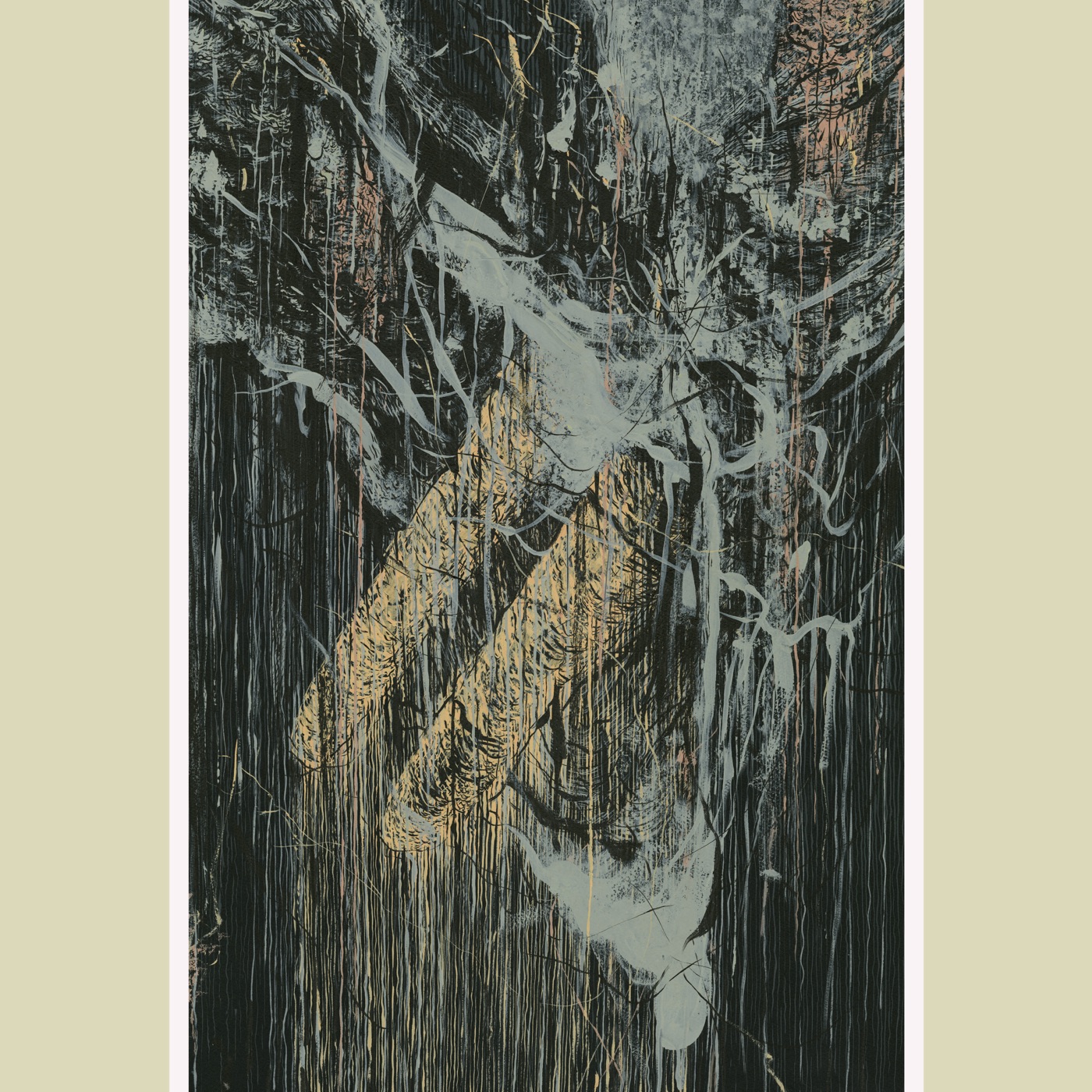
SumacThe music unfolds like prolonged confrontation rather than performance. Massive, oppressive riffs, free improvisation, and Keiji Haino’s feral vocal presence create tension that rarely resolves cleanly. Even at its loudest, the album feels strangely patient, letting silence and repetition build pressure gradually. It’s extreme music that values texture and endurance over simple impact.
-
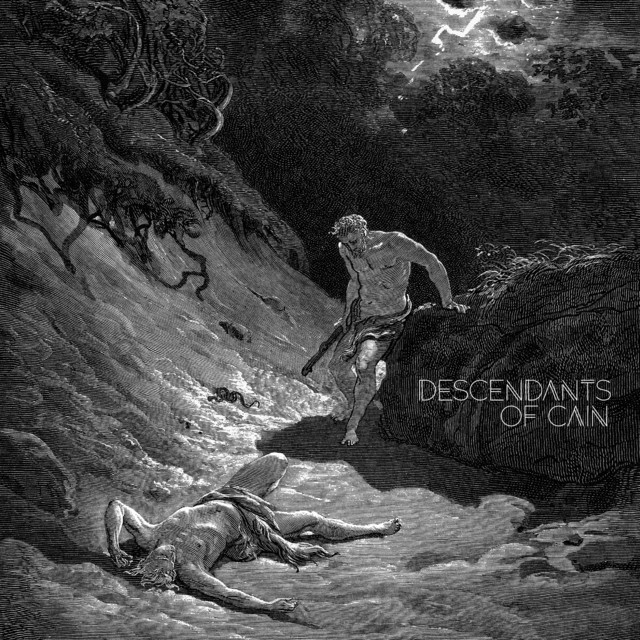
The production is skeletal enough that every word feels carved into silence. Ka raps quietly, almost conversationally, layering biblical imagery, street history, and moral reflection without ever raising his voice. The restraint gives the album enormous gravity. It’s one of those records where the spaces between lines matter as much as the lines themselves.
-
 SAULT
SAULTThis mysterious album moves rapidly between funk, gospel, soul, post-punk, and spoken-word fragments without losing coherence. Songs often feel unfinished in a deliberate way, as if urgency matters more than polish. The collective nature of the project gives the record emotional breadth—rage, celebration, exhaustion, and pride coexist without being neatly organized. It sounds communal rather than auteur-driven, which gives it unusual energy.
-
Adrianne Lenker
The recordings are so intimate they sometimes feel overheard rather than presented. Adrianne Lenker writes in tiny sensory details—light, plants, skin, weather—that slowly accumulate emotional weight. The acoustic arrangements stay sparse enough that every pause and breath matters. Some of the most gorgeous music to be found - "Not A Lot, Just Forever" and "Dragon Eyes" especially.
-
 Bonny Light Horseman
Traditional folk songs and original material blend together so naturally that the distinction stops mattering. Anaïs Mitchell, Josh Kaufman, and Eric D. Johnson sing with loose, lived-in chemistry that keeps the music from becoming precious. The arrangements stay warm and understated, allowing the melodies to feel timeless without sounding museum-like. It’s folk music built around companionship rather than purity.
-
 Turia
TuriaThe album moves with a strange sense of fluidity for black metal—tremolo riffs and blast beats are constantly in motion, but never feel purely violent or claustrophobic. Turia builds atmosphere through repetition and texture rather than sheer density, letting melodies emerge slowly from the turbulence. The production keeps the instruments raw and windswept without turning them into formless haze, which gives tracks room to breathe and expand. What lingers most is the feeling of momentum: the music sounds less like destruction than transformation, restless and searching even at its harshest.
-
 Jeff Tweedy
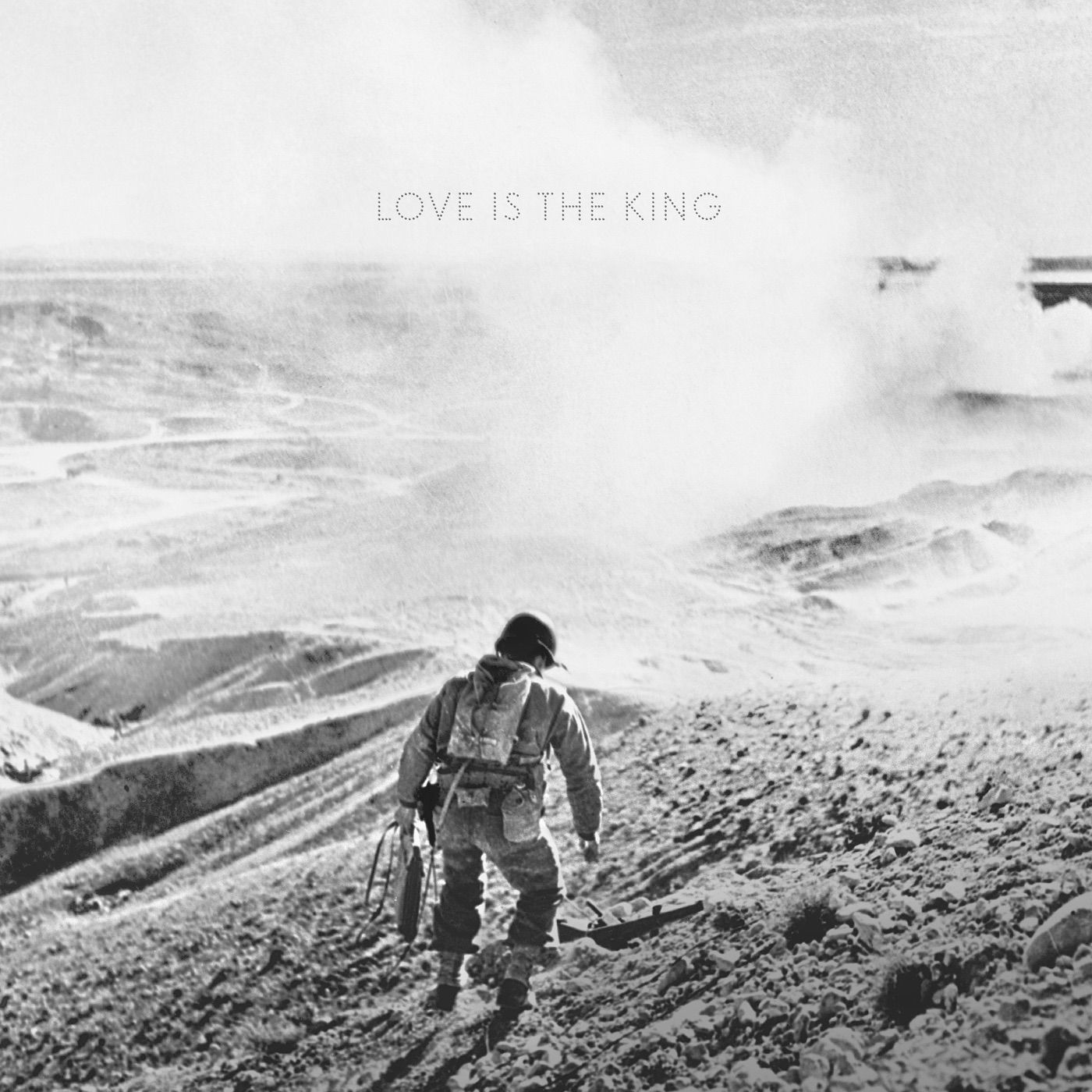
The songs feel domestic in the deepest sense—not small, but grounded in ordinary intimacy and routine. Tweedy’s acoustic arrangements are simple enough to leave every hesitation in his voice exposed. Tracks like “Guess Again” and “Half-Asleep” avoid grand statements, trusting warmth and repetition instead. The album finds emotional weight in steadiness.
-
Armand Hammer
The production feels fragmented and nocturnal, full of loops that seem partially decayed. Billy Woods and Elucid rap in dense, associative language that rewards close listening without ever resolving into simple meaning. Guest appearances drift in and out like additional voices in the fog. The album’s opacity is part of its emotional realism.
-
 Shabaka and the Ancestors
The record balances spiritual jazz intensity with deep rhythmic grounding. Shabaka Hutchings leads the ensemble toward long, searching passages that feel communal rather than virtuoso-driven. Even at its most turbulent, the music keeps returning to groove and collective motion.
-
Phoebe Bridgers
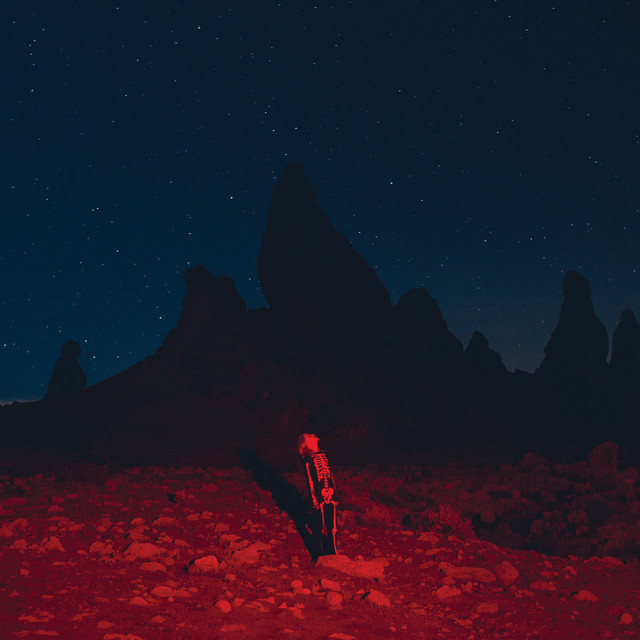
The arrangements stay hushed and controlled even when the emotions underneath become overwhelming. Phoebe Bridgers writes with sharp observational detail, grounding existential anxiety in parking lots, phone calls, and awkward conversations. "Kyoto" balances sadness and regret in a buoyant indie-pop setting, and “I Know the End” slowly transforms from intimate folk into apocalyptic release without feeling forced. The album’s sadness feels specific enough to avoid self-mythology.
-
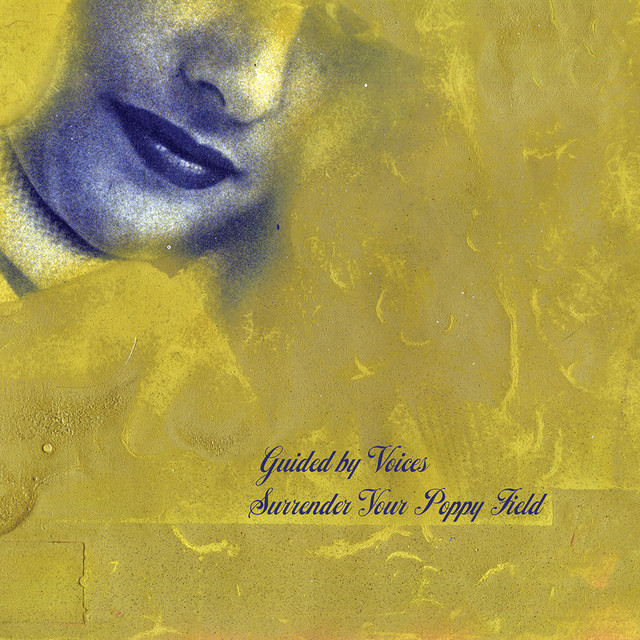
Guided By Voices
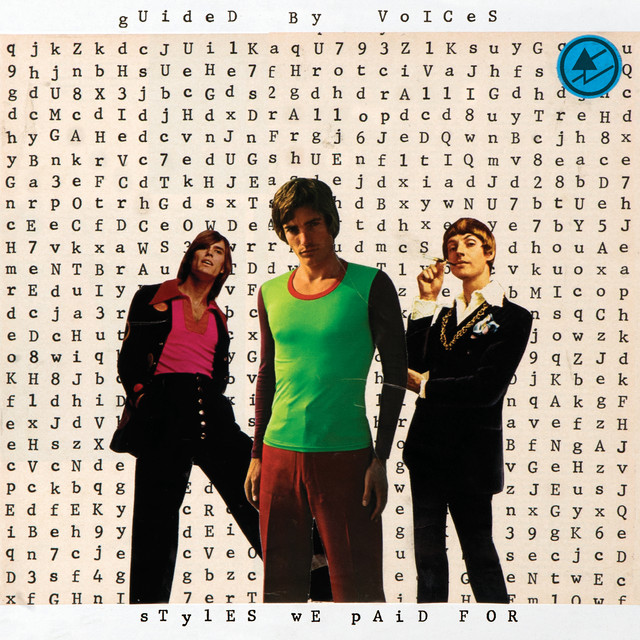
Written quickly during the pandemic, Styles We Paid For feels immediate and unfiltered. The songs are packed with ideas, often changing direction unexpectedly. Pollard's productivity becomes a strength rather than a liability because the inspiration level remains high. The album has a restless, exploratory quality.
-
Guided By Voices
One of the most polished albums of the current era without sacrificing spontaneity. Pollard's melodies arrive with unusual frequency, and the band sounds fully comfortable in its expanded role. The album flows smoothly despite its stylistic variety. There is a confidence here that comes from decades of experience. A consistently strong entry in a vast catalog.
-
 Deerhoof
The band strips back some of its usual chaos, which makes the strange rhythms and melodic turns even more noticeable. Satomi Matsuzaki sings with playful calm while the instruments keep subtly destabilizing the songs underneath her. The homemade quality of the recordings gives the album unusual warmth. It feels inventive without trying to impress you with invention.
-
Guided By Voices
Perhaps the most accessible GBV album of the 2020s. The songs are concise, melodic, and unusually welcoming. Pollard sounds less interested in fragmentation and more interested in classic songcraft. The result is one of the easiest entry points into the modern catalog. Beneath the accessibility, however, plenty of strange details remain.
-
 Run The Jewels
The aggression lands harder because the chemistry between Killer Mike and El-P feels so locked-in by this point. The beats hit with industrial force, but there’s enough humor and flexibility to keep the album from becoming one-note. Tracks like “walking in the snow” and “JU$T” connect political anger to personal exhaustion in ways that feel immediate rather than rhetorical. It’s protest music that still understands momentum and entertainment matter too.
-
 Porridge Radio
Dana Margolin repeats phrases until they stop sounding merely lyrical and start sounding compulsive, desperate, even protective. The band builds songs gradually, layering tension instead of rushing toward climax. “Sweet” and “Lilac” capture self-doubt with uncomfortable precision while still leaving room for catharsis. It’s emotionally raw music that never mistakes rawness for shapelessness.
-
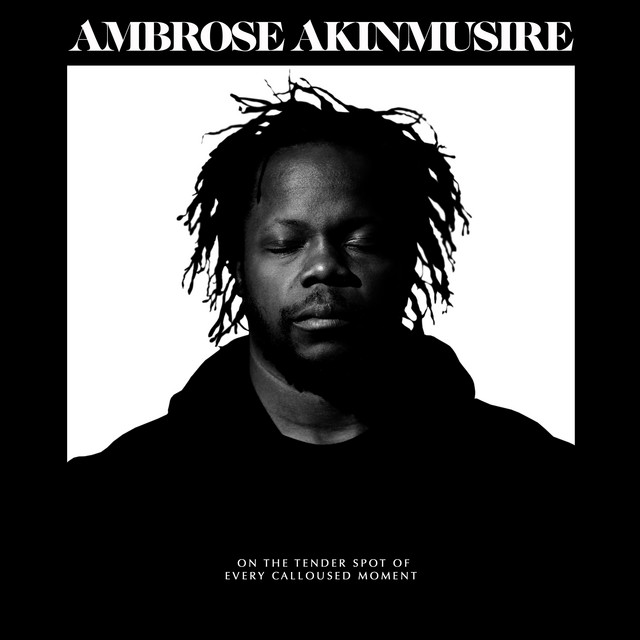
Ambrose Akinmusire
-
 Yves Tumor
 -
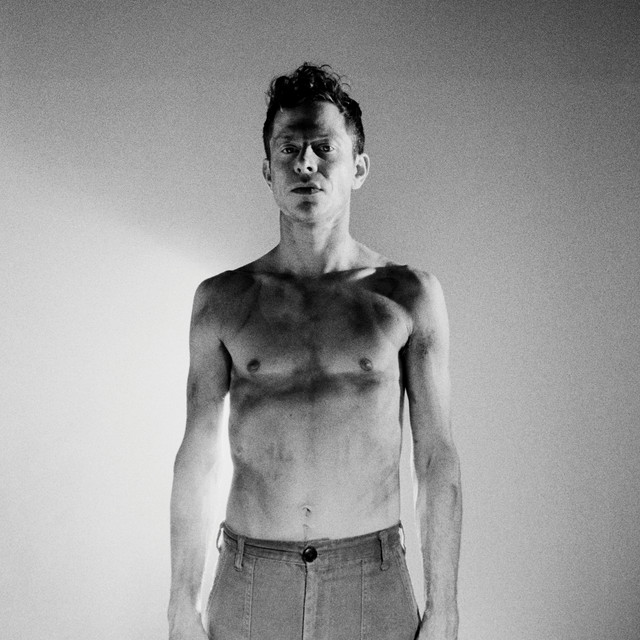
Perfume Genius
-
 Emma Ruth Rundle, Thou
 -
 The Flaming Lips
 -
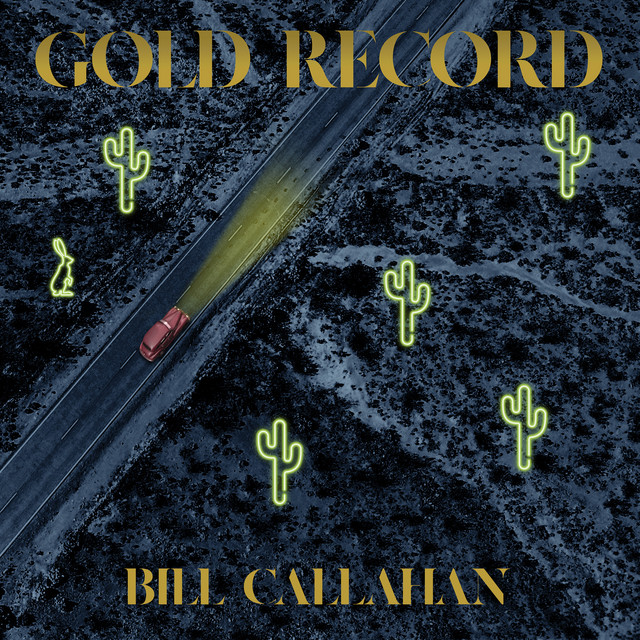
Bill Callahan



Do you like albums?
Want to make a list?
It’s free & easy &
the Whale is nice!
Learn more