2003
-
Songs: Ohia, Jason Molina
Jason Molina turns heartland rock into something haunted and enormous here. “Farewell Transmission” opens the album like a weather system rolling in — long, ragged, and weirdly triumphant — while “John Henry Split My Heart” and “Almost Was Good Enough” balance toughness with exhaustion. Molina showed he could level up with Didn't It Rain, then he did it again here.
-
 The Wrens
This album sounds like years of frustration compressed into fifty minutes. “Hopeless,” “She Sends Kisses,” and “Happy” are deliberately messy — overloaded with vocals, tape hiss, emotional spillover, and tiny melodic details that reveal themselves slowly. Few indie rock records capture adult disappointment with this much intensity without becoming self-pitying.
-
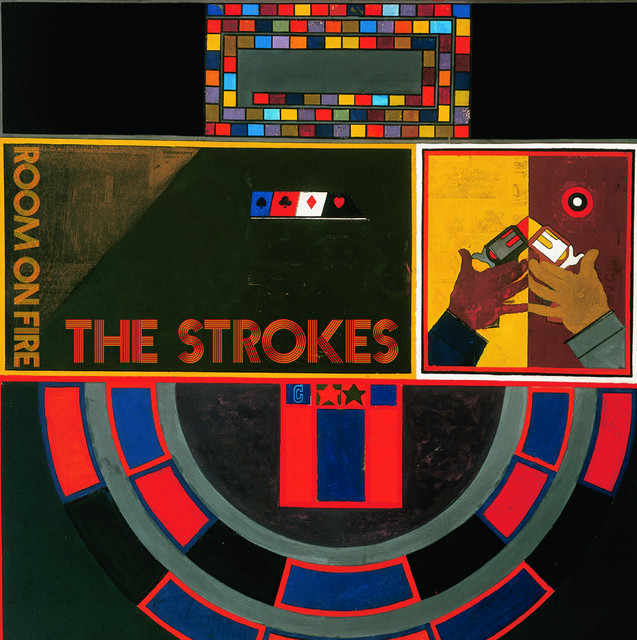
The Strokes
Instead of reinventing themselves after the unforgettable debut, The Strokes refined their strengths until everything sounded leaner and sharper. “Reptilia” is all tension and release, “12:51” turns a rubbery synth-guitar tone into the album’s signature sound, and “Automatic Stop” hides surprisingly intricate melodies under the cool exterior. While the world waited to see if they were for real, The Strokes answered with a record nearly as timeless as their first.
-

Califone's second LP sounds like folk music reconstructed from damaged tape loops, junkyard percussion, and half-erased field recordings. Songs like “Horoscopic.Amputation.Honey,” “Michigan Girls,” and “Your Golden Ass” feel simultaneously earthy and ghostly, as if the music is decaying while it plays. Tim Rutili’s songwriting keeps the whole thing emotionally grounded even when the arrangements become strange and fragmented. What makes the record endure is how tactile it feels — you can almost hear the wood, dust, wires, and room noise embedded inside the songs.
-
 Constantines
Constantines self-titled 2000 debut was a wake up call for rock n' roll. On its follow up, the band sounds fuller and even more forceful. Bryan Webb’s voice gives everything a desperate, late-night urgency. The guitars sound like collapsing brick walls, but there’s poetry buried inside the debris. “Young Lions,” “National Hum,” and the title track combine post-punk tension with bar-band warmth in a way very few bands manage.
-
 Broken Social Scene
This is one of the defining “collective” albums of the era — dozens of sounds colliding into something improbably cohesive. “Stars and Sons” and “Almost Crimes” feel euphoric and chaotic at once, while “Anthems for a Seventeen Year-Old Girl” became iconic because of how fragile and dreamy it is without losing momentum, and "Cause = Time" features some of the most memorable riffs of the era. The album constantly threatens to come apart, which is exactly why it feels alive.
-
 Drive-By Truckers
This is where the Truckers fully became novelists with amplifiers. “Marry Me” exposes the myths and false promises rock ’n’ roll feeds to the impressionable, “Sink Hole” turns working-class frustration into something funny and bleak, and the title track plays like Southern gothic tragedy. The songwriting is dense with detail, but the band never loses its ragged momentum.
-
 Radiohead
Rather than choosing between guitars and electronics, the band lets both coexist in a nervous, fragmented landscape. “There There” builds from tribal percussion into one of Radiohead’s biggest emotional payoffs, “2 + 2 = 5” explodes beautifully, and “Wolf at the Door” ends the album in paranoid half-whispers. It’s messier compared to their most perfectly sequenced records, but that instability suits the mood.
-
Supersilent
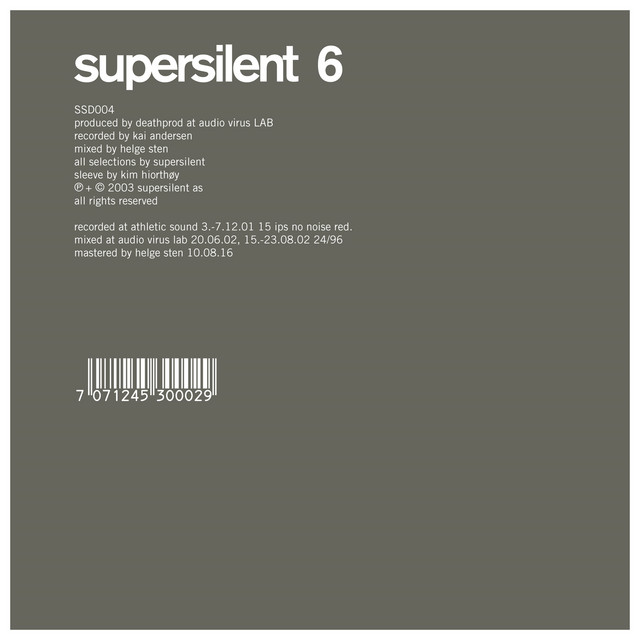
6 strips Supersilent’s sound down to something cold, spacious, and almost ritualistic. The album moves slowly through long stretches of electronic drone, distant trumpet, and near-silence, creating tension through atmosphere rather than traditional structure or improvisational fireworks. Arve Henriksen’s trumpet often sounds less like jazz instrumentation than some fragile signal emerging through static and darkness. What makes the record compelling is how carefully the group controls space and texture — every low-frequency pulse or faint melodic fragment feels significant. The music can feel isolating, but never empty. It’s one of those rare ambient-jazz records that genuinely changes your sense of physical space while listening to it.
-
 Centro-matic
Centro-matic take ragged, distorted indie rock and fill it with surprisingly tender songwriting. “The Mighty Midshipman,” “Flashes and Cables,” and “Spiraling Sideways” sound blown-out and immediate, but underneath the fuzz are melodies that linger. Will Johnson has a gift for making exhaustion sound warm, and the band’s rough edges give the whole album momentum. It’s a loud, worn-in record that
feels intimate instead of overwhelming. -
 Ted Leo and the Pharmacists
Ted Leo fuses punk energy with power-pop craftsmanship better than almost anybody from this era. “Where Have All the Rude Boys Gone?” and “The High Party” are packed with hooks, but songs like “Bridges, Squares” give the album emotional depth beneath all the velocity. The playing is restless and precise at the same time.
-
 Caribou
Dan Snaith takes psychedelic pop apart and rebuilds it from looping fragments, live drums, electronics, and walls of vocal harmonies. “Start Breaking My Heart,” “Hendrix with Ko,” and “Lord Leopard” constantly shift between delicate melody and rhythmic overload without losing their sense of play. The album feels handcrafted despite how dense it gets, with every sound slightly frayed around the edges. It’s experimental music that remains deeply melodic and inviting.
-
 Damien Jurado
Jurado strips things down to quiet, beautiful acoustic arrangements that make every lyric feel uncomfortably close. “Ohio,” “Matinee,” and “Abilene” unfold with conversational detail, but the emotional tension underneath them is intense. His writing avoids dramatic gestures; instead, the songs linger on awkward silences, regret, and small moments people usually leave out of songs. Jurado makes timeless folk songs sound of the moment - and when he decides to plug in and crank out a rocker, as on "Texas to Ohio", it hits just right.
-
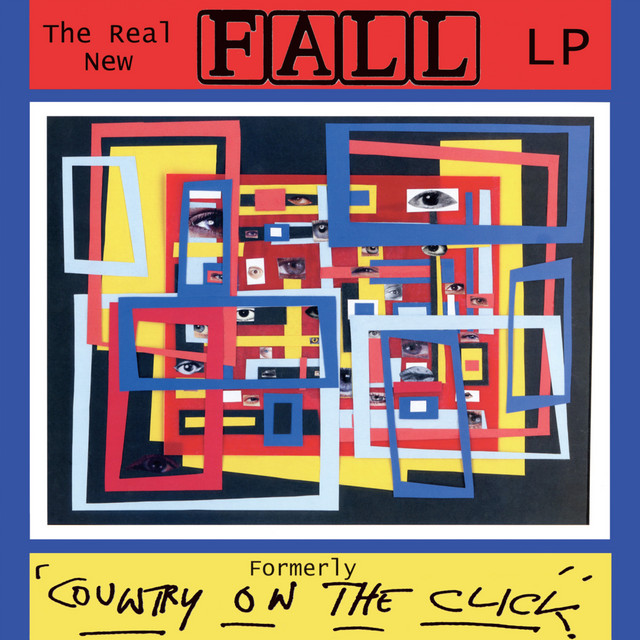
Mark E. Smith sounds both disgusted and energized, which is usually when The Fall are at their best. “Theme from Sparta F.C.” is bizarrely anthemic, “Proteinprotection” lurches forward on pure irritation, and “Mountain Energei” turns repetition into hypnosis. The album proves the band could still sound dangerous decades into their career.
-
 The New Pornographers
This album moves at a ridiculous pace, throwing out massive choruses one after another without tiring. “The Laws Have Changed,” “From Blown Speakers,” and “The Electric Version” are packed with melodic left turns that somehow still feel immediate. It’s maximalist pop music built by people obsessed with structure.
-
 Paul Westerberg
Westerberg leans into middle-aged uncertainty instead of fighting it. Rockers like "Making Me Go" & "Crackle & Drag" are as sharp as they've been since The Replacements disbanded (save a Grandpaboy LP or two), while the ballads (“What a Day (For A Night)”, “Never Felt Like This Before”, “Meet Me Down The Alley”) sound casual at first, but the songwriting is full of sharp little emotional reversals. The looseness gives the album warmth rather than sloppiness. It's the all new basement tapes.
-
 The Books
The Books assemble found sounds, acoustic instruments, and spoken-word fragments into something deeply emotional. “Tokyo,” “Take Time,” and the title track feel less like songs than carefully arranged memories. The album’s collage approach could have been coldly conceptual, but instead it feels human.
-
 Gord Downie
Freed from the arena-rock expectations of The Tragically Hip, Downie lets these songs wander into stranger emotional territory. “Figment,” “Christmastime in Toronto,” and “Pascal’s Submarine” feel loose and unpredictable, full of vivid phrases and nervous energy that never settle completely. The record has a restless, late-night quality — intimate, funny, melancholy, and slightly unhinged all at once. You can hear Downie testing how fragmented and personal his songwriting could become outside the Hip.
-
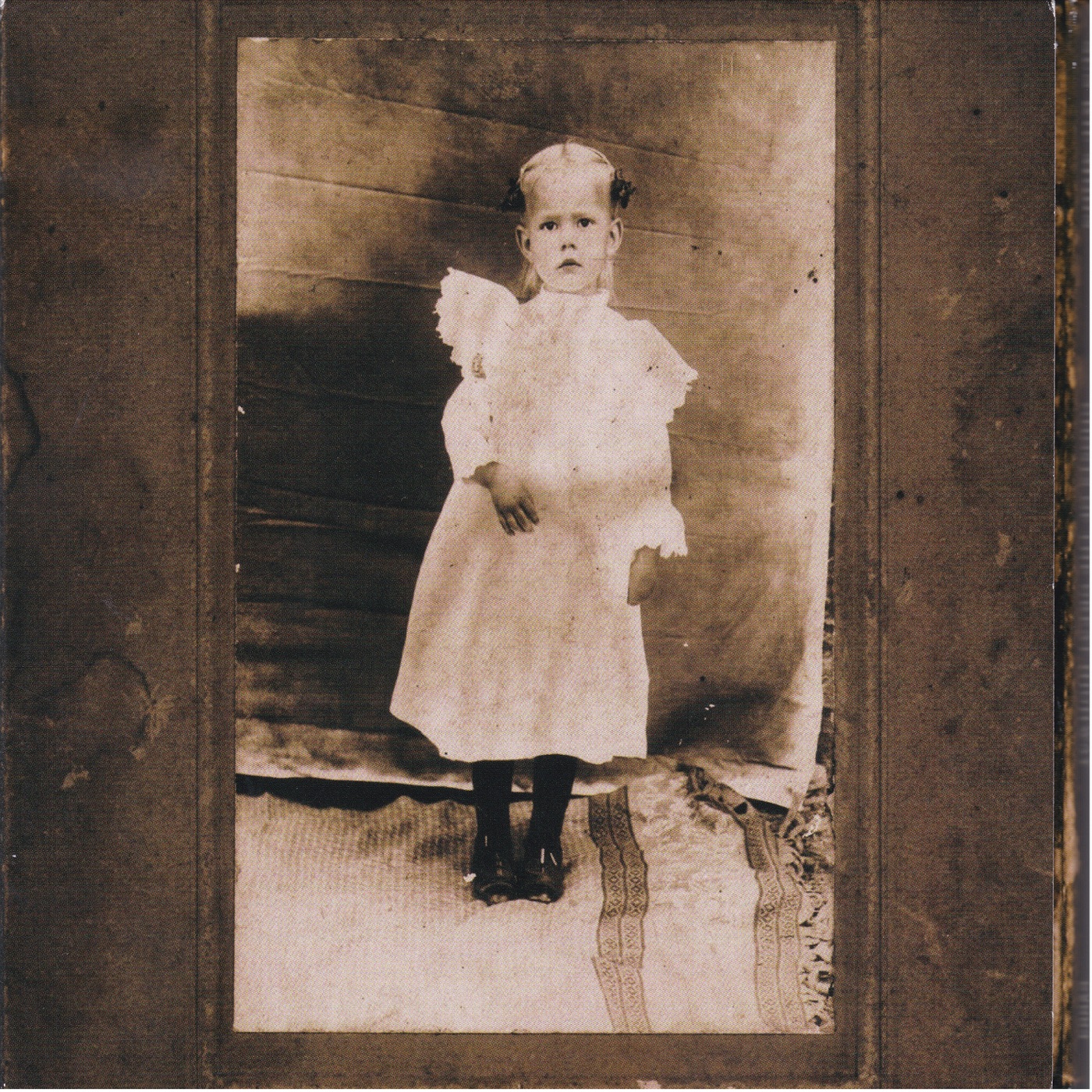 Sun Kil Moon
Mark Kozelek stretches songs out until they feel suspended in time. “Carry Me Ohio” and “Salvador Sanchez” are built from repetition and detail rather than dramatic climaxes, while “Glenn Tipton” quietly becomes devastating over its long runtime. The album’s patience is what makes it so absorbing.
-
 Viktor Vaughn, MF DOOM
DOOM sounds younger, faster, and more reckless under the Viktor Vaughn persona. Tracks like “Saliva,” “Can I Watch?” and “A Dead Mouse” run on strange underground beats that give the album a grimy comic-book atmosphere. It’s one of his funniest and most agile performances.
-
 Sufjan Stevens
The album treats Michigan less like a setting than a collection of emotional weather patterns. “Flint (For the Unemployed and Underpaid)” and “Romulus” are intimate and bruised, while “Detroit, Lift Up Your Weary Head!” expands into something almost celebratory. Sufjan’s arrangements are intricate without losing their homemade tenderness.
-

James Mercer writes melodies so clean and precise they can disguise how strange the songs actually are. “Kissing the Lipless,” “Pink Bullets,” and “Saint Simon” balance bright arrangements with uneasy undercurrents. The craftsmanship is meticulous without ever feeling sterile.
-
 Deerhoof
Apple O’ sounds like a pop record that keeps joyfully sabotaging its own momentum. The band collides noise, nursery-rhyme melodies, fractured rhythms, and bursts of sweetness without ever making the songs feel random or academic. Satomi Matsuzaki’s vocals are central to the album’s strange emotional tone — innocent on the surface, but often surrounded by music that feels unstable or tense. Tracks like “Dummy Discards a Heart” and “Apple Bomb” constantly shift between delicacy and abrasion within seconds. What makes the album memorable is how playful it is without becoming cute. Deerhoof treat dissonance and chaos as something exhilarating rather than confrontational.
-
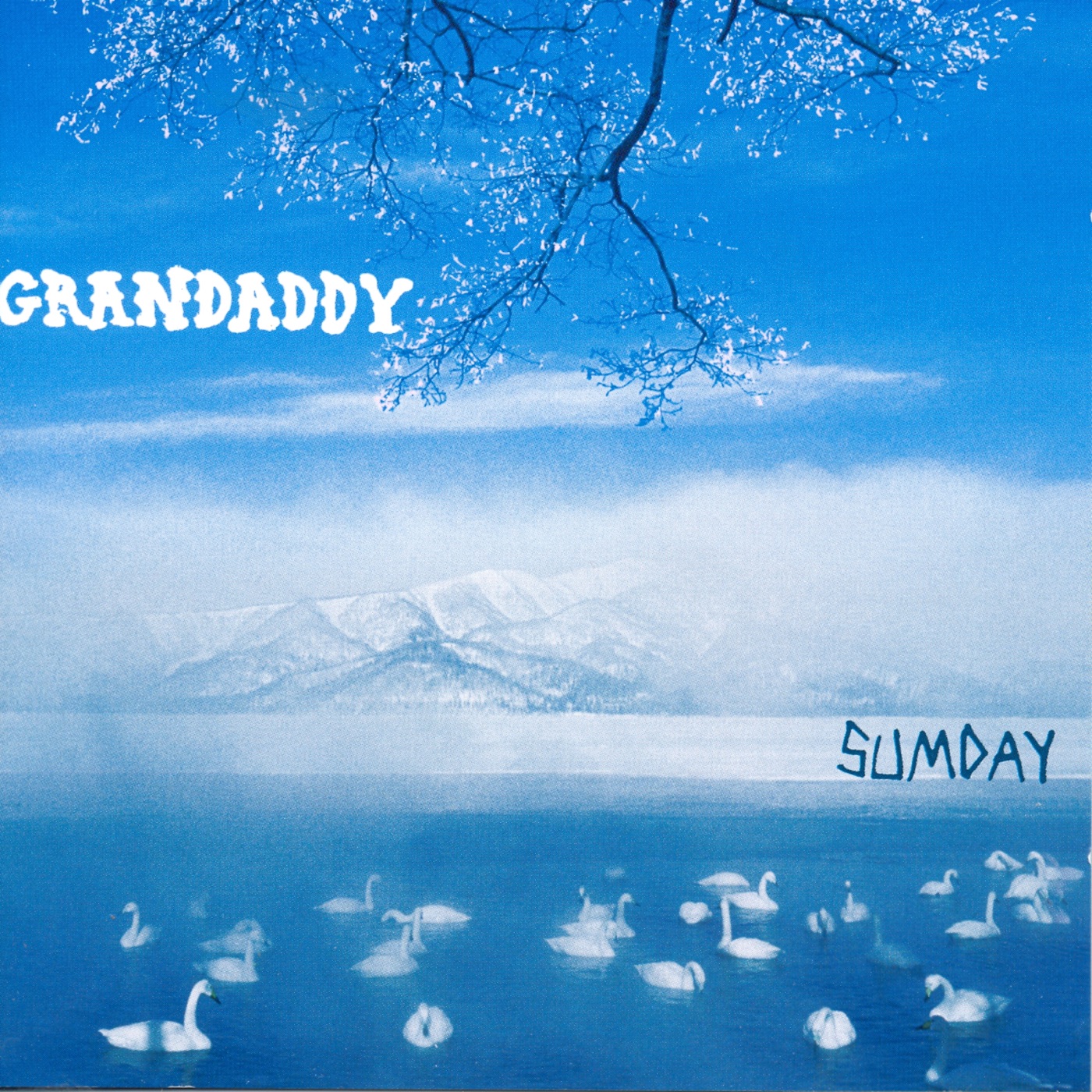 Grandaddy
Grandaddy make songs about technology, isolation, and burnout sound oddly beautiful. “Now It’s On,” “El Caminos in the West,” and “The Group Who Couldn’t Say” combine fuzzy electronics with worn-out human feeling. The album feels both futuristic and deeply tired.
-
Four Tet
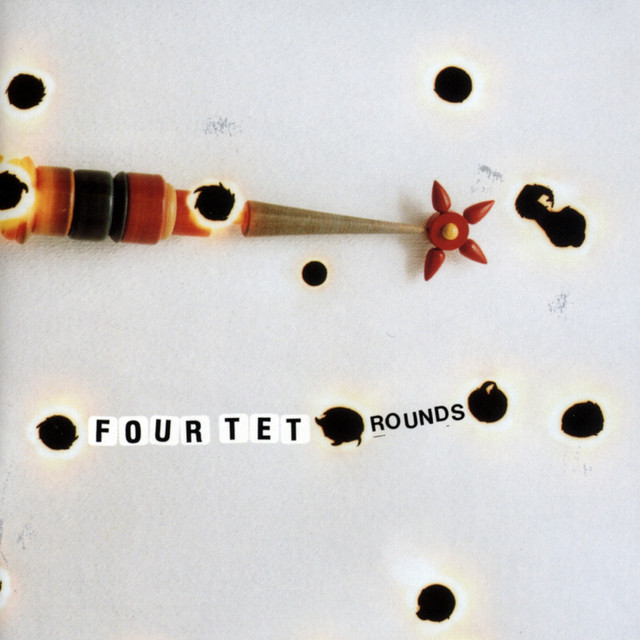
Kieran Hebden blends folk textures, hip-hop rhythm ideas, and electronic repetition into something that feels organic rather than programmed. “She Moves She,” “As Serious as Your Life,” and “Hands” drift and pulse with incredible subtlety. The album helped redefine what emotionally warm electronic music could sound like.
-
 M. Ward
Ward’s guitar playing is the secret engine of the album — loose, bluesy, and full of tiny expressive details. “Vincent O’Brien,” “Helicopter,” and “Sad Sad Song” sound antique without becoming revivalist exercises. The whole record glows with dusty warmth.
-
 Jason Molina
This is one of Jason Molina’s starkest and strangest records — less a conventional rock album than a slow-moving spiritual séance. Songs like "Spectral Alphabet" and "Long Desert Train" drift through sparse percussion, echo, and near-silence, giving the whole album an eerie physical space around it. Unlike the fuller band sound of The Magnolia Electric Co., these recordings feel isolated and ritualistic, with Molina sounding like he’s singing from the far end of an empty building. The album’s power is how the emptiness becomes part of the music itself.
-
 Yeah Yeah Yeahs
Karen O turns every song into performance art without losing the hooks underneath the chaos. “Maps” became the emotional centerpiece, but “Date with the Night” and “Y Control” are just as important for showing how physical and explosive the band could be. The album made garage rock feel dangerous and theatrical again.
-
 Guided By Voices
A fascinating late-period GBV record that blends polished production with flashes of classic lo-fi weirdness. Pollard delivers a steady stream of memorable songs, while the band sounds fully comfortable in its expanded rock-band identity. Tracks like "My Kind of Soldier" and "I'll Replace You with Machines" rank among the highlights of the era. The album's variety keeps it engaging from beginning to end. It's often overshadowed by Isolation Drills but deserves similar praise.
-
Smog
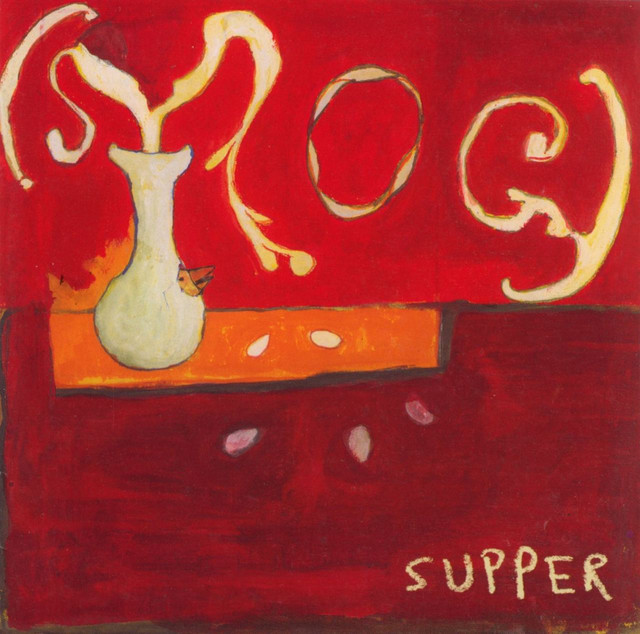
Supper is one of the most distinctive and quietly majestic albums in the SMOG catalog. Callahan’s voice has become deeper and more commanding, while the music settles into a hypnotic mixture of folk, country, chamber-pop, and minimalism. The album’s songs often feel like fragments of dreams or private conversations overheard at three in the morning. “Feather by Feather” and “Our Anniversary” demonstrate how much emotional power Callahan can wring from remarkably simple arrangements. There is a confidence here that makes the earlier records’ awkwardness feel almost like a necessary apprenticeship. Supper is melancholy without being miserable, strange without being inaccessible, and probably the clearest statement of mature SMOG.
-
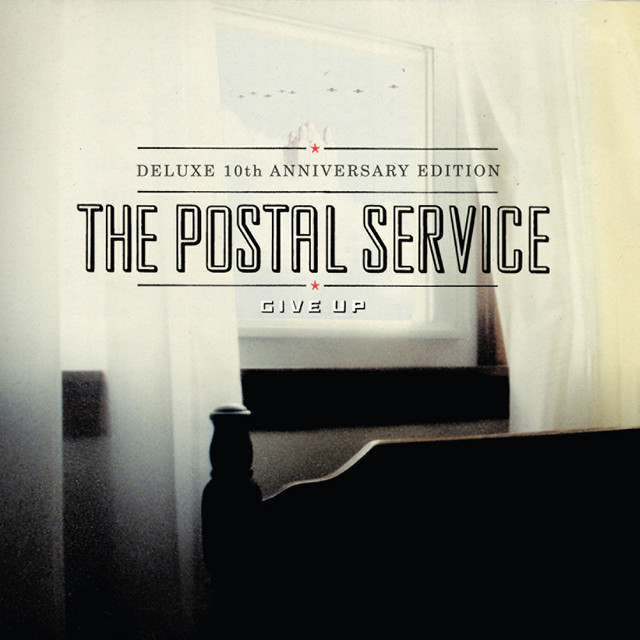
The Postal Service
-
 King Geedorah
 -
 Dirty Three

Do you like albums?
Want to make a list?
It’s free & easy &
the Whale is nice!
Learn more