2007
-
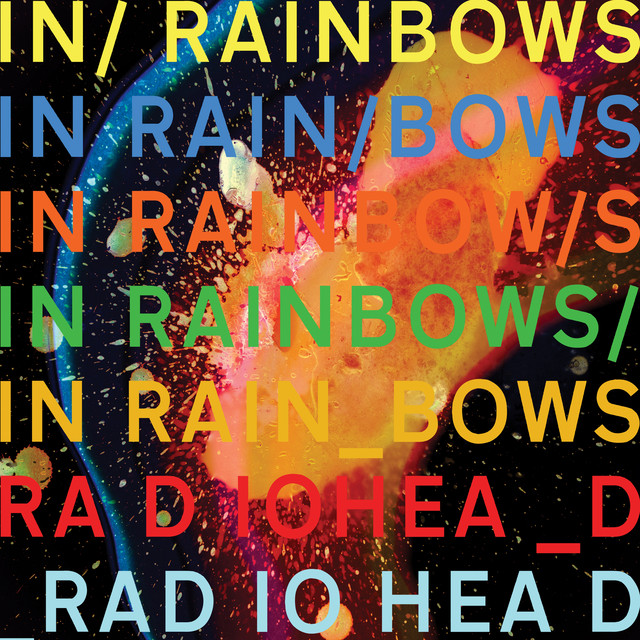
Radiohead
In Rainbows is sheer brilliance - a concise, instrumentally fluid, and song-oriented album from arguably the best band of the past 15 years. The album feels remarkably warm and human for a band often associated with technological alienation and abstraction. Thom Yorke sings about desire, anxiety, obsession, and emotional disconnection with tenderness while the band plays with incredible rhythmic subtlety and restraint. Priceless.
-
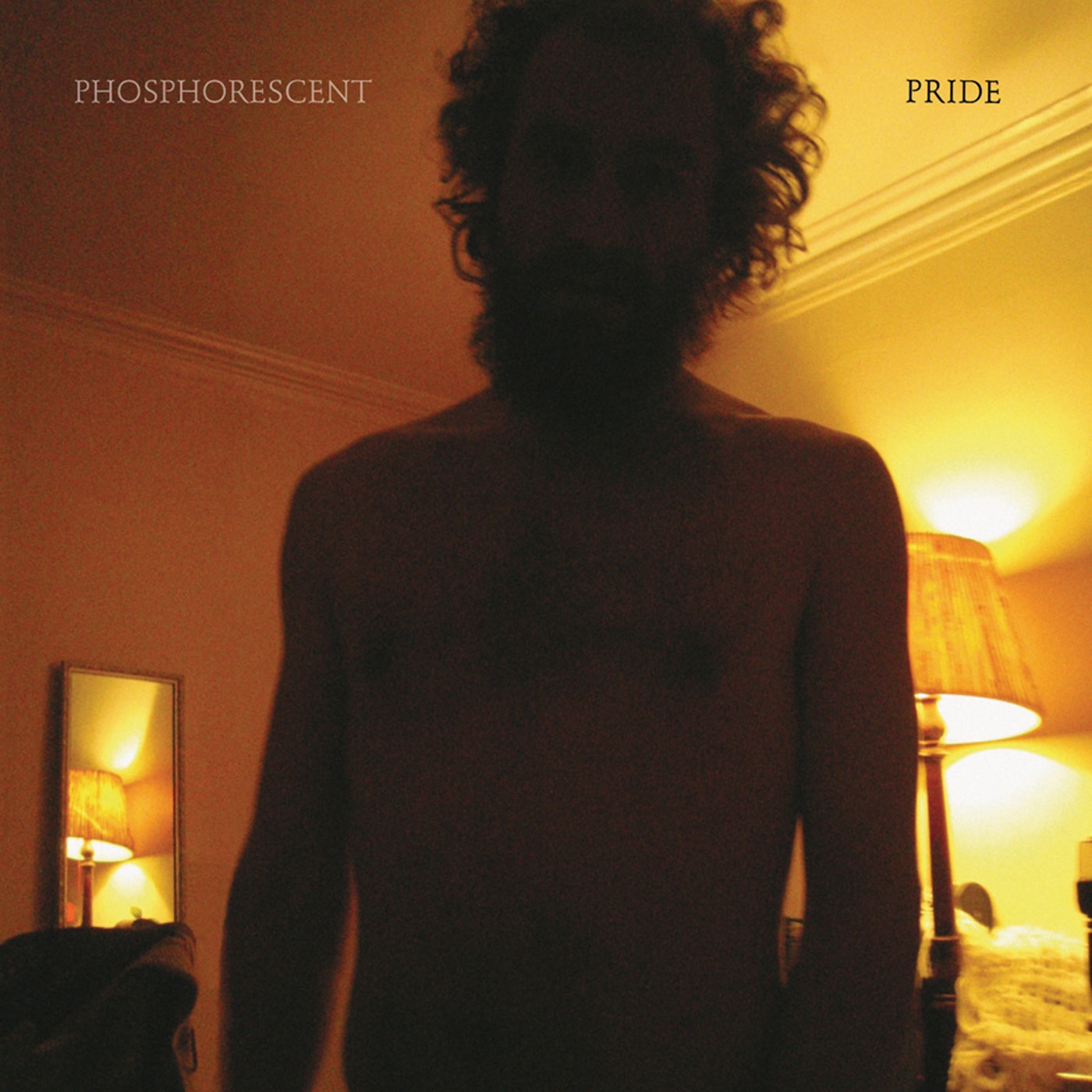 Phosphorescent
Matthew Houck has created another hypnotic, meditative song cycle with Pride, bettering 2005’s underrated Aw Come Aw Wry. His songs sound like true field recordings - the buzz of night insects sing harmony on more than one song - and on “Wolves”, one of the year’s most beautiful and arresting tracks, Houck sounds resigned to the violence that surrounds us all.
-
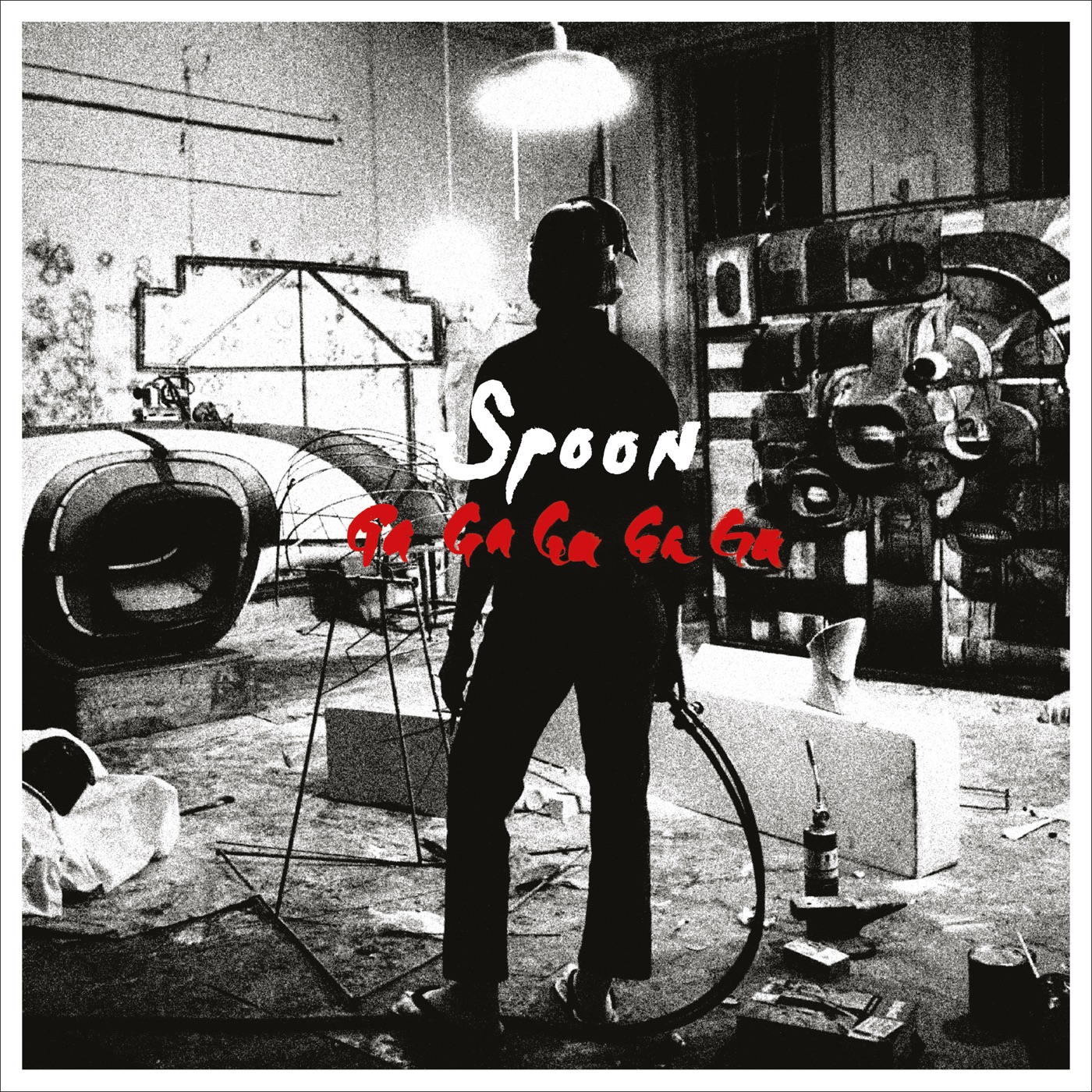
Ga Ga Ga Ga Ga continues a remarkable run of Spoon LPs with razor sharp guitars and taut, minimal arrangements that barely contain Britt Daniels’ restless howl. But this record also sees the fruition of Spoon’s gradual exploration of traditional pop sounds over the past half decade. One after another they churn out many of their catchiest songs - from the angular guitar anti-heroics of “Don’t Make Me A Target” through the sweeping “Black Like Me”. Ga Ga Ga Ga Ga is nothing short of a rock n’ roll celebration.
-
Burial
The music on Burial’s second LP in as many years is the perfect soundtrack for cold urban landscapes; it's an alien sounding collection of crackling percussion, distant R&B vocal fragments, and waves of ambient textures. Burial makes electronic music feel fragile and human - few records capture isolation and fleeting connection this vividly. Whatever haunted universe this music is beaming from must be lovely, dark, and deep.
-
 Panda Bear
“Comfy In Nautica” is as huge and beautiful as a song can get - a pitch perfect combination of soaring melody and open space - but much of the rest of Person Pitch crept into my subconscious, demanded repeated listens, and very gradually became one my favorite records of the year. While certainly companions, Person Pitch is more characterized by layered Pet Sounds-styled vocal harmonies and its nearly tranquil, circumambient tape loops than Strawberry Jam’s nightmarish intensity. Without a doubt, Person Pitch is among the most beautiful, consistently rewarding albums I’ve heard all year.
-
 The National
2005’s brash Alligator should have announced a new critical darling to the indie-rock scene, but for some reason it took many critics until Boxer to catch up with the band. Calling Alligator a “grower”, as many have, is absurd - a completely revisionist excuse for missing the boat. I’ve hardly been smacked harder in the face on first listen by an album than I was the first time I heard the rolling chords of “Secret Meeting”. If anything, Boxer is the grower of the two. Far less immediate than it’s more macho (and at times comically egotistical) predecessor, Boxer revels in its gauzy, impossibly rhythmic arrangements and the red wine buzz of Matt Berninger’s aristocratic baritone. If Craig Finn has become the street-poet laureate for those with a soft spot for the wild night's of the past, on Boxer Berninger is the same for those whose present is the grind of balancing a day job and a nightlife.
-
 LCD Soundsystem
The album balances dance-floor euphoria with aging anxiety and emotional uncertainty in a way that feels remarkably honest. James Murphy writes about friendship, boredom, scene fatigue, and mortality with enough humor to keep the sadness from collapsing inward. “All My Friends” and “Someone Great” both understand how memories can feel joyful and devastating.
-
 Dinosaur Jr.
The classic lineup reunion works because the band never sounds like it’s trying to recreate youth artificially. J Mascis’s guitar solos remain massive and emotionally expressive, while Lou Barlow adds warmth and melancholy that deepen the songs beautifully. Tracks like “Almost Ready” and “Been There All The Time” feel energized rather than nostalgic. The album captures the joy of musicians rediscovering chemistry that never really disappeared.
-
 Deerhoof
The album balances childlike playfulness and rhythmic complexity better than almost anyone else could manage. Satomi Matsuzaki’s sweet vocals collide with fractured guitar lines and constantly shifting structures that somehow remain catchy and emotionally alive. Deerhoof’s experimental instincts feel joyful rather than academic. The record rewards close listening without ever losing spontaneity.
-
 The National Lights
The songs on the debut record from Jacob Berns’ folk group The National Lights are the most hauntingly beautiful you’ll hear all year. Literally. Each one touches on some combination of ghosts, death, dark secrets, lost love, and non-accidental drowning. Berns is clearly inspired by the American Gothic short stories of Flannery O’Connor, and it doesn’t hurt that he hides his take on the traditional murder ballad behind songs that, without close attention, come across as just a series of lost love songs. Dig deeper though and you’ll find the river has washed away the hearts and bones, leaving only memories and Berns’ hushed, twee vocals to hint at a gruesome tale. With help from the beautiful harmonies of Sonya Cotton and the crisp production of Chris Kiehne, The National Lights have released one of the year’s best debut records of any genre.
-
 Animal Collective
Strawberry Jam is Animal Collective at their most accessible; it’s an expansive and continuously rewarding art-pop record that reveals new strengths and secrets with every listen. Avey Tare has blossomed into a singer with a wildly expressive range, leaping from pillowy soft whispers to throat-scraping screams with ease, and leads the band further away from the dreamy, child-like lo-fi folk of earlier releases to something darker and more immediately disturbing here. And although he only sings lead on 2 songs, that increasingly distinctive Panda Bear stamp is all over Strawberry Jam in his beautiful harmonies.
-
 Handsome Furs
As the less critically adored half of Wolf Parade Dan Boeckner has been living in the shadow of the erratic genius of Spencer Krug. Plague Park should be proof enough that Boeckner is deserving of no such fate. His is Wolf Parade’s steady hand; he added a solid group of emotionally charged mini-anthems to Apologies To The Queen Mary, and does the same on the debut of his side project. His songs have always been infused with plenty of power chords and Will Johnson-meets-Beck-meets-“Eddie and the Cruisers” vocals, but on Plague Park the arrangements are stripped down to their primal core and drip with gritty urban paranoia.
-
A.A. Bondy
The title track may refer to a country of bruised hearts, but the songs on A.A. Bondy’s solo debut deal mostly with the stuff that’s in his. Bondy uses the back-drop of his folk and folk-blues songs to mix lyrics of both personal and political insight. His greatest asset though is a voice full of Southern cracks, recorded dry and intimate. When he sings the chorus of “Witness Blues” - "and once there was a time to join the army, and once there was a time to hear the news, and once there was a time for easy silence, but now the jury waits for you" - it’s as if he’s rewritten “Blowing In The Wind” for a nation whose history is repeating itself. Again. And again.
-
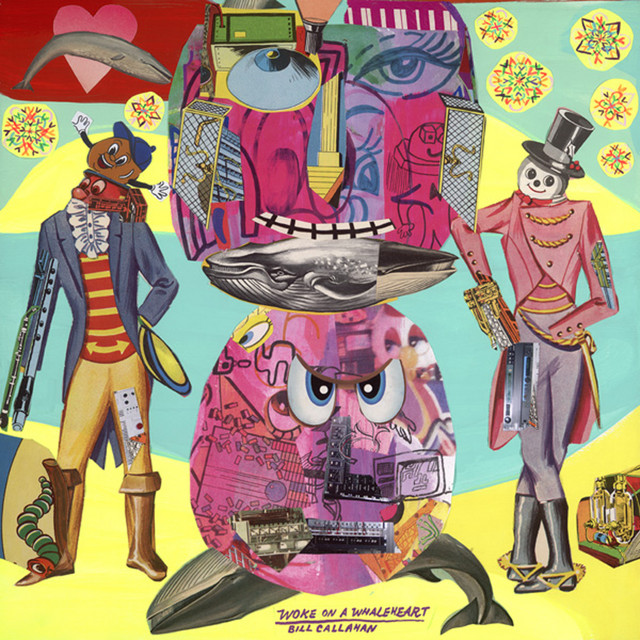
Bill Callahan
-
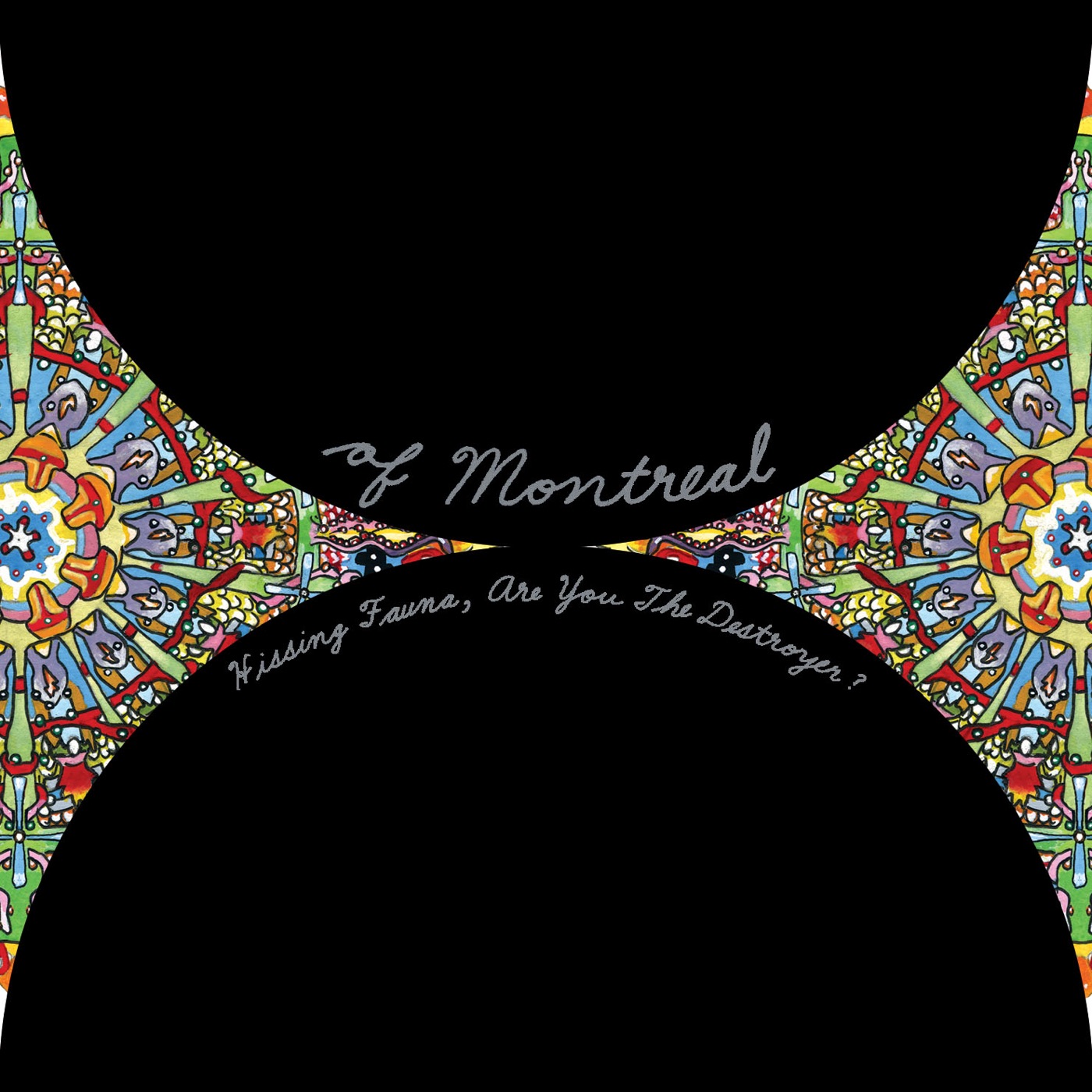 of Montreal
For 7 songs, Hissing Fauna channels psychological collapse into hyperactive psychedelic pop that constantly threatens to overwhelm itself. Kevin Barnes swings between narcissism, self-loathing, lust, humor, and genuine emotional desperation without smoothing out the contradictions. “The Past Is a Grotesque Animal” turns repetition into emotional entrapment with astonishing intensity. After that it loses the plot as Barnes sings from a new POV that feels exploitive and unnecessary.
-
 The Field
The album builds hypnotic emotional momentum from tiny loops repeated with microscopic variation. Axel Willner turns minimal techno into something strangely melancholic and immersive through patience and texture alone. Tracks seem static at first until subtle rhythmic and melodic changes begin reshaping the emotional atmosphere completely. It’s dance music that feels meditative without losing physical drive.
-
 Battles
The album treats rhythm as a constantly mutating puzzle without sacrificing excitement or movement. Guitars, drums, electronics, and processed vocals interlock so intricately that the music feels mechanical and strangely playful at the same time. Tyondai Braxton’s vocal manipulations add to the sense that the songs are being assembled in real time from shifting fragments. The record sounds intensely technical, but also deeply alive.
-
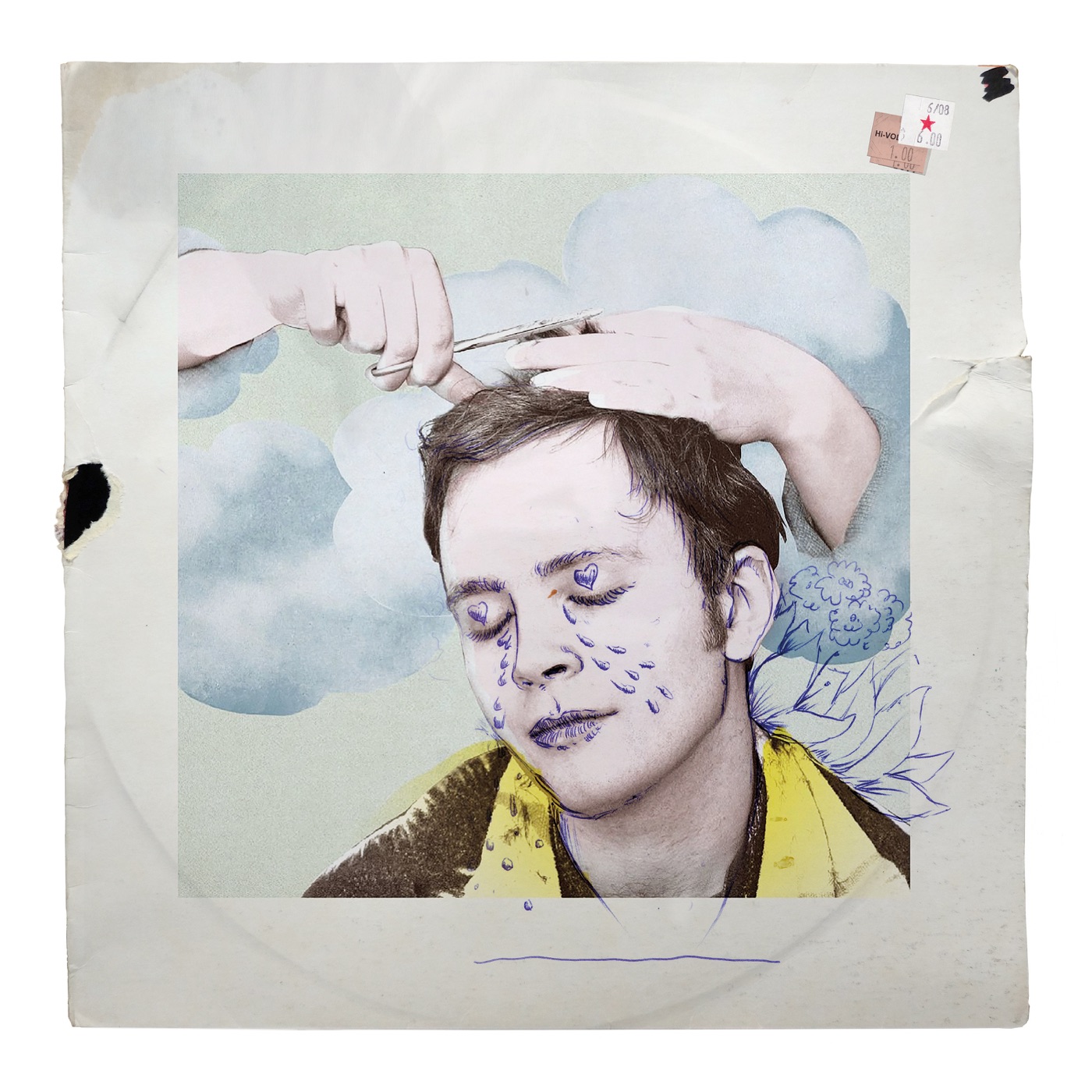
The album transforms awkwardness, heartbreak, and romantic overthinking into charmingly detailed pop songs full of orchestral warmth and dry humor. Jens Lekman writes with remarkable specificity, making small social moments feel emotionally enormous. Beneath the wit, there’s genuine loneliness and uncertainty running through the record. It understands how embarrassing and moving ordinary human connection can be.
-
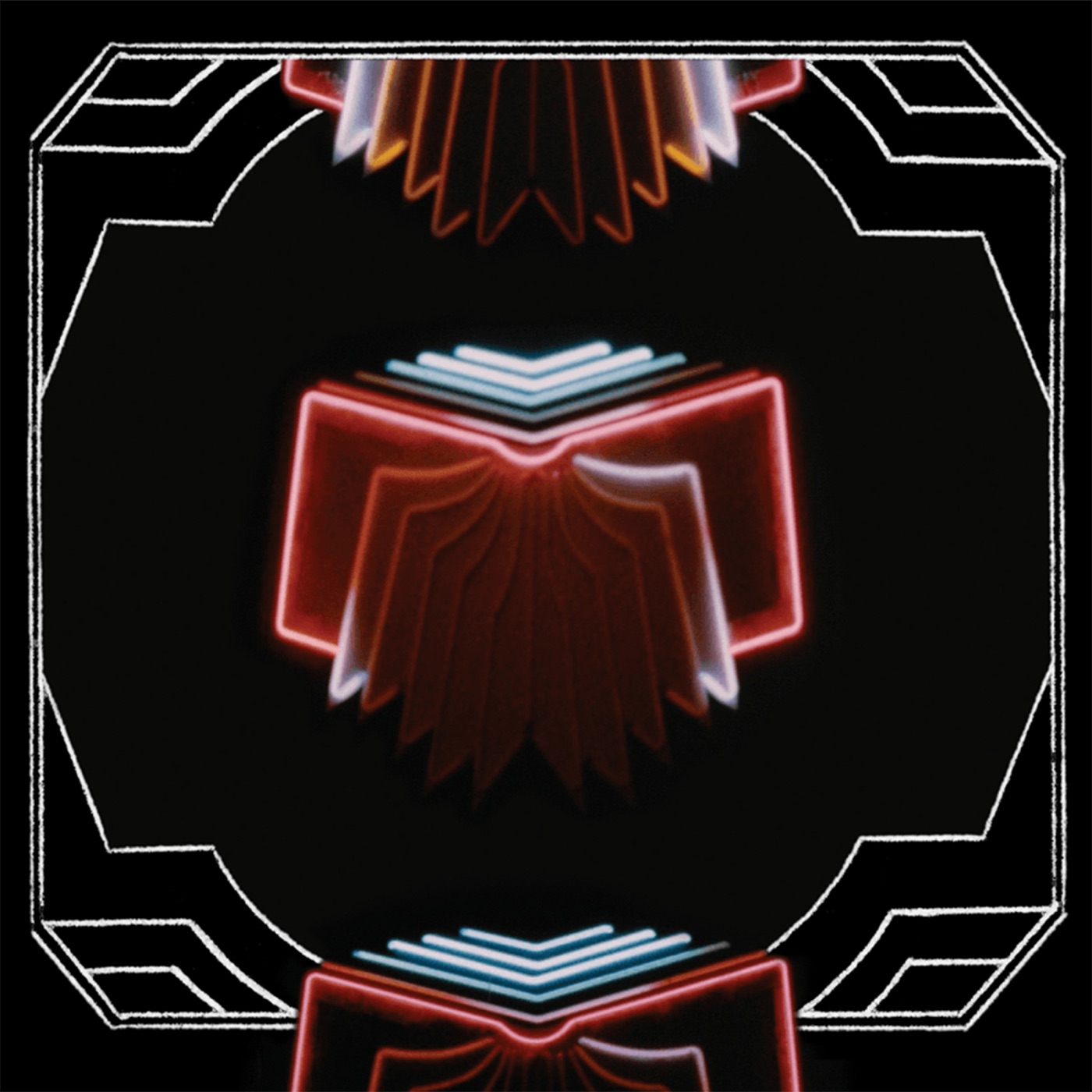 Arcade Fire
While not as consistent and Funeral, Neon Bible broadens the band’s emotional scale into something darker and more politically anxious. Organs, choirs, and huge arrangements create an atmosphere of spiritual and cultural unease rather than simple grandeur. Win Butler sings about media saturation, fear, religion, and emotional isolation with real conviction. The record feels like a community trying to hold itself together while sensing larger systems beginning to collapse.
-
 Caribou
The album layers psychedelic pop melodies, electronic textures, and rhythmic experimentation into songs that feel constantly blooming outward. Dan Snaith balances complexity and warmth beautifully, allowing intricate arrangements to remain emotionally inviting. Tracks like “Melody Day” shimmer with optimism while still carrying hints of melancholy underneath. The record sounds colorful without becoming weightless.
-
 Black Lips
The album captures garage rock at its most reckless and charismatic. Black Lips blend sloppy punk energy, surf-rock hooks, country influences, and drunken humor into songs that feel joyfully unstable. Even at their messiest, tracks like “O Katrina!” and “Bad Kids” carry undeniable melodic instinct. The record’s appeal comes from how fully it embraces imperfection.
-
 Okkervil River
The album examines performance, identity, fame, and emotional self-destruction with literary precision and genuine emotional force. Will Sheff writes about people trapped inside stories they can no longer control, whether personal or cultural. Songs like “Our Life Is Not a Movie or Maybe” and “John Allyn Smith Sails” feel emotionally huge without losing narrative detail. The record understands how art and self-mythology can become inseparable.
-
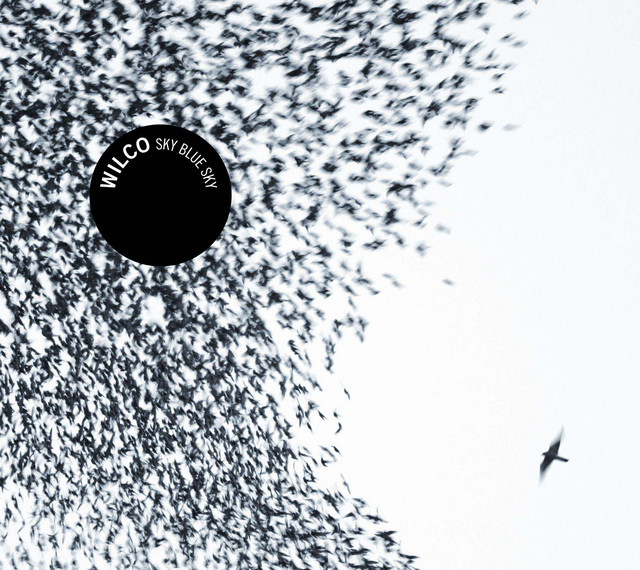
Wilco
After a daring and remarkable run of LPs from Being There to A Ghost Is Born, Sky Blue Sky trades experimentation for clarity and emotional openness. Jeff Tweedy writes songs about aging, addiction, intimacy, and uncertainty while the band plays with remarkable patience and warmth. Nels Cline’s guitar work adds subtle emotional color when needed, and explodes into unforgettable solos on "Impossible Germany" and "Side With The Seeds". It’s a more "mature" record that finds beauty in steadiness and restraint instead of exploration.
-
 Kevin Drew
The album channels the communal spirit of Broken Social Scene into something more emotionally direct and personal. Kevin Drew sings with ragged vulnerability while huge arrangements surge around him full of horns, guitars, and layered voices. The songs feel restless and emotionally crowded in a compelling way. It’s music searching for transcendence through human connection.
-
 Deerhunter
The album moves between ambient drift, noise-rock chaos, and fragile melody with dreamlike unpredictability. Bradford Cox turns physical illness, alienation, and memory into blurred sonic atmosphere. The first half feels submerged and disoriented, while the later songs gradually emerge into clearer emotional focus. It’s a record about instability that somehow becomes comforting.
-

Few electronic albums are this joyful, strange, or inventive. Dan Deacon builds songs from warped samples, manic rhythms, and layers of synthetic sound that somehow become irresistibly catchy. Tracks like "The Crystal Cat" feel chaotic at first but reveal surprising compositional sophistication. The album captures the energy of a basement party and an experimental art project simultaneously. It's one of the defining statements of late-2000s underground electronic music.
-
 Iron & Wine
Sam Beam dramatically expanded his palette on The Shepherd's Dog, moving far beyond the hushed folk of his early recordings. The album incorporates African rhythms, psychedelic textures, and intricate arrangements without sacrificing the intimacy of his songwriting. Songs like "Boy with a Coin" and "House by the Sea" feel rich and exploratory while remaining deeply personal. Every track reveals new details with repeated listening. It's the record that transformed Iron & Wine from a gifted singer-songwriter into a truly adventurous bandleader.
-
 King Khan & the Shrines
What Is?! sounds like a garage-rock revue determined to tear down the walls of the venue. King Khan blends soul, funk, punk, and psychedelic rock into a wild, celebratory mess that never loses control. The horn arrangements add depth without taming the music's raw energy. Every song feels designed to get bodies moving. Few records are this much fun while remaining musically ambitious.
-
 No Age
Part compilation, part statement of purpose, Weirdo Rippers introduced No Age's unique combination of noise and melody. The songs often seem buried beneath layers of distortion, yet memorable hooks constantly emerge from the haze. The album feels spontaneous and immediate without sounding careless. Its lo-fi textures became enormously influential within indie rock.



Do you like albums?
Want to make a list?
It’s free & easy &
the Whale is nice!
Learn more