-
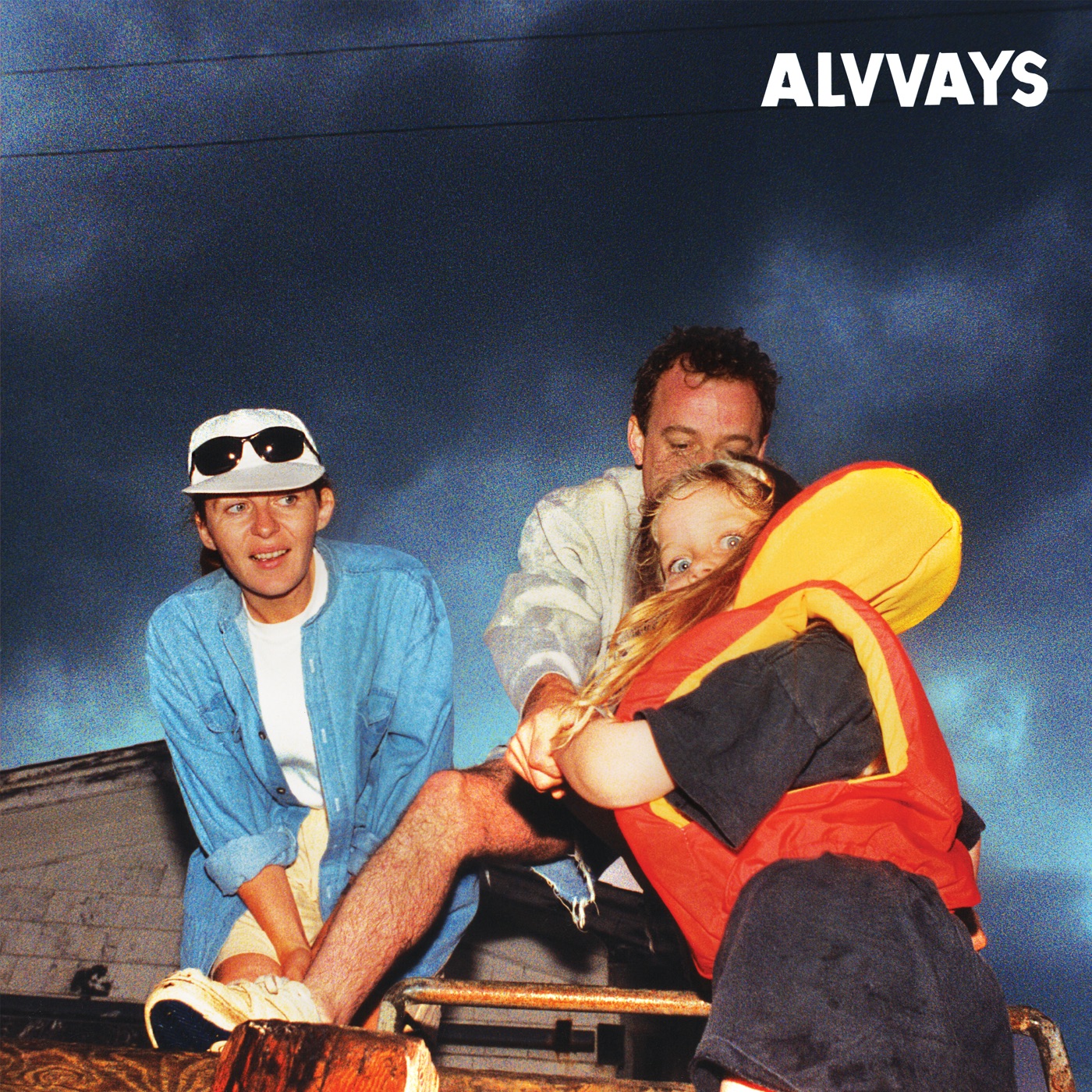 Alvvays
Blue Rev packs an absurd amount of melodic information into songs that often feel seconds away from spinning out of control. The guitars blur into walls of jangling noise while Molly Rankin’s melodies somehow remain perfectly sharp at the center. “Pharmacist” and “After the Earthquake” move with incredible speed and emotional precision, balancing heartbreak with nervous exhilaration. The production is dense but never muddy, full of tiny hooks and details that emerge over repeated listens. The album revitalizes indie-pop by making it feel messy, physical, and emotionally overstimulated again. It’s one of the most purely enjoyable guitar records of the decade.
-
billy woods
Aethiopes feels haunted by centuries of violence, exploitation, displacement, and survival. Preservation’s production is dusty and disorienting, built from fractured jazz loops and unstable rhythms that perfectly match woods’ dense writing. His verses move through colonial history, family memory, political terror, and surreal humor with astonishing control. The album refuses linear storytelling or easy interpretation, forcing listeners to sit inside ambiguity and fragmentation. Even its funniest moments feel shadowed by historical weight. It’s one of the most intellectually and emotionally demanding rap albums of recent years.
-
MJ Lenderman
Lenderman turns aimlessness and emotional confusion into something weirdly comforting throughout Boat Songs. The record blends ragged guitar solos, alt-country textures, and deadpan humor without sounding self-consciously “indie.” “Hangover Game” and “Tastes Just Like It Costs” capture his gift for mixing absurd detail with genuine sadness. The performances feel loose and unhurried, but the songwriting underneath is incredibly precise. There’s warmth in the album’s imperfections and uncertainty. It sounds like someone trying to laugh without fully escaping disappointment.
-
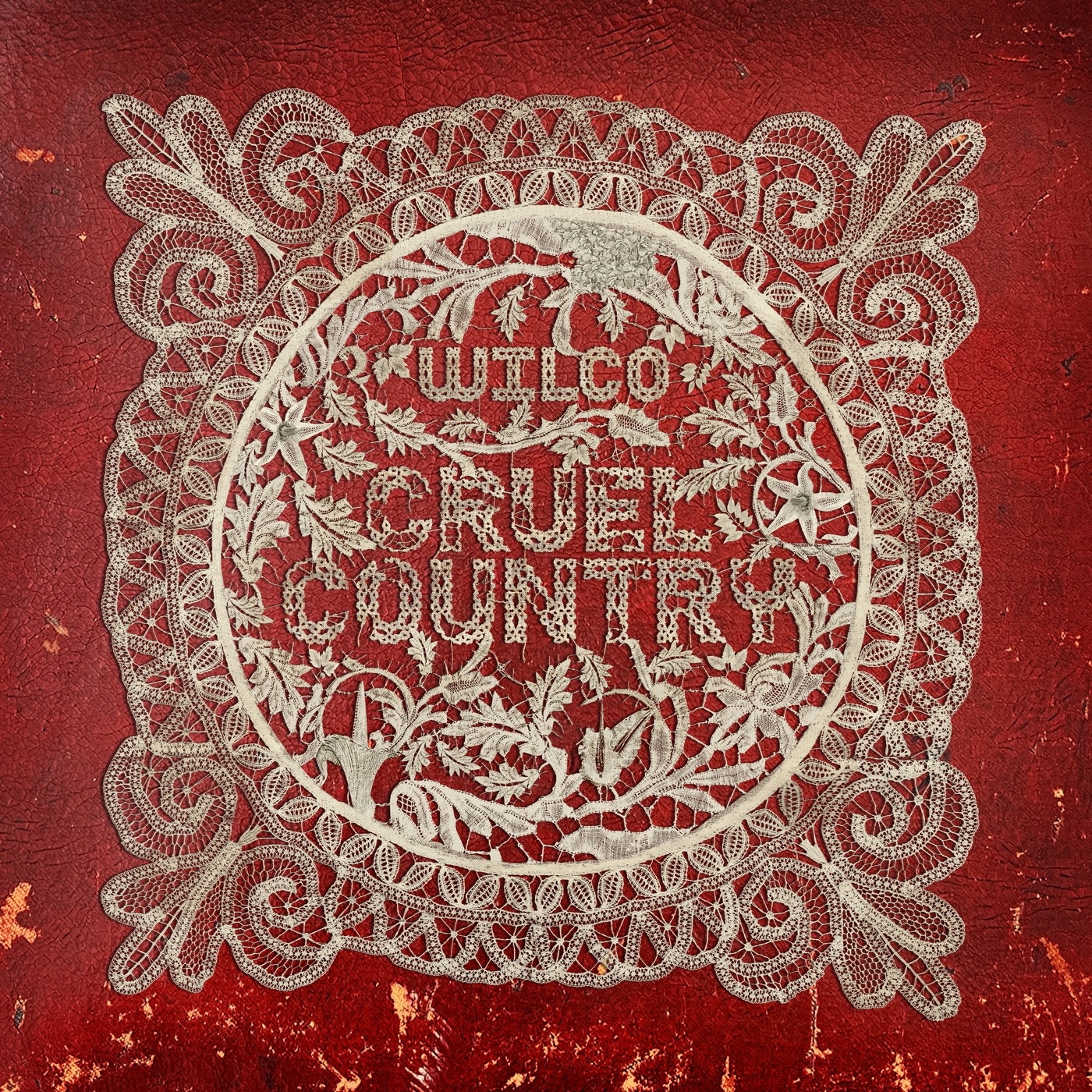 Wilco
WilcoWilco strip back much of their studio experimentation here in favor of warm, understated country-rock songwriting. The album sprawls comfortably, allowing Jeff Tweedy’s reflections on aging, national anxiety, and emotional endurance to unfold gradually. Tracks like “Hints” and “Falling Apart (Right Now)” feel conversational rather than dramatic. The band plays with immense subtlety throughout, prioritizing feel and atmosphere over flash. Rather than treating Americana as nostalgia, the album uses it as a framework for uncertainty and fragmentation. Its patience becomes one of its greatest strengths.
-
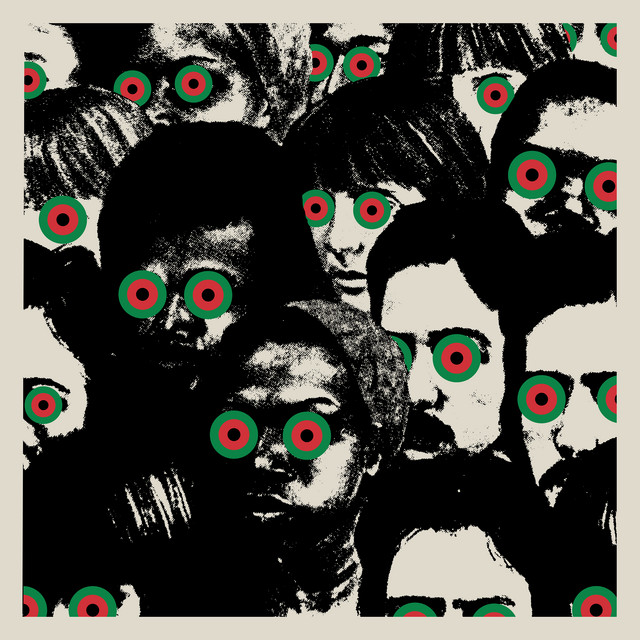
Danger Mouse, Black Thought
Cheat Codes succeeds because it avoids nostalgia while drawing deeply from classic hip-hop structure and soul production. Danger Mouse builds rich, cinematic beats that leave space for Black Thought’s extraordinary technical control and lyrical detail. Tracks like “Aquamarine” and “Belize” feel calm and assured rather than desperate to prove relevance. Black Thought raps with the confidence of someone who no longer needs to force intensity. The album moves elegantly between introspection and pure verbal skill. It’s grown-up rap music without any loss of sharpness or imagination.
-
Alex G
Alex G continues turning fragmented production and warped songwriting into a strangely coherent emotional language. The album mixes acoustic intimacy, Auto-Tuned vocals, gospel touches, and blown-out digital textures without sounding random or ironic. Songs like “Runner” and “Miracles” feel emotionally sincere even when the sonic environment around them is unstable. There’s a spiritual searching quality running through the album that gives it unusual depth. Alex G’s melodies remain deceptively strong beneath all the experimentation. The record sounds deeply contemporary without chasing trends.
-
SZA
S.O.S. expands SZA’s emotional and stylistic range without losing the diaristic intimacy that makes her writing so compelling. The album moves fluidly between R&B, pop, rock, and rap influences while maintaining a strong emotional center. “Kill Bill,” “Ghost in the Machine,” and “Blind” capture the album’s mix of insecurity, anger, humor, and self-awareness. SZA’s vocal performances remain wonderfully elastic and conversational. The record embraces contradiction instead of resolving it neatly. Its emotional messiness is exactly what gives it life.
-
Destroyer
Dan Bejar leans harder into synthetic textures and dance rhythms here, but the album still carries his characteristic sense of mystery and intellectual drift. The songs feel glossy on the surface while remaining emotionally evasive underneath. “Tintoretto, It’s for You” and “June” stretch simple grooves into strangely hypnotic meditations. Bejar’s lyrics continue operating through fragmented images and half-revealed emotions rather than narrative clarity. The production gives the album a sleek, nocturnal atmosphere. It’s one of Destroyer’s most rhythmically fluid records.
-
Big Thief make the double album format feel expansive rather than bloated by treating genre as something fluid and instinctive. Folk, country, indie rock, psychedelia, and field-recording intimacy all coexist naturally here. Adrianne Lenker’s songwriting remains astonishingly open-hearted, especially on tracks like “Simulation Swarm” and “Spud Infinity.” The band’s chemistry gives the album warmth even at its strangest or most fragile moments. It constantly shifts moods without losing coherence. Few contemporary rock records feel this alive and exploratory.
-
The Beths
The Beths combine emotionally devastating lyrics with impossibly bright guitar-pop momentum. Elizabeth Stokes writes about breakups, anxiety, and self-doubt with wit and painful clarity, especially on the title track and “Knees Deep.” The band’s harmonies and tightly constructed arrangements keep the album moving at exhilarating speed. What makes the record special is how it refuses to separate emotional intelligence from pure pop pleasure. Every hook lands harder because the writing underneath is so sharp. It’s one of the best power-pop records in years.
-
Empath
Visitor sounds chaotic in a way that feels joyful rather than destructive. Noise rock, shoegaze, punk, synth-pop, and blown-out experimental textures collide constantly, but the band’s emotional sincerity keeps the album grounded. The songs often feel like they’re mutating in real time. Underneath all the distortion and sensory overload are surprisingly strong melodies and moments of tenderness. The album captures emotional overwhelm without sounding cynical or detached. It’s messy, vulnerable, and strangely uplifting.
-
Florist
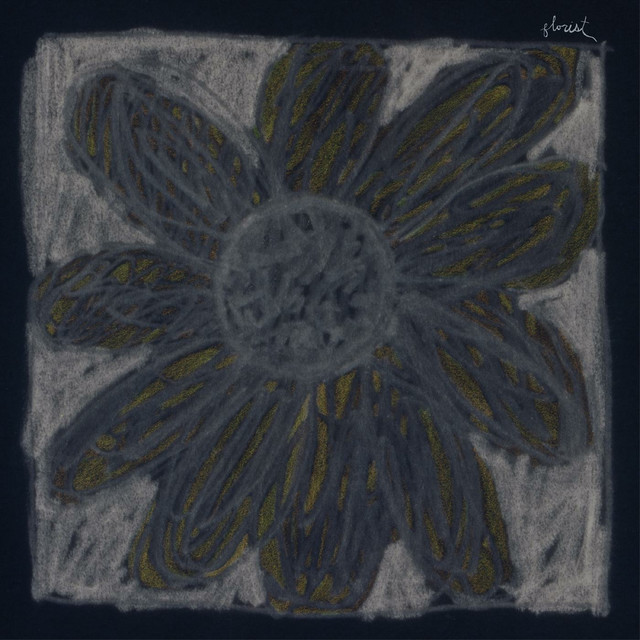
Florist make incredibly quiet music that still feels emotionally expansive and alive. The self-titled album blends acoustic folk songs with ambient interludes, field recordings, and fragile conversational moments. Emily Sprague’s writing focuses on mortality, nature, and connection without drifting into abstraction or sentimentality. The sparse arrangements leave enormous emotional space around the songs. The album rewards close listening because so much of its power comes from tiny details and silences. It feels less like performance than shared presence.
-
The Paranoid Style
Elizabeth Nelson fills the album with hyper-literate political and cultural observations delivered at breakneck speed. The songs move with wiry punk energy while drawing heavily from folk-rock and pub-rock traditions. Nelson’s lyrics are funny and deeply informed without becoming smug or academic exercises. The band keeps the arrangements lean and energetic, allowing the writing to cut sharply. The album captures contemporary exhaustion and absurdity better than most overtly political indie rock.
-
Spoon
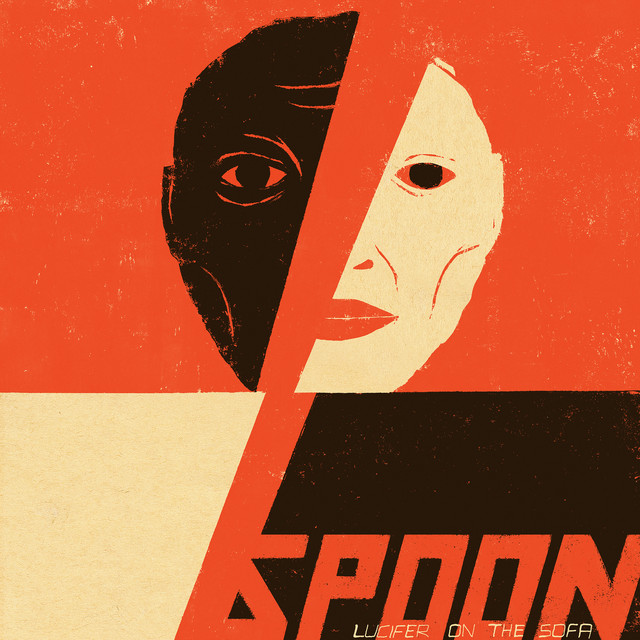
Spoon roughen up their famously controlled sound here, emphasizing live-band energy and guitar crunch. Britt Daniel’s songwriting remains incredibly economical — almost every song is built from small but perfectly chosen details. “The Hardest Cut” and “Wild” hit with unusual force because the band sounds slightly less polished than usual. The grooves still feel tight, but there’s more dirt and spontaneity in the performances. The album proves how adaptable Spoon’s minimalist instincts remain. Few veteran indie bands still sound this hungry.
-
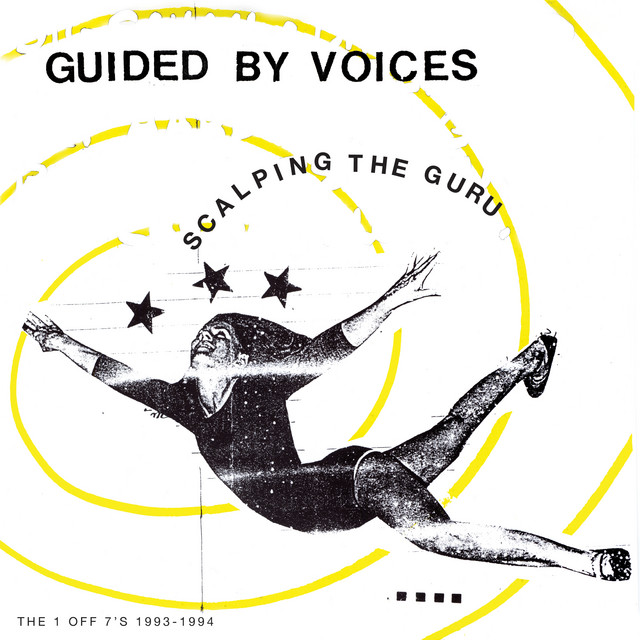
Guided By Voices
-
Guided By Voices
-
Guided By Voices
-
Beach House
Beach House expand their dream-pop universe into something more cinematic and structurally ambitious here. The album moves through synth-pop, ambient drift, orchestral textures, and classic slow-burn melancholy without losing coherence. Victoria Legrand’s voice remains central — calm, mysterious, and emotionally grounding amid all the atmosphere. Tracks like “Superstar” and “Pink Funeral” show the duo refining their sense of emotional scale beautifully. Despite its length, the album rarely feels indulgent. It’s immersive in the fullest sense.
-
 Kendrick Lamar
Kendrick turns inward here, making one of the most psychologically raw mainstream rap albums ever released. The record focuses on trauma, ego, therapy, family, and public expectation without offering easy redemption arcs. Songs like “Mother I Sober” and “Father Time” are emotionally brutal in ways few major-label rap records attempt. The production constantly shifts between intimacy and theatricality, mirroring Kendrick’s internal conflicts. The album’s honesty can feel uncomfortable because it refuses heroic self-mythology. It’s messy, difficult, and deeply human.
-
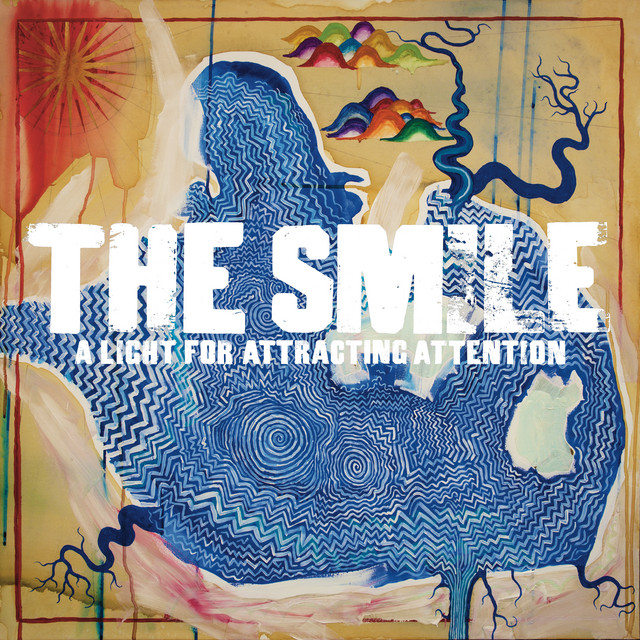
The Smile
Rather than sounding like a side project, The Smile often feels looser and more rhythmically adventurous than recent Radiohead albums. Thom Yorke and Jonny Greenwood lean into nervous grooves, wiry guitar lines, and restless momentum throughout the record. “Thin Thing” and “The Smoke” especially showcase the trio’s incredible rhythmic interplay. Tom Skinner’s drumming gives the music unusual elasticity and movement. The album balances anxiety and playfulness better than many late-career art-rock records. It sounds energized rather than burdened by legacy.
-
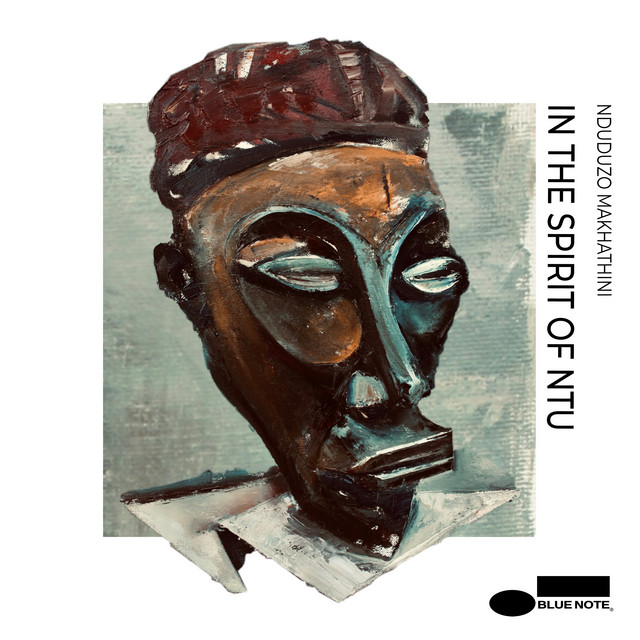
Nduduzo Makhathini
In the Spirit of Ntu channels spiritual jazz, funk, Afrocentric philosophy, and collective improvisation into music that feels enormous in emotional and rhythmic scope. The grooves are dense and propulsive, but the album’s spiritual and political seriousness gives it unusual depth. Gary Bartz’s saxophone playing moves fluidly between ecstatic release and meditative focus. Long tracks build through repetition and communal momentum rather than conventional solo structures. The album feels both fiercely grounded and cosmically ambitious. It remains one of the great statements of spiritual jazz fusion.
-
Ultha stretch black metal into something vast, emotionally exhausted, and strangely beautiful. The guitars create enormous waves of sound that feel immersive rather than purely aggressive. Long tracks evolve patiently, allowing moments of melody and atmosphere to emerge from the chaos. The album’s emotional tone centers less on rage than on despair and dislocation. Even at its heaviest, there’s a strong sense of vulnerability underneath the noise. It’s one of the most emotionally expansive metal records of the 2020s.
-
 Beth Orton
Beth Orton returns with an album that feels patient, weathered, and emotionally clear-eyed. The arrangements are spacious and subtly experimental, blending folk songwriting with ambient textures and drifting improvisational elements. Orton’s voice carries exhaustion and resilience simultaneously. The songs unfold slowly, allowing emotional complexity to emerge gradually instead of through dramatic climaxes. The record feels deeply comfortable with ambiguity and aging. It’s one of her richest and most quietly rewarding albums.
-
Burial
-
Earl Sweatshirt
-
Lambchop







Do you like albums?
Want to make a list?
It’s free & easy &
the Whale is nice!
Learn more