2023
-
billy woods, Kenny Segal
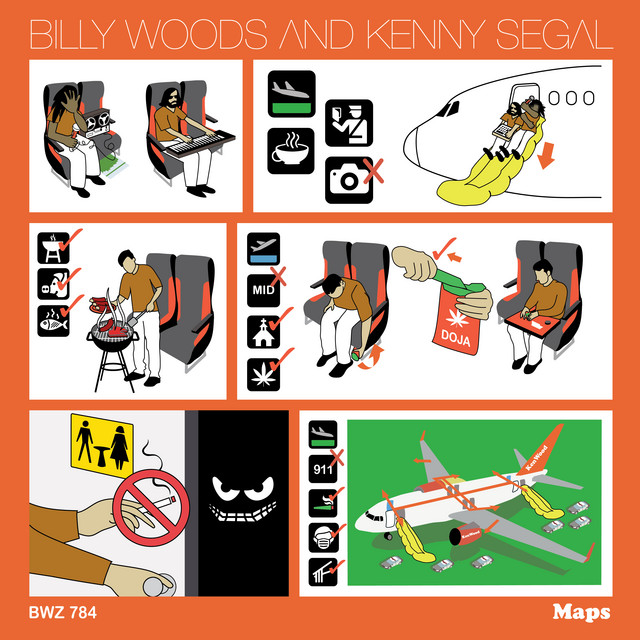
Maps turns touring, displacement, and exhaustion into something vivid and psychologically dense. Kenny Segal’s production is full of warped jazz fragments, dusty textures, and strange ambient details that make every song feel slightly unstable. Billy Woods raps in long, highly detailed verses that constantly shift between dark humor, political observation, and personal alienation. Tracks like “FaceTime” and “Soft Landing” reward repeated listening because the writing is so layered and indirect. The album never romanticizes life on the road; it treats movement itself as disorienting. Few rap records from the decade feel this literate without becoming self-consciously “important.”
-
 Hotline TNT
Cartwheel takes shoegaze textures and turns them into something warm, immediate, and weirdly uplifting. The guitars are huge and blurred together, but the songs themselves are tightly constructed and full of sharp melodic hooks. “Protocol,” “I Thought You’d Change,” and “Beauty Filter” hit because the emotional core stays clear underneath all the distortion. The album understands that loud guitars work best when paired with vulnerability rather than abstraction. It’s immersive without becoming sleepy or overly atmospheric. Few modern guitar records balance heaviness and sweetness this naturally.
-
Protomartyr
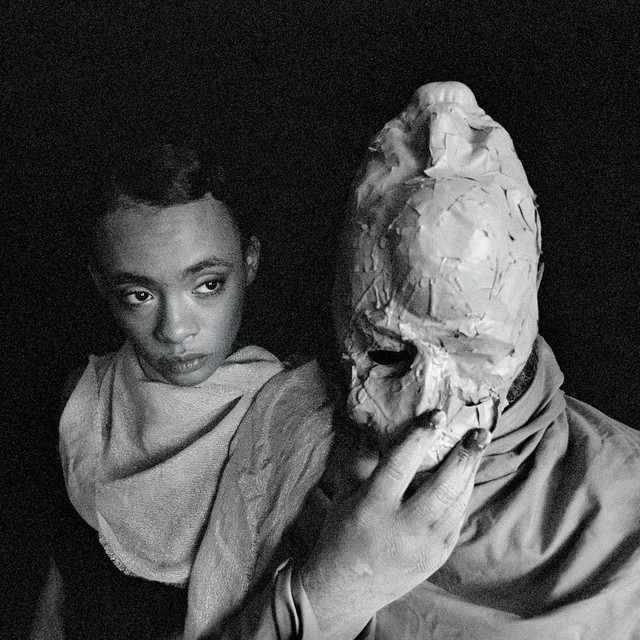
Protomartyr sound less paranoid here than on earlier records, but no less intense. Joe Casey’s lyrics remain full of existential dread, dry humor, and sharp observation, though the album allows more vulnerability and warmth to emerge underneath the cynicism. The band’s rhythms are tight and muscular without becoming rigid, especially on tracks like “Elimination Dances” and “Polacrilex Kid.” The guitars create tension through texture and repetition rather than sheer aggression. The album feels reflective without losing urgency. It’s a subtle evolution of the band’s sound rather than a reinvention.
-
Geese
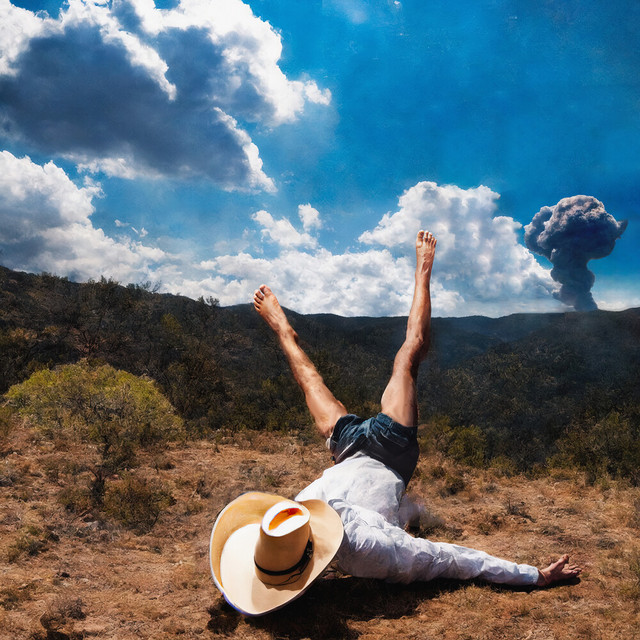
This album sounds like a young band discovering they can attempt almost anything and somehow pulling it off. 3D Country jumps between ragged country-rock, post-punk tension, glam swagger, and near-prog absurdity without feeling calculated. Cameron Winter’s vocals are especially memorable — theatrical, strained, funny, and emotionally committed all at once. Songs like “Cowboy Nudes” and “Gravity Blues” keep mutating structurally, yet the band’s looseness makes the shifts feel instinctive rather than technical. The album’s ambition is part of its excitement. It sounds messy in a way that feels alive instead of unfinished.
-
Ratboys
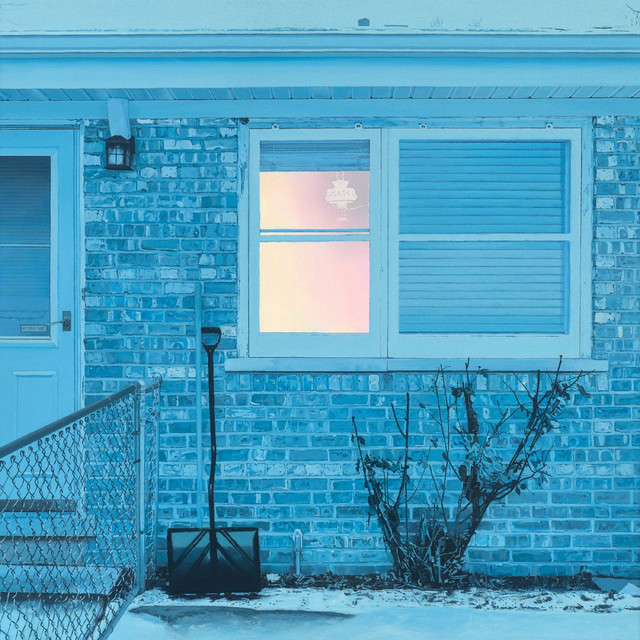
Ratboys make emotionally direct indie rock that never mistakes understatement for lack of feeling. Julia Steiner’s songwriting is full of small emotional details and melodic turns that gradually reveal their depth over repeated listens. “It’s Alive!” and “Morning Zoo” combine fuzzy guitar warmth with an almost conversational intimacy. The album feels rooted in 1990s indie and alt-country traditions, but the band avoids nostalgia by keeping the performances emotionally immediate. There’s comfort in the sound without complacency. The Window succeeds because it feels genuinely lived-in.
-
 Slow Pulp
Yard captures emotional burnout with unusual softness and clarity. The band’s mix of slowcore, dream-pop, and indie rock feels hazy without drifting into passivity, largely because Emily Massey’s vocals stay emotionally grounded at the center. Tracks like “Slugs” and “Broadview” balance heaviness and melody beautifully. The arrangements are understated but carefully layered, with guitars and keyboards creating atmosphere without overwhelming the songs. The album’s restraint becomes part of its emotional force. It feels patient in a musical moment that often rewards excess.
-
Yo La Tengo
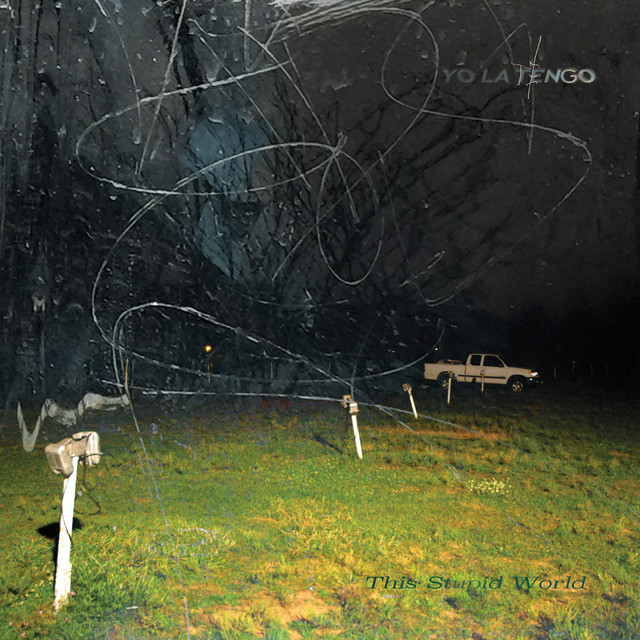
Decades into their career, Yo La Tengo still understand how to make simplicity feel mysterious. This Stupid World moves between hushed melancholy and long stretches of hypnotic guitar noise with complete confidence. “Fallout” and “Tonight’s Episode” show how subtly the band can build emotional tension through repetition and texture alone. The performances feel deeply unforced, as though the songs emerged naturally rather than being carefully engineered. There’s wisdom in the album, but very little self-importance. It sounds like a band completely comfortable with ambiguity and patience.
-
Wednesday
Rat Saw God collides Southern storytelling, shoegaze noise, alt-country detail, and emotional chaos into something remarkably coherent. Karly Hartzman’s lyrics are packed with vivid images and deadpan observations that make the songs feel highly specific without becoming self-conscious. “Bull Believer” is the obvious centerpiece — an enormous slow-building release of tension that earns every minute of its runtime. The band’s loudest moments feel cathartic rather than merely abrasive because the songwriting underneath is so strong. The album captures boredom, violence, humor, and nostalgia all tangled together. It’s one of the most emotionally textured rock records of the 2020s.
-
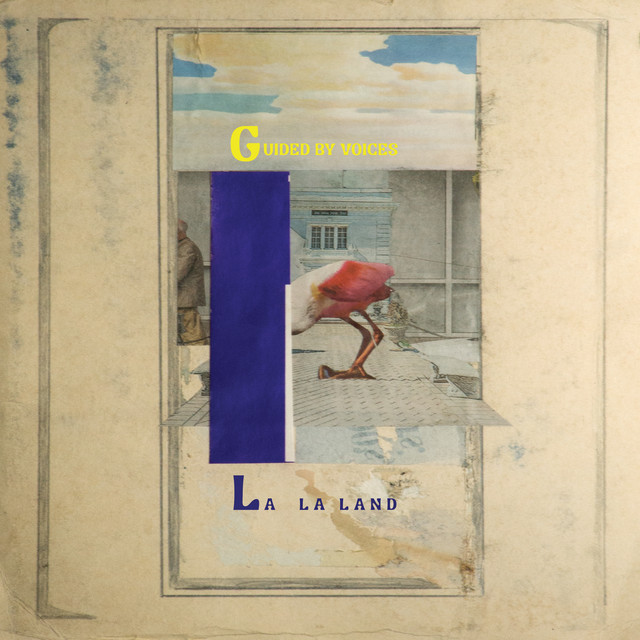
Guided By Voices
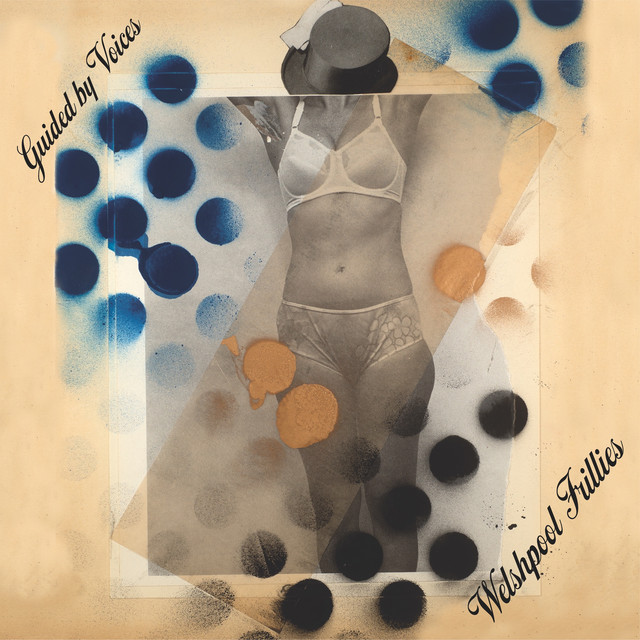
Dense, unpredictable, and overflowing with ideas, Welshpool Frillies rewards listeners willing to follow Pollard's wandering imagination. The songwriting frequently shifts between styles and moods. Despite its abundance, the album never feels routine. Several songs rank among the most memorable of the current lineup era. It's a record that grows richer over time.
-
Guided By Voices
A surprisingly focused set of songs that highlights the strengths of the current lineup. The album balances concise pop craftsmanship with occasional bursts of experimentation. Pollard sounds fully engaged throughout, delivering one memorable melody after another. It may not reinvent the band's formula, but it executes it exceptionally well.
-
Guided By Voices
A surprisingly muscular record that emphasizes guitars and rock momentum. Pollard balances short bursts of inspiration with several more expansive compositions. The performances have a live-band energy that keeps the album moving. There's a sense of joy in the music-making itself.
-
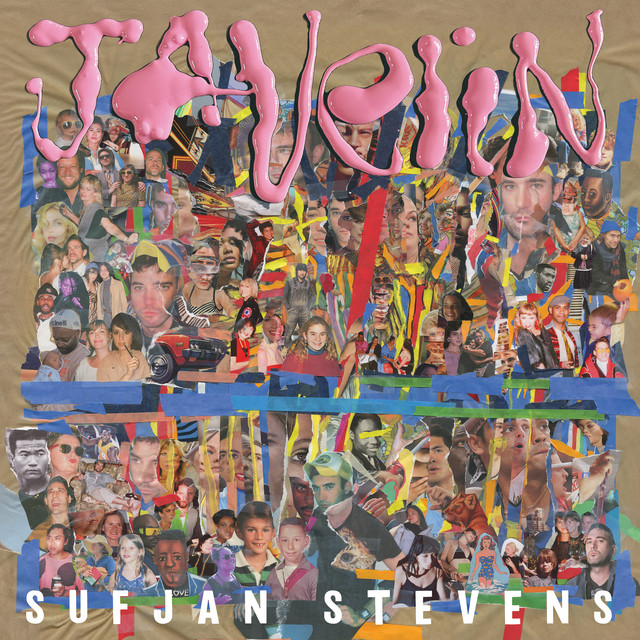
Sufjan Stevens
Javelin feels intimate even when the arrangements swell into choral and orchestral grandeur. Stevens writes about grief, love, faith, and memory with unusual directness, but the songs avoid sentimentality because the emotions remain complicated and unresolved. “Shit Talk” and “Will Anybody Ever Love Me?” balance fragility and structural ambition beautifully. The album’s production is lush without becoming overbearing, full of layered acoustic textures and ghostly vocal harmonies. Stevens has always been meticulous, but here the craftsmanship serves emotional clarity rather than conceptual design. It’s one of his most openly human records.
-
Young Fathers
Young Fathers continue making music that feels impossible to reduce to a single genre. Heavy Heavy pulls together gospel, hip-hop, punk energy, electronic music, and pop hooks into something rhythmic and emotionally overwhelming. “Rice” and “Geronimo” build momentum through layered percussion and vocal interplay rather than traditional song structure. The album feels communal and physical in a way few modern records do. Even its darker moments carry enormous forward motion. It sounds celebratory and anxious at the same time.
-
Mitski strips away much of the sharper irony of her earlier work and leans into emotional openness here. The arrangements draw from folk, country, orchestral pop, and ambient textures, giving songs like “Bug Like an Angel” and “My Love Mine All Mine” unusual warmth and space. Her writing remains highly controlled and precise, capable of making loneliness feel both deeply personal and strangely universal. The album’s pacing is especially impressive — quiet moments are given room to linger rather than being rushed toward climax. It feels emotionally exhausted but still searching for connection. The restraint makes the album hit harder.
-
Jeff Rosenstock
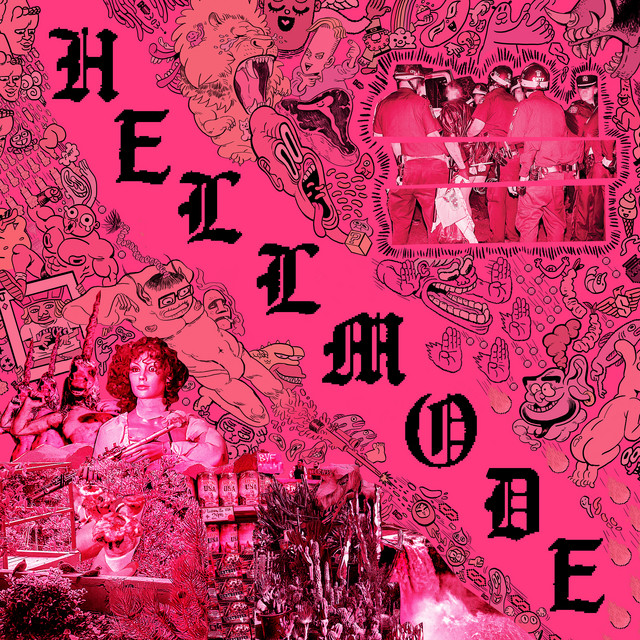
HELLMODE channels anxiety, political dread, aging, and internet-era exhaustion into songs that remain wildly catchy and genuinely exhilarating. Rosenstock’s gift is making maximalist punk-pop feel emotionally sincere rather than performative. “LIKED U BETTER,” “DOUBT,” and “3 SUMMERS” explode with hooks, but the album’s emotional messiness keeps it from feeling slick. The arrangements constantly pile on synths, gang vocals, and tempo changes without losing momentum. Beneath the chaos is an unusual amount of empathy and self-awareness. The album feels overwhelmed by modern life but still stubbornly alive inside it.
-
The National
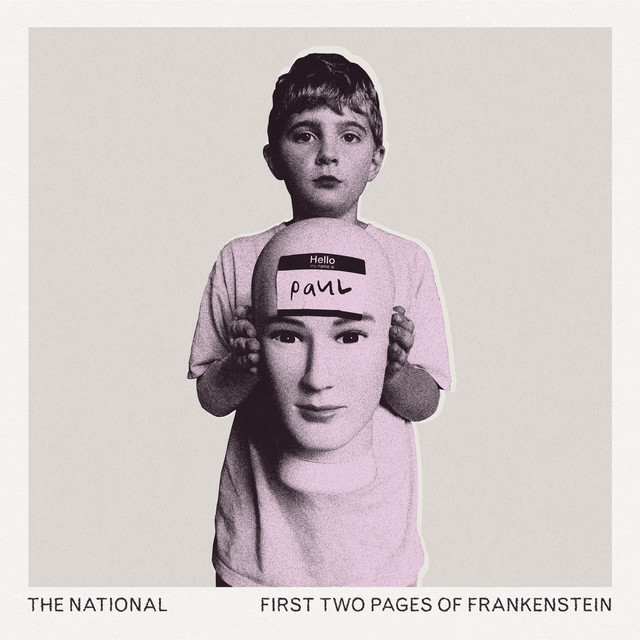
This album sounds like a band trying to reconnect with emotional immediacy after years of refinement and self-awareness. Matt Berninger’s writing remains full of anxiety, emotional paralysis, and aging dread, but there’s a looseness here that keeps the songs from sinking into abstraction. “Tropic Morning News” and “Eucalyptus” work especially well because the band lets repetition and small melodic shifts gradually deepen the emotional tension. The guest appearances add texture without distracting from the group’s identity. Sonically, the album is warmer and more open than some of their denser recent work. It feels less like a grand statement than a record about fragile human contact.
-
The National
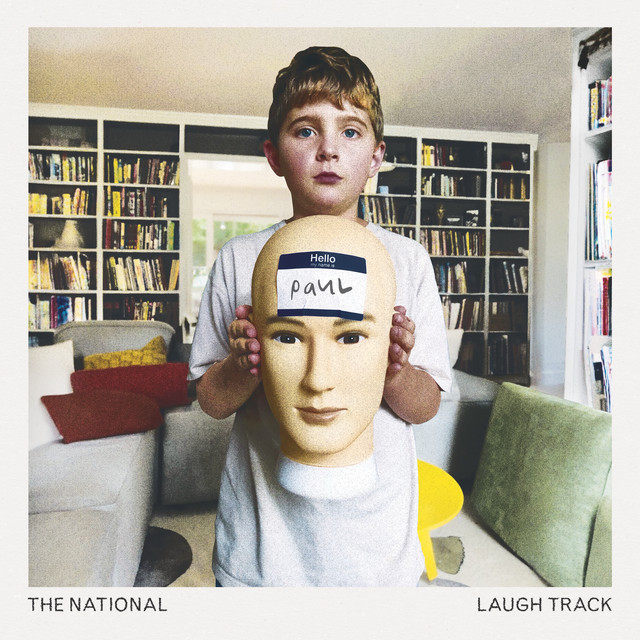
Laugh Track feels more instinctive and alive than its companion album, often sounding like the band rediscovered momentum by loosening their grip slightly. The songs stretch out more comfortably, allowing the Dessner brothers’ guitars and rhythms to create slow-building atmosphere instead of constantly aiming for precision. “Smoke Detector” is the obvious standout — messy, nervous, and hypnotic in a way the band rarely allows themselves anymore. Even quieter tracks carry a sense of movement and spontaneity underneath the melancholy. Berninger’s vocals sound less carefully composed and therefore more emotionally convincing. The album’s imperfections become part of what makes it compelling.

Do you like albums?
Want to make a list?
It’s free & easy &
the Whale is nice!
Learn more